Australasian HIV & AIDS Conference 2026 Australasian HIV & AIDS Conference 2026

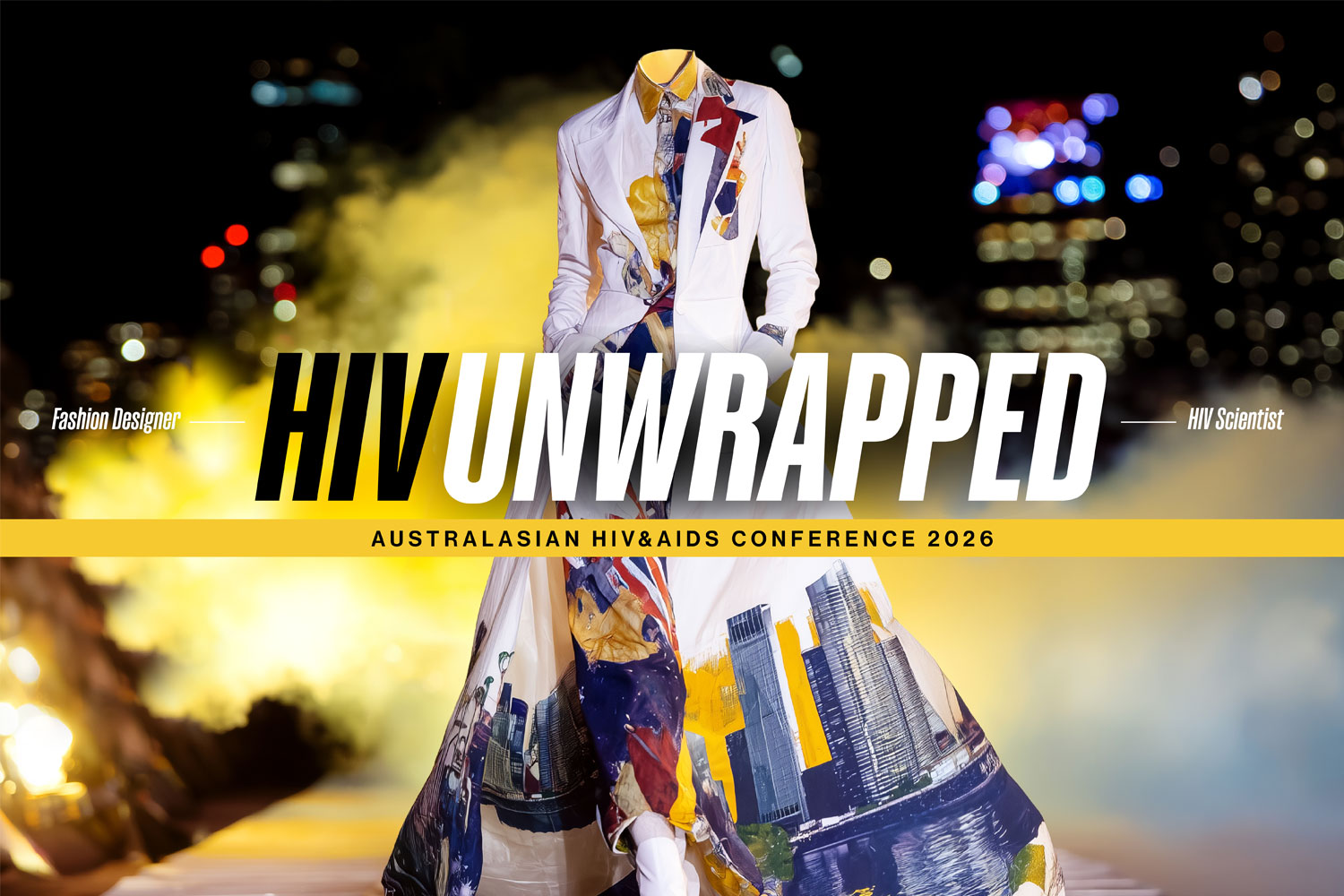
HIV Unwrapped 3.0 returns to Australia with its most ambitious and human-centered chapter yet—continuing to reimagine how HIV science is seen, understood, and felt.

At first glance, the garments are striking—bold, intricate, and unapologetically beautiful. But the true story of HIV Unwrapped is the result of a deeply collaborative exchange between an HIV scientist and an emerging fashion designer —two worlds not often in conversation, brought together to translate complex science into something visceral, emotional, and visible.
Each garment becomes a living expression of research, resilience, and representation—inviting audiences to engage with HIV science not as something distant or clinical, but as something human, creative, and deeply connected to our lives.

At its core, HIV Unwrapped is also an act of resistance against the enduring weight of HIV stigma. By placing science, identity, and lived experience at the centre of the conversation, the project pushes beyond awareness—toward understanding, empathy, and change.

HIV Unwrapped 3.0 debuts six new Australian garments, each inspired by the groundbreaking work of leading HIV scientists from across the country. These six pieces anchor a much larger, global story. They will be presented alongside more than two dozen garments from the international HIV Unwrapped collection—worn by people living with and affected by HIV in Melbourne—ensuring that the voices and bodies most connected to the story remain front and centre.

HIV Unwrapped 3.0 will culminate in a powerful closing runway event at the 2026 Australasian HIV & AIDS Conference, where, in a striking reversal of expectations, the scientists themselves will step onto the runway to wear the designs inspired by their work.

In that moment, HIV Unwrapped does what it does best: collapsing the distance between science and society, between data and humanity —reminding us that behind every breakthrough, every statistic, and every story, there are real people shaping, and being shaped by, the future of HIV.


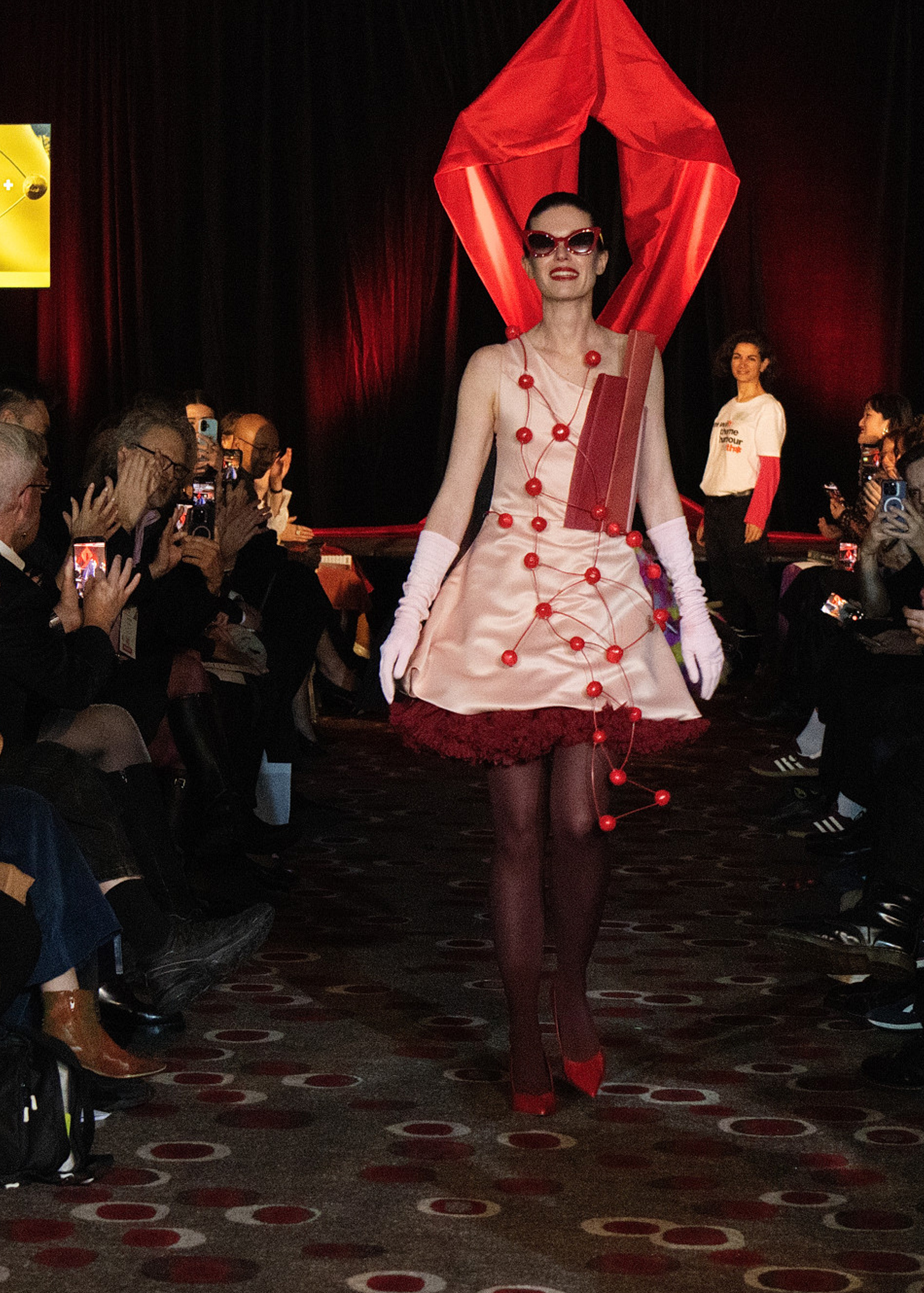
Gracie Schumacher + Skye McGregor

Gracie Schumacher

Gracie is a Fashion Designer and seamstress currently based in Melbourne, Australia. Known for her use of bright colour in her work and lifestyle. She tends to create garments that push the boundaries of ‘normal’ and portray joy and positivity. Gracie is currently studying a Bachelor of Fashion Design at RMIT University. Gracie aims to work sustainably and respectfully within her fashion practice. She is currently working on her brand ‘Carrot Top Clothing’.

Skye McGregor

Skye McGregor is an epidemiologist and lead of the Surveillance Innovation Group at the Kirby Institute, UNSW. Her research focuses on surveillance and prevention of sexually transmissible infections and blood borne viruses, and aims to understand and address persistent inequities in the burden of infection and disease among key populations in Australia and the Asia Pacific region.

Who would have thought a dress could portray STI-related research and data analysis? Certainly, it was a process that my scientific partner, Skye McGregor – an epidemiologist who primarily focuses on the surveillance and prevention of STI’s and blood borne viruses. Skye and I collaborated to produce a piece of work inspired by statistics and numbers, but illuminated by fabric, form and decoration.

Something integral to this project was the growth of HIV research itself- Skye’s culmination of scientific imagery and graphs spoke to me linearly, and took the form of a bar and line graph adorning the bodice. This celebrates new knowledge, understanding and the cultural renaissance of destigmatizing HIV.

Colour-wise, I was particularly drawn to the hues of blood and skin – considering HIV is a blood-borne virus. I settled on red, maroon and dusty pink to represent this as they are essentially the colours of the bloodstream, but are artistically sound when fused together. We tend to associate science with science only, but my piece aims to blur these lines between medicine and art. Despite my garment not intending to depict many complex aspects of HIV, I hope that it presents what is happening in the scientific world- continual growth in the surveillance, research and prevention of HIV.
Harlene Del Rosario + Timothy Broady

Harlene Del Rosario

Harlene Del Rosario is a graduate from the Bachelor of Fashion Design course at RMIT. Her aesthetic is creating unique designs predominately using bright colours and shiny things in her work. She also tries to incorporate sustainability in her designs using deadstock fabrics and repurposing materials. She aims to get into Medicine one day, linking science and fashion together.

Timothy Broady

Timothy Broady is an Associate Professor at the Centre for Social Research in Health, UNSW. His research focuses on prevention, testing, and treatment of bloodborne viruses and sexually transmissible infections, with a particular focus on addressing stigma and discrimination among affected communities. He has extensive experience in quantitative social research methods and survey design, including attitudinal measures and their associations with behavioural and health/wellbeing outcomes. He currently manages the GBQ+ Community Periodic Survey (Australia’s main HIV behavioural surveillance system) and the Stigma Indicators Monitoring Project (which monitors the experience and expression of stigma towards communities affected by bloodborne viruses and sexually transmissible infections). In recent years, he has led a series of research projects that have designed and evaluated the effectiveness of brief stigma reduction intervention resources, and he is a co-convenor of an online short course focused on addressing stigma in health care.

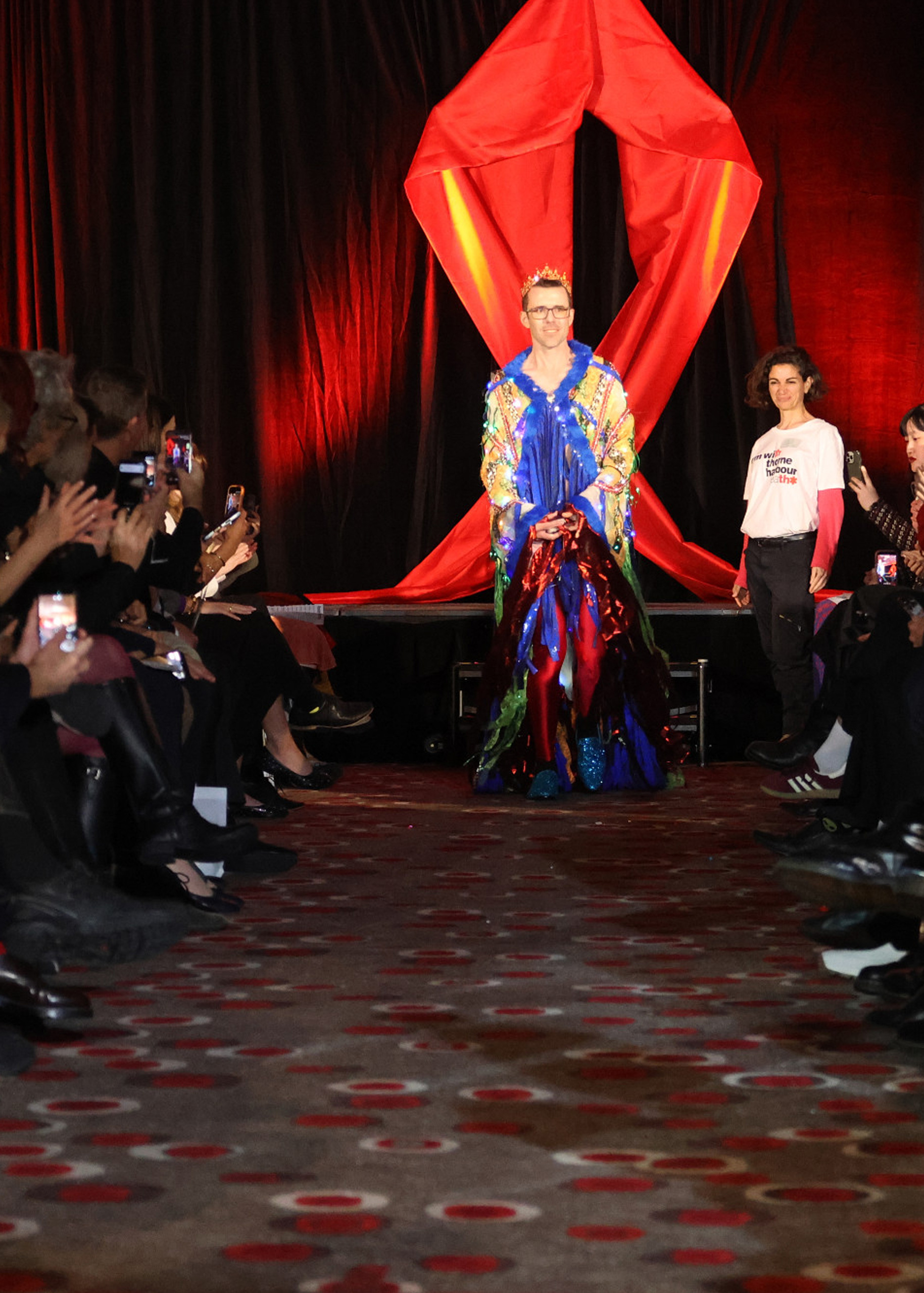
Incandescent King

The HIV social researcher collaborated with is Tim Broady, his research is primarily about HIV stigma experienced within the community. Stigma has a major impact on health outcomes for people living with a variety of blood borne viruses and sexually transmissible infections and Australia has recognised this for years and been actively working to eliminate the negative impact of stigma, discrimination and promote the links between human rights and people’s health. Tim’s research involves measuring stigma in the community and among people living with HIV.
The main inspiration for this garment is taken from one of Tim’s surveys carried out which asks the question of people living with HIV – have you experienced any stigma or discrimination in relation to your HIV status? The findings are represented in a bar graph where the colour blue indicates never, green rarely, yellow sometimes, orange often and red always.

I used deadstock fabric as the base material of the garment and cut different coloured material according to the colours of the graph into stripes to create fringes. I also cut the fabric into different sized strips and hand stitched this onto the base fabric to create my own textile. The colours used for the fringes under the sleeves signifies the proportions of each colour on the graph. The fringes represent individuals who participated in the survey.

The main part of the garment is made up of the same-coloured strips cut in different sizes, intersecting and layered representing these people coming together and forming a community, united against stigma. I added lights to this garment and used metallic fabric and sequins to represent that people can still shine regardless of race, gender, age, history, or health issues and together we can light up the world and make it a brighter place by eliminating stigma of all forms.

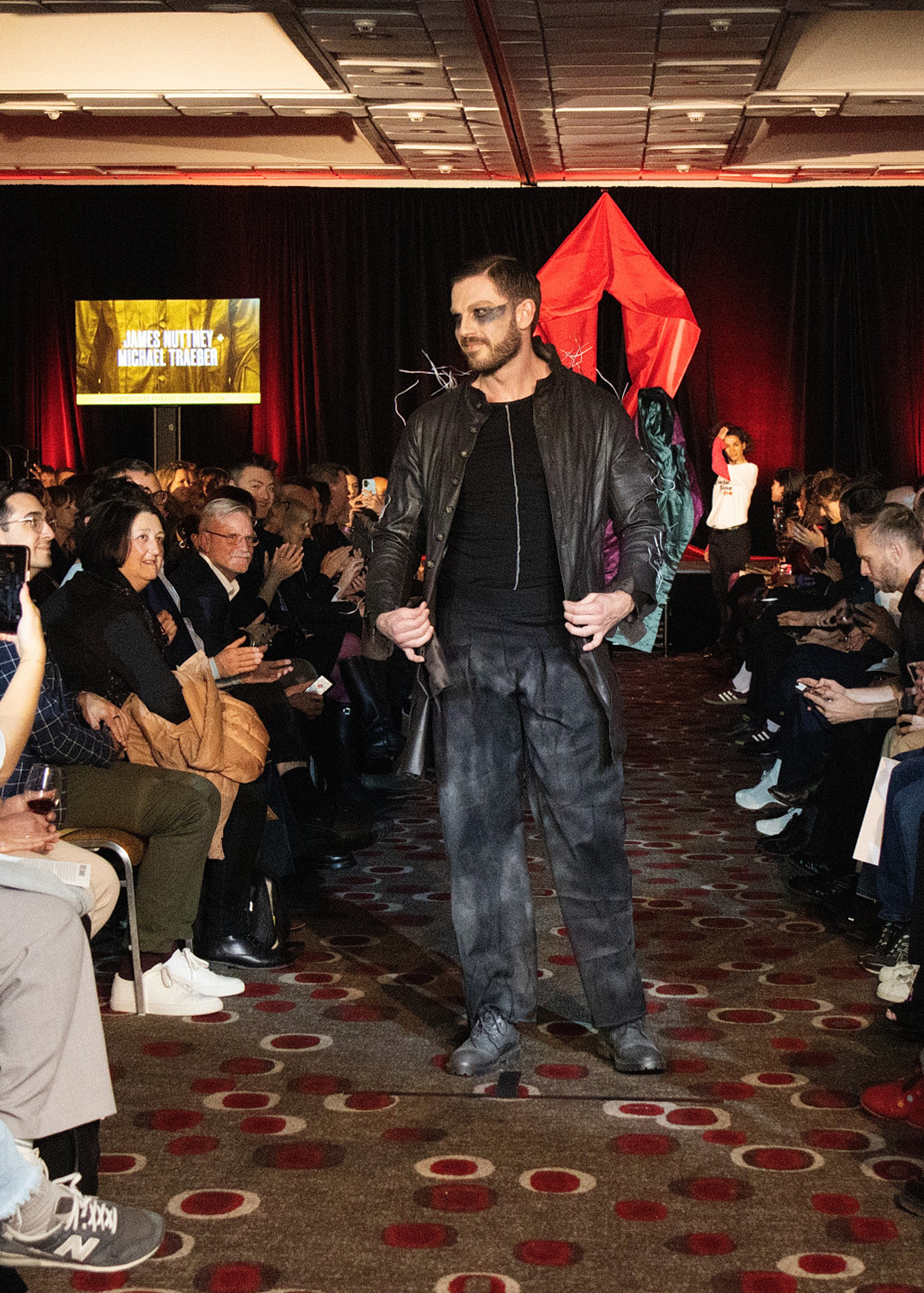
James Nuttney + Michael Traeger

James Nuttney

James Nuttey is a Melbourne (Naarm) based Designer, recent Royal Melbourne Institute of Technology Fashion Design graduate and founder of the label VOL.2. VOL.2 is a label centred around exploring nongendered fashion through oversized, asymmetrical and effortless silhouettes while echoing elements of high fashion. Additionally rooted in sustainability, functional design and a drive to push limits in materiality. While VOL.2 is his main practice and design brand, he is always seeking to explore other areas of fashion such as a more avant garde expression. His recent graduate collection, drew inspiration from the 14th century poem Dante’s Divine Comedy, designing to the characters within the poem and questioning many of the themes presented within the poem. In addition, this collection sought to push the norm around the focus of fabric in fashion and explored more primitive forms of fabric such as chainmail and how materials like paper can be used as a means for garment construction.

Michael Traeger

Michael is the Deputy Head of HIV and the Sexually Transmitted Infection Prevention group and has worked at Burnet since 2017. He is an epidemiologist whose research involves analysing large surveillance data to examine epidemiological trends in infectious diseases and evaluate large‐scale public health interventions, with a particular focus on HIV and bacterial STIs. Michael is also a research fellow at the Department of Population Medicine, Harvard Medical School in Boston, where he works on a range of projects related to HIV prevention among key populations. He completed his PhD at Burnet in 2022, where he explored the interplay between HIV pre‐exposure prophylaxis (PrEP) implementation and the epidemiology of bacterial STIs among gay and bisexual men in Australia.

This look explores two major themes within Michael’s work: disease surveillance and understanding transmission networks, with a particular focus on revealing otherwise hidden patterns of HIV and STI transmission within affected communities.

Michael’s work allows for the visualisation of the connections between people and how the spread of STI’s move between people and communities. I was initially inspired by this idea of “surveillance” and “networks”, asking myself questions like, what could this surveillance physically look like? What do these hidden networks look like? And can I use these themes as a design direction in a physical representation.

Through this look I wanted to represent the idea of surveillance, networks and connections in a physical form represented by a network of metal wires extending across the body. The wires in this design are a visual representation of the surveillance and networks Michael’s work highlights. Sections of the jacket reveal the networks of wires beneath, a nod to how Micheal’s work reveals networks of transmission within affected communities. Furthermore this idea of “surveillance” in a physical form led me to explore the shapes of antenna, thus, wires can be seen bursting out the shoulders of the jacket to mimic this idea of an antenna.

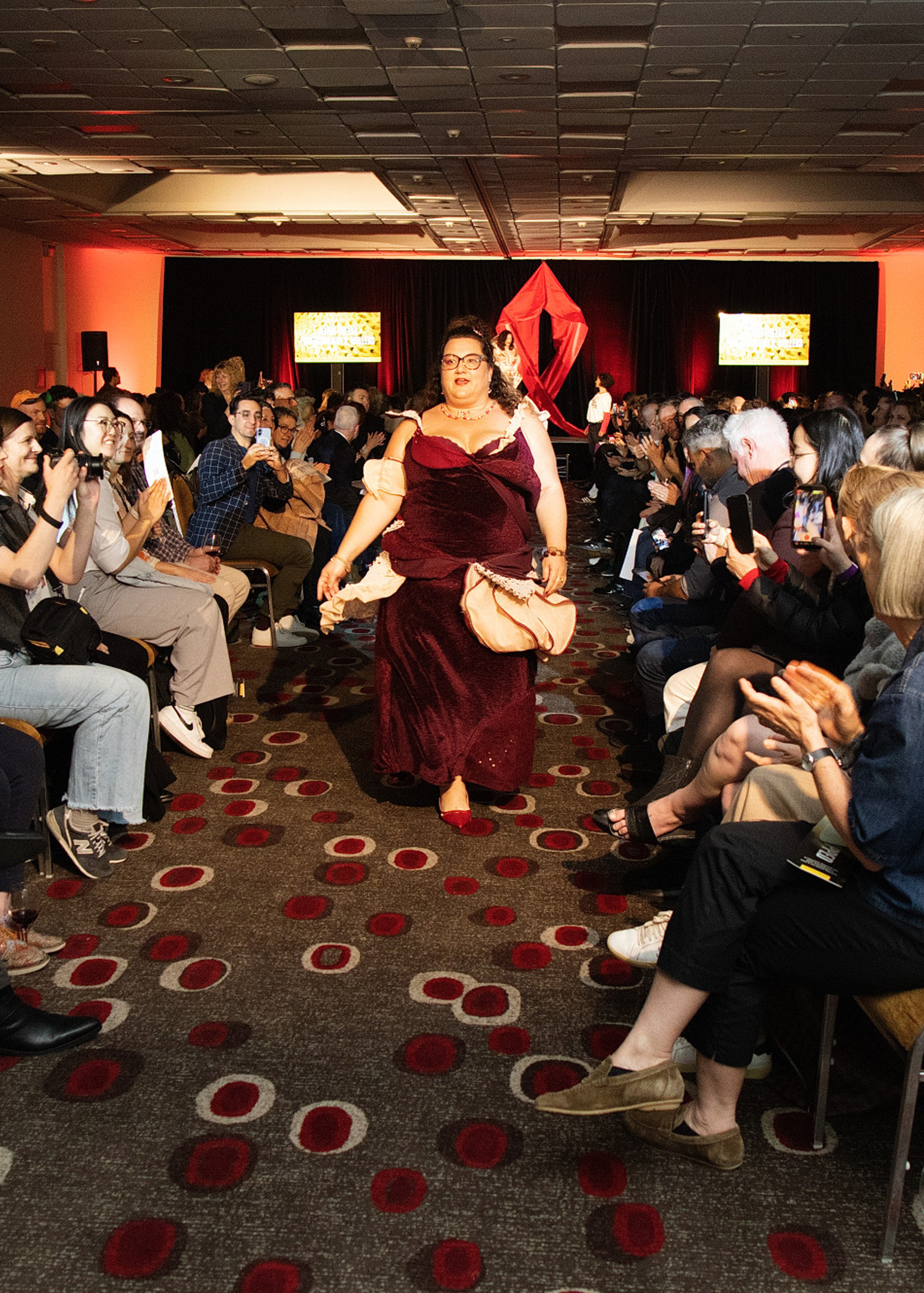
Jemma Phelan + Professor Amy B. Mullens

Jemma Phelan

Jemma Phelan,is a 22 year old emerging fashion designer from Melbourne. Since graduating from the Bachelor of Fashion (Design) degree at RMIT University (2025) her practice has explored sustainability and the importance of movement in garments. Her graduate collection entailed three looks subverting dance archetypes of leotards and tutus, through bespoke knitwear and using all natural materials.

Professor Amy B. Mullens

Professor Amy B. Mullens (she/her) has 25+ years’ experience as a Clinical/Health Psychologist (working Sexual Health/HIV areas since 2002). Amy is based in the School of Health, Psychological and Medical Sciences-University of Southern Queensland (UniSQ) and leads the ‘Health Equity’ Research Theme within UniSQ Institute for Health. She has co-led $8.6+ million in externally-funded research projects with community/industry partners (e.g., Medical Research Futures Fund, Department of Health, Gilead Sciences, Sexual Health Research Fund-Qld Health, Queensland Mental Health Commission). Amy has received awards for Inspiring Diversity in STEM (Women in Technology; 2022); and Research Excellence for Women in STEMM (UniSQ, 2025) and serves as President of the Sexual Health Society Queensland; Board Member for Queensland Positive People (Special Representative/Advisor); and Editorial Board Member for Sexual Health.

Within the HIV community, Professor Amy Mullens is akin to a ‘fairy godmother’. She radiates an energy of positivity, as a compassionate leader dedicated to helping others in both her clinical work as a practicing Clinical and Health Psychologist and community-led research.

It is these admirable qualities and impact that have inspired “Blossoming Synergy”, capturing Amy’s power of giving strength to people so that they may flourish, through a process of sublimation—via channelling her own challenging life experiences into positive outcomes for the communities around her.

Inspired by artist Georgia O’Keefe’s (a social justice forerunner) vivid floral watercolour paintings, including “Pink Sweet Peas II” and Iris series, this gown captures blossoming elements as an ode to femininity and Amy’s ethereal presence. Voluminous structures represent flourishing and the magnitude of Amy’s work, driven by Anaïs Nin’s quote, “the risk to remain tight in a bud was more painful than the risk it took to blossom”.

The sensual burgundy velvets and laces represent strength, love and passion, capturing Amy’s persevering spirit, synchronously nodding to the red ribbon as a global symbol for HIV/AIDS awareness and solidarity. The delicately translucent blush textures convey Amy’s vulnerability throughout this project and her work particularly with gender affirming care and in partnership with trans, gender-diverse and non-binary groups, portraying hope through the perception of floating elements.

The varying elements unite to resemble the tapestry of Amy’s vast contribution to the HIV/AIDS community, trans and gender diverse people, culturally diverse communities and beyond.

Jennifer Ong + Dr Jason Ong

Jennifer Ong

Jennifer Ong (she/her) is a current student of the Master of Fashion (Entrepreneurship) program at RMIT University (Melbourne) her studies combine her Bachelor of Fashion (Design) with Distinction, and a Bachelor of Fashion (Design) Honours First Class. With her interests to pursue entrepreneurial learning and business-related skills to combine with her creative abilities. Jennifer is an emerging fashion professional with experiences in fashion publication, fashion design and construction, fashion event production/management and fashion retail. She has a strong background in community service and leadership, having been awarded the Duke of Edinburgh (Silver) Award and the Australian Scout Medallion in the years before her fashion studies. As a student designer, her work has been highly regarded in the local and international fashion community.

Dr Jason Ong

Professor Dr. Jason Ong is a distinguished academic and sexual health physician dedicated to advancing research and improving health outcomes for marginalised populations. He is the Director of Melbourne Sexual Health Centre, the largest sexual health clinic in Australia. He is also the inaugural Director of the WHO Collaborating Centre for Sexual Health. With a rare combination of expertise as a clinician, health economist, and epidemiologist, he leverages his diverse skill set to address complex public health challenges. His research focuses on amplifying the voices of underserved communities and tackling taboo topics to promote informed decision-making and policy development. Since 2019, Professor Ong has served as an advisor to the World Health Organization (WHO), contributing to global efforts to eliminate HIV and sexually transmitted infections (STIs) as public health threats. In addition, he holds leadership roles as Vice-President of the Australasian Society for HIV, Viral Hepatitis, and Sexual Health Medicine (ASHM) and as a Board Director of Health Equity Matters, reflecting his unwavering commitment to equity in healthcare.

Soft glimmers of light dance on the surface of the river: its hues ever-changing, its flow continuing into the darkness, and into the light again. Across the peaks, troughs, valleys and canyons, the river never stops moving forward. Flowing water makes the deepest impact, not because of sheer force, but because of unwavering perseverance.

Professor Jason Ong is among the most respected sexual health researchers, surmounting the challenges of scholarship, and the vicissitudes of life, to become who he is. Like rivers, he bridges communities, acts as a conduit for communications, provides nourishment and lifelines, and helps the lost find a way. Jason breathes life into the lifeless and gives a voice to the voiceless.

Like quiet, clear water carving canyons into rock, Jason’s gentle, transparent and persistent advocacy for those left behind in the HIV/AIDS discourse has washed away much of the taboo. He began his career in the Golden Triangle mountainous region of the Yunnan Province, as an emergency doctor. Horrified by prejudice that sufferers of HIV/AIDS were subjected to, he became determined to serve as their protector. Yunnan had the earliest outbreak of HIV/AIDS. Yunnan is home to many bridges and rivers; the look is an ode to the geographical region that cultivated Jason’s purpose.

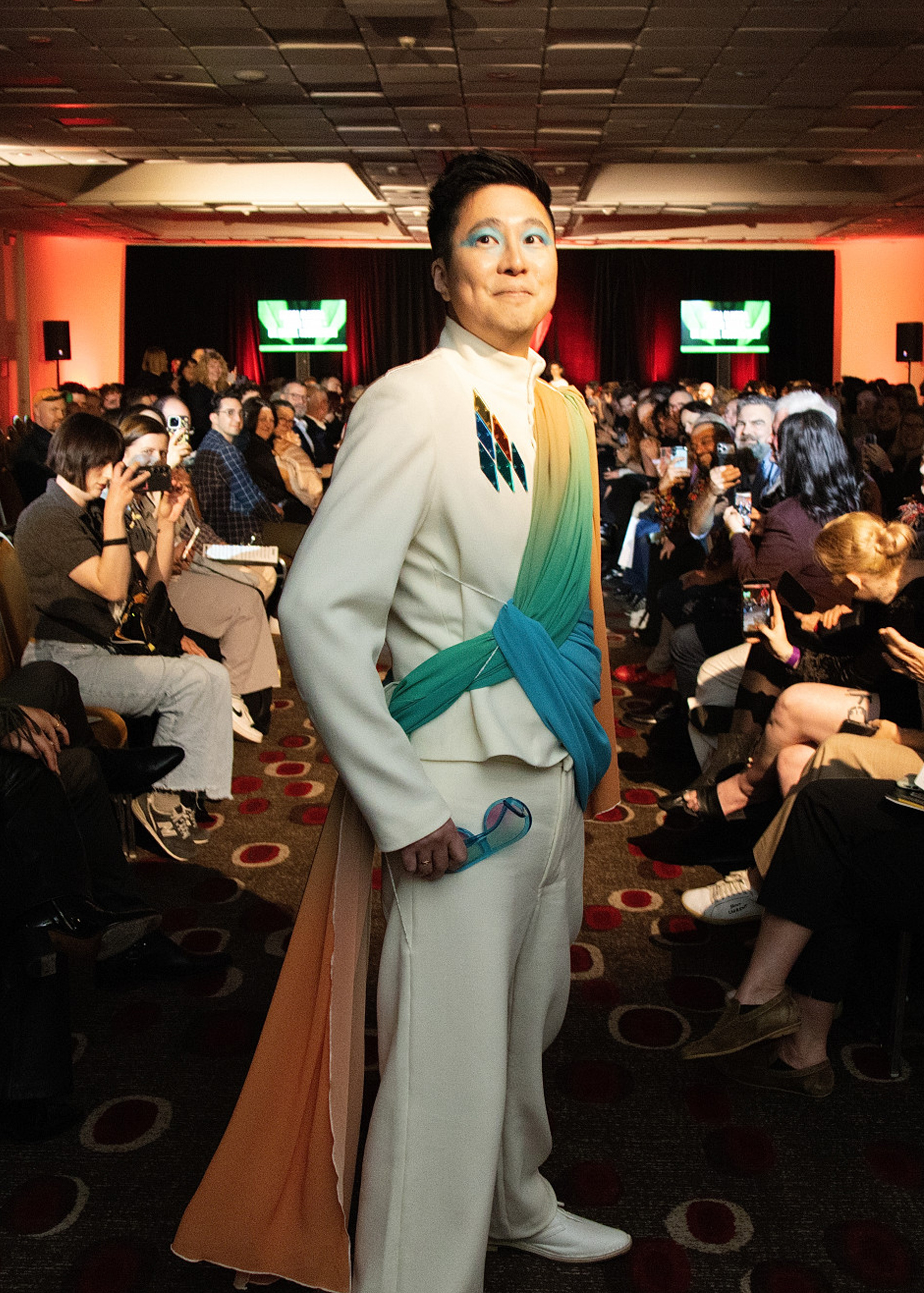
Made of pure wool, the suit represents Jason’s journey, Christianity, and cultural background. The multicoloured wrap represents the Lazarus effect. HIV is no longer a death sentence; modern healthcare restores sufferers to a full, healthy life.

Diamond shards, inspired by forest plot graphs, reflect clusters of light, showing the power of science to change clinical practice and policies, shining light into the darkness.

Katrina Kan + Rory Shepherd

Katrina Kan

Katrina is a Melbourne-based emerging fashion designer and current Bachelor of Fashion Design student at RMIT University. Before entering fashion, she completed a PhD in neuroimmunology, and this scientific background continues to shape how she approaches design. Her practice sits at the intersection of fashion and science, with a focus on translating complex ideas into garment form through construction and material logic.Her work prioritises restraint, purposeful design and the often-unseen workmanship within garments. Rather than relying on adornment, she allows concept and material behaviour to inform the final outcome. Katrina has previously participated in two iterations of HIV Unwrapped, collaborating with Dr Hans Kek (Burnet Institute) and Professor Silvana Gaudieri (University of Western Australia) to translate HIV research into fashion. Through this work, she continues to explore how fashion can serve as a platform for communicating scientific ideas, advocacy and raising awareness around HIV research.

Rory Shepherd

Rory Shepherd (He/Him), PhD student at the Doherty Institute (Melbourne). His undergraduate focus was Neuroscience, culminating in a project investigating the effect of psychological stress on HIV activity in the body. Rory now studies in the HIV cure space, investigating an organic selenium compound for its ability to wake up HIV infected cells out of their dormancy, as well as its ability to make these cells more sensitive to apoptosis (akin to “controlled demolition”). Rory maintains flasks of human cells; performs “PCR” assays, where small amounts of DNA are amplified to create a signal (like turning an ember into a bonfire); performs mass spectrometry of cells (like shattering Lego against the wall and putting it back together without the instructions); and performs genetic sequencing (deciphering the scripts HIV uses to construct itself).

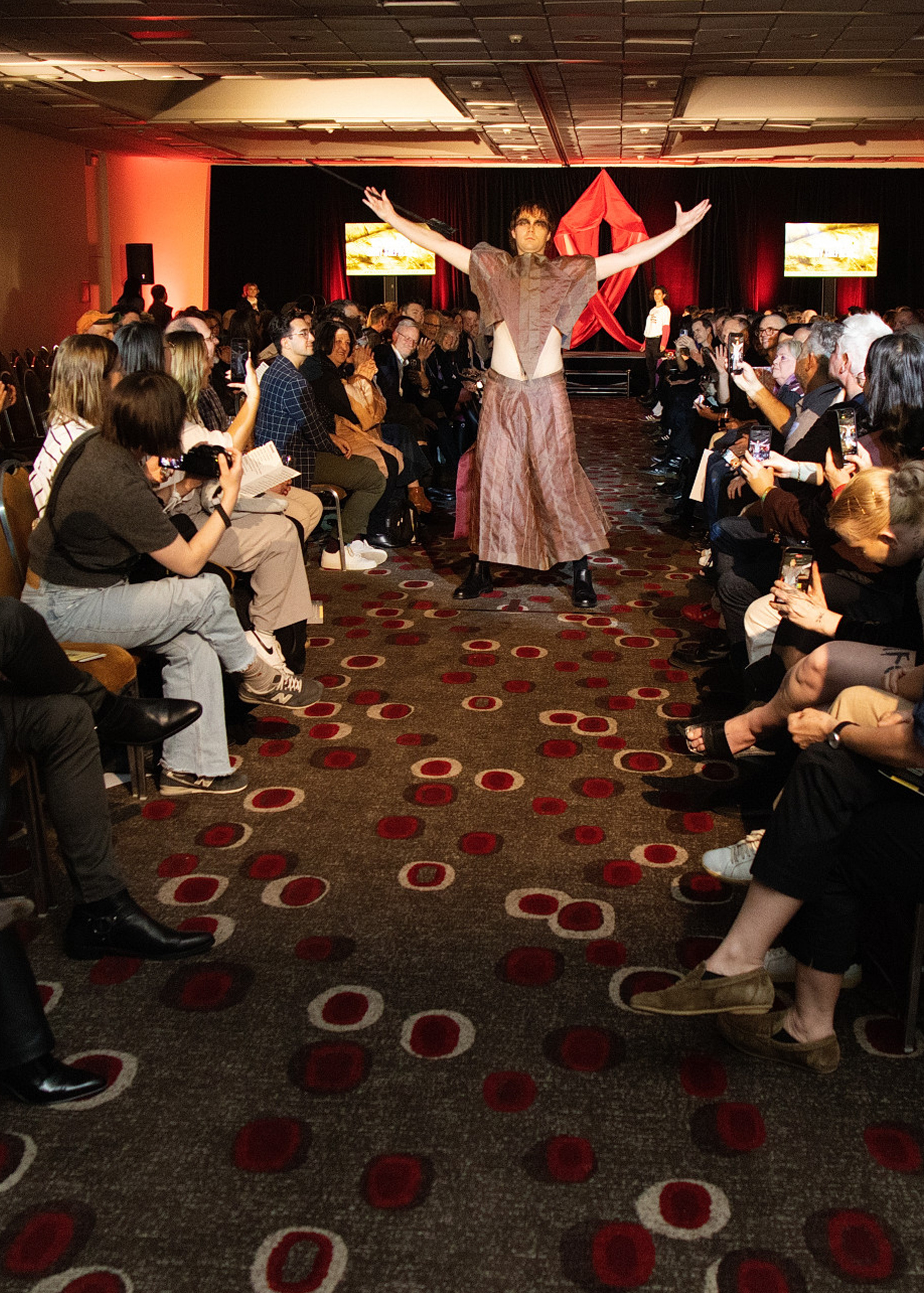
This garment brings together two ways of thinking about hidden systems. Rory often explains his HIV research through the language of knights, armour and strategy, while Katrina’s practice explores how form can emerge through folding and restraint. Both are concerned with what can exist beneath an apparently stable surface.

The design responds to HIV latency, one of the central challenges in cure research. HIV can remain dormant within infected cells for years, largely invisible to the immune system and unaffected by current treatments. Rory’s research considers whether HIV RNA, produced when these cells become active, could be recognised by a future therapy as a specific signal and used to selectively trigger the death of the infected cell.

Rather than illustrating the virus as a separate object, the garment expresses it through structure. Folding creates concealed spaces where material can be held, protected and gradually revealed. The same folded form appears at the front and back: at the front it remains controlled and intact, forming an armour-like shell; at the back it begins to separate, exposing the red interior and what had been hidden within it.

A machine-stitched plaid on silk organza reflects Rory’s classic, detailed personal style while extending Katrina’s process-led approach to making. Red signals HIV RNA and viral activity, while areas of exposed skin acknowledge that protection is never absolute.

Together, the garment explores the challenge at the heart of Rory’s research: making the hidden visible while keeping the human body at the centre of the story.