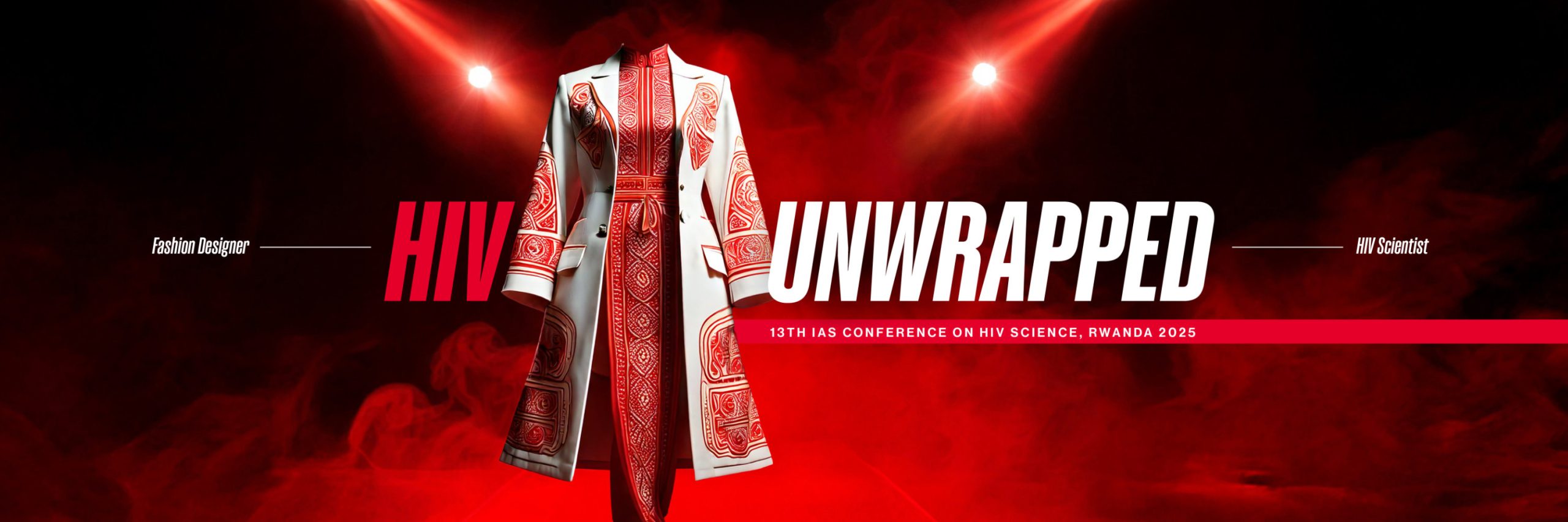
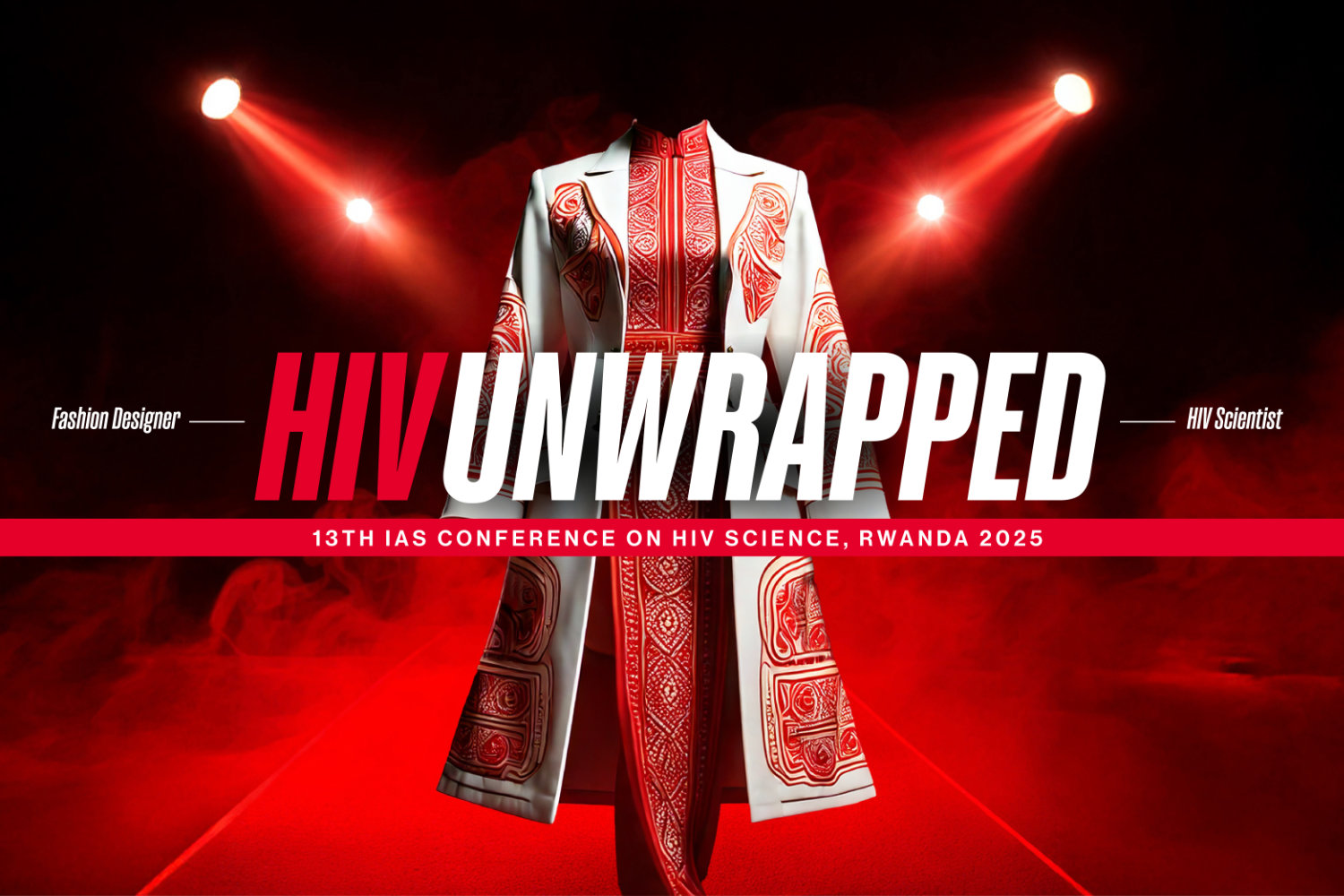
13th IAS Conference on HIV Science, Rwanda 2025 13th IAS Conference on HIV Science, Rwanda 2025

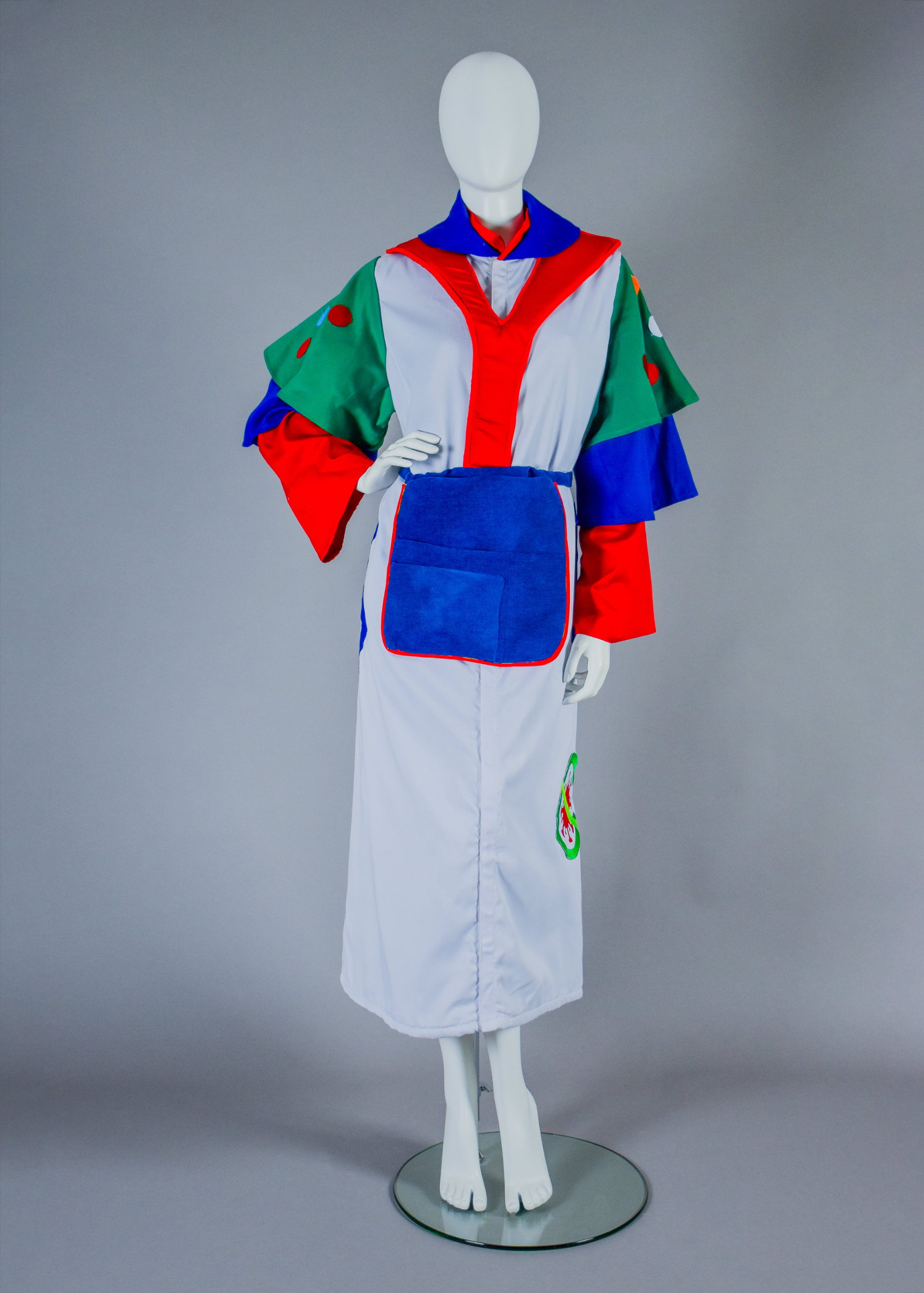
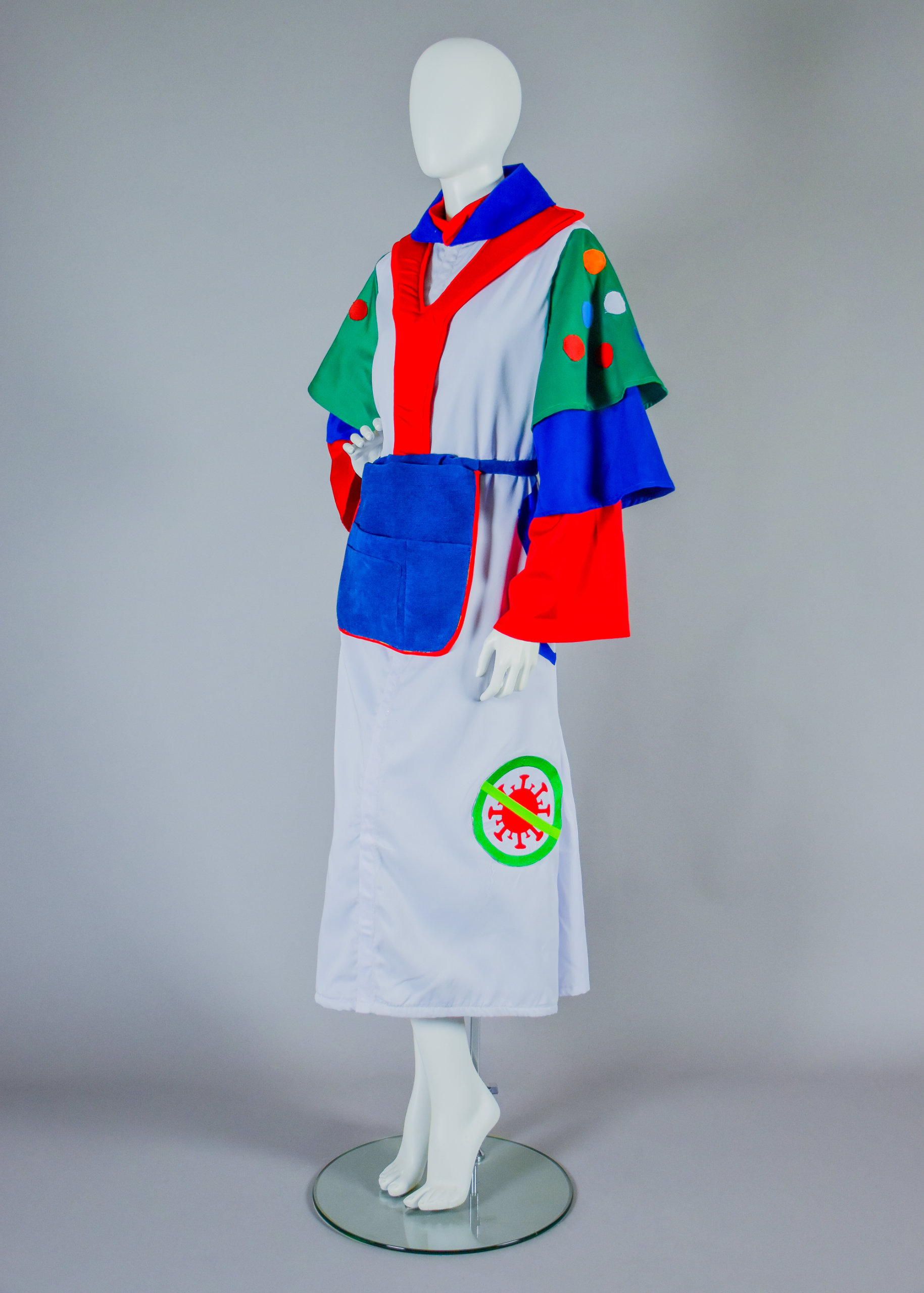
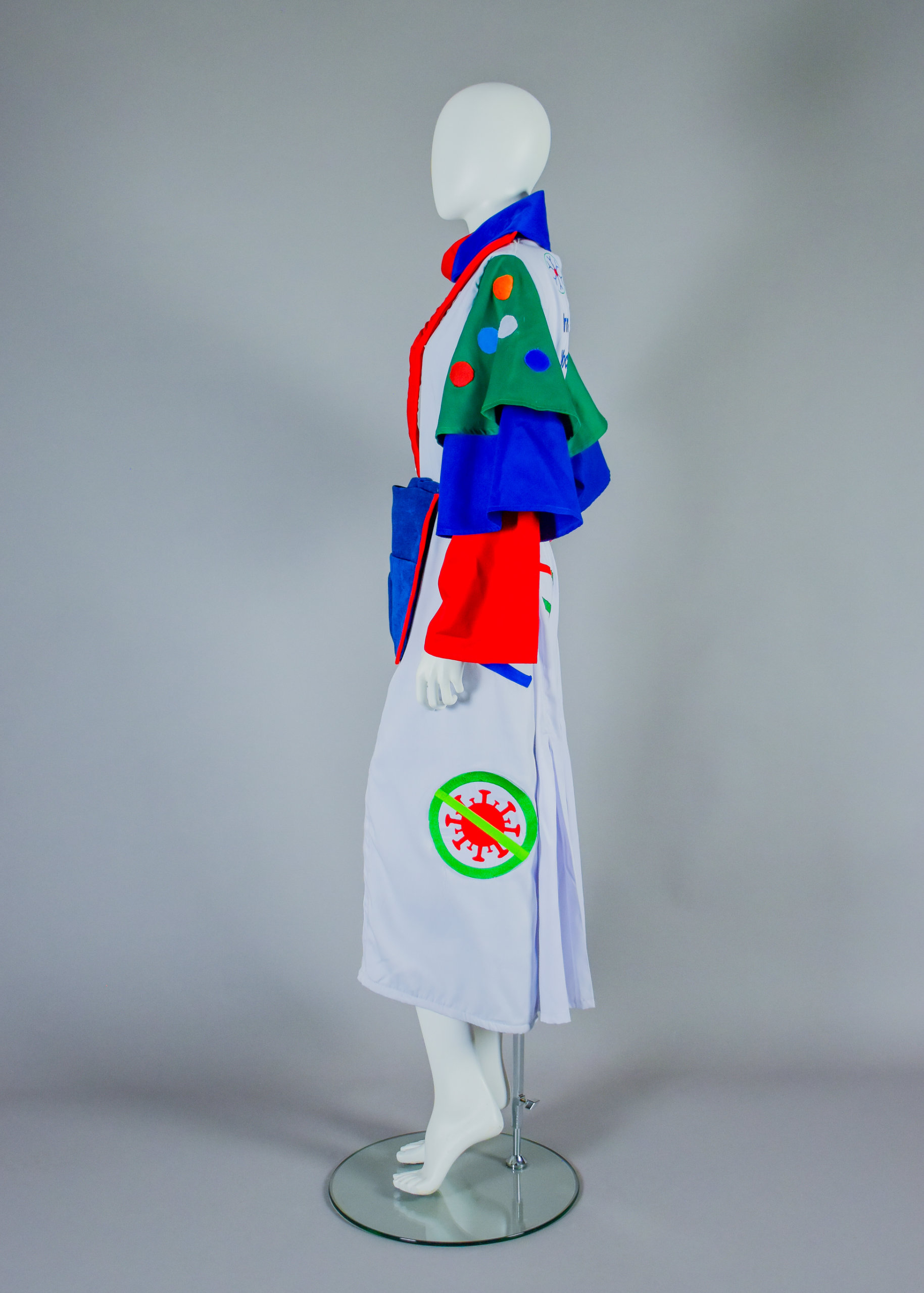
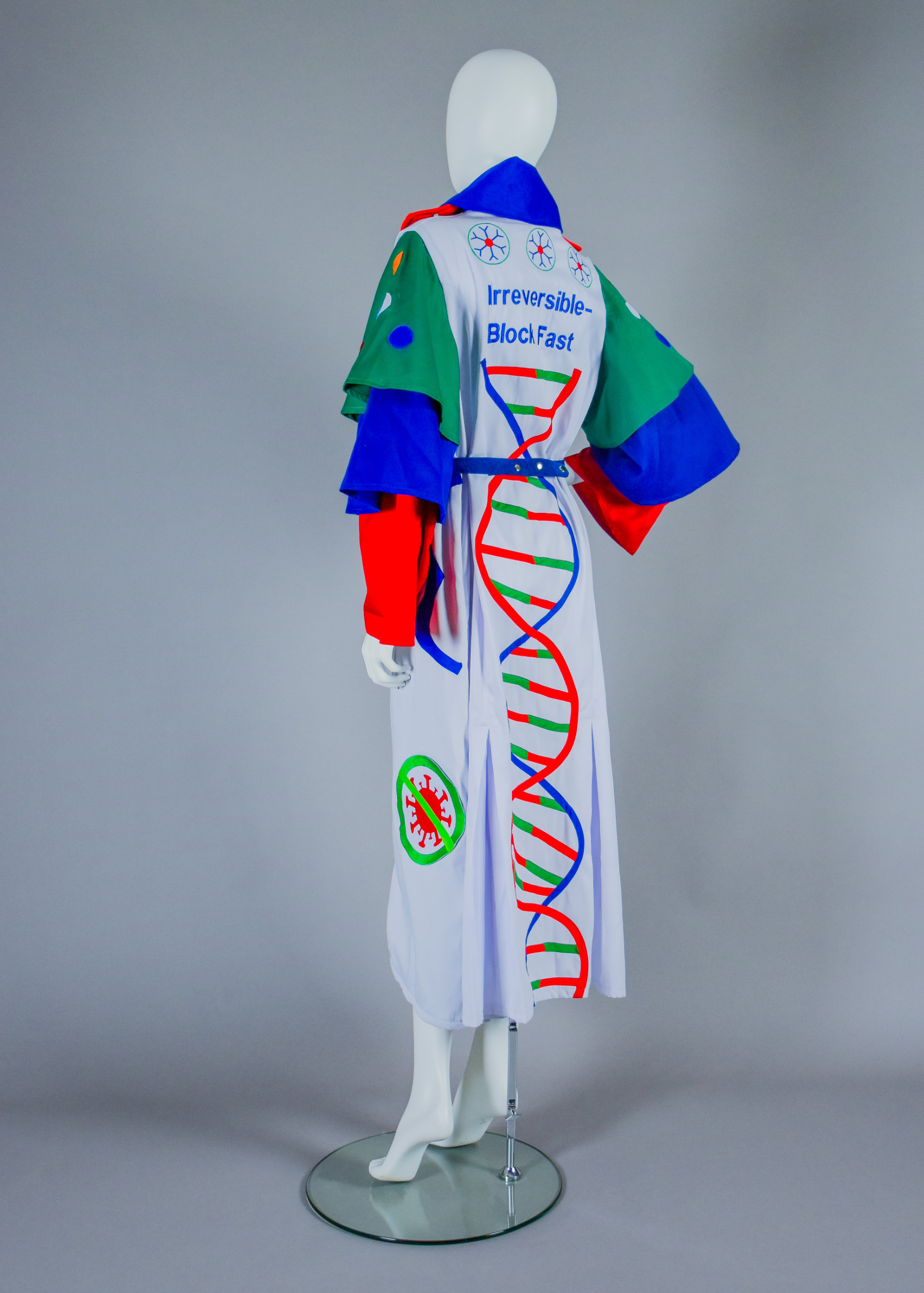
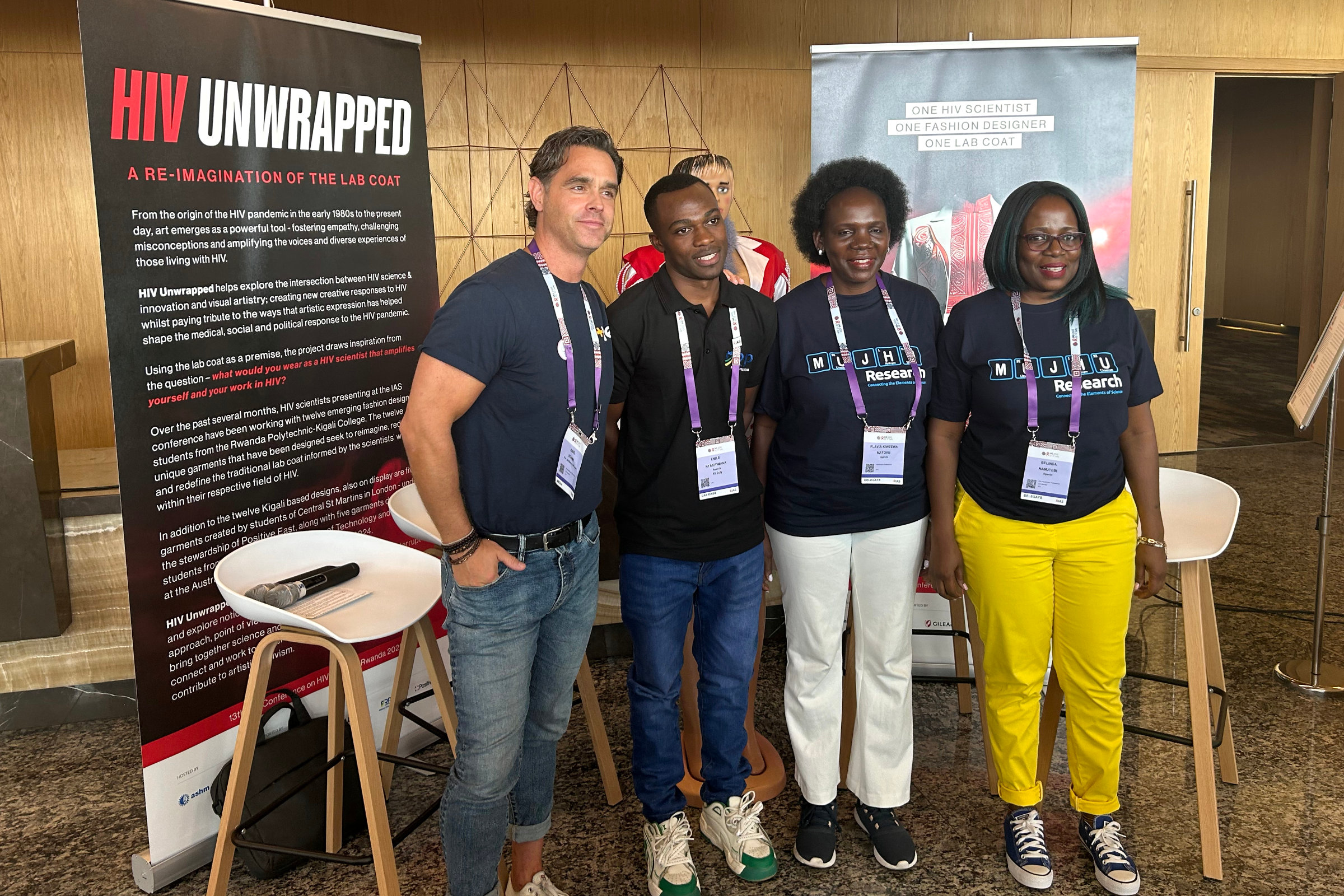
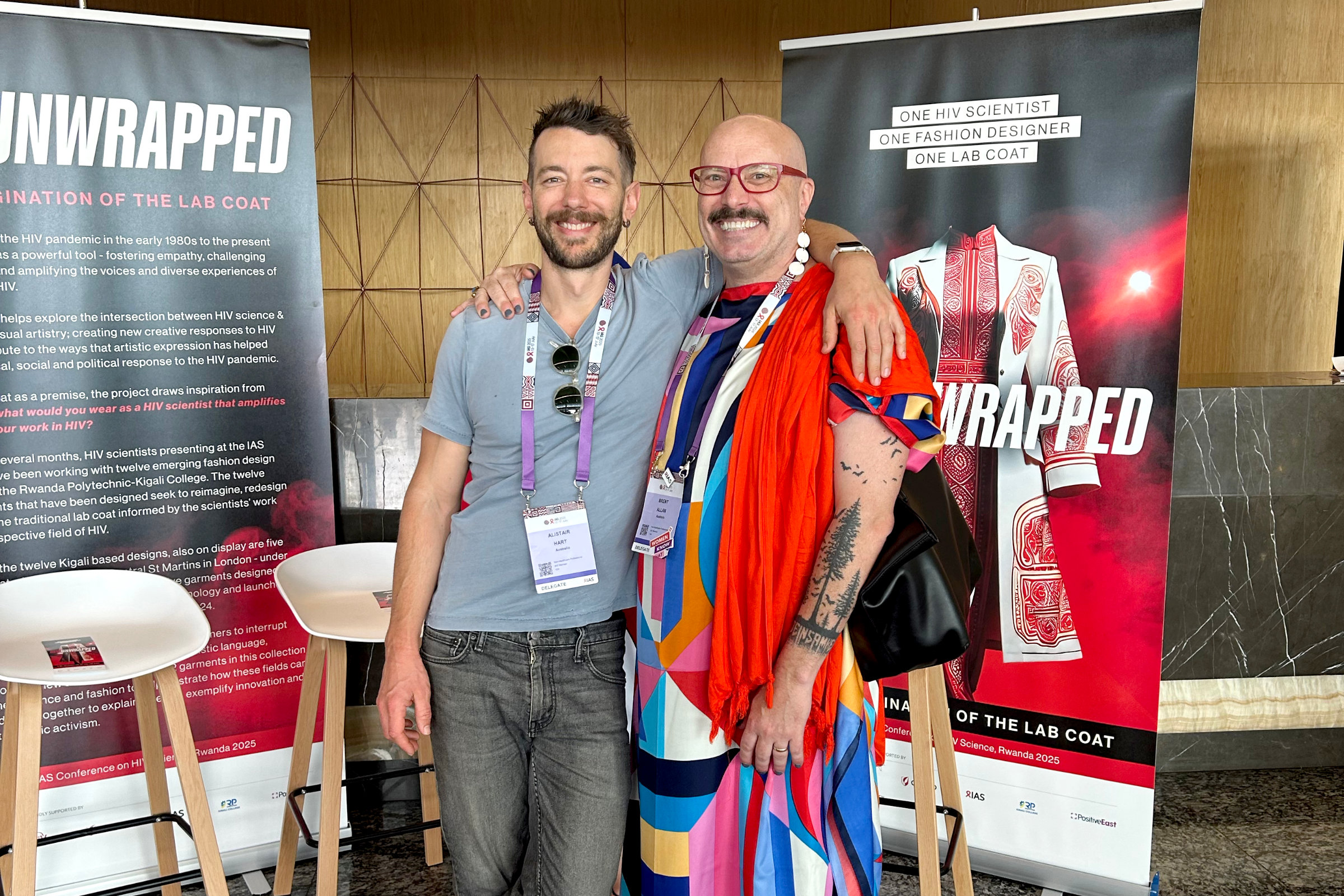
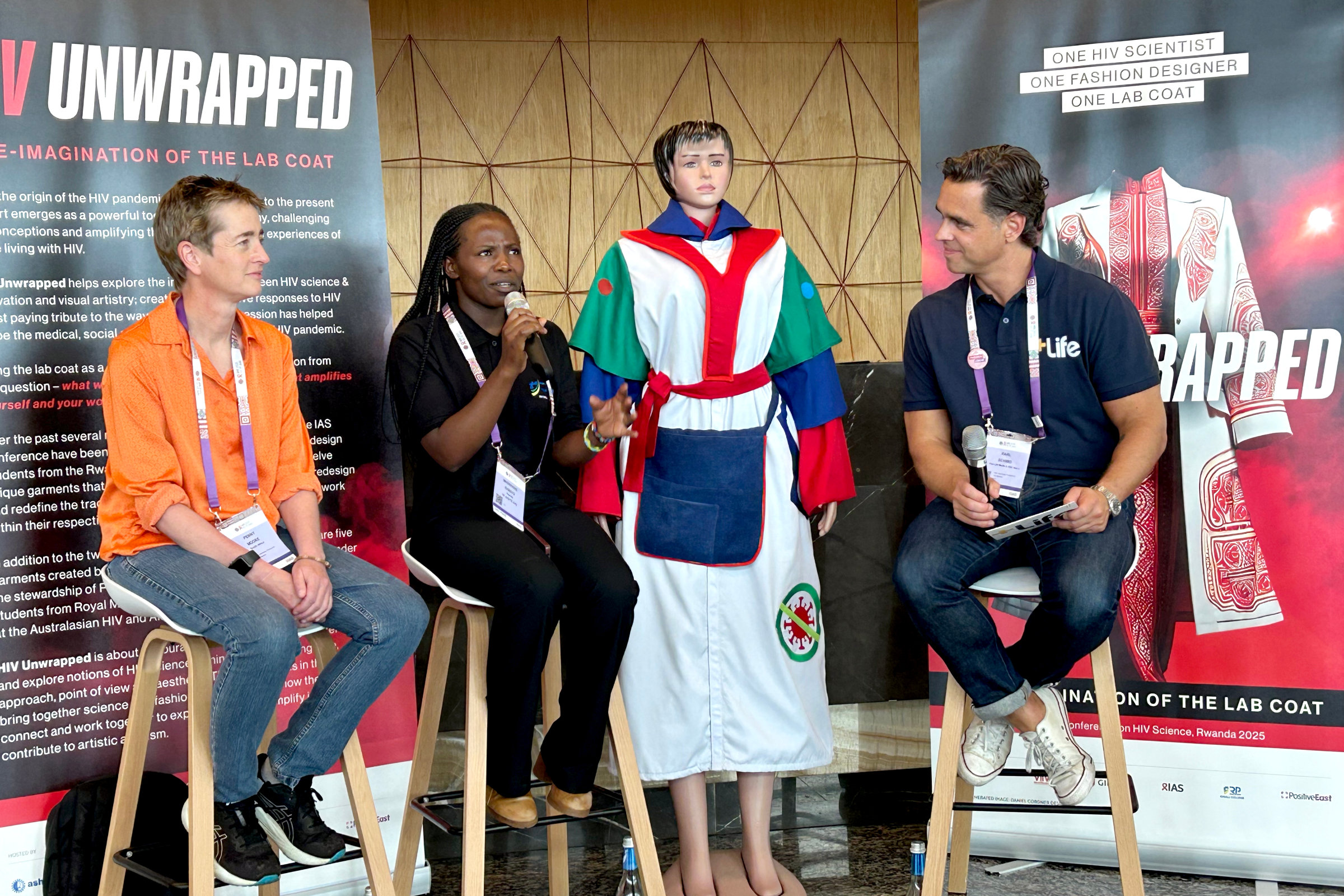
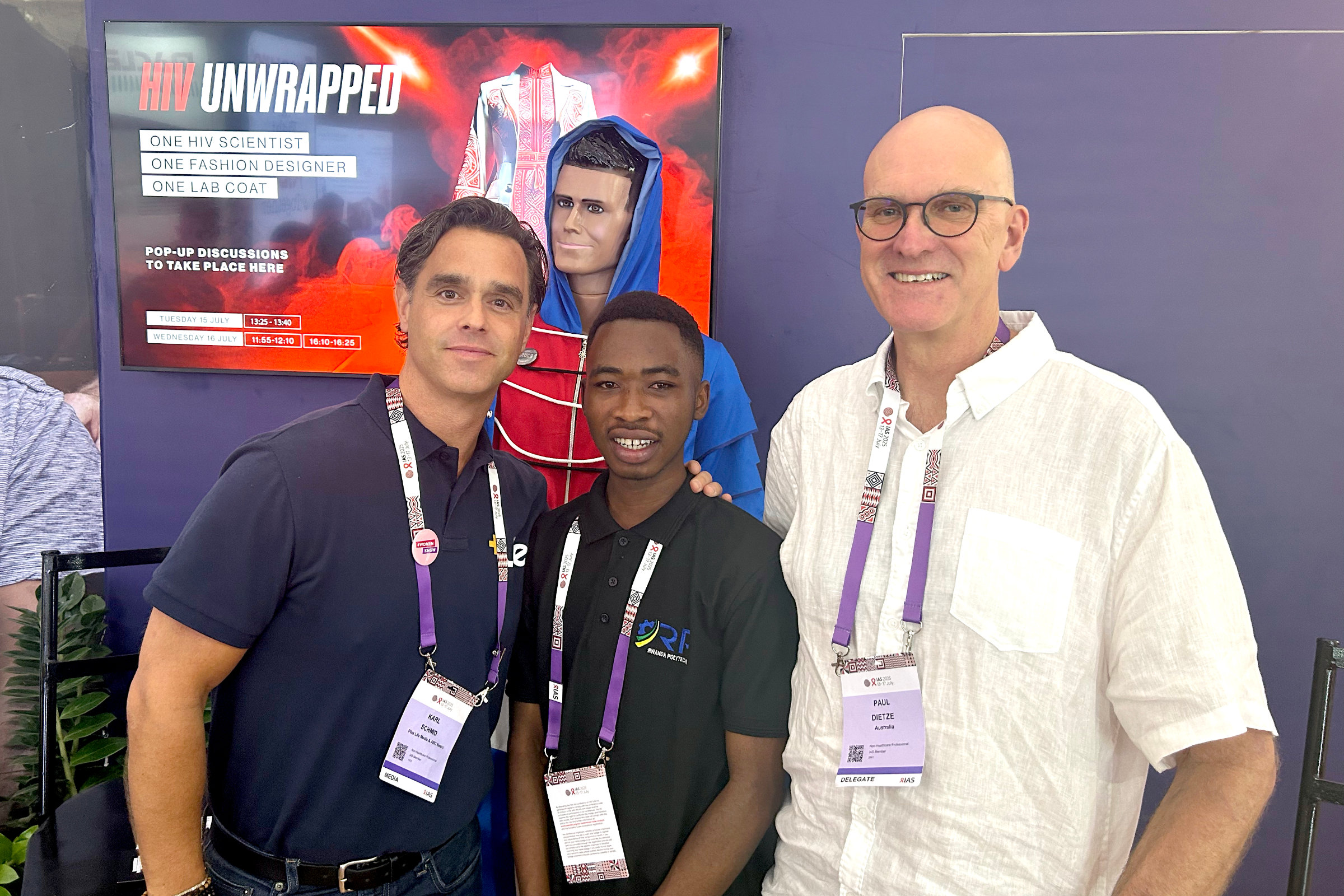
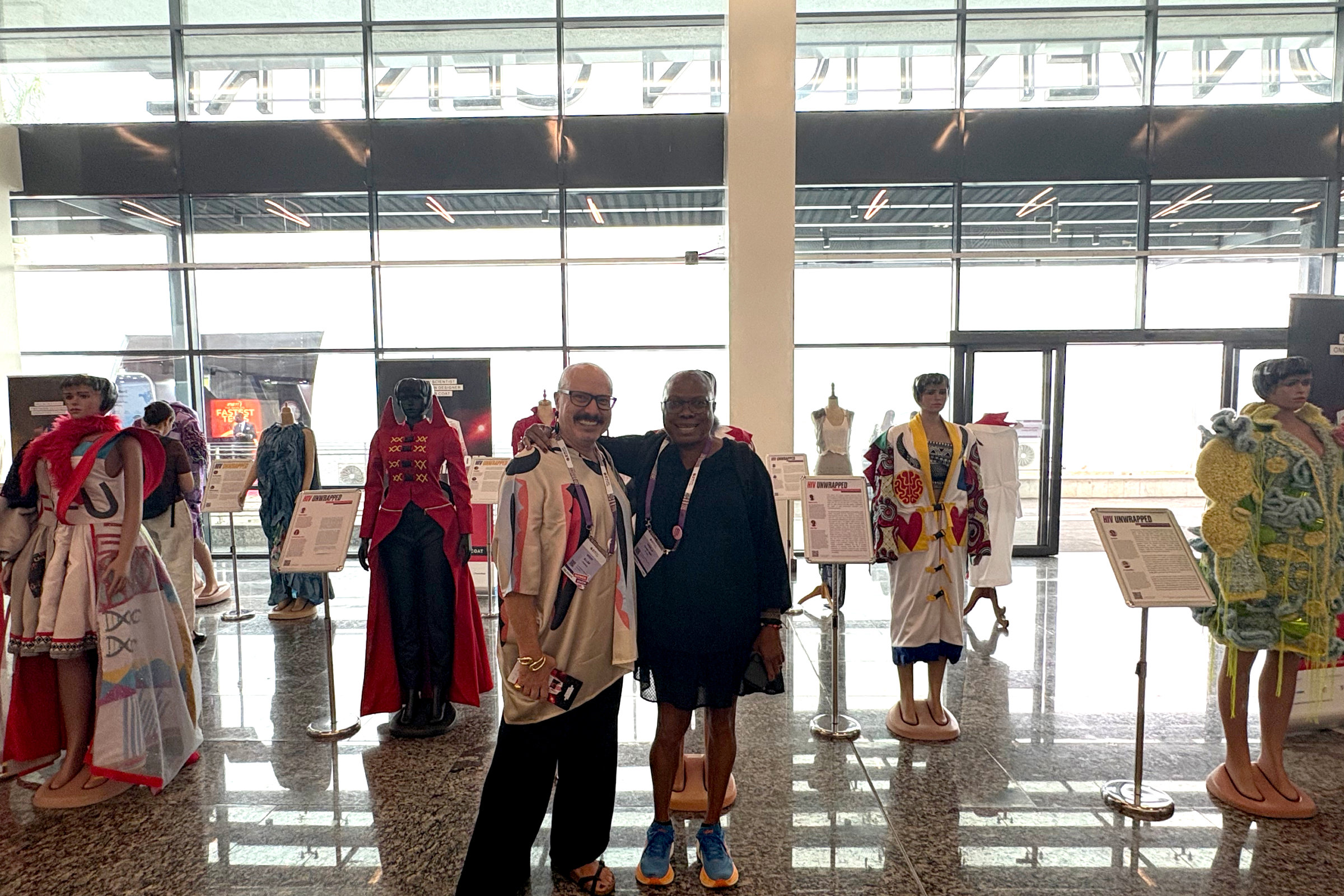
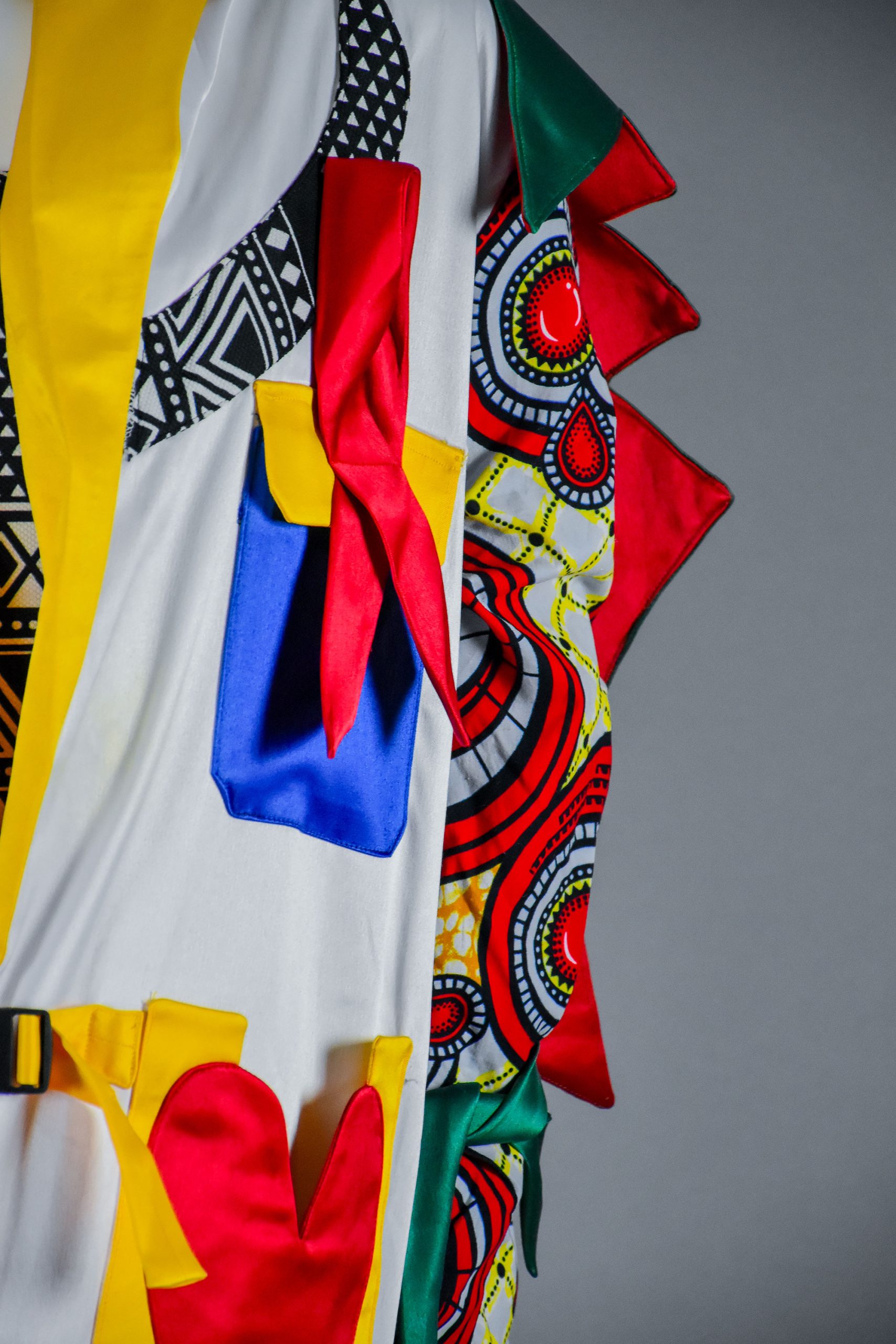
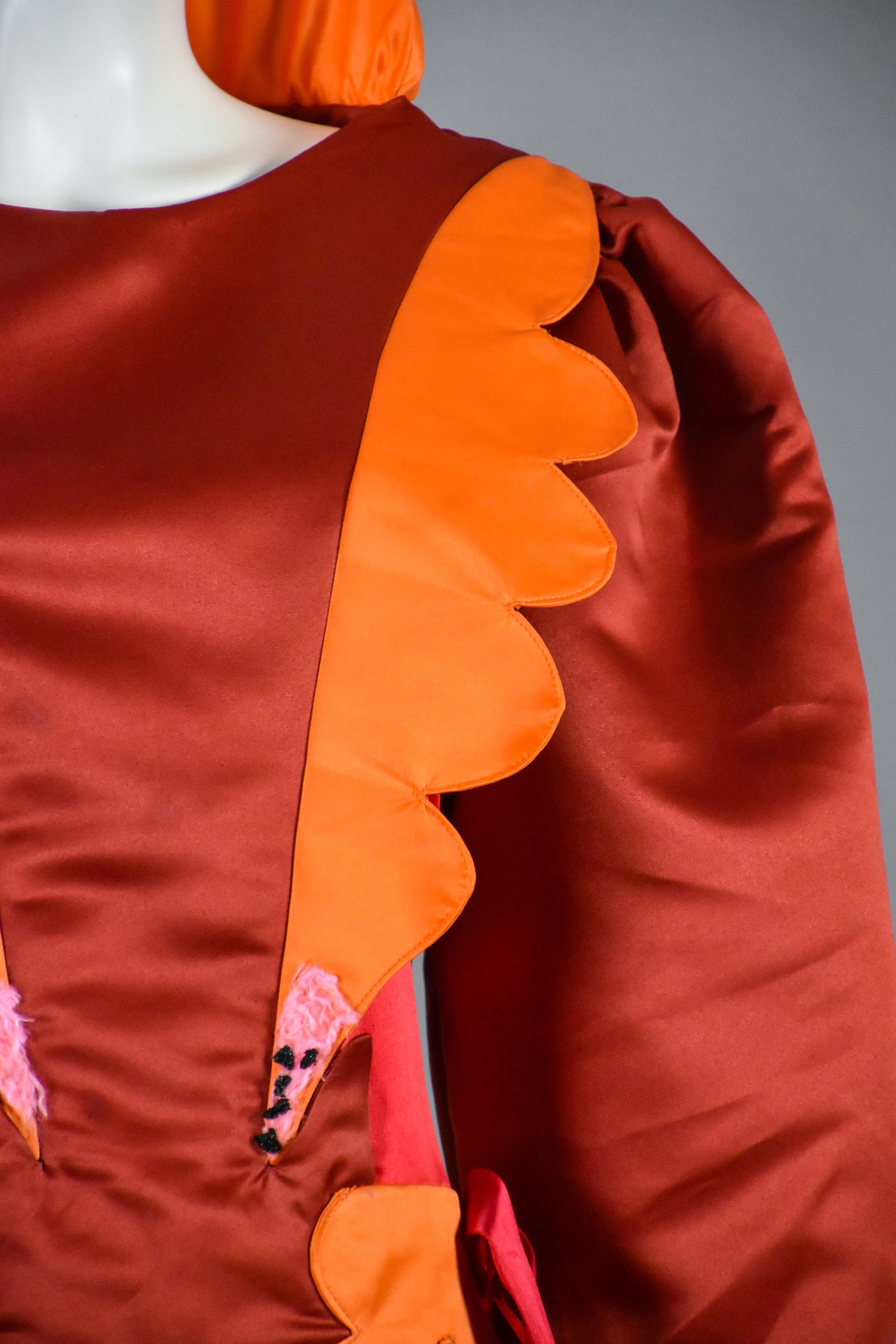
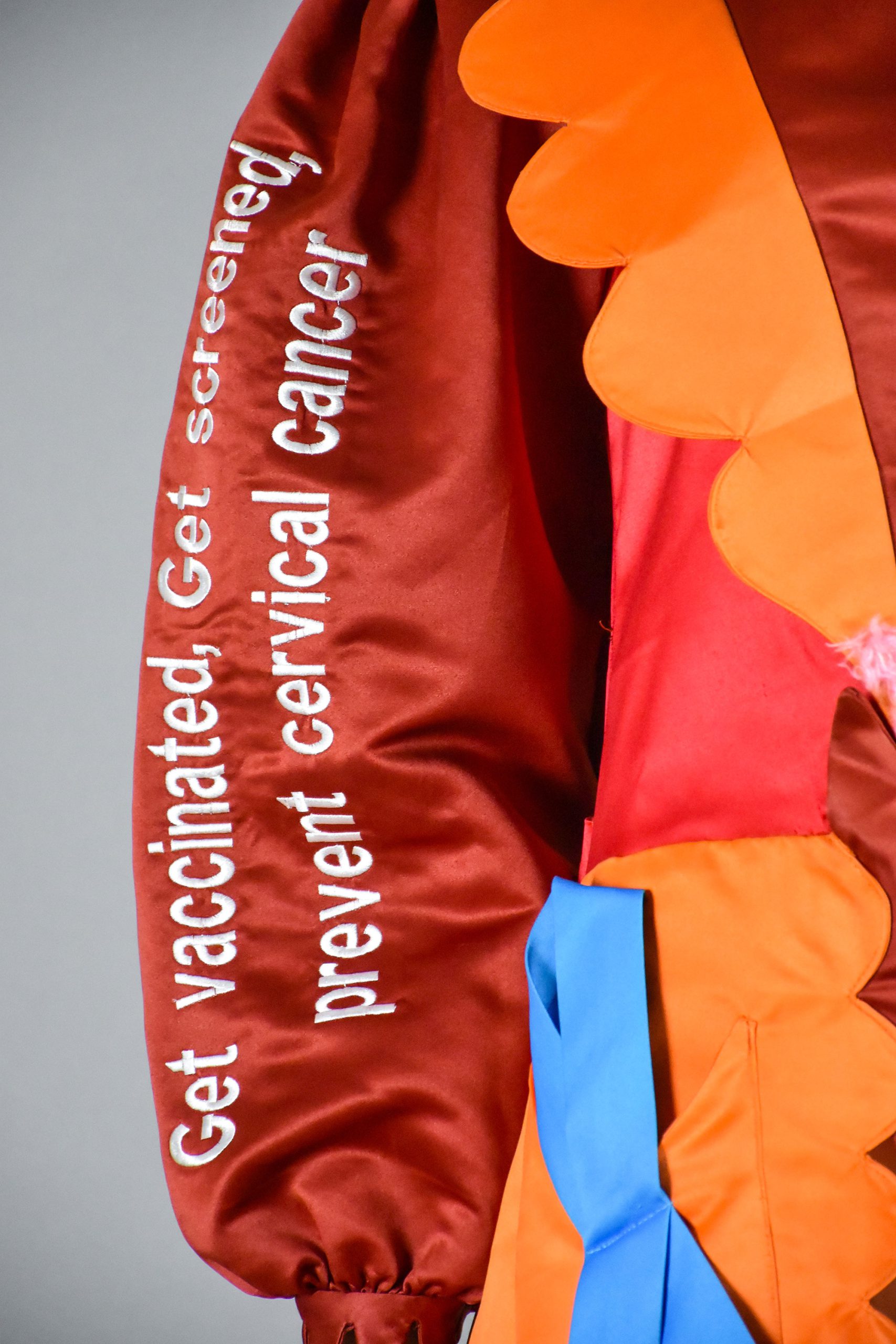
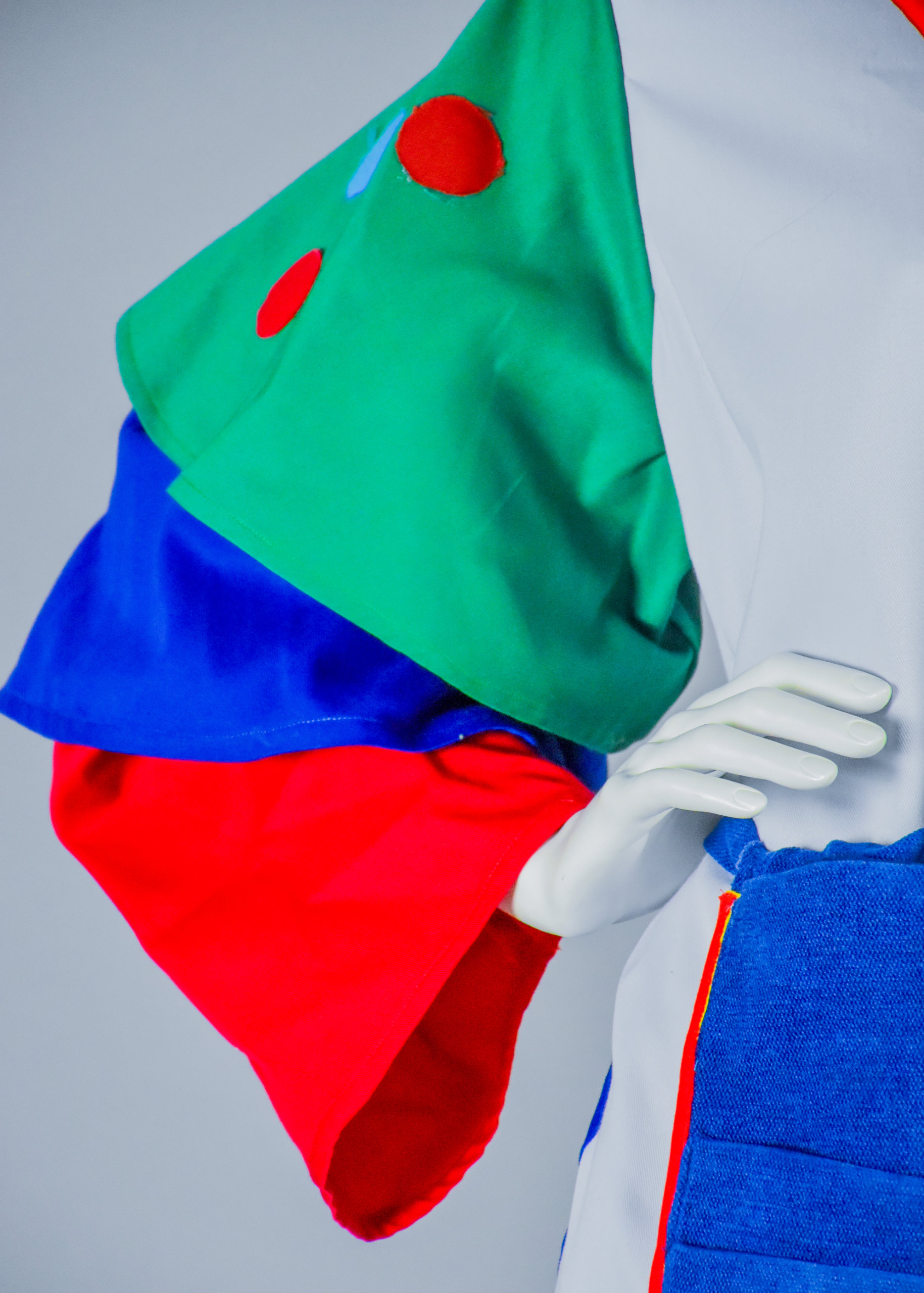
Over several months, twelve HIV scientists presenting at IAS 2025, the 13th IAS Conference on HIV Science were partnered with twelve emerging fashion design students from the Rwanda Polytechnic-Kigali College. The twelve unique garments that were designed sought to reimagine, redesign and redefine the traditional lab coat informed by the scientists’ work within their respective field of HIV and incorporate the fabric and designs from traditional Rwandan culture.

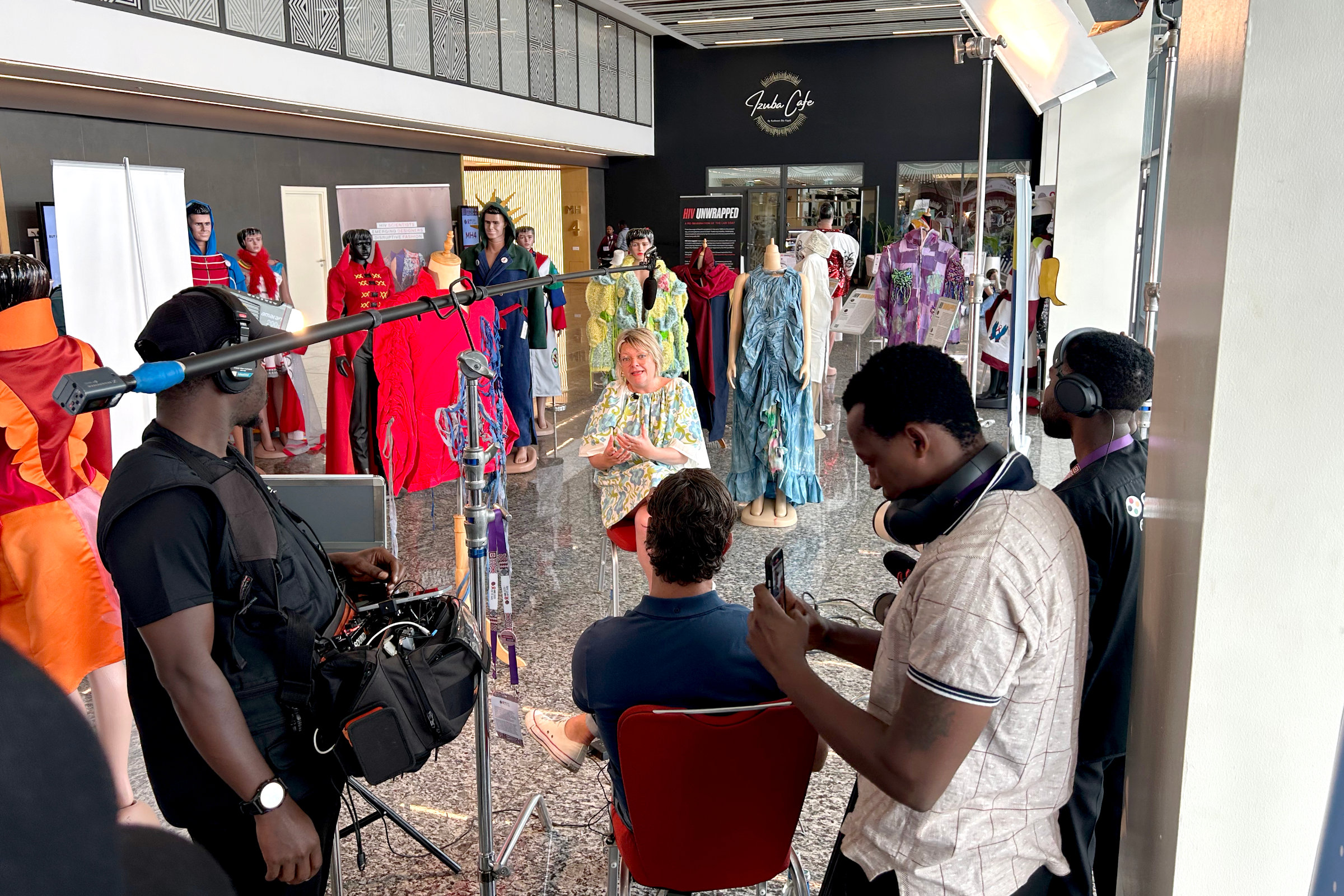
In addition to the twelve Kigali based designs that were on display across the conference proceedings, also on display were five garments created by students of Central St Martins in London – under the stewardship of Positive East, along with five garments designed by students from Royal Melbourne Institute of Technology and launched at the Australasian HIV and AIDS Conference in 2024.

The 22 garments in this collection brought together science and fashion to help illustrate how these fields can connect and work together to explain science, exemplify innovation and contribute to artistic activism.


Project promotional image generated with AI
All mannequin images photographed by Skye Bartlet
All biographies reflect the time of the exhibition, please follow their social media links to see their latest work.

Benjamin Mugisha + Elena Herrera-Carrillo

Benjamin Mugisha

I am passionate fashion designer dedicated to blending creativity with craftsmanship. Currently studying Fashion Design at Rwanda Polytechnic Kigali College, I strive to create unique and trend-forward pieces that celebrate individuality while embracing cultural aesthetics. I am dedicated to mastering fashion design and creating unique, pieces that make a statement. Sustainability is important to me, and I strive to incorporate eco-friendly materials and ethical production into my work. My passion lies in blending cultural heritage with modern trends to craft distinctive designs that ‘tell a story’.

Elena Herrera-Carrillo

Elena Herrera Carrillo holds a doctoral degree in Biochemistry from the University of Granada, Spain. She completed her PhD at the University of Barcelona, where she worked on the development of synthetic peptides derived from the E2 protein of GB virus C as novel HIV-1 inhibitors. In 2012, she joined Amsterdam UMC as a postdoctoral researcher, marking a career shift toward the development of safe and effective gene therapies for HIV-1, with a particular focus on RNA interference as an antiviral strategy. In 2018, she established her own research group focusing on CRISPR-Cas technologies to target the integrated HIV DNA genome in pursuit of an HIV cure. Recently, she transferred her lab to the López-Neyra Institute of Parasitology and Biomedicine (Spanish National Research Council, CSIC), where she continues her research on HIV cure strategies, now with a growing emphasis on novel delivery methods to enable effective in vivo application of gene-editing tools.

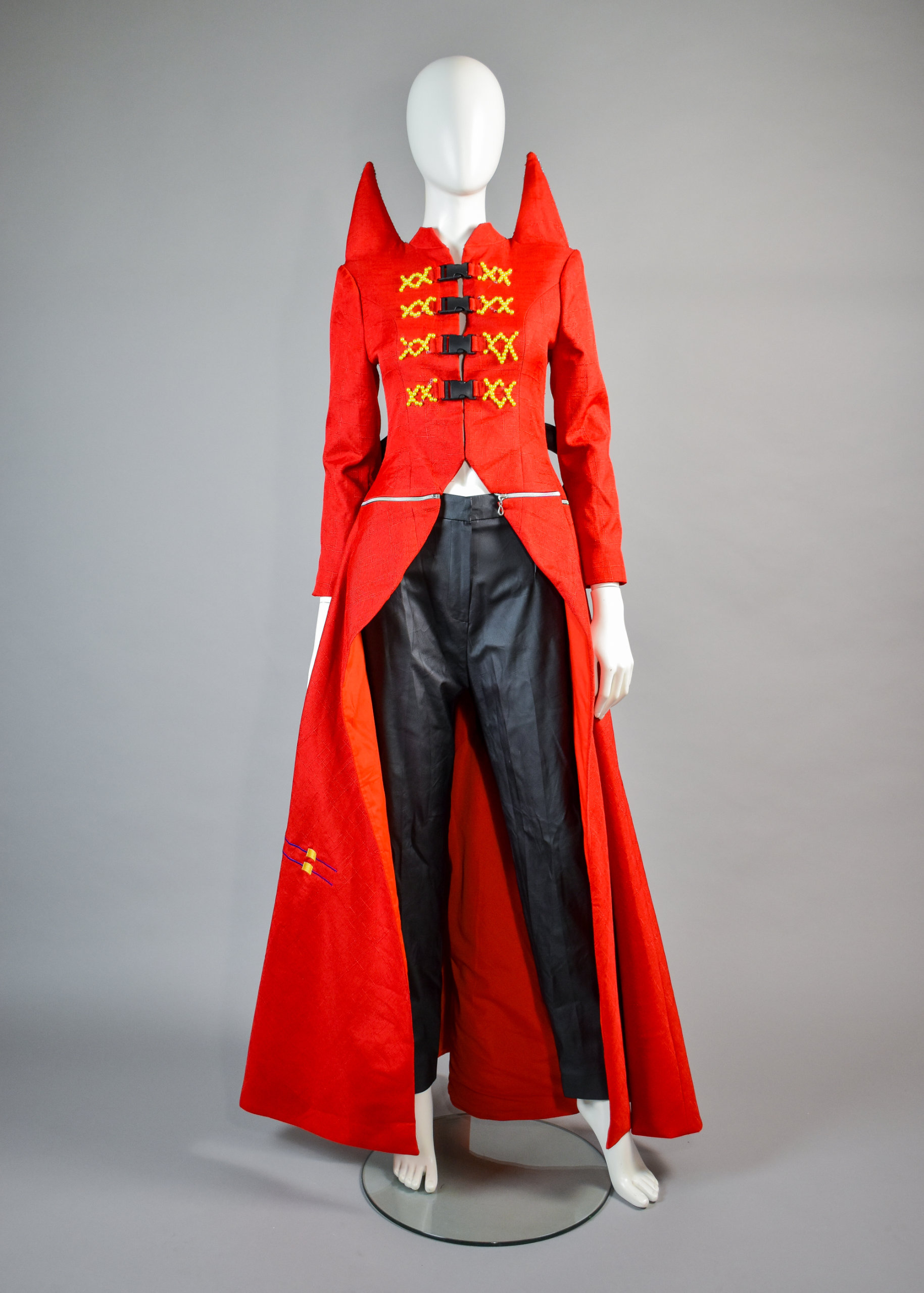
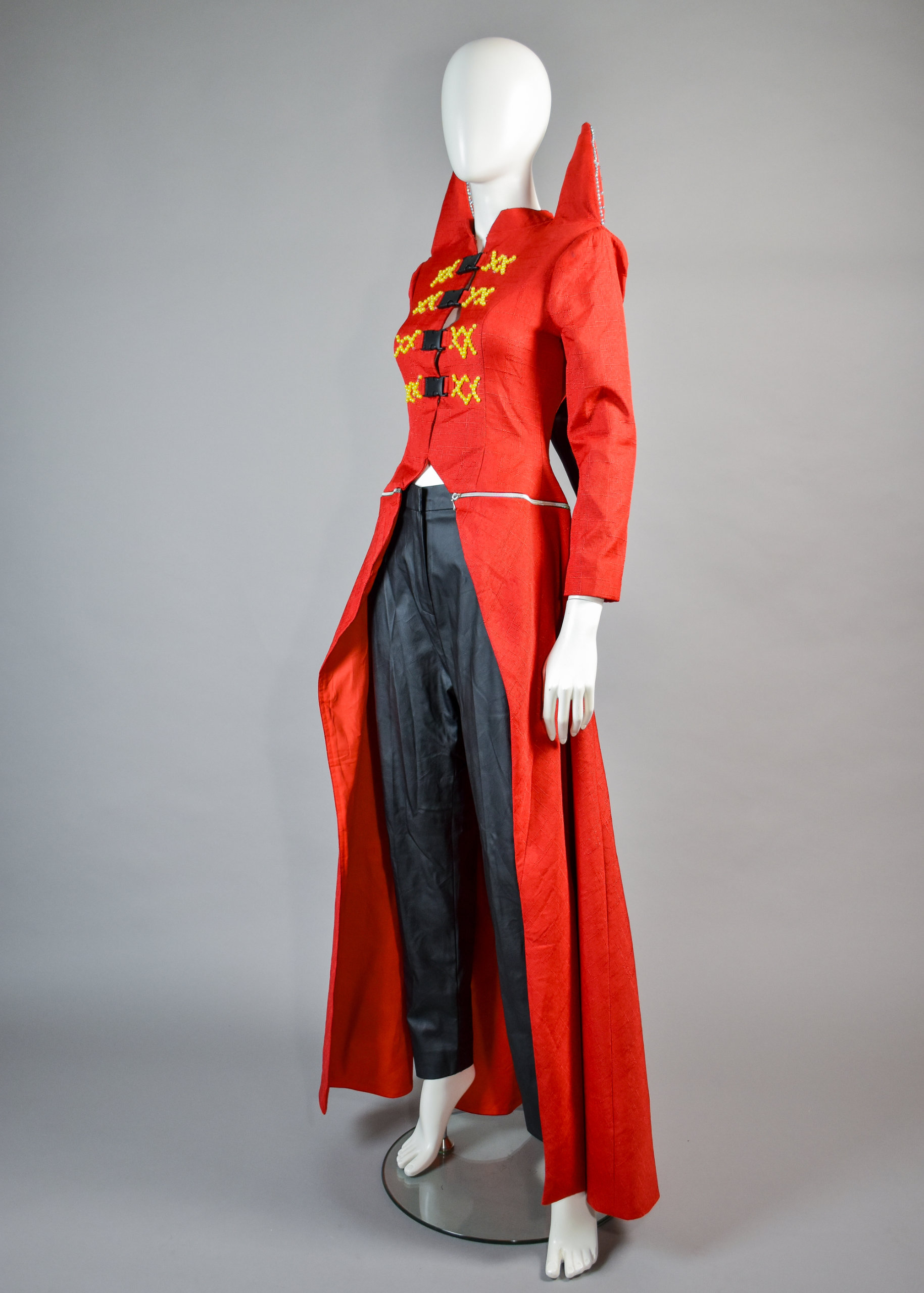
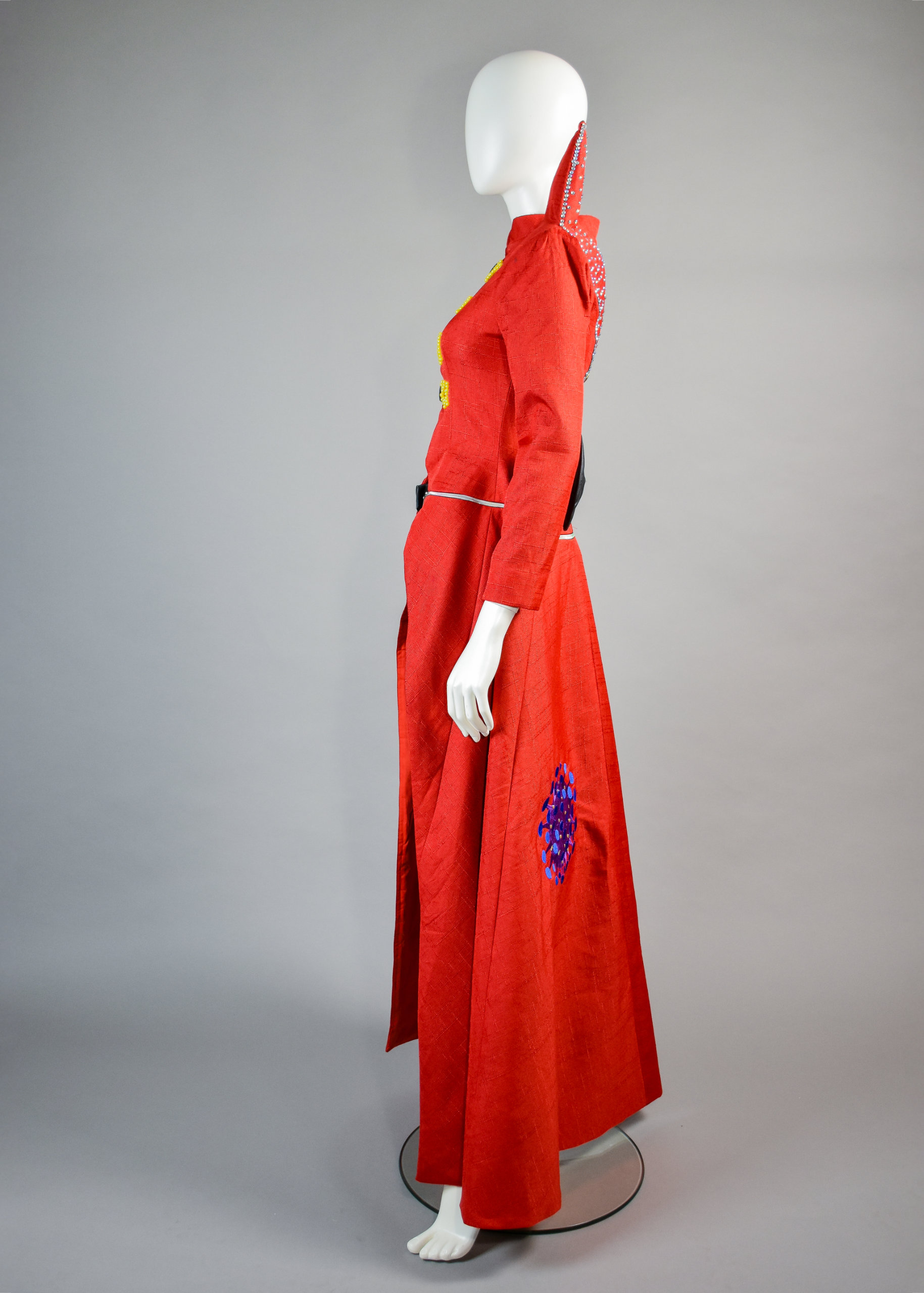
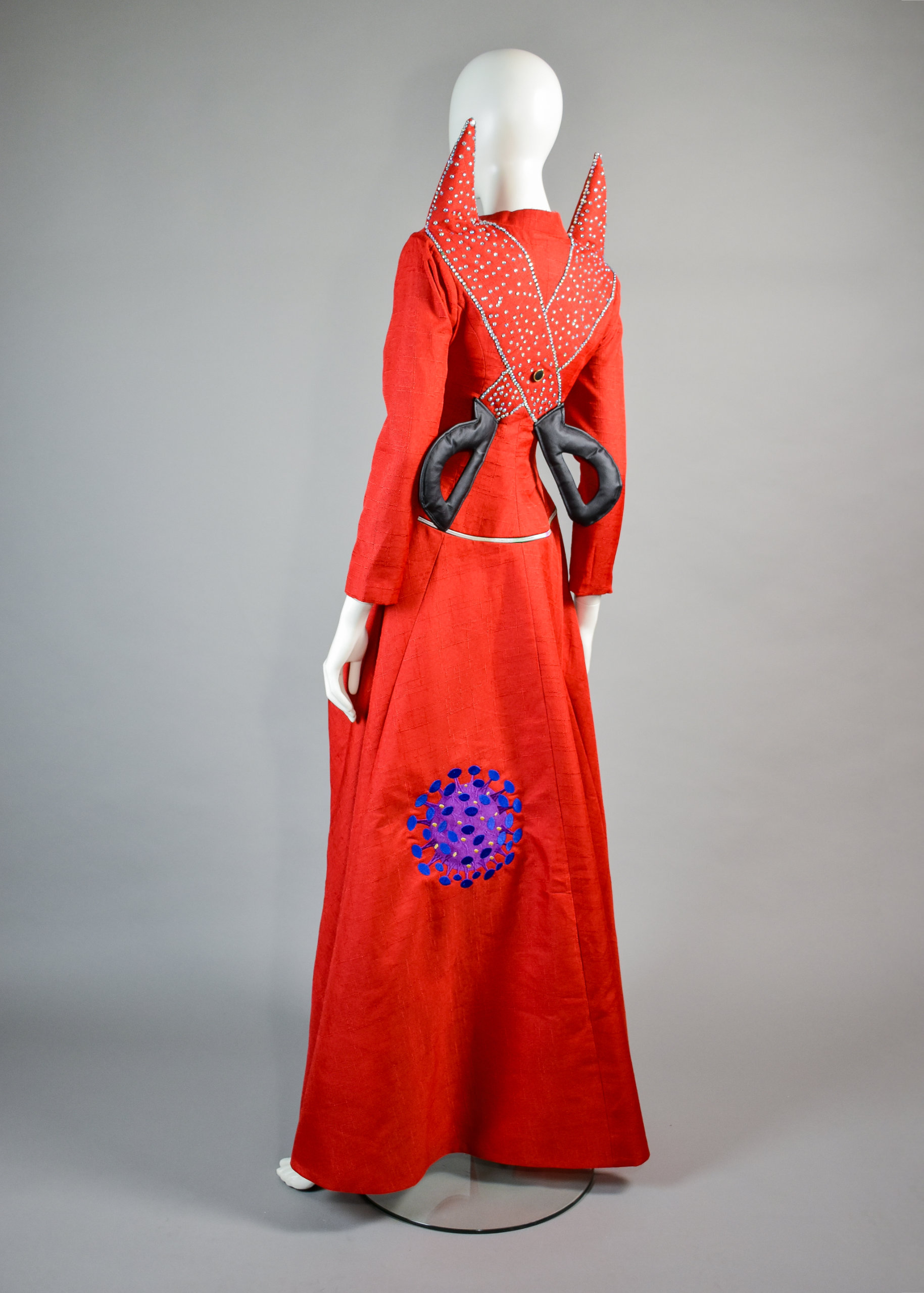
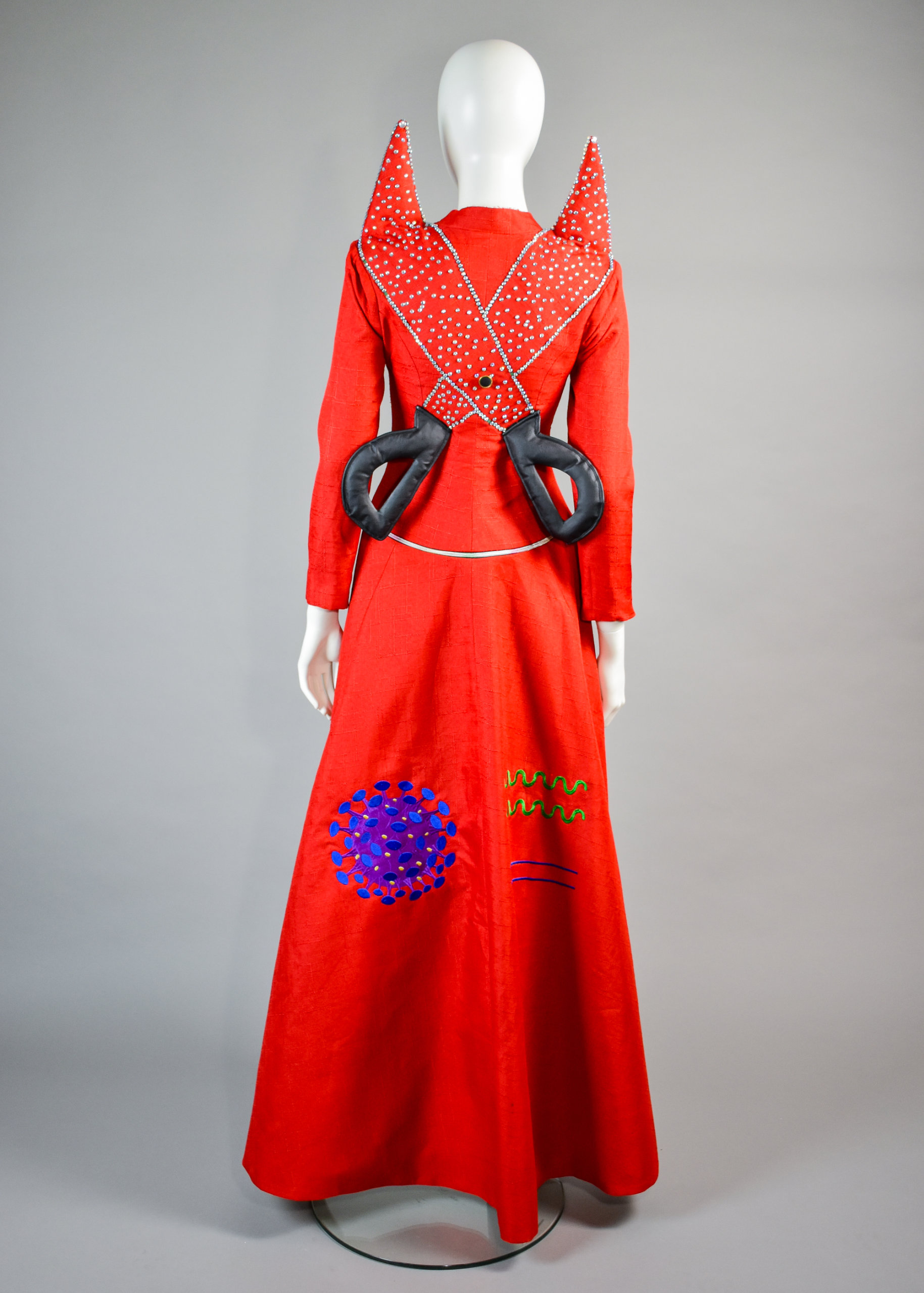
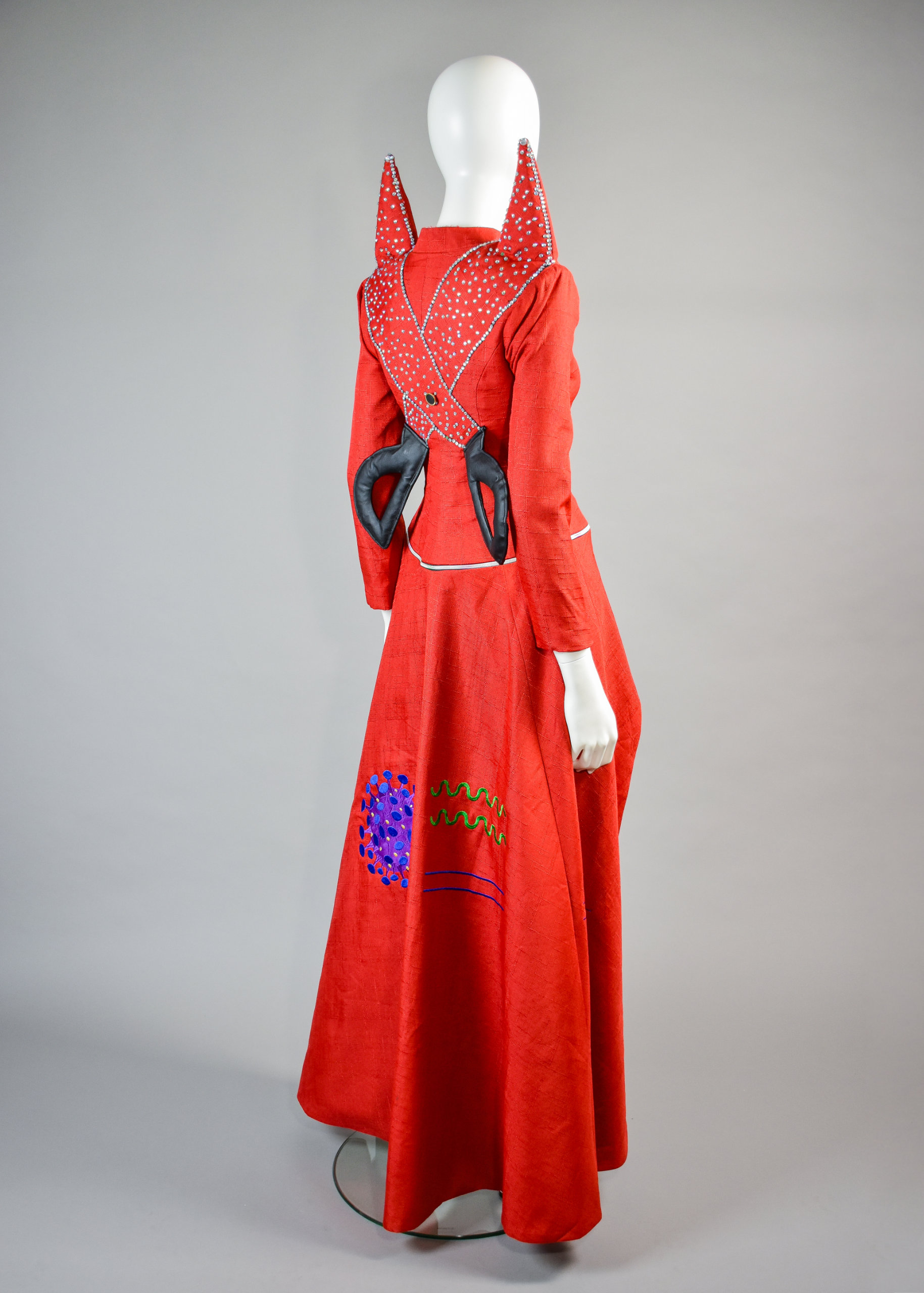
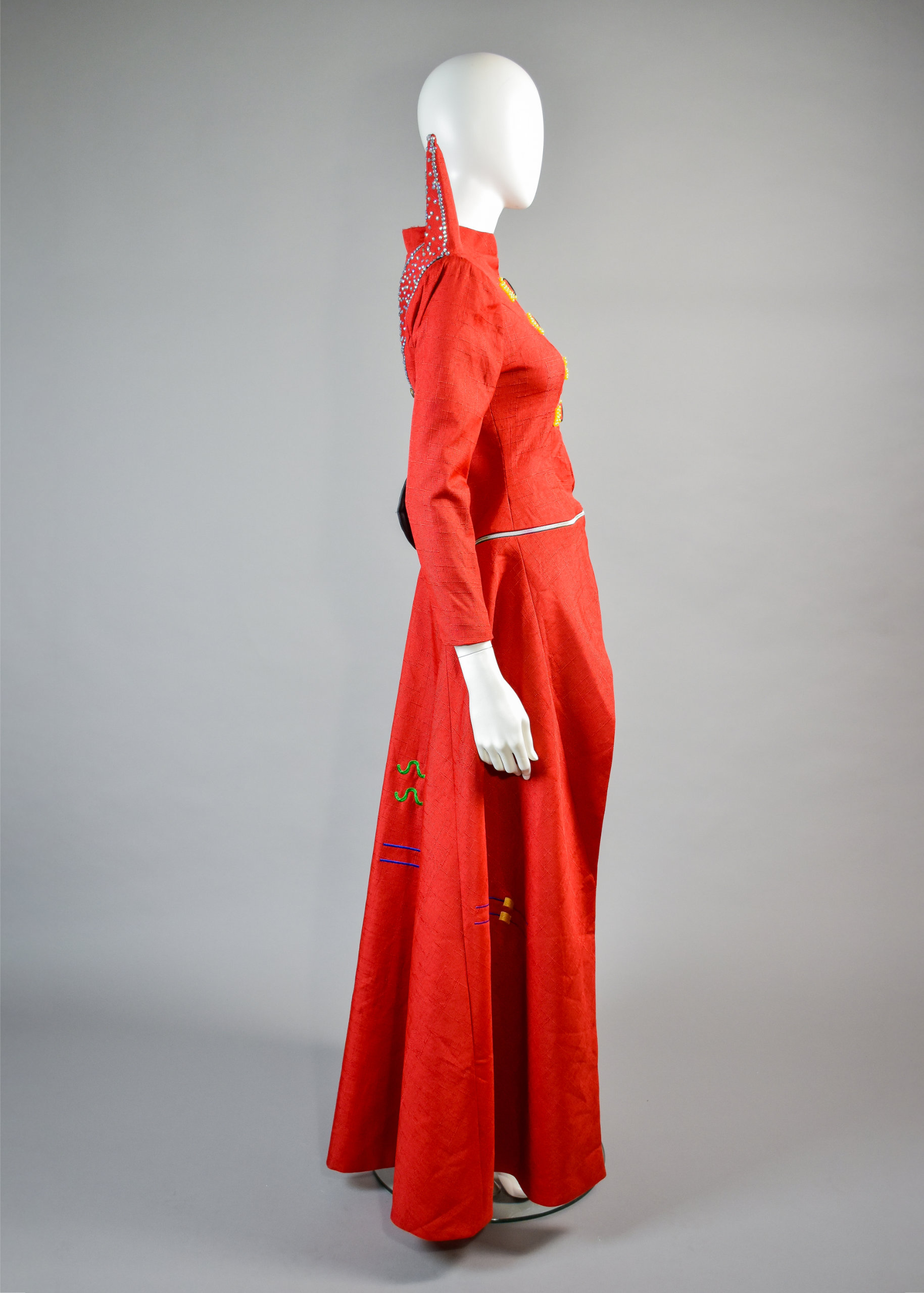
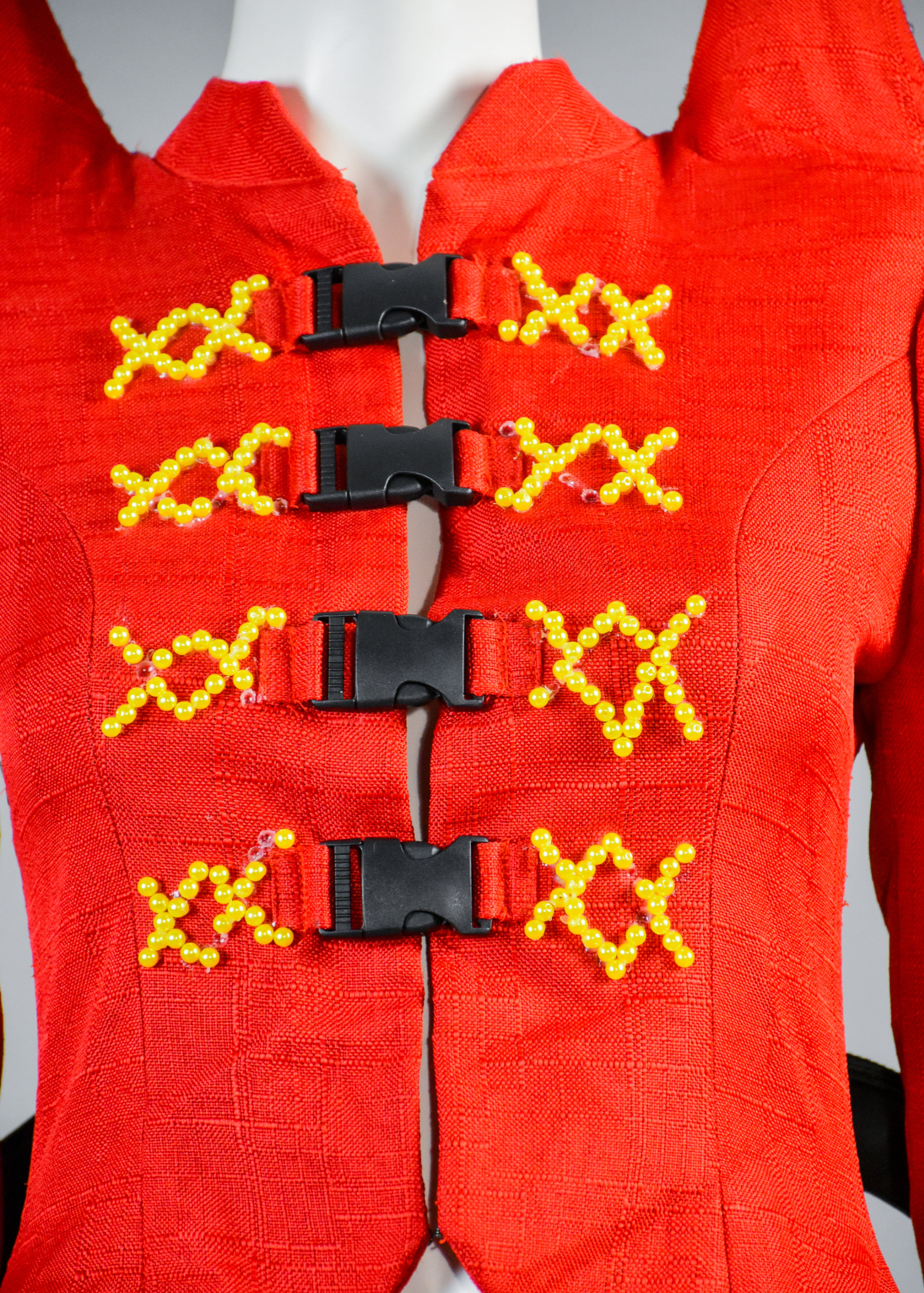
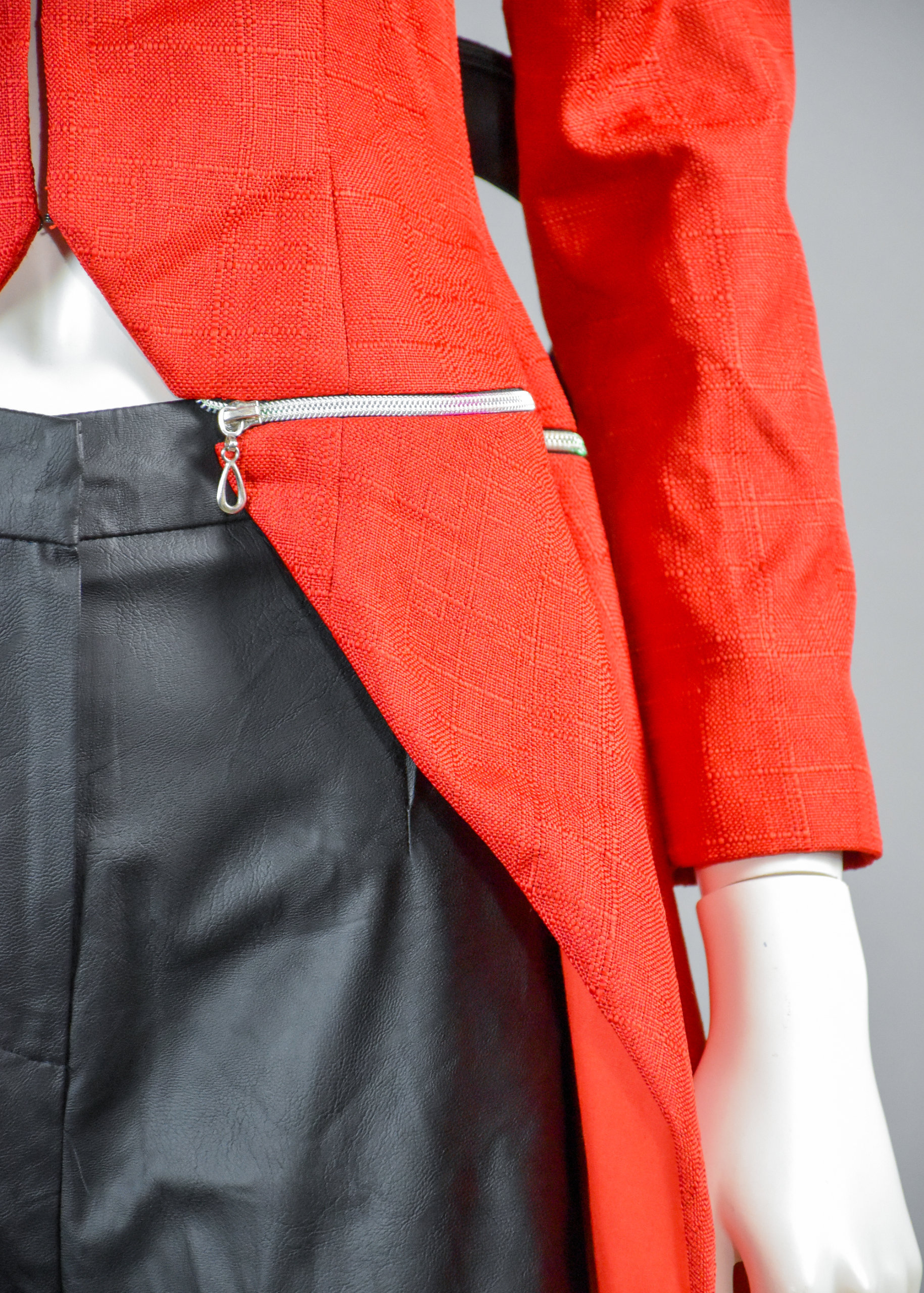
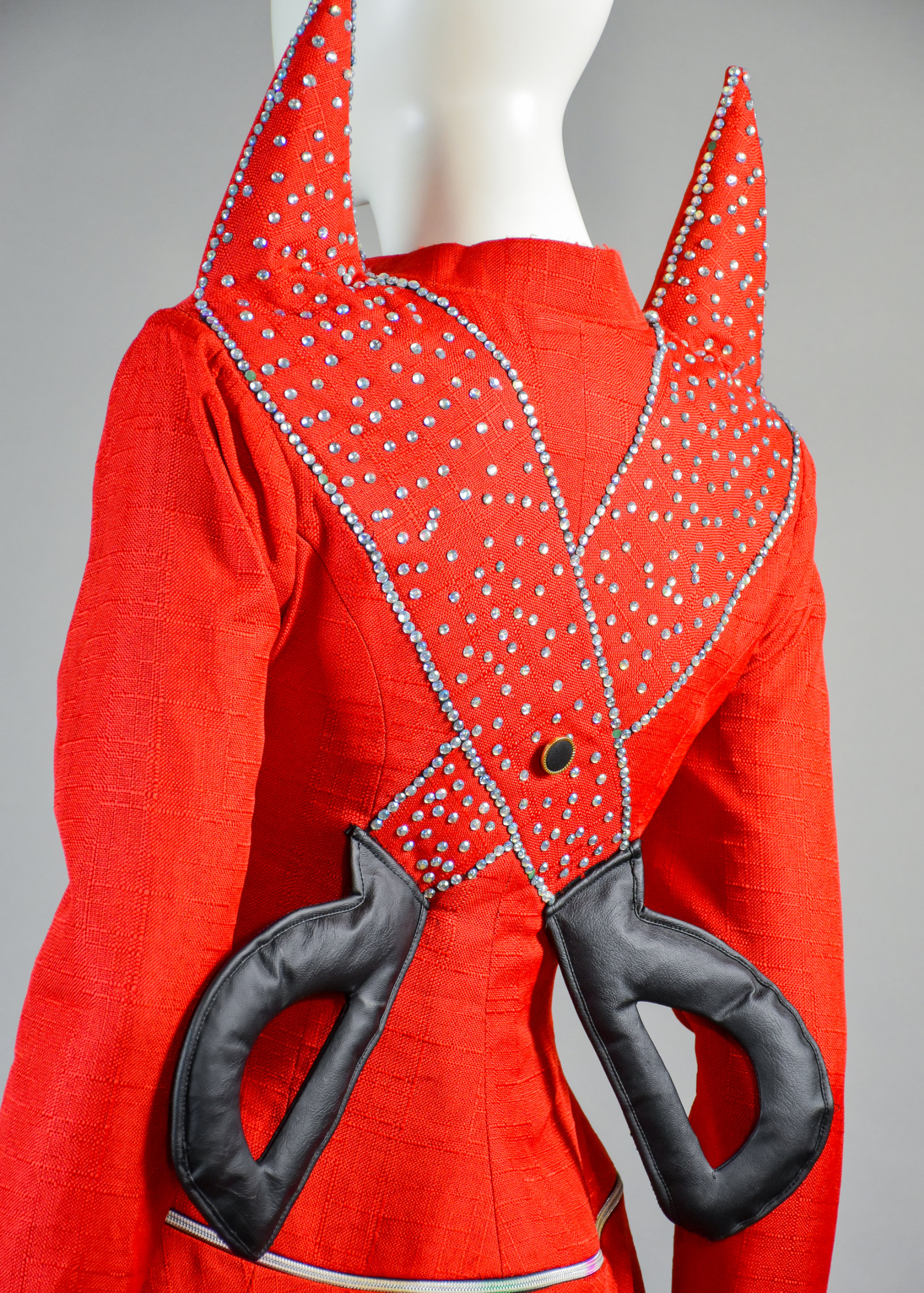
The “Genetic Warrior” lab coat is a bold fashion statement paying tribute to the bravery and intellect of frontline doctors in the fight against HIV/AIDS. More than just protective wear, this design symbolizes the fusion of science, strength, and humanity. Drawing inspiration from advanced gene therapy and the disciplined elegance of samurai armor, the coat speaks of transformation, precision, and courage. A powerful crimson hue courses through the design, symbolizing urgency, vitality, and the passionate pursuit of healing.

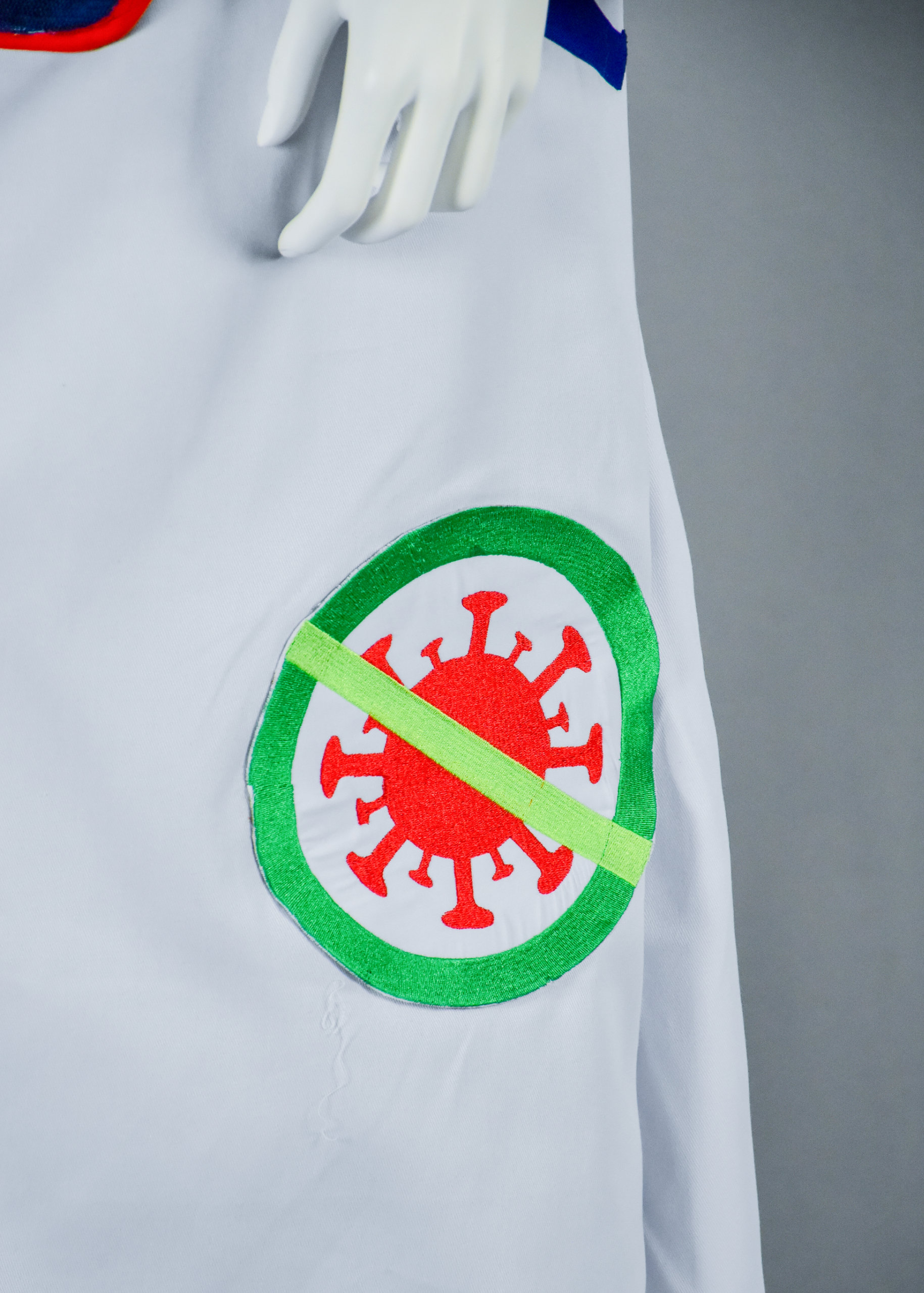
The sharply structured shoulders and tailored silhouette evoke the readiness of a warrior prepared for battle but not with weapons, but with knowledge and compassion. At the back, black crossed straps resemble the iconic CRISPR-Cas molecular scissors, signifying the cutting-edge science used to eliminate viral threats. The front closures, formed in the shape of interlocking DNA helices, blend functionality with symbolism—anchoring the coat with the very blueprint of life. Near the lower back, an abstract virus motif intertwined with genetic symbols serves as a visual reminder of science’s power to heal and transform.

This coat is not merely attire but it is a declaration. It honors doctors not only as healers but as genetic warriors at the forefront of reshaping the future of medicine.

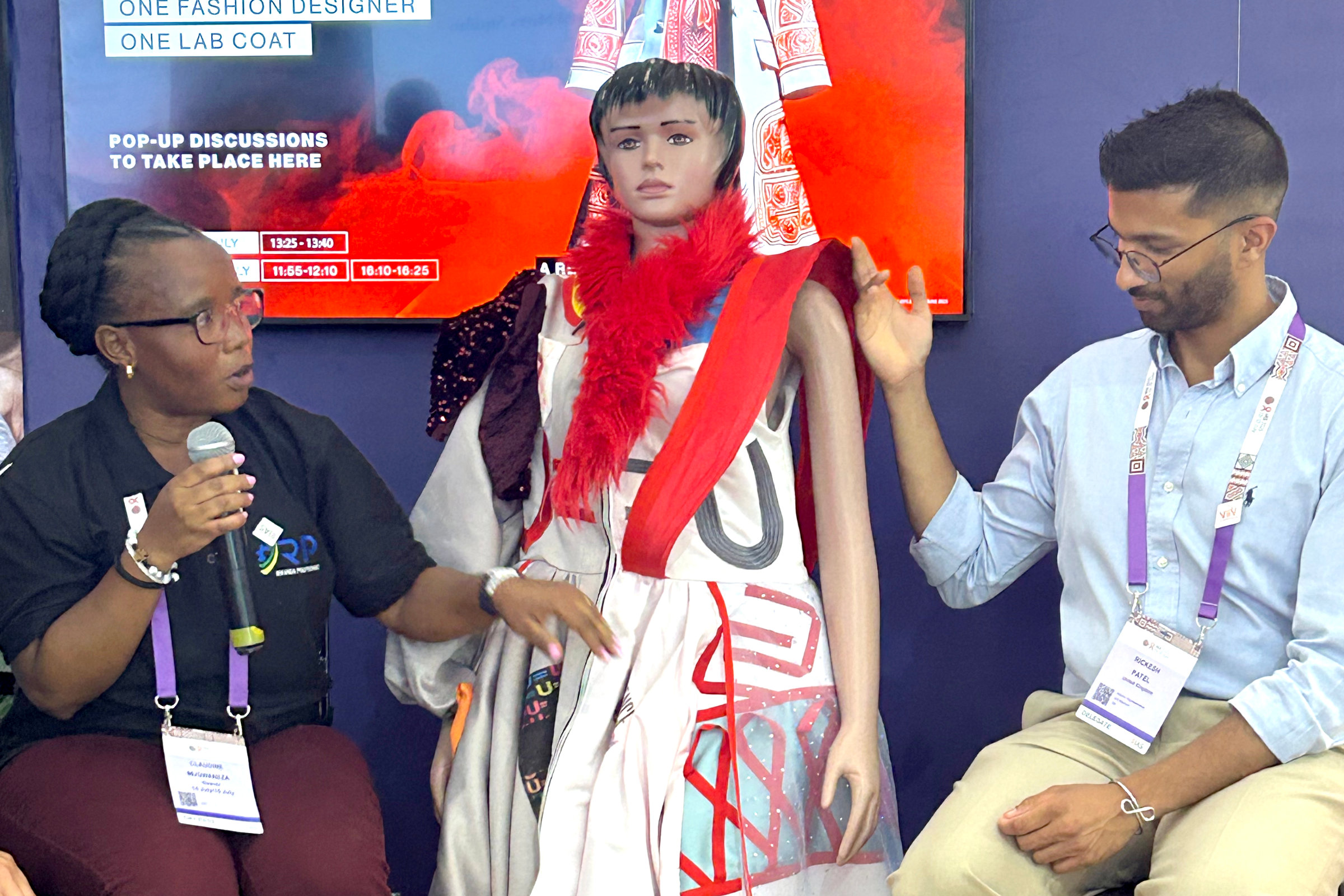
Claudine Mugwaneza + Nneka Nwokolo + Rickesh Patel

Claudine Mugwaneza

I am a visionary fashion designer with a decade of experience, specializing in creating versatile, functional, and sustainable collections. Passionate about innovation, I am advancing my expertise in Fashion and Apparel Design to pioneer modular, tech-integrated, and eco-conscious fashion. My goal is to develop adaptable garments that merge aesthetics with practicality, while championing ethical and circular fashion practices. As a future industry leader, I aspire to establish a cutting-edge brand, collaborate with experts, and educate the next generation. Through creativity, sustainability, and technology, I aim to shape the future of fashion with purpose and impact, inspiring change and setting new industry standards globally.

Nneka Nwokolo

Nneka Nwokolo is Head of Patient Engagement at ViiV Healthcare and an honorary consultant HIV physician at Chelsea and Westminster Hospital in London. Nneka is also involved in initiatives to raise awareness of the need for, and increase the participation of, women living with HIV in clinical trials, and she is active in community efforts to raise awareness of PrEP for women. She is passionate about engaging people in conversations to raise awareness of HIV, spreading the message of U=U and reducing the stigma associated with HIV. Her special interests include the sexual and reproductive health of women living with HIV, particularly with regards to contraception and the menopause.

Rickesh Patel

Rickesh Patel is a Global Patient Engagement Director at ViiV Healthcare. He has been working collaboratively with community representatives to co-design and launch the Positive Perspectives Wave 3 study.

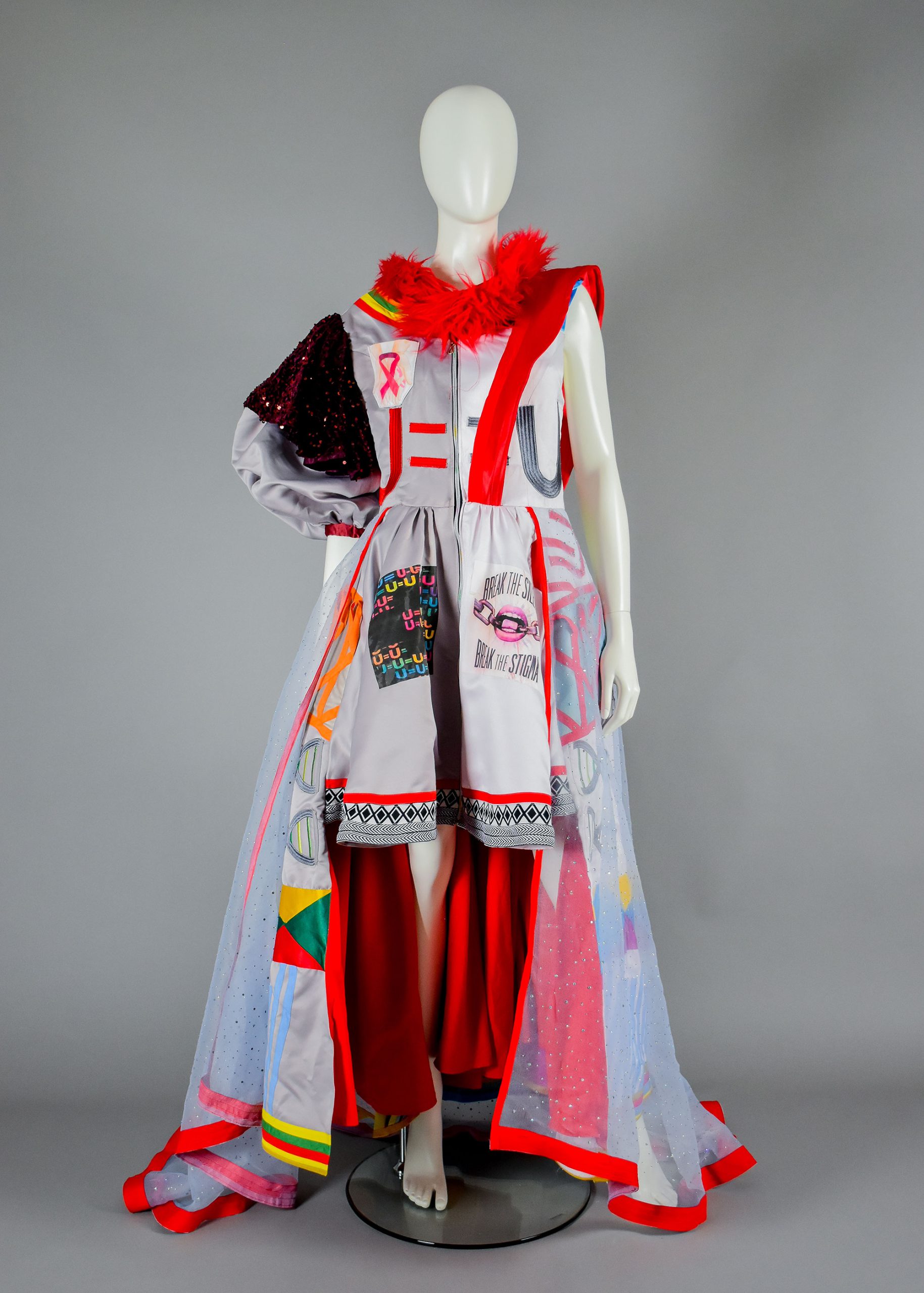
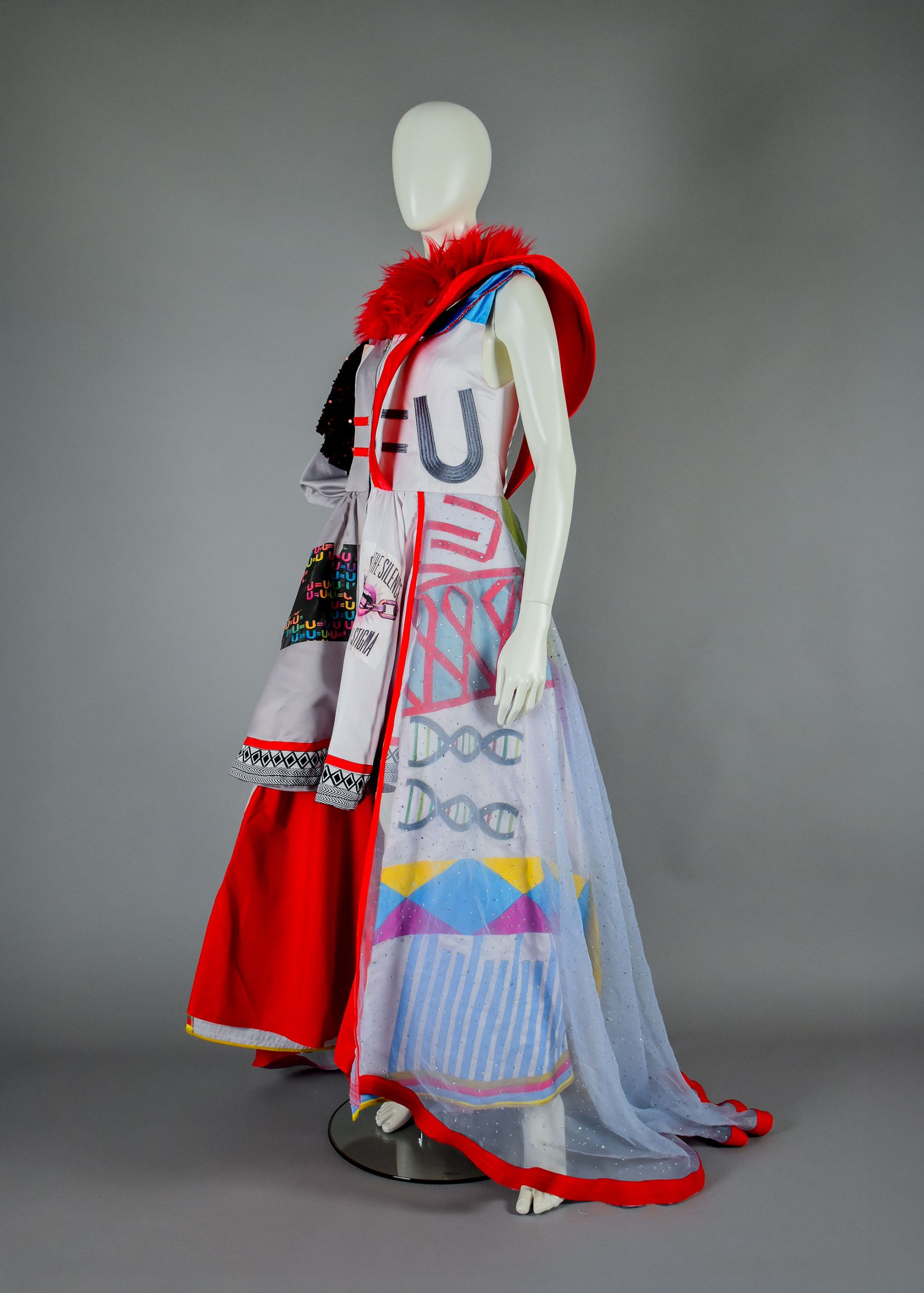
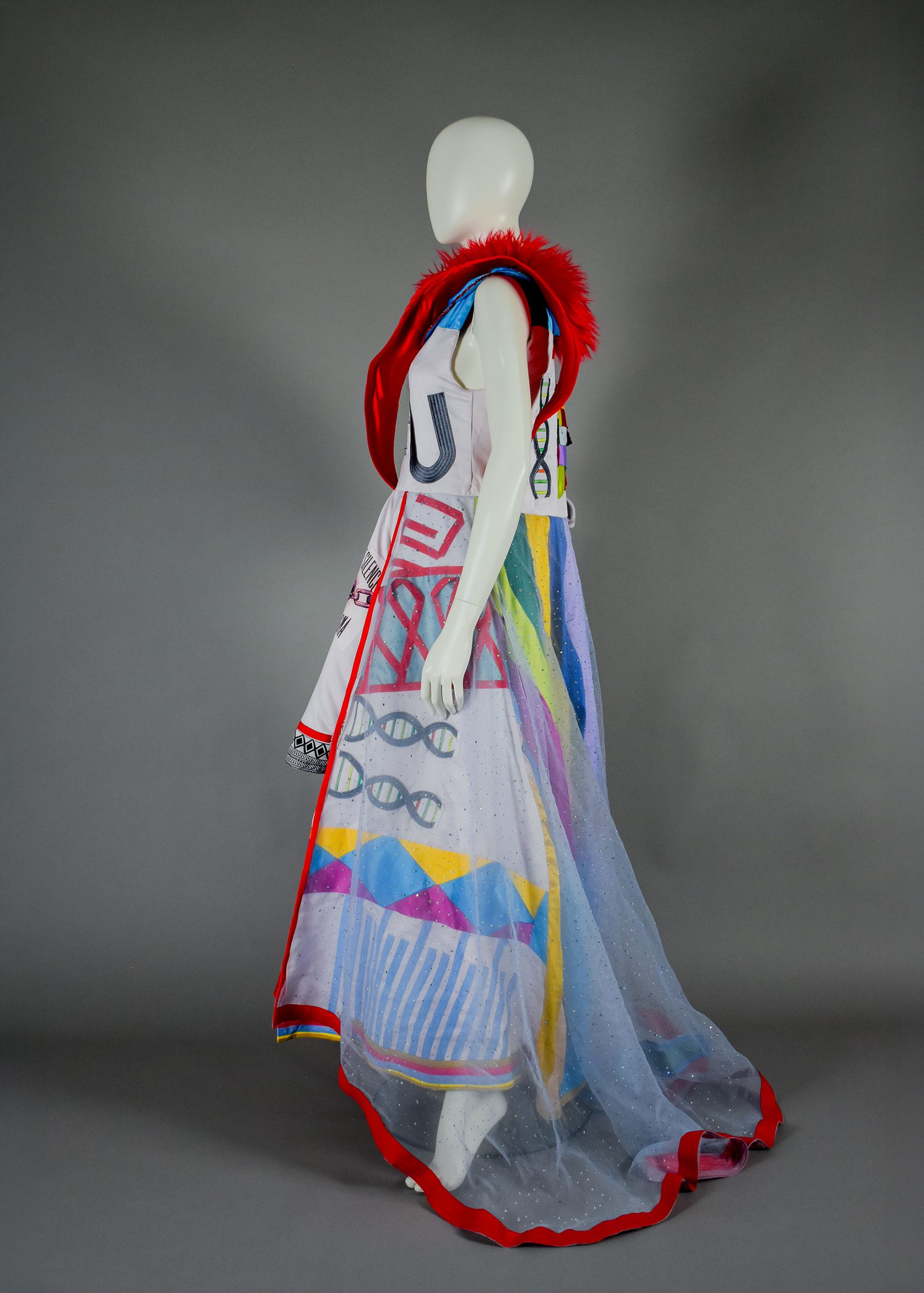
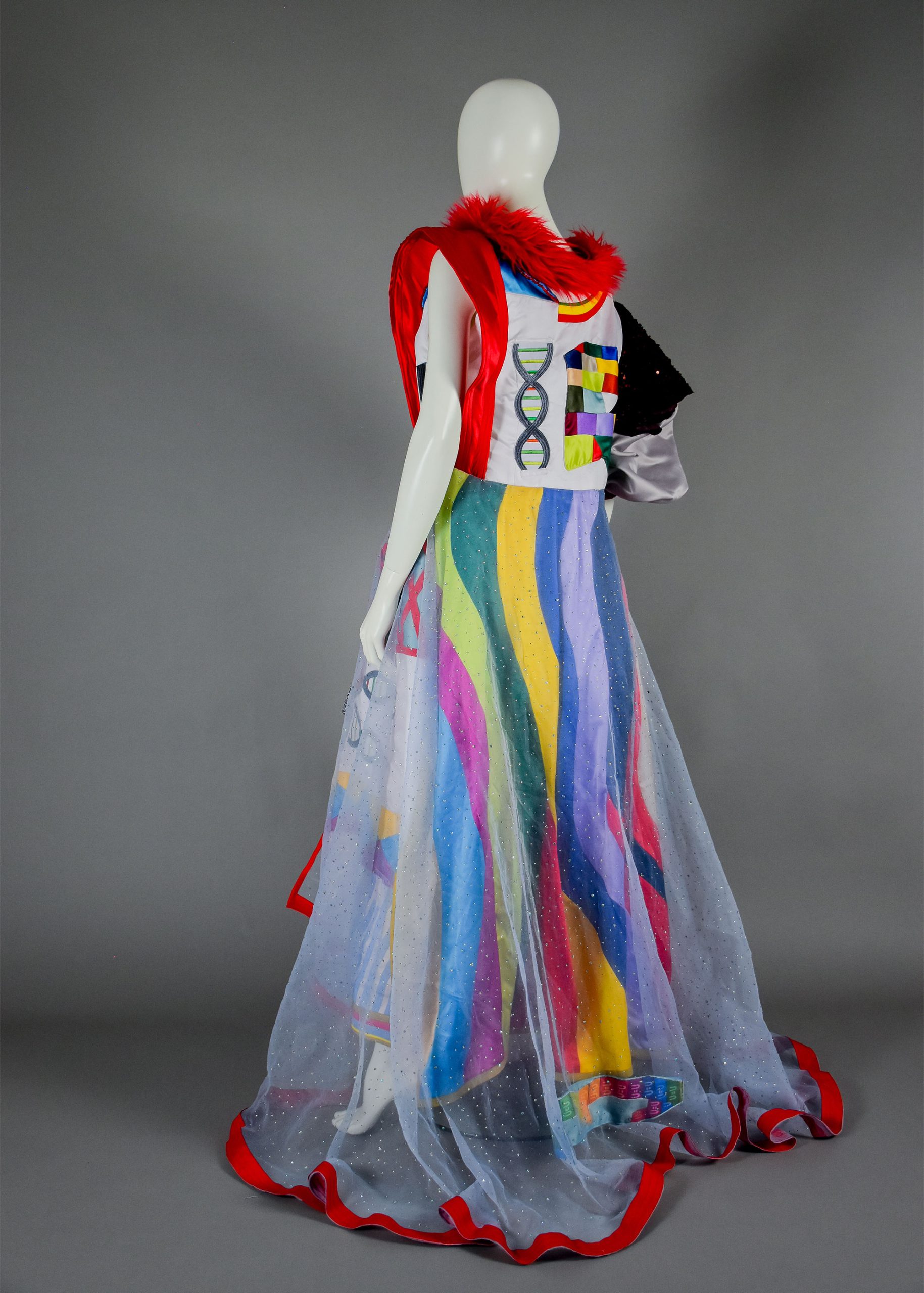
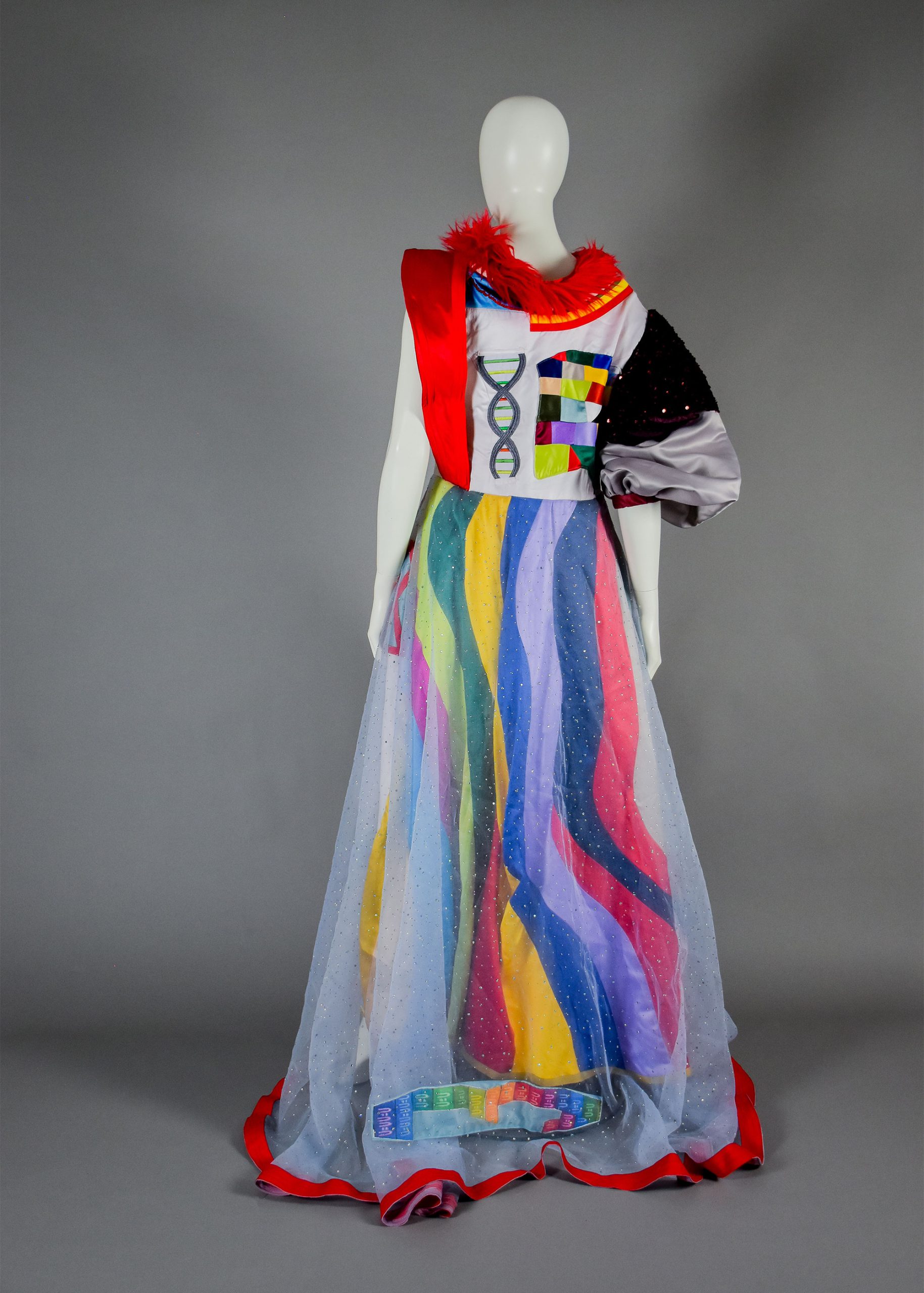
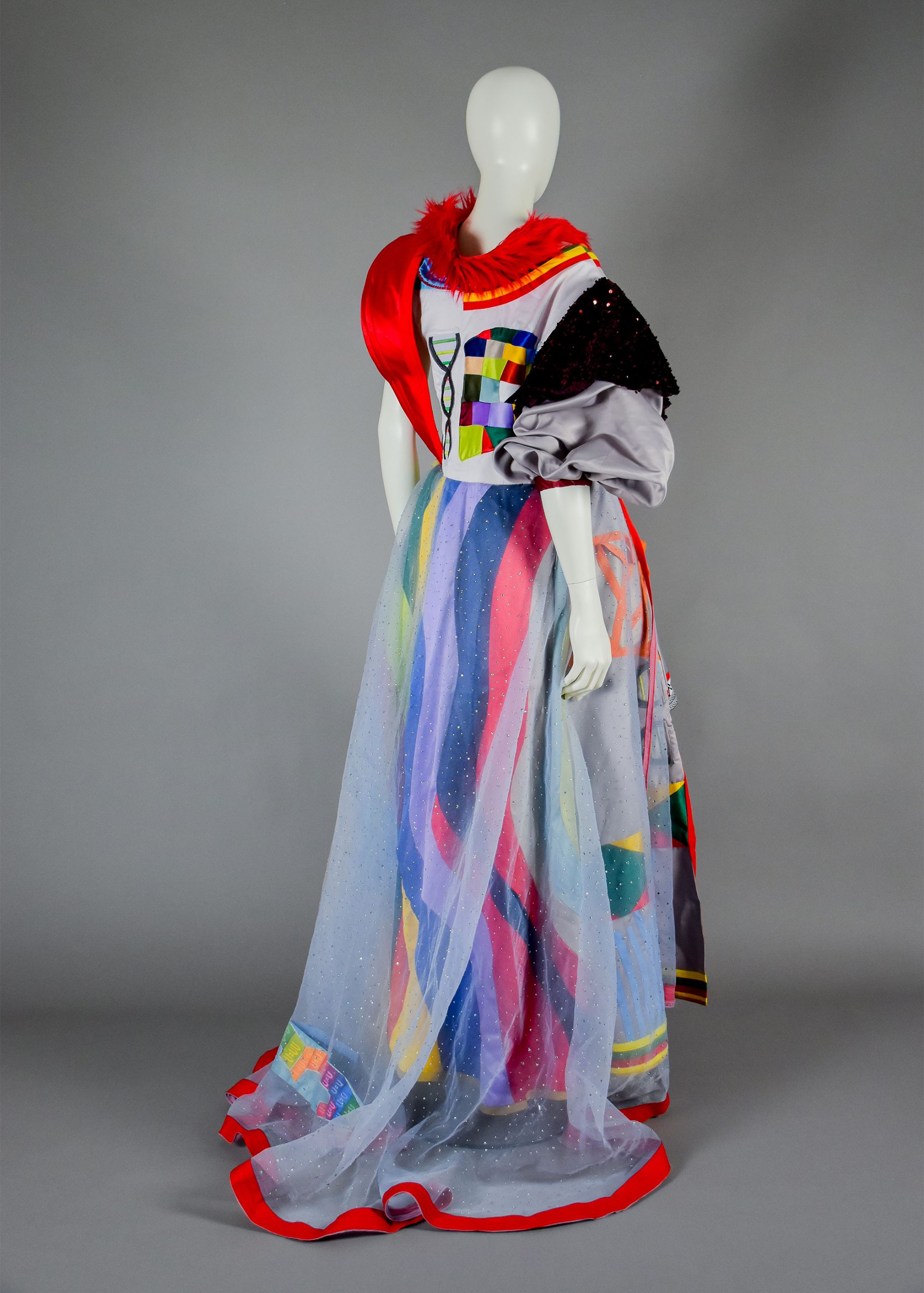
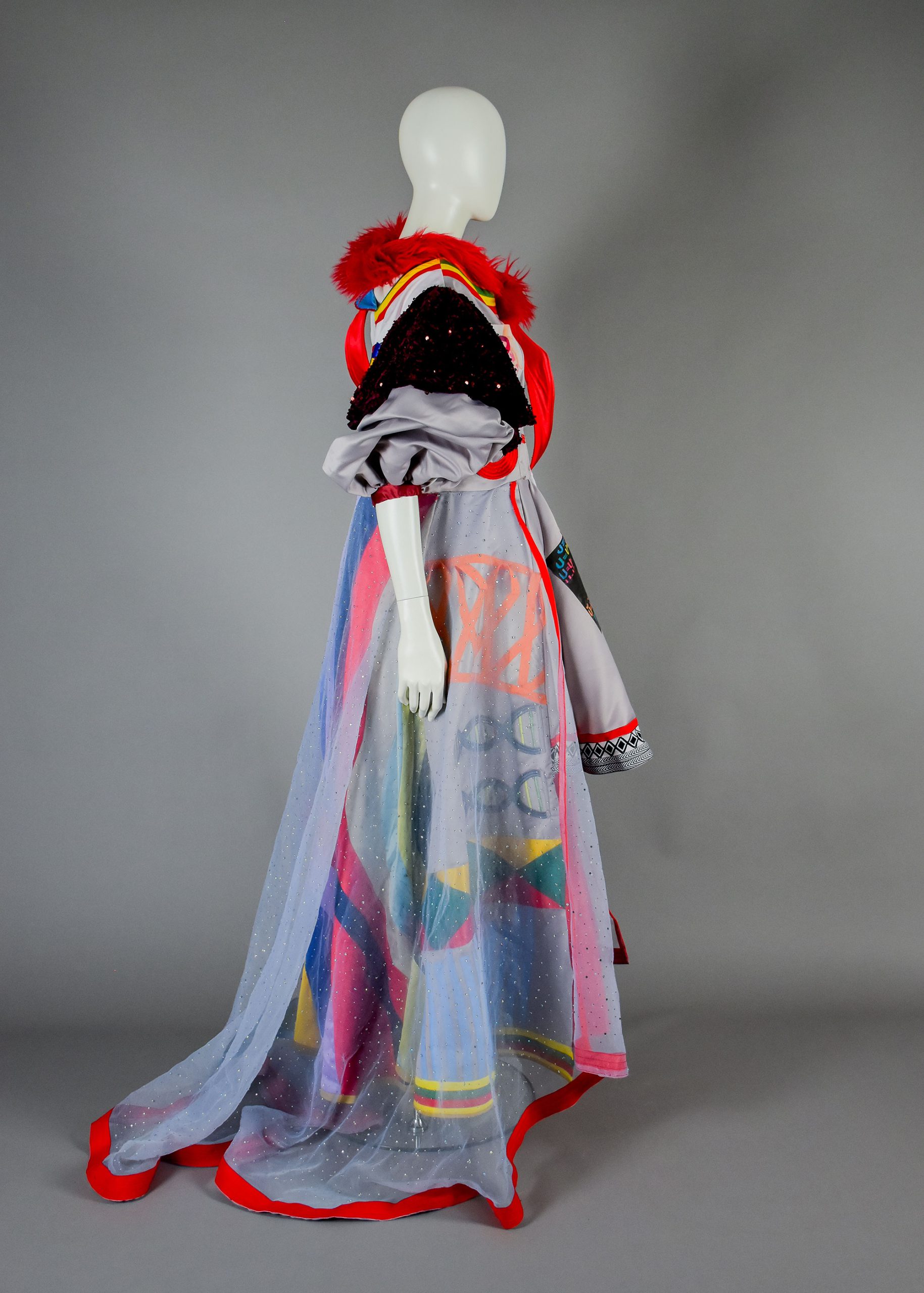
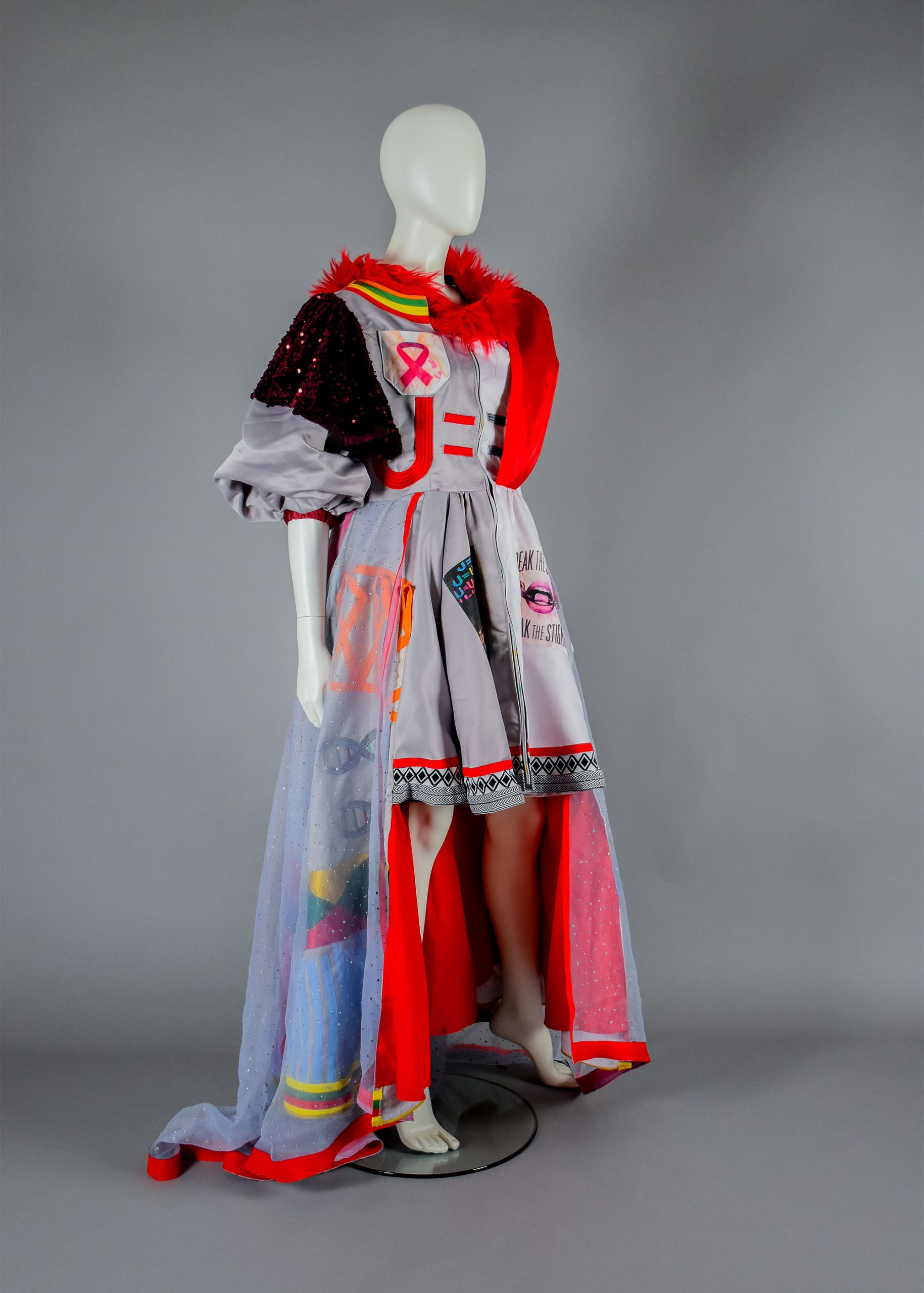
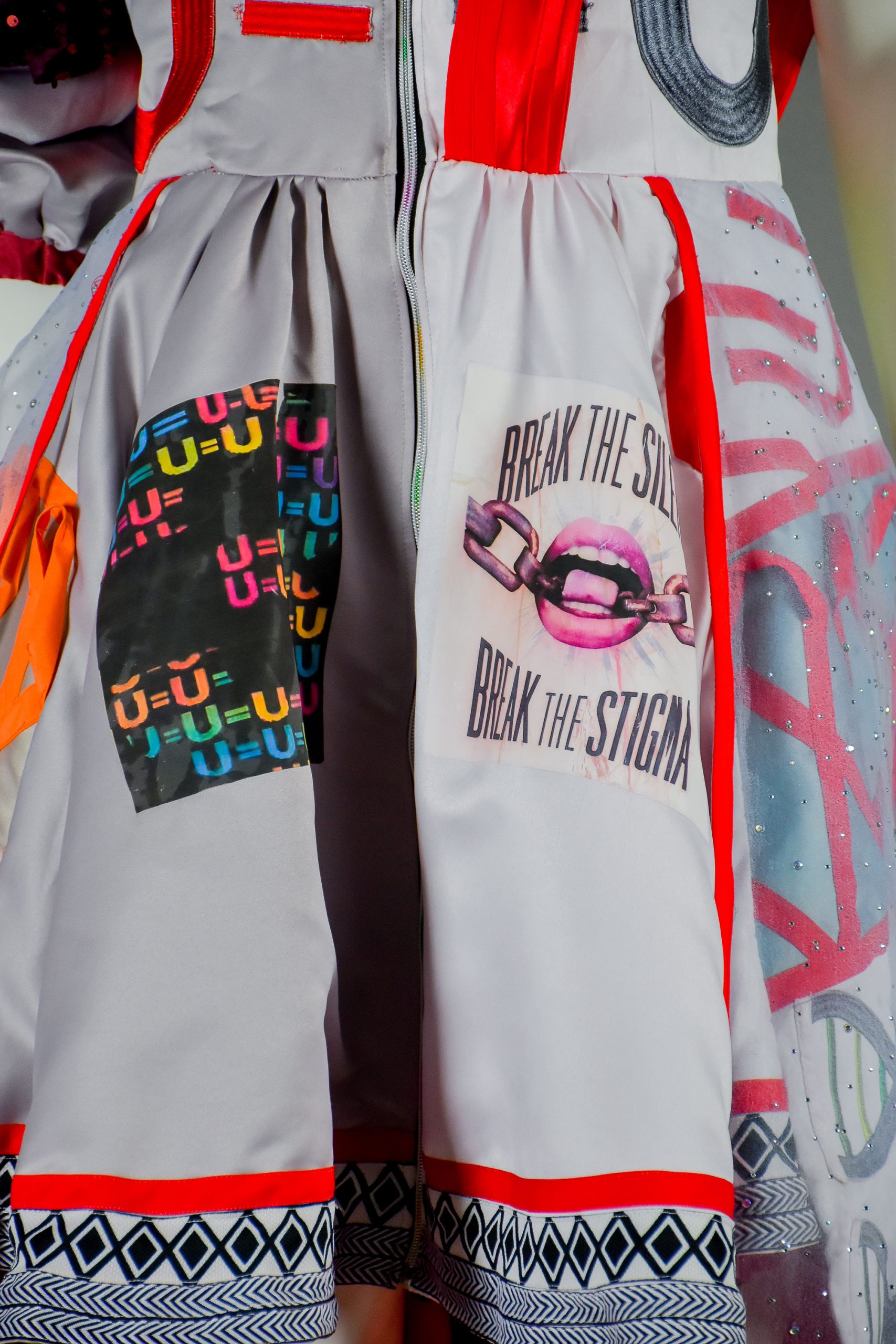
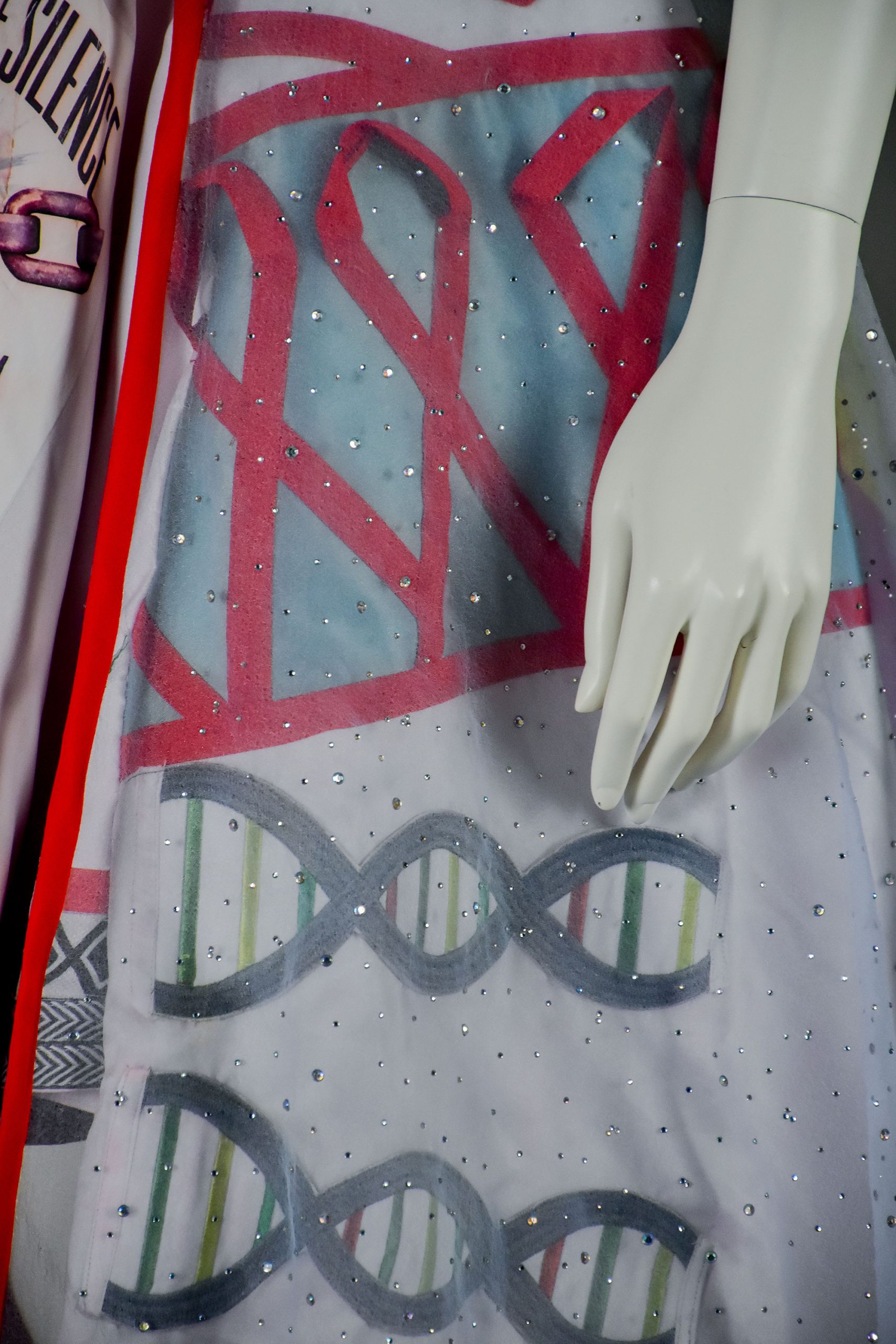
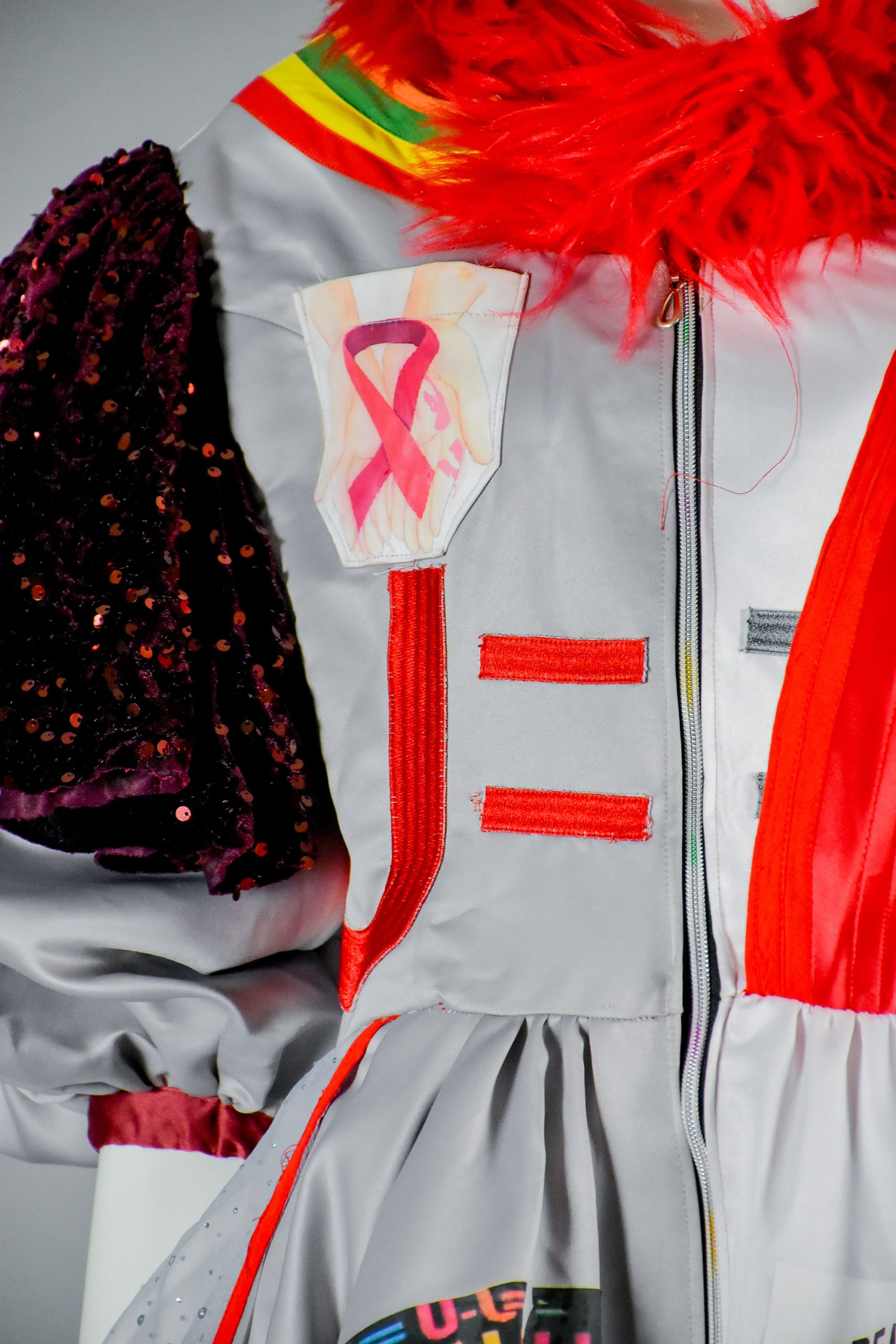
This piece powerfully blends fashion, science, cultural identity, and advocacy into a wearable statement aimed at confronting HIV stigma and promoting awareness. Inspired by the global HIV movement, the gown is anchored in the groundbreaking U=U (Undetectable = Untransmittable) message, symbolized by a bold U-shaped neckline that champions both scientific truth and hope for those living with HIV.

The garment’s layered translucent fabrics evoke emotional depth and transparency—symbolizing the dismantling of stigma and encouraging open dialogue. DNA strands woven into the design and pill-like motifs highlight the importance of medical research and antiretroviral treatment, while interwoven hands reflect unity, care, and community support.

Symbolism runs deep through every element, a red ribbon for HIV awareness, beadwork representing healing and cultural pride, and a patchwork of 29 diverse fabrics representing the countries involved in international HIV research. Three embroidered pieces reflect the third wave of Positive Perspectives studies. The back features a green yoke for climate-aware healthcare, with vibrant multicolored panels and a flowing translucent train that celebrate global diversity and movement. More than just fashion, “Empowered Threads” is a bold visual manifesto—communicating resilience, equity, and collective healing in the global HIV response.

Dorisi Niyomukiza + Edwin J Bernard

Dorisi Niyomukiza

As a fashion designer, I sculpt patterns through draping and drafting, transforming recycled textiles into unique garments. Software enhances my vision, yet the hands-on process ignites my creative spark. Deeply inspired by sustainable practices and the expressive power of silhouette, I aim to revolutionize fashion with innovative, eco-conscious designs that resonate. I firmly believe clothing serves as both art and a catalyst for positive change, and I strive to contribute meaningfully to a more responsible, expressive industry. My passion lies in crafting garments that empower, inspire, and redefine the boundaries of sustainable design, pushing for a future where fashion is both beautiful and ethical.

Edwin J Bernard

Edwin J Bernard is the founder and executive director of the HIV Justice Network (HJN), a global community-led advocacy organisation leading efforts to end the unjust criminalisation of people living with HIV. Under his leadership, HJN has become a key resource for documenting cases, supporting community-led advocacy, and influencing legal reform worldwide. He also coordinates the HIV JUSTICE WORLDWIDE coalition, uniting over 100 civil society groups. Edwin, who has been living with HIV for more than 40 years, has contributed to landmark publications and advocacy tools, including the ‘Advancing HIV Justice’ series, and has played a pivotal role in reframing HIV criminalisation as a global human rights issue.

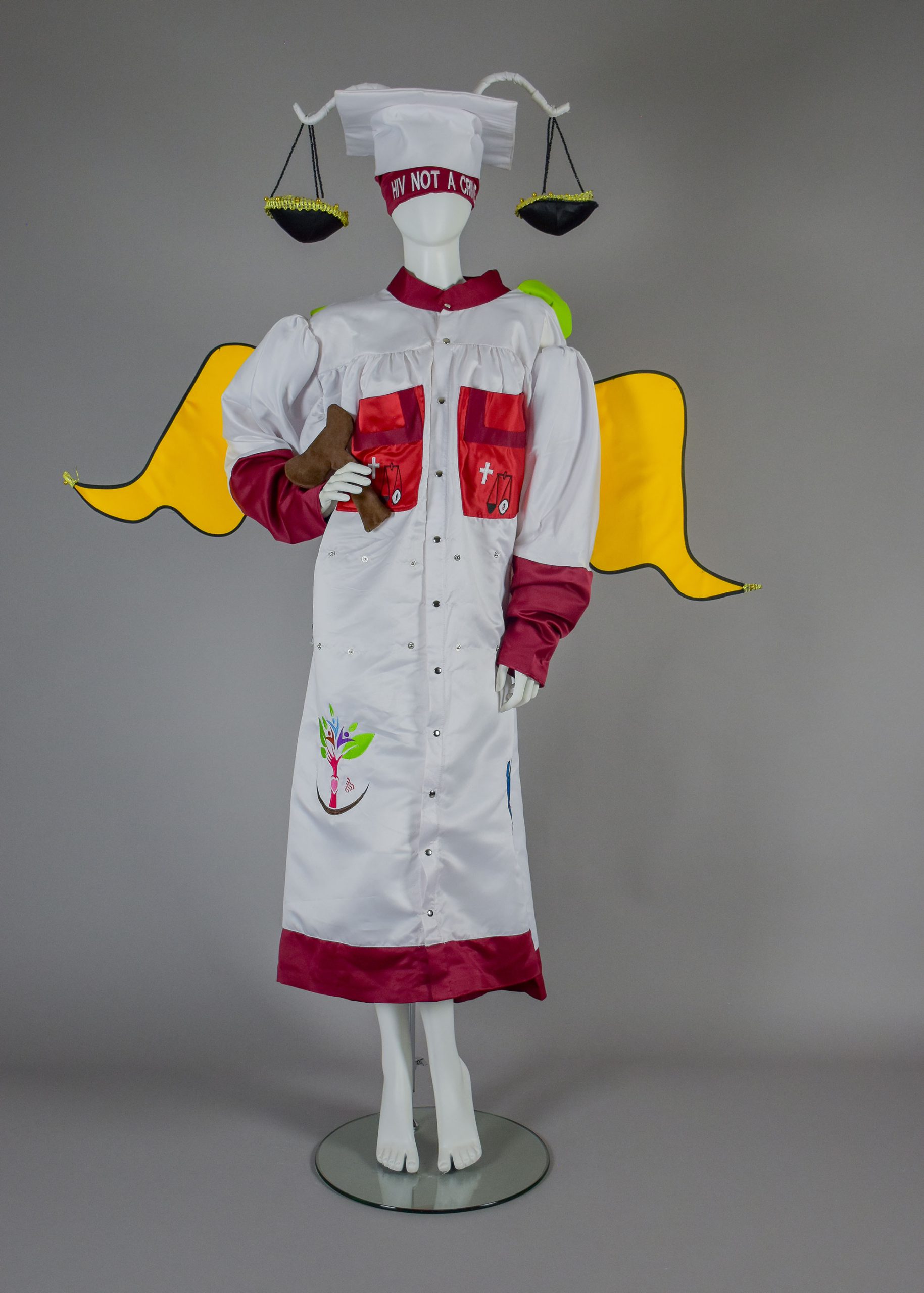
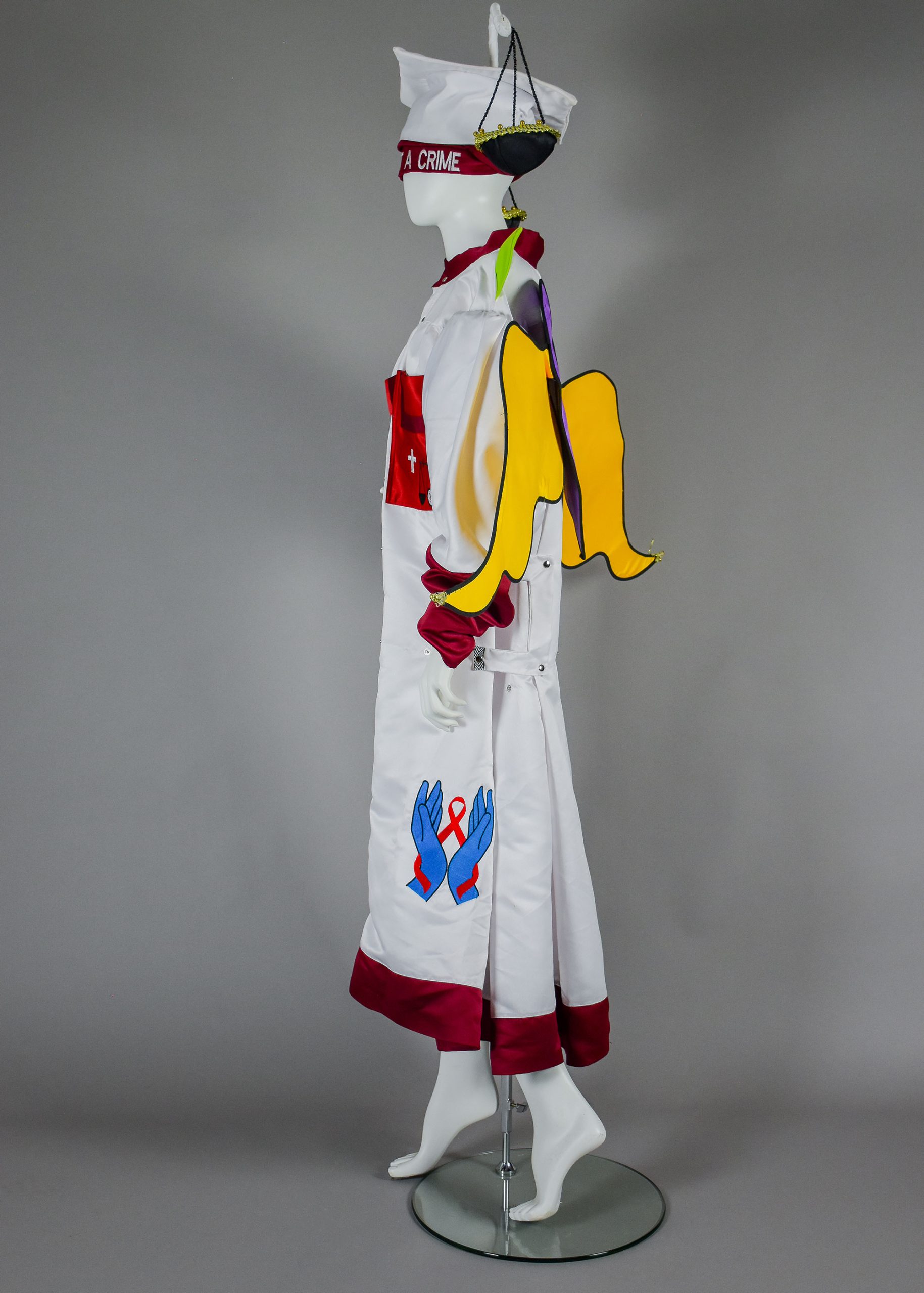
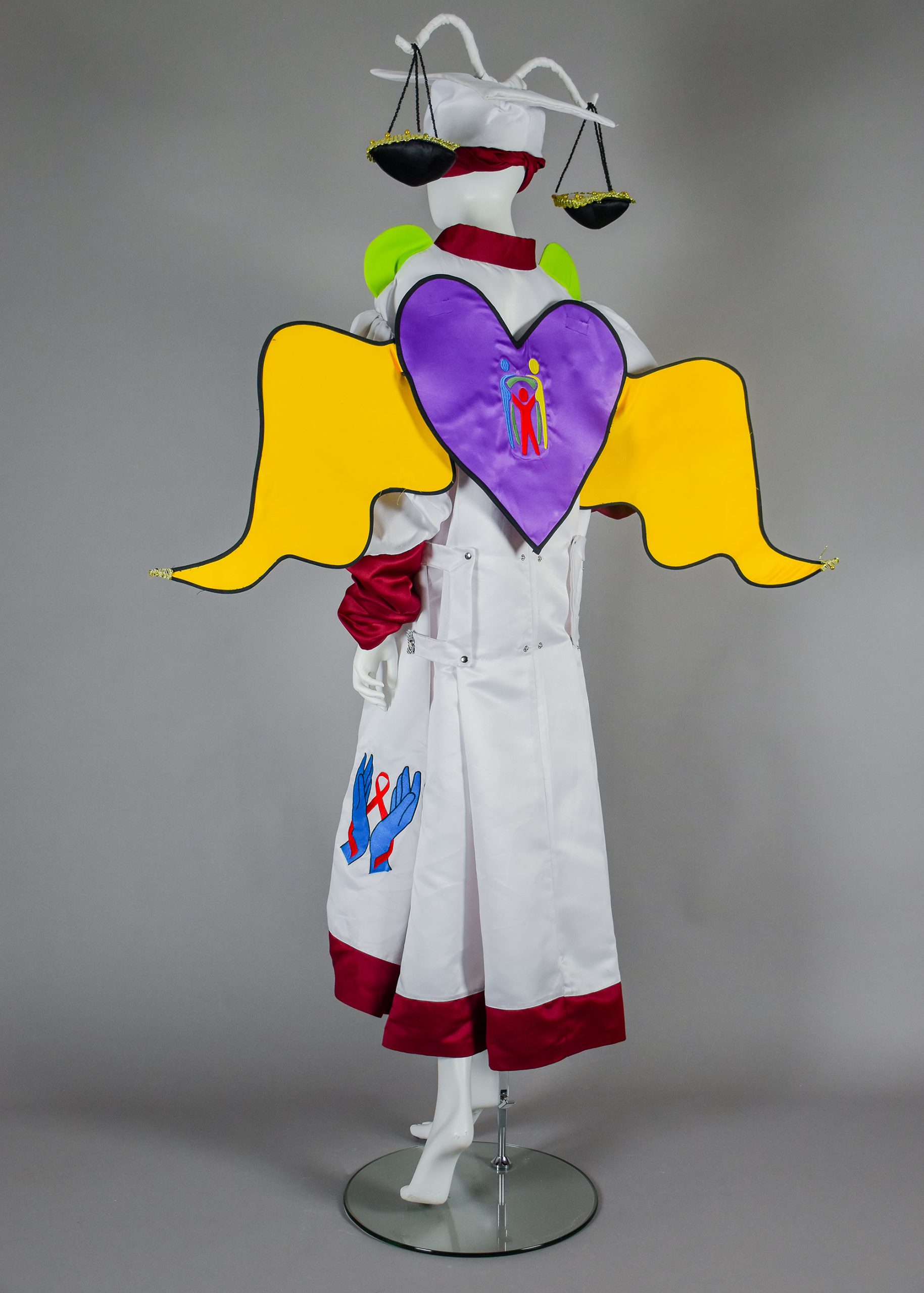
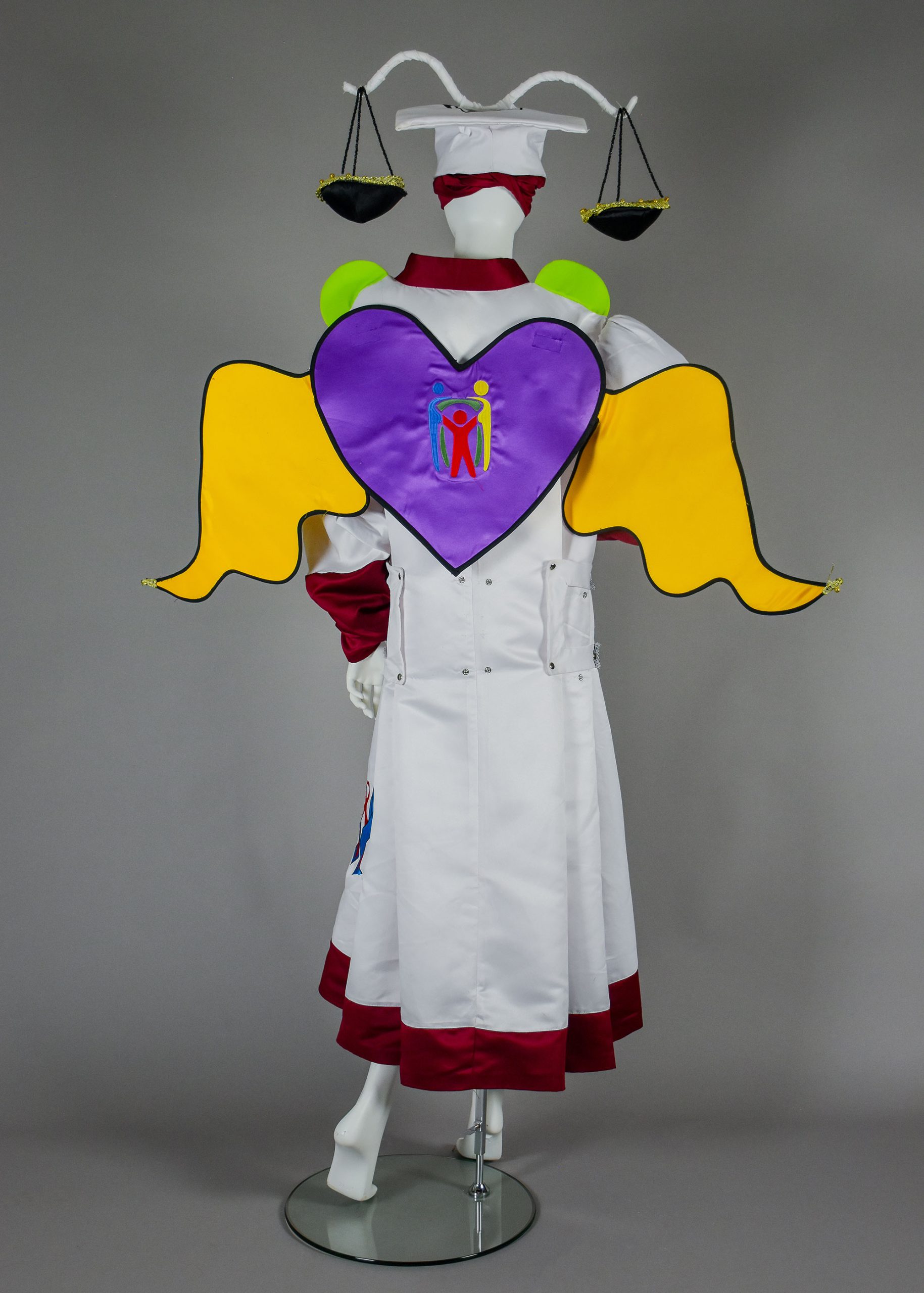
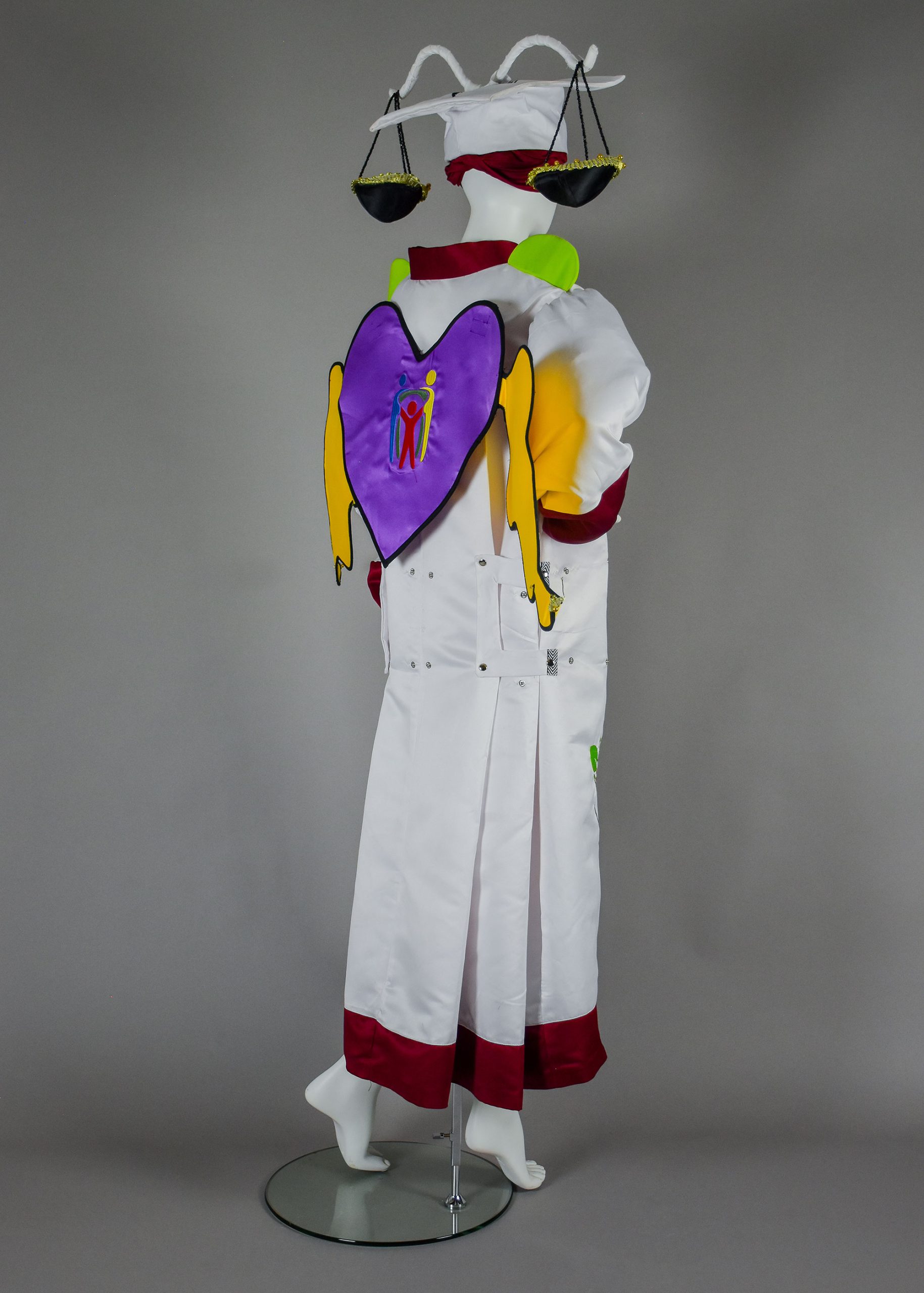
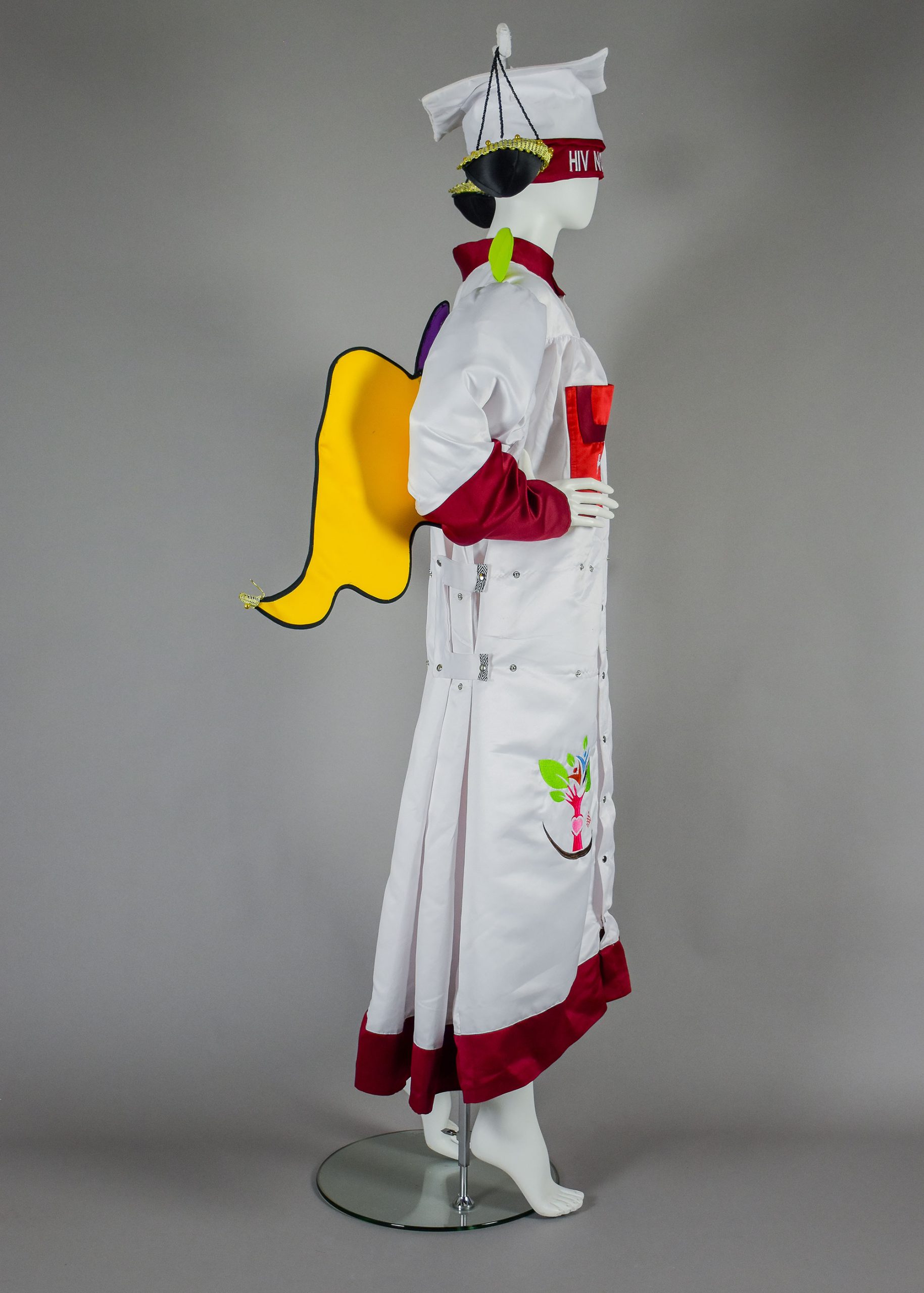
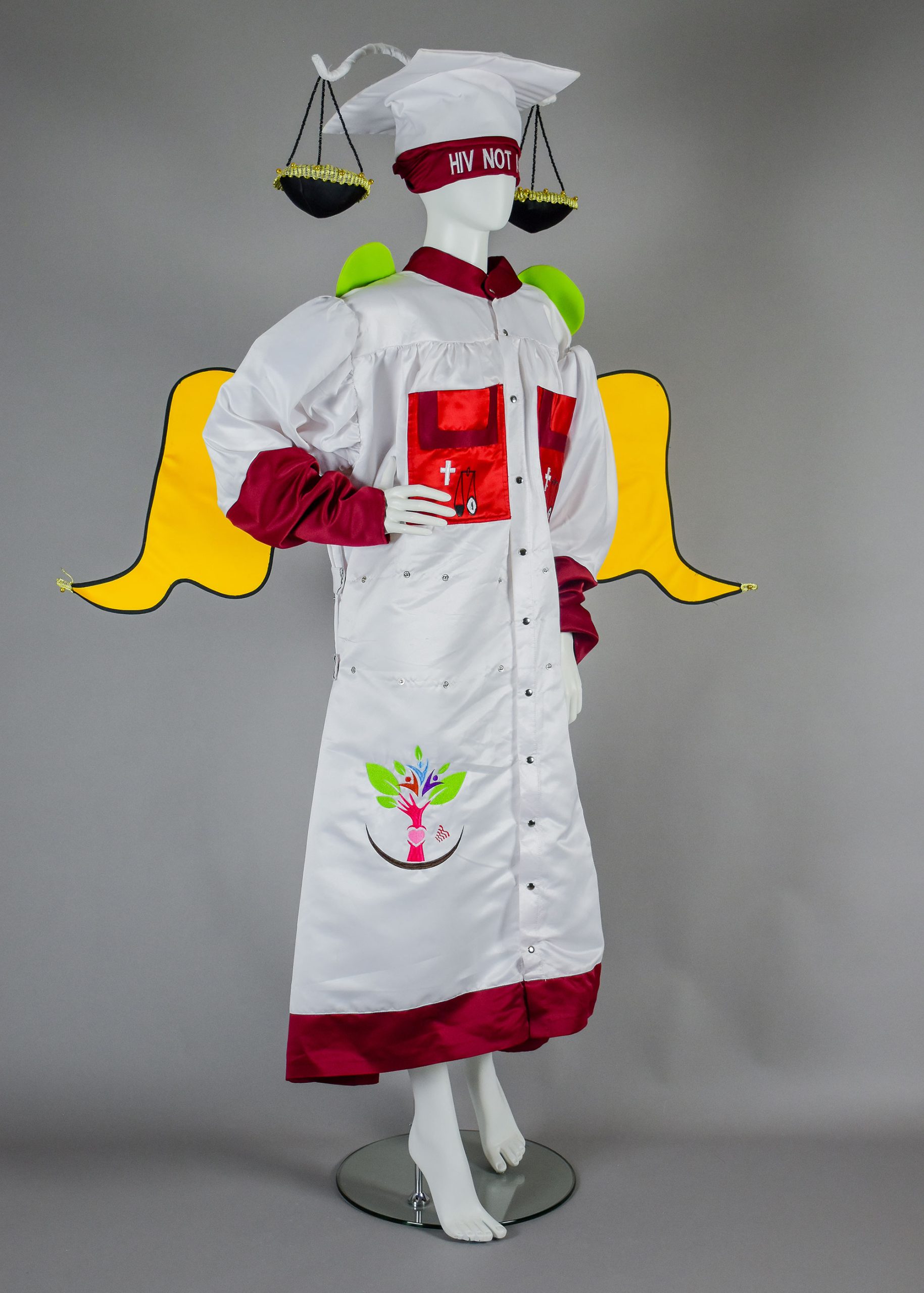
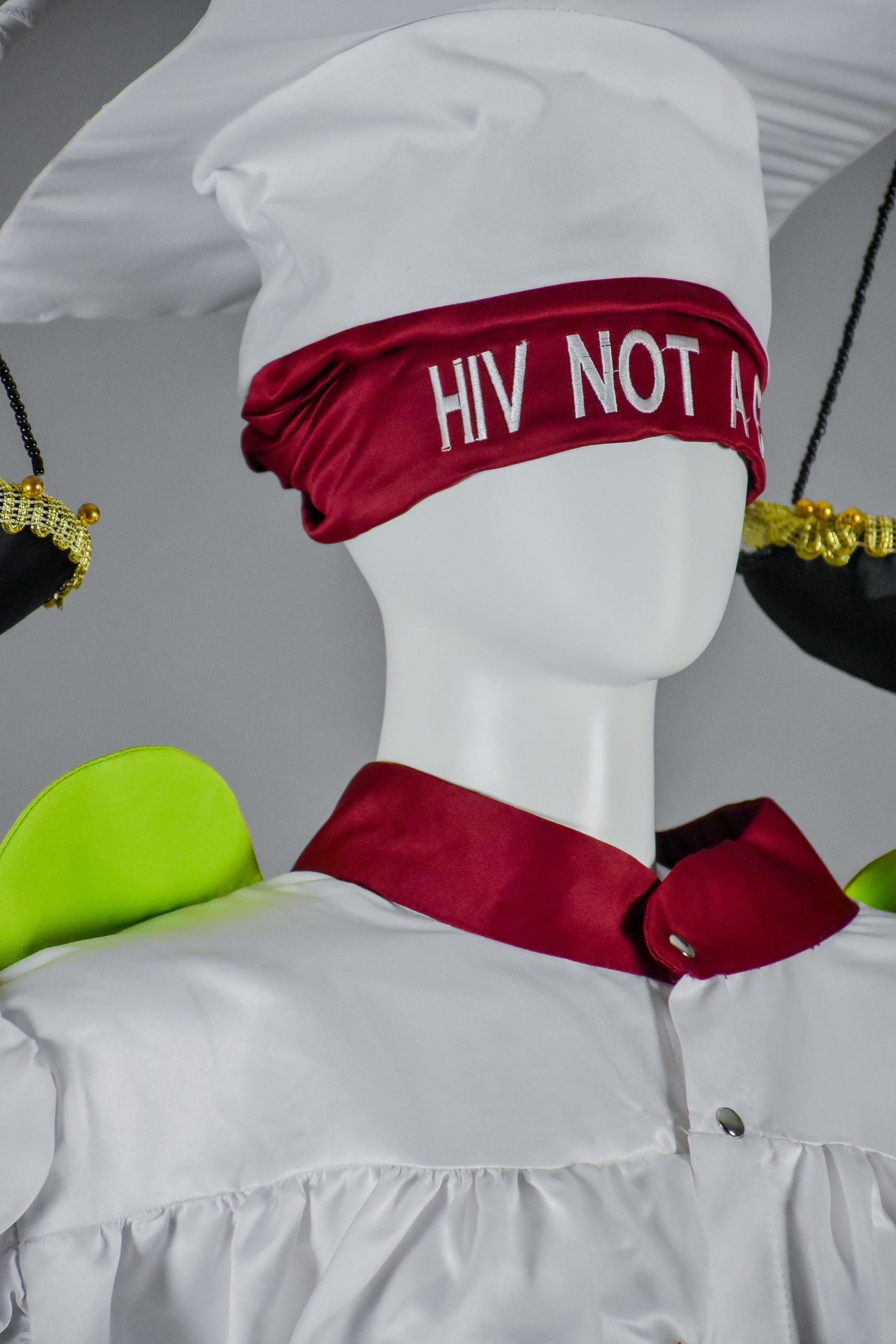
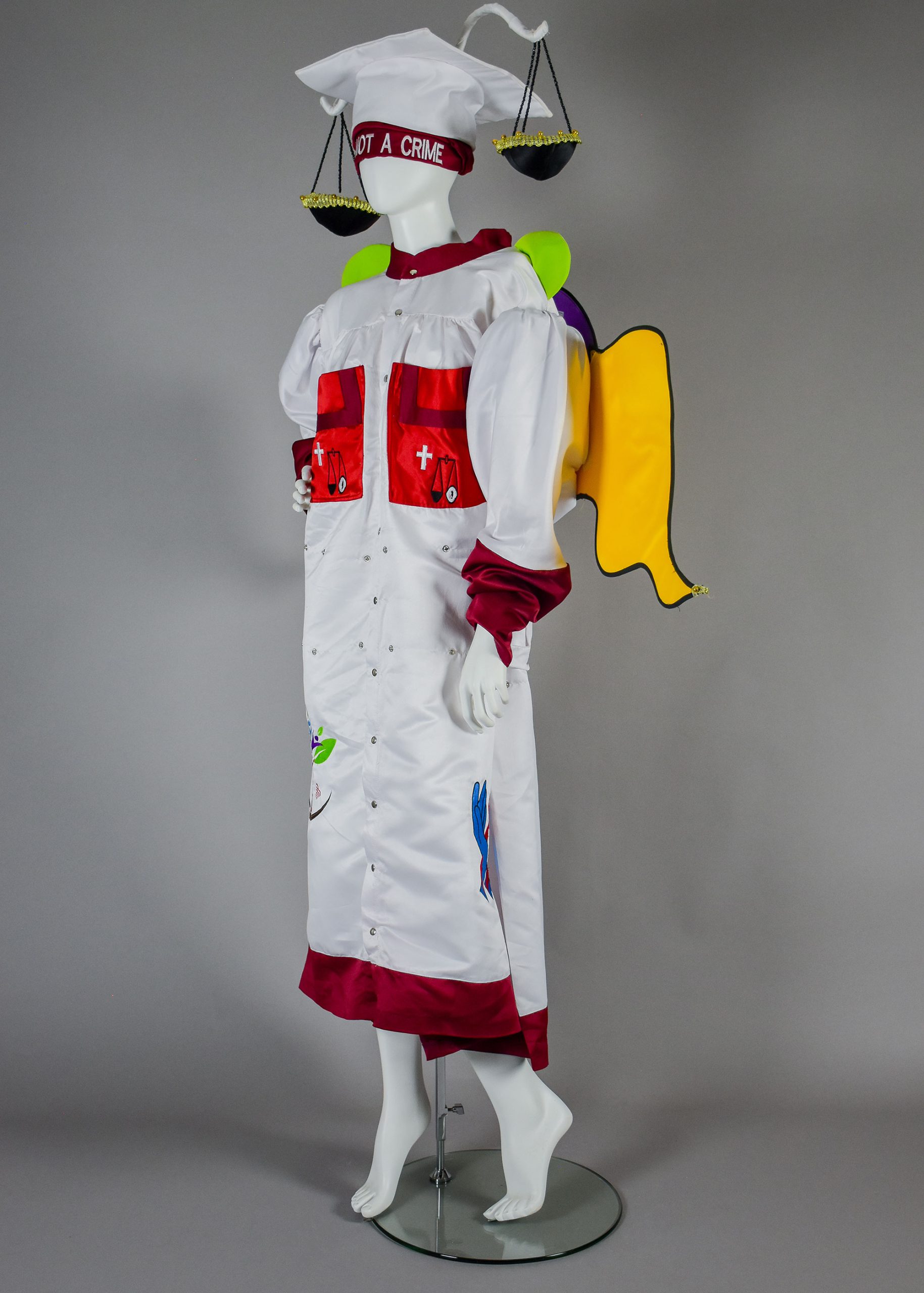
My design was inspired by the idea that having HIV is not a crime. I created this mood board and hat to help people understand that those living with HIV should not be judged, hated, or treated unfairly. They are people like everyone else and deserve love, care, and respect.

In the mood board, I used images like the red ribbon, broken chains, hands, and strong words to show support, freedom, and justice. I also added a gavel, which is a symbol of law and fairness, to show that people with HIV have rights and should be protected by the law. If someone hurts or disrespects them, they should be punished, just like anyone who breaks the law. Having HIV is not something someone should be blamed or punished for. It is a health condition, and it does not make someone less important.

My goal with this design is to fight stigma and make people feel strong, loved, and safe. I want everyone to understand that people with HIV can live happy lives and be part of the community. We must all stand together to protect their rights and treat them with kindness and equality to convey message with garment.

Dushimimana Cedrick + Ramon Lorenzo Luis Rosa Guinto

Dushimimana Cedrick

I am a fashion design student at Rwanda Polytechnic, Kigali College, with a deep passion for creativity, expression a long side strong eye for detail. My designs are inspired by Rwanda’s culture, vibrant colors, and natural beauty. The patterns in traditional art, local crafts, and the beauty of the Rwandan landscape shape my aesthetic. I’ve always been drawn to fashion as a way to communicate identity and tell stories. My aim is to blend modern design with cultural heritage, creating pieces that empower individuals and promote sustainability. Through fashion, I hope to inspire confidence, preserve culture, and leave a meaningful impact on the industry.

Ramon Lorenzo Luis Rosa Guinto

Renzo R. Guinto, MD DrPH is Associate Professor of Global and Planetary Health at the SingHealth Duke-NUS Global Health Institute (SDGHI), Duke-NUS Medical School, National University of Singapore. A leading ‘pracademic’ of climate and health and a global pioneer of the new field of planetary health, Renzo is currently a member of the National Panel of Technical Experts of the Philippine Climate Change Commission; World Health Organization’s Technical Advisory Group on the ethics of climate and health; editorial boards of several journals including The Lancet Planetary Health; and several Lancet Commissions, most notably the Lancet Commission on Sustainable Healthcare. Having worked as consultant for various organizations including the WHO and World Bank, he previously served as chair of the Thematic Working Group on Climate Resilient and Sustainable Health Systems of Health Systems Global. Currently, he serves as the chair of the Committee on Environmental Health and Ecology of the Philippine Medical Association.

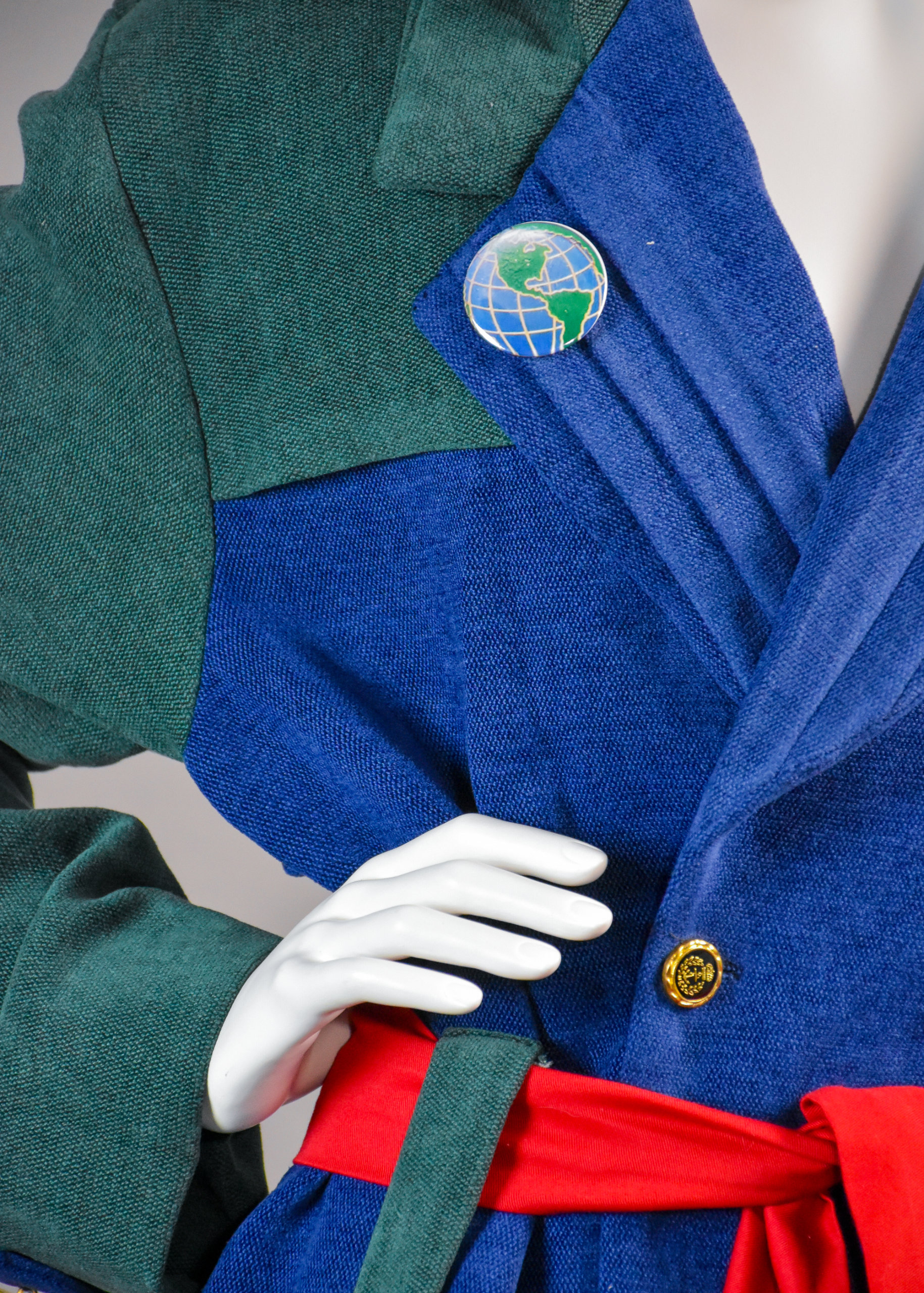
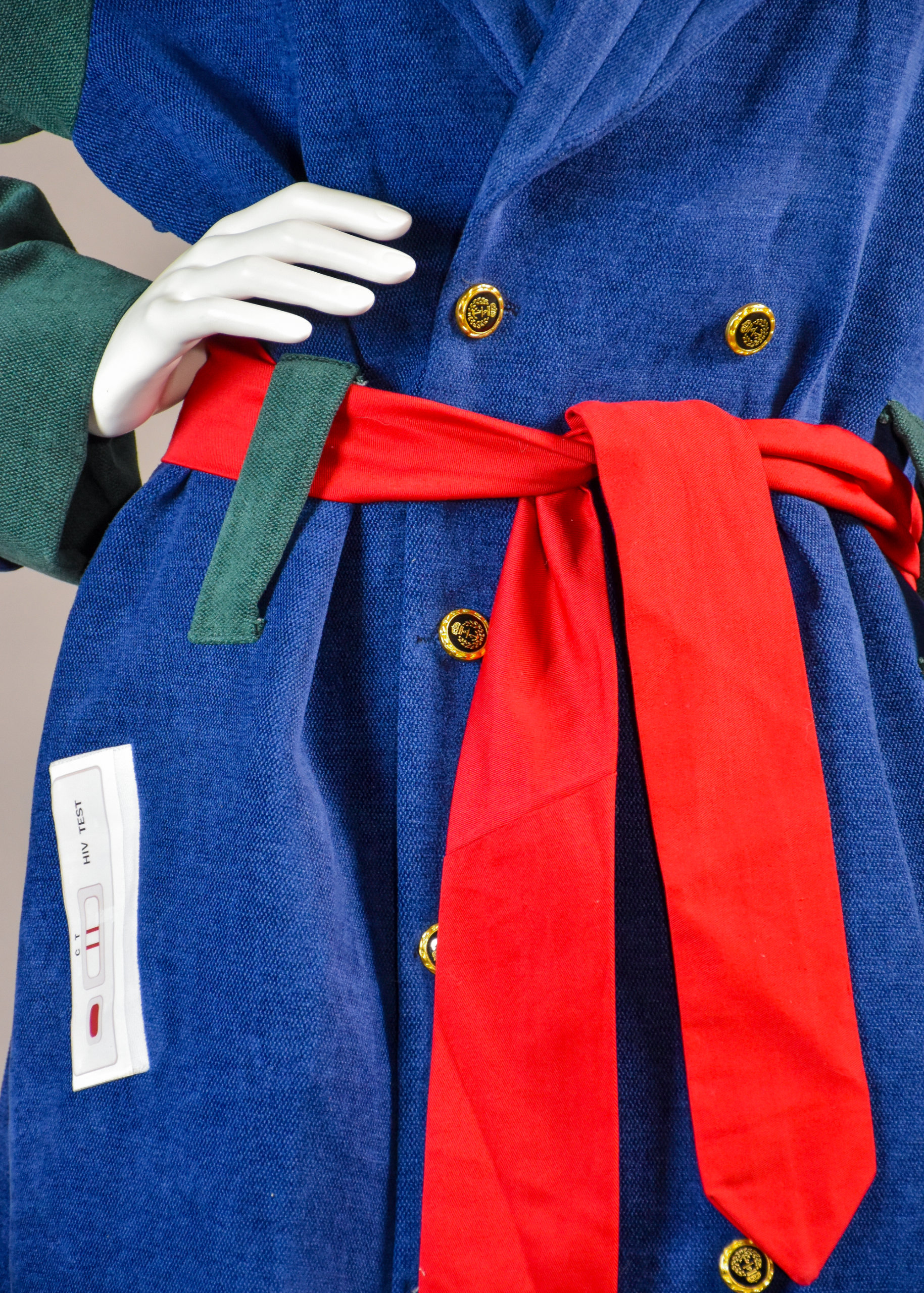
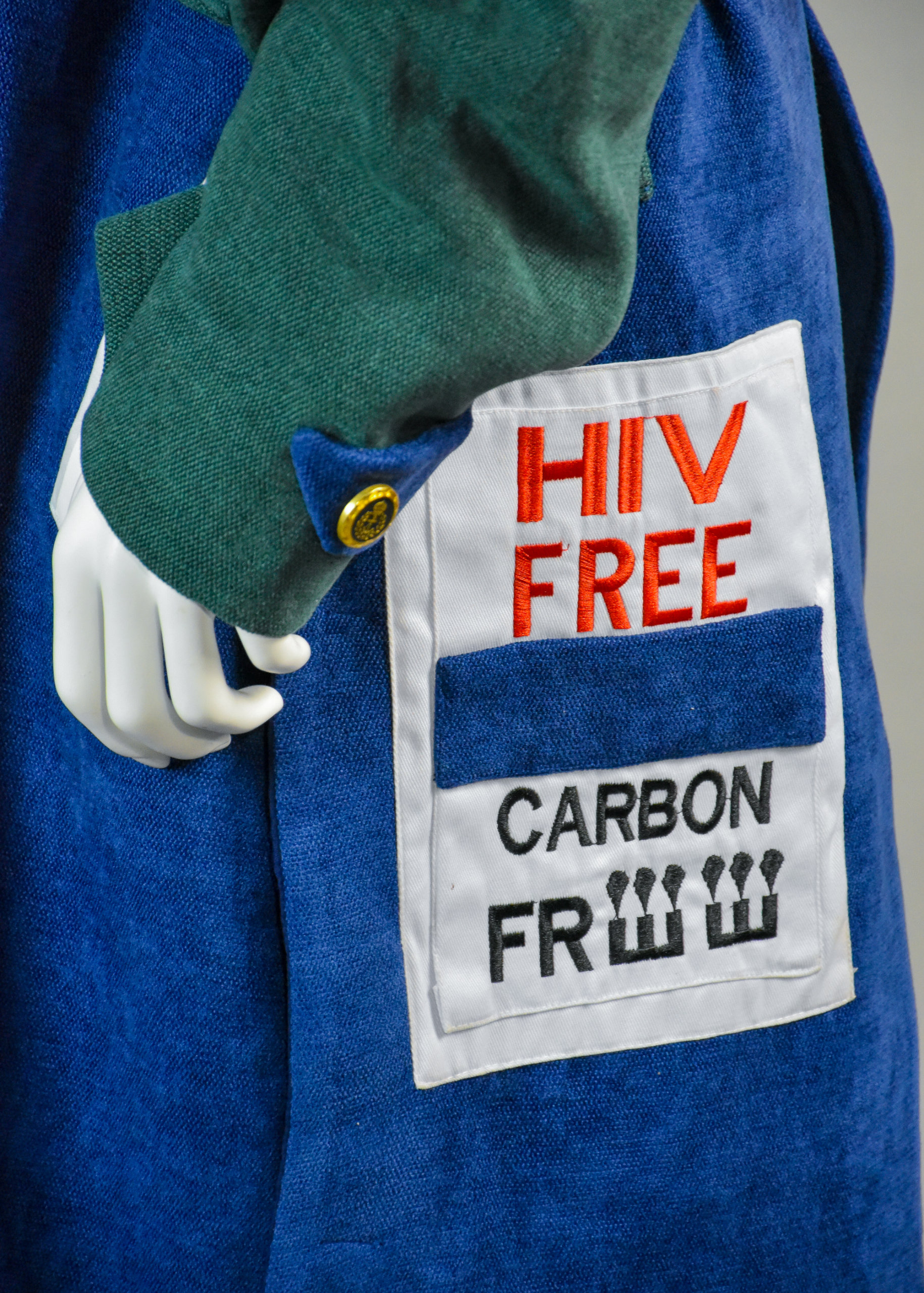
In response to the urgent need to address the impact of climate change on health, researcher Dr. Ramon focuses his work on understanding how environmental shifts affect the spread of HIV worldwide. To effectively communicate the intricate connection between climate and viral transmission, I collaborated with him to design a symbolic and functional lab coat that visually represents his research. Every feature of the coat has been thoughtfully crafted to highlight the relationship between environmental factors and HIV, making complex data accessible and engaging.

The front of the coat features a bold pattern with embedded symbols such as the HIV ribbon intertwined with environmental icons like water droplets and temperature gauges, illustrating how climate variables influence the virus. The back depicts a globe wrapped in a red HIV ribbon, surrounded by icons of melting ice caps and storms, emphasizing the global and environmental context of the research. Additional digital patches display real-time data, while embroidered symbols reinforce the message visually, turning the coat into a wearable visual narrative of scientific discovery and advocacy.

This innovative lab coat serves as an eye-catching tool to raise awareness about climate change and its effects on HIV transmission. It encourages dialogue across disciplines and communities, inspiring collective action to address intertwined health and environmental challenges. Through this project, Ramon and I aim to connect science with visual storytelling, demonstrating that understanding and fighting HIV in a changing climate requires a collaborative, global effort.

Emile Ntakiyimana + Flavia Matovu Kiweewa

Emile Ntakiyimana

I’m a designer passionate about blending cultural heritage with modern influences, I draw inspiration from the artistry of textiles, weaving, embroidery, and dyeing techniques. My designs merge tradition with contemporary style, featuring bold patterns, vibrant colors, and luxurious textures. Inspired by nature, African art, and urban life, I aim to create garments that empower people to express their authentic selves. With a commitment to sustainability, ethical production, and inclusivity, I strive to build a globally recognized fashion brand that celebrates identity, creativity, and craftsmanship while redefining modern elegance and inspiring confidence. Fashion is more than clothing, it’s a powerful form of storytelling that connects the past with the present, inspiring creativity, identity, and self-expression.

Flavia Matovu Kiweewa

Dr. Flavia Matovu Kiweewa, (MBChB, MSc., Ph.D.) is a Senior Research Scientist/ University Lecturer with over 15 years of experience in conceptualizing, designing, and implementing clinical research studies. She was recently appointed as Director of Research, MU-JHU Research Collaboration. Her research efforts have directly addressed scientific questions related to anti-retroviral based HIV preexposure prophylaxis, treatment for women, and hepatitis B. She was the Ugandan Lead Investigator for the MTN- 020/ASPIRE study, a microbicide trials protocol evaluating the ‘’Safety and Effectiveness of a Vaginal Matrix Ring Containing Dapivirine for the Prevention of HIV-1 Infectionin Women’’, and currently the National Principal Investigator for the Gilead Sciences sponsored PURPOSE 1 study that’s evaluating the safety and efficacy of an ARV known as Lenacapavir and an oral daily pill, Descovy for HIV prevention in adolescent girls and young women.

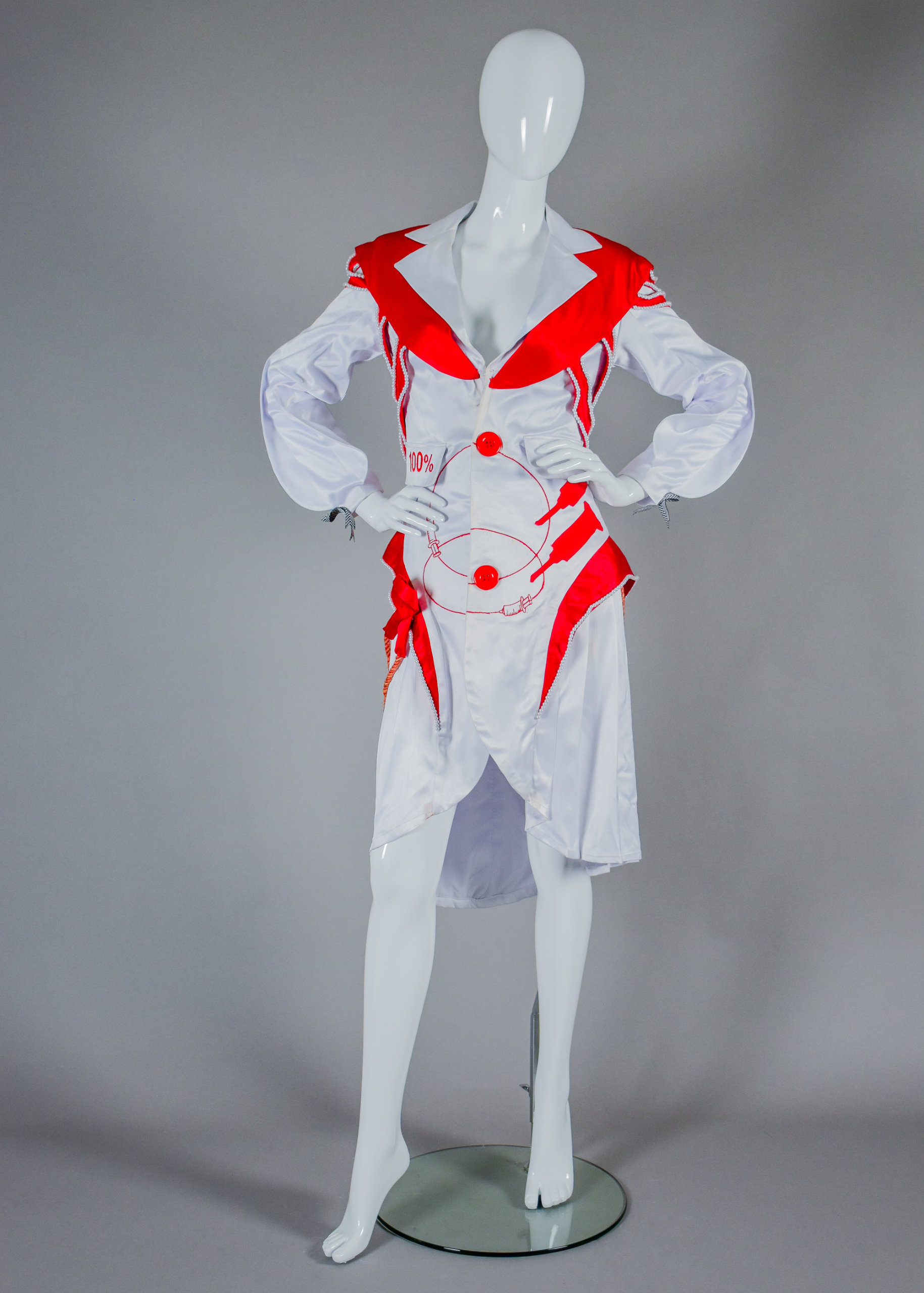
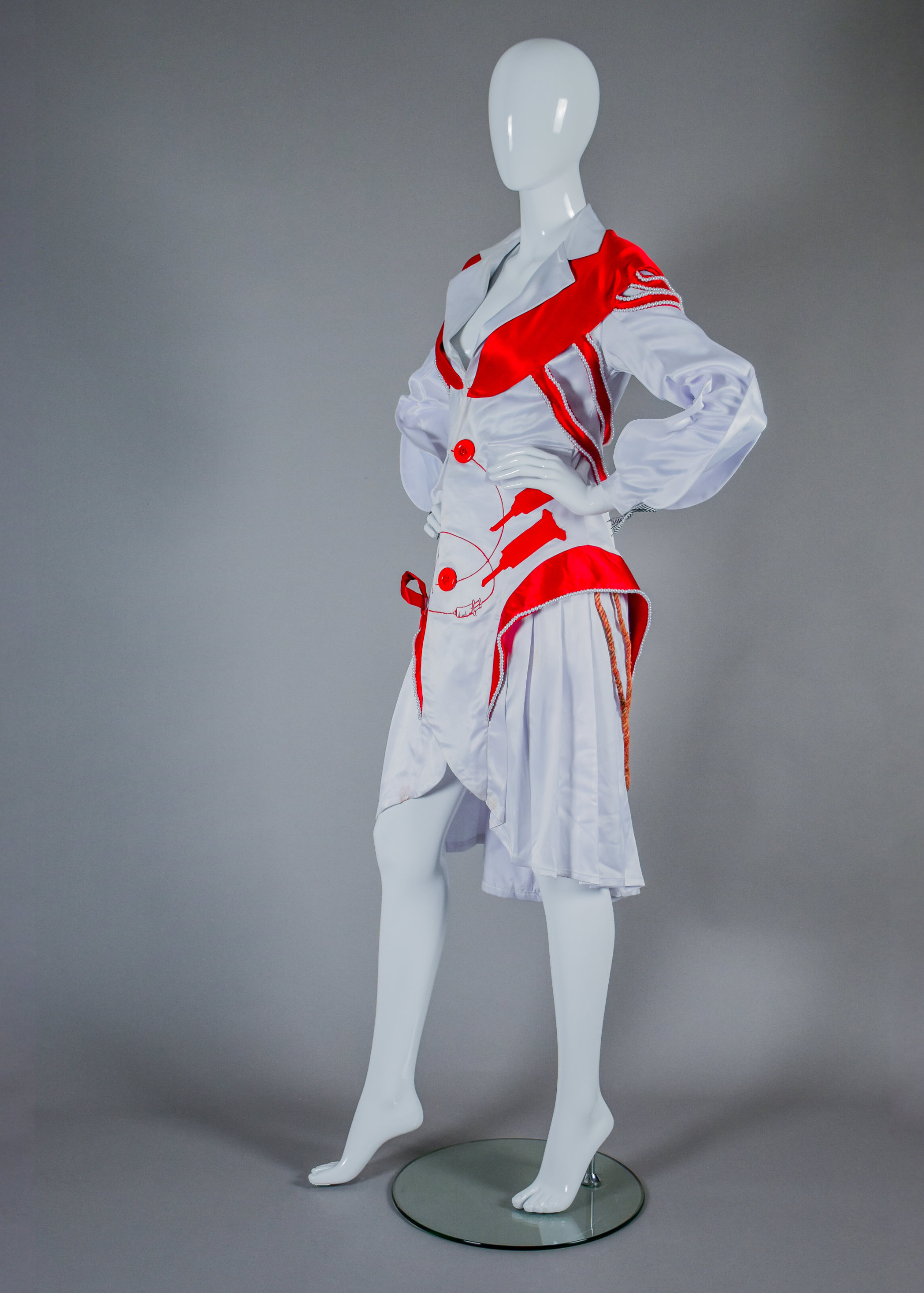
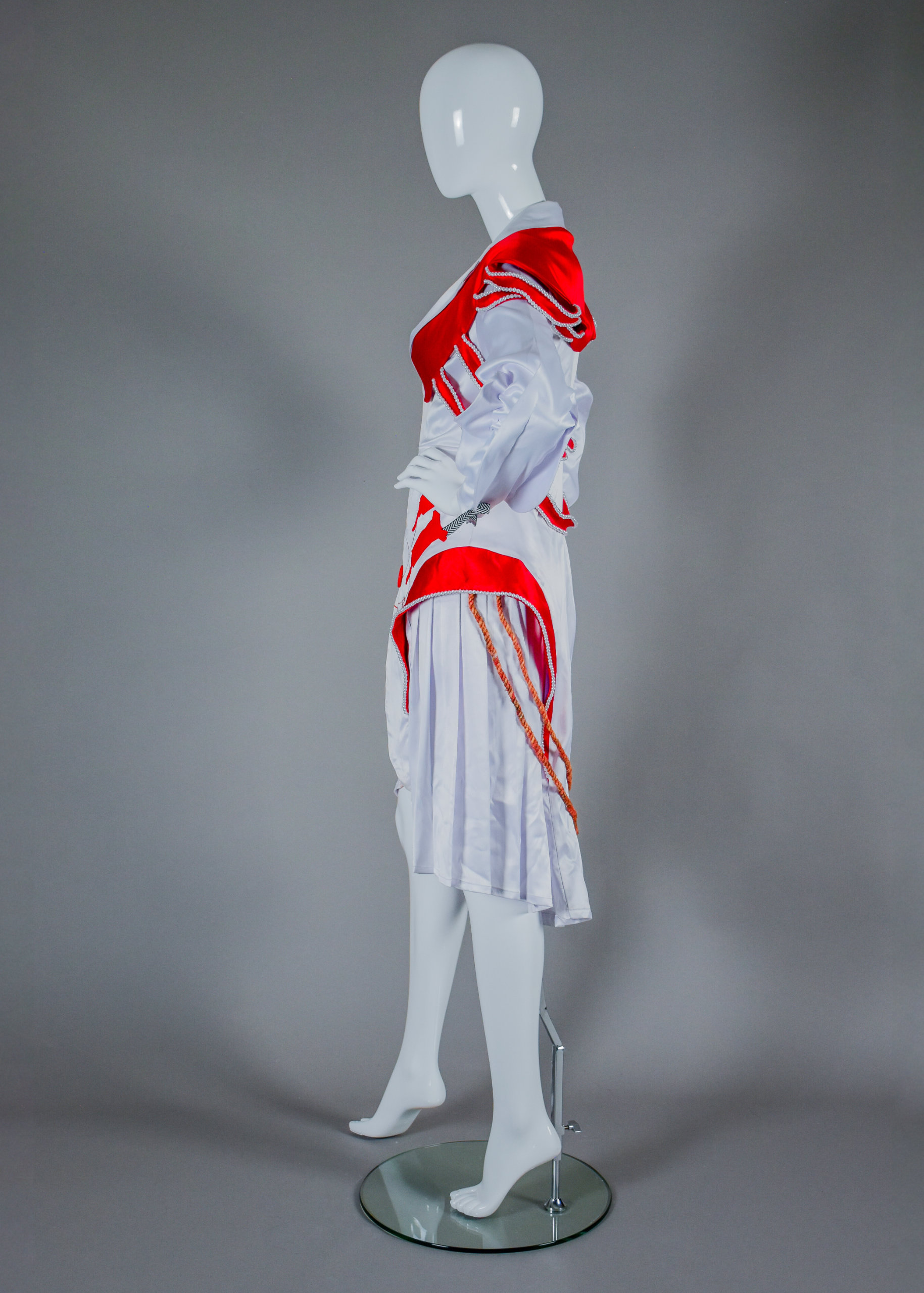
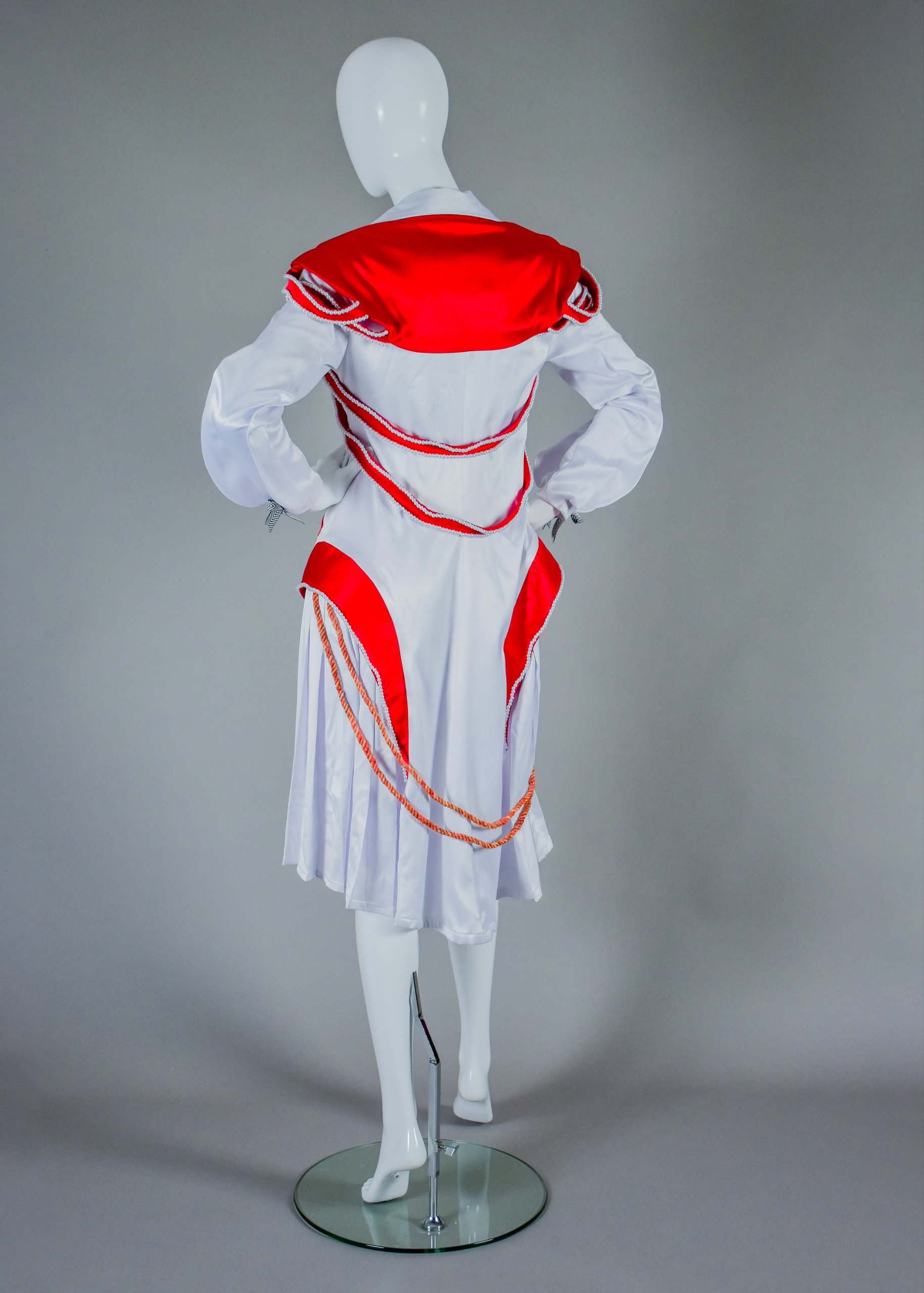
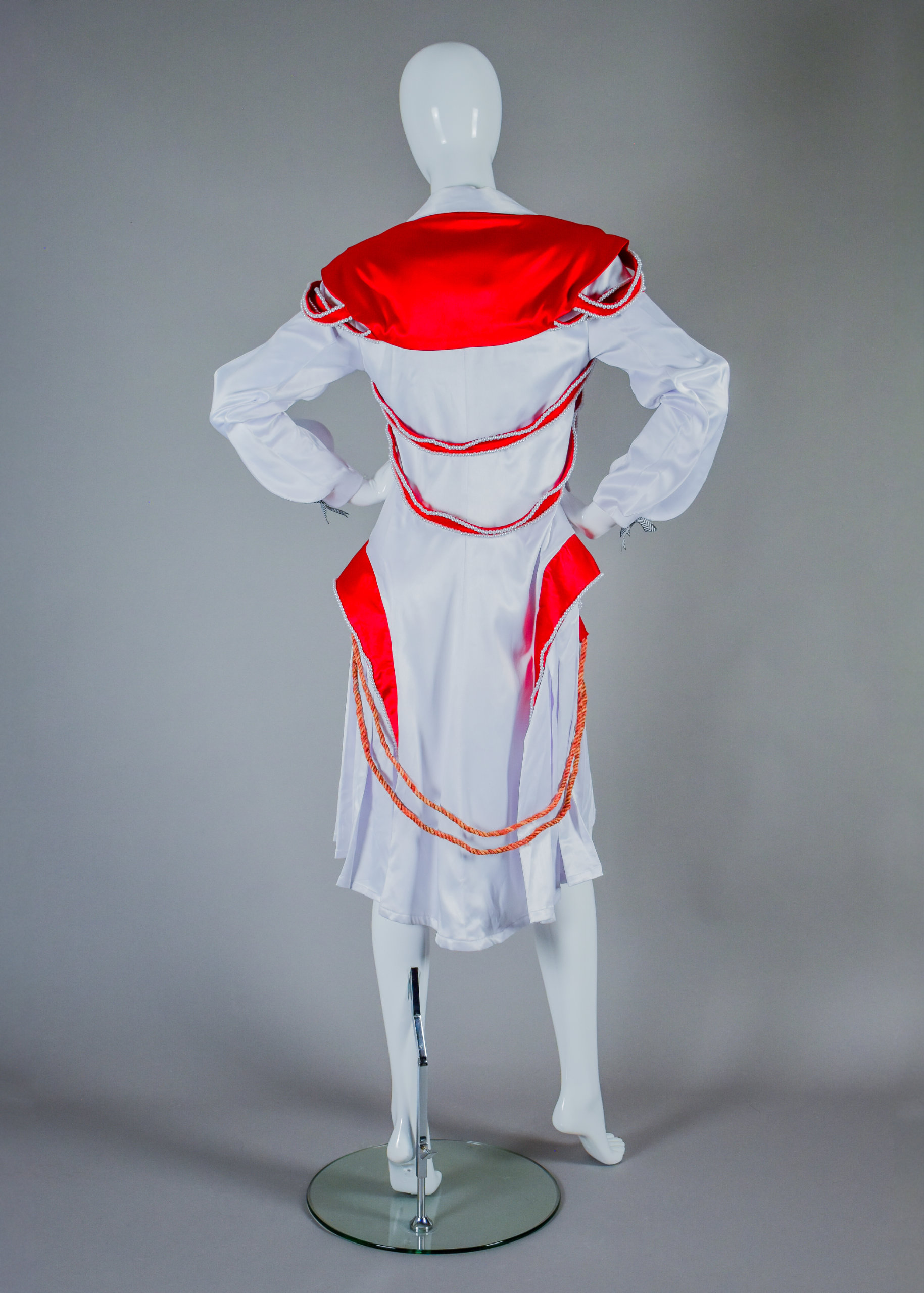
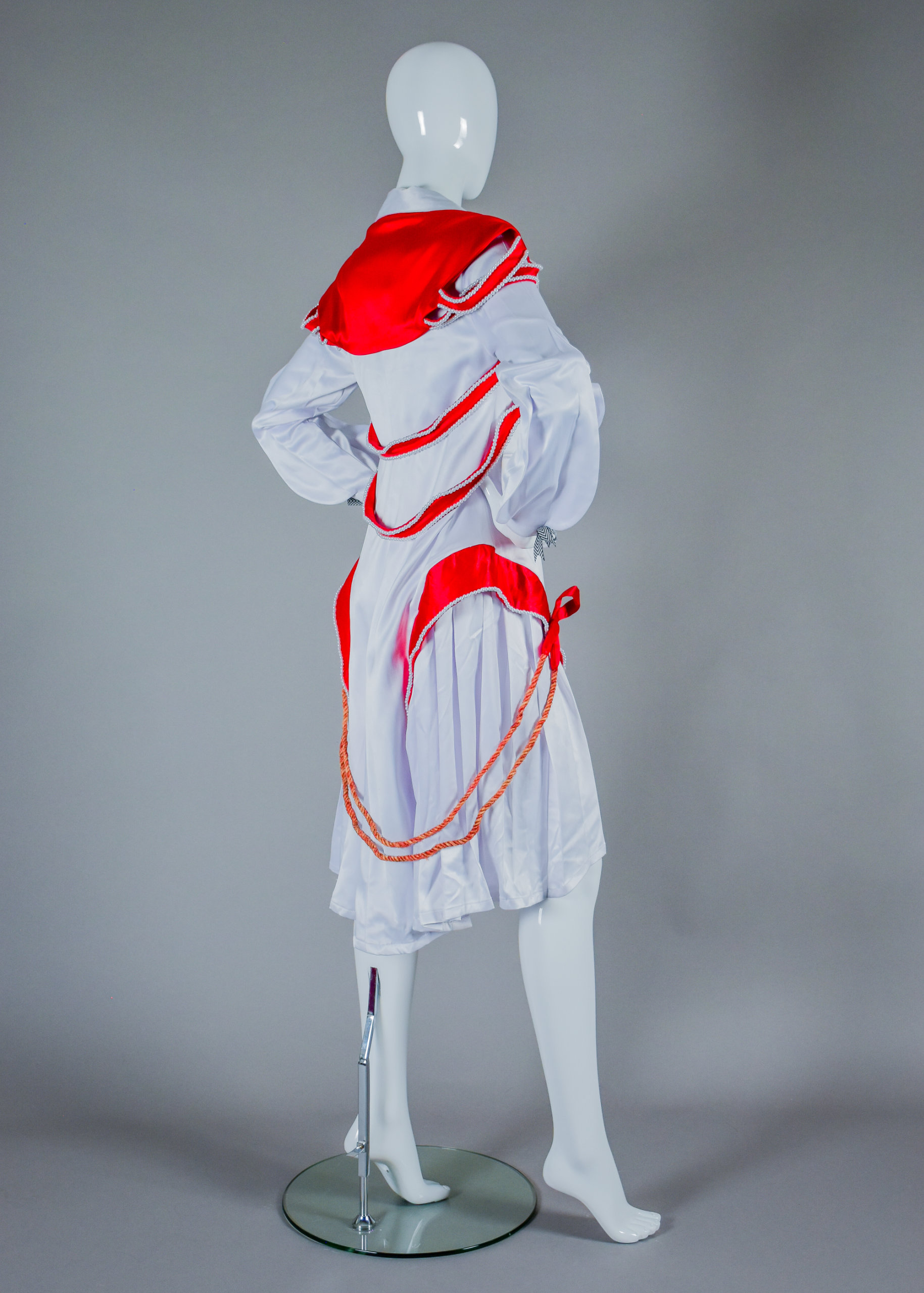
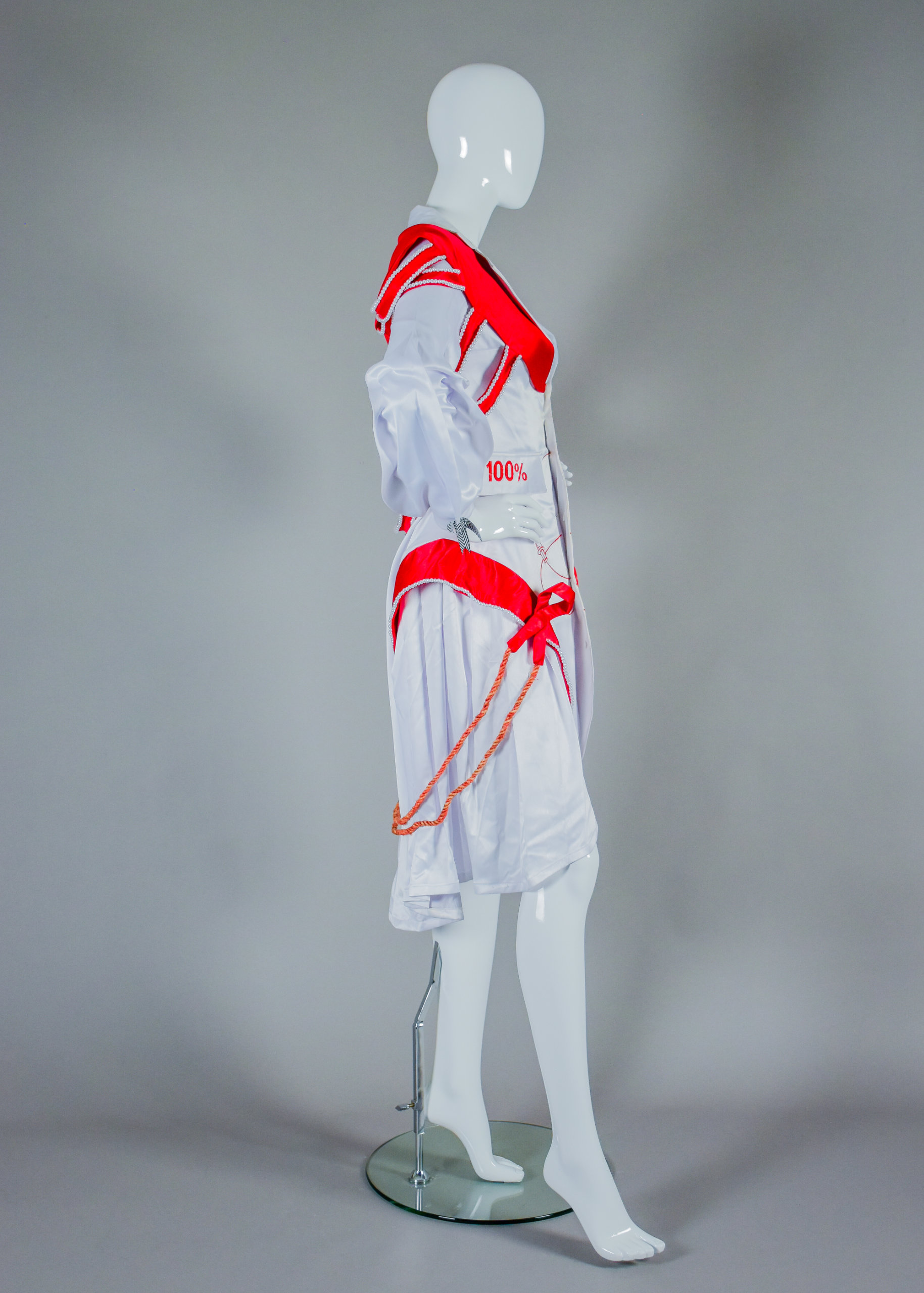
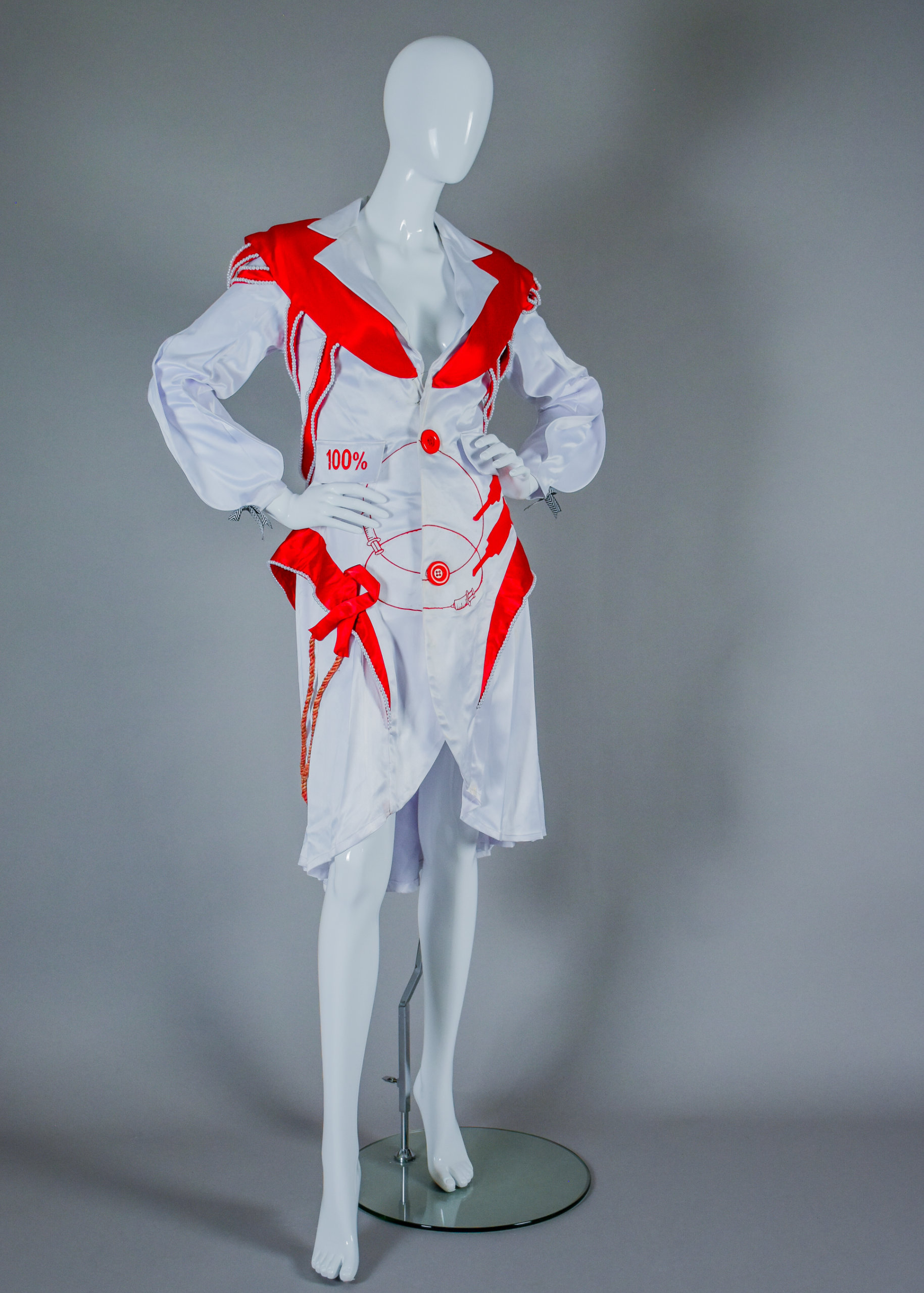
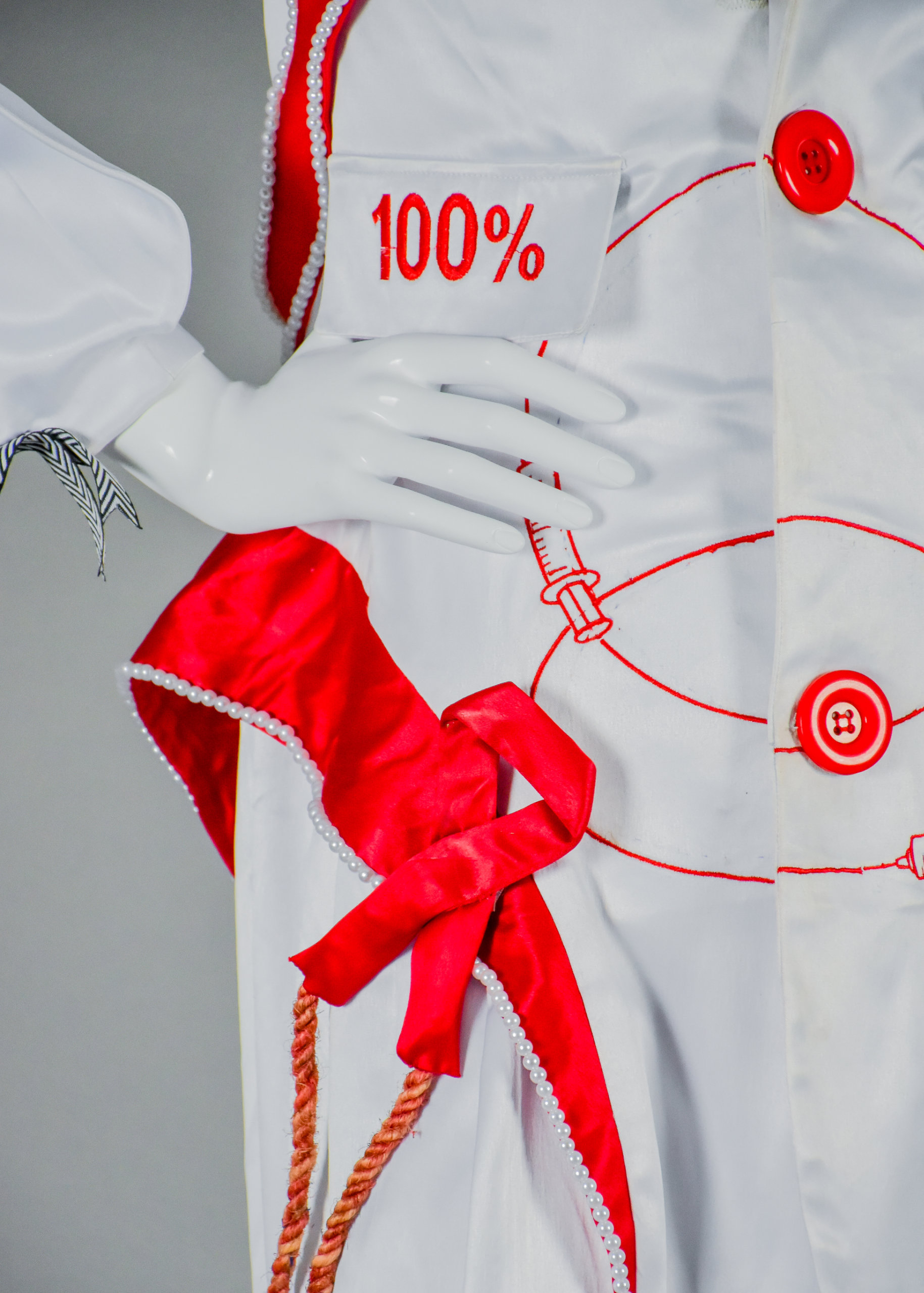
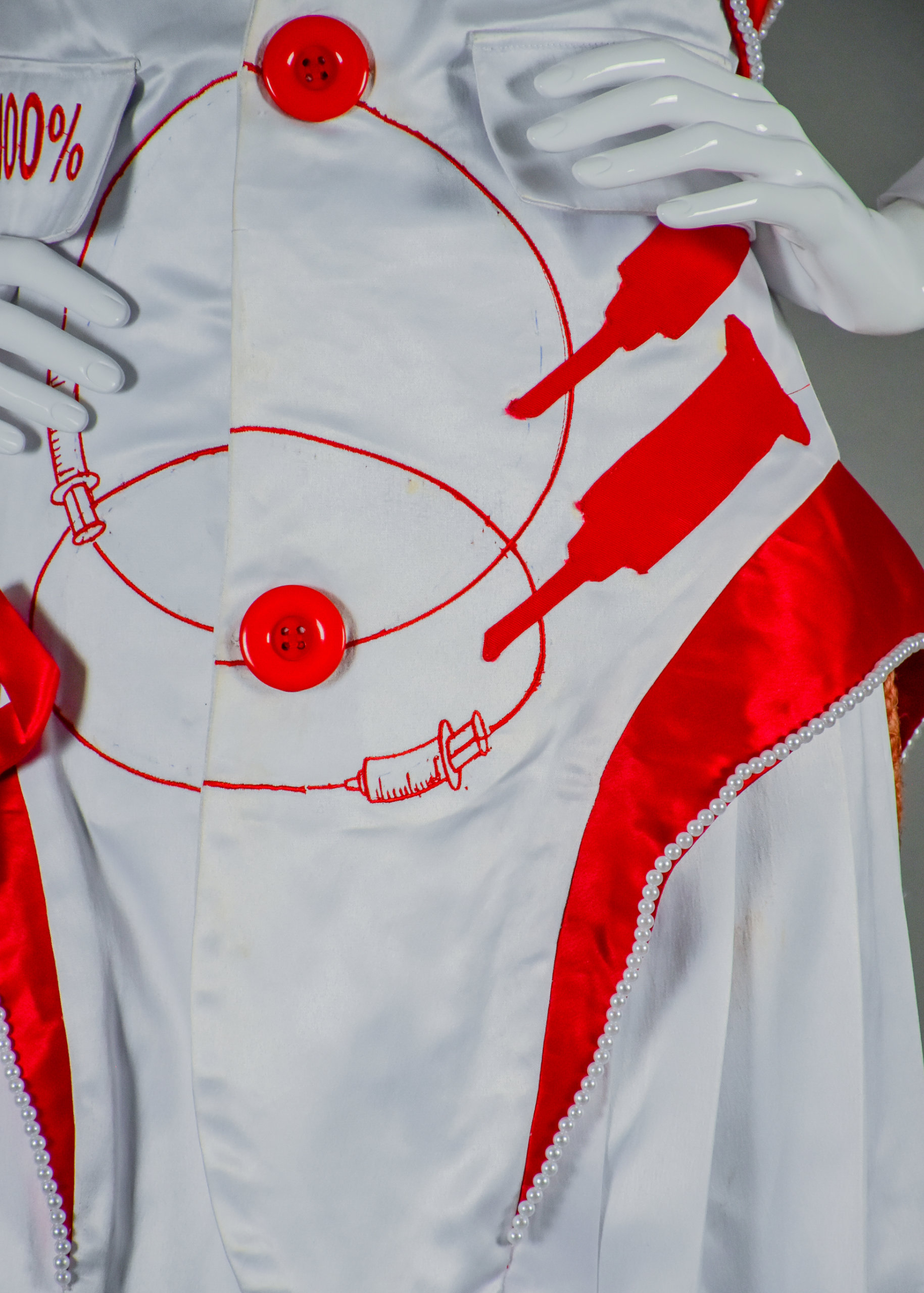
This ceremonial lab coat pays tribute to the 5,338 young women who participated in the groundbreaking PURPOSE 1 study—women whose bravery helped demonstrate the 100% effectiveness of biannual Lenacapavir injections in preventing HIV. Designed by Emile Ntakiyimana, the coat fuses scientific innovation with African cultural identity, transforming data into a wearable statement of hope, resilience, and unity.

Red shoulder panels, stitched with over 5,000 pearl-like beads, resemble armor and represent each woman’s voice in the study. Two contrasting buttons on the front mark the biannual dosage of Lenacapavir, while “100%” embroidered on the pocket celebrates the study’s powerful outcome: no infections among participants. The inverted AIDS ribbon on the faux fur collar rests over the heart, symbolizing healing and transformation. Rwandan-inspired umugongo-style ribbons on the sleeves unite culture with advocacy, emphasizing strength and movement. At the waist, a sisal rope tied into a globe with 5,338 knots underscores global unity in fighting HIV. Tailored pleats and a curved hip strap blend tradition with progress.

Finally, a red globe embroidery at the hem honors the invisible labor of ethics, trust, and care—reminding us that ending HIV requires both scientific excellence and human compassion.

Habineza Evariste + Juliane Etima

Habineza Evariste

I am a creative and skilled fashion designer specializing in pattern making, knitting, and Embroidery design. With a strong background in textiles, I blend innovation and functionality to craft stylish, durable garments. My expertise in mass production ensures efficiency while maintaining quality. Passionate about pushing fashion forward, I explore new materials and techniques to refine designs. Studying Fashion and Apparel Design at RP-Kigali College has fuelled my creativity and deepened my understanding of textile production. The hands-on training and exposure to industry trends have sharpened my skills in garment construction, textile manipulation, and sustainable fashion. Inspired by the industry’s evolution, I aim to revolutionize garment production by integrating advanced techniques, eco-friendly materials, and modern aesthetics to meet diverse global market demands while promoting innovation and sustainability.

Juliane Etima

Juliane Etima, BSc. M.A is the Director responsible for Psychosocial Support Services at MU-JHU research Collaboration. She is a Counselling Psychologist and Qualitative Researcher/Investigator with extensive experience in the provision of social, emotional, and educational support; and innovations for empowerment and equity for children, youth, women and their families infected and affected by HIV and AIDS. She is a Behavioural Scientist with Master’s level training in Counselling Psychology and alumni of the Centres for Disease Control – Makerere University School of Public Health 2-year HIV/AIDS fellowship program where she trained in HIV/AIDS program management and Advanced Qualitative research methods. She has led the development and implementation of several Behavioural research in different global Health research networks including MTN, IMPAACT, ACTG and HPTN. She served on the Behavioural Research working Group of MTN Network and is a member of the Behavioural Science Sub-Committee. She has training in Global Mental Health from the University of Washington US.

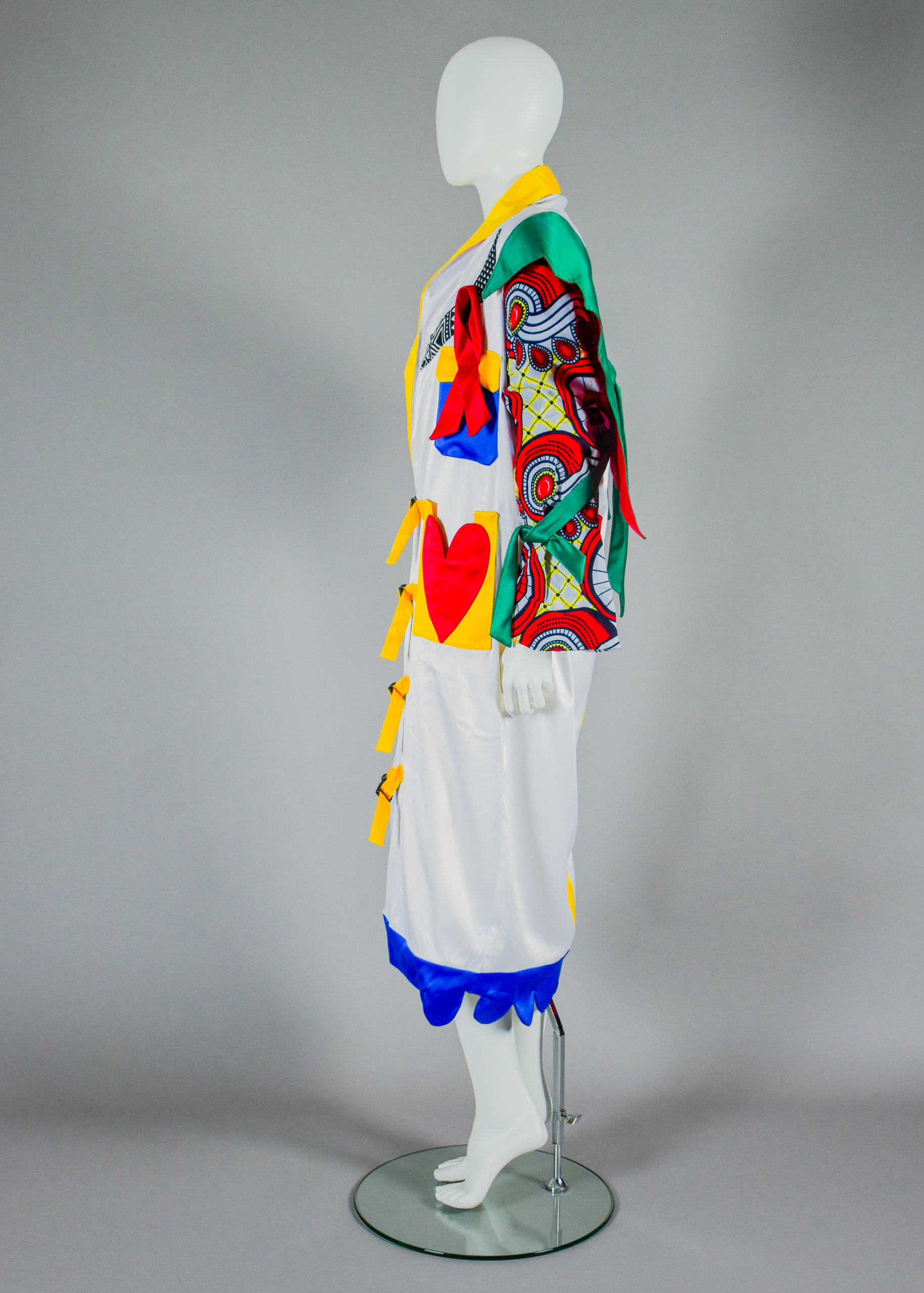
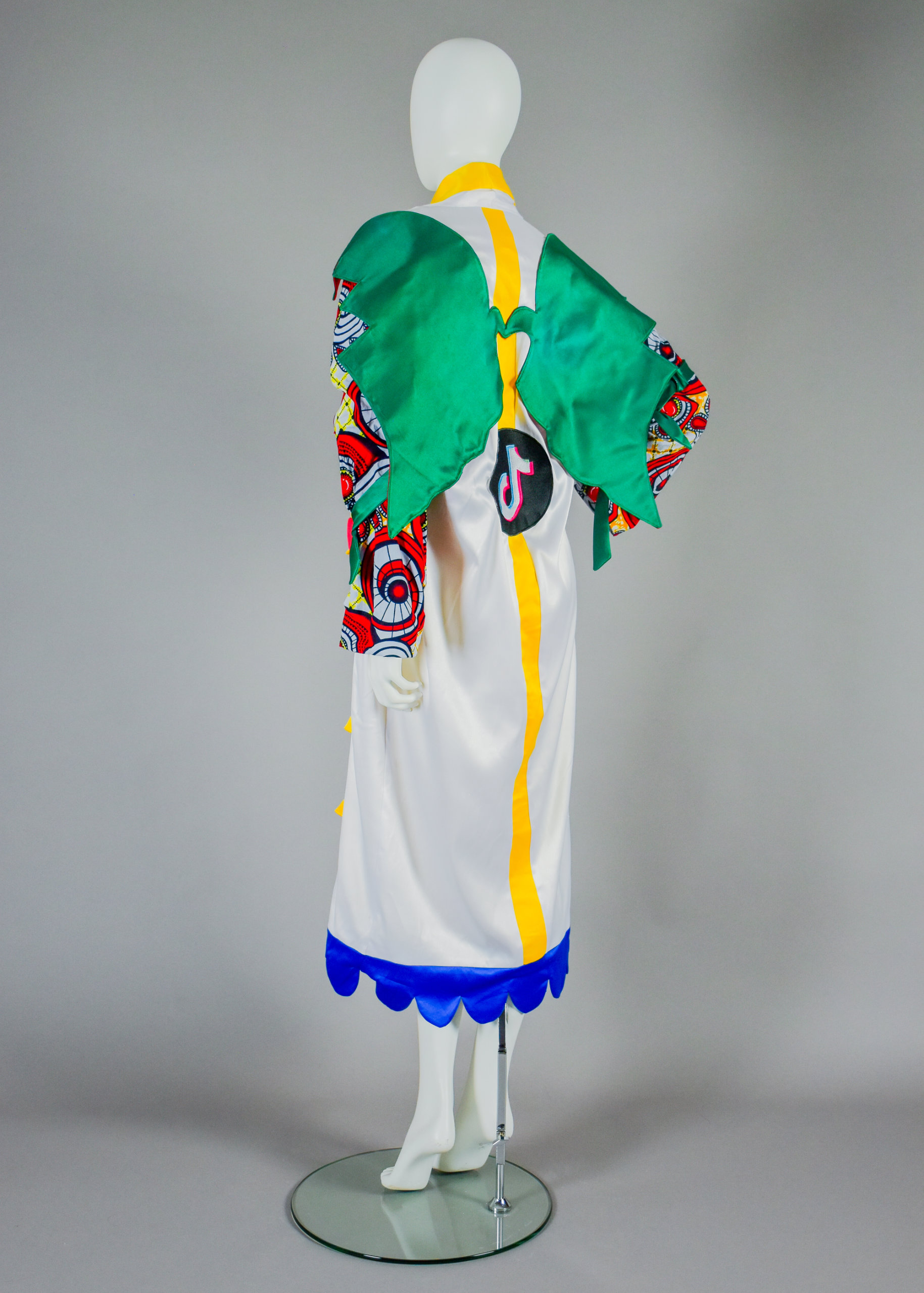
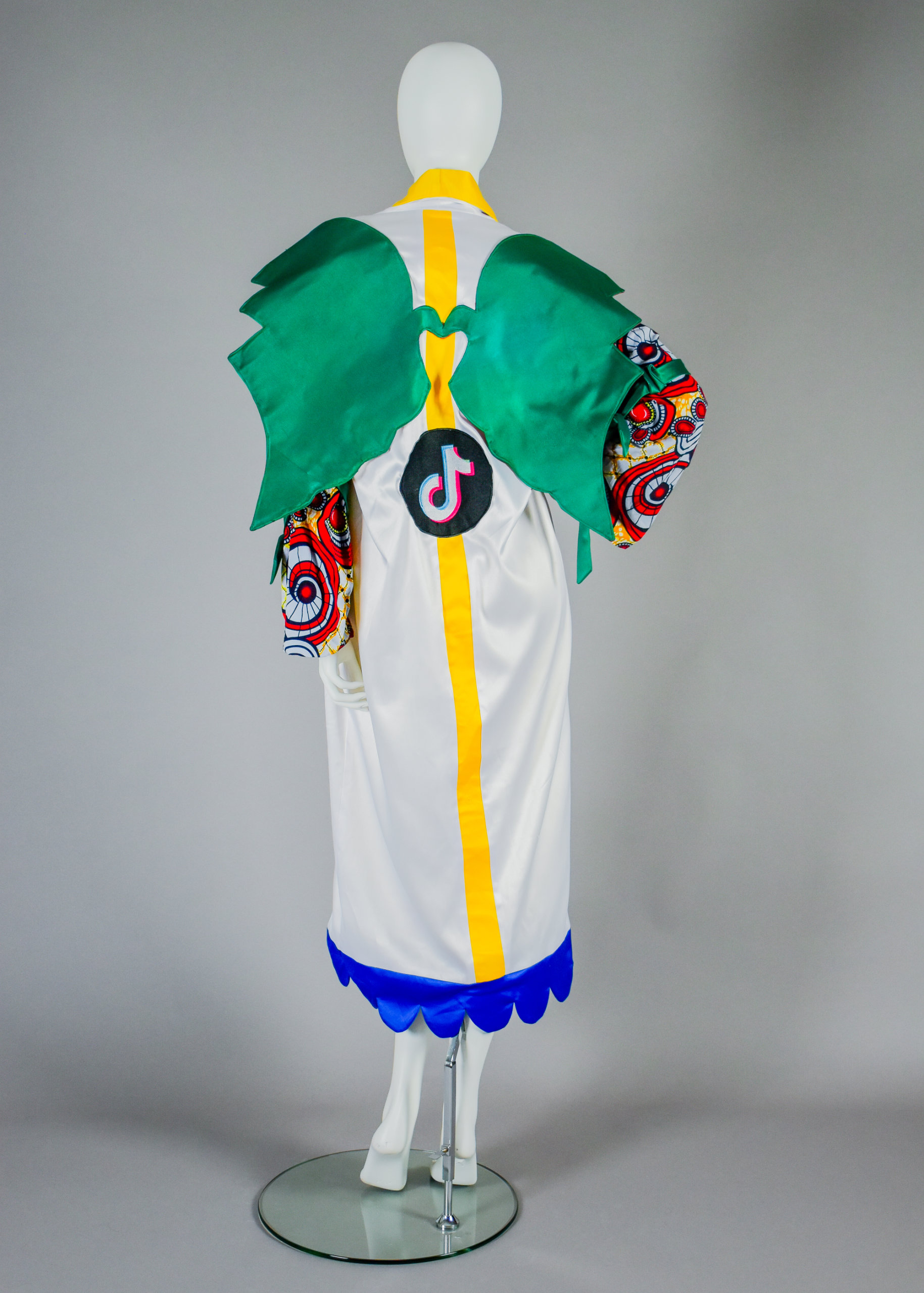
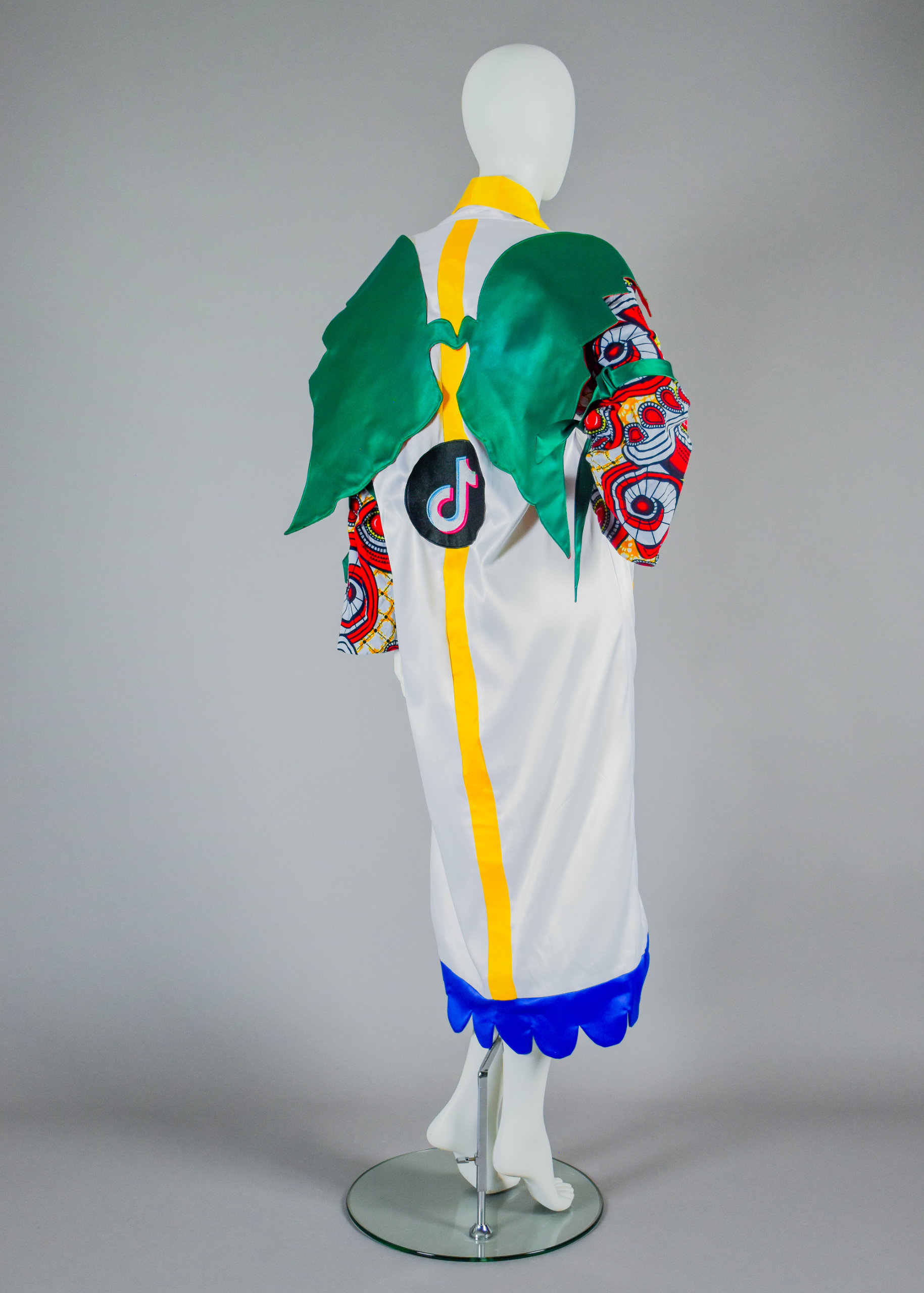
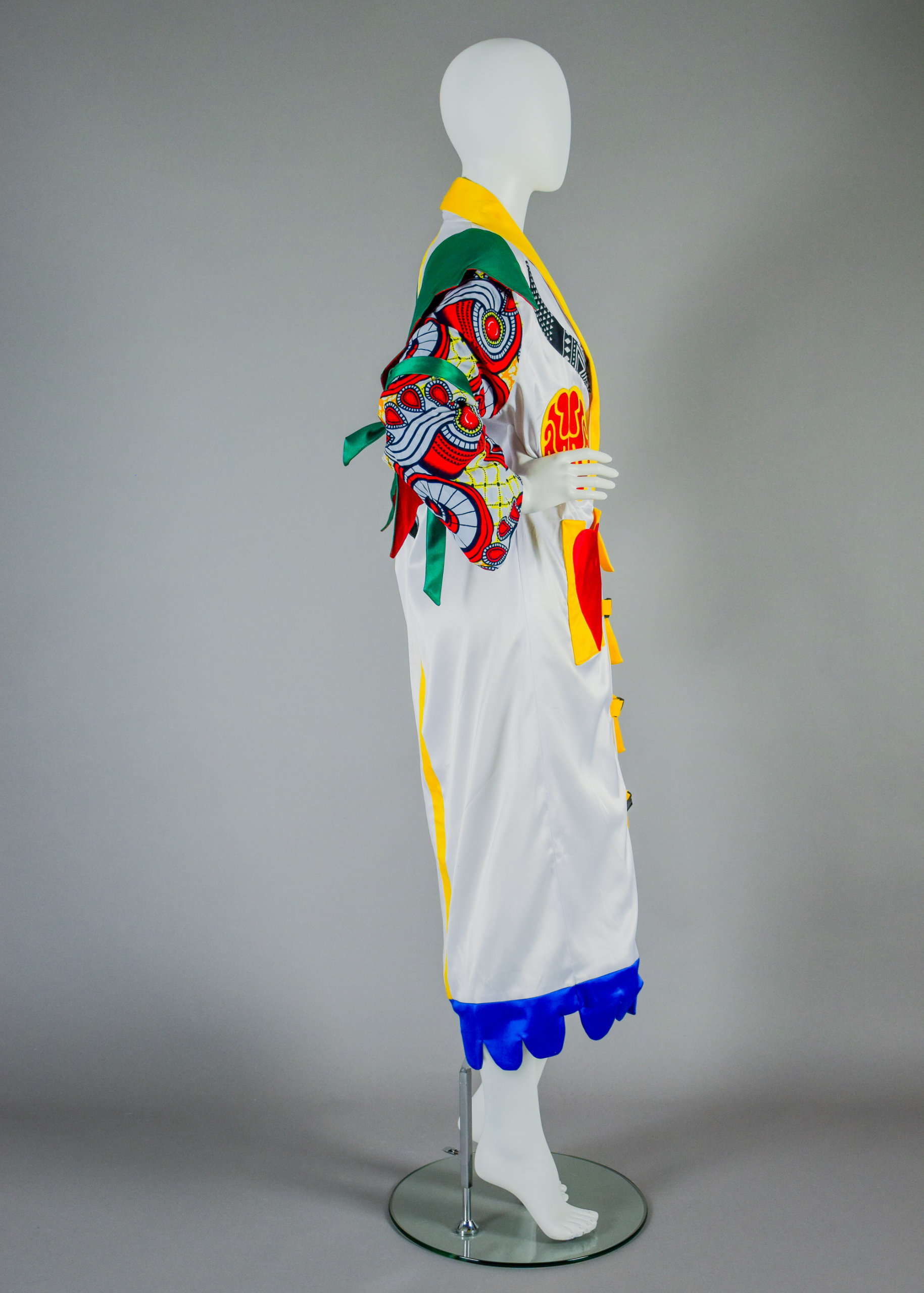
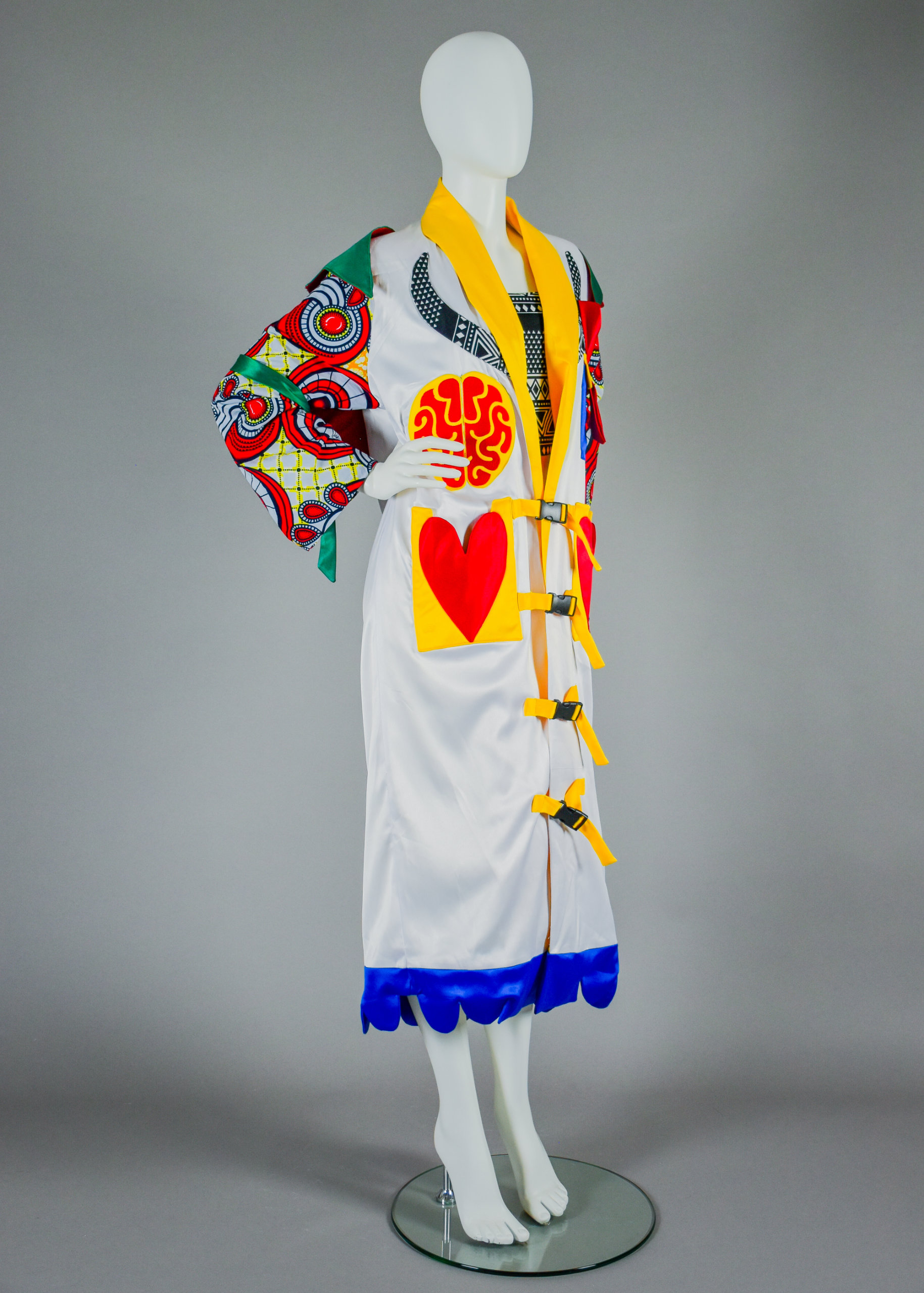
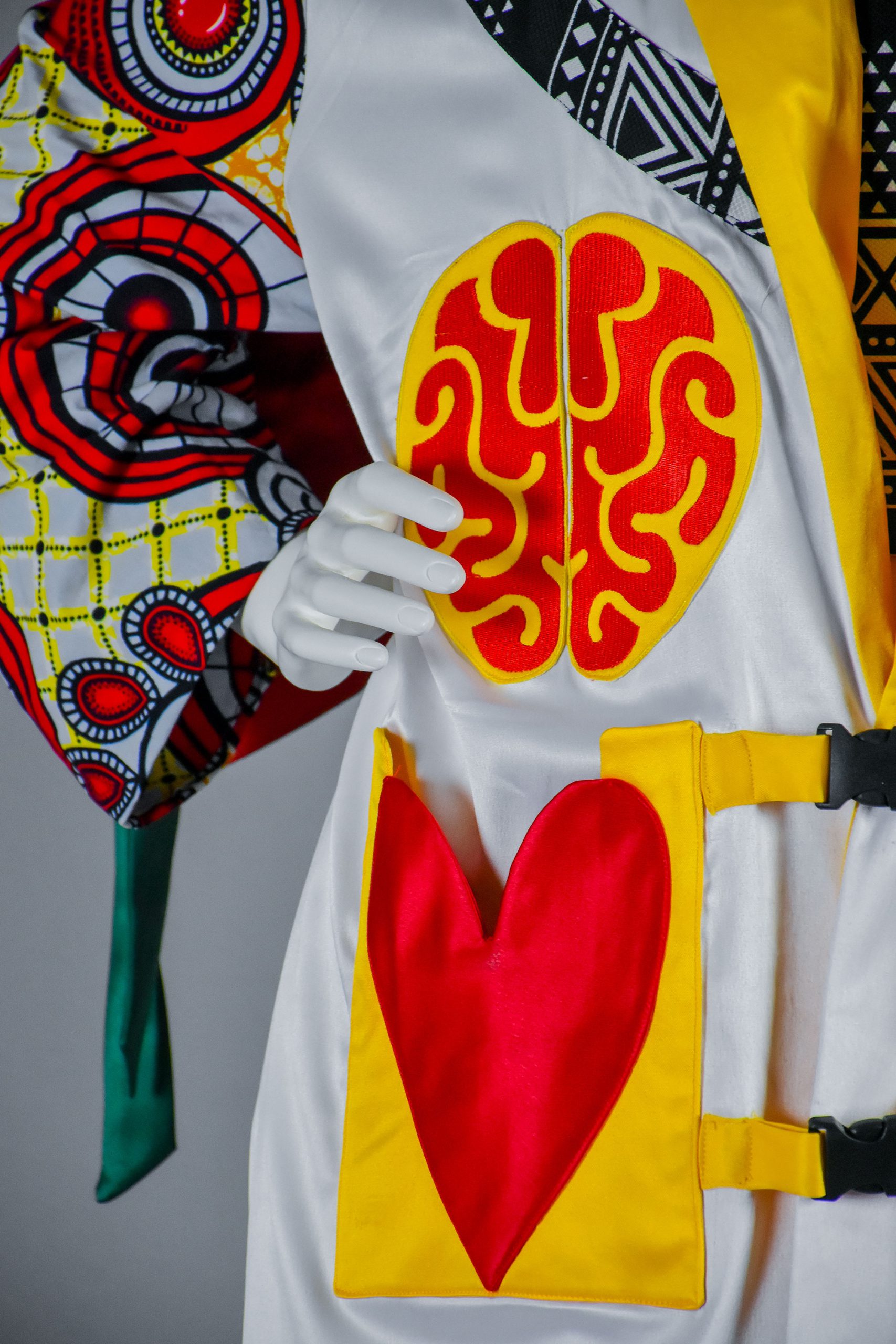
This vibrant and deeply symbolic garment tells a powerful story of resilience, hope, and advocacy in the face of HIV/AIDS, especially as it affects women and children. Inspired by the reality that a pregnant woman living with HIV can still give birth to a healthy baby with the right medical care, this design emphasizes the power of early intervention, education, and unwavering support.

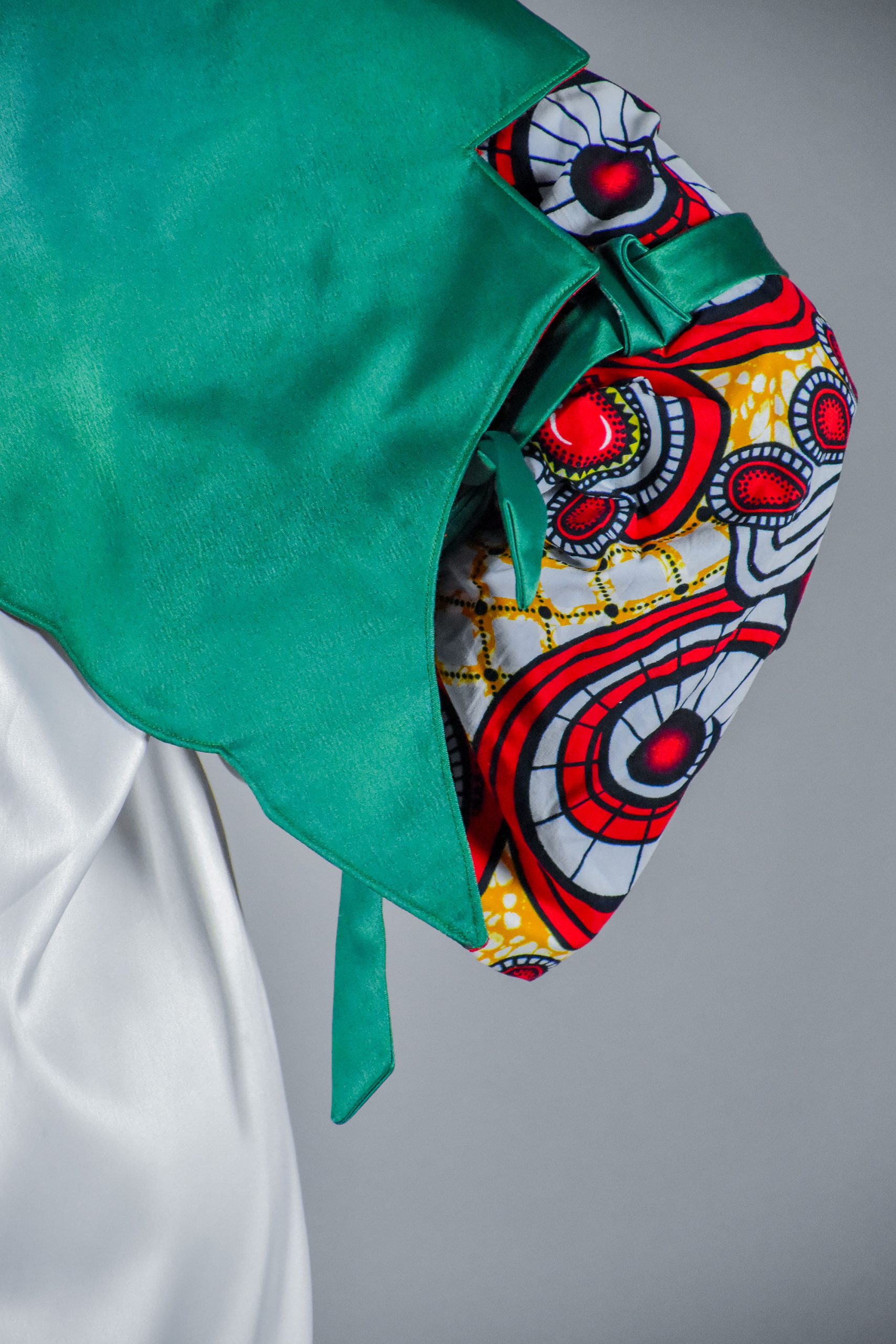
The sleeves feature green ribbons, symbolizing mental health awareness and the importance of breaking psychological barriers often faced by those living with HIV. They serve as a reminder that compassion and emotional well-being are vital parts of treatment and support. Red in the design boldly conveys love, courage, and the urgent fight against HIV/AIDS, while yellow evokes warmth, hope, and the promise of a brighter, healthier future for affected families. The winged elements are metaphors for empowerment—representing the strength to overcome stigma, rise above adversity, and fly toward a life of dignity and health. One sleeve, shaped like a woman, honors the enduring strength and resilience of women living with HIV.

The use of Kitenge fabric proudly celebrates African identity, unity, and cultural pride, rooting the design in the continent’s heritage. The inclusion of TikTok symbolism highlights the role of modern platforms in reaching youth with fast, impactful messages on HIV/AIDS awareness and prevention, encouraging education through creativity and digital storytelling.

Iradukunda Marie Pierre Chartinne + Gad Murenzi

Iradukunda Marie Pierre Chartinne

I am a passionate fashion designer currently studying Fashion design at Rwanda Polytechnic Kigali College. Fashion has always been more than just clothing to me. It is a language of emotion, identity, and transformation.My journey into fashion design began with a deep appreciation for creativity, and the way garments can shape confidence, tell stories, and reflect personal values. Inspired by the beauty of nature, particularly the elegance of butterflies and the brilliance of crystals, i see fashion as a symbol of growth, beauty, and refinement. I pursued fashion design because it is my passion and lifelong journey of creativity and innovation. I want to create clothing that empowers individuals, making them feel confident, graceful, and connected to their true selves. My vision is to blend elegance with purpose, designing garments that are both meaningful and stylish. With every piece I create, I aim to craft not just fashion but lasting impact.

Gad Murenzi

Dr. Gad Murenzi is the Director, Einstein-Rwanda Research and Capacity Building Program based at Research for Development and Rwanda Military Referral and Teaching Hospital (RMRTH) in Kigali, Rwanda. He is responsible for leading scientific research and capacity building activities of the program which focuses on HIV/HPV and related comorbidities. His research interests and expertise include HIV, cancer (mainly HPV related cancers) and other NCDs. Previously, he served as the Site Investigator and Colposcopist of a cervical cancer screening project among women with HIV (WWH) and coordinator of research laboratory development at RMRTH. In addition, he leads studies on HPV vaccine effectiveness among WWH, anal/penile HPV and anal squamous intraepithelial lesions and cancer. He is also a high resolution anoscopy provider and an anatomic pathologist.

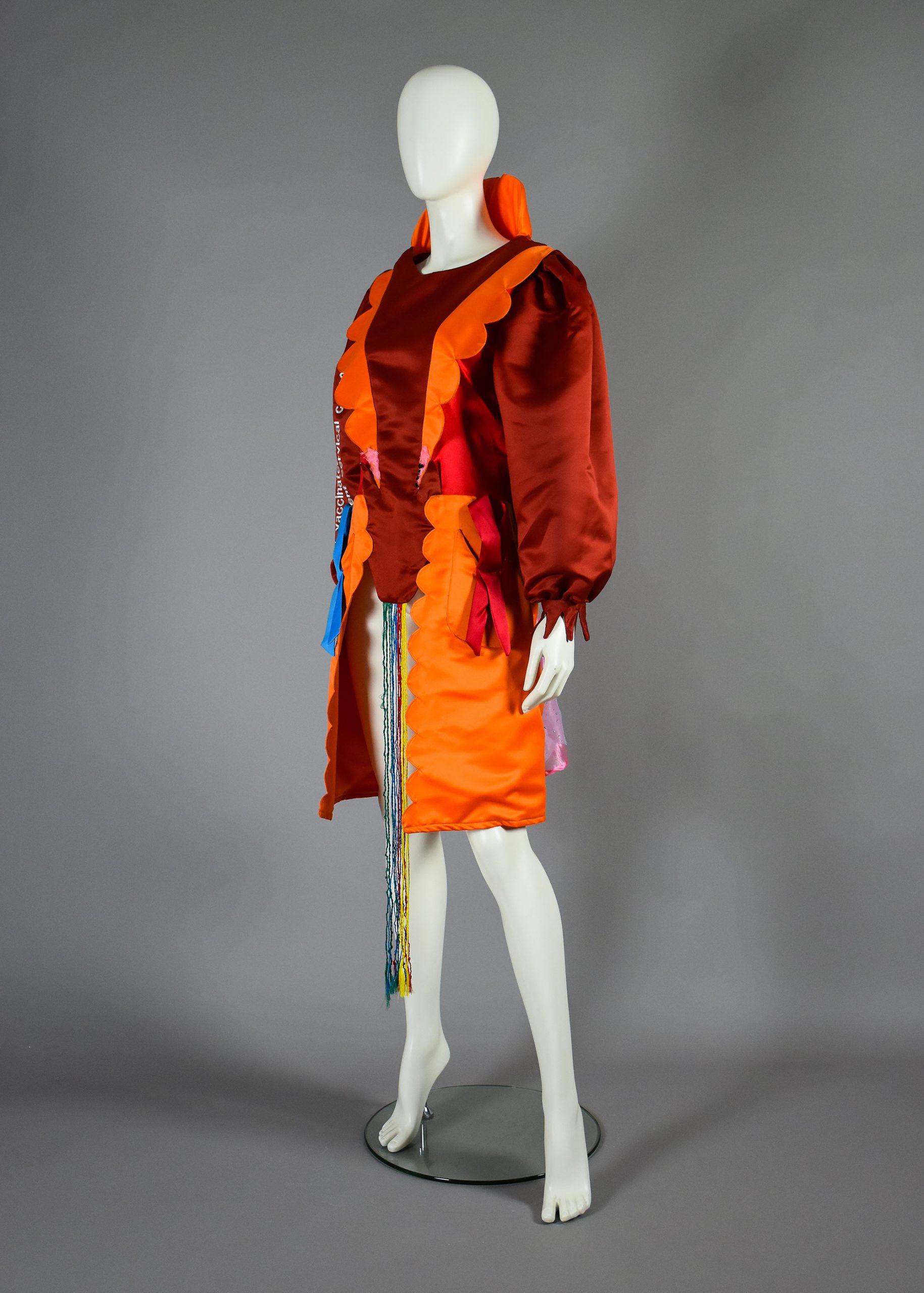
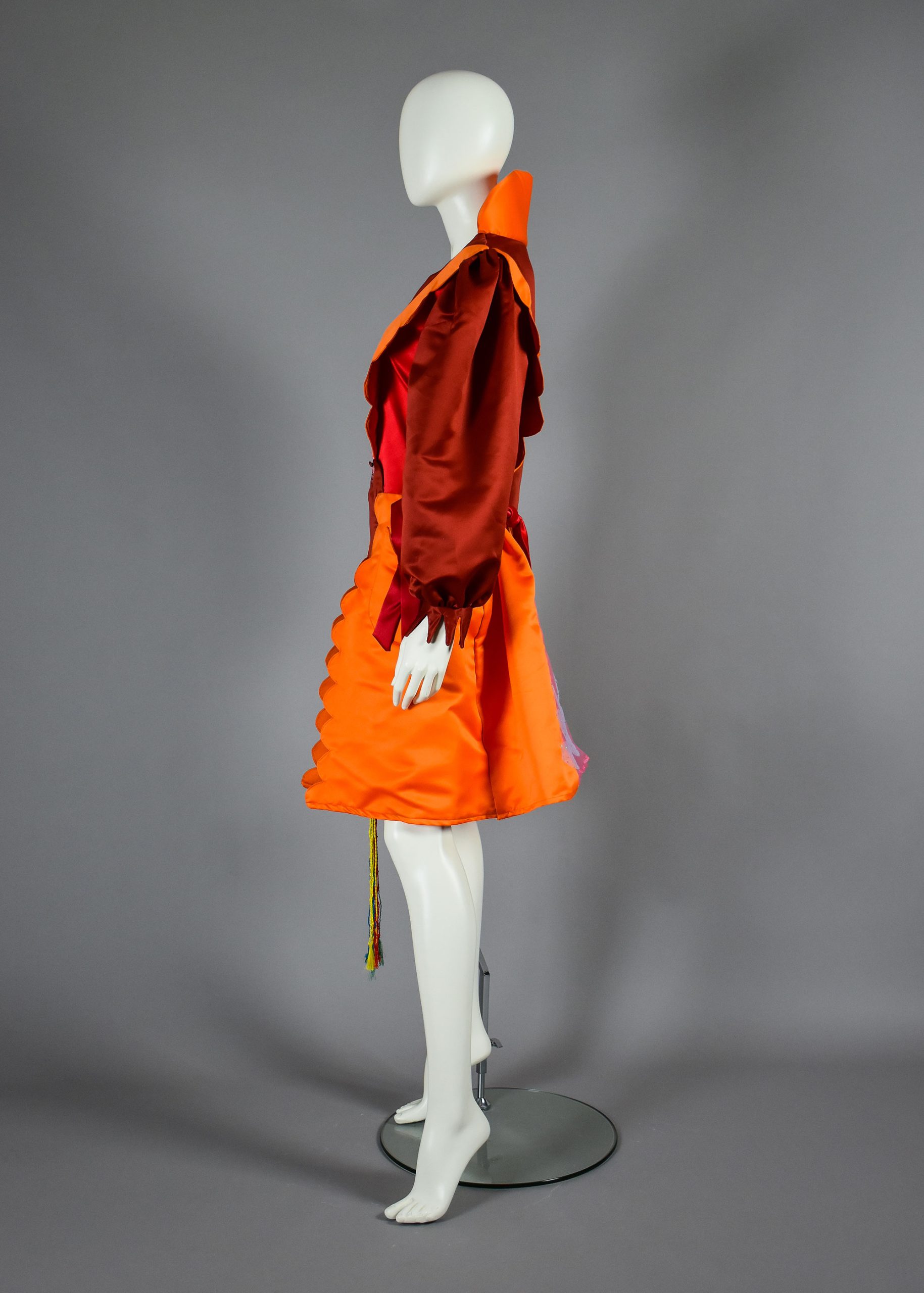
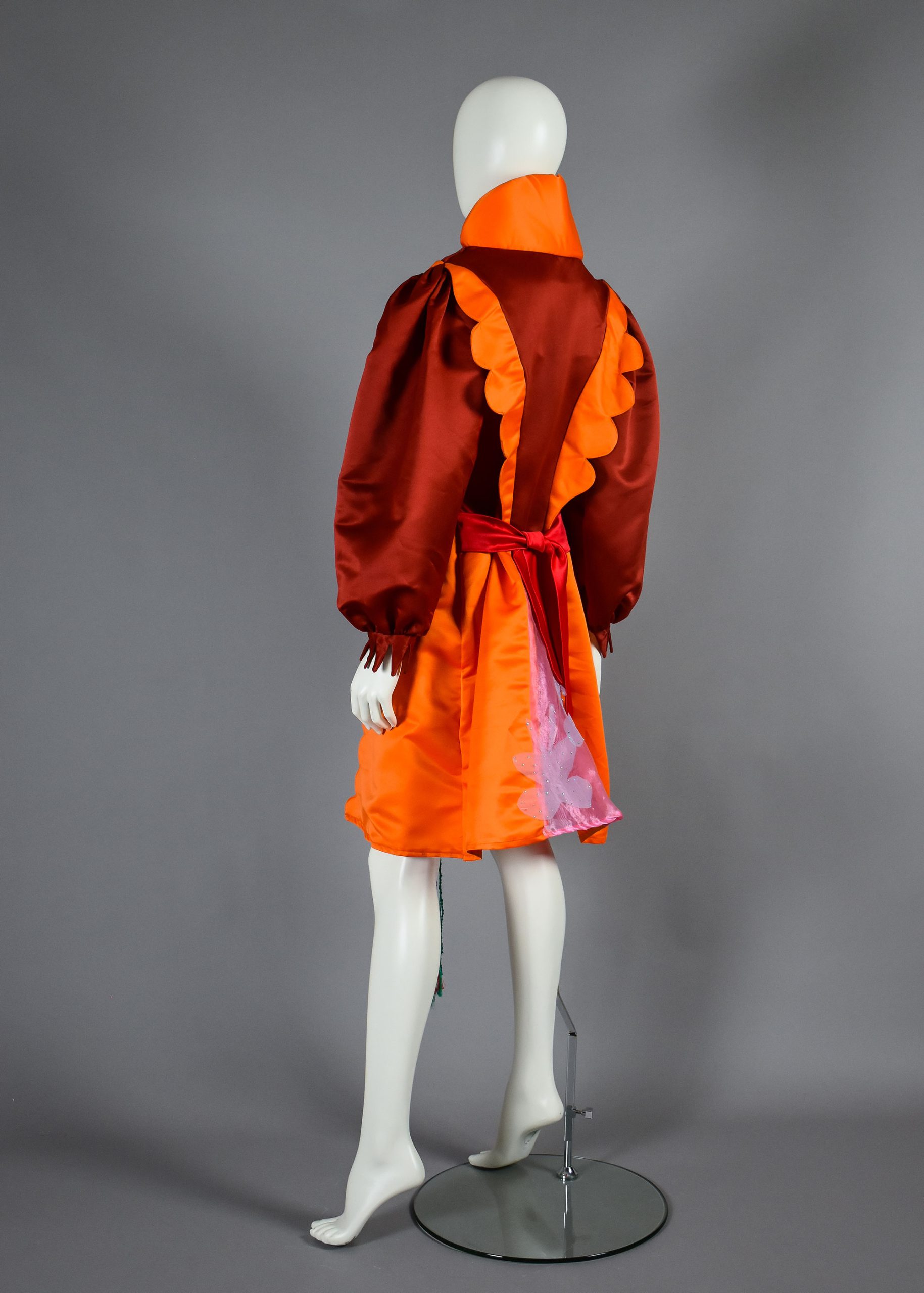
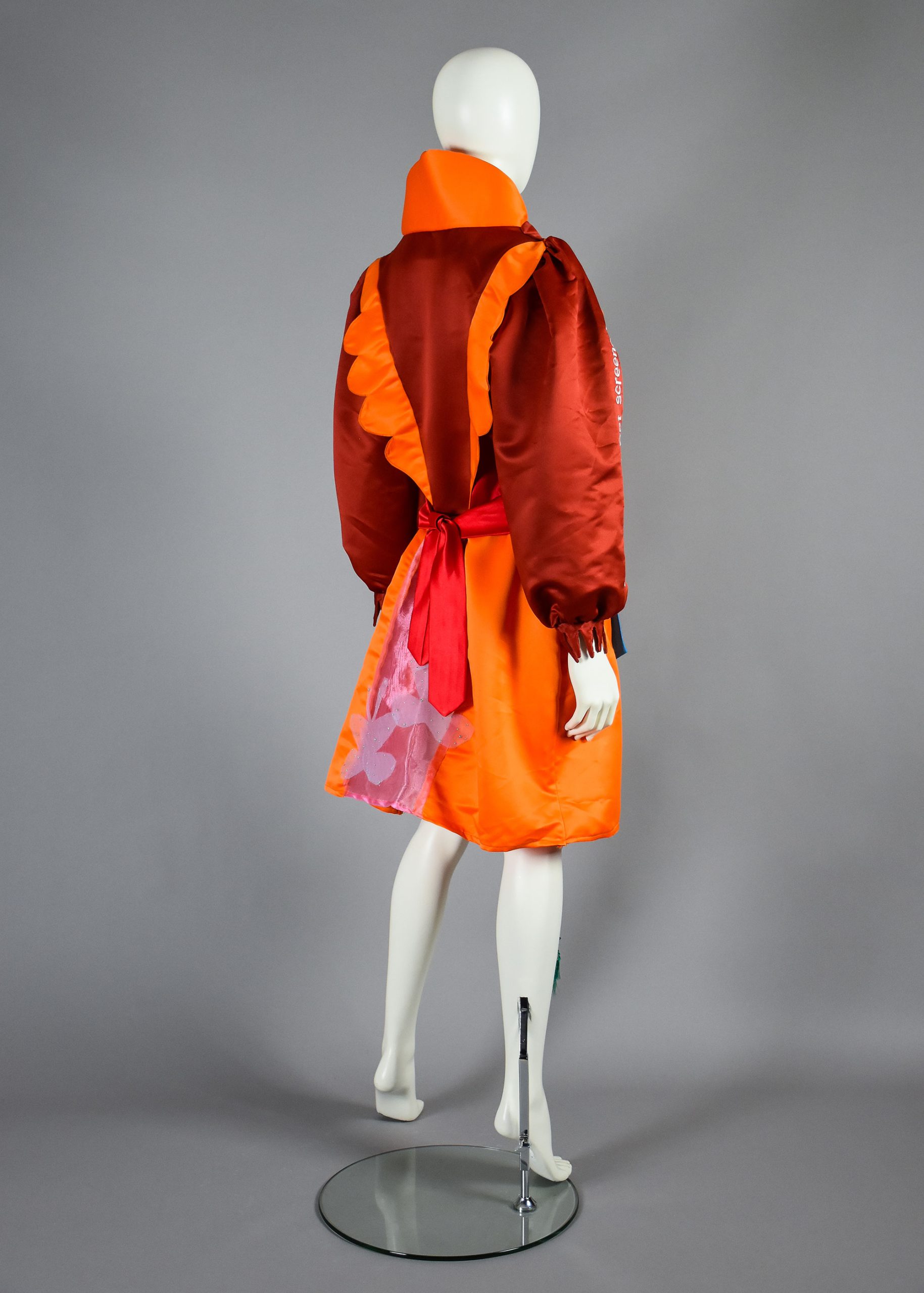
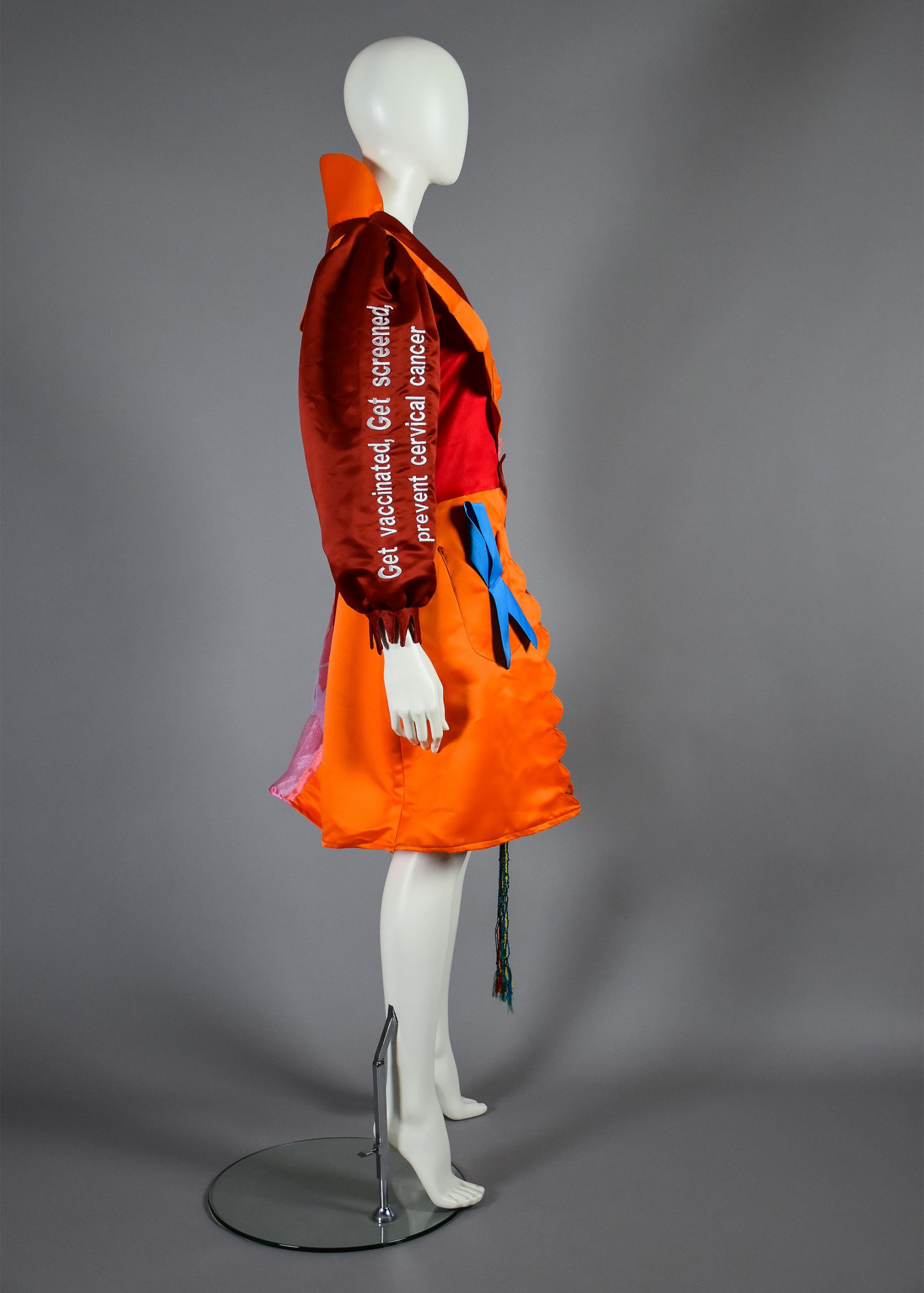
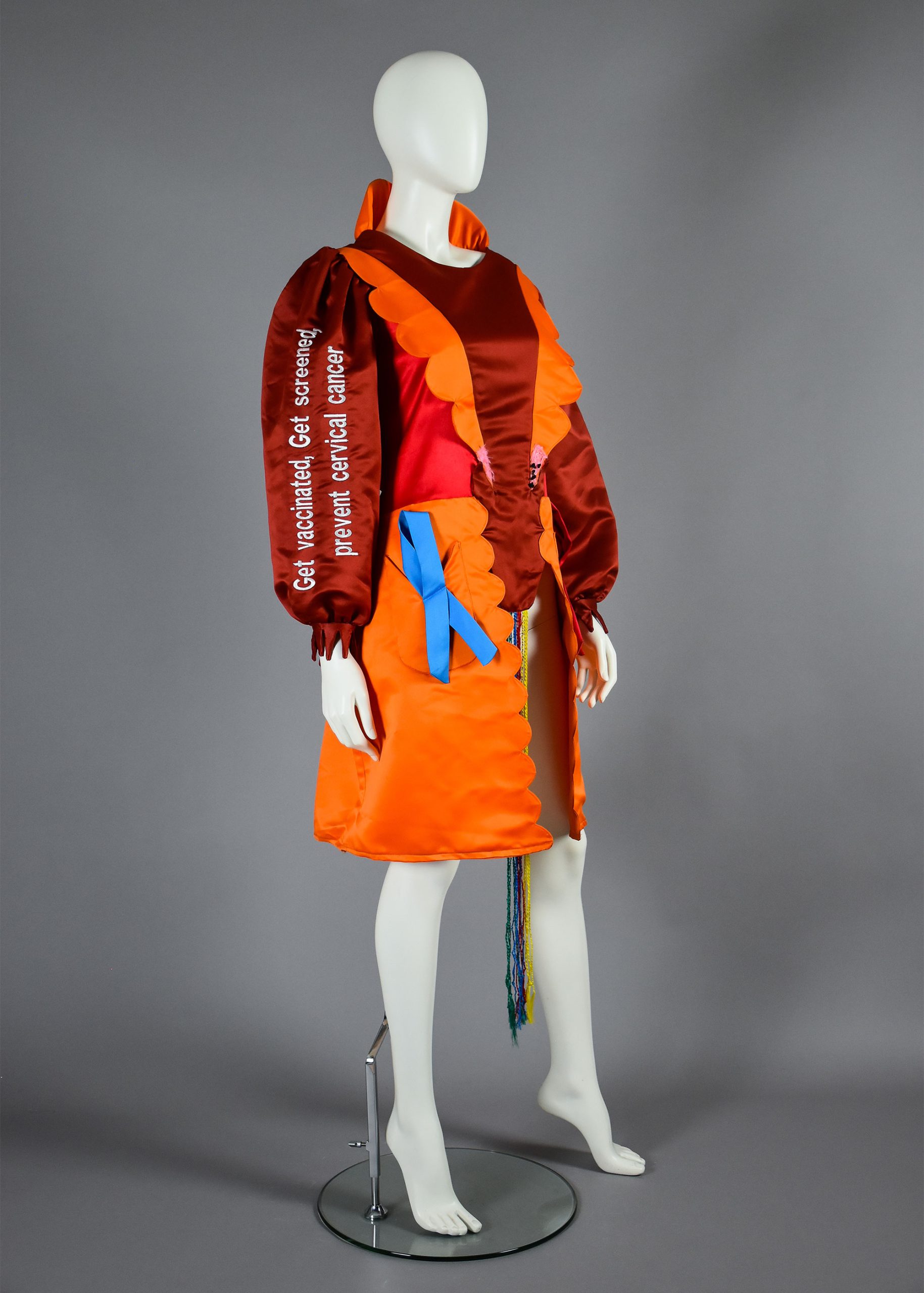
The design is a symbolic and educational fashion piece that addresses two critical health issues affecting women, cervical cancer and HIV/AIDS. Drawing inspiration from the anatomical structure of the female reproductive system, the garment’s silhouette reflects the shape of the uterus, with particular emphasis on the cervix—the primary site where cervical cancer develops. The back neckline has been carefully elevated to avoid unnecessary visual clutter, replacing previous horn-like elements with a more meaningful representation of the cervix extending downward to the vaginal area, ensuring anatomical accuracy and stronger visual communication.

Strategically placed “horns” on the garment symbolize the fallopian tubes, where small pocket-like features illustrate cervical cells in two states: healthy and infected. These visual cues create a powerful educational narrative embedded within the design. At the waistline, functional pockets on either side serve as additional symbolic tools: the left pocket represents healthy cervical cells, while the right pocket displays infected cells, subtly emphasizing the importance of early screening and awareness.

To connect the issue of cervical cancer with HIV—two health threats that disproportionately affect women—a red ribbon (for HIV awareness) is integrated into the waist and back of the design. A blue ribbon placed on the pocket signifies the parallel need to combat both diseases simultaneously. This design blends fashion with advocacy, aiming to educate, provoke thought, and inspire action.

Izabayo Magnifique + Penny Moore

Izabayo Magnifique

I am an Idealist fashion designer, inspired by culture, nature, and emotions. My journey is to begin with a passion for creativity, transforming fabrics into stories. Fashion is my form of communication, a way to empower and redefine identity. My designs blend tradition with innovation, embracing sustainability and Inclusivity. I believe clothing is more than fabric, its confidence, art, and self-expression. My goal is to create pieces that inspire, breaking boundaries while remaining timeless. Through my work, I strive to make fashion meaningful, bold, and Transformative. Every stitch carries purpose, and every collection tells a story of individuality and fearless style.

Penny Moore

Penny Moore is the South African Research Chair of Virus-Host Dynamics and Research Professor at Wits University and the National Institute for Communicable Diseases in South Africa. She is the Director of the Antibody Immunity Research Unit, an extramural unit of the SA Medical Research Council, and holds a joint appointment as Honorary Senior Scientist in Virus-Host Dynamics at CAPRISA, University of KwaZulu-Natal. She directs a research group that works in the fields of HIV and SARS-CoV-2 vaccine discovery, combining virology, immunology and bioinformatics. More recently, the team has expanded to work on influenza, cytomegalovirus, respiratory syncytial virus, adenoviruses and Ebola. In the past 20 years, she has contributed towards more than 190 papers, focusing predominantly on neutralizing antibodies and their interplay with evolving viruses, a result of extensive collaborations. She has a very strong focus on mentorship and capacity development and supervises several postgraduate students and postdoctoral fellows.

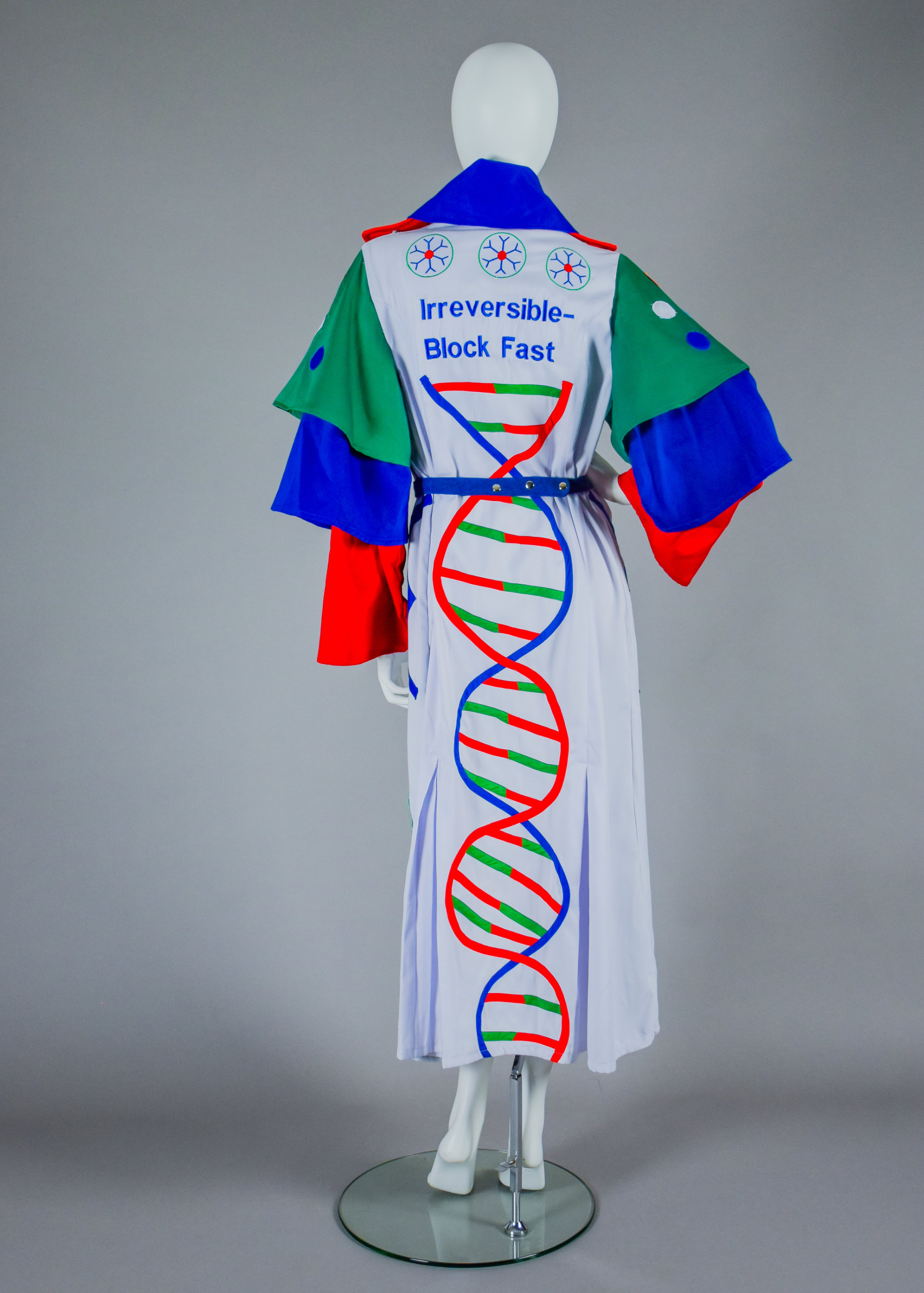
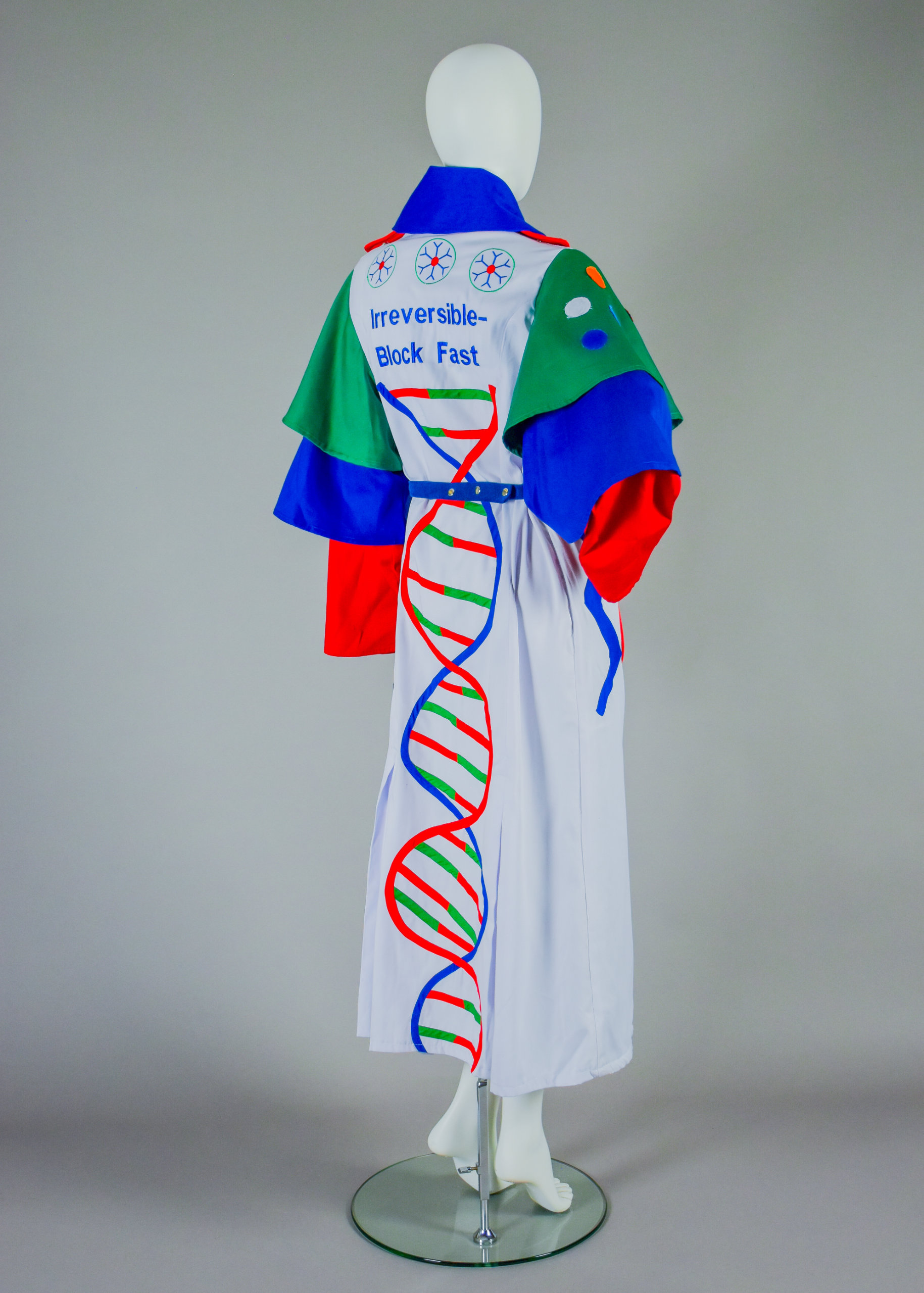
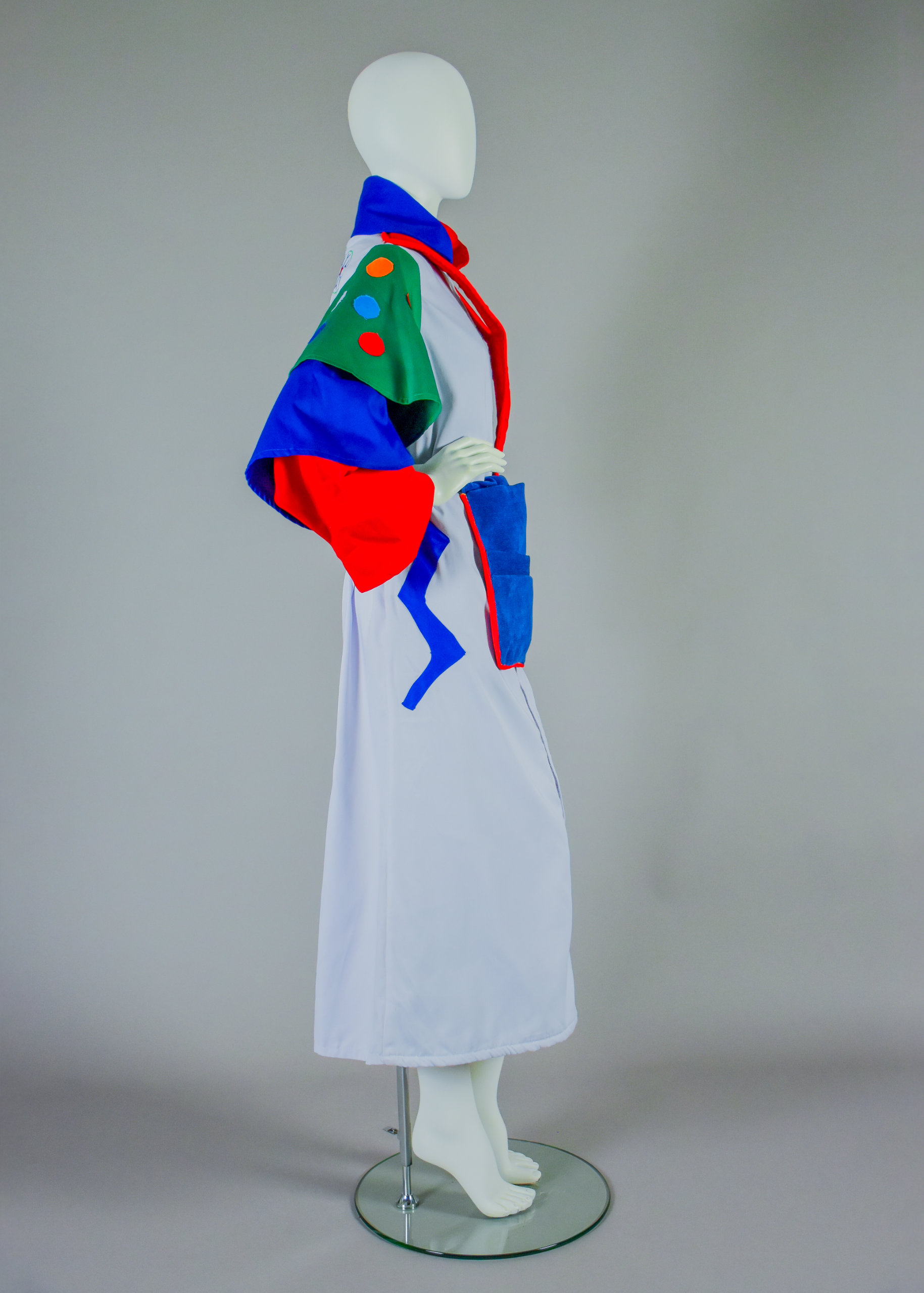
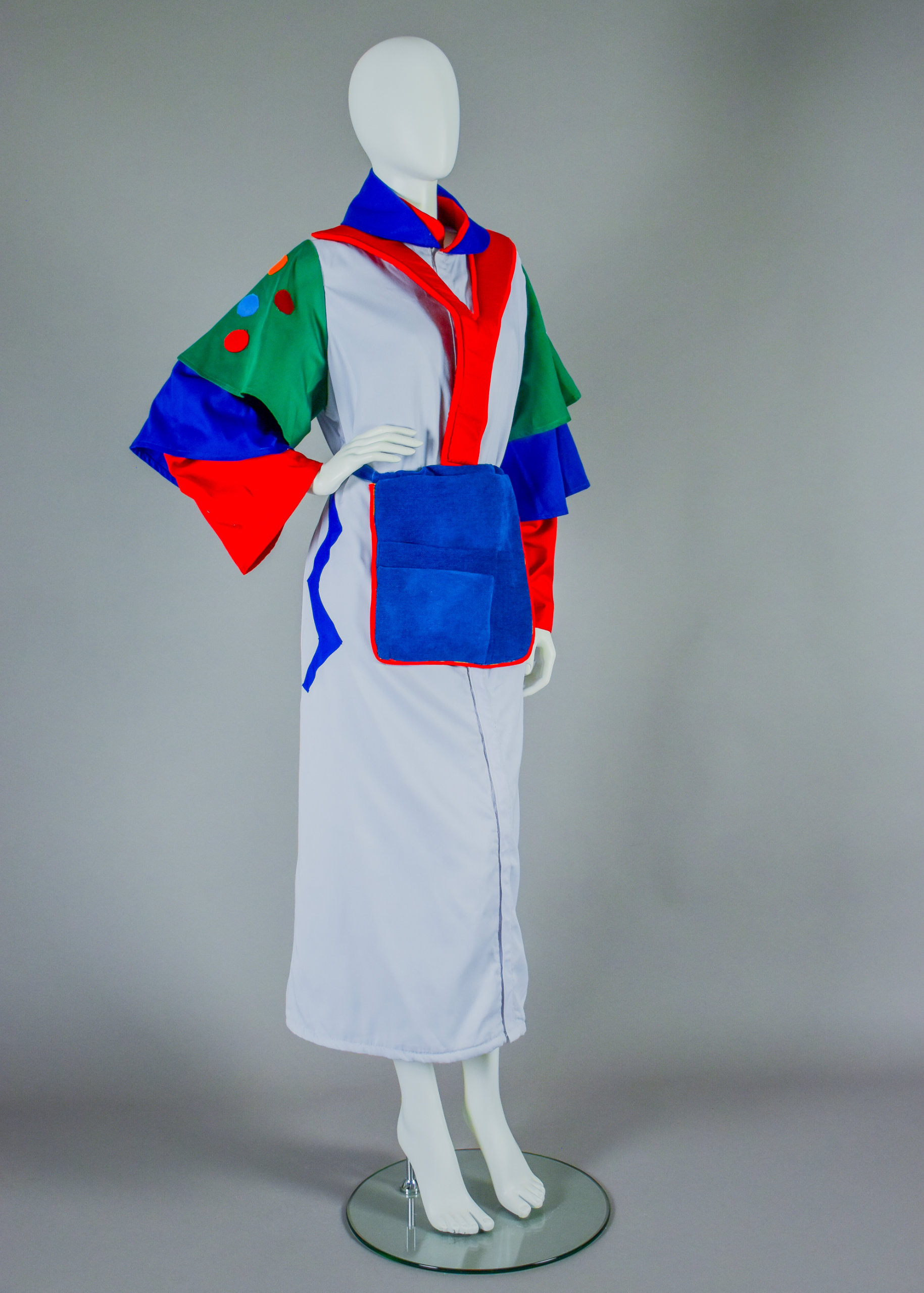
The design is a unique garment that bridges science and fashion to communicate resilience, awareness, and innovation in the fight against HIV/AIDS.

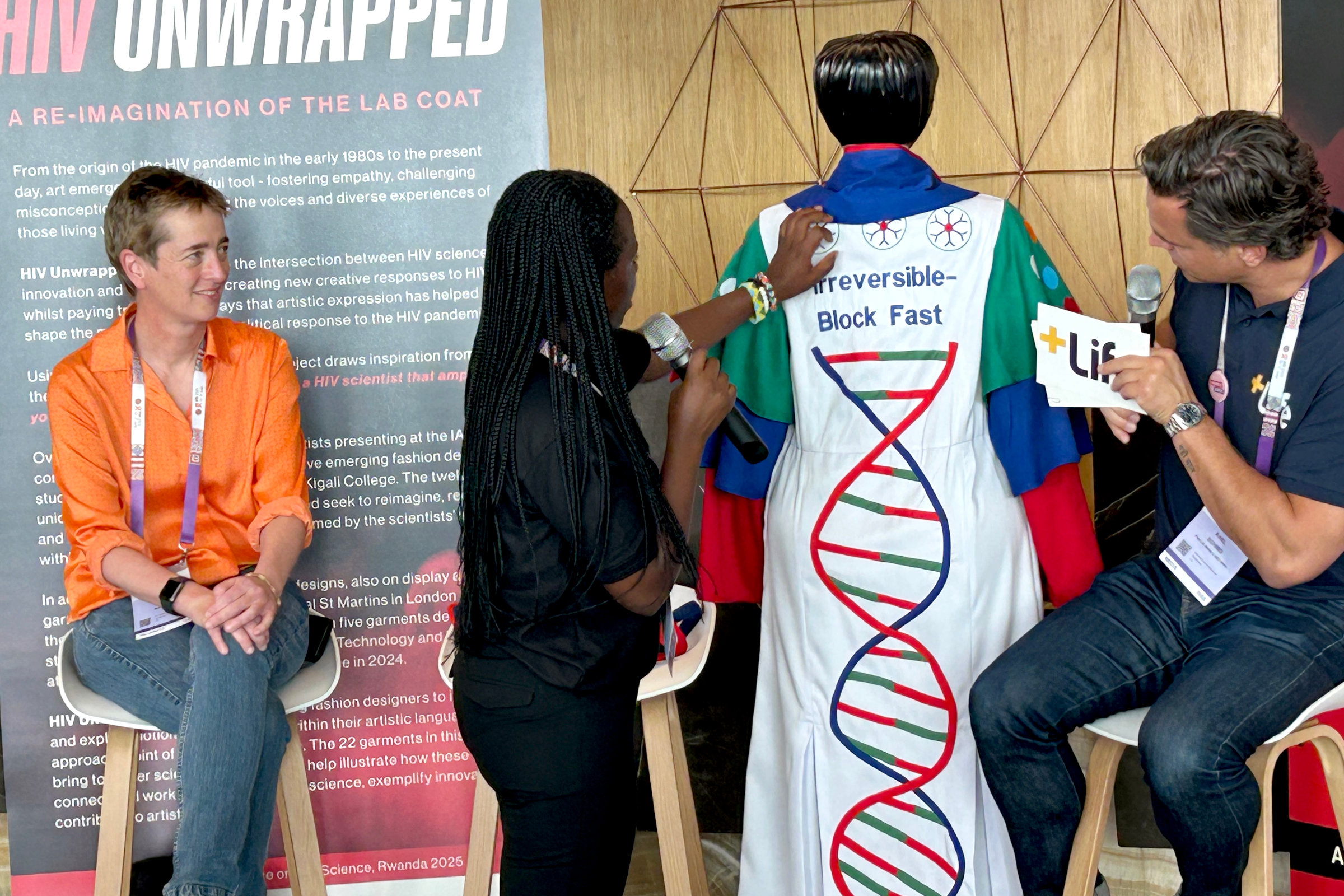
Central to the design are the Y-shaped bold shoulder wings, representing antibodies on the scientific frontline, poised to block HIV from infecting healthy cells. A double mandarin collar reinforces the idea of an immunological barrier, expressing structure, precision, and global commitment to vaccine development. The Velcro front opening metaphorically demonstrates how antibodies bind to the virus, with hook and loop textures simulating the interaction between virus, antibody, and human cells.

The use of sequin and flip-sequin fabrics symbolizes the mutating nature of HIV’s surface proteins, while red antibody embroidery at the neckline stands as a guardian over the body’s vital entry points. Further emphasizing awareness, a waist belt designed as the red ribbon embodies solidarity, education, and support for those affected.

Cultural depth is added through basket-inspired motifs, reflecting the virus’s spread across communities and regions. Virus-blocked embroidery, in-seam pockets for instruments, and DNA helix patterns enhance both storytelling and functionality. With creative features like binding beadwork representing broadly neutralizing antibodies and a ventilated inverted back pleat, this lab coat becomes more than apparel—it is wearable activism.
Jean De Dieu Ahishakiye + Claudia Cortes

Jean De Dieu Ahishakiye

From a young age, I was captivated by how clothing tell stories. At 12, I began sketching designs inspired by nature flowing leaves and vibrant sunsets. Discovering vintage fashion, I fused old-school elegance with modern flair. In high school, I tailored my clothes and launched my first collection at HVP Gatagara Nyanza TVET School, featuring menswear and womenswear inspired by culture and sustainability. Now studying at RP Kigali College, I experiment with fabrics and textures, striving to empower others through creative, wearable art. Fashion is my voice a constantly evolving expression of craftsmanship and individuality.

Claudia Cortes

Dr Claudia Cortez is an internal medicine physician and infectious diseases specialist. Since 2005, she has been dedicated to HIV and AIDS in patient care and research. Currently, she is an Associate Professor at the University of Chile. She was a member and Chair of the HIV advisory committee of the Chilean Infectious Diseases Society (SOCHINF) and is the former Vice President of SOCHINF. She is a consultant for the Chilean Ministry of Health, has worked on the development and update of national clinical guidelines for HIV and AIDS management, and took part in several committees involving HIV prevention, testing and treatment strategies. Since 2020, she has served on the IAS Governing Council.

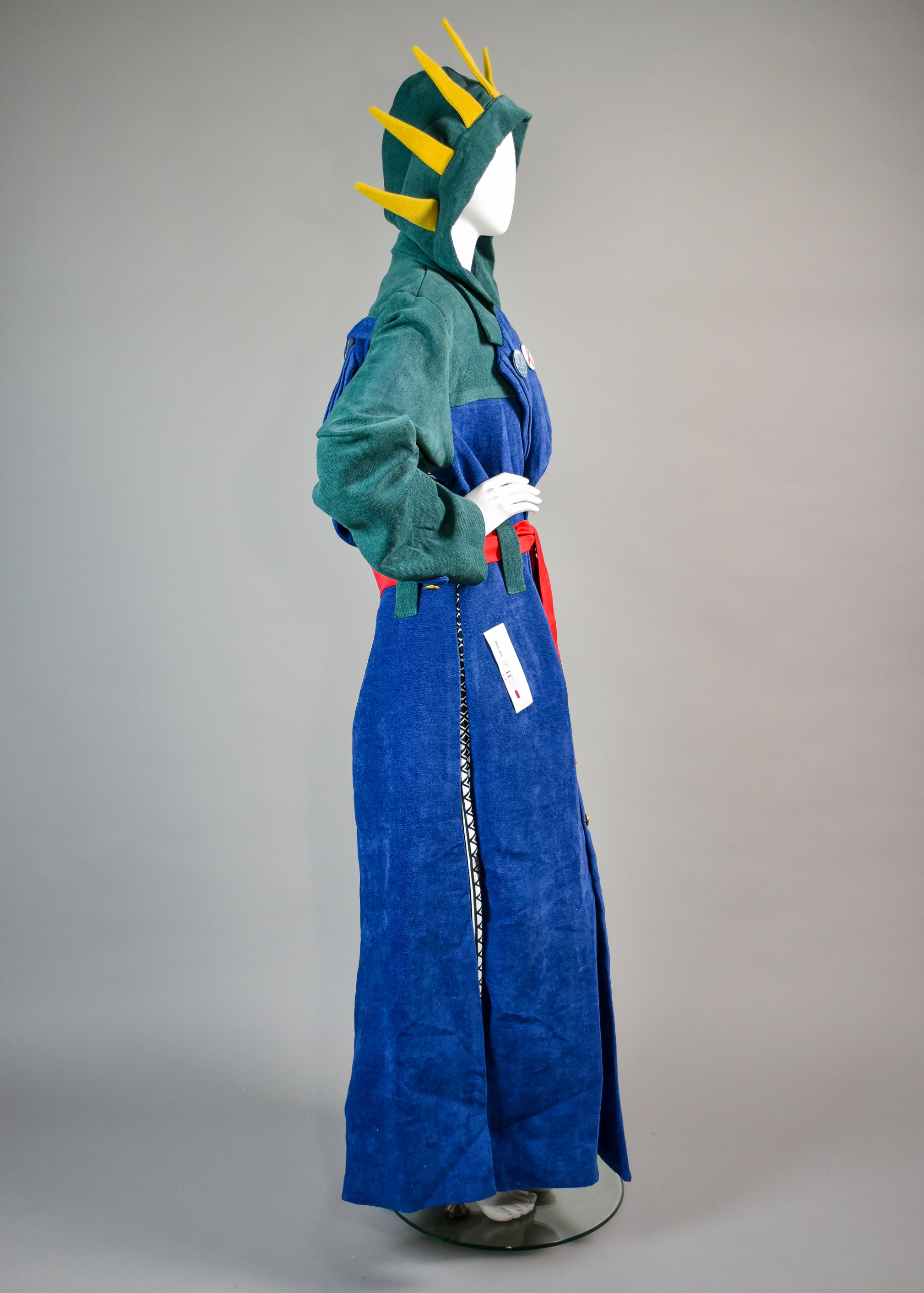
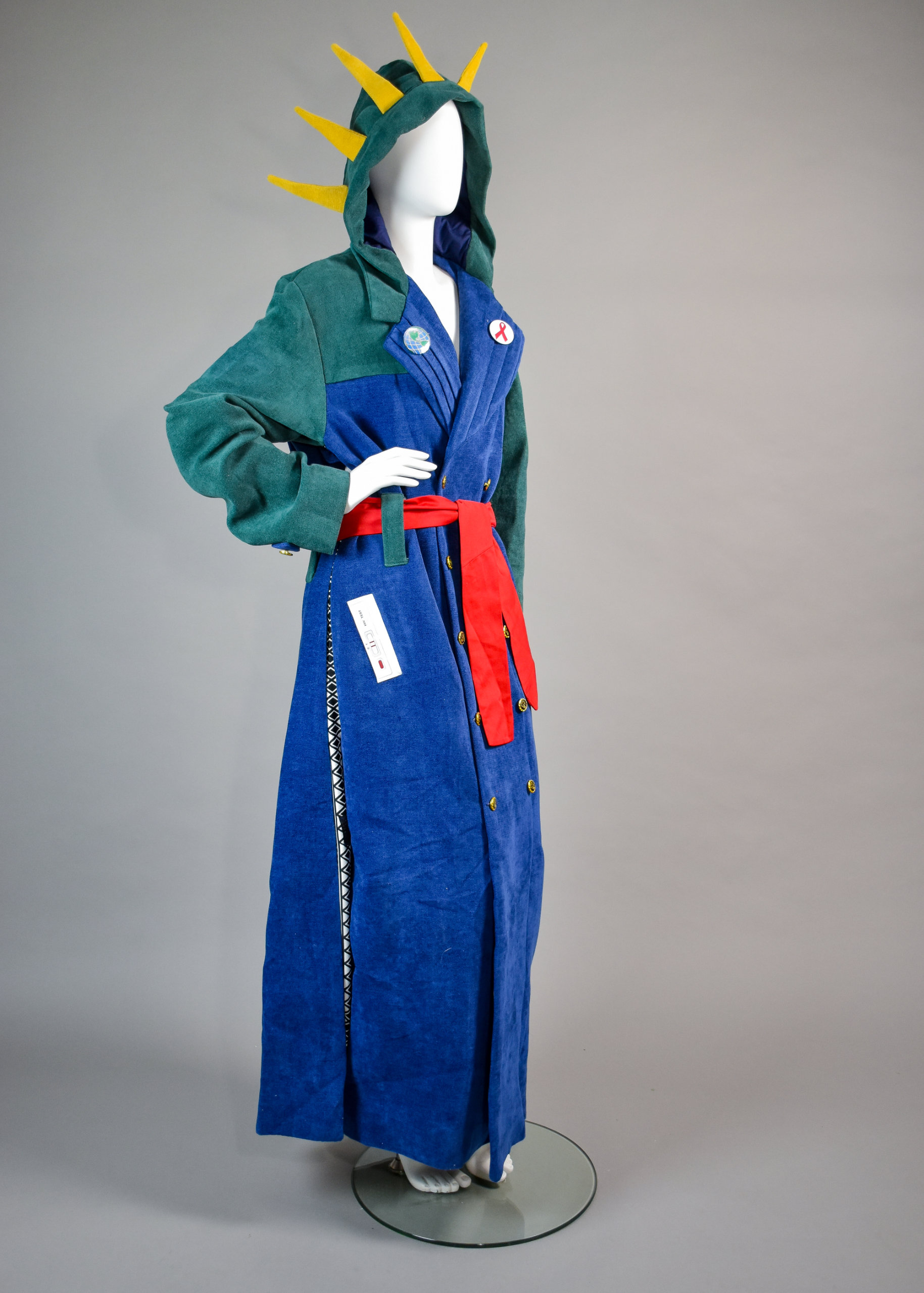
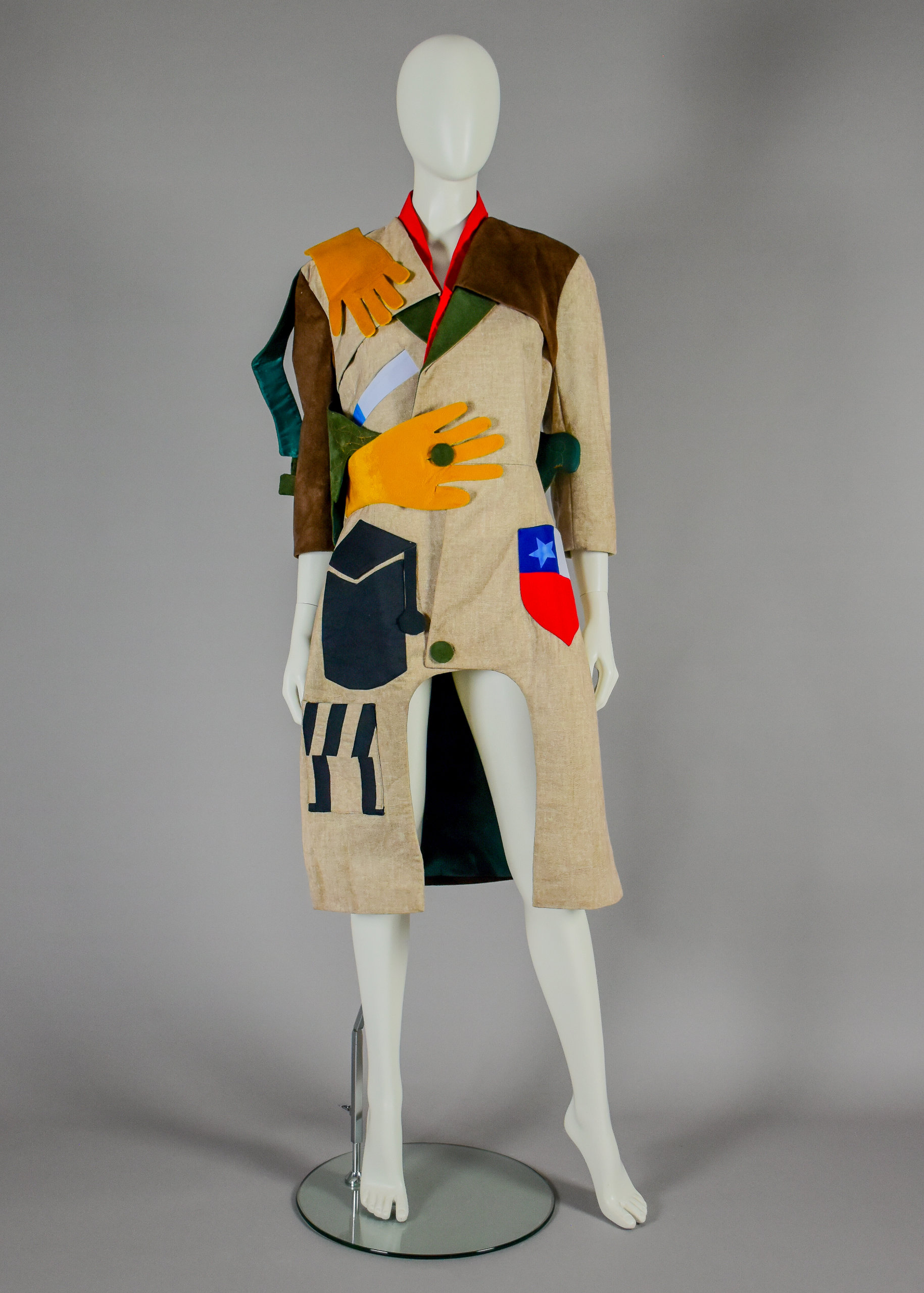
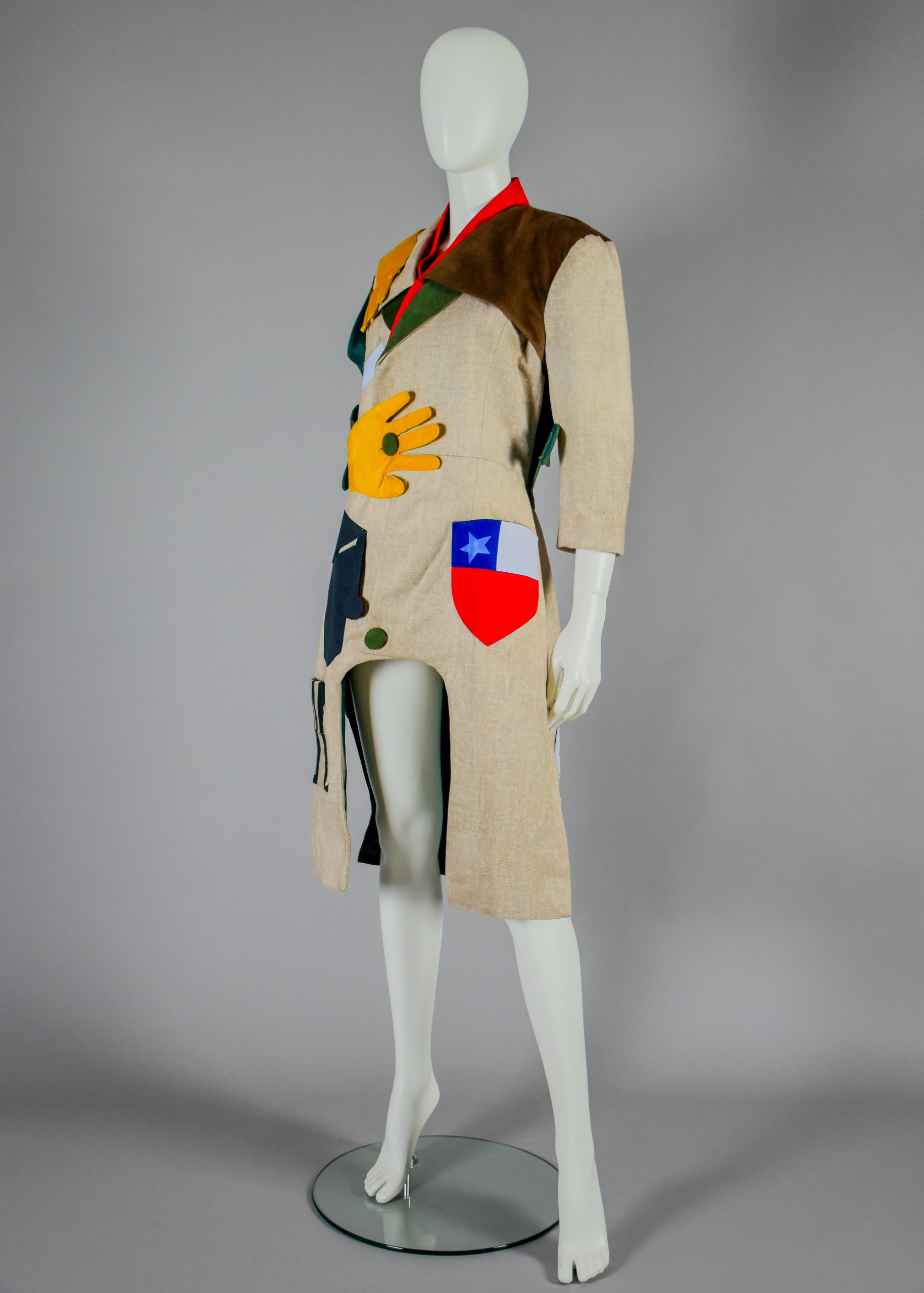
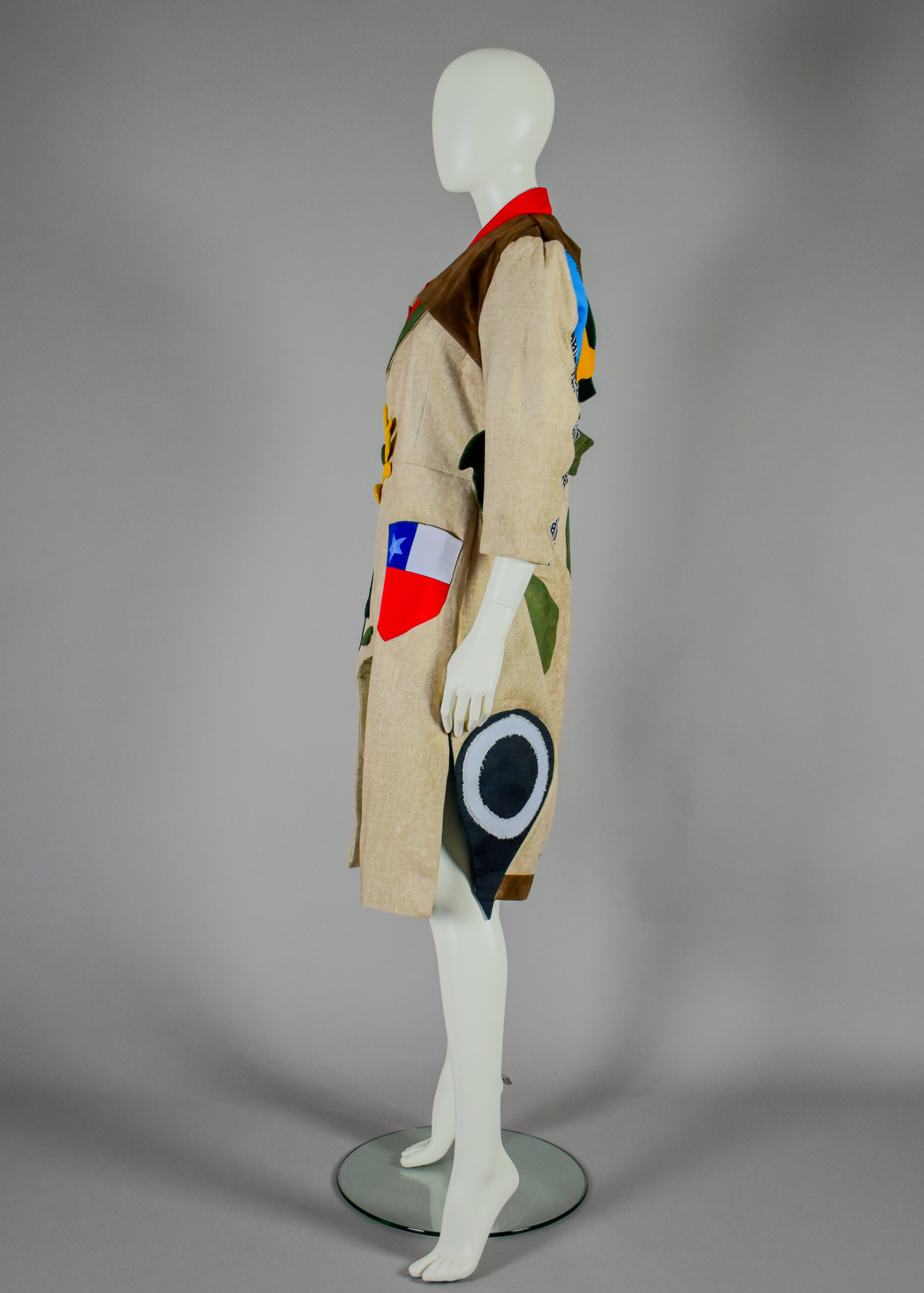
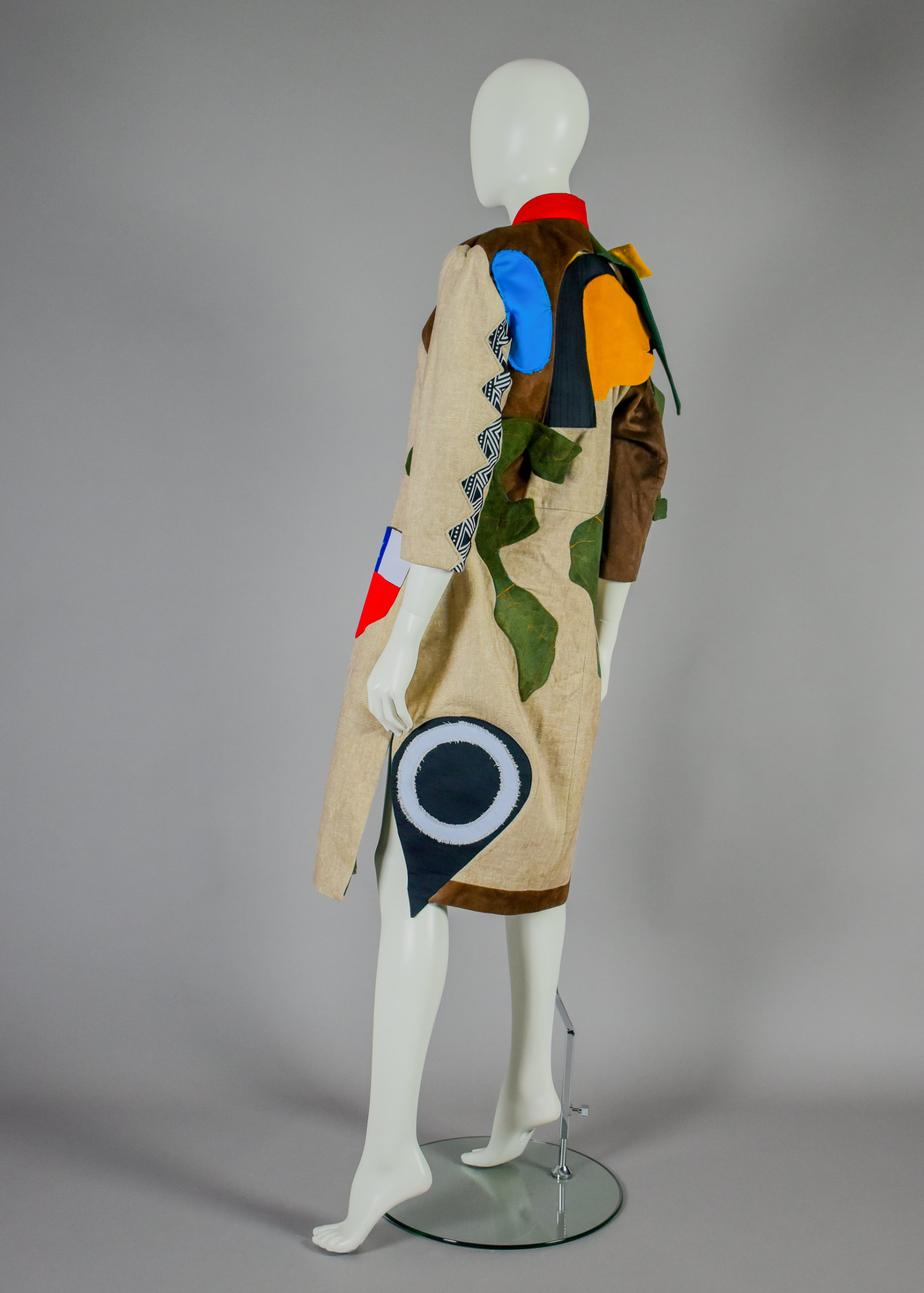
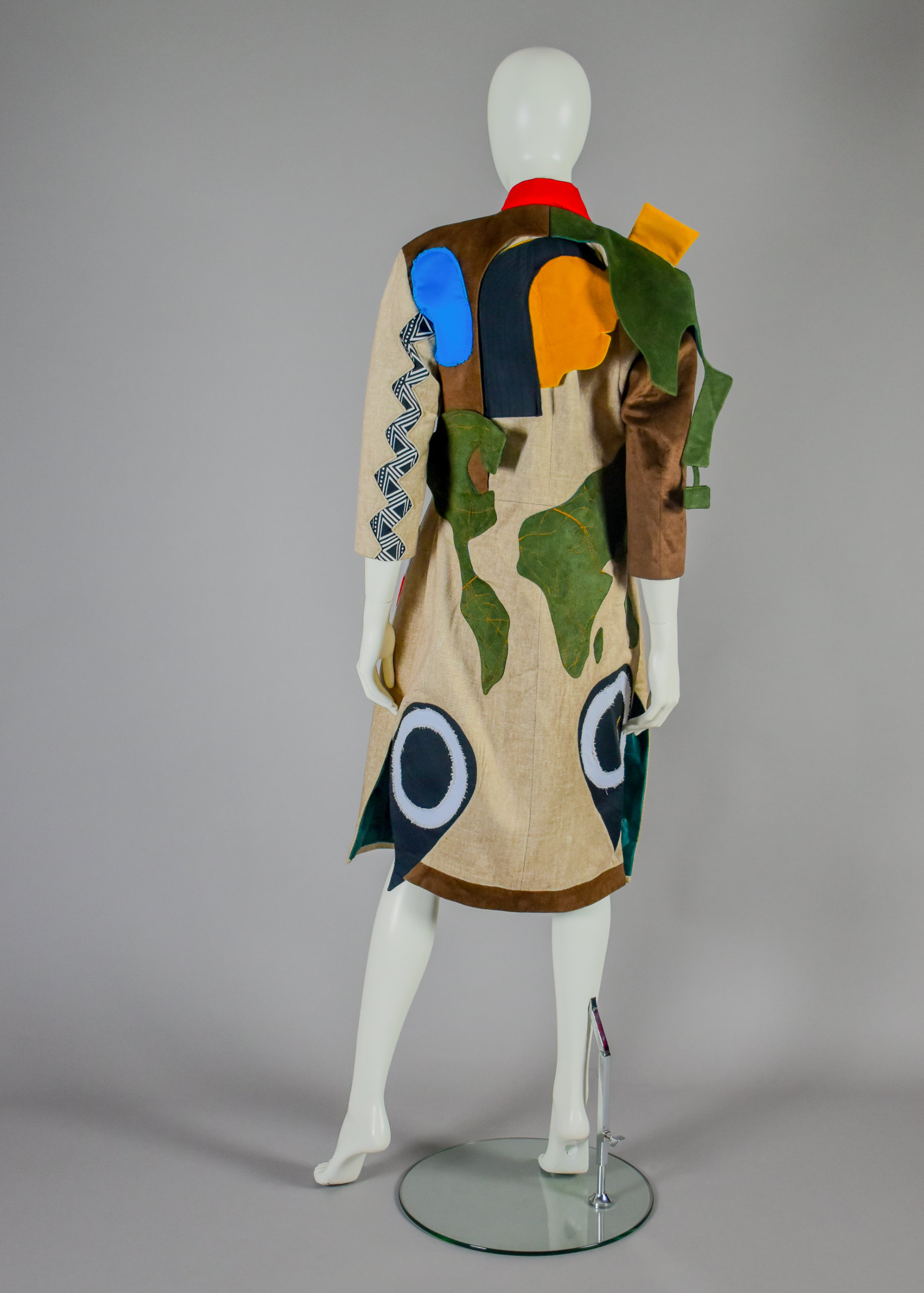
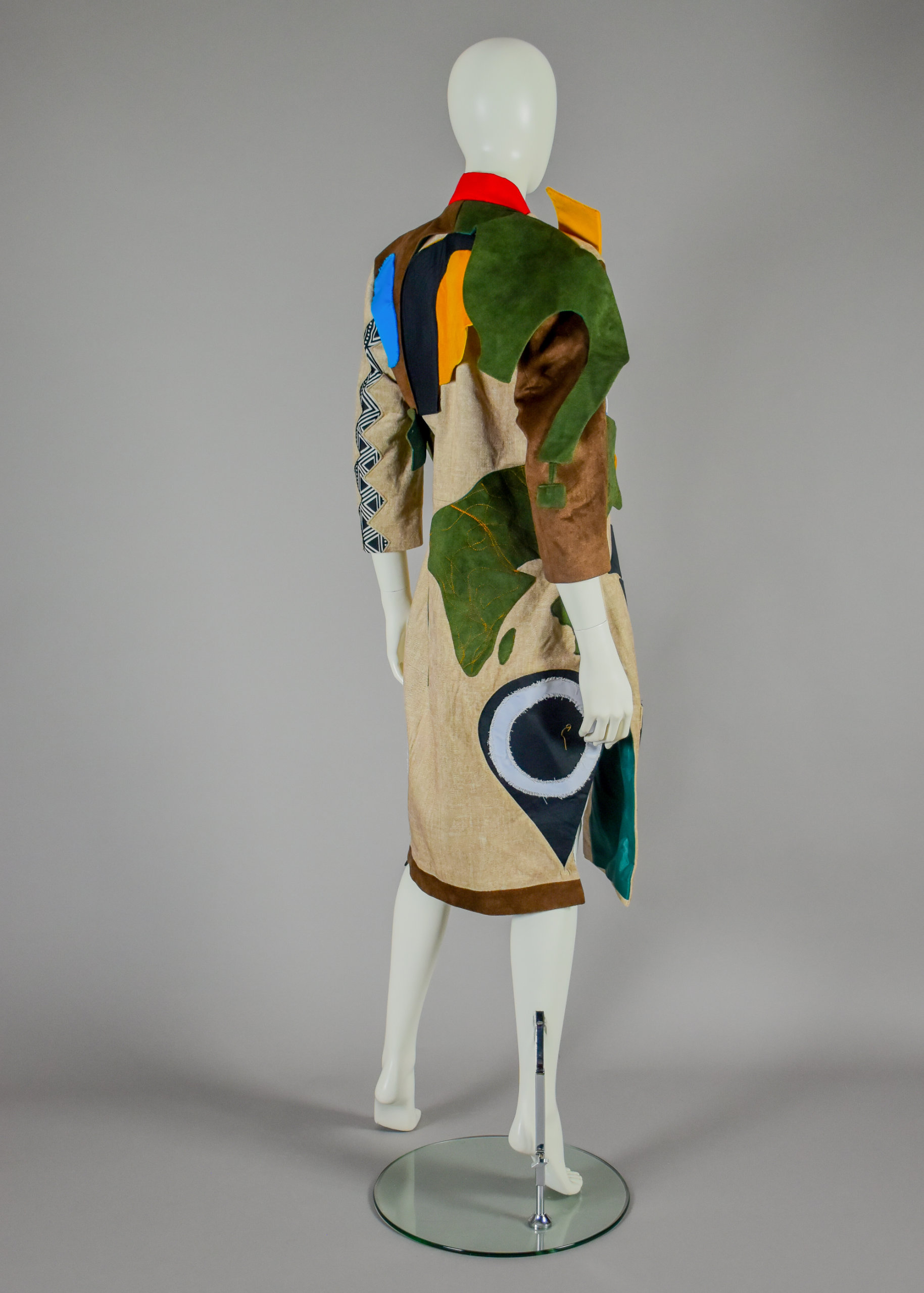
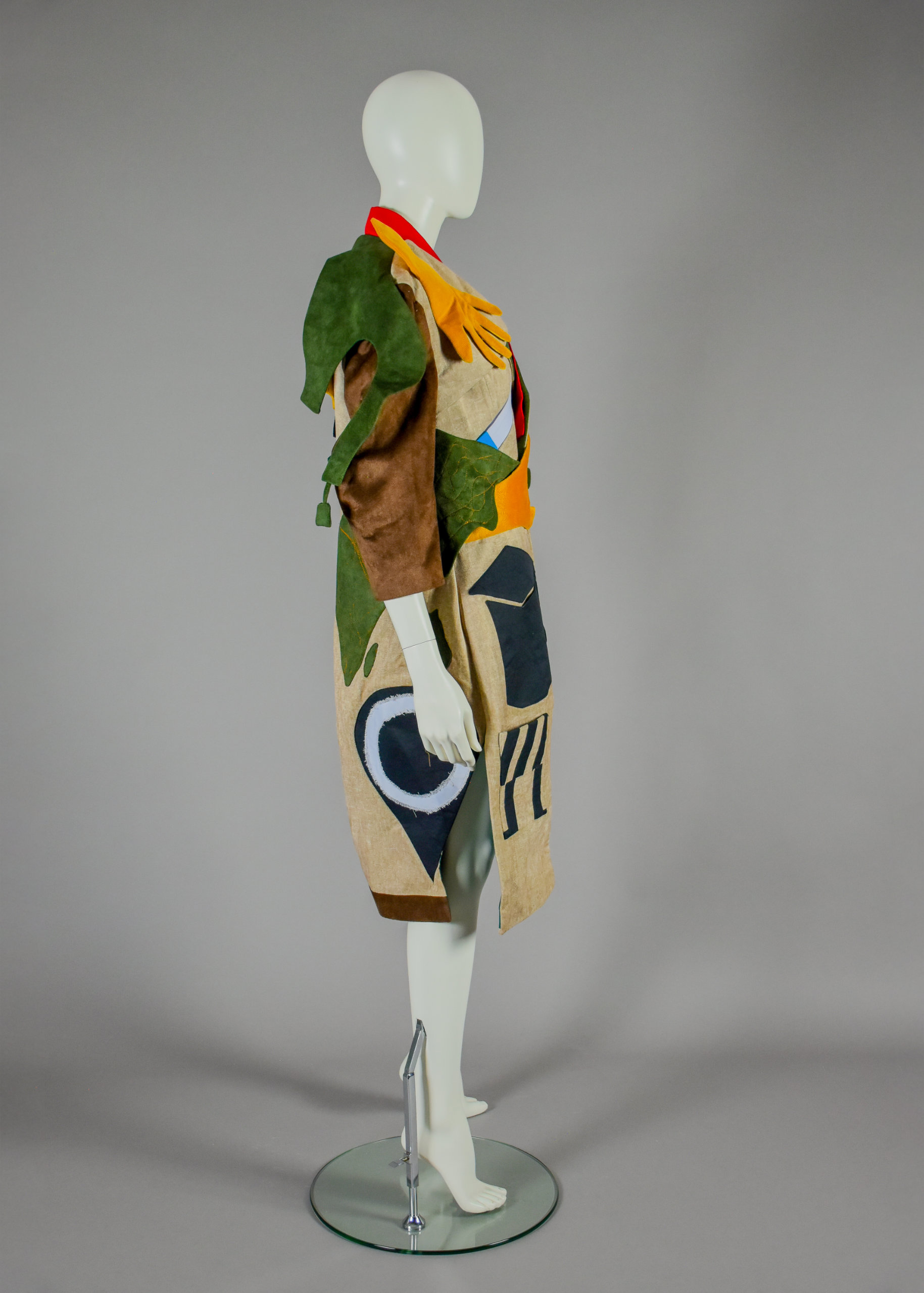
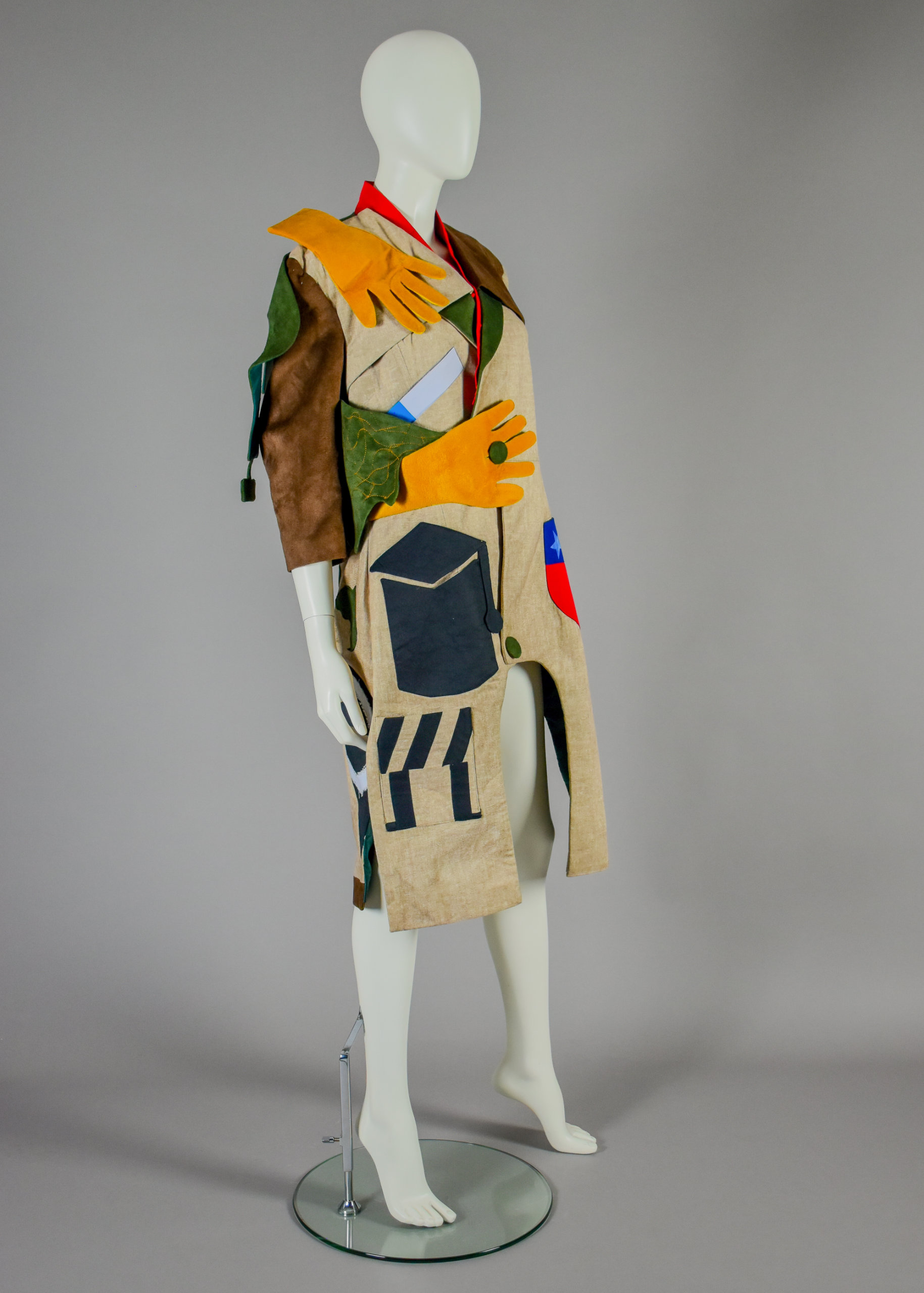
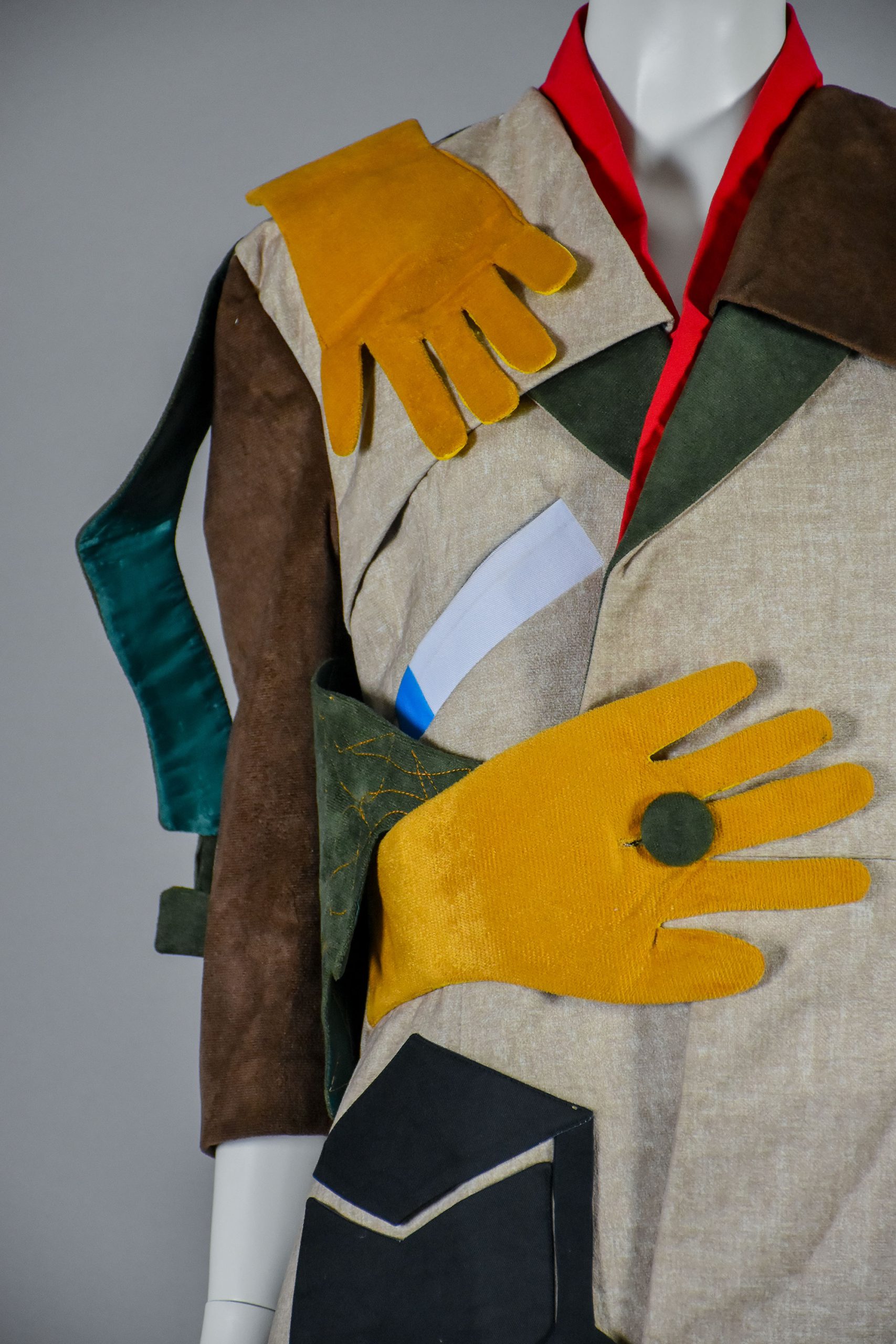
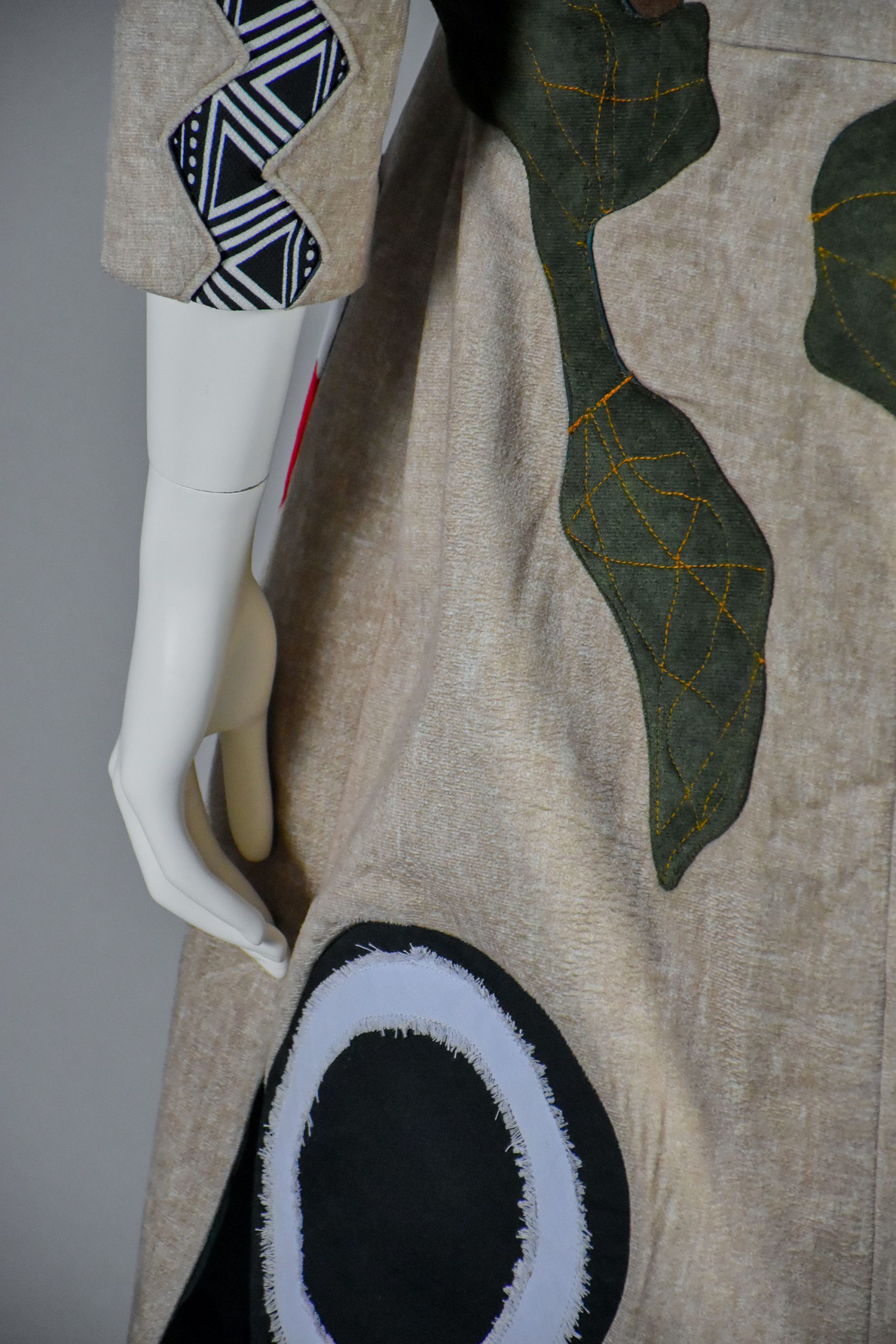
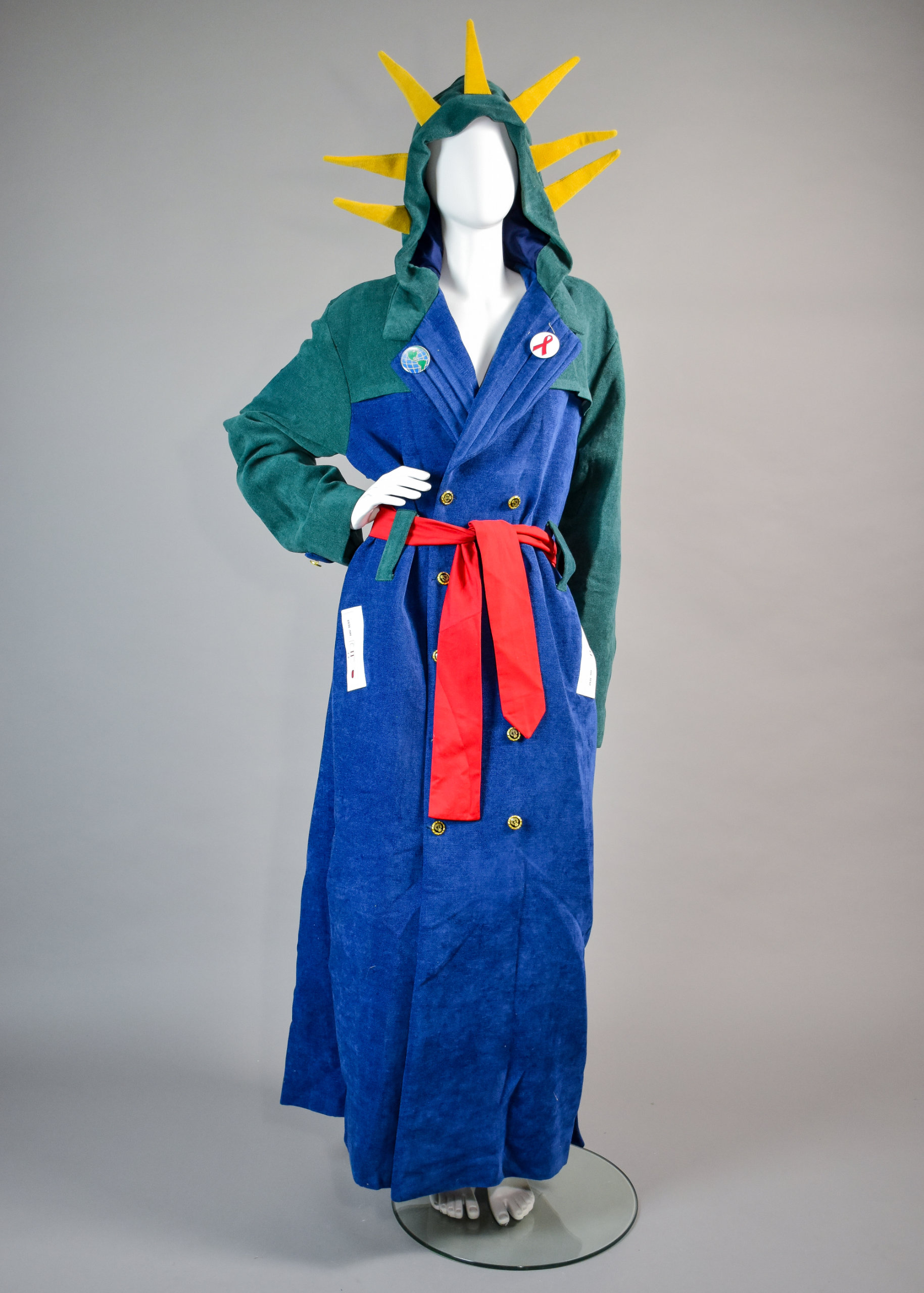
This design is a transformative modular outfit that visually and functionally responds to the intersecting challenges of migration, identity, and HIV vulnerability. Inspired by the lived experiences of migrants—particularly those affected by or at risk of HIV—the design blends symbolic and practical elements to tell a powerful story of resilience, displacement, and hope.

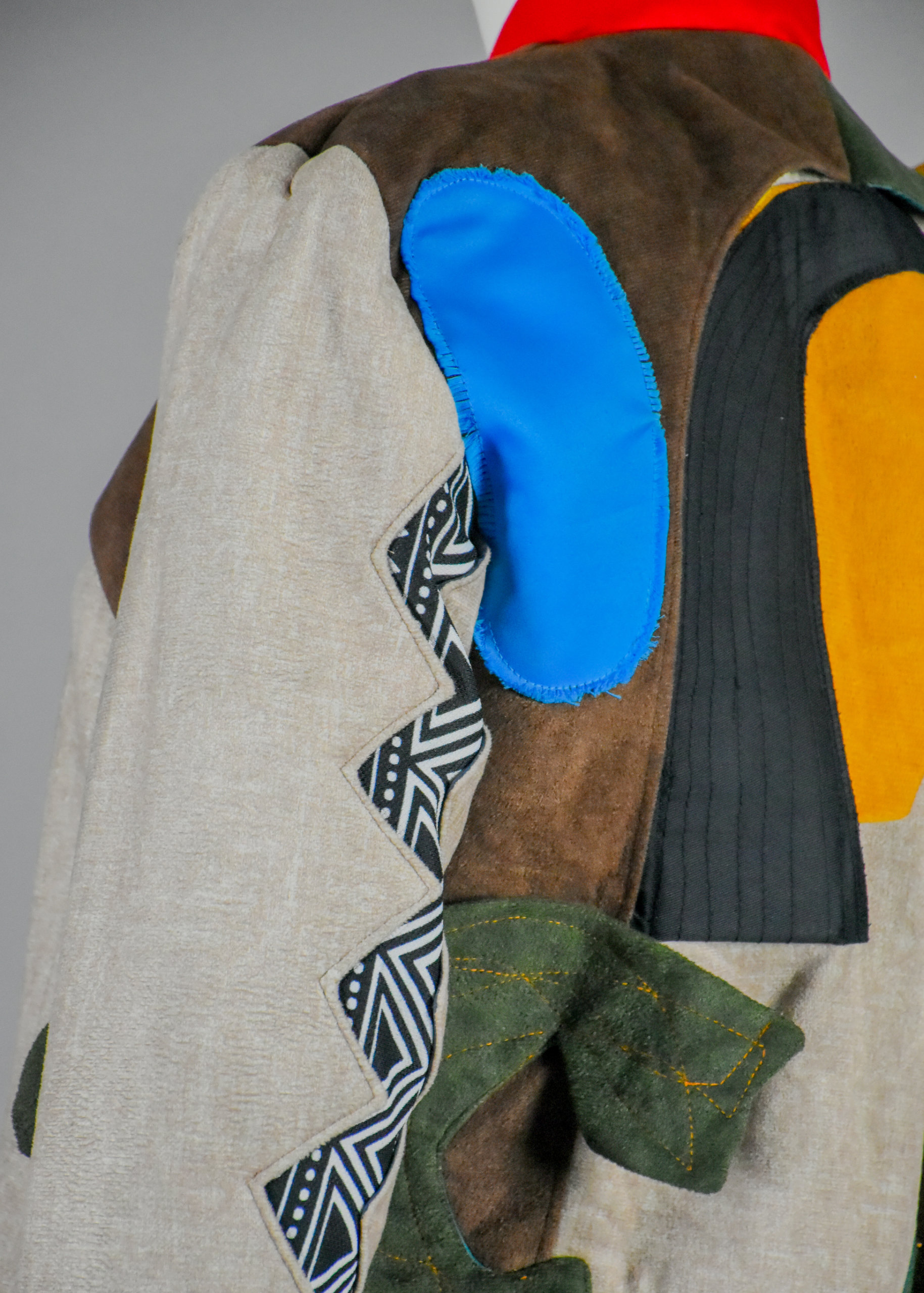
The use of light khaki symbolizes land, memory, and longing for home—a color often associated with journeys and transitional states. The inclusion of a world map and location icons signifies constant movement, uncertainty, and the global scope of migration. A zigzag line on the left sleeve expresses disruption and unpredictability, while the lady’s head represents the strength and dignity of women migrants, who often face heightened risks of violence, HIV infection, and social exclusion.

The iconic red ribbon reaffirms HIV/AIDS awareness, placed strategically to center the garment’s health-focused message. Color contrasts of dark green, black, white, and brown evoke diversity and intersectionality, emphasizing cultural identity and global inclusivity.

This design is not just aesthetic—it is functional and adaptable, promoting dignity and protection. It underscores the urgent need for inclusive healthcare, integrated HIV services, and policy reform to empower migrants to live healthy, connected, and meaningful lives throughout their journeys.

Pacifique Dushimirimana + Paul Dietze

Pacifique Dushimirimana

I am Pacifique, Currently studying Fashion Design at Rwanda Polytechnic Kigali College, I am captivated by the fusion of culture and nature—where rich traditions blend with the effortless beauty of the natural world. I believe fashion is more than style; it’s a powerful language of self-expression and transformation. With an insatiable passion for learning and innovation, I am eager to explore new creative possibilities. My dedication, artistry, and relentless pursuit of growth fuel my vision for a meaningful impact in the fashion industry. I am committed to crafting designs that inspire, empower, and redefine fashion’s role in the world.

Paul Dietze

Our team runs studies of people who use drugs such as SuperMIX, Australia’s largest and longest-running cohort study with people who inject drugs and VMAX, Australia’s only active cohort study of people who smoke methamphetamine. We have worked in areas with established street-based drug markets across Melbourne, Geelong, and regional Victoria. Our outreach-based fieldwork team connects with participants on the street in a mobile study van, or at health and harm reduction services. Participants are recruited and followed up annually, with data collection, blood-borne virus screening, and referrals to care all part of our work. Trust, respect, and long-term relationships are central to our approach, helping create safe spaces where people feel comfortable sharing their experiences. Our multidisciplinary field team brings a diverse range of experience and perspectives to the work. It includes PhD candidates, social workers, nurses, and harm reduction practitioners, all contributing their unique skills to support participants.

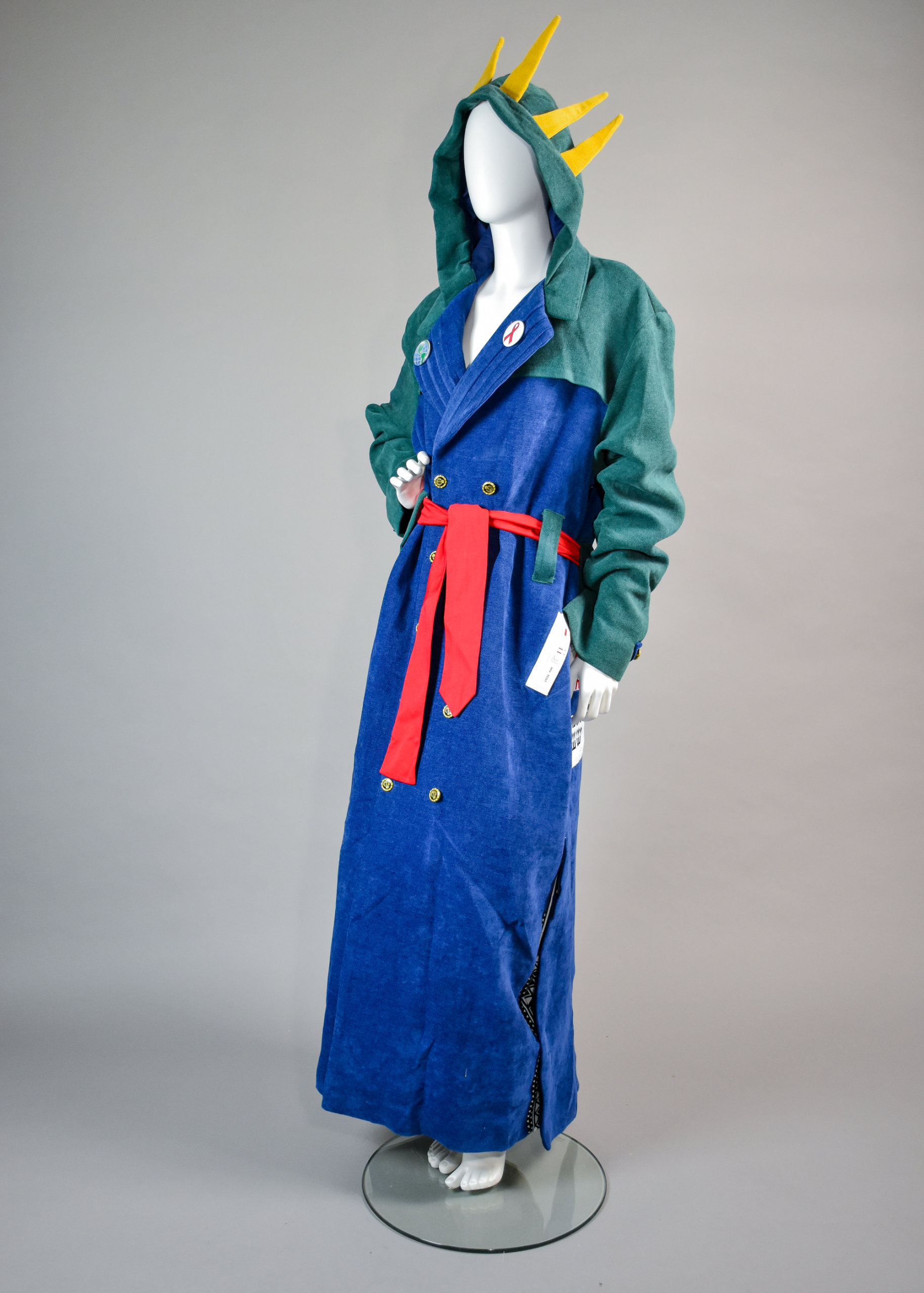
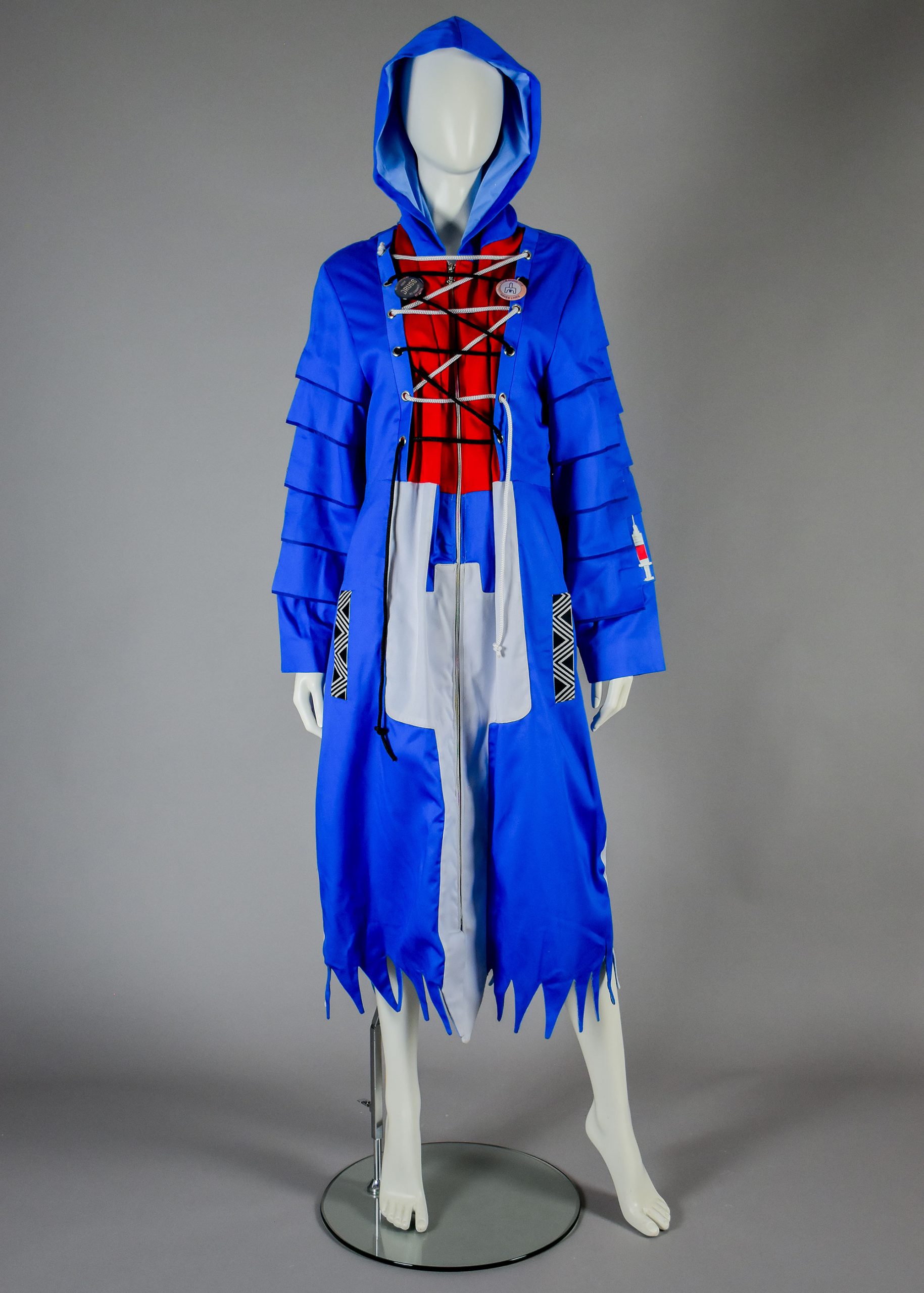
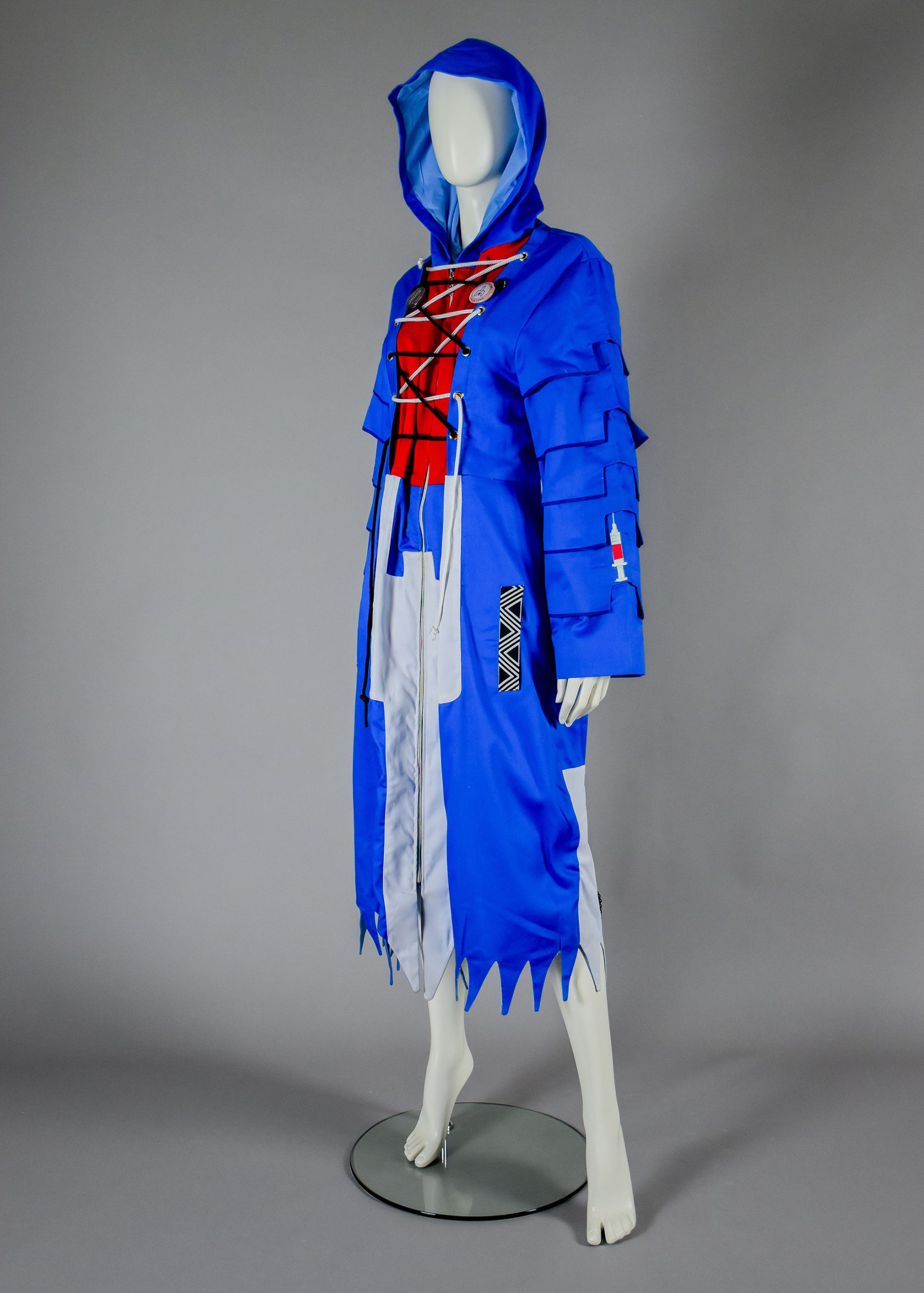
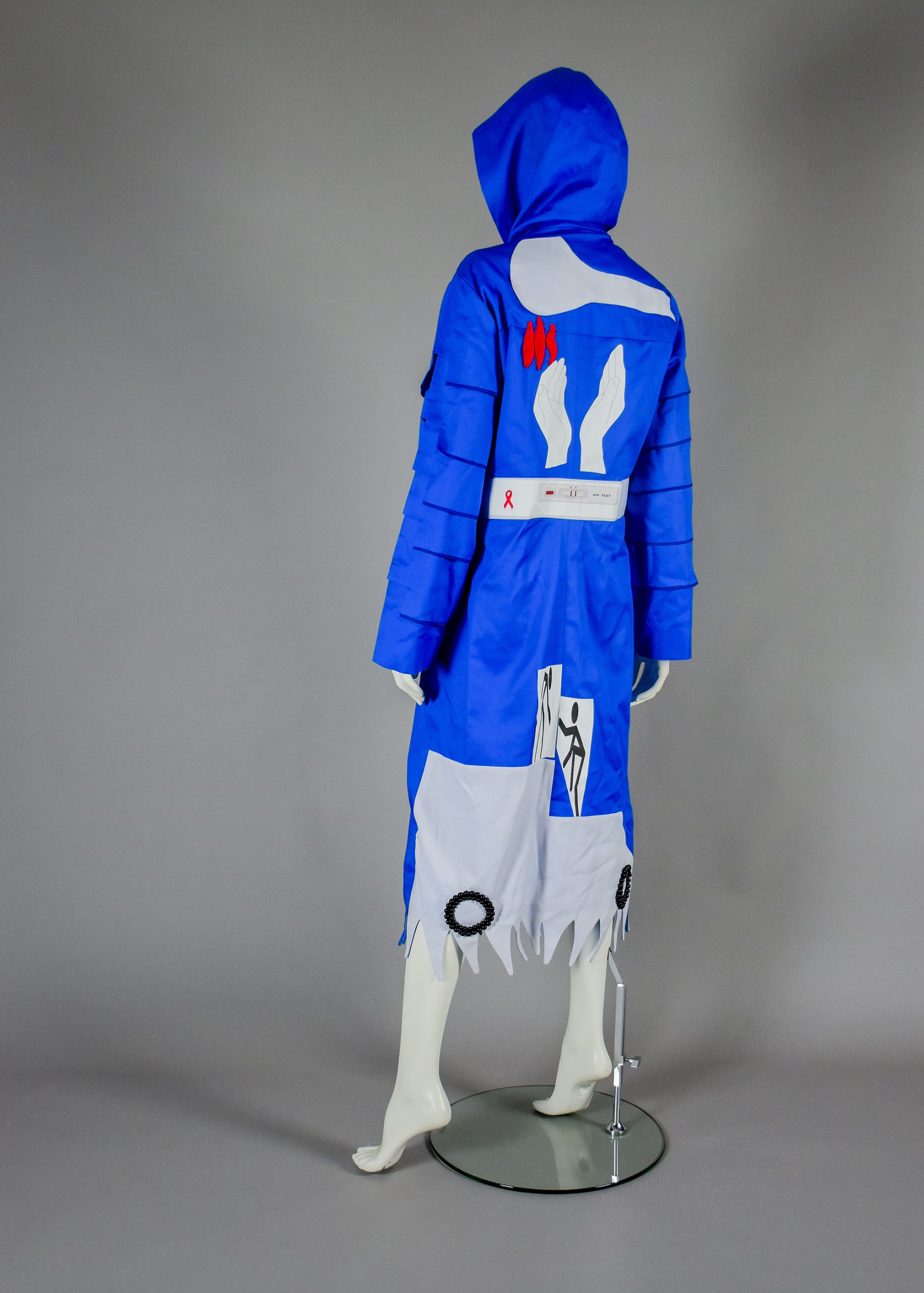
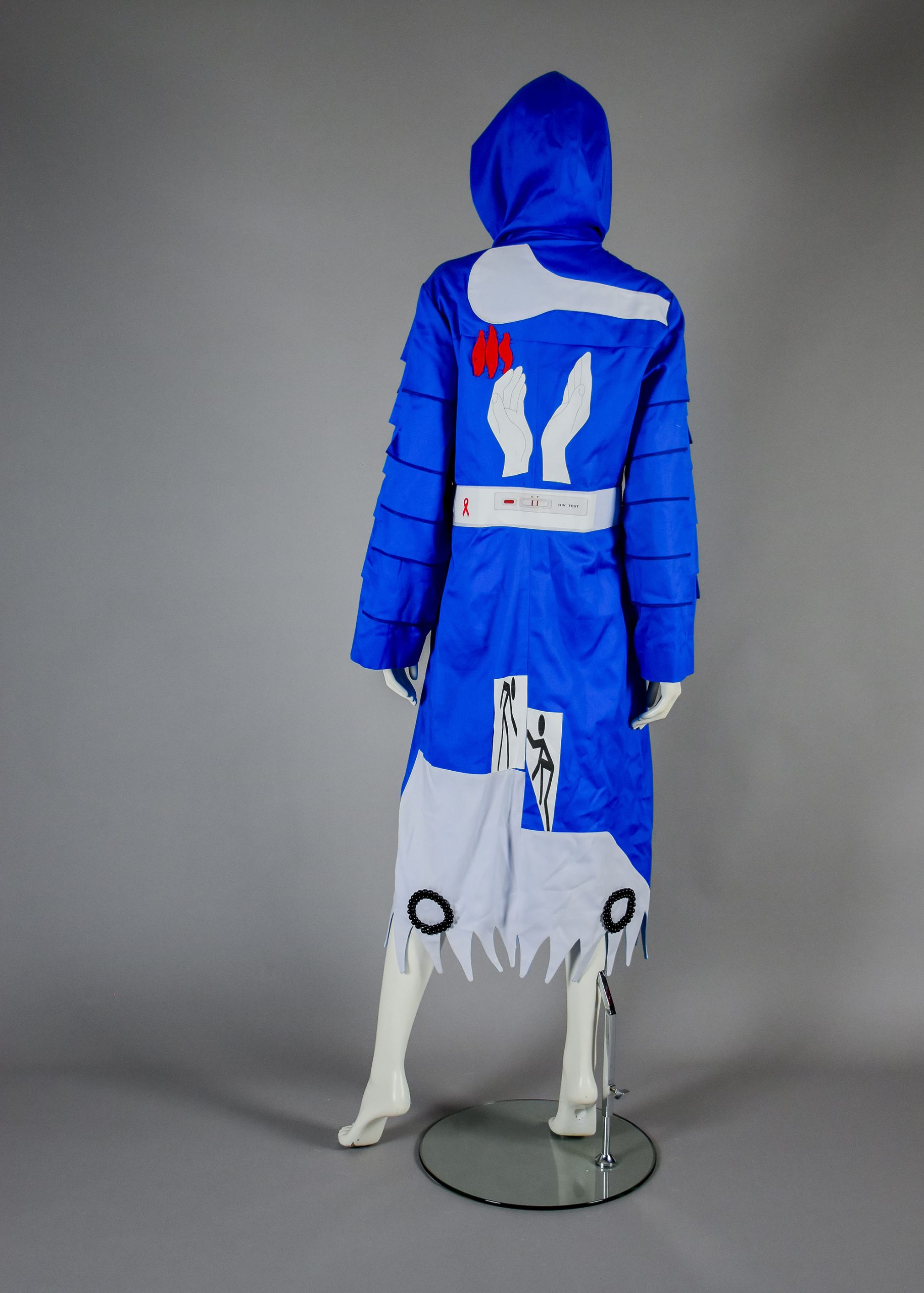
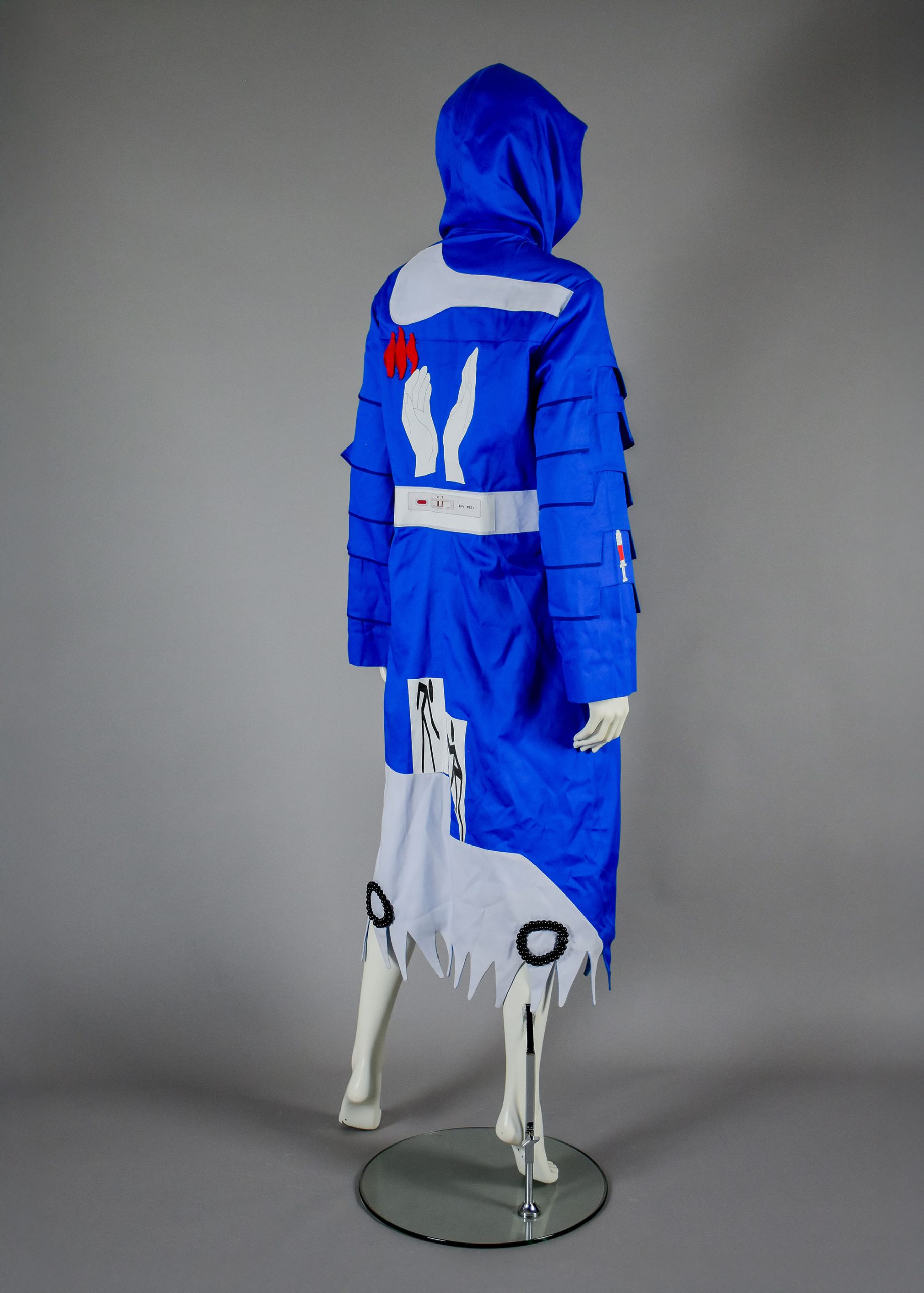
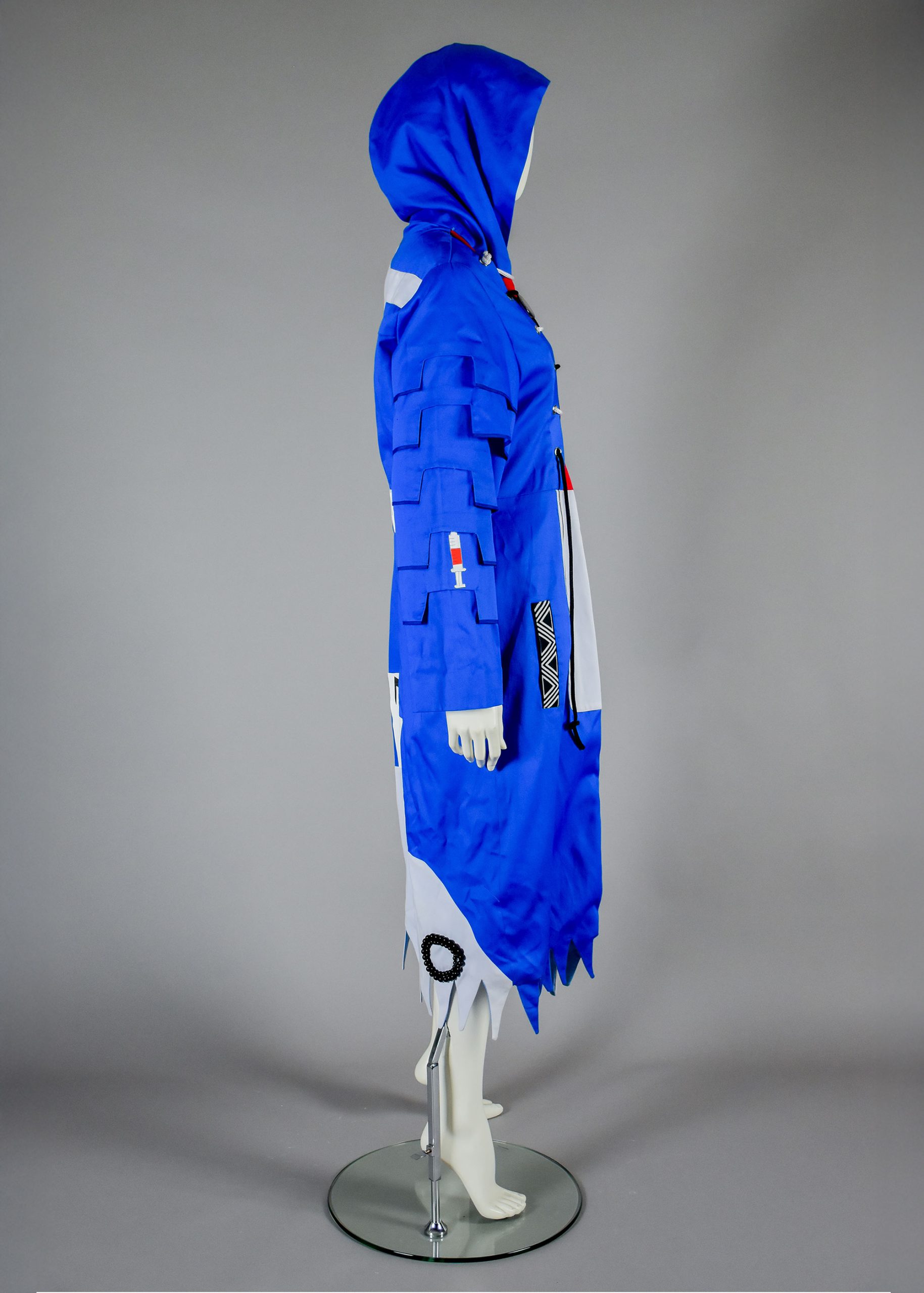
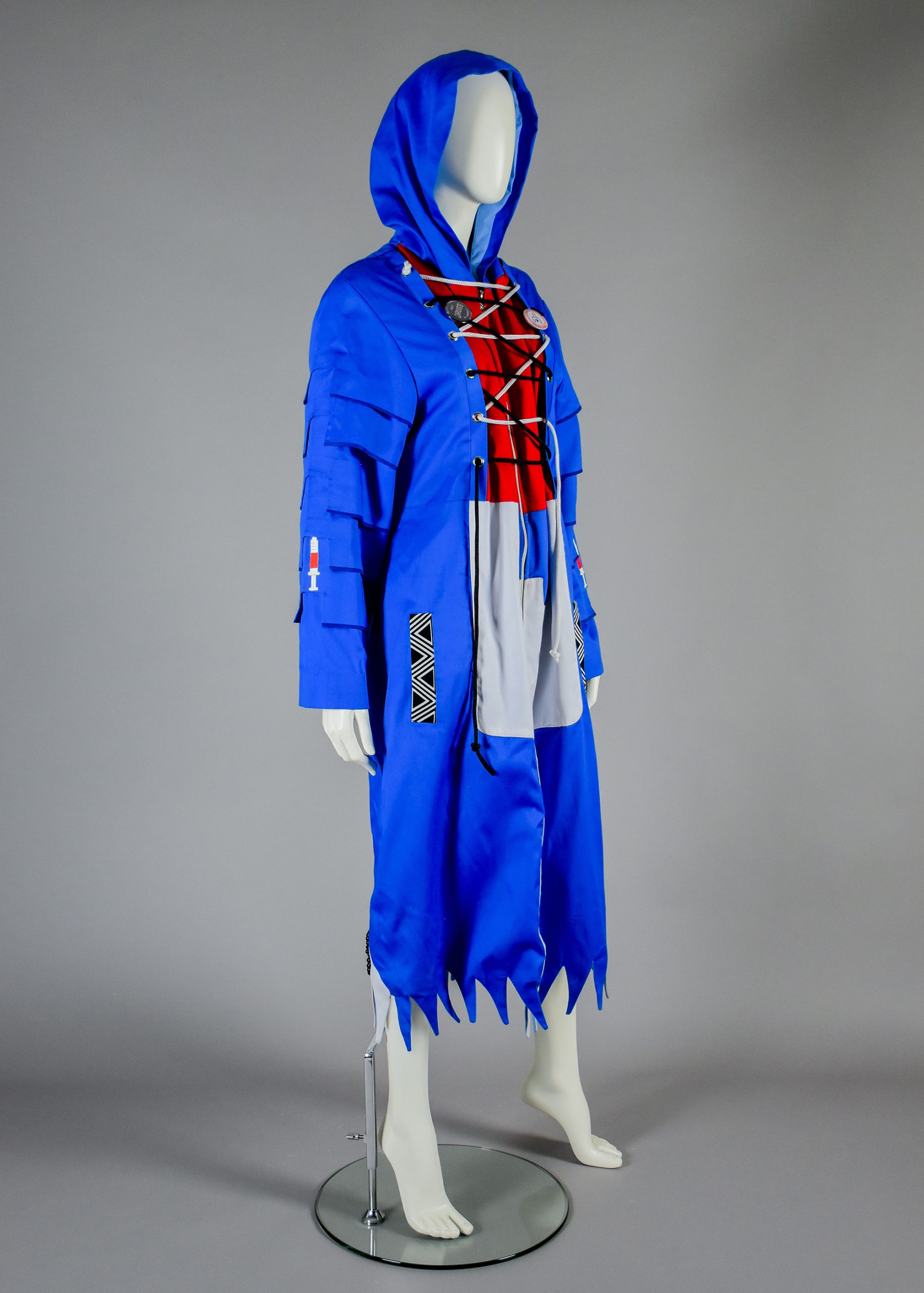
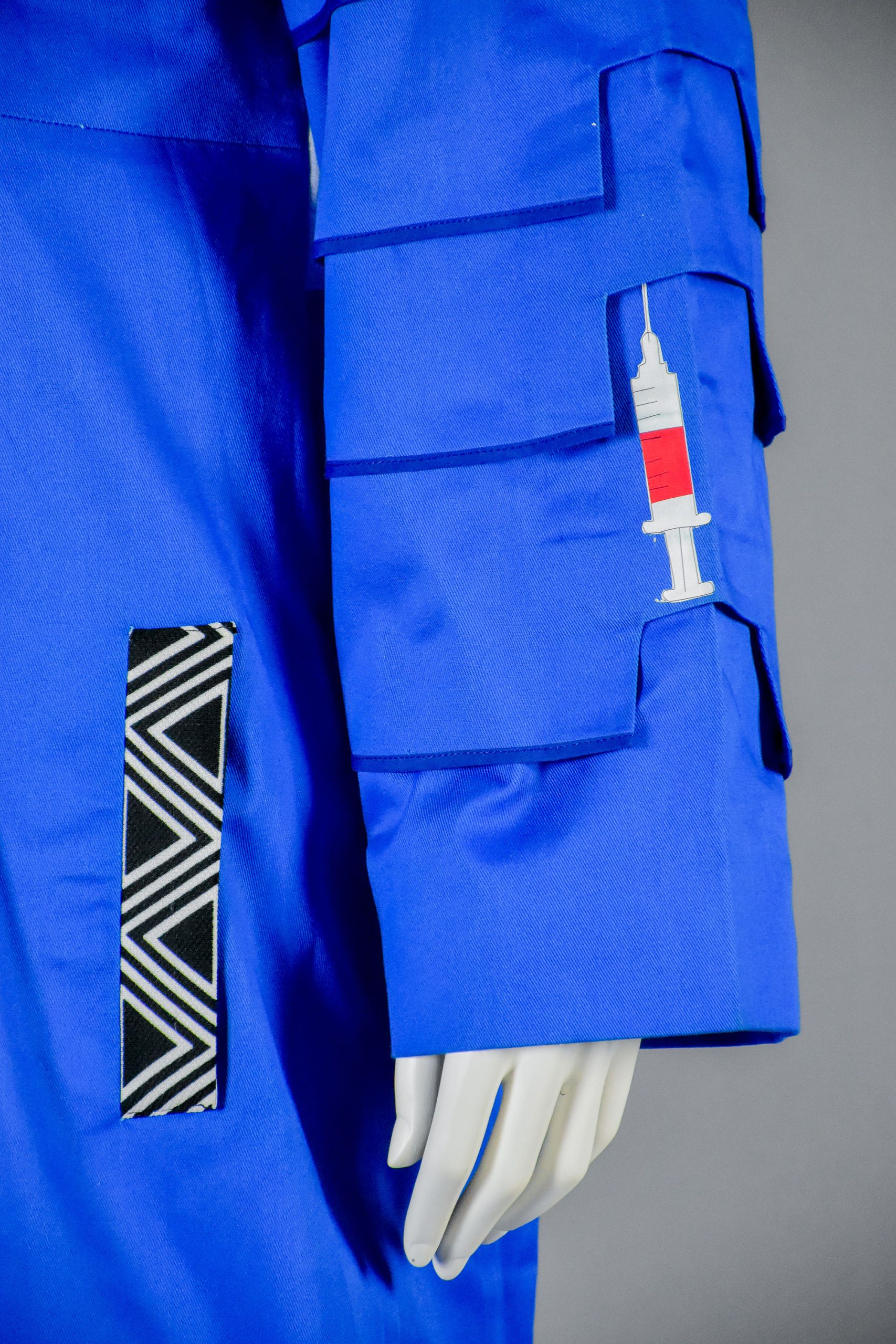
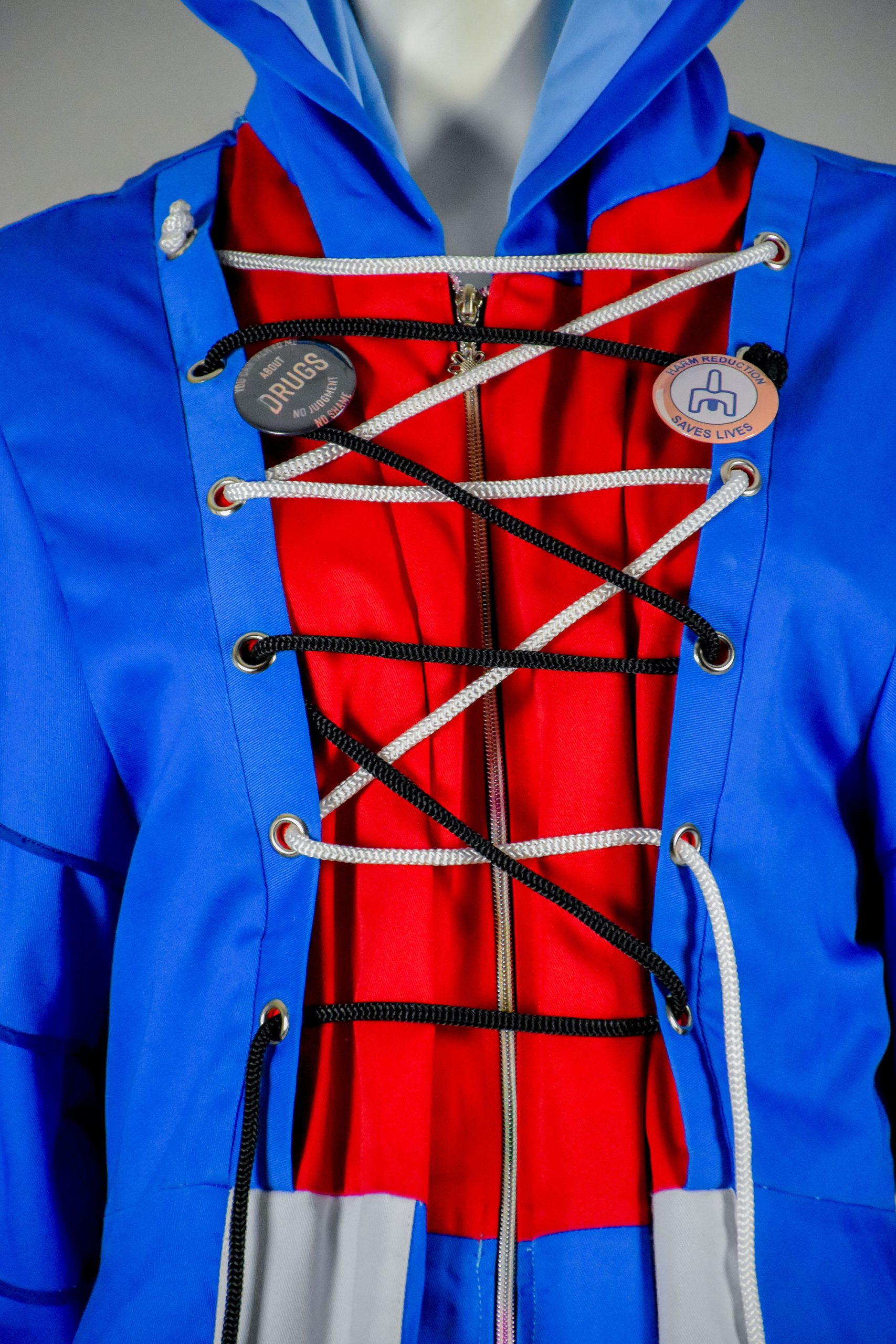
The design is a bold and symbolic garment that brings together artistic expression and public health advocacy, inspired by street-based science, harm reduction practices, and the lived experiences of vulnerable communities. The design tells a visual story of trauma, resilience, and the call for empathy in the fight against HIV and the stigma surrounding drug use.

The Hood & Long Front Zip represents protection and access just like science provides access to solutions, the long zipper invites people to open up to understanding. The Drawstring forms “26” June, the International Day Against Drug Abuse, reminding us that the fight is global. Naloxone Spray reminder us of how reversing overdoses saves lives. The Open Hand is a symbol of peer support everyone, I am here for you, I won’t judge you, lest walk this path together HIV Test Tube (Positive Result).

This highlights the need for awareness and testing even when the truth is hard, it’s better to know Red Ribbon. The universal symbol of HIV awareness, showing solidarity and the fight against stigma. Van with Black Beads as Tires. A powerful storytelling piece a vehicle of hope. The black beads (often linked to mourning or hardship) become wheels that move supported by people helping one another to move forward. It says even pain can carry progress when we lift each other up.

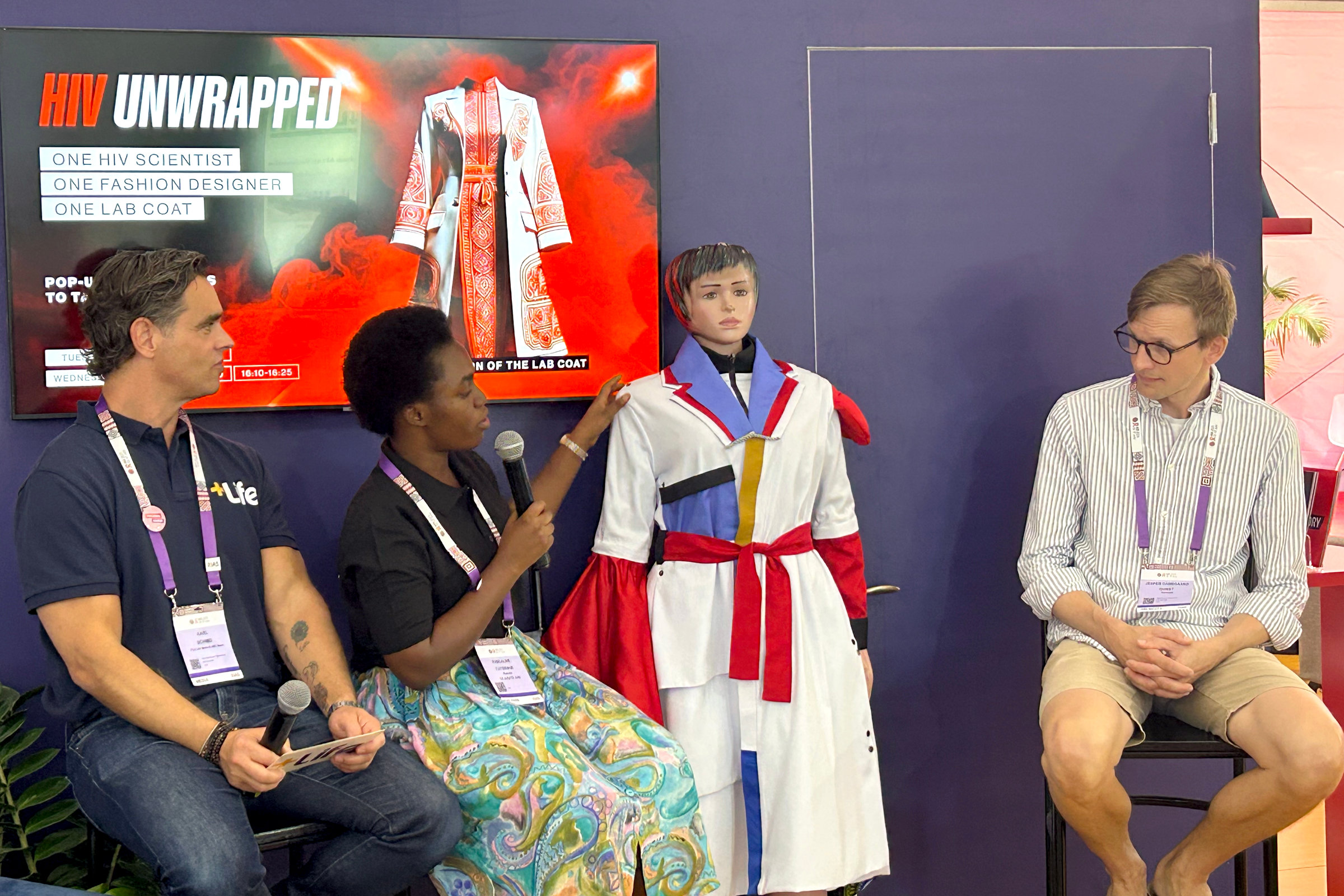
Pascaline Tuyisenge + Jesper Damsgaard Gunst

Pascaline Tuyisenge

I am visionary fashion designer, I am dedicated to creating timeless styles that celebrate individuality. My passion for sustainable and bespoke designs empowers self-expression, emphasizing that fashion should be both beautiful and responsible. Inspired by vibrant cultures and the trans formative power of clothing, I focus on sustainable fashion and innovative textiles. Motivated by the stories behind each piece, I strive to blend functionality with artistic flair. The joy of bringing concepts to life drives me to explore new techniques. My ultimate goal is to advocate for eco-friendly practices while making a meaningful impact in the fashion industry. Through continuous learning and growth, I aim to deliver excellence and confidence in every creation.

Jesper Damsgaard Gunst

Jesper D. Gunst, MD, PhD, associate professor primarily works on clinical trials regarding chronic infections such as HIV-1 and hepatitis B virus. His work is translational with a focus on monoclonal antibodies against chronic infections. The work is done within the hospital setting of Aarhus University Hospital, Denmark but also together with national and international collaborators. Jesper is also part of the European AIDS Clinical Society (EACS) Young Investigators (YING) as well as the EU2Cure consortium. He supervises both bachelors, master’s and PhD students at Aarhus University, Denmark.

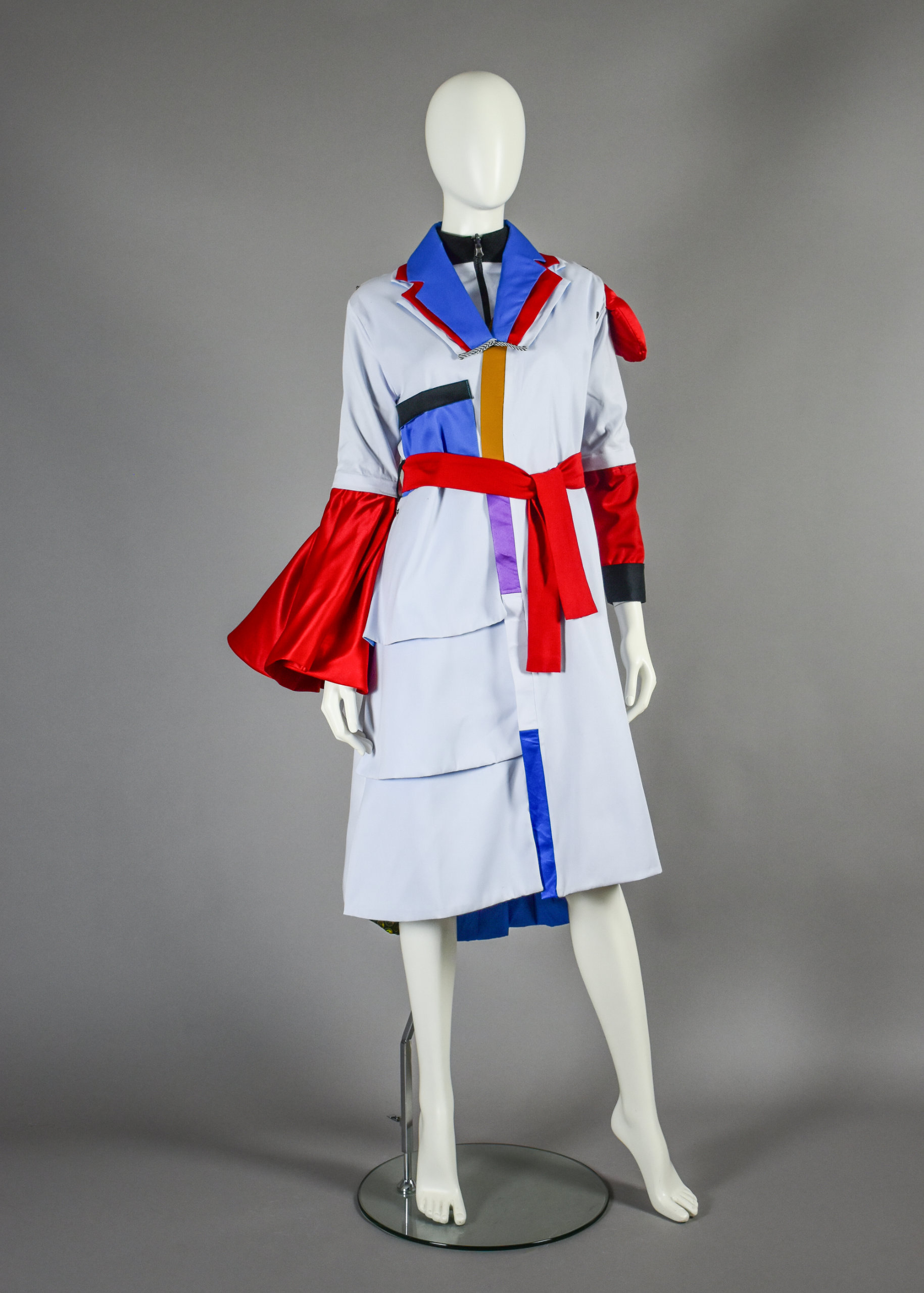
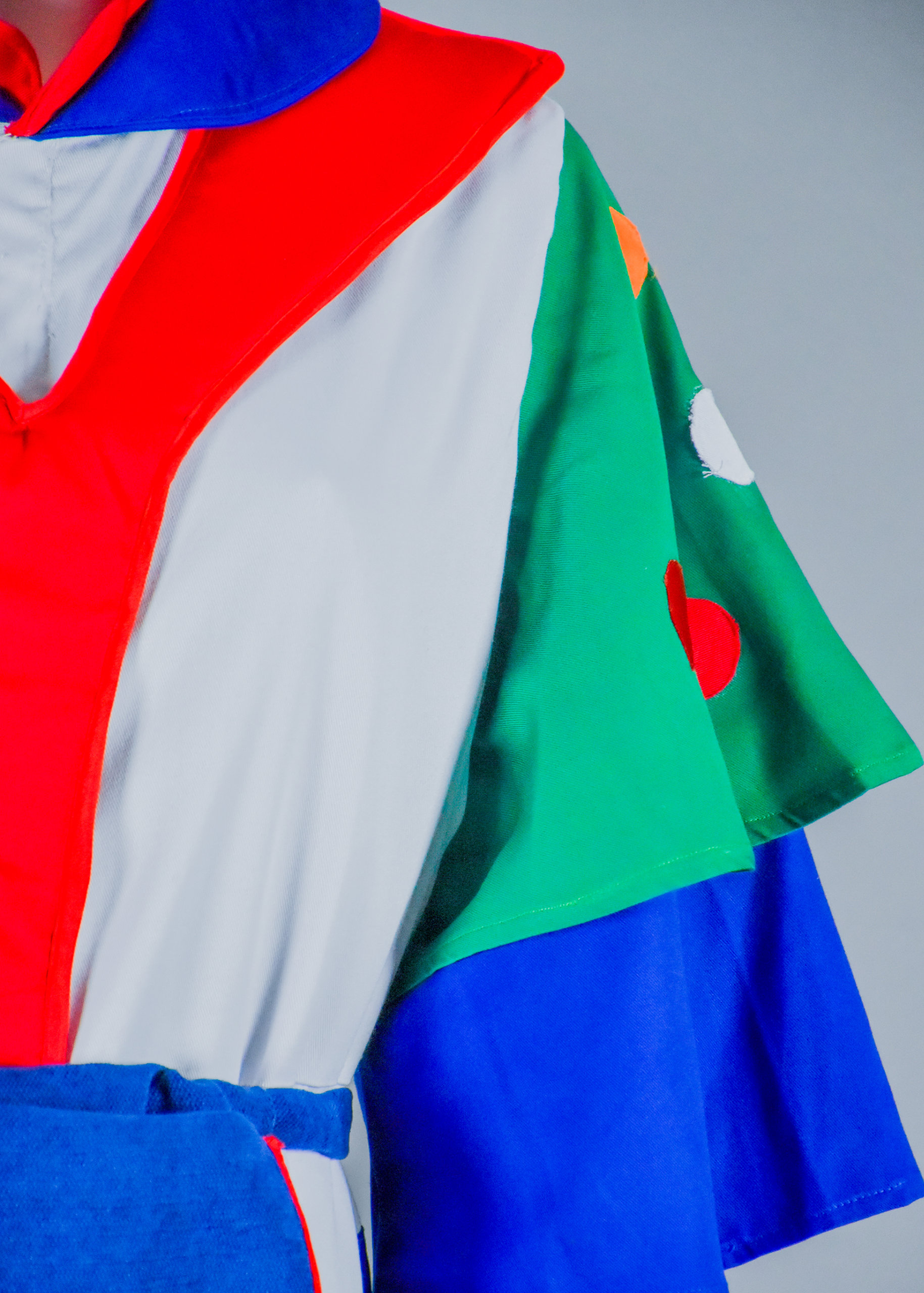
The lab coat was created in collaboration with scientist Jesper, transforming cutting-edge HIV research into a striking visual narrative. Rooted in the theme “The Hidden Transformation of HIV,” the garment symbolizes how the virus mutates, hides, and evades the immune system after entering the human body. The design powerfully blends fashion and science to raise awareness and encourage continued dialogue on HIV prevention and research.
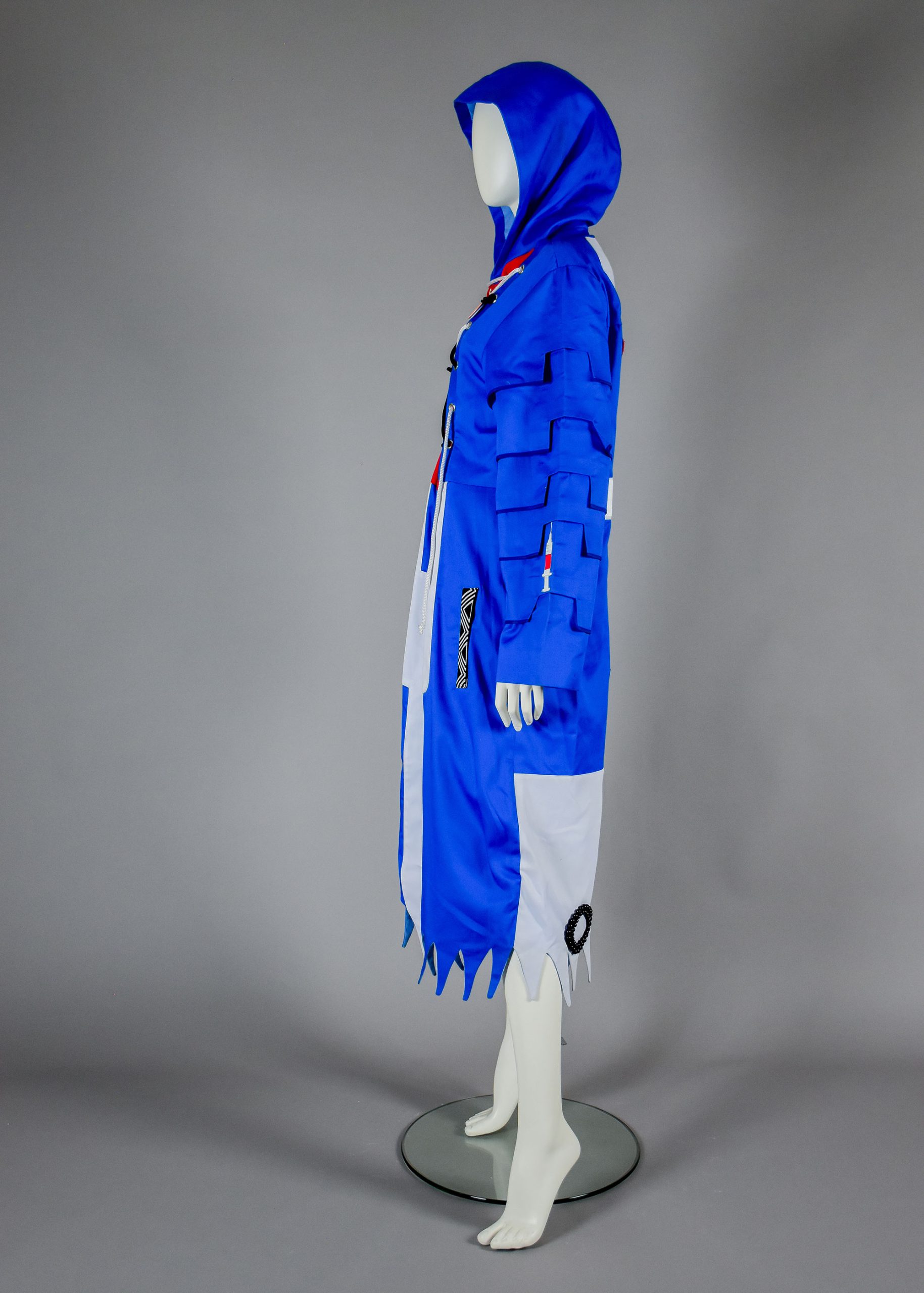
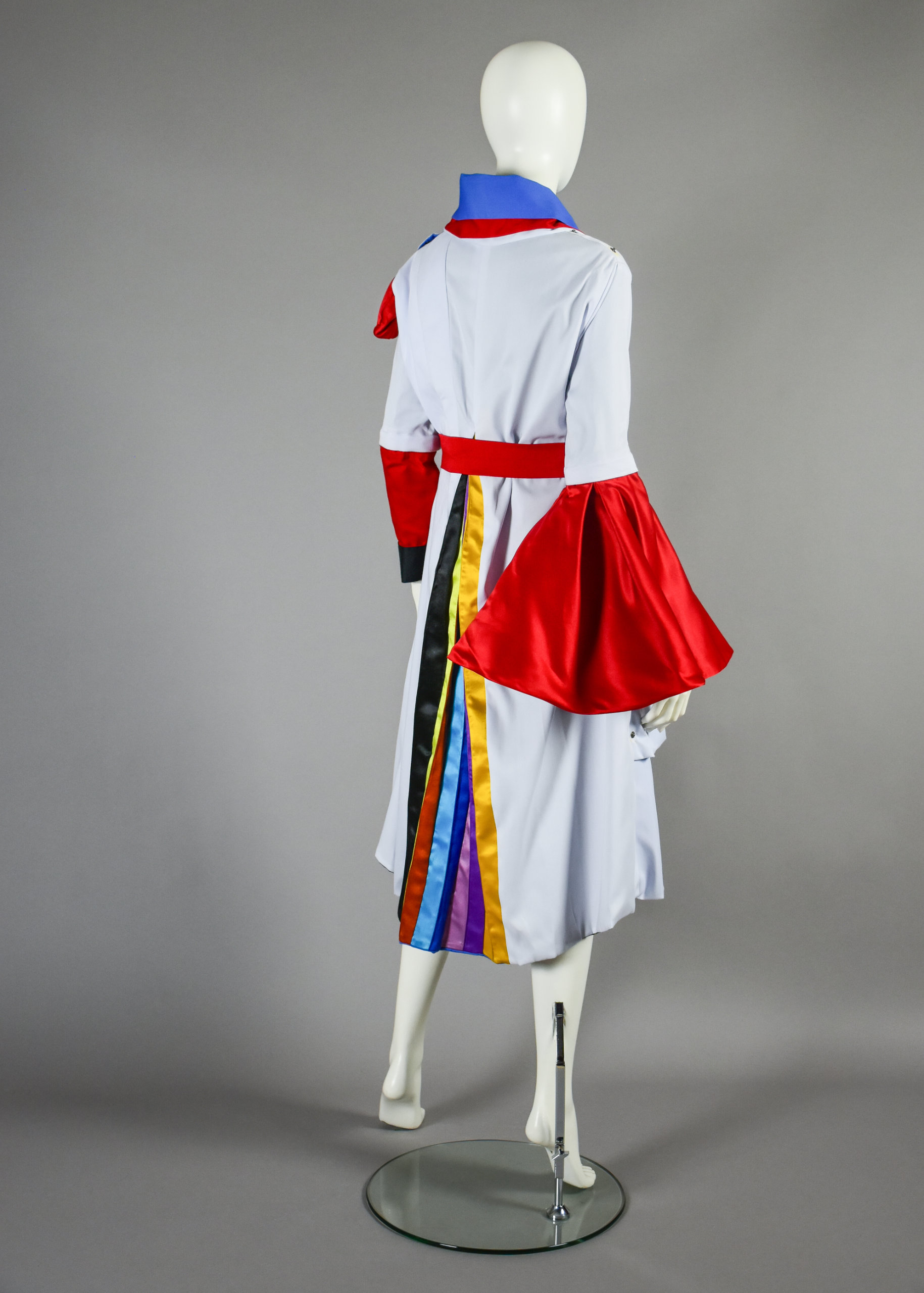
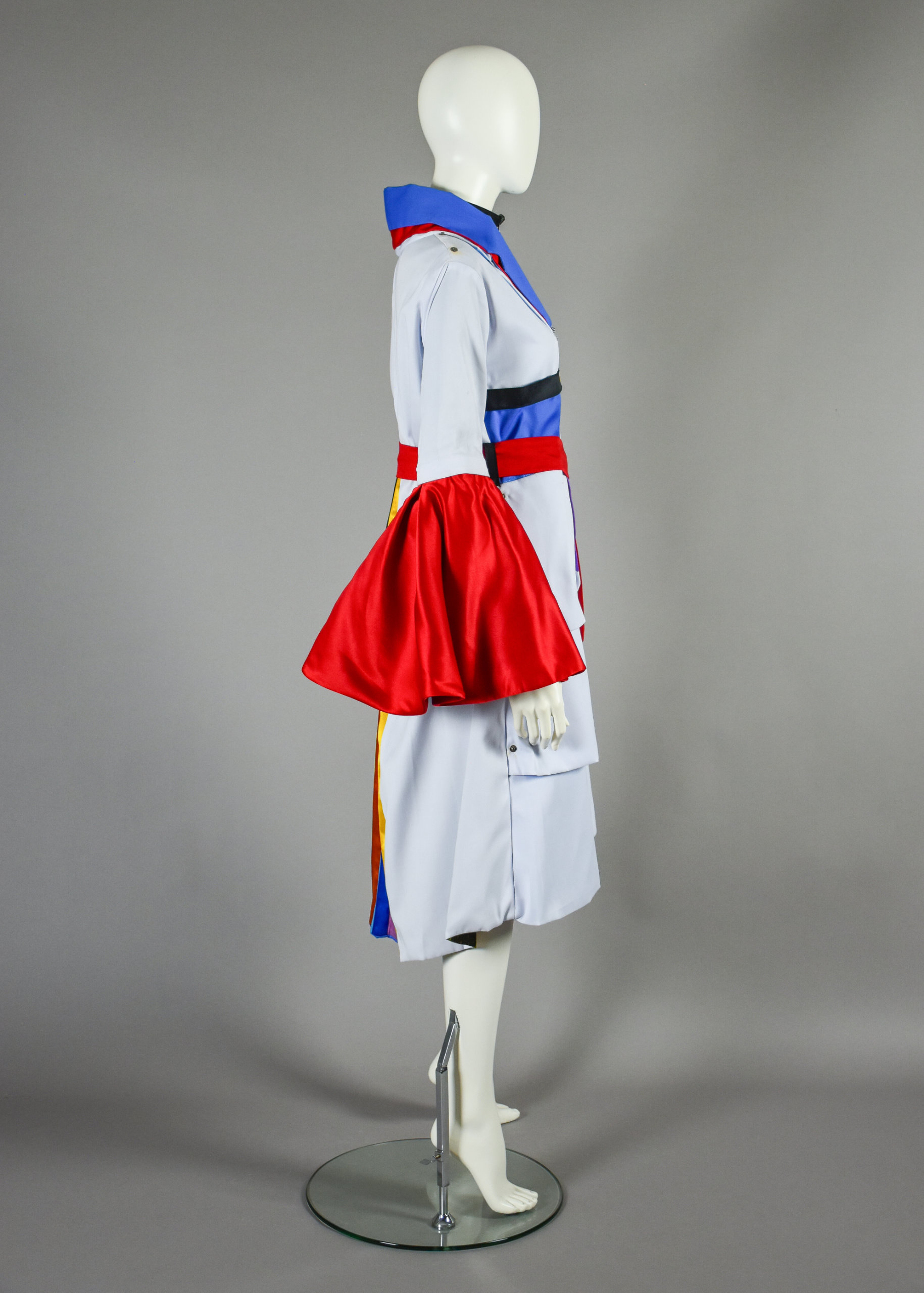
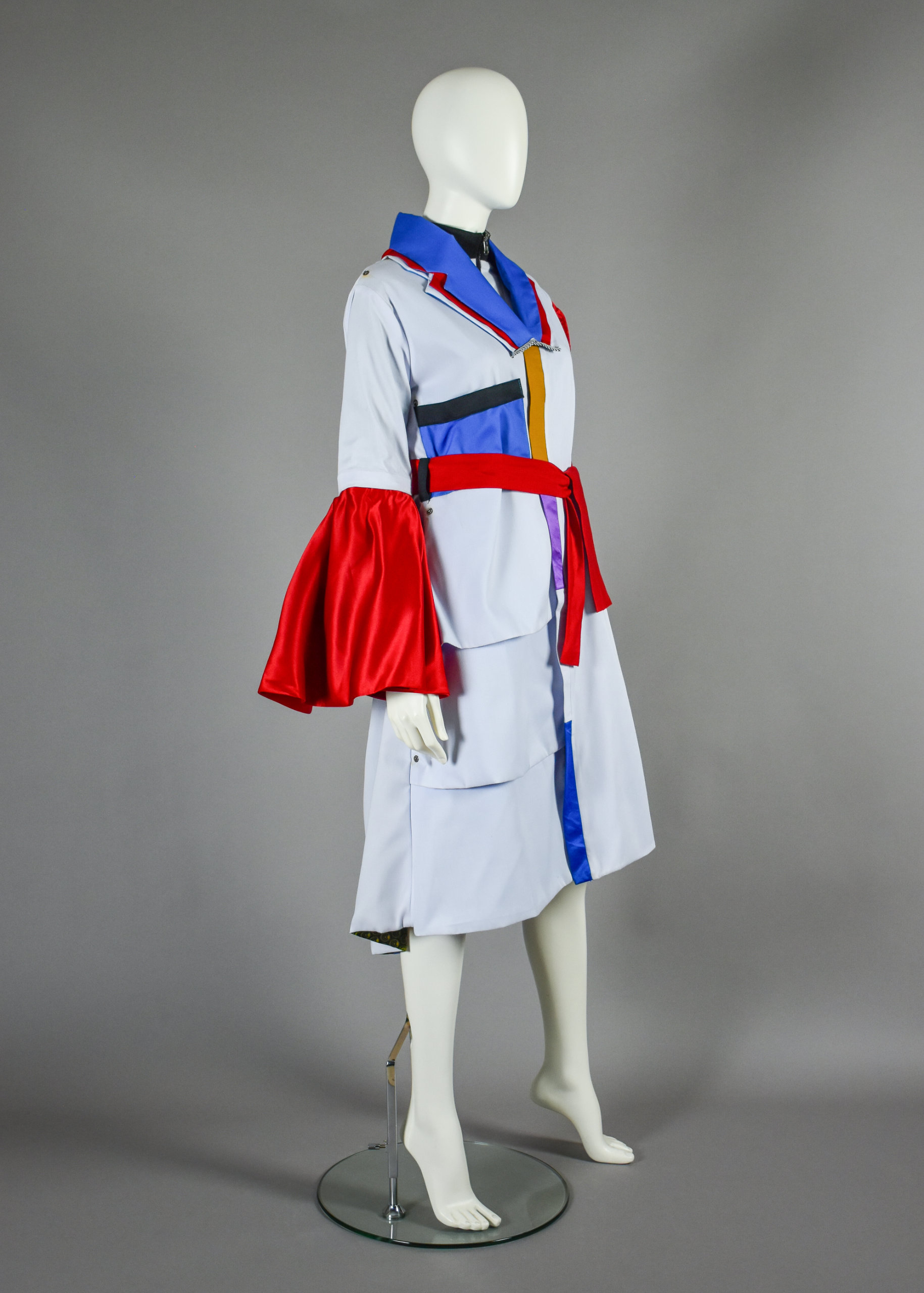
The garment features a collar that marks the entry point of the virus—highlighting human vulnerability but also the beginning of immune defense. Flared sleeves represent the virus’s reach and adaptability, mimicking how HIV spreads and morphs within the body. The red ribbon waistband symbolizes HIV awareness, with its color and form evolving to reflect the virus’s shifting identity and the challenge of immune recognition.

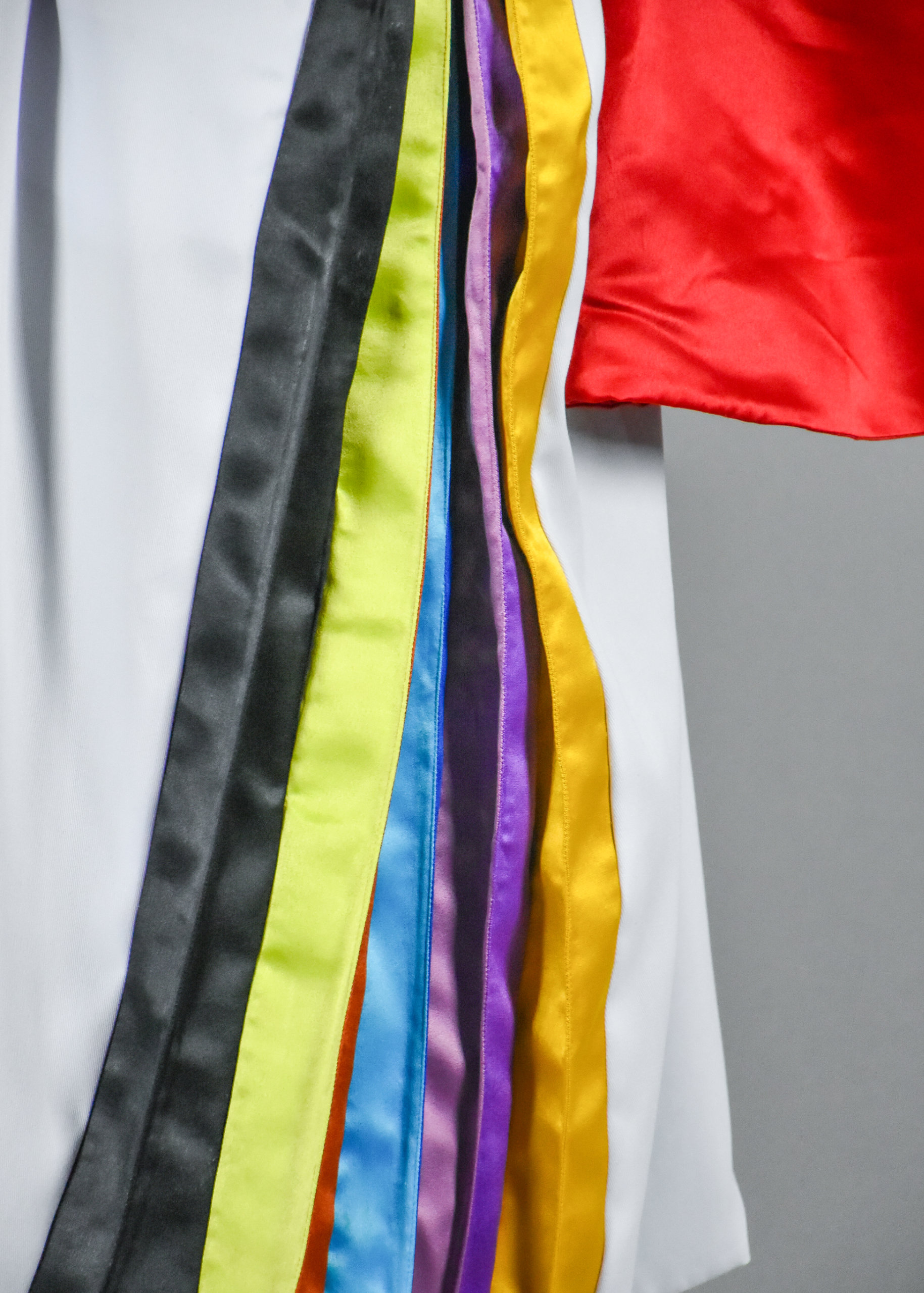
Black press studs are strategically scattered across the design to indicate immune “checkpoints,” visualizing the body’s effort to pause or block the virus. A multicolored DNA strand in the back pleat echoes the virus’s genetic complexity, while a bold red shoulder pad represents the immune system’s active protection.

This garment is more than aesthetic—it is an educational tool. By translating scientific concepts into wearable art, Pascaline’s design invites viewers to better understand the complex nature of HIV, its impact on the body, and the urgent need for continued research and support.

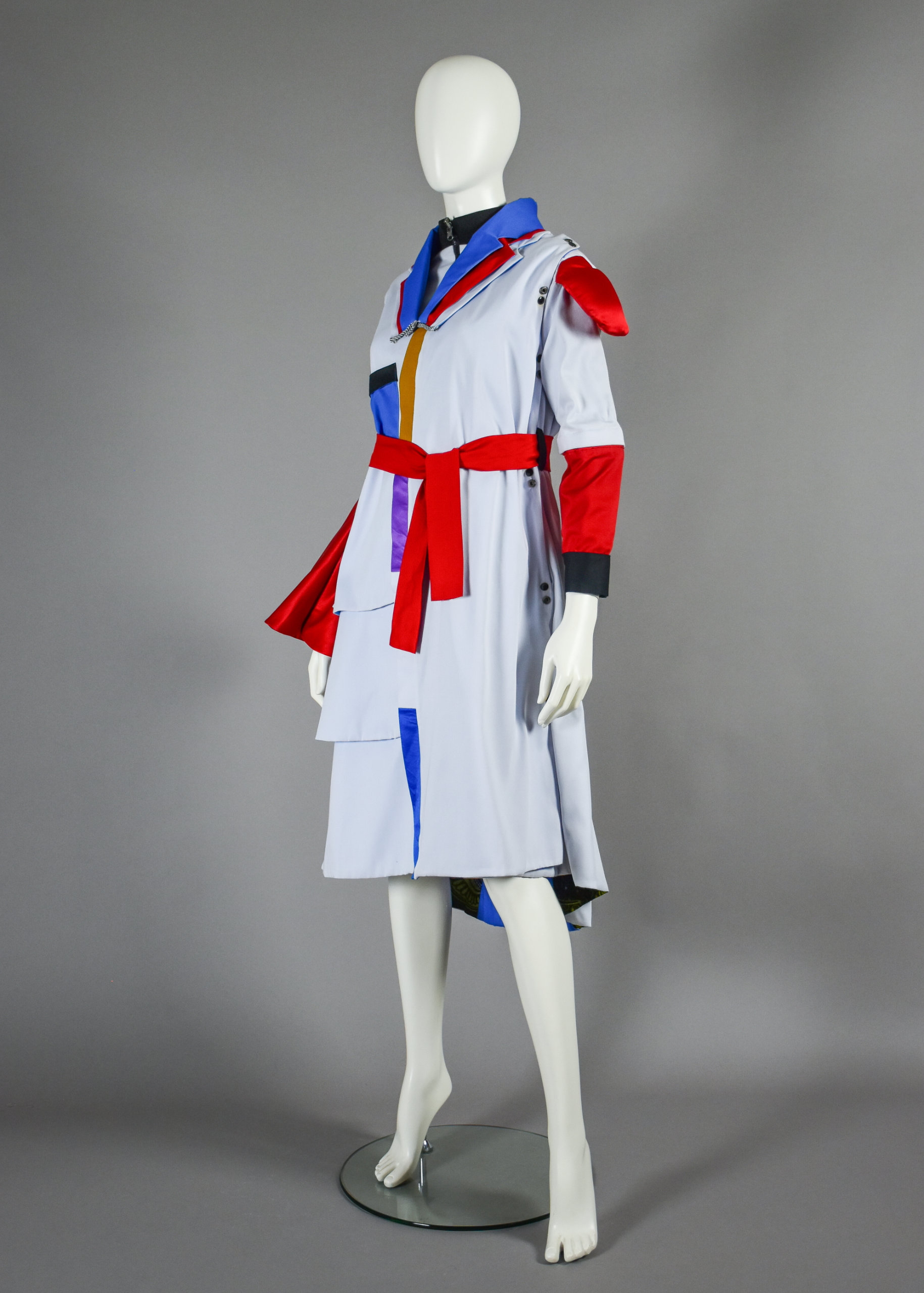
Sangano Vivens + Alinane Linda Nyondo-Mipando

Sangano Vivens

As a fashion designer, I draw inspiration from the intersection of traditional craftsmanship and innovative techniques. The textures of nature, urban landscapes, and diverse cultural influences all inform my creative process. Fashion is a powerful tool for self-expression, allowing individuals to convey their unique identities and passions. I specialize in garment construction, pattern making, and fashion illustration, with a keen eye for detail. Inclusivity is at the heart of my design philosophy. I create garments that cater to diverse body types, backgrounds, and styles, celebrating individuality and promoting confidence. My mission is to craft timeless, empowering fashion that fosters a positive impact on society. Through my designs, I aim to provide a sense of personal confidence and hope, inspiring individuals to express themselves authentically.

Alinane Linda Nyondo-Mipando

Linda Nyondo-Mipando is a registered nurse midwife and an Associate Professor of Health Systems and Policy at the Kamuzu University of Health Sciences in Malawi. Her research interests are in health systems and implementation science research with a focus on health service delivery, including quality management. She is keen on redesigning health services with end-users, healthcare workers and policy makers. Her areas of interest are HIV and AIDS across different populations, malaria, and maternal and newborn health.

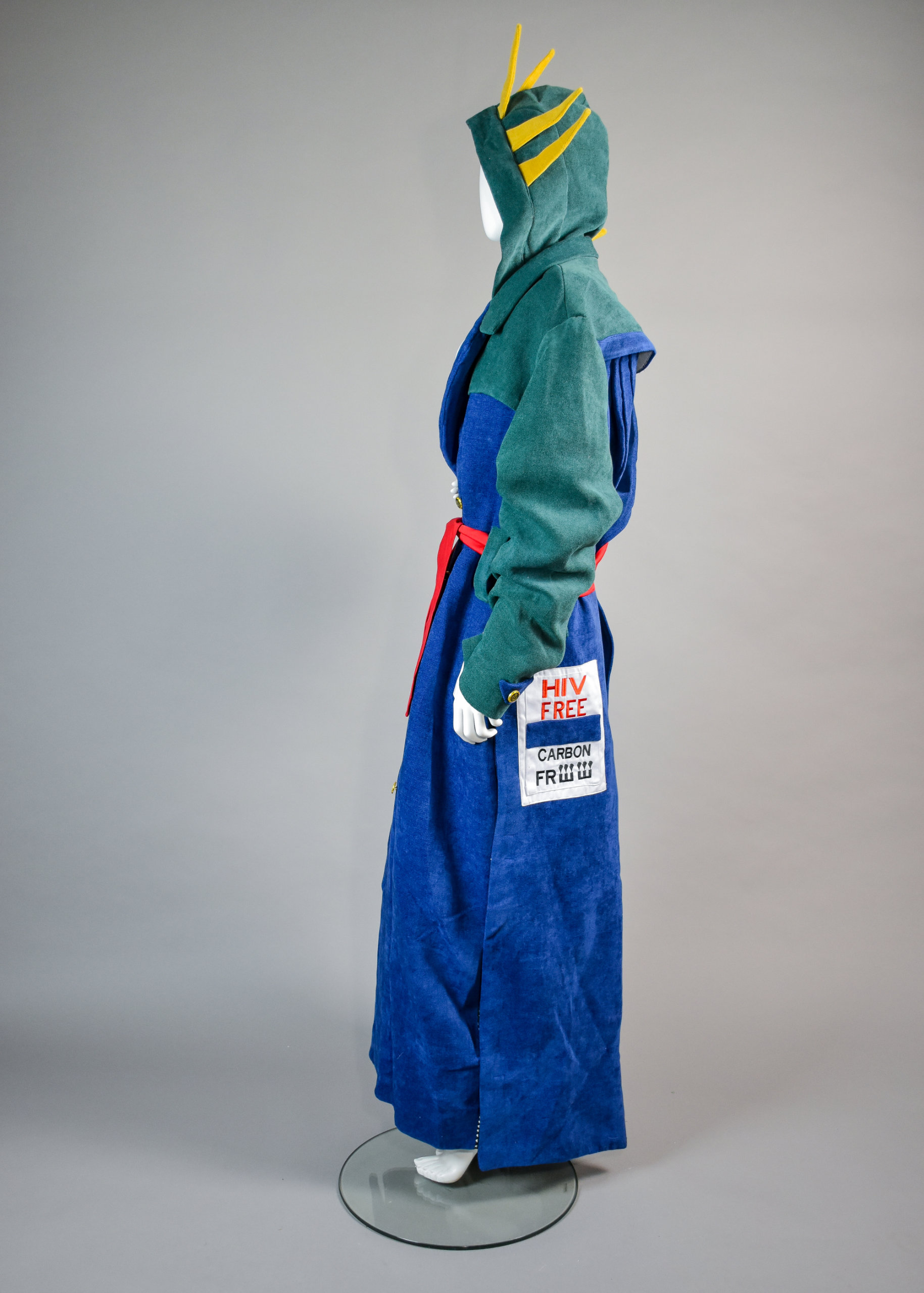
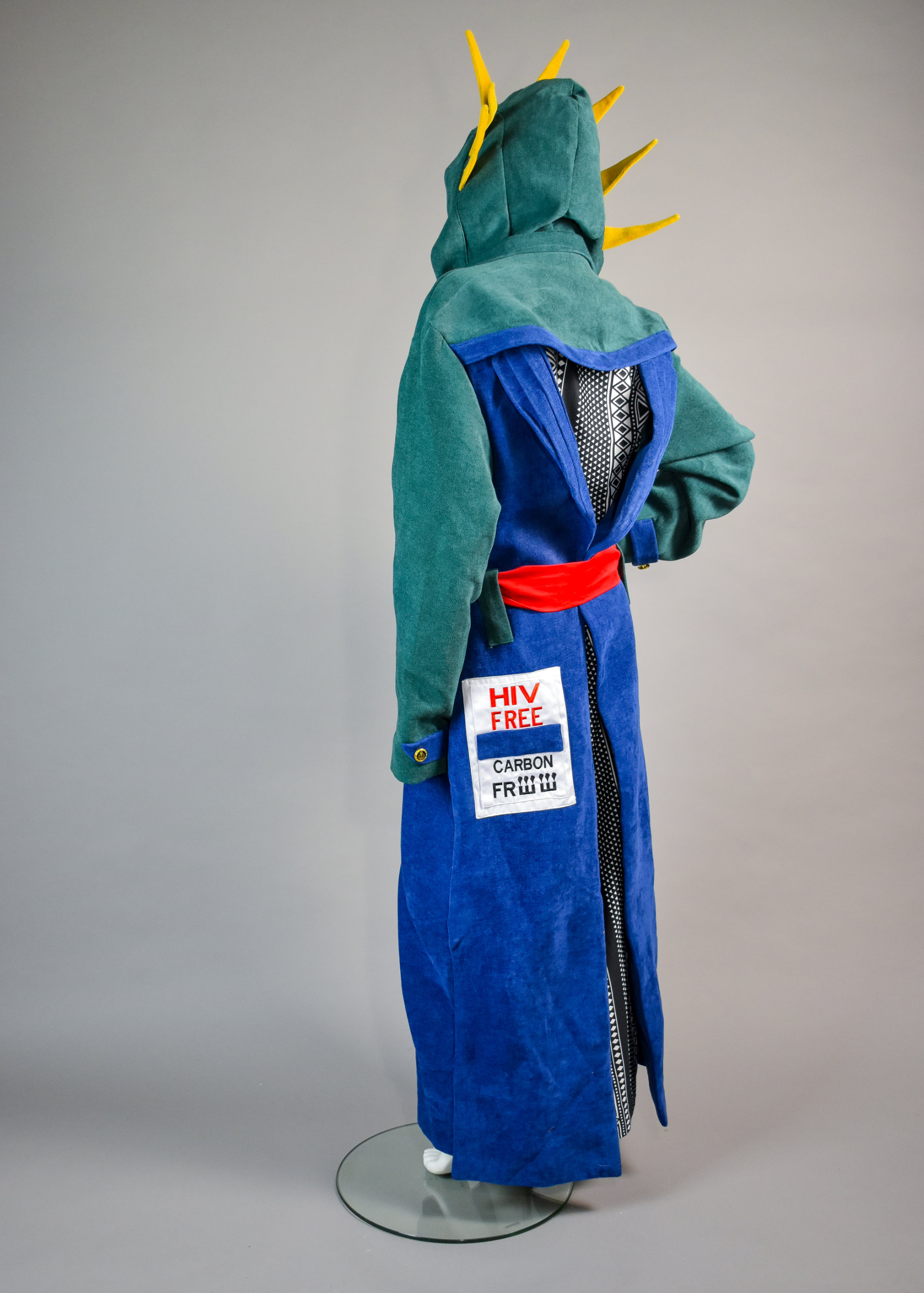
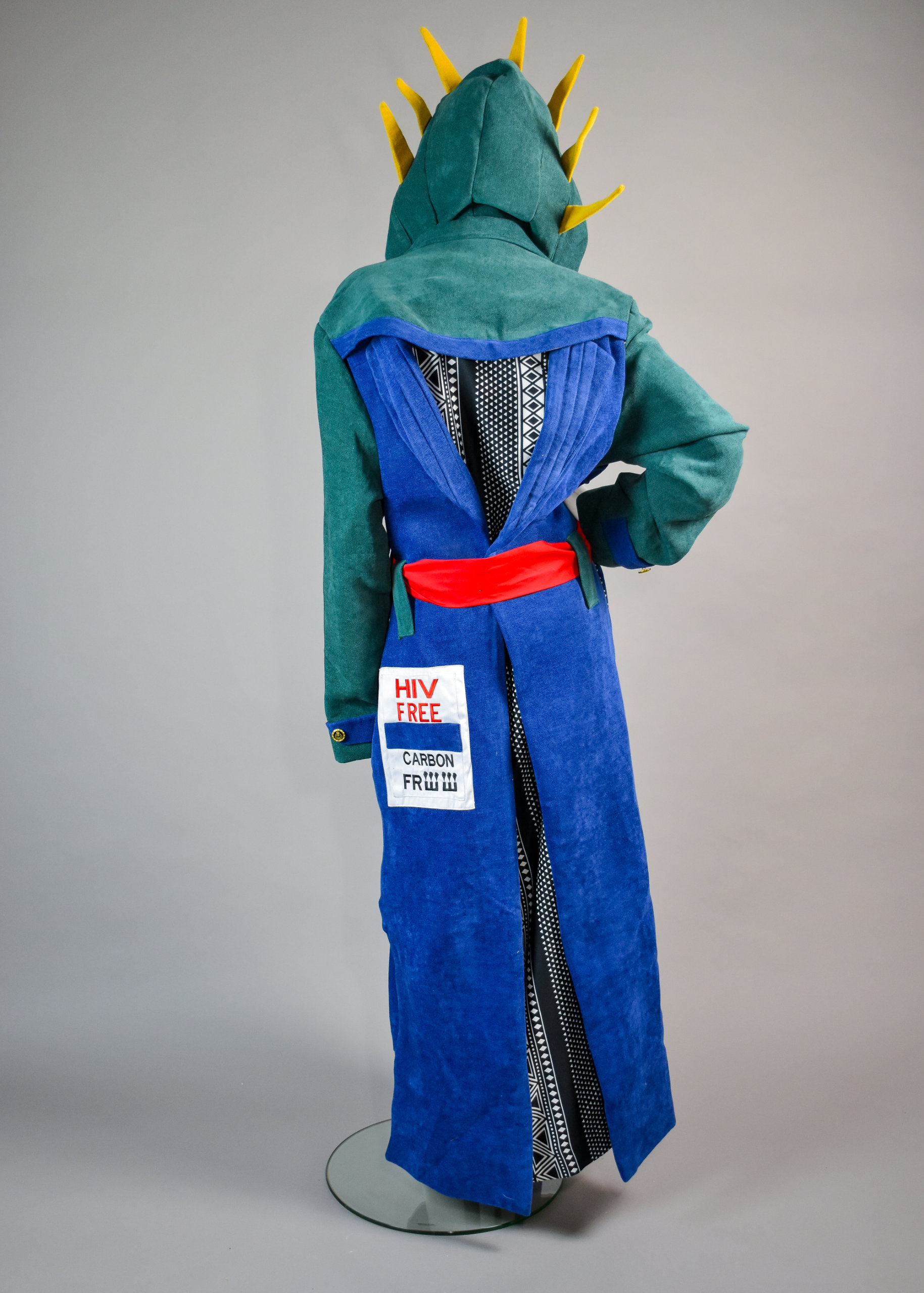
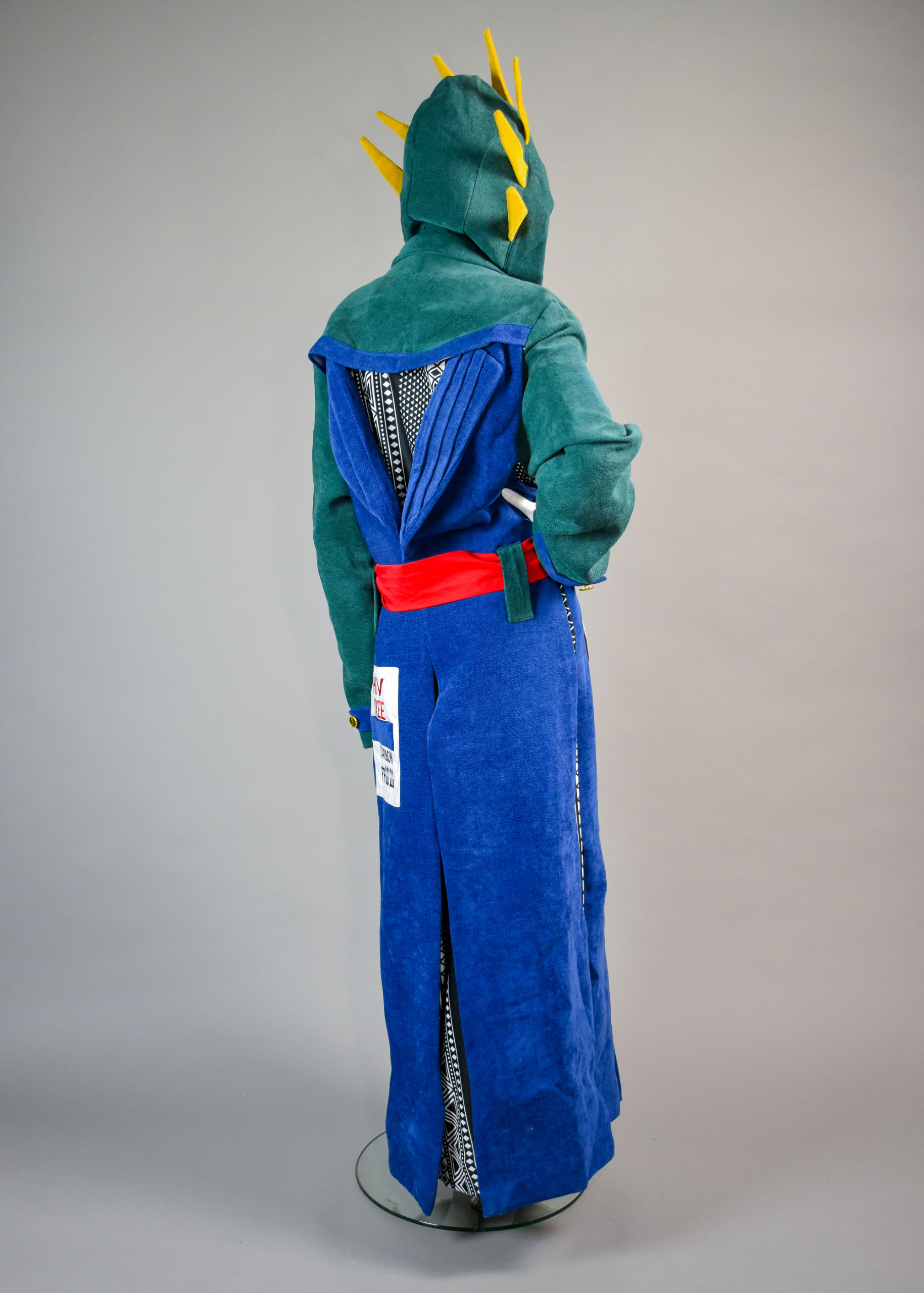
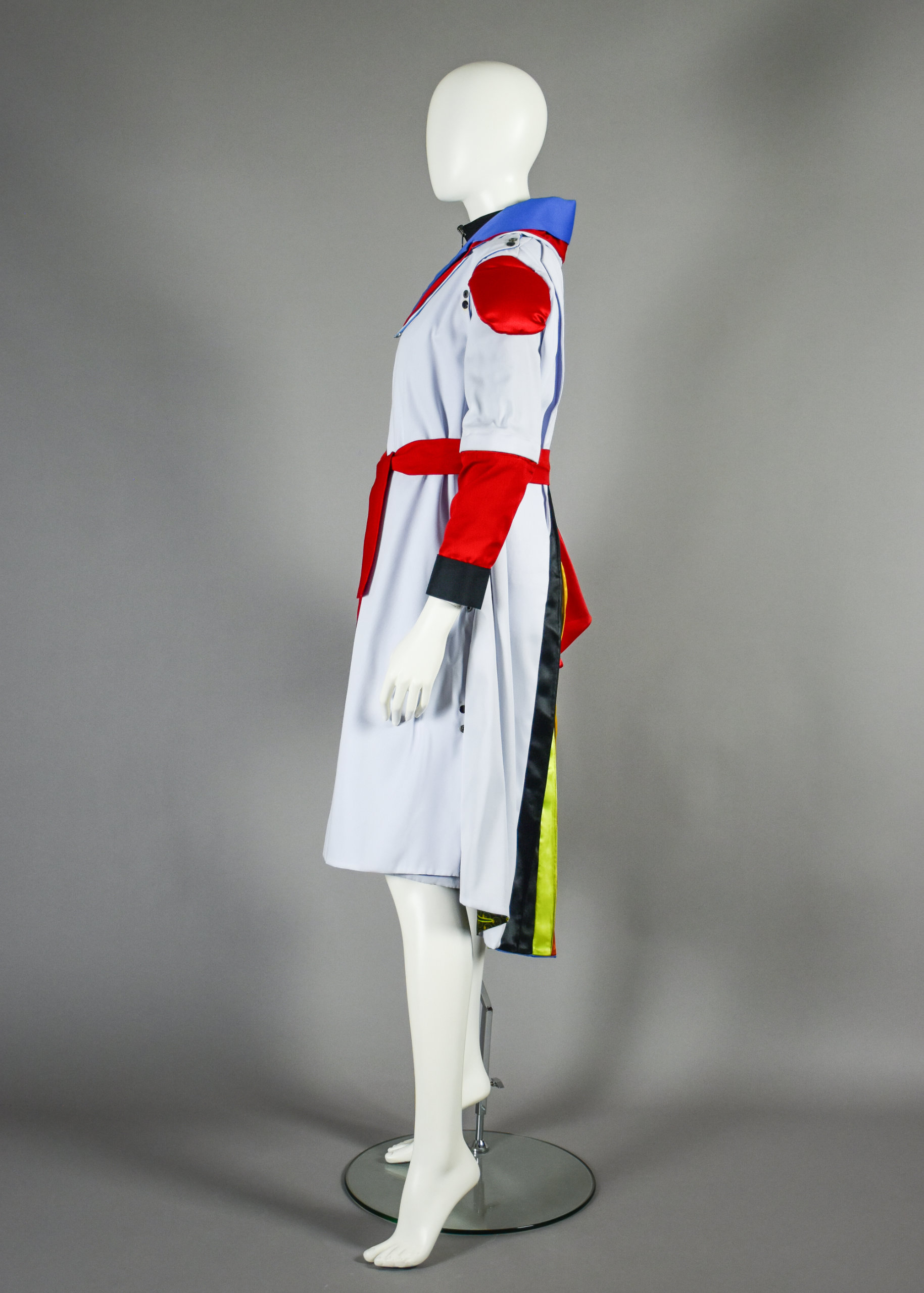
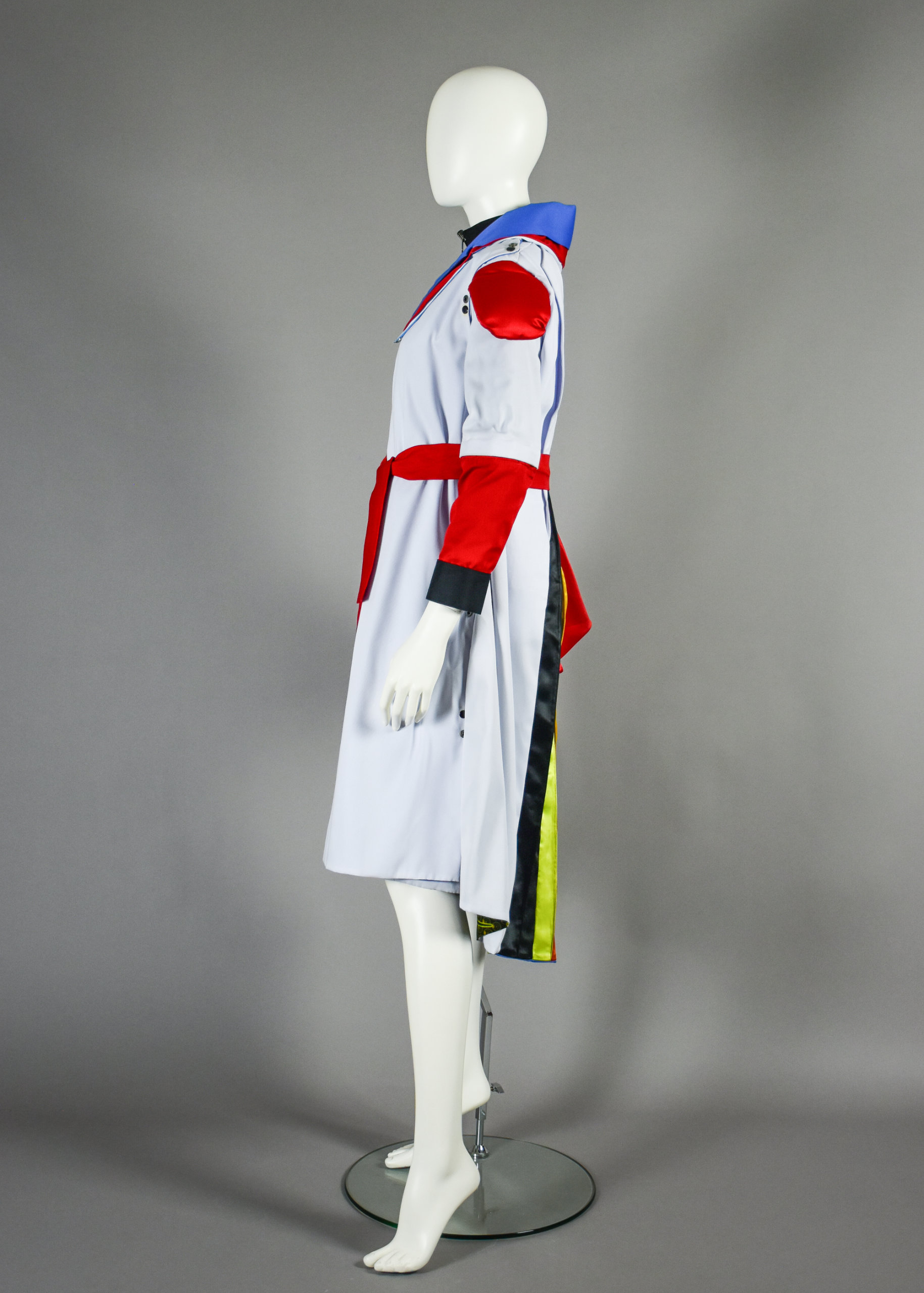
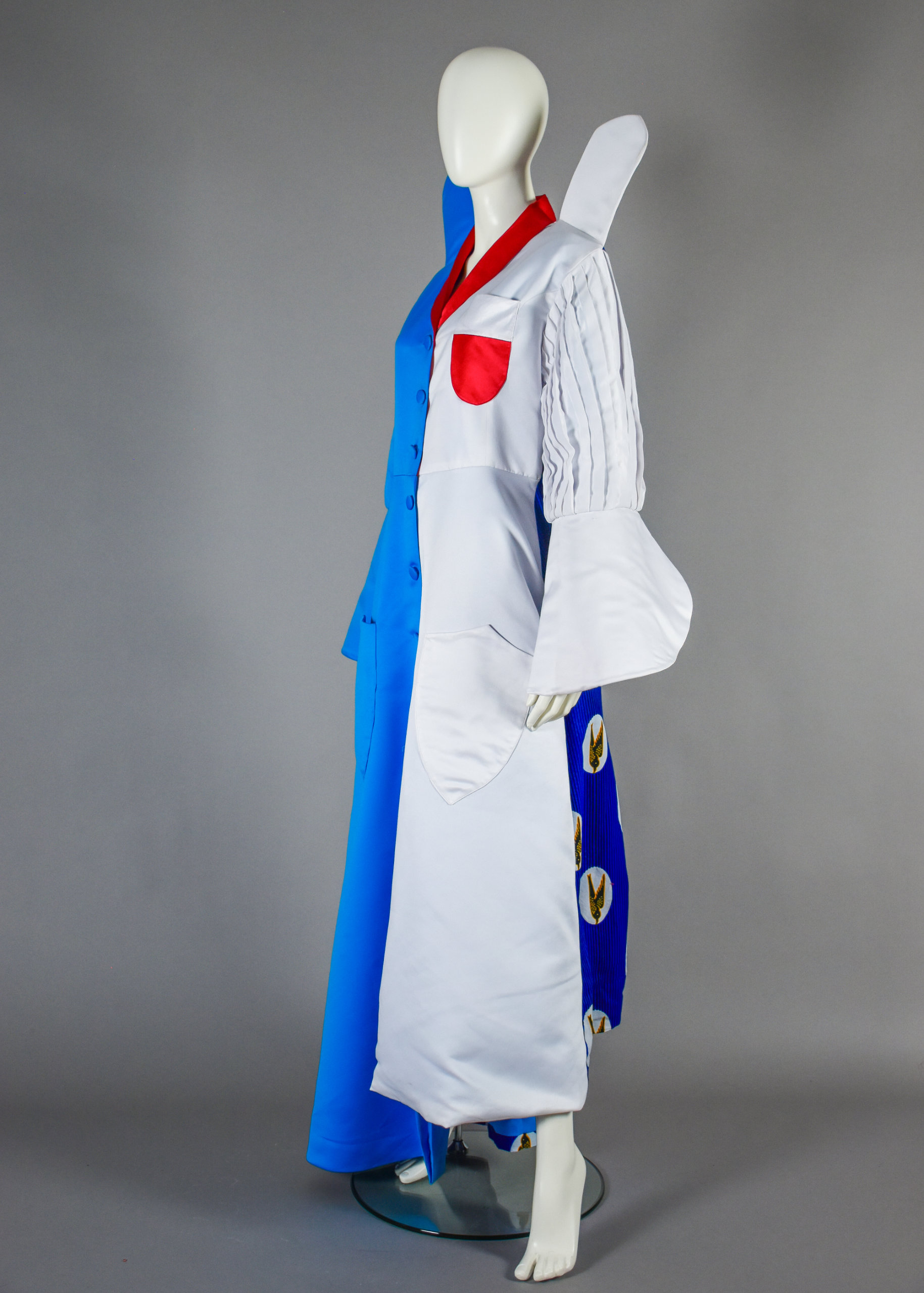
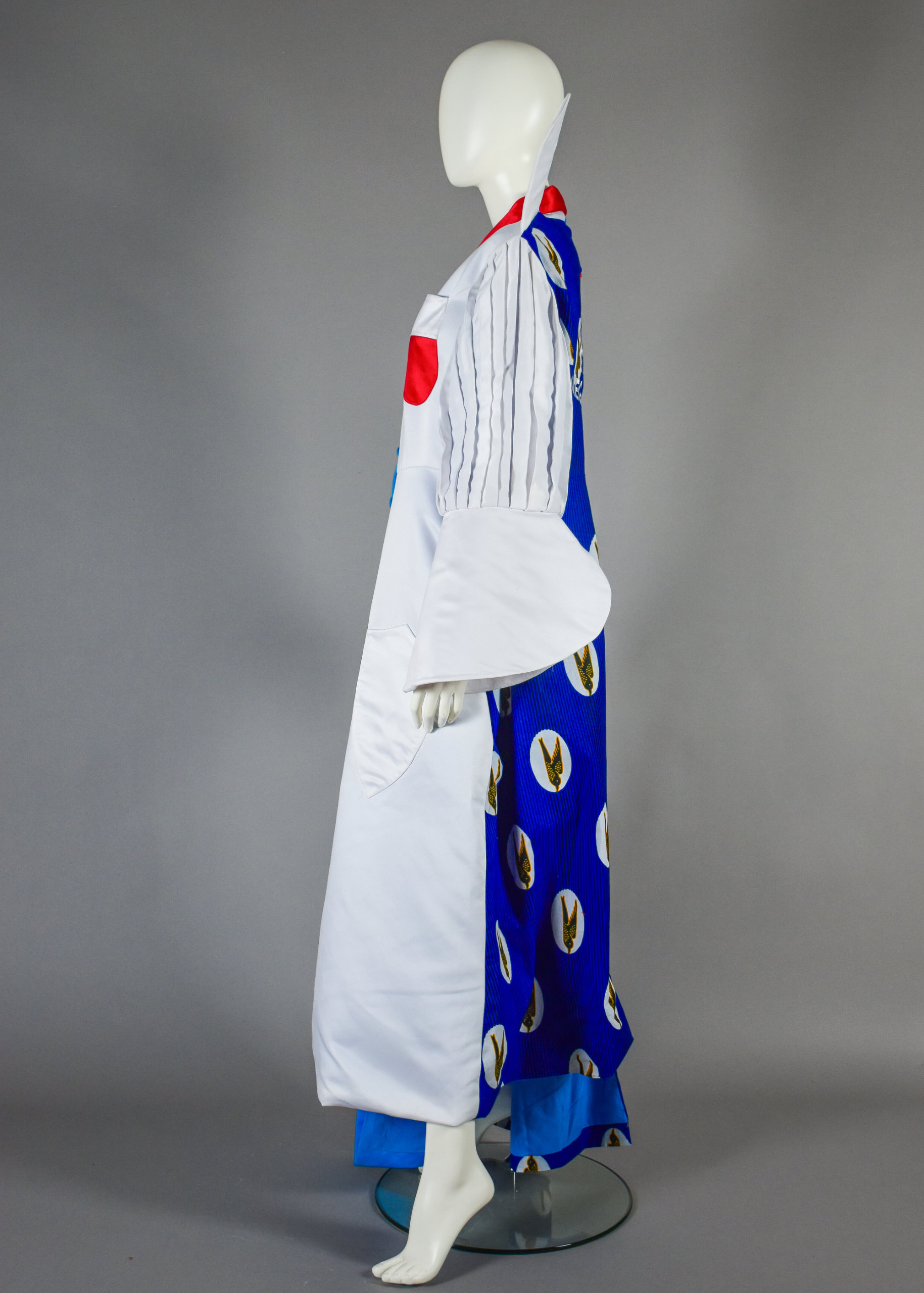
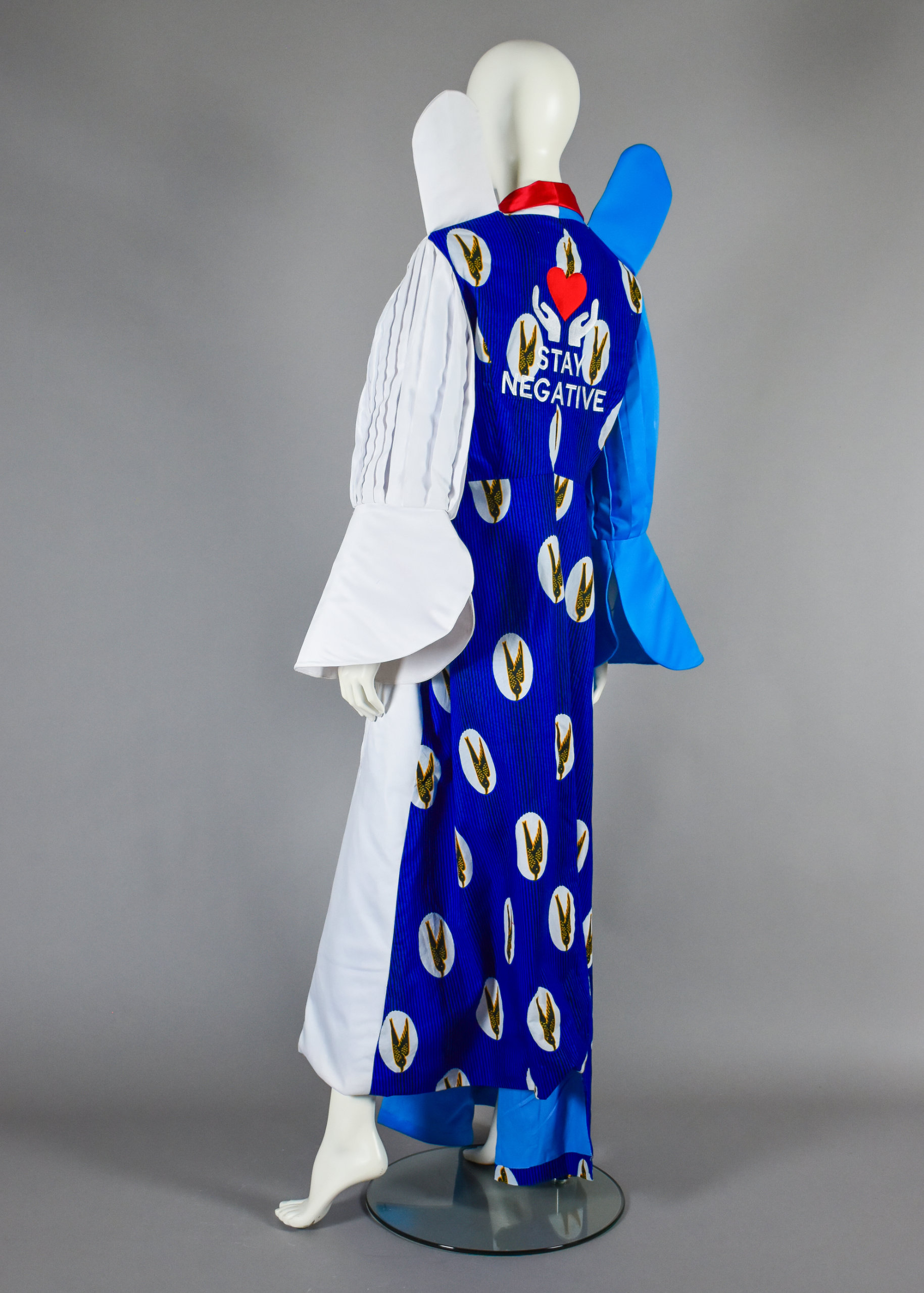
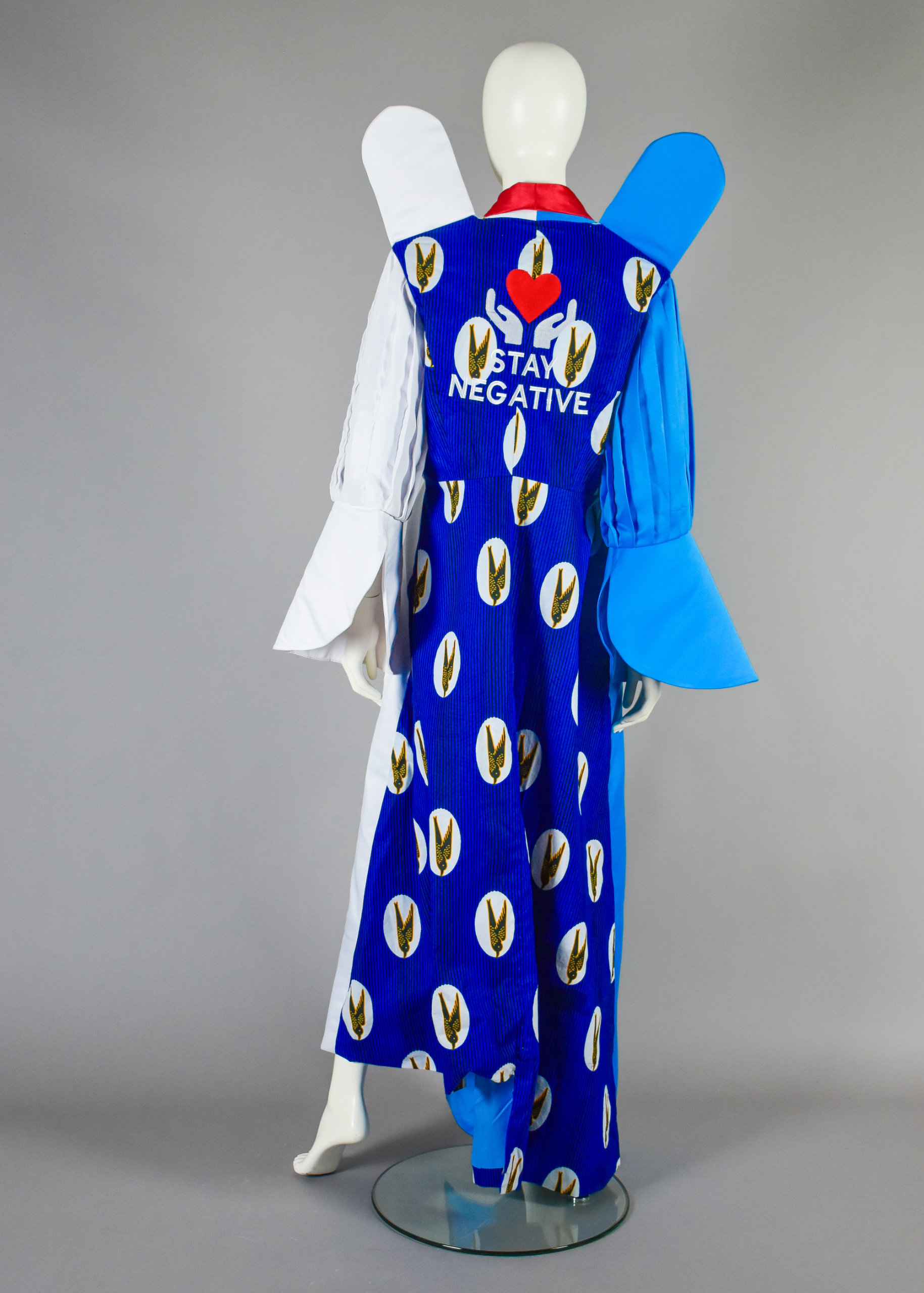
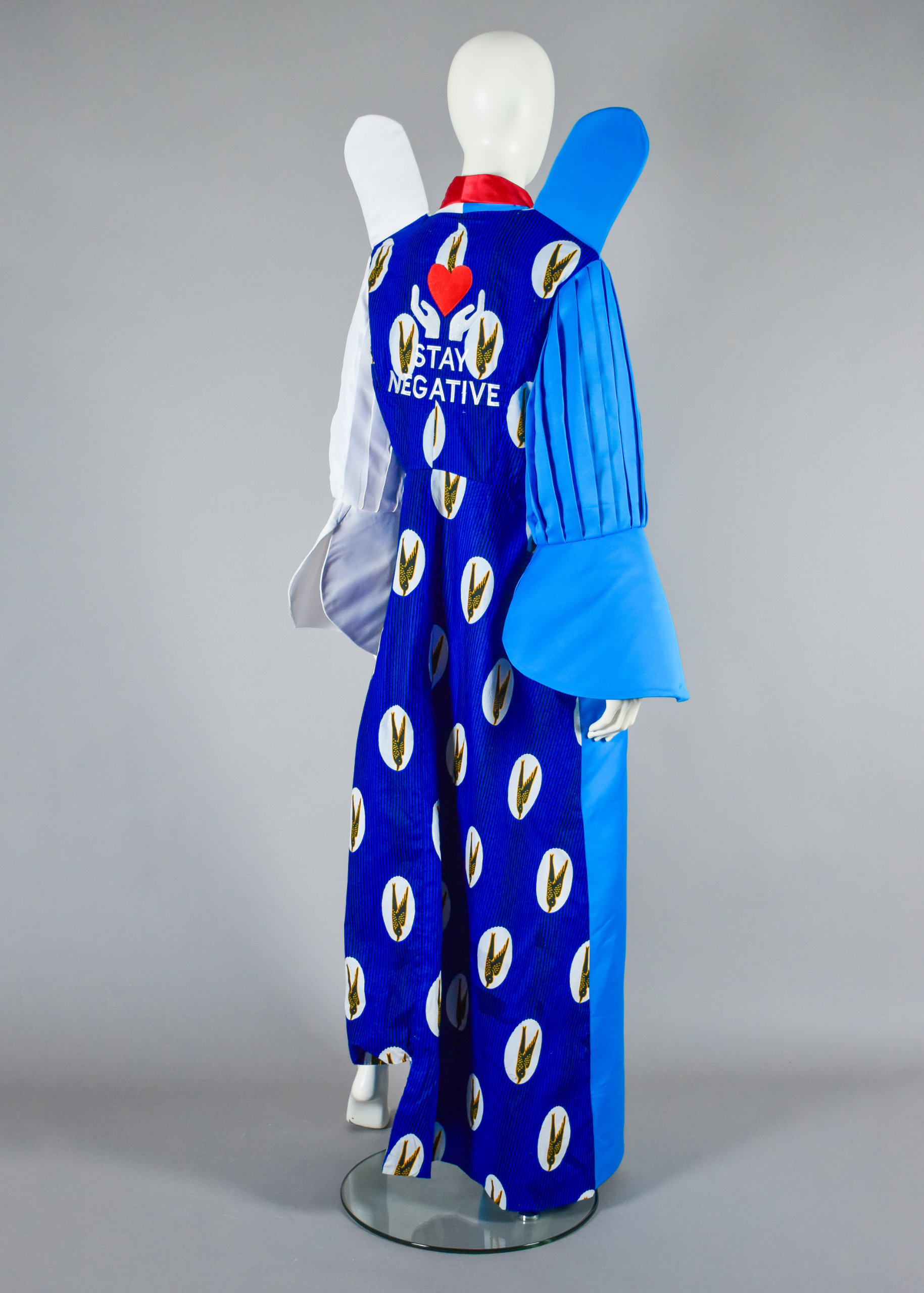
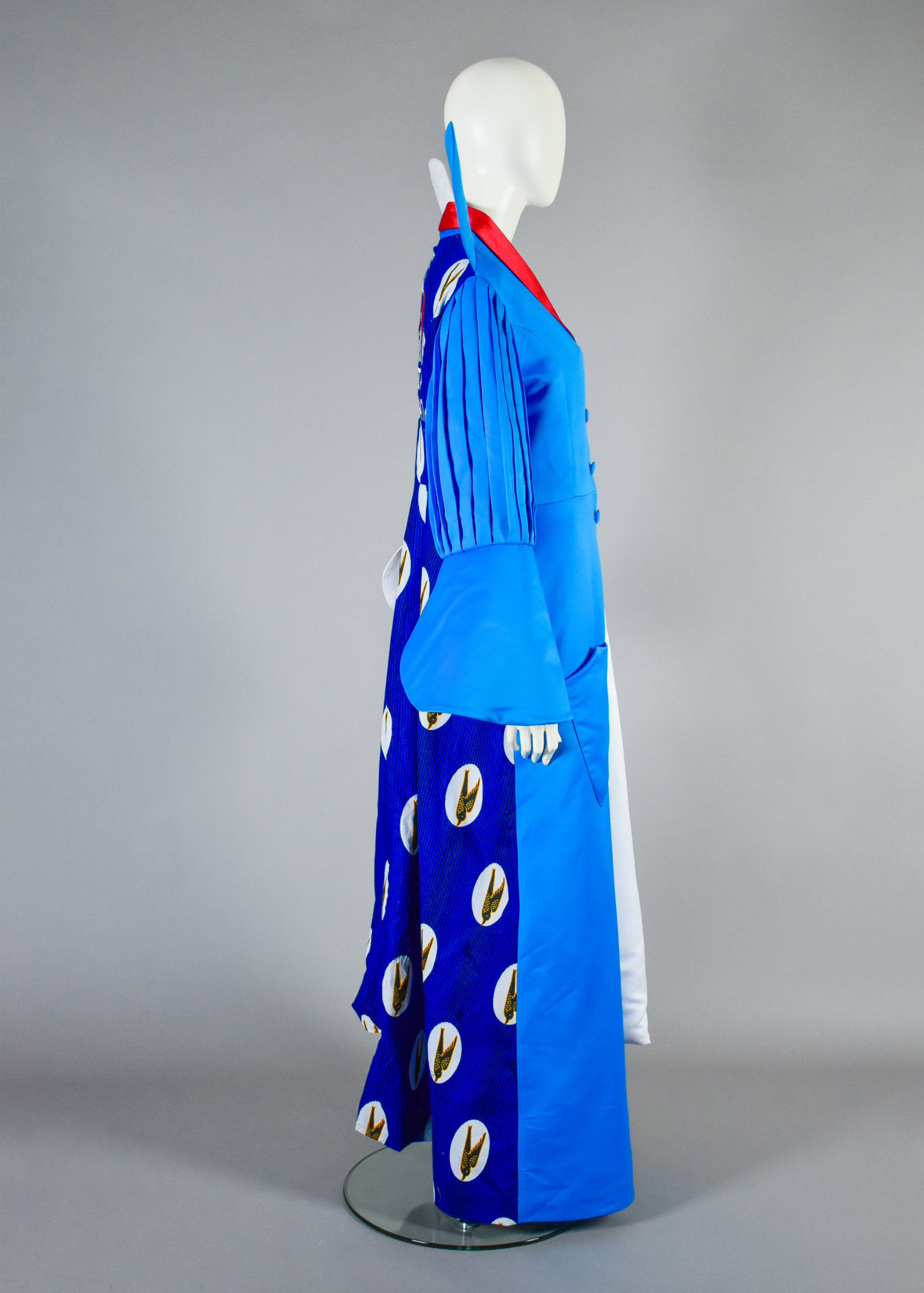
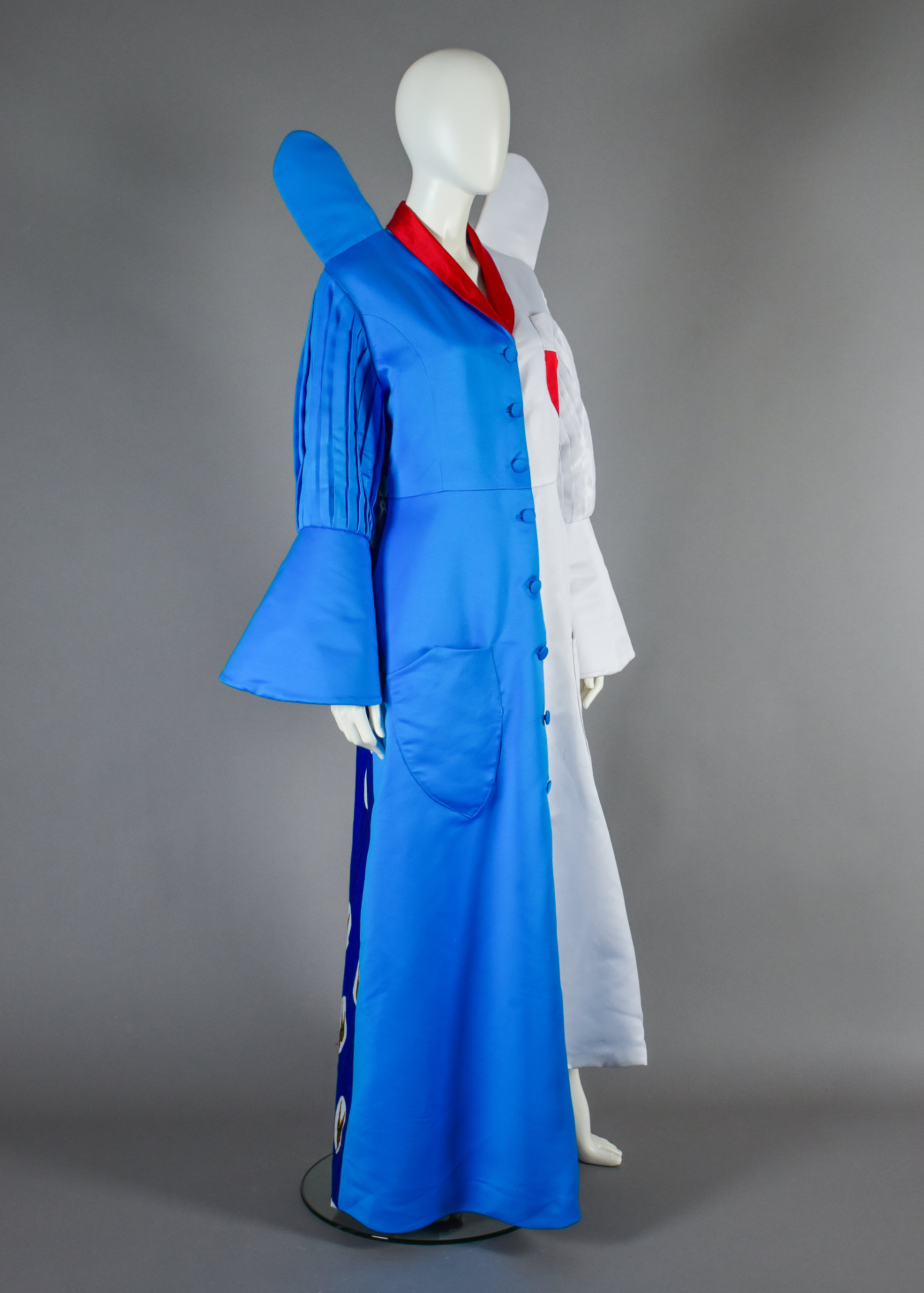
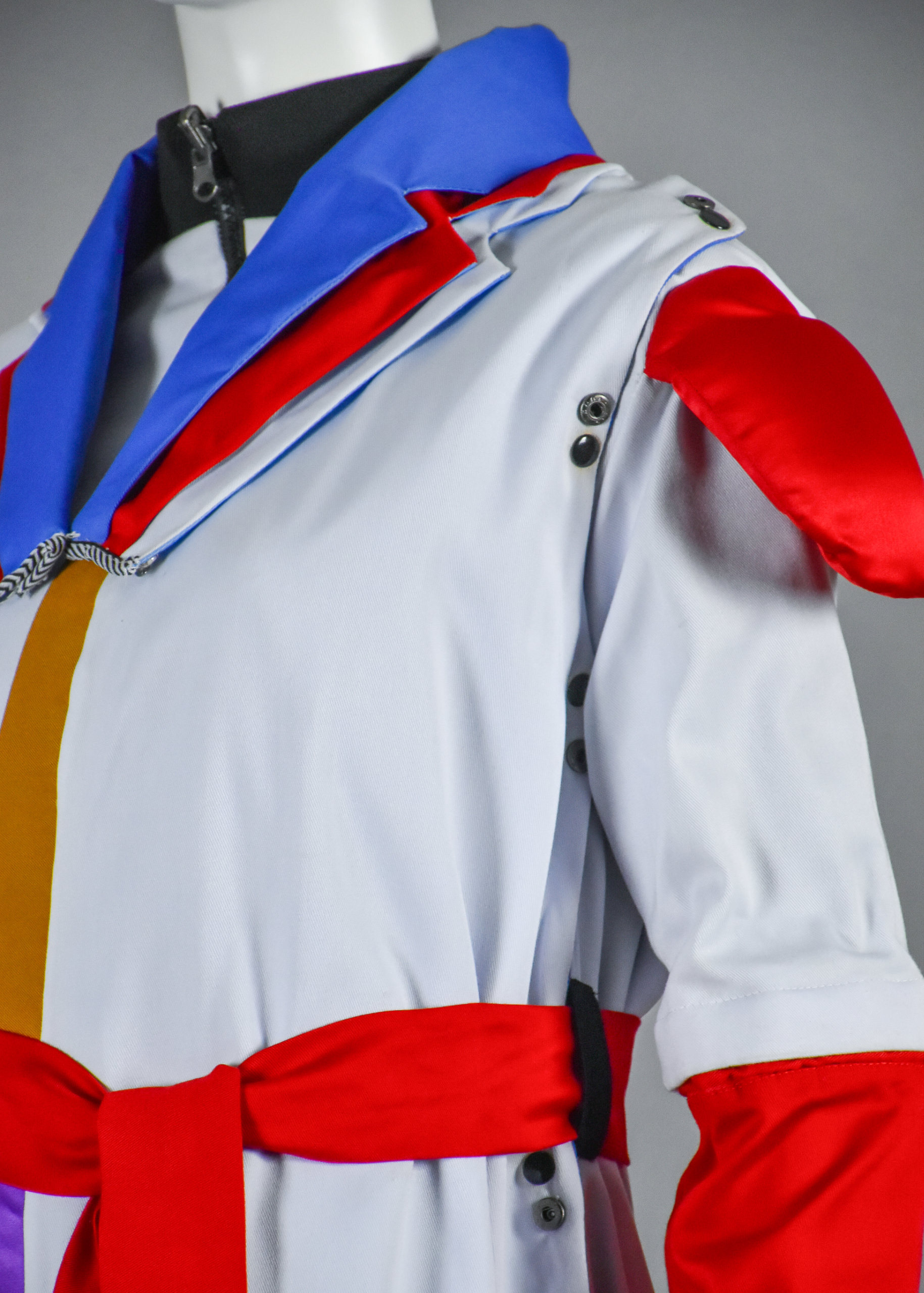
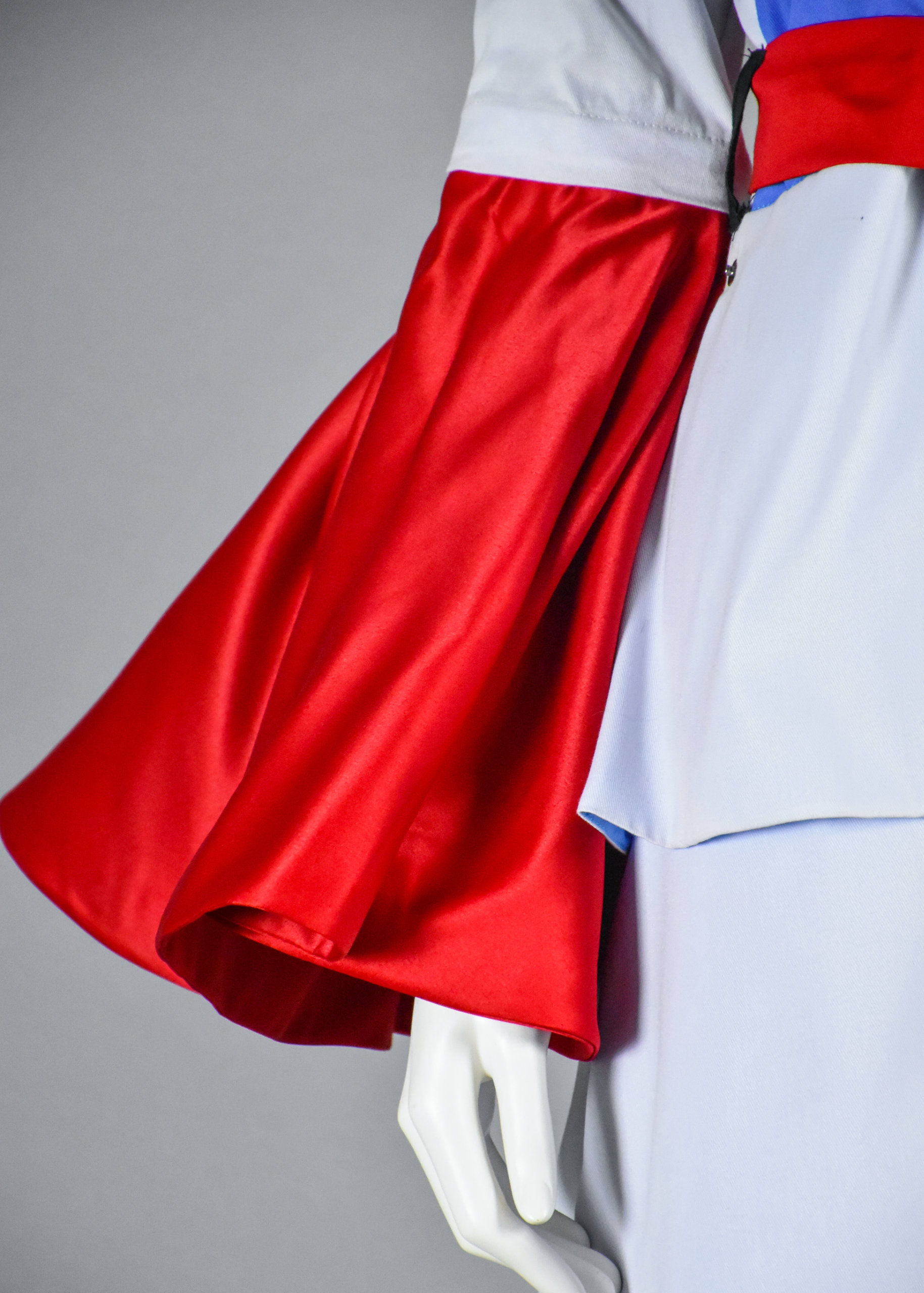
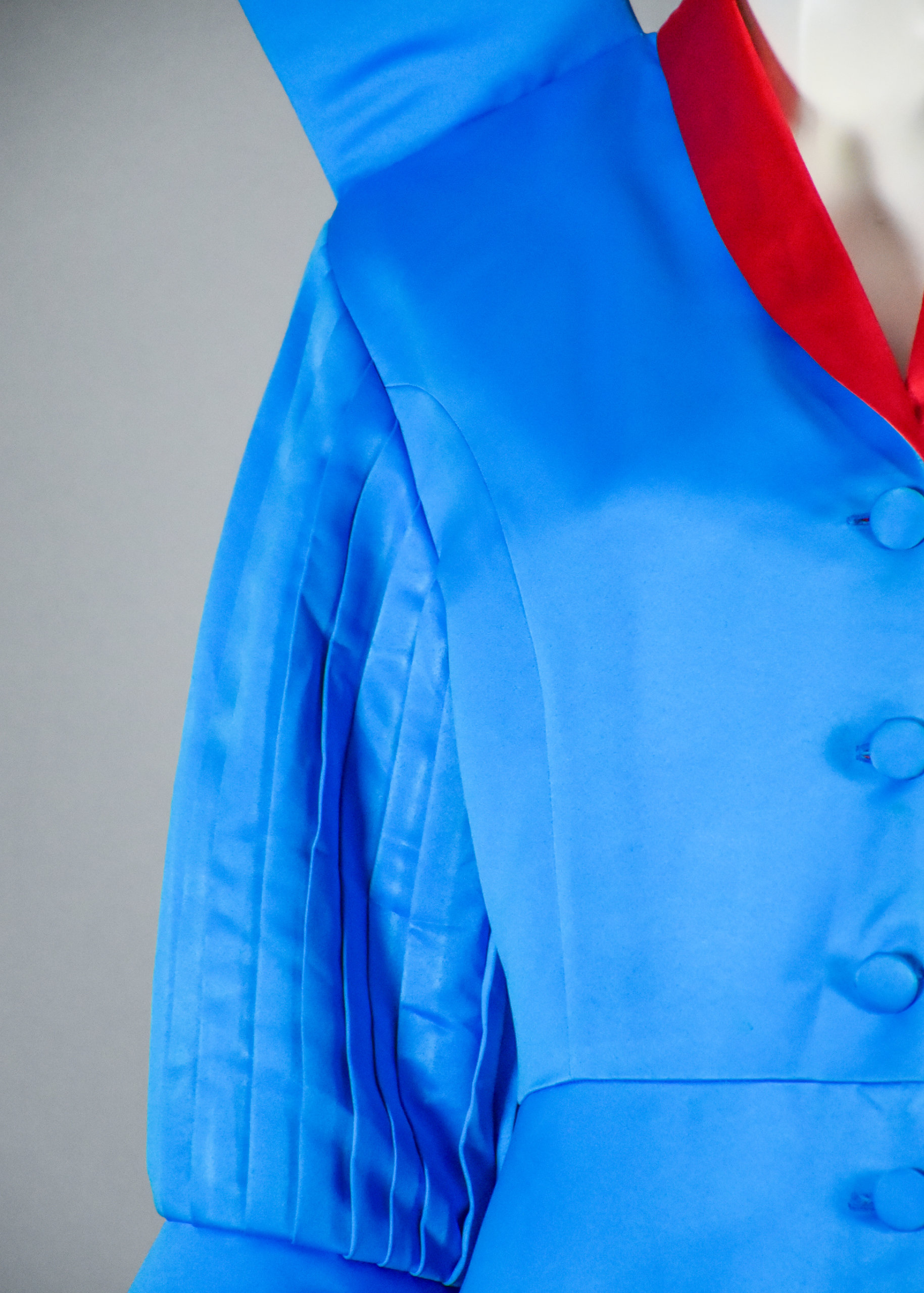
This garment design uses symbolic fashion elements to promote HIV prevention and empowerment, especially for Adolescent Girls and Young Women (AGYW).

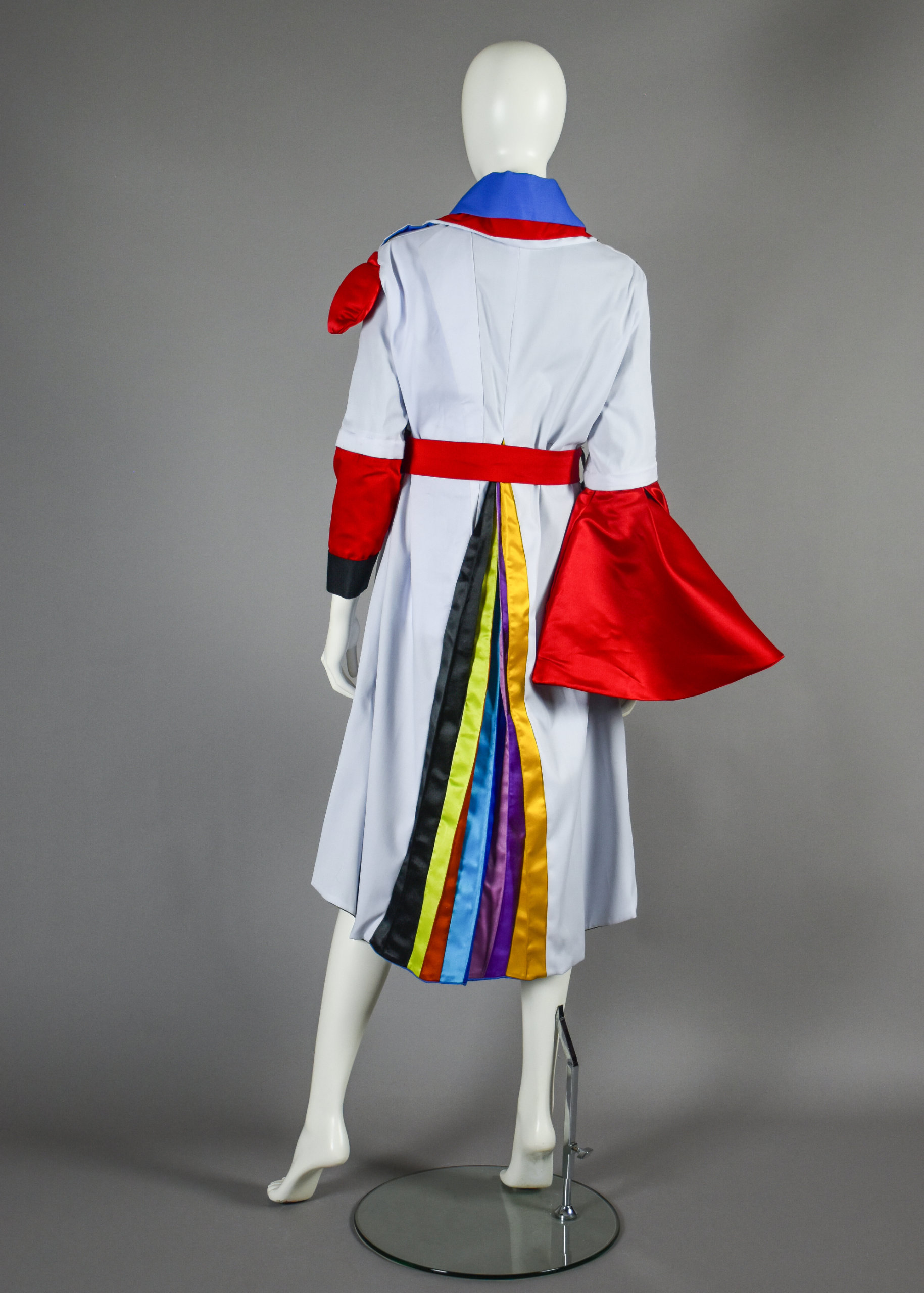
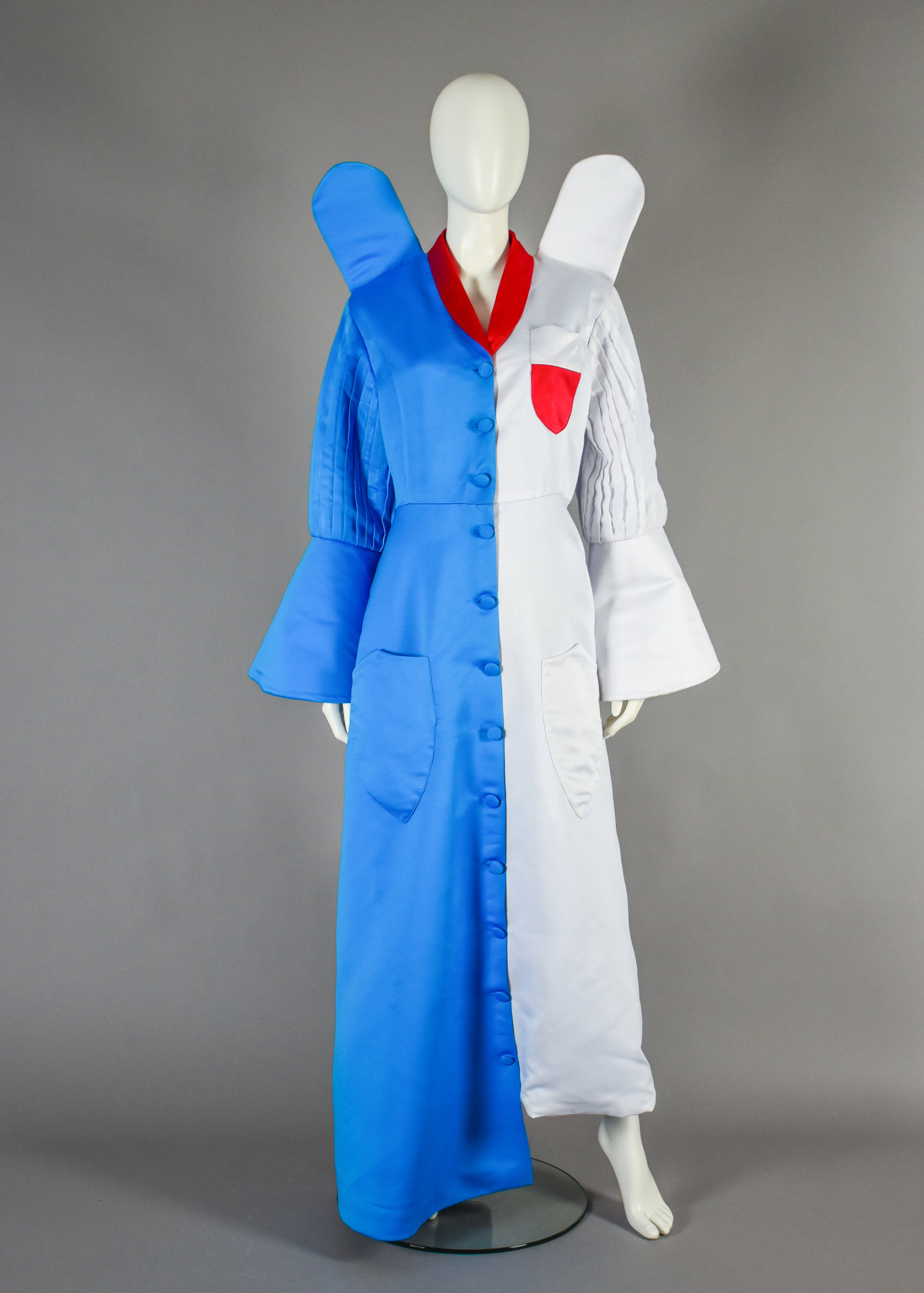
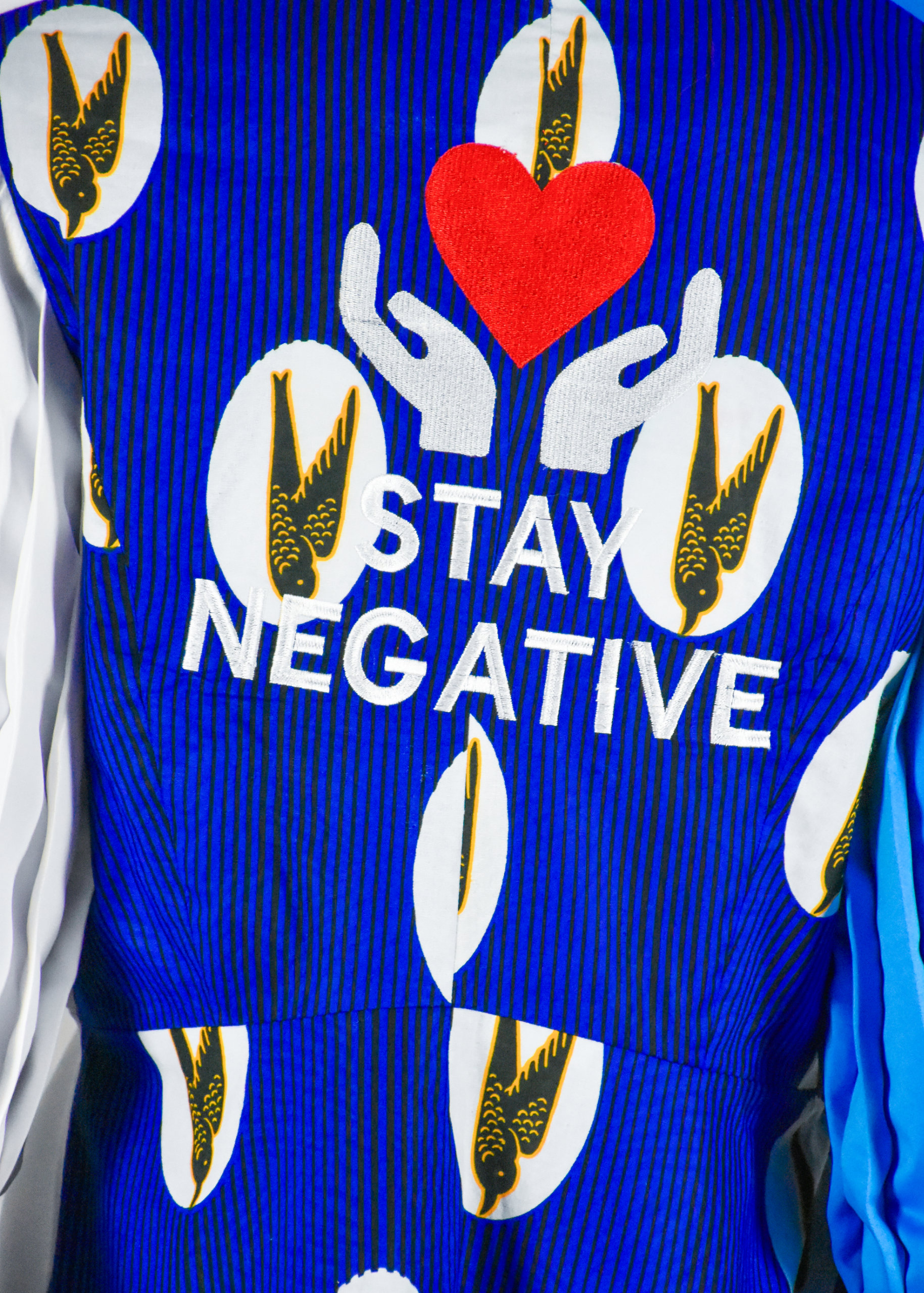
A PrEP-shaped button signifies access, control, and a daily commitment to health. The red belt represents strength and action, wrapping around the body to reflect 360-degree support from community, self-care, and medicine. Rounded cuffs and shield-shaped pockets emphasize protection, while pleated striped sleeves highlight diverse pathways to care—clinics, outreach, and support systems. The heart-shaped “Stay Negative” graphic symbolizes care, health, and destigmatization.

A white-and-red chest pocket near the heart represents proactive care and access to vital information. The blue and white asymmetrical panel reflects unity between those with and without HIV, promoting empathy and reducing stigma. The garment flare and wing design express freedom, visibility, and rising above stigma. A slit promotes openness and dialogue on sexual health.

The center back design emphasizes community and family support in AGYW’s prevention journey. Finally, the use of Kitenge fabric grounds the design in African culture, connecting heritage with modern health education. Together, the garment becomes a wearable statement of strength, care, and empowerment—celebrating identity while advocating for awareness and stigma-free HIV prevention.

13th IAS Conference on HIV Science, Rwanda 2025

Kigali Convention Centre, Kigali, Rwanda

14-18 July 2025