
Western Australia 2025 Western Australia 2025

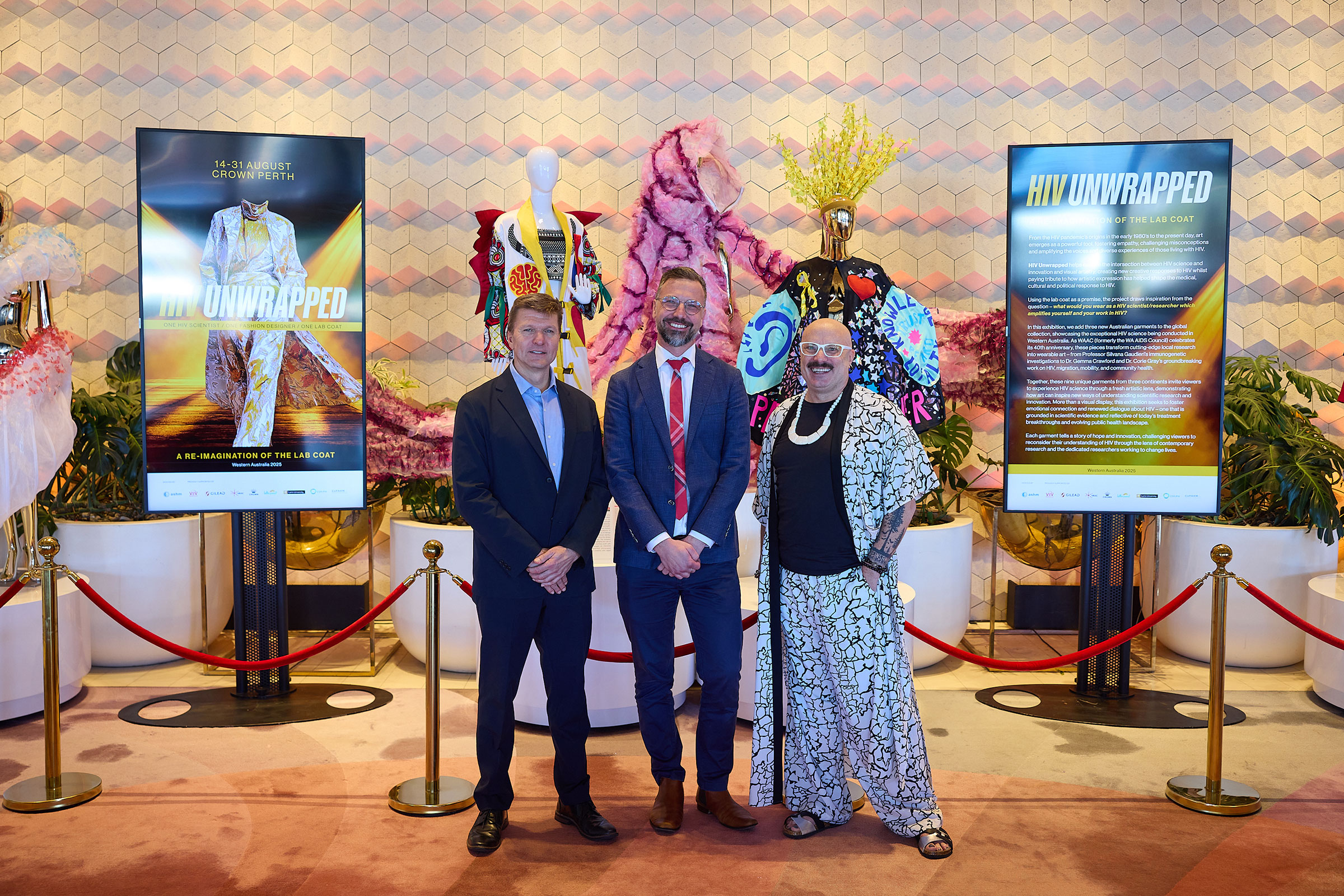
In partnership with WAAC and their re-invention of StyleAID, this exhibition added three new Australian garments to the global collection, showcasing the exceptional HIV science being conducted in Western Australia. As WAAC (formerly the WA AIDS Council) celebrates its 40th anniversary, these pieces transform cutting-edge local research into wearable art – from Professor Silvana Gaudieri’s immunogenetic investigations to Dr. Gemma Crawford and Dr. Corie Gray’s groundbreaking work on HIV, migration, mobility, and community health.

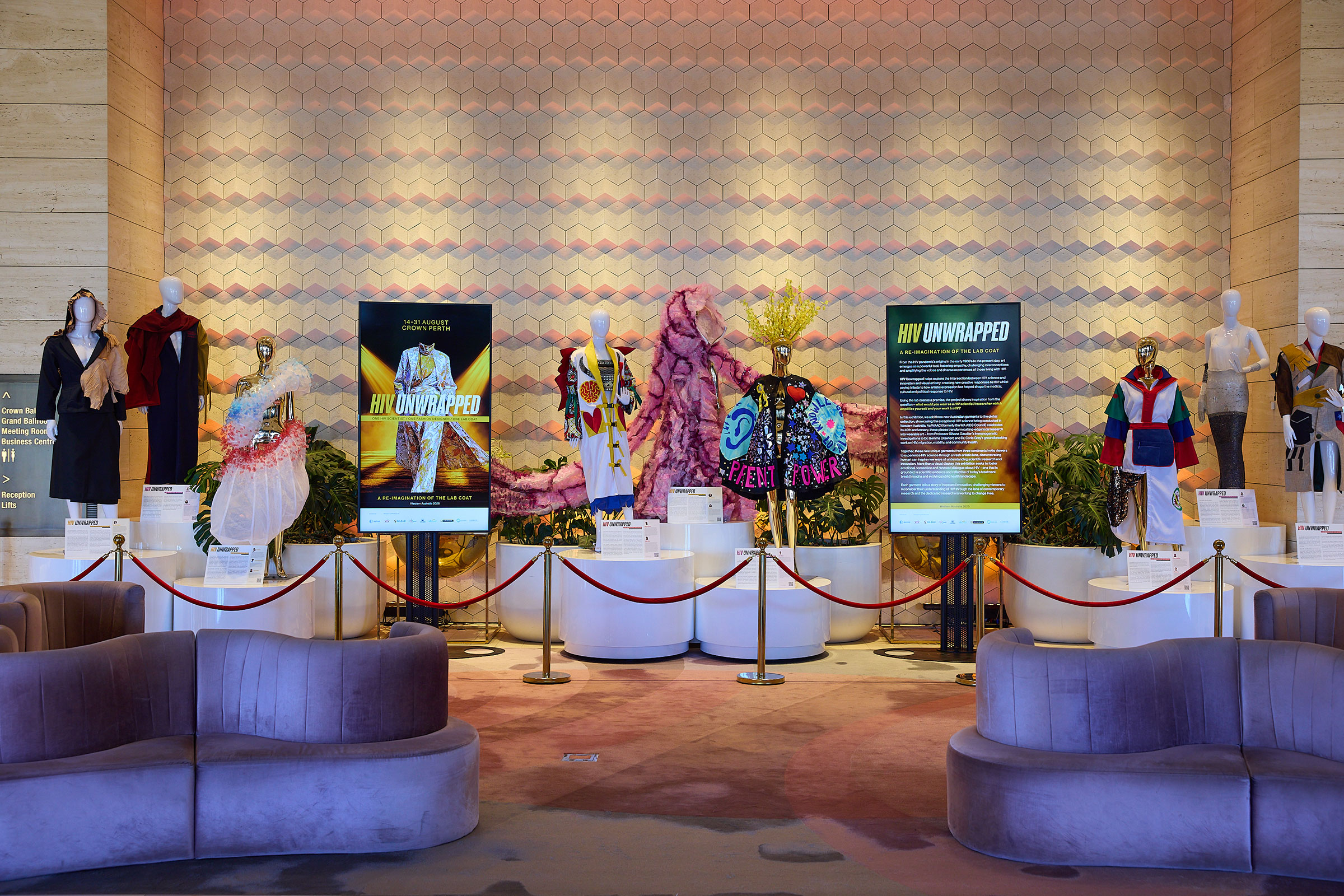
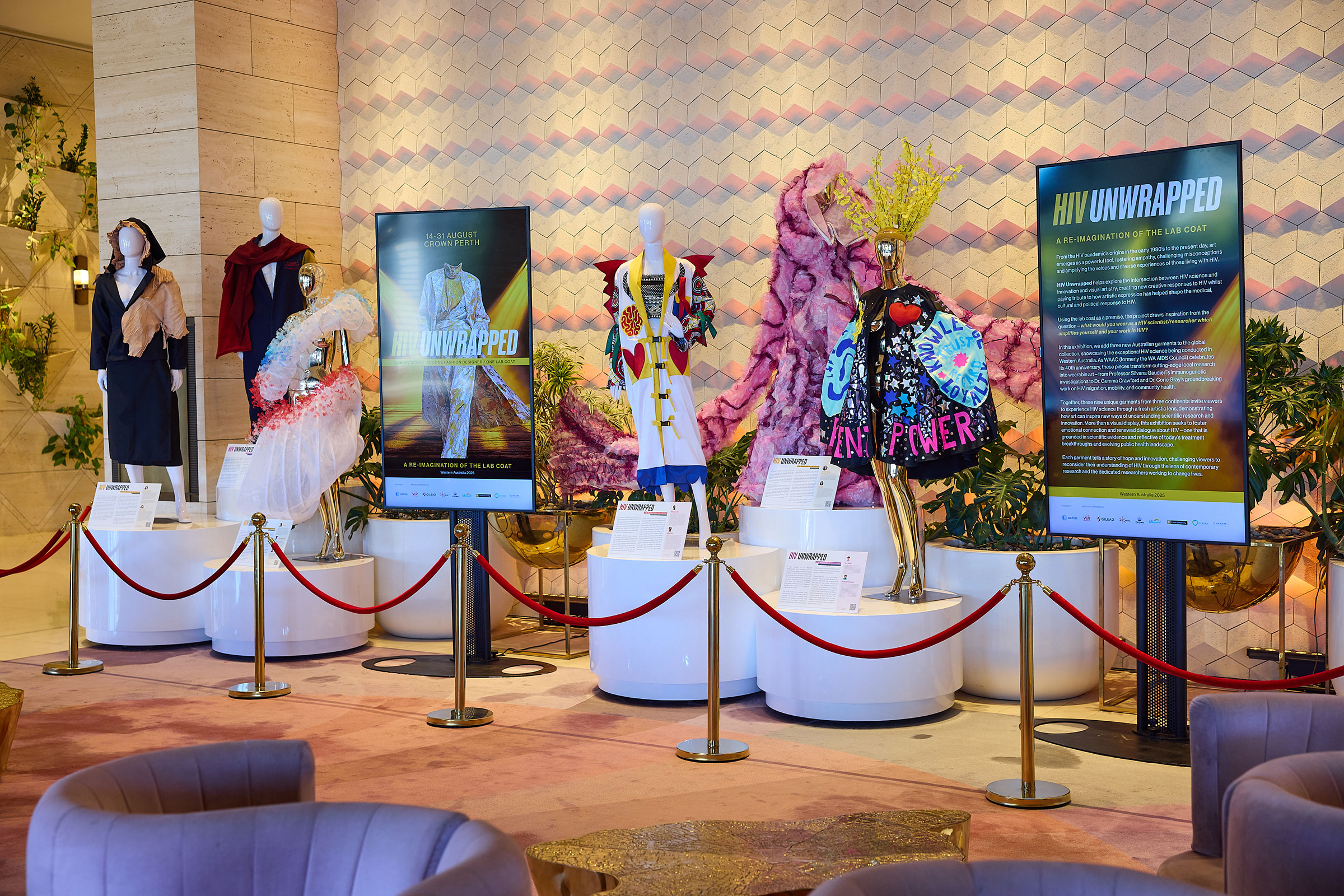
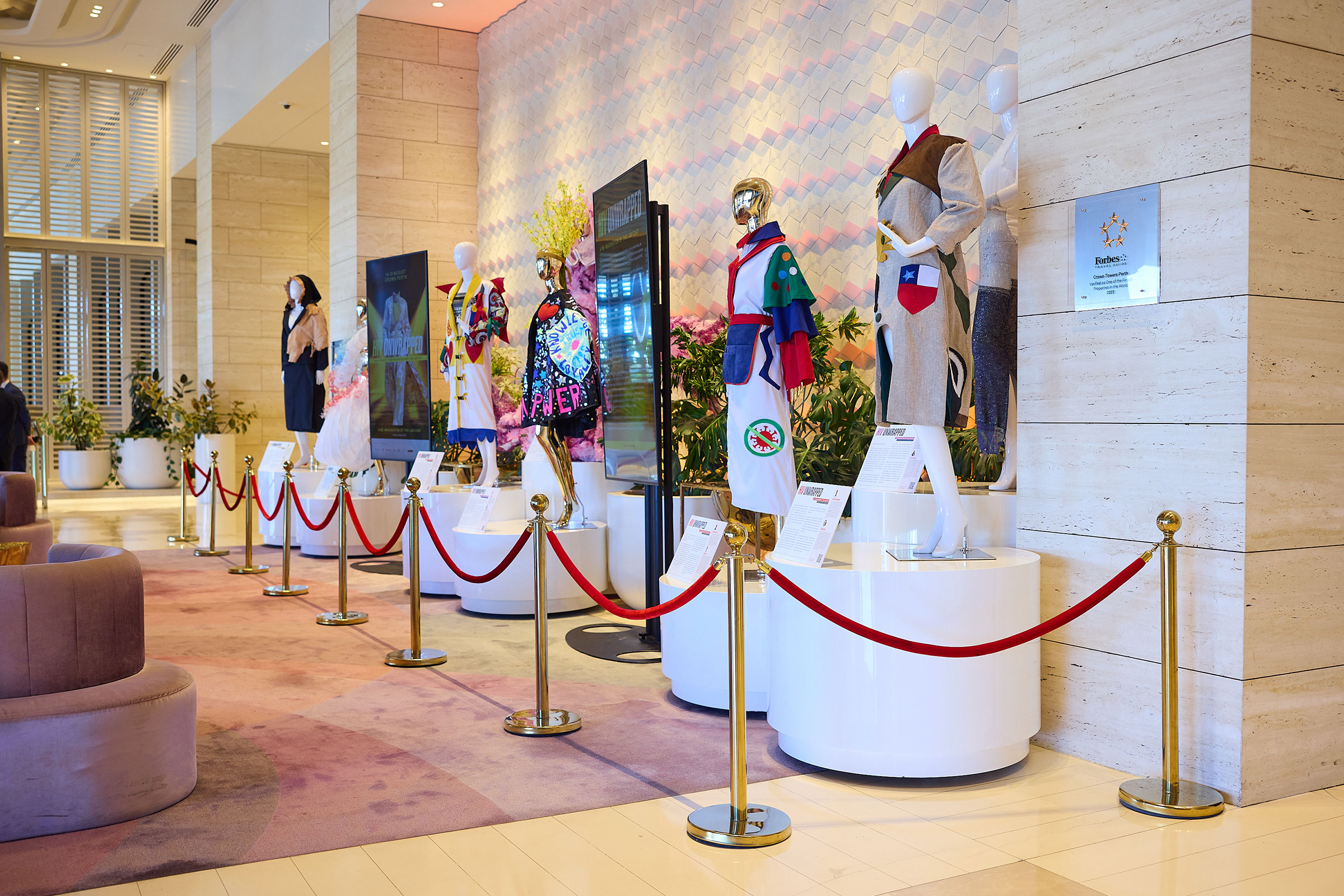
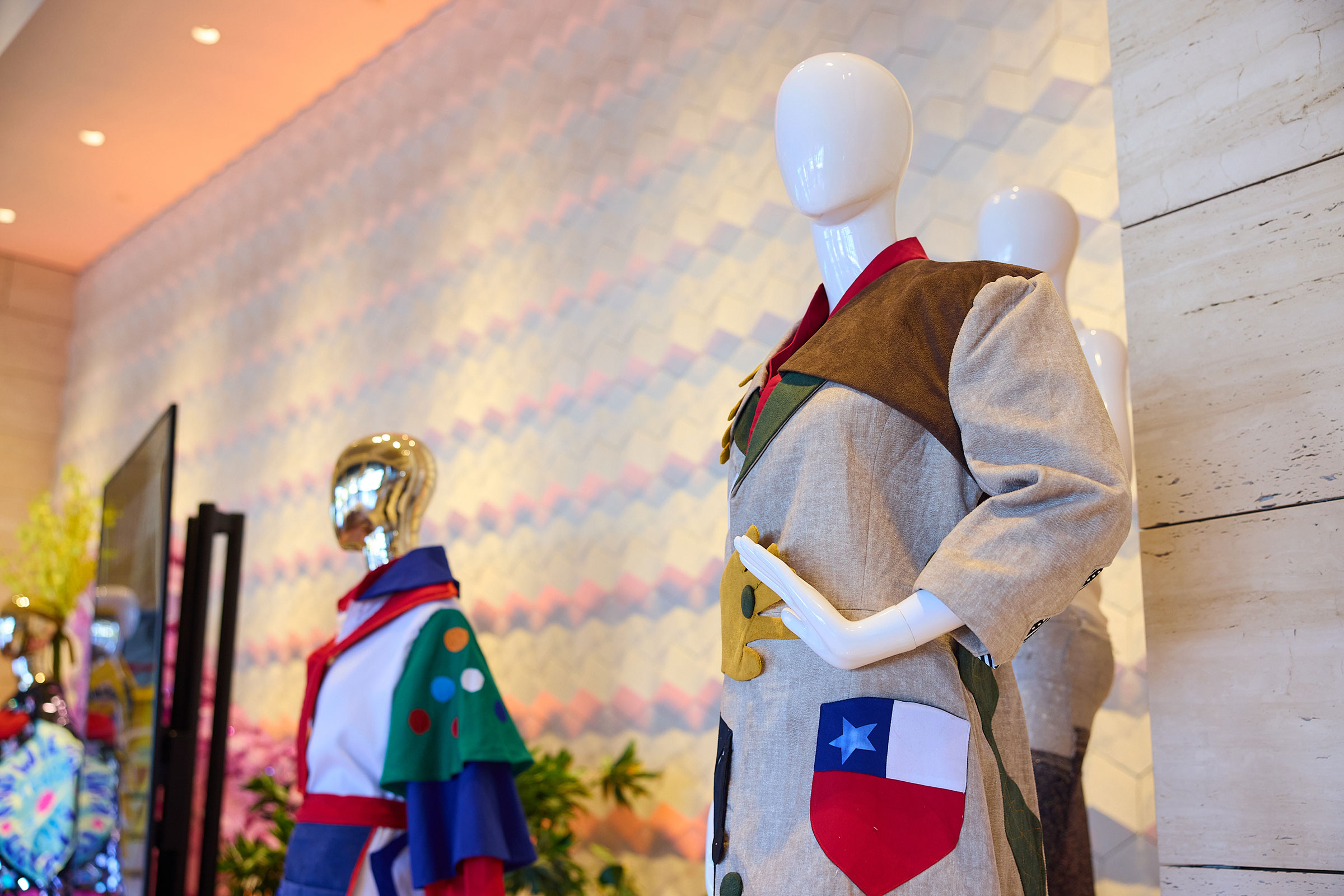
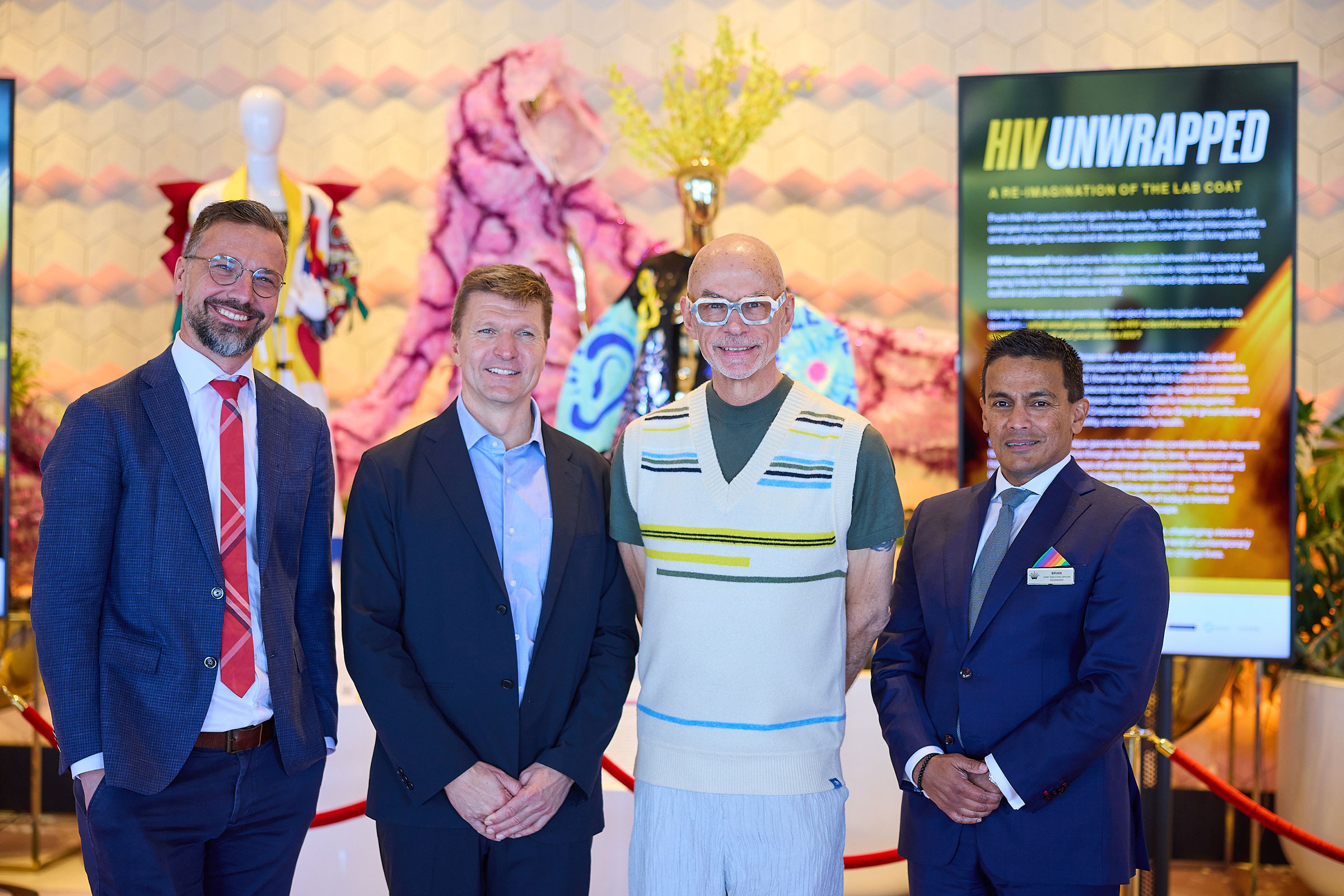
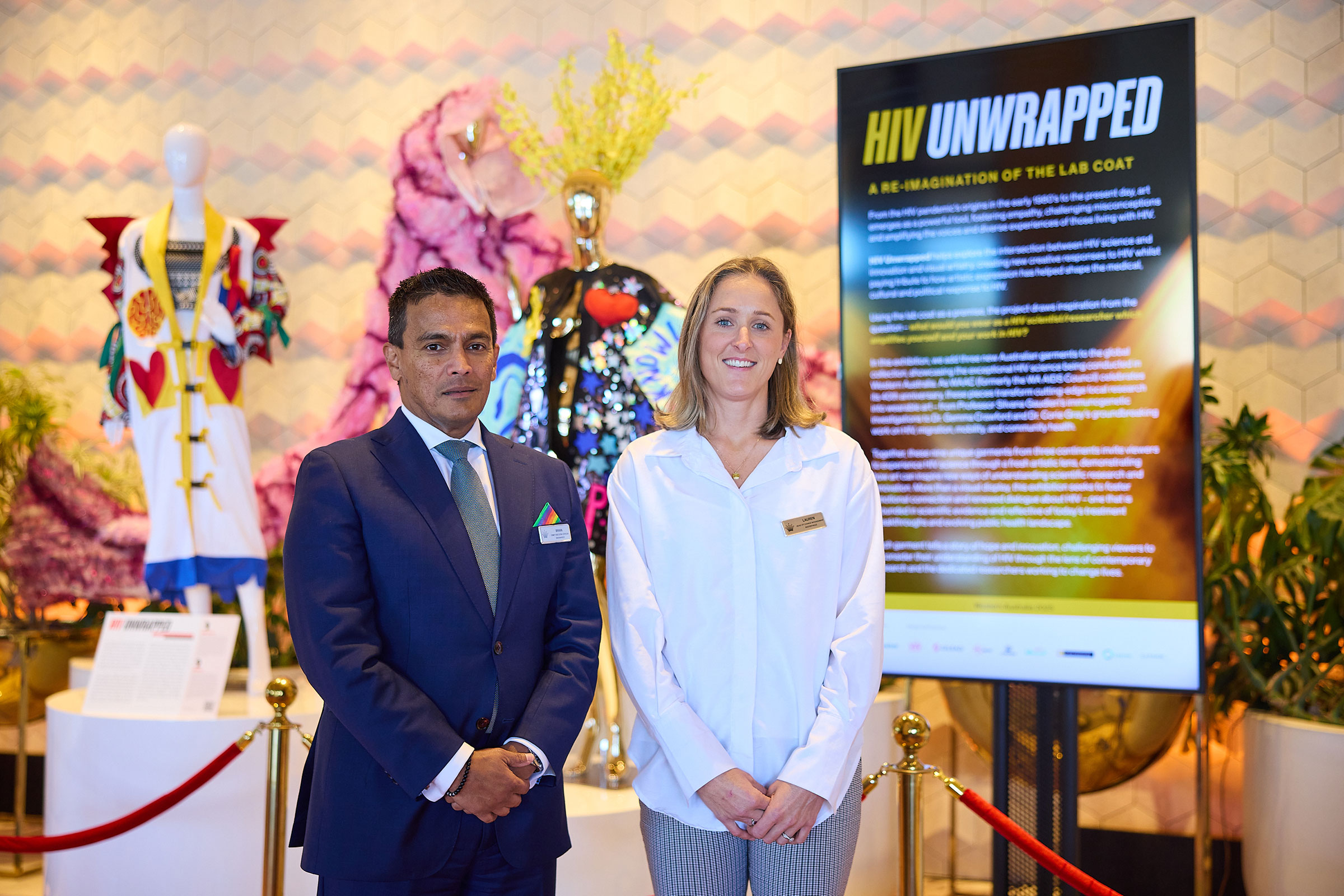
This outstanding exhibition held in Crown Perth was one of the most brilliant and stylish collections of HIV Unwrapped garments to date. The exhibition had nine unique garments from three continents which invited viewers to experience HIV science through a fresh artistic lens, demonstrating how art can inspire new ways of understanding scientific research and innovation. HIV research is being conducted across so many different fields and in so many locations and this exhibition was a celebration of Western Australia.These garments were seen by no less than 50,000 people across the period there were on display.  They were there as a testament to hope and innovation, challenging viewers to reconsider their understanding of HIV through the lens of contemporary research and the dedicated researchers working to change lives.


Project promotional image generated with AI
All mannequin images photographed by Skye Bartlet
All biographies reflect the time of the exhibition, please follow their social media links to see their latest work.

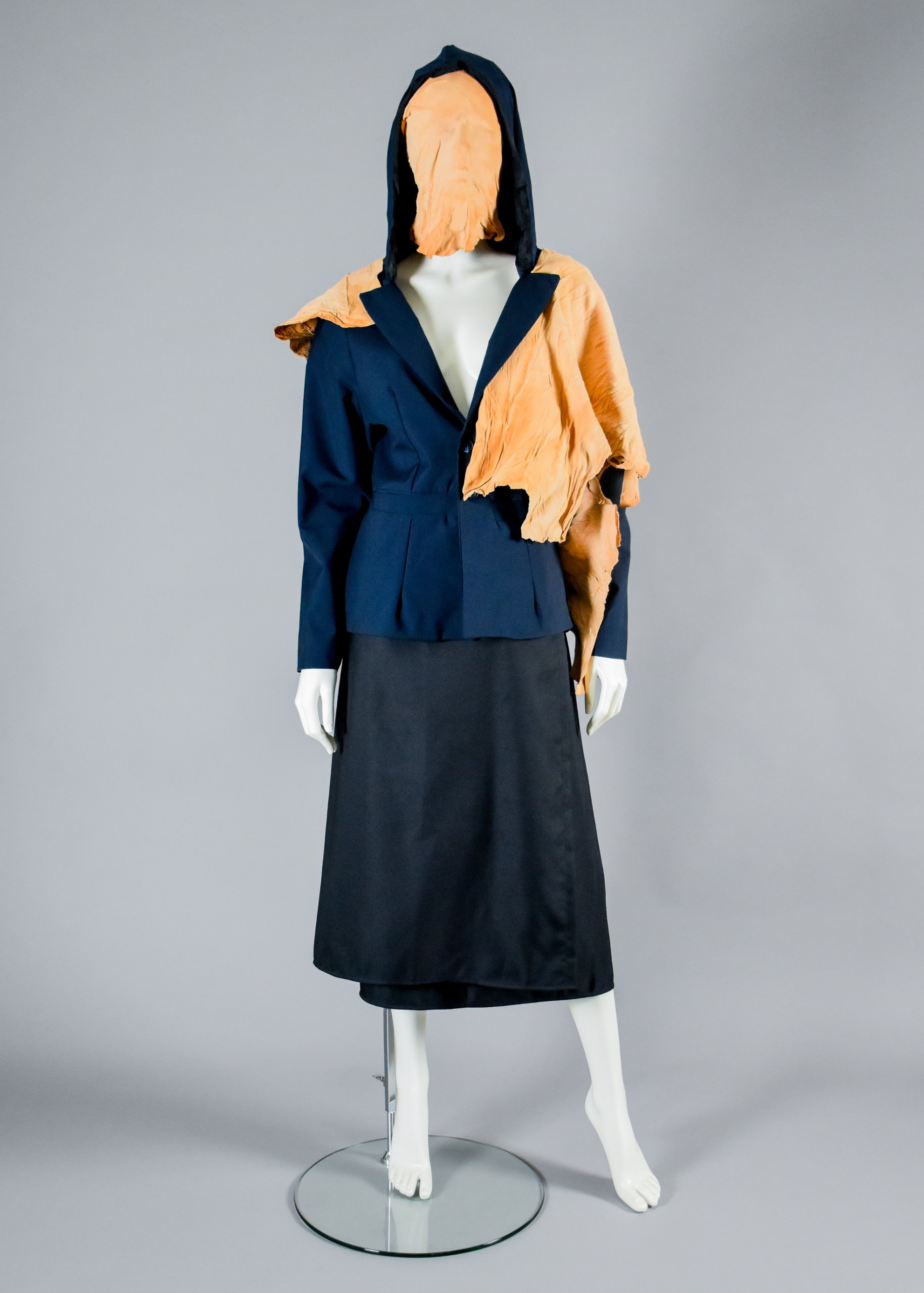
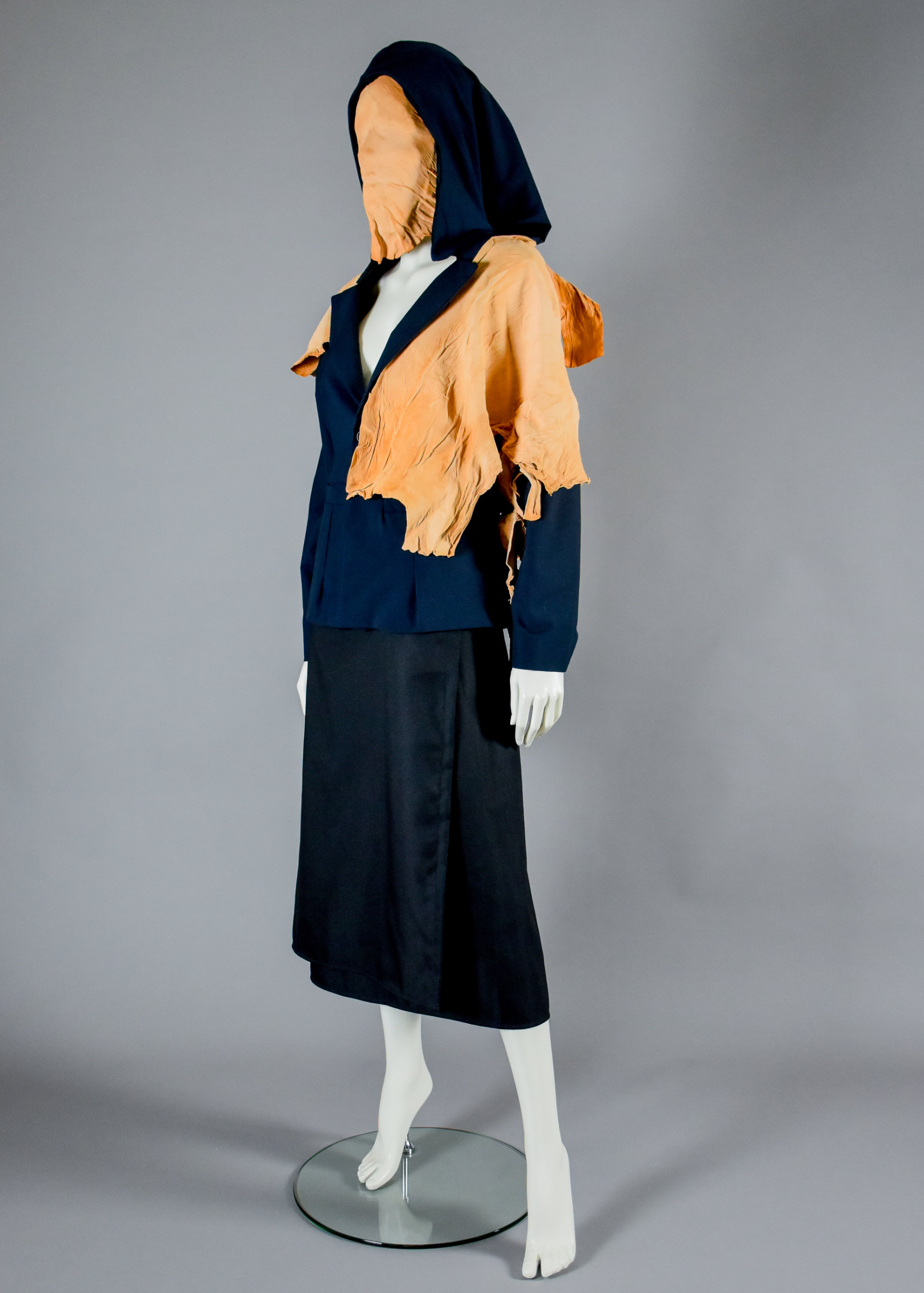
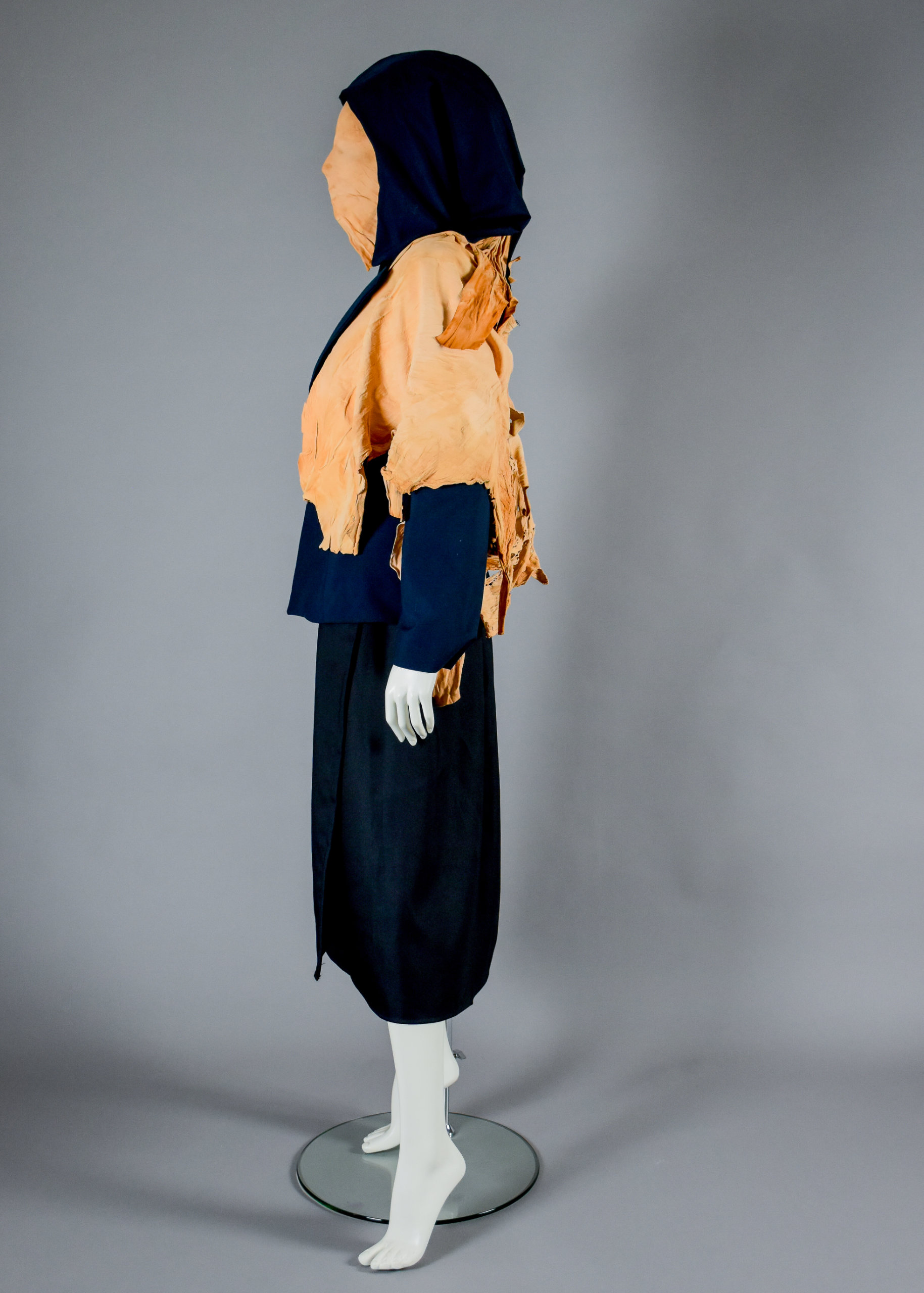
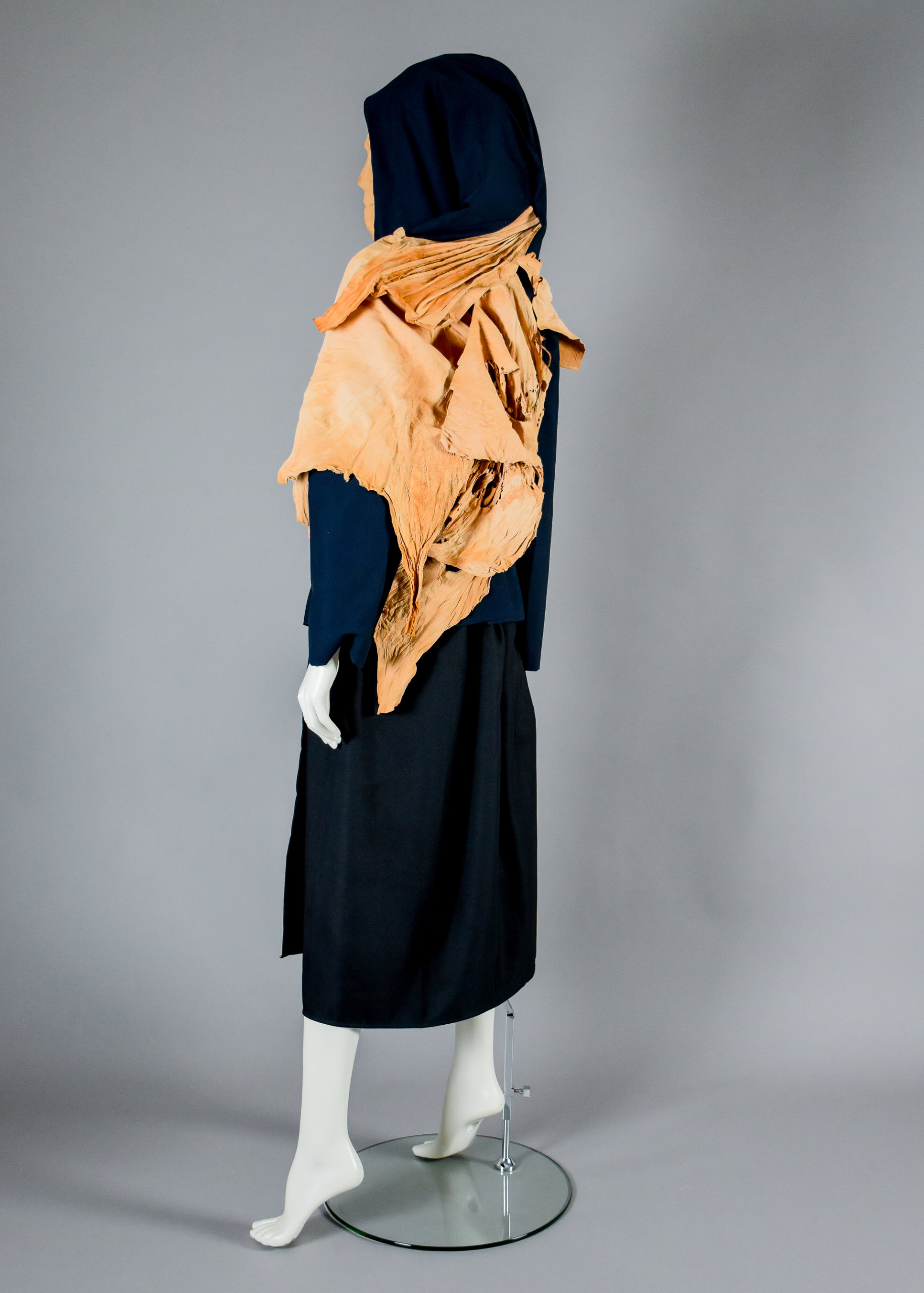
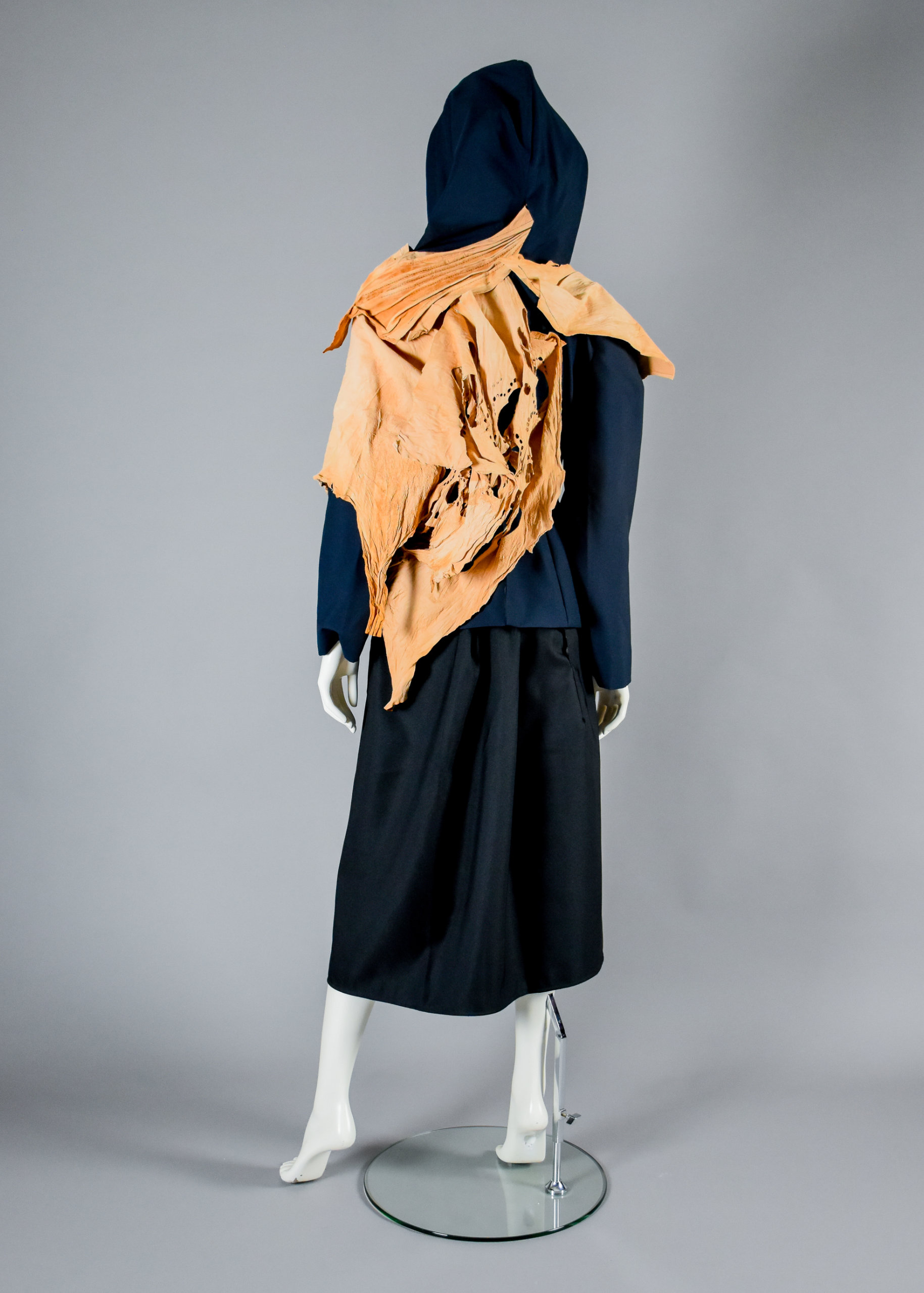
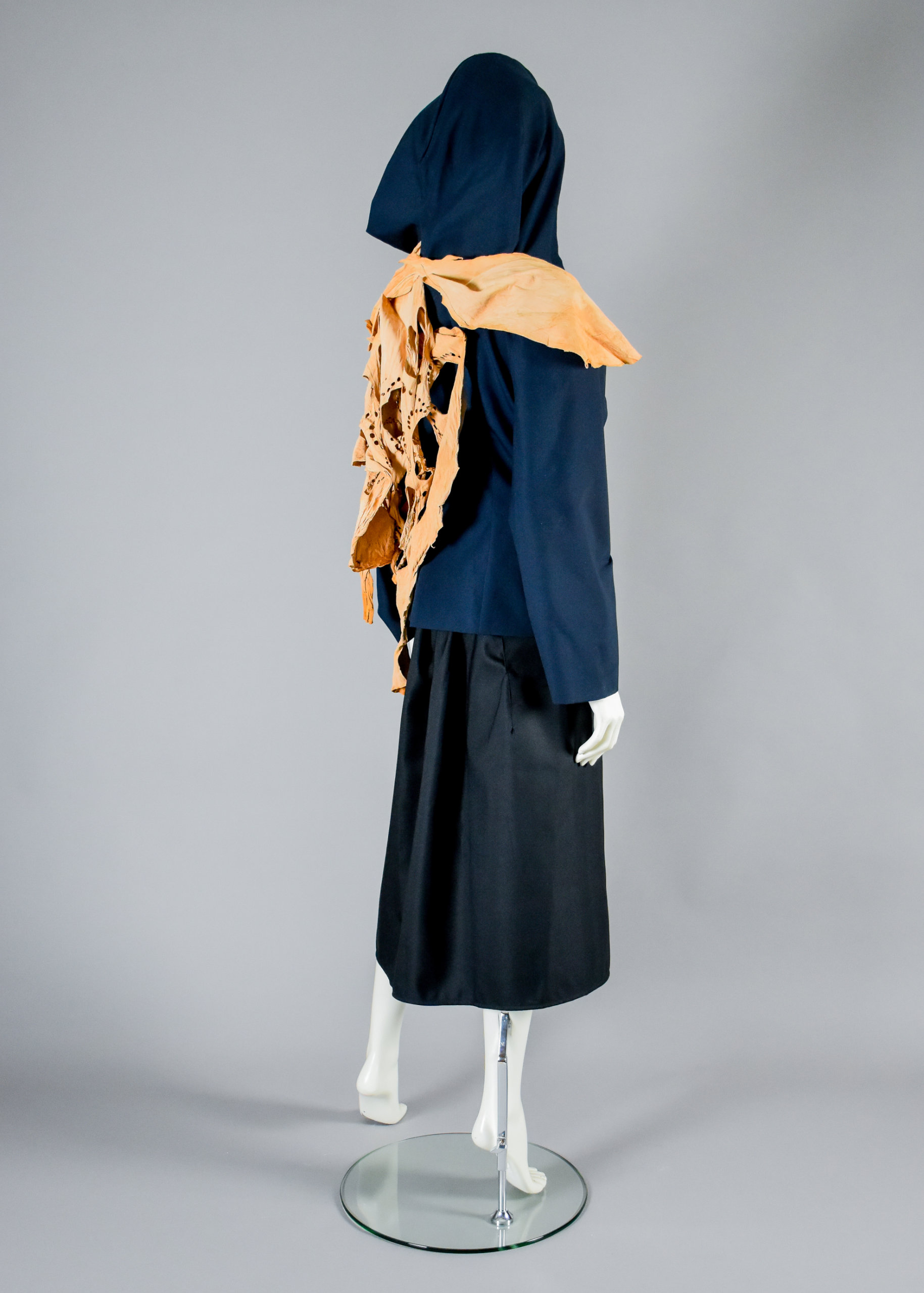
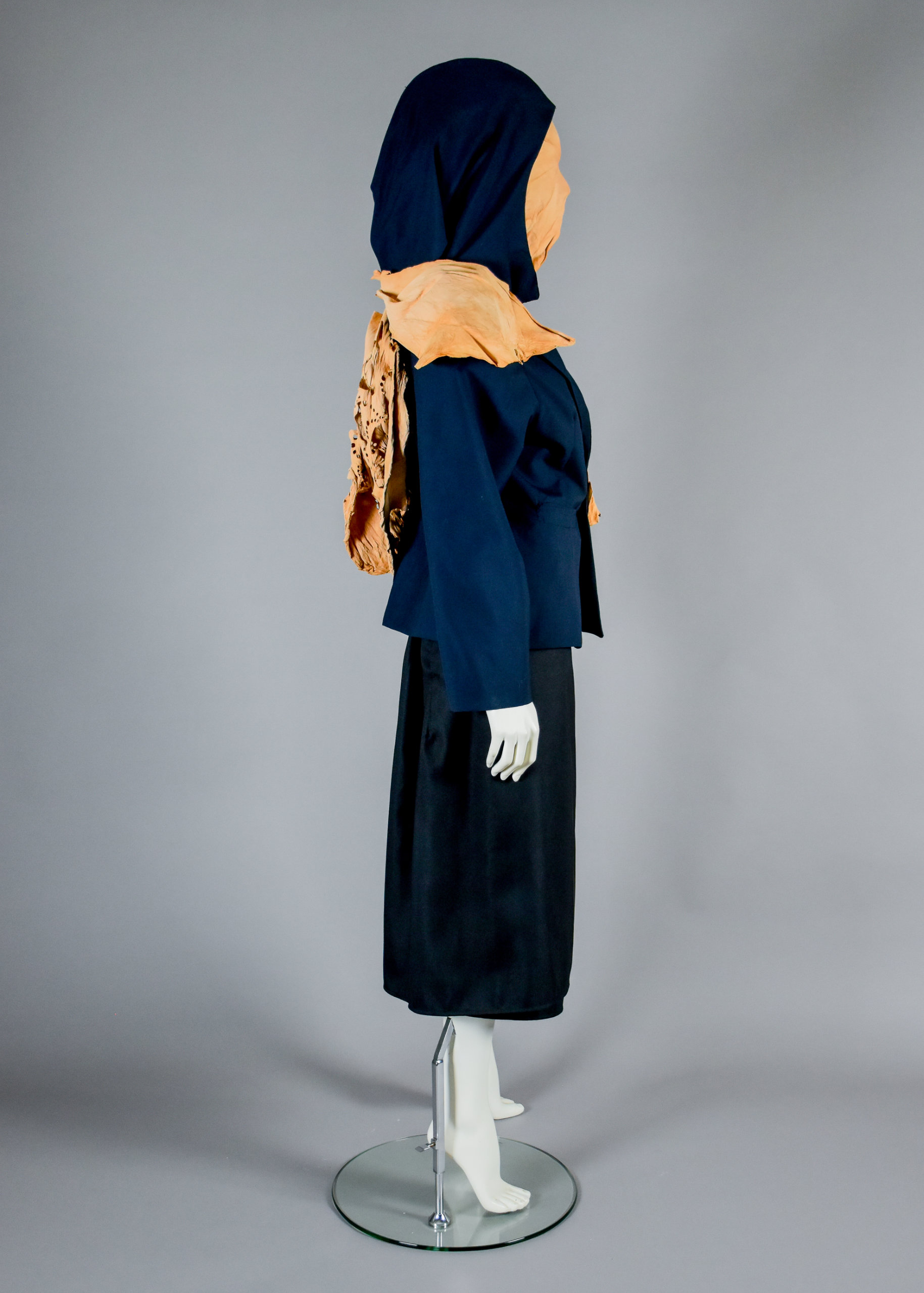
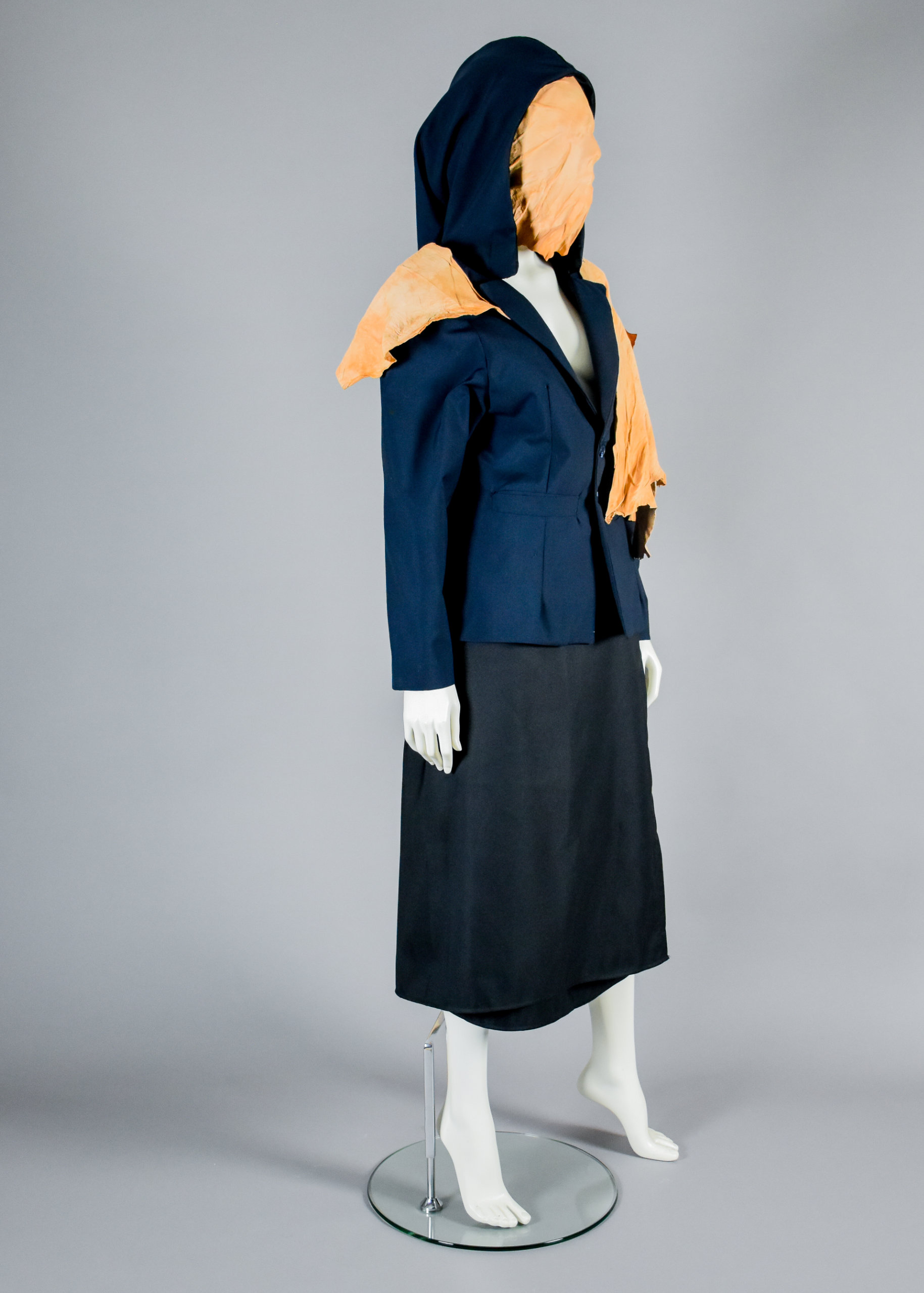
Hao Wei Lim (Aiden) + Gemma Crawford

Hao Wei Lim (Aiden)

Aiden Lim Hao Wei (She/He) is a Melbourne based emerging artist/designer from Malaysia. Born in 2003, she moved to Melbourne in 2019, where she completed Years 11 and 12 before progressing to higher education, earning an Associate Degree in Fashion Design and Technology. She is currently completing her final year of a Bachelor of Fashion (Design) at RMIT (Melbourne) with an expectation of continuing her fashion journey with a focus on not only developing new production techniques but incorporating a psychoanalytic aspect to design by enacting thought/reflection, making and research.

“I am looking forward to collaborating with Dr Crawford in this project as my background as an Australian migrant has heavily influenced my design practice, and her focus on the community-based research resonates with my personal values and principles a lot!”

Gemma Crawford

Dr Gemma Crawford started her career in community-based HIV, working across health promotion and public health practice, advocacy, leadership, policy, teaching and research for over 20 years. An Associate Professor in Curtin’s School of Population Health, Gemma holds roles as Director (Graduate Research), Course Coordinator (Master of Public Health), and Deputy Director (Collaboration for Evidence Research and Impact in Public Health). As a social scientist using applied, qualitative and mixed methods, Gemma undertakes collaborative, community-facing research and evaluation, particularly focused on migration and other underserved health and social policy areas. She is the Immediate Past President of the Australian Health Promotion Association (a role she held for 10 years) and its youngest Life Member.

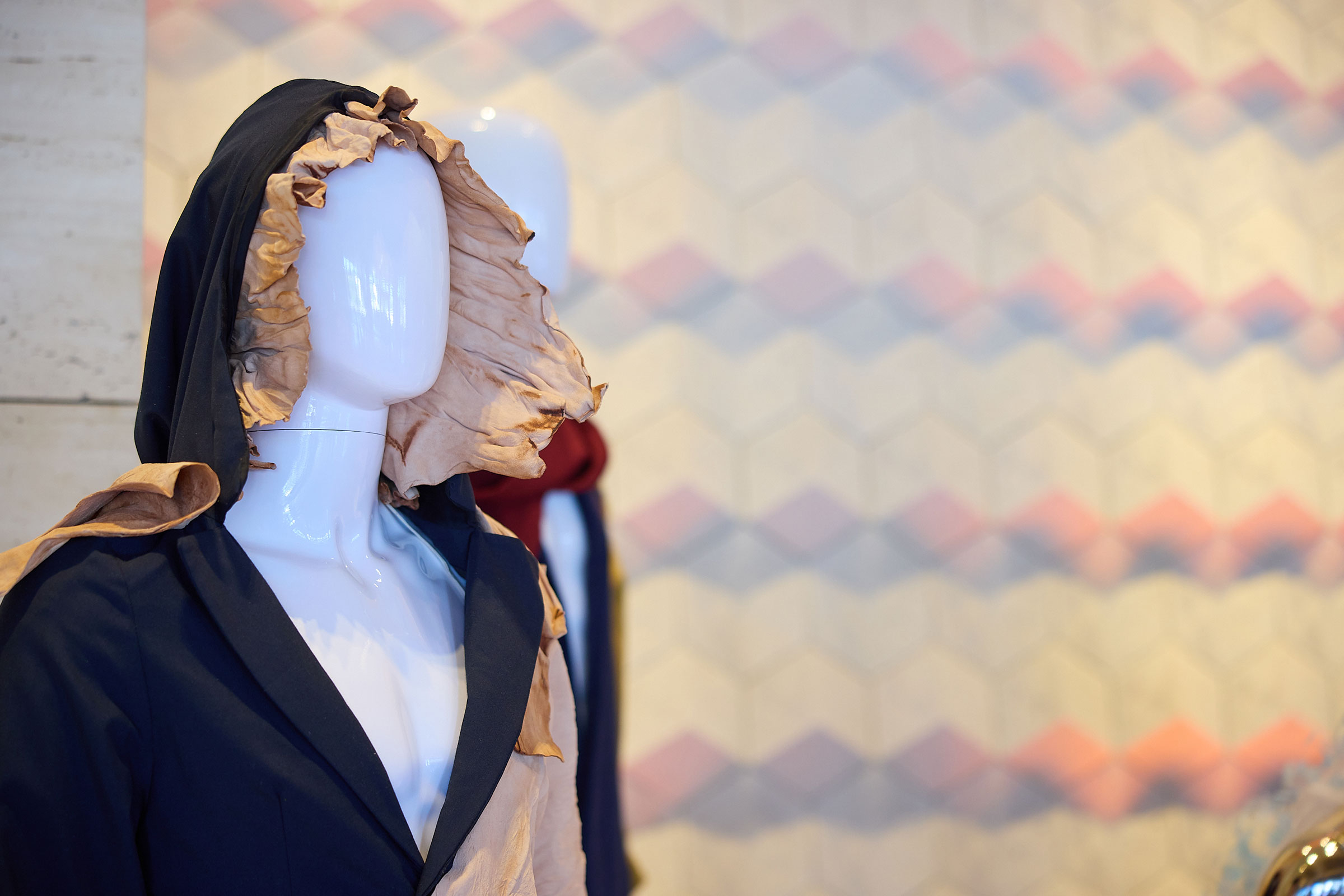
This interdisciplinary collaboration works like a beautiful symphony where the string orchestra collides with the Erhu’s (Chinese violin) visually incoherent songlines to work together beautifully. My scientific partner, Dr Gemma Crawford, has been involved in the community-based HIV response, and has been working across health promotion and public health practice, advocacy, leadership, policy, teaching and research for over 20 years. What inspired me the most about Gemma’s background and research is her passion and dedication. Similarly, my creative practice relies heavily on social study, bodies, materials and performances in action. I wanted this collaboration to be a fusion between two individuals committed to spcoal; action and not just a research paper plus garment.

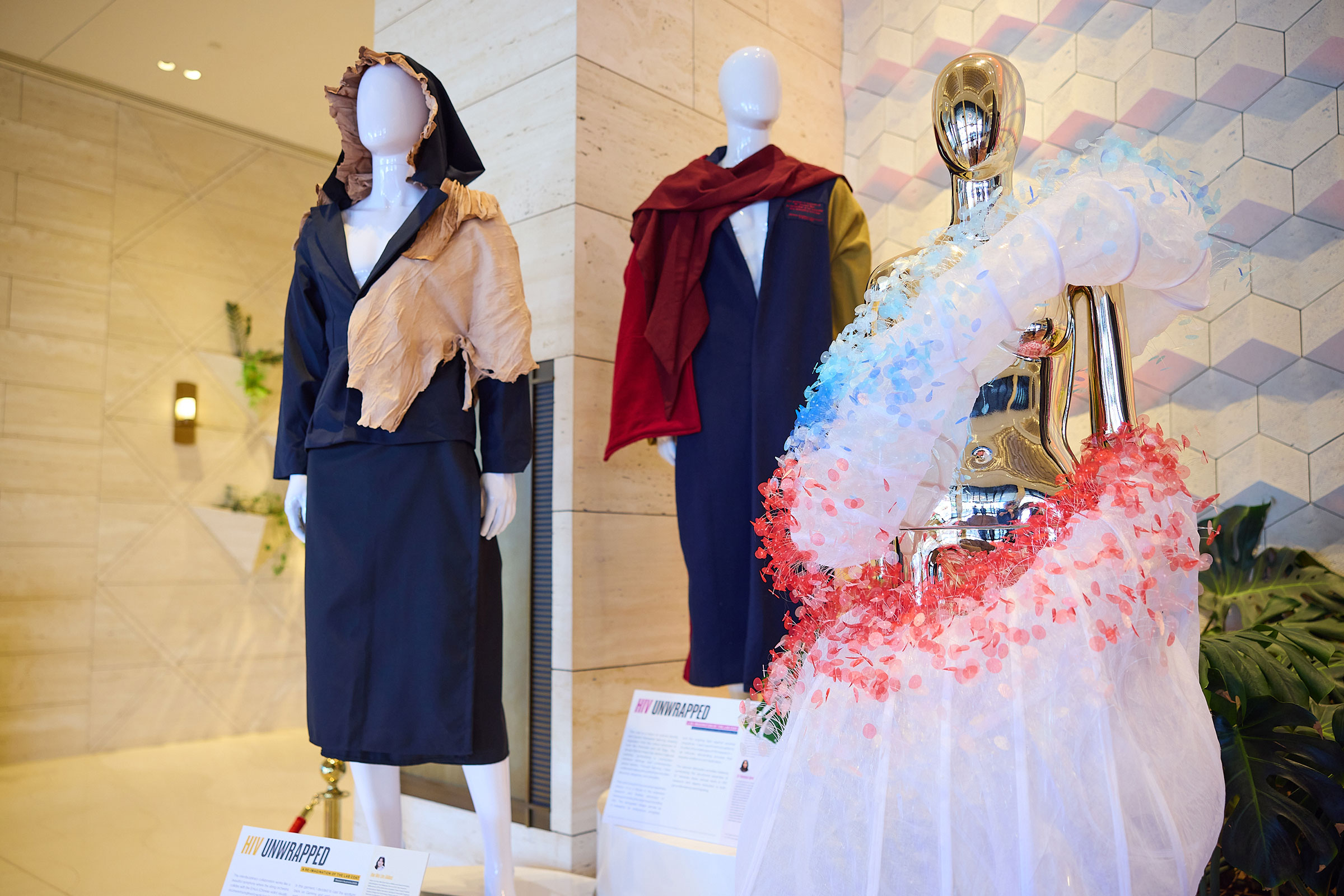
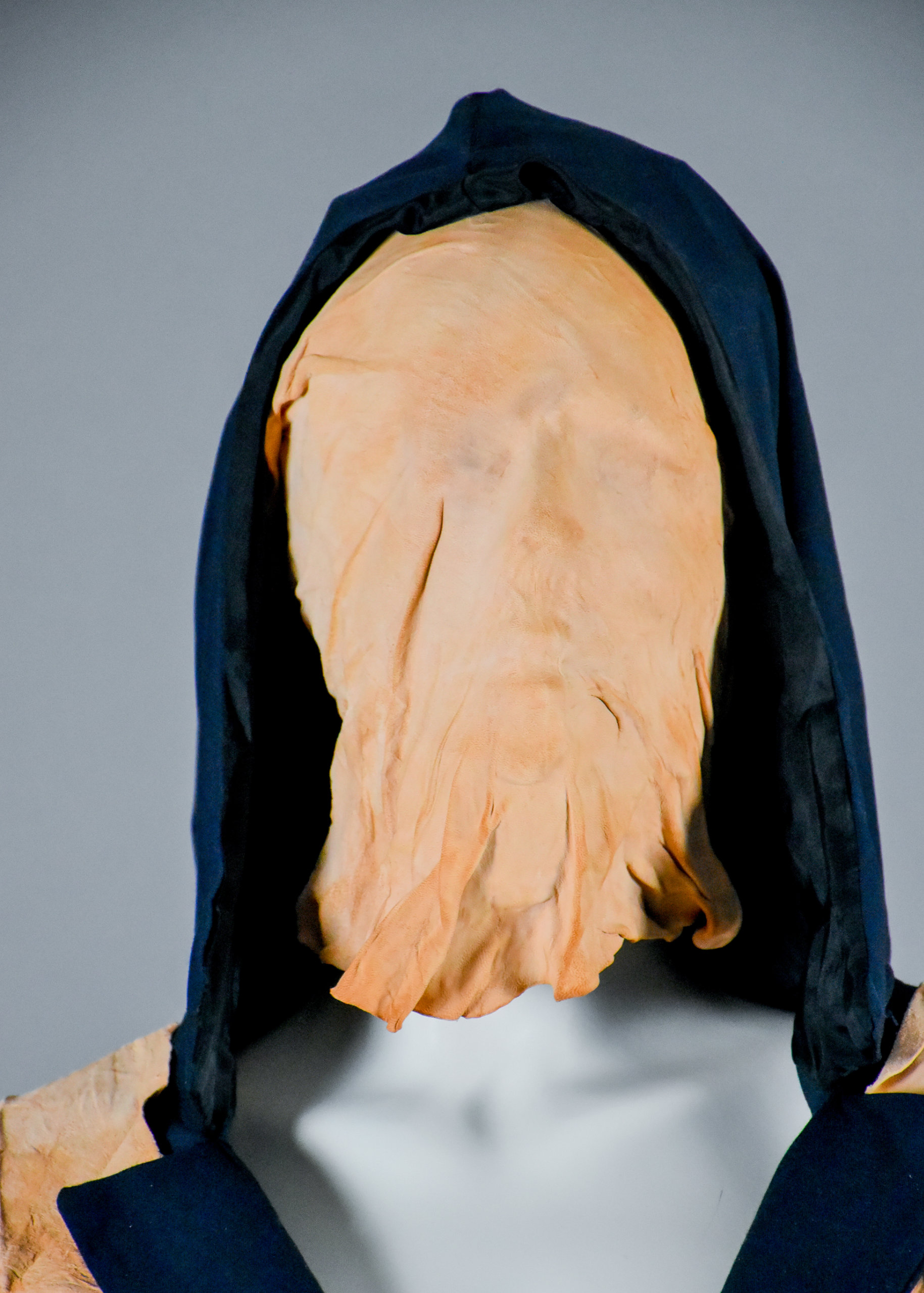
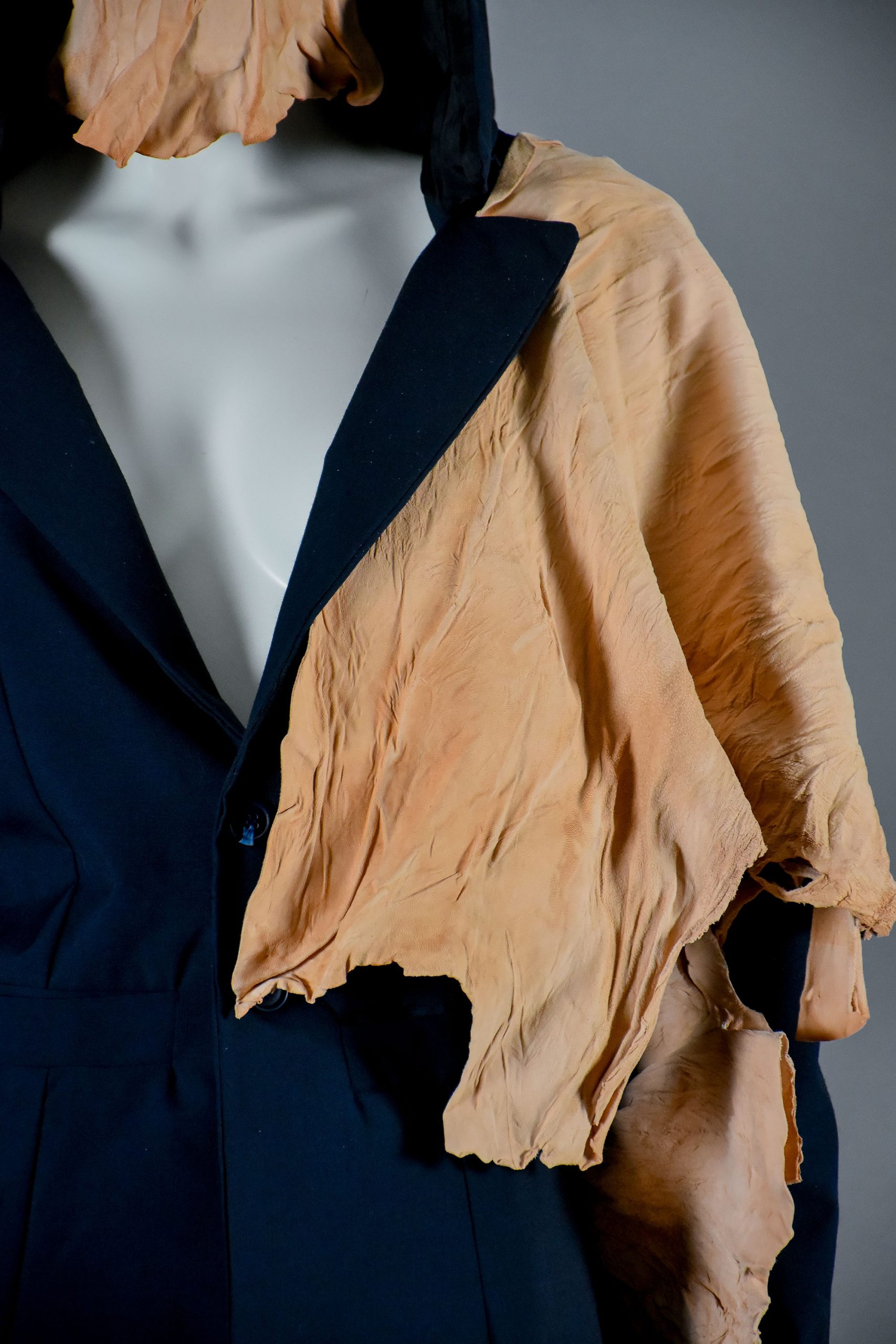
In this garment, I decided to cast the spotlight back on Gemma and embody her vision of ambushing a “eureka moment” – using her goal of mitigating the aspects of migration influencing HIV acquisition that has stemmed from the liminal space between ‘manhood culture’ and mobility. Using the concept of a suit as an irony, of being a ‘man’ which allegedly acquiesces power, but simultaneously it is like armour that has restricted your freedoms.

These emotions become constrictions, and eventually breakthrough to influence and inform the rational and irrational decisions and desires of gendered complexity. Gemma’s research exposes the underlying issues of how sex and sociality cross fertilise each other and this garment aims to provide the vision of “built-up emotions” struggling to form “individuality” and the eventual “emotional release”.

Harlene Del Rosario + Corie Gray

Harlene Del Rosario

Harlene Del Rosario is currently completing her 3rd year in the Bachelor of Fashion Design course at RMIT. Her aesthetic is creating unique designs predominately using bright colours and shiny things in her work. She also tries to incorporate sustainability in her designs using deadstock fabrics and repurposing materials. She aims to get into Medicine one day, linking science and fashion together.

Corie Gray

Dr Corie Gray is the Project Manager for the Community of Practice for Action on HIV and Mobility (CoPAHM) and Acting Project Manager for the Sexual Health and Blood-borne Virus Applied Research and Evaluation Network (SiREN) within the Collaboration for Evidence Research and Impact in Public Health at Curtin University. Using participatory methods alongside people from culturally, ethnically and linguistically diverse backgrounds, her research has mostly focused on the areas of HIV, STIs, and women’s health.

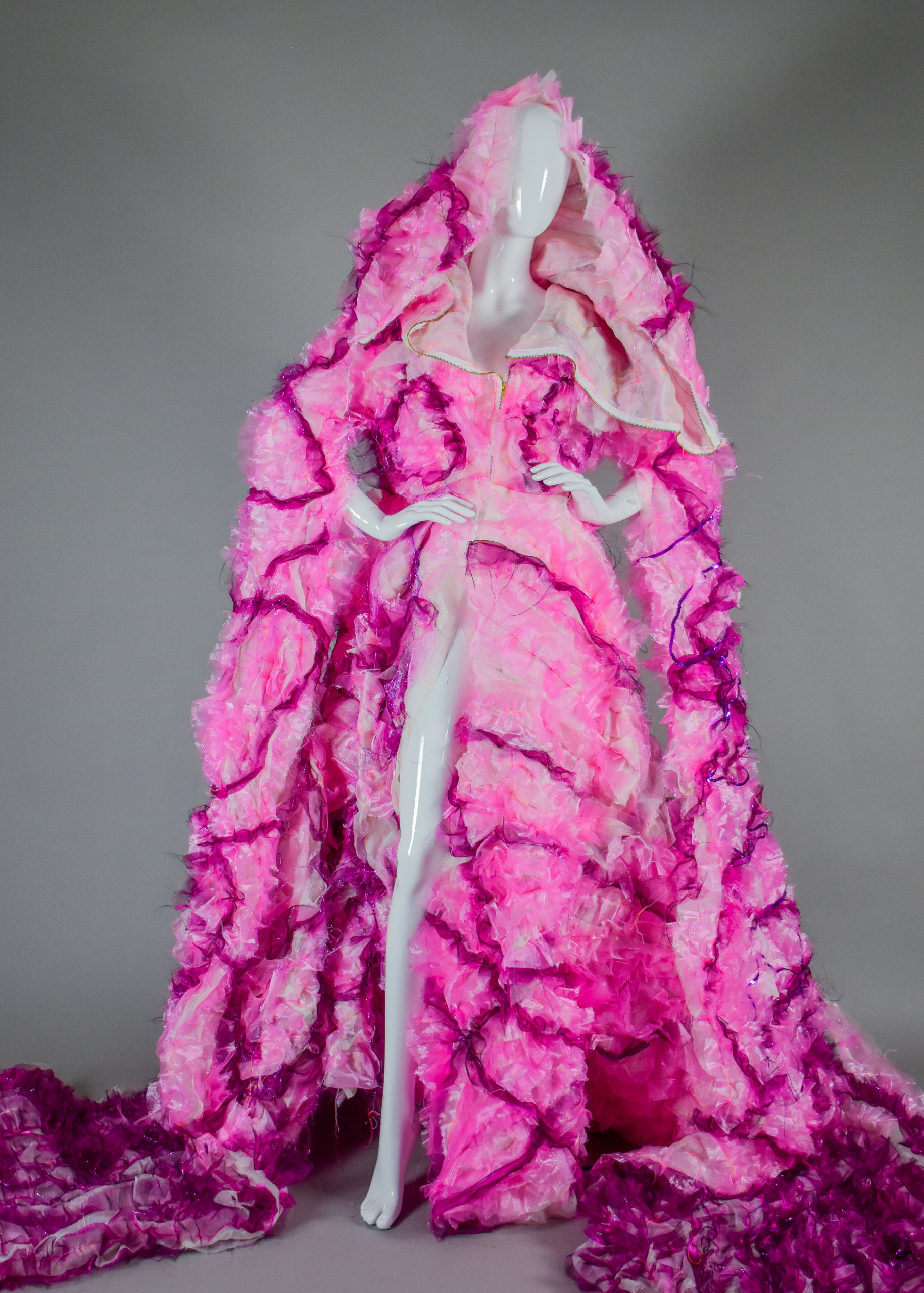
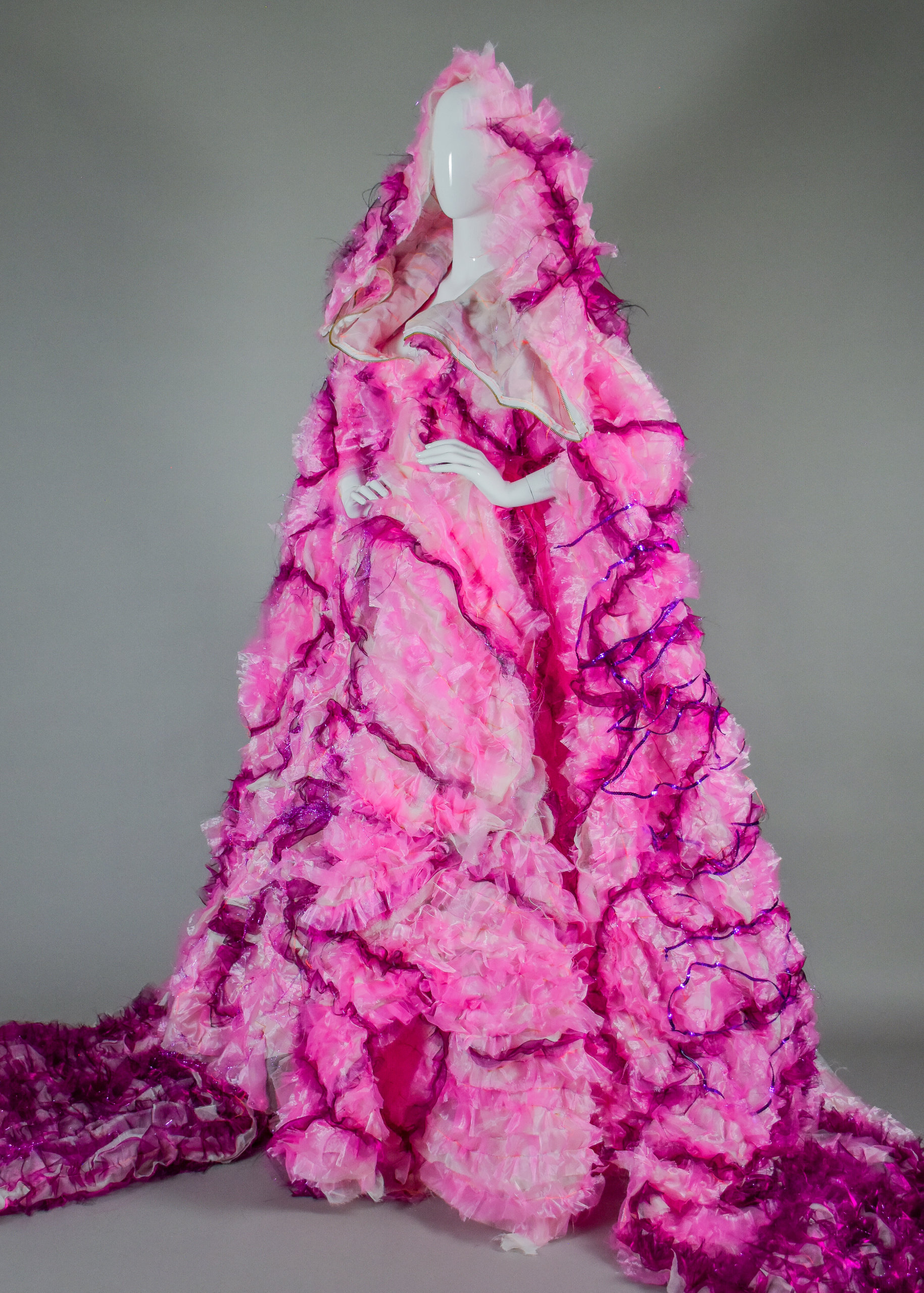
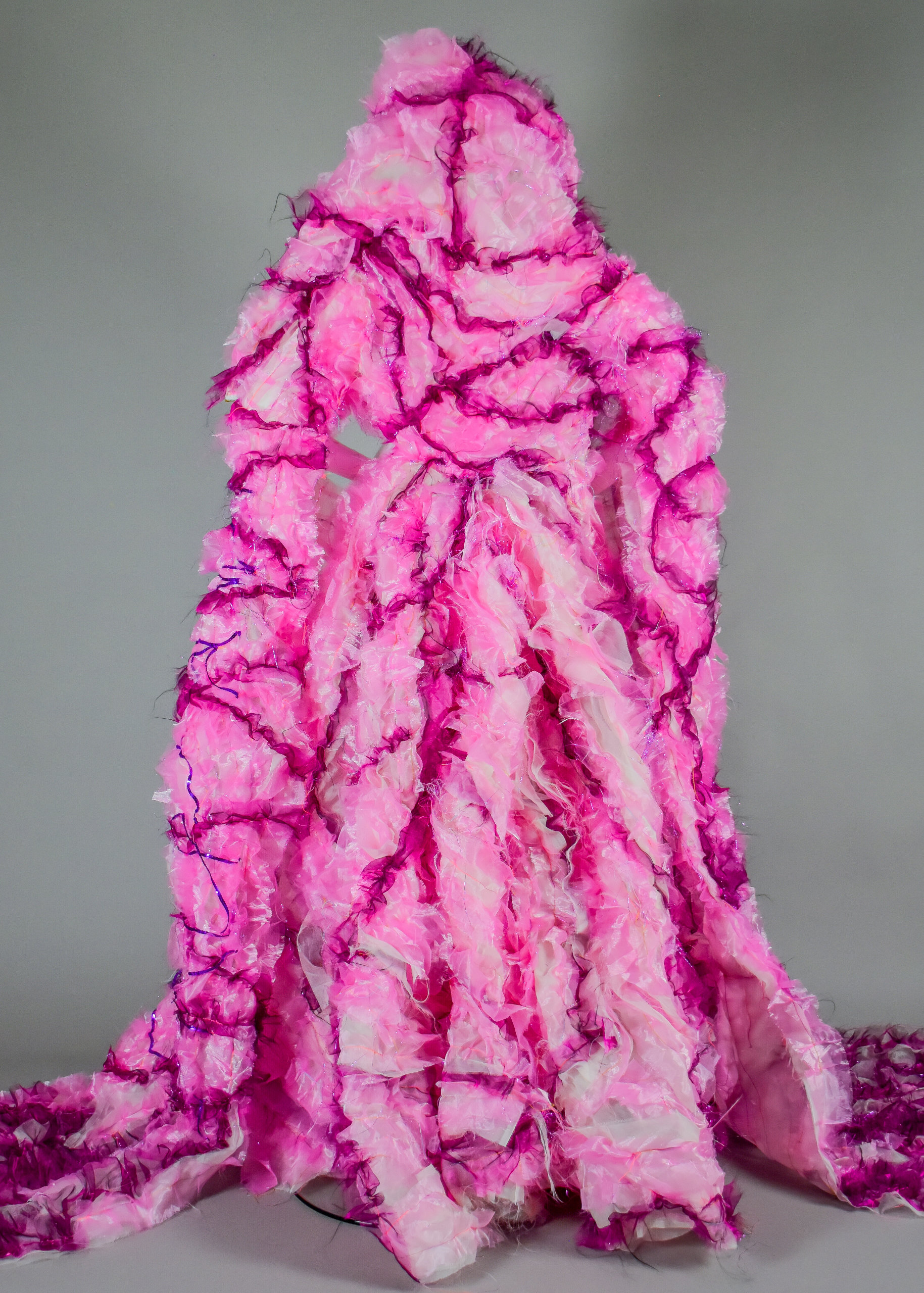
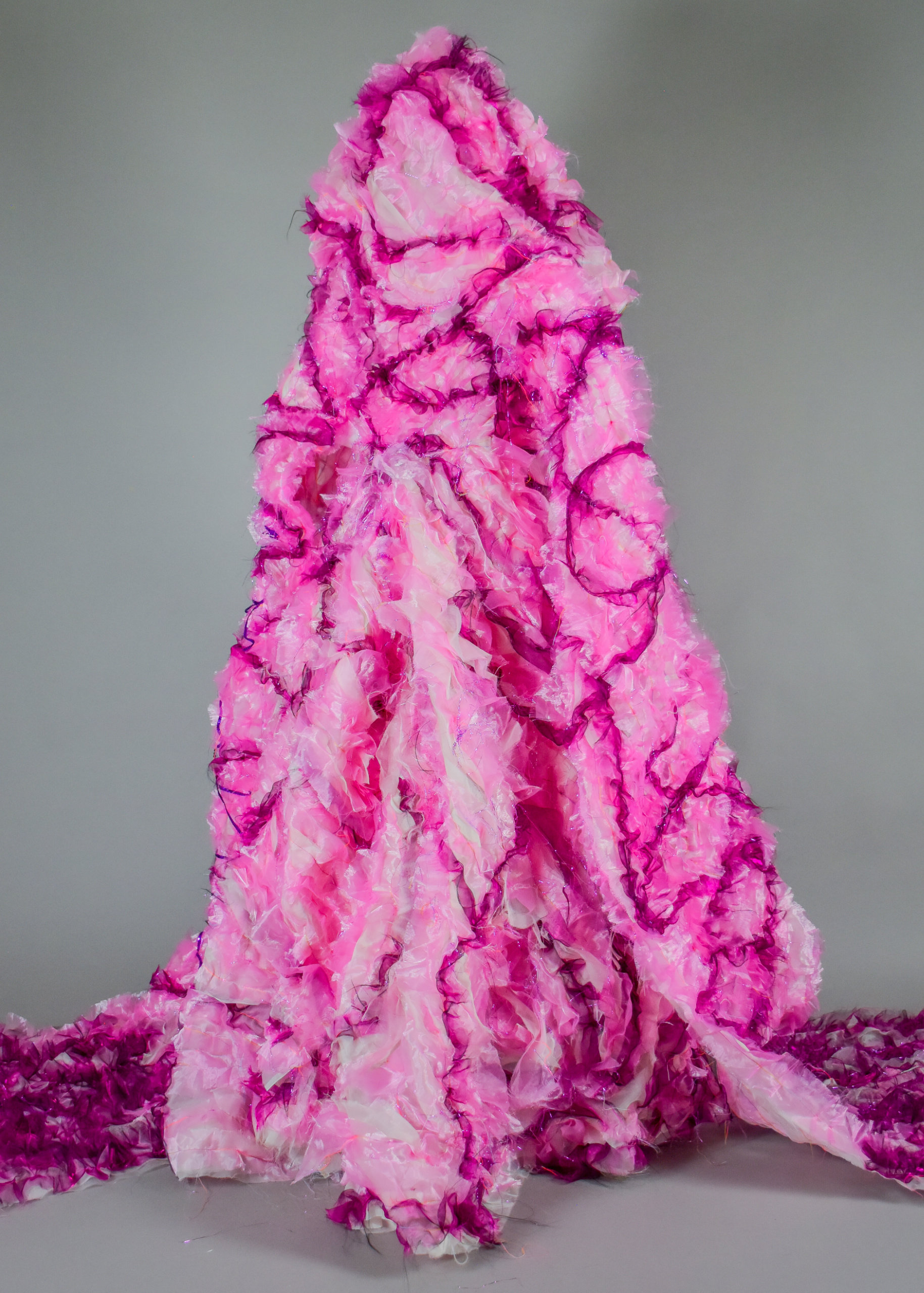
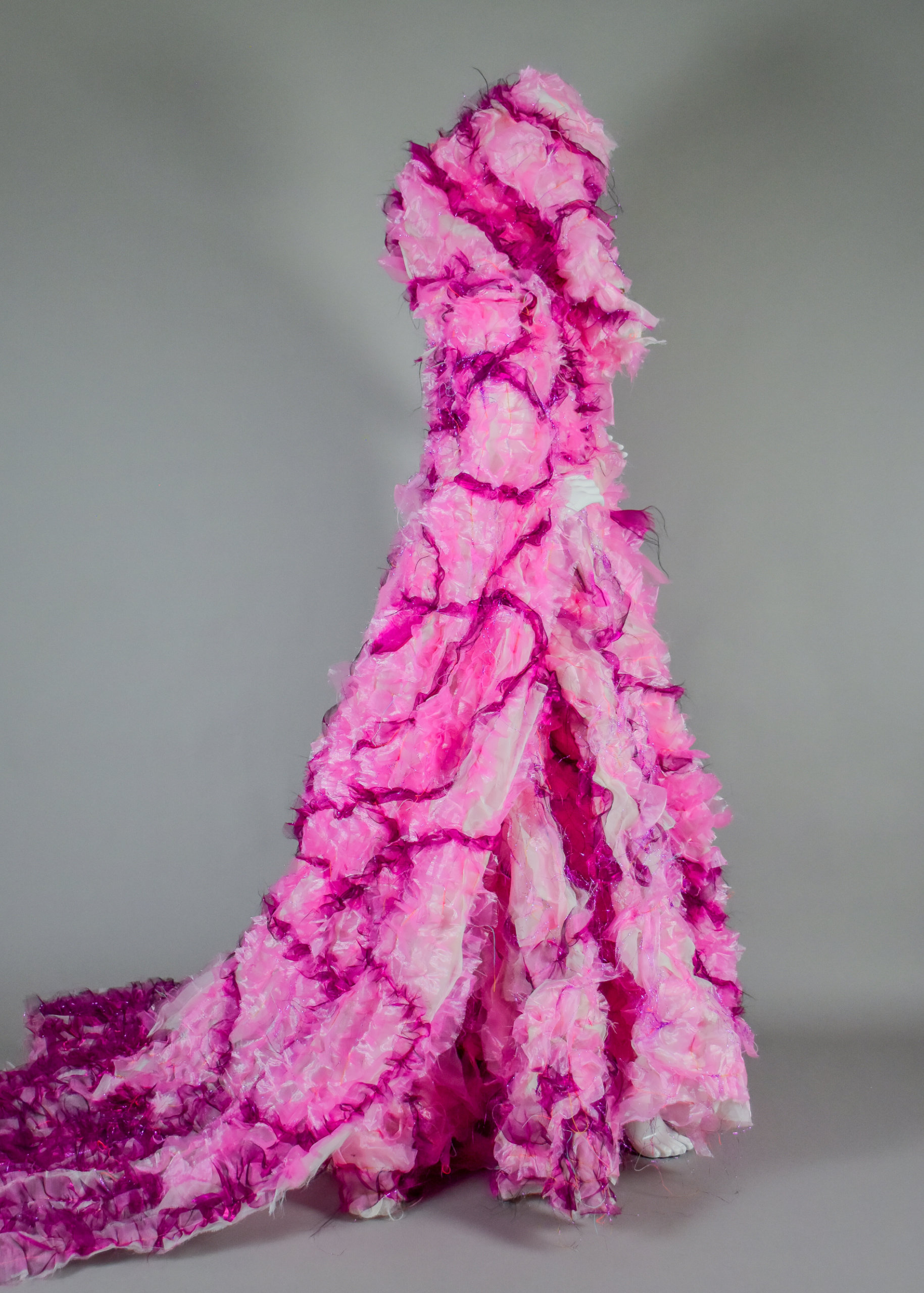
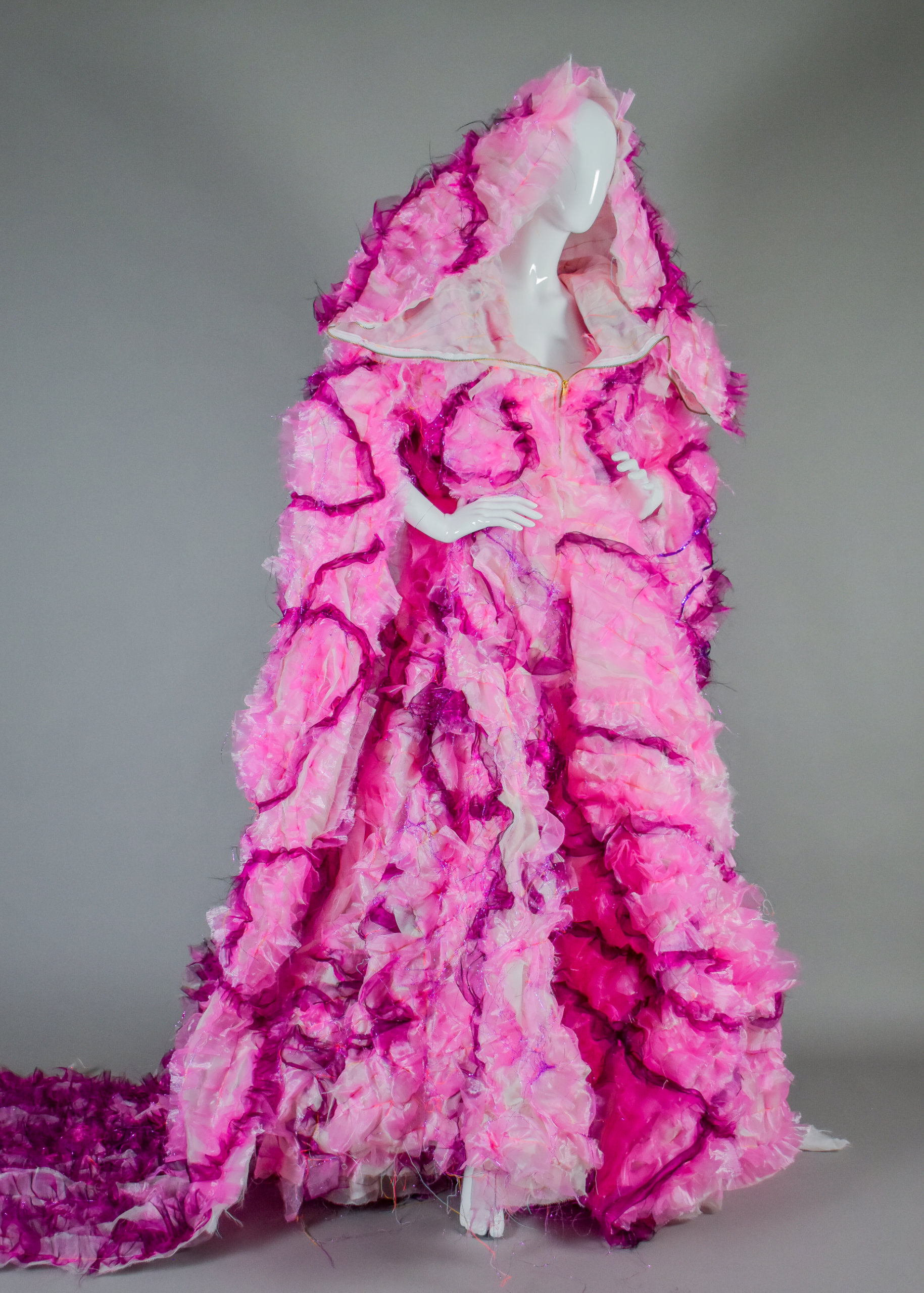
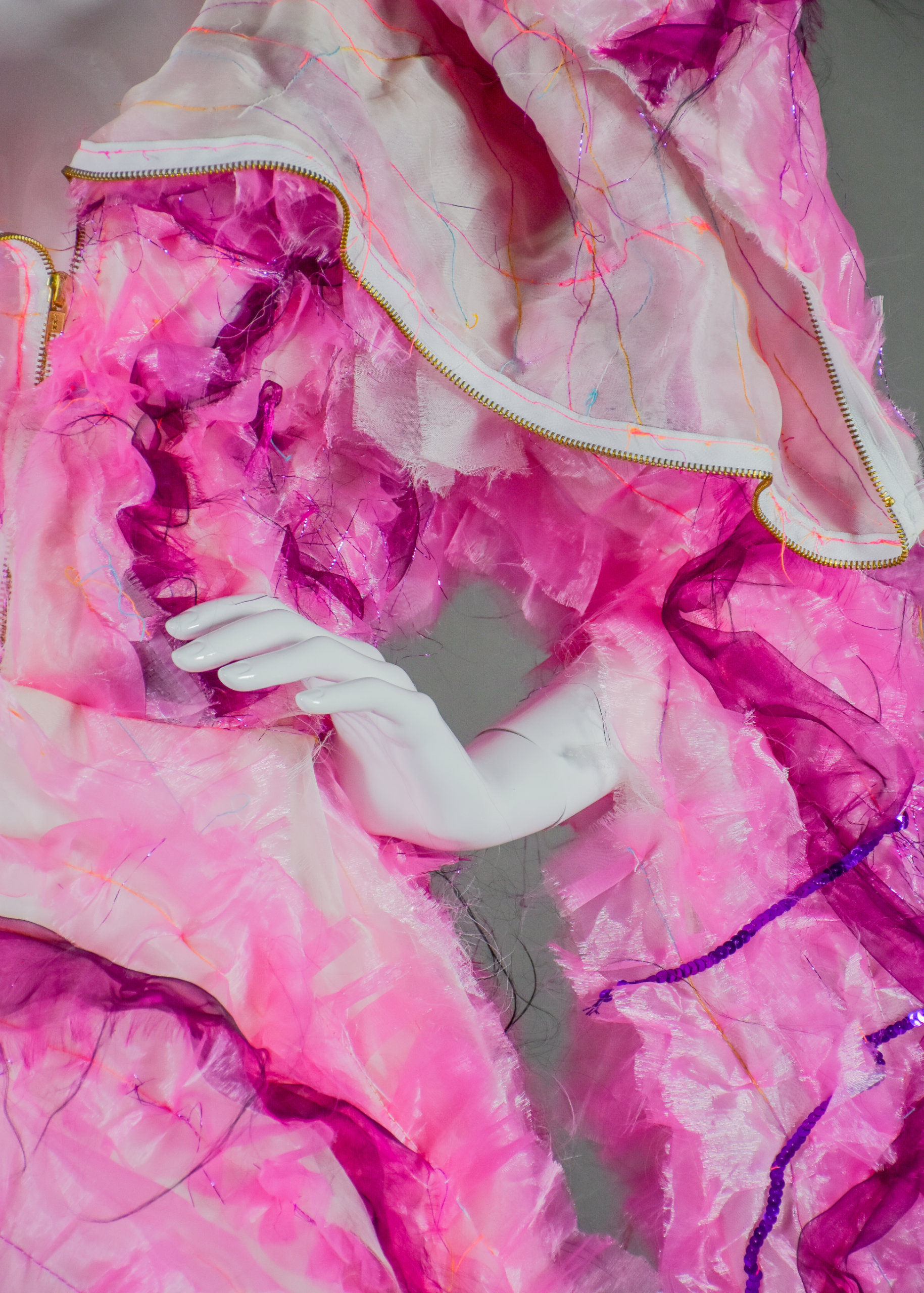
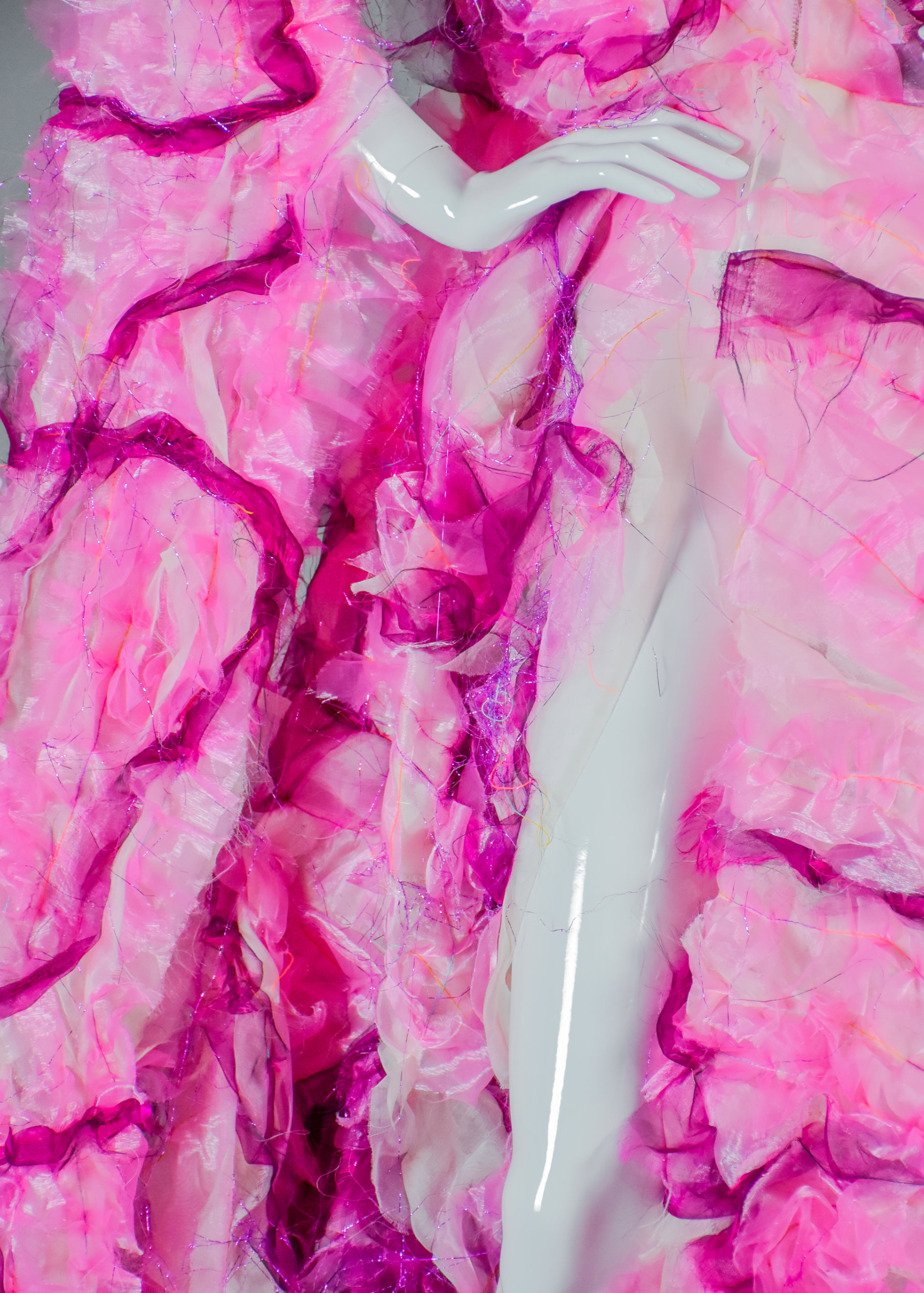
The scientist I am working with for this HIV Unwrapped project is Dr Corie Gray. Her research is based on The Srikandi Project. The word Sri Kandi refers to a leading female warrior in Javanese mythology signifying a modern-day symbol of female empowerment – known for her bravery, fighting skills and a role model for women trying to achieve equality and recognition in Indonesian society.

Cories’ research focuses upon empowerment through a strengths-based, community led approach through amplifying the knowledge, networks and cultural assets of Indonesian women – fostering pride, leadership and ownership over sexual health and well-being. Depicting how informal networks, cultural identity and peer empowerment can create pathways for HIV prevention and testing.

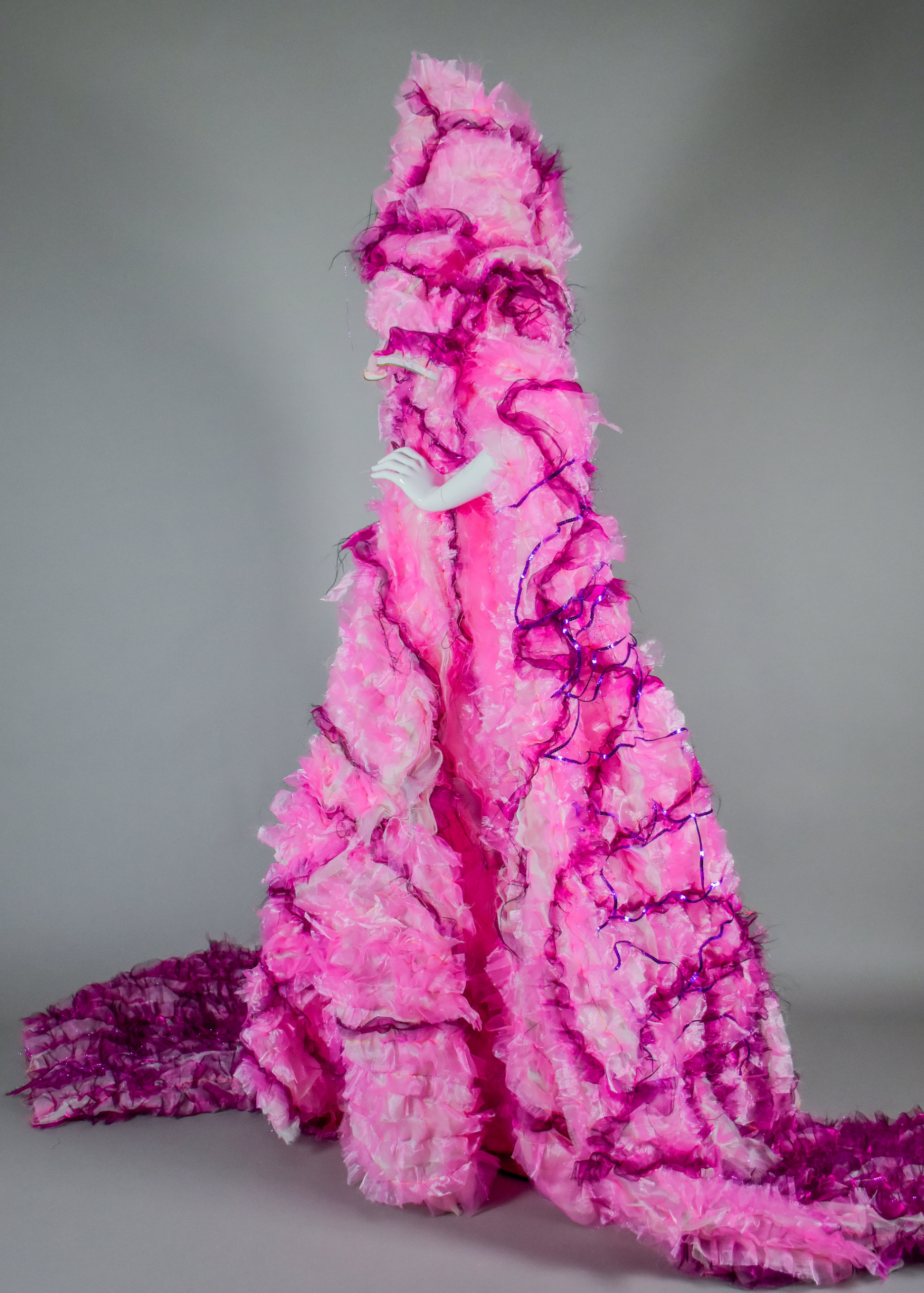
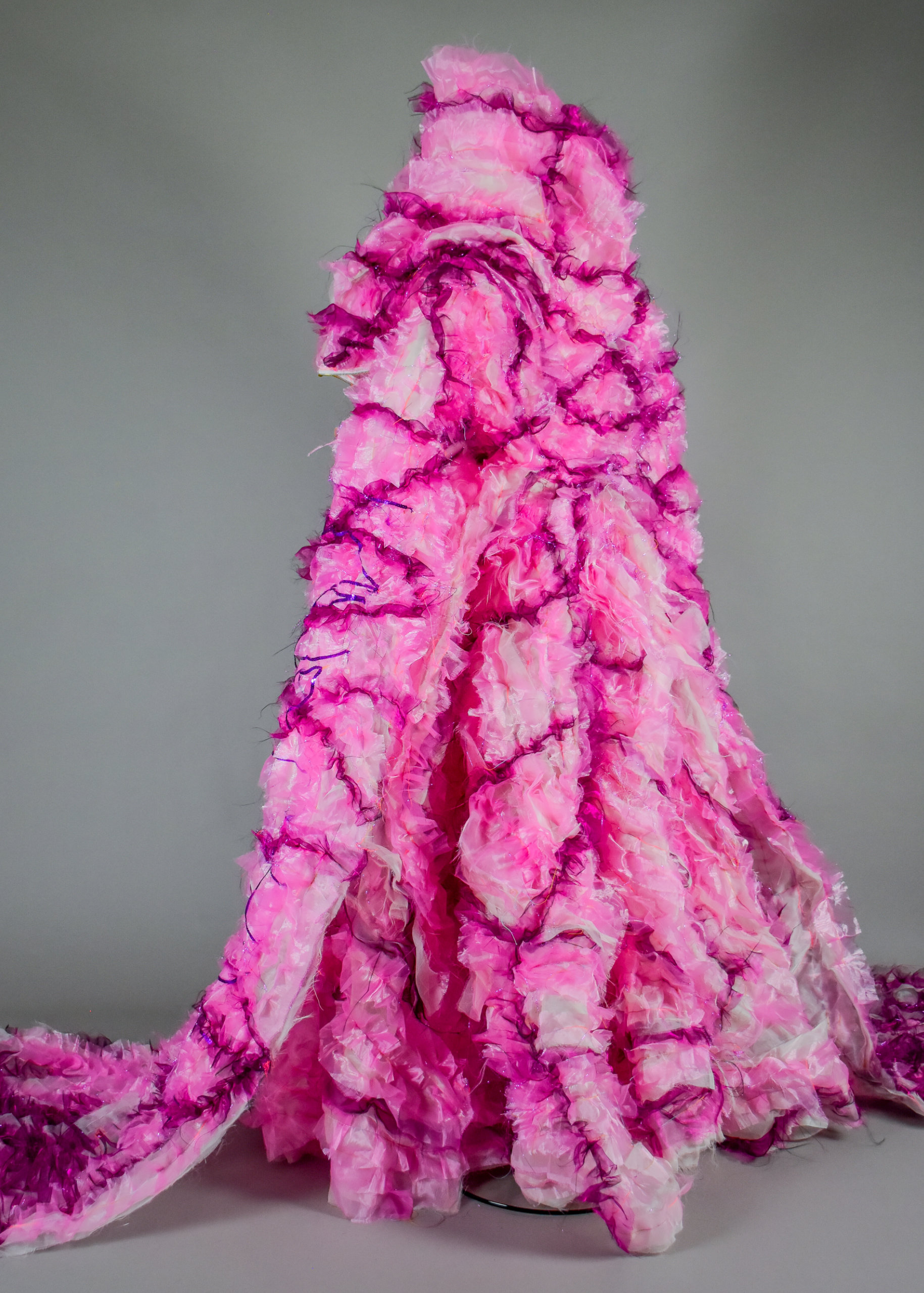
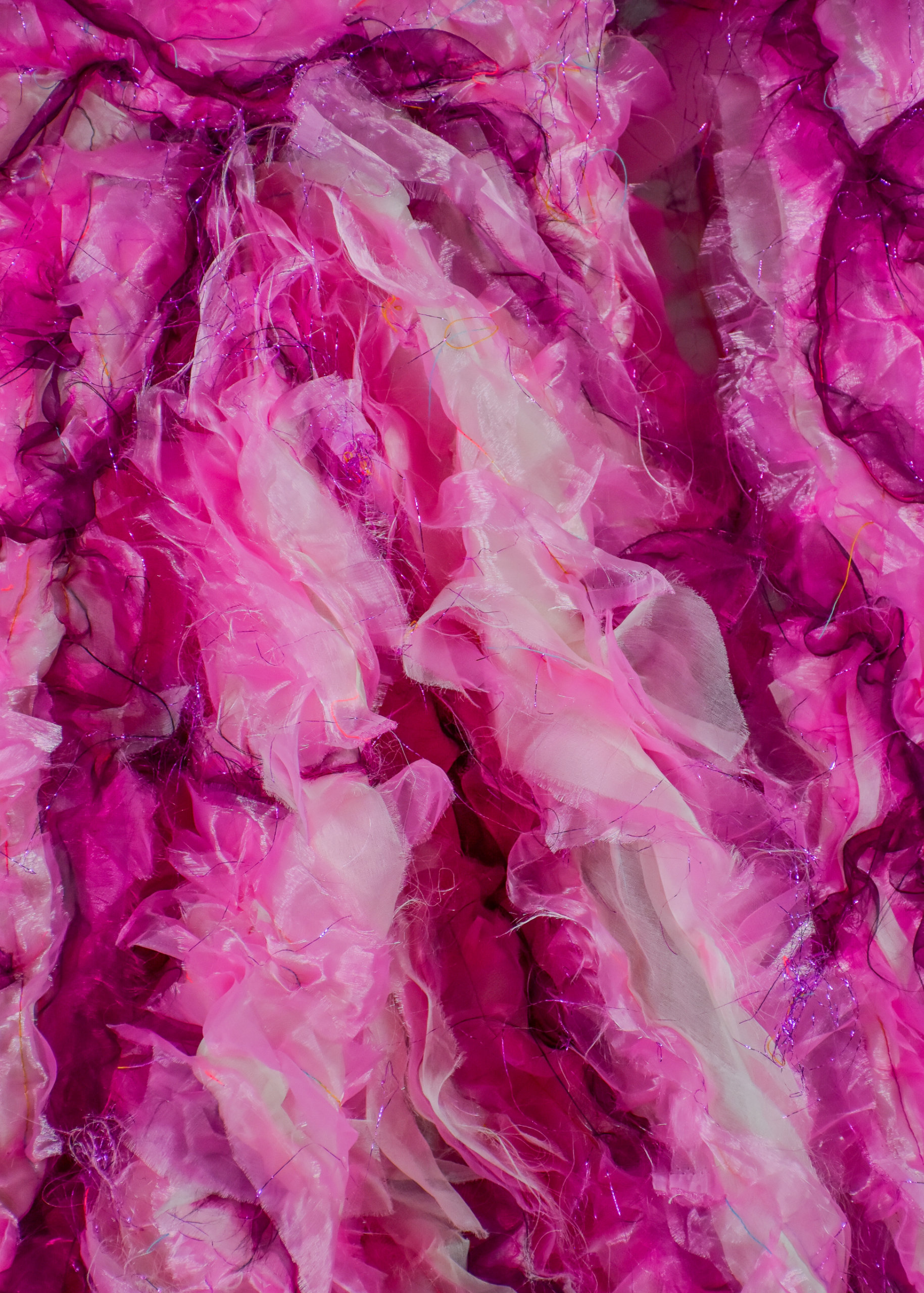
The branding of the Srikandi Project are the colours pink and purple, so I used these as the colour palette for my design. The garments textile is made from deadstock silk organza and shiny sheer fabric cut into strips and sewn back together to create a textile. This textile is symbolic of these Indonesian women in the project – having different layers within them. How past experiences have formed the person they are today, resilient and empowered just like Sri Kandi. The strips of fabric sewn back together to form the textile also depicts the interconnectedness of the Indonesian and Australian HIV community working together. The oversized sleeves can be worn as a scarf and the cowl/hood signifies comfort, safety and protection of oneself, and how these women are overcoming racism and stigma in the community.

If you look carefully, hand stitched in purple sequins is the word Srikandi on one of the sleeves to pay homage to this research project.

Katrina Kan + Hirusha Mathangadheera + Silvana Gaudieri

Katrina Kan

Katrina is a final year Bachelor of Fashion Design student at RMIT University. Having completed a PhD in neuroimmunology before transitioning into fashion design, Katrina is drawn to exploring the intersection of science and fashion. Through multidisciplinary collaboration, she is particularly interested in using fashion as a platform for advocacy and meaningful change. Within fashion, Katrina’s interests lie in art direction, exploring brutalist philosophies and how traditional tailoring techniques can inform contemporary and innovative silhouettes. She is excited to combine both her research background and newfound design knowledge to create garments and imagery that are both conceptually and visually compelling.
Hirusha Mathangadheera

Hirusha Mathangadheera is a Sri Lankan fashion design student at RMIT University and a hyper-realistic pencil artist. His approach to design combines technical precision with a sharp eye for exaggerated shapes and clean, purposeful finishes. Hirusha is drawn to the way fashion can shape and amplify the human form, using it as a canvas to explore bold, sculptural ideas. He is passionate about exploring how design can communicate strong visual narratives and how fashion can engage with broader cultural and interdisciplinary conversations.
Silvana Gaudieri

Silvana Gaudieri is an immunogeneticist and Professor at the University of Western Australia, investigating how viruses like HIV evade the immune system. Her research uses advanced genetic technologies to analyse individual cells and viral strains, capturing virus–host interactions at high resolution. This work helps inform new strategies for treating persistent infections such as HIV. Her career includes research stints in Japan, the UK and the US, shaping a global perspective. Silvana is also a dedicated mentor, supporting the next generation of HIV researchers and contributing to international efforts to better understand and combat HIV.

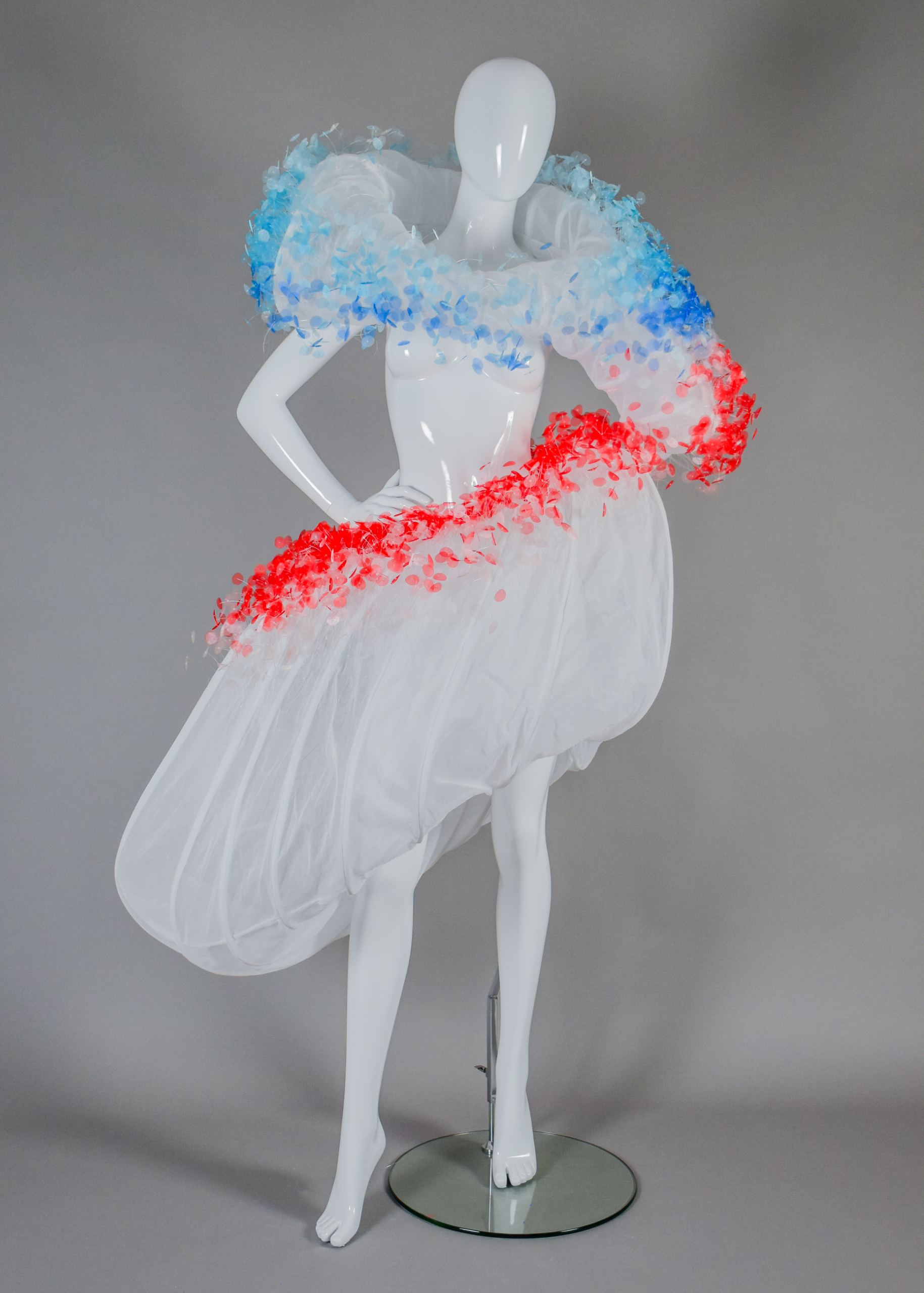
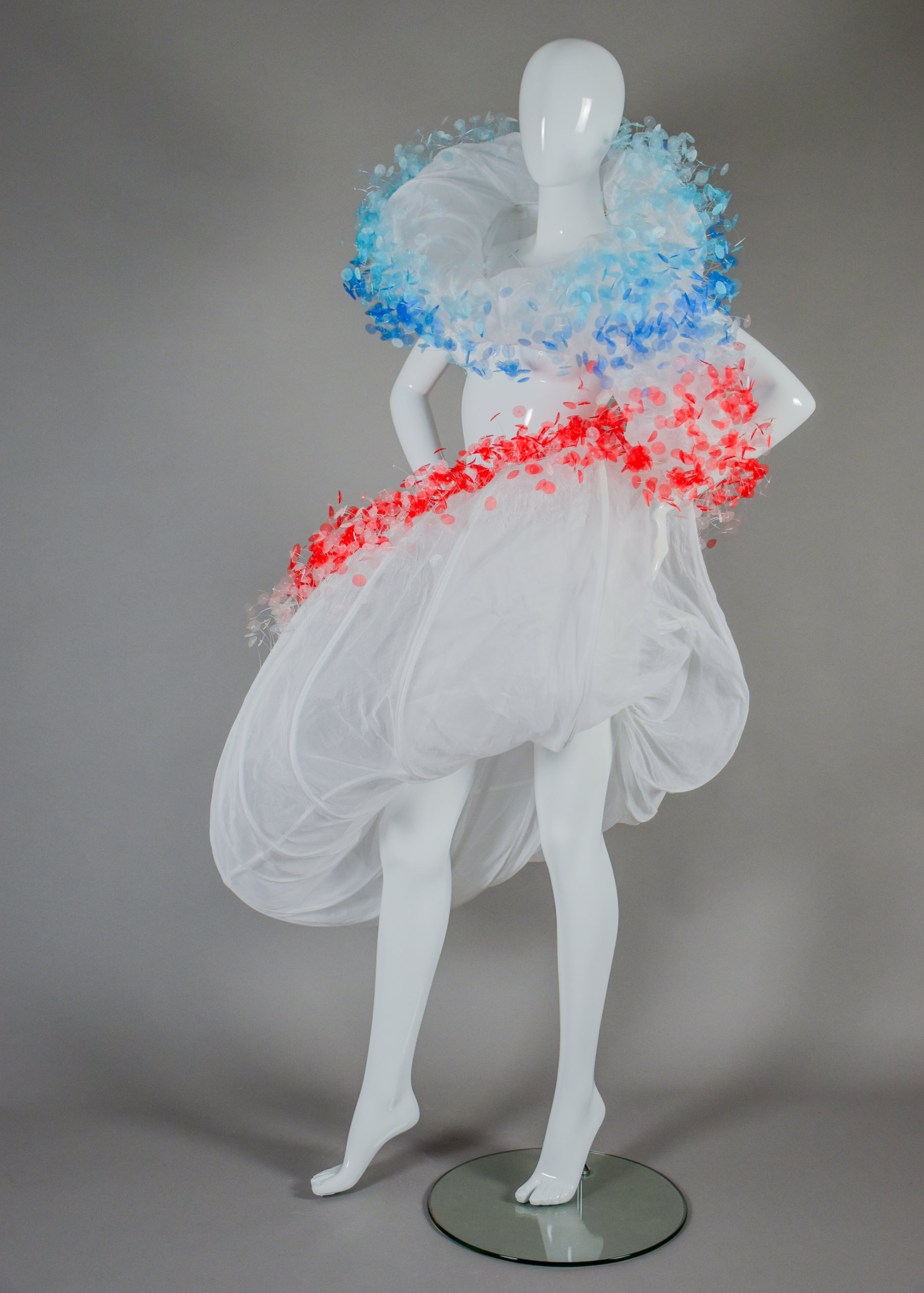
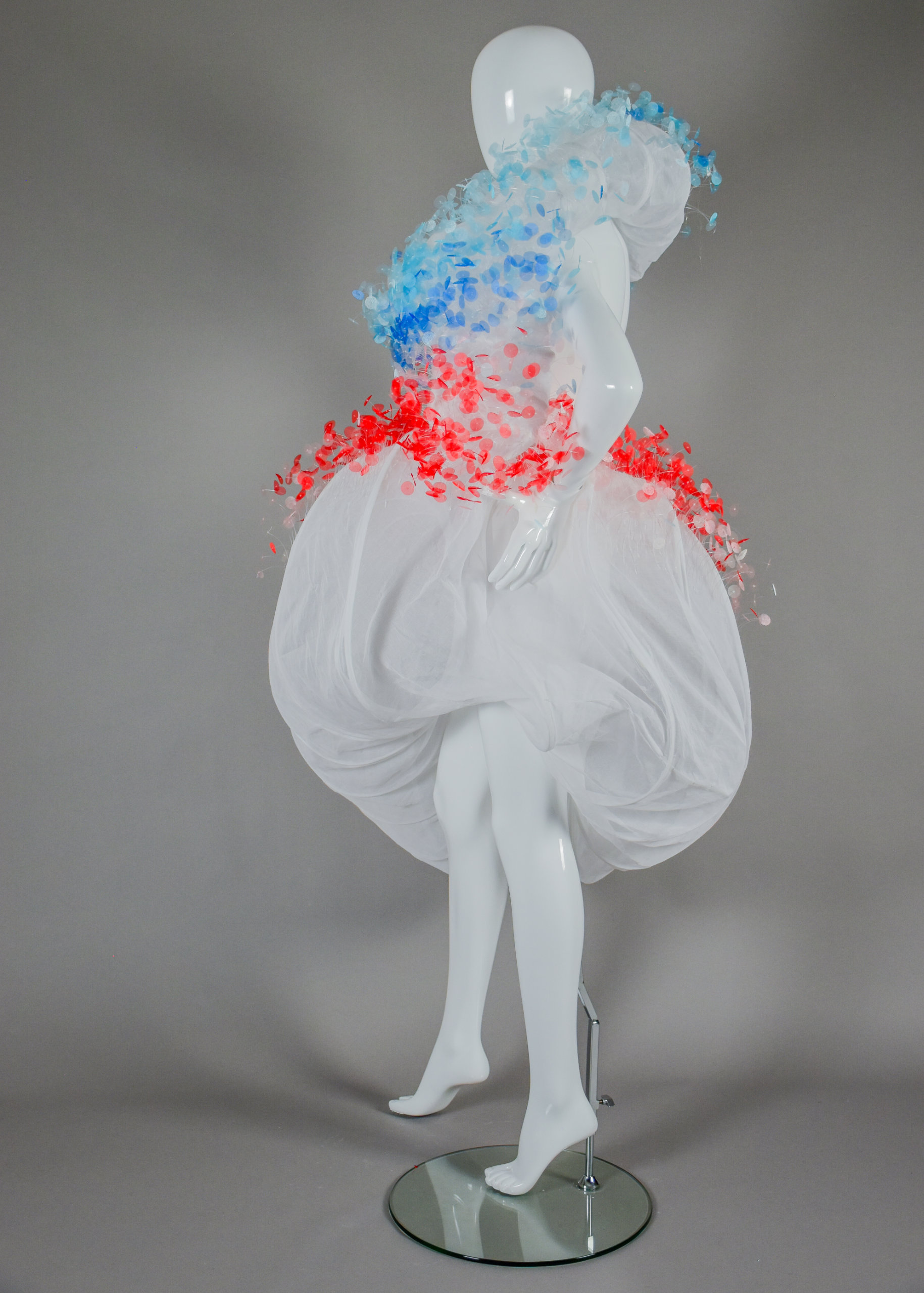
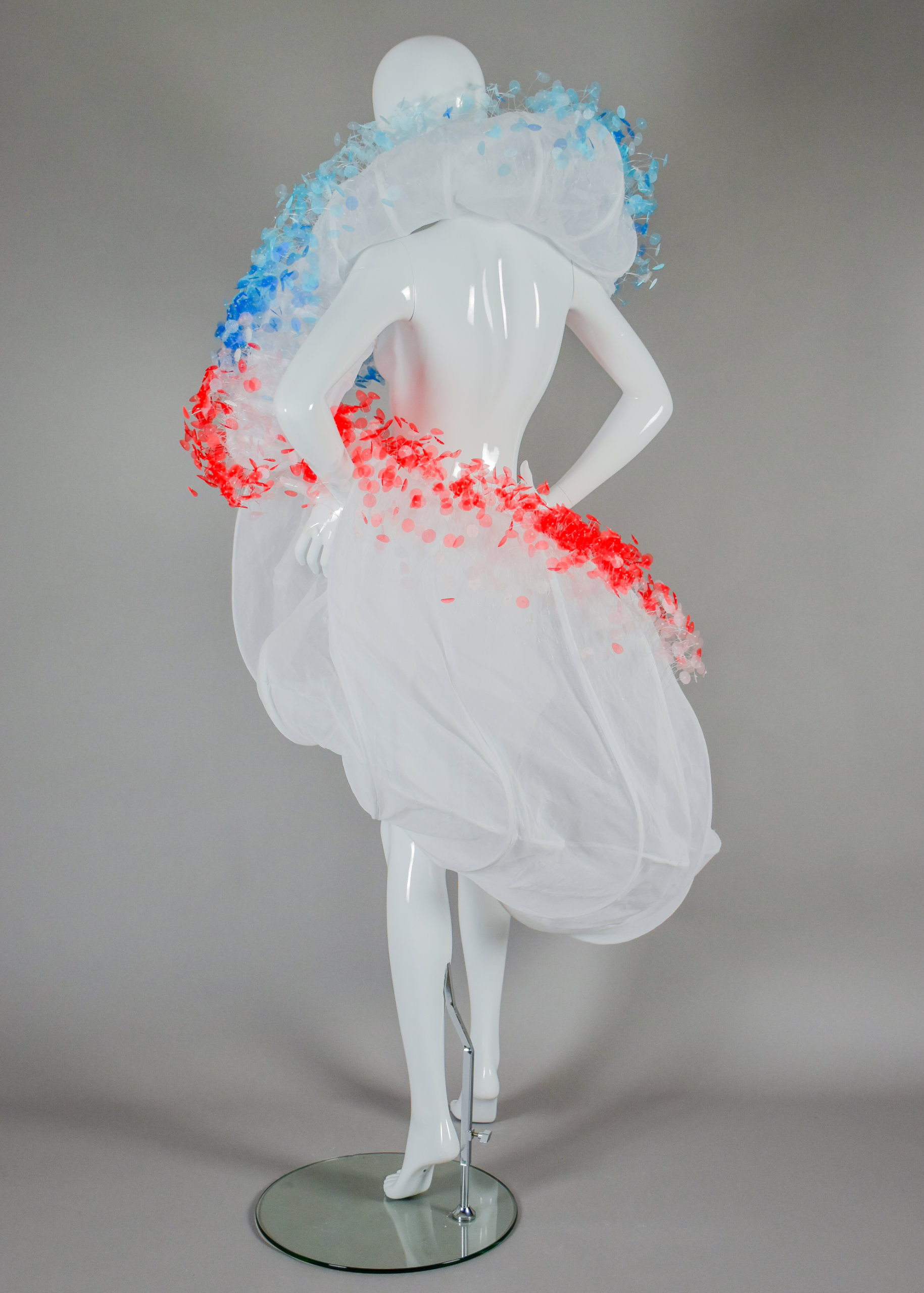
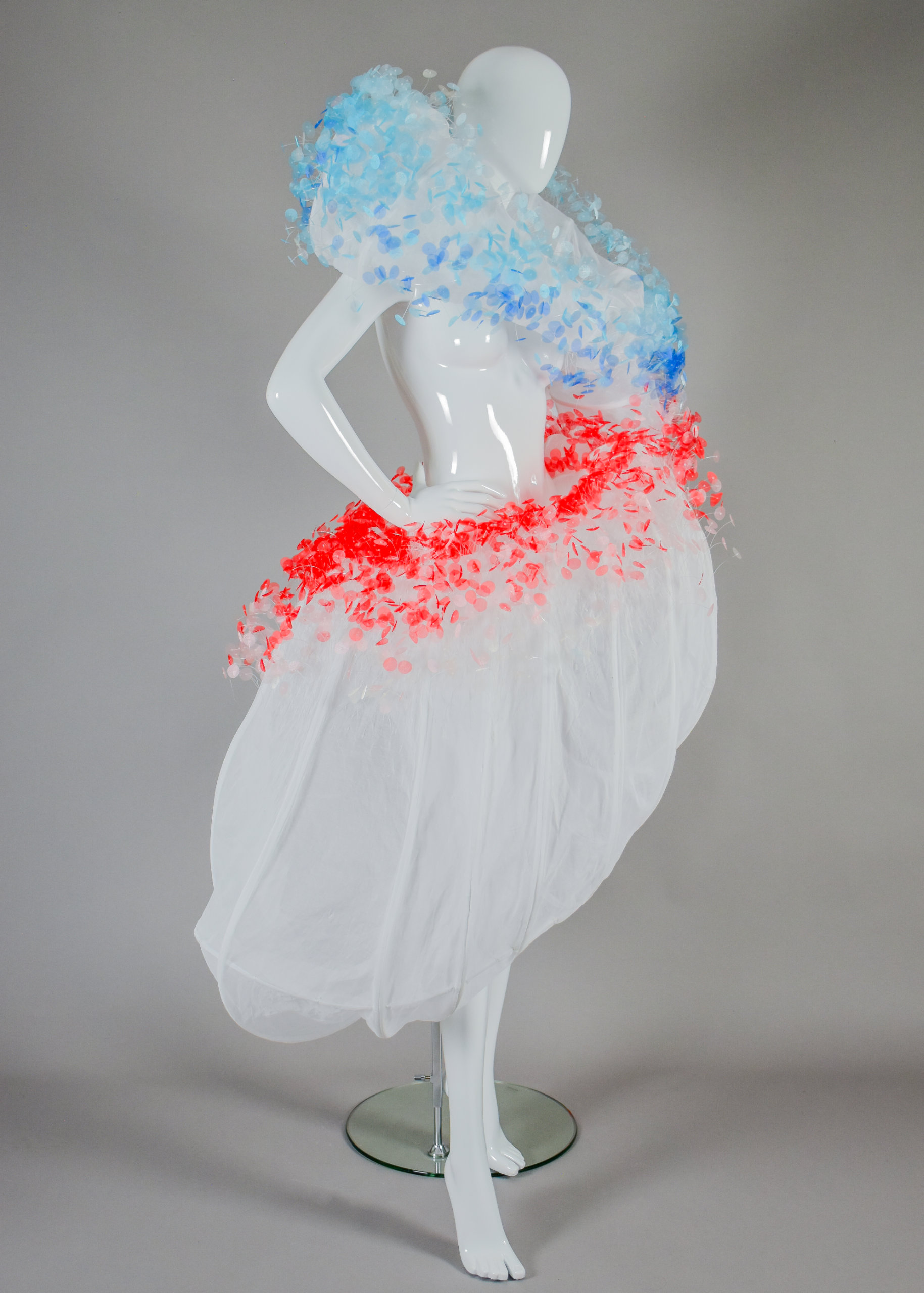
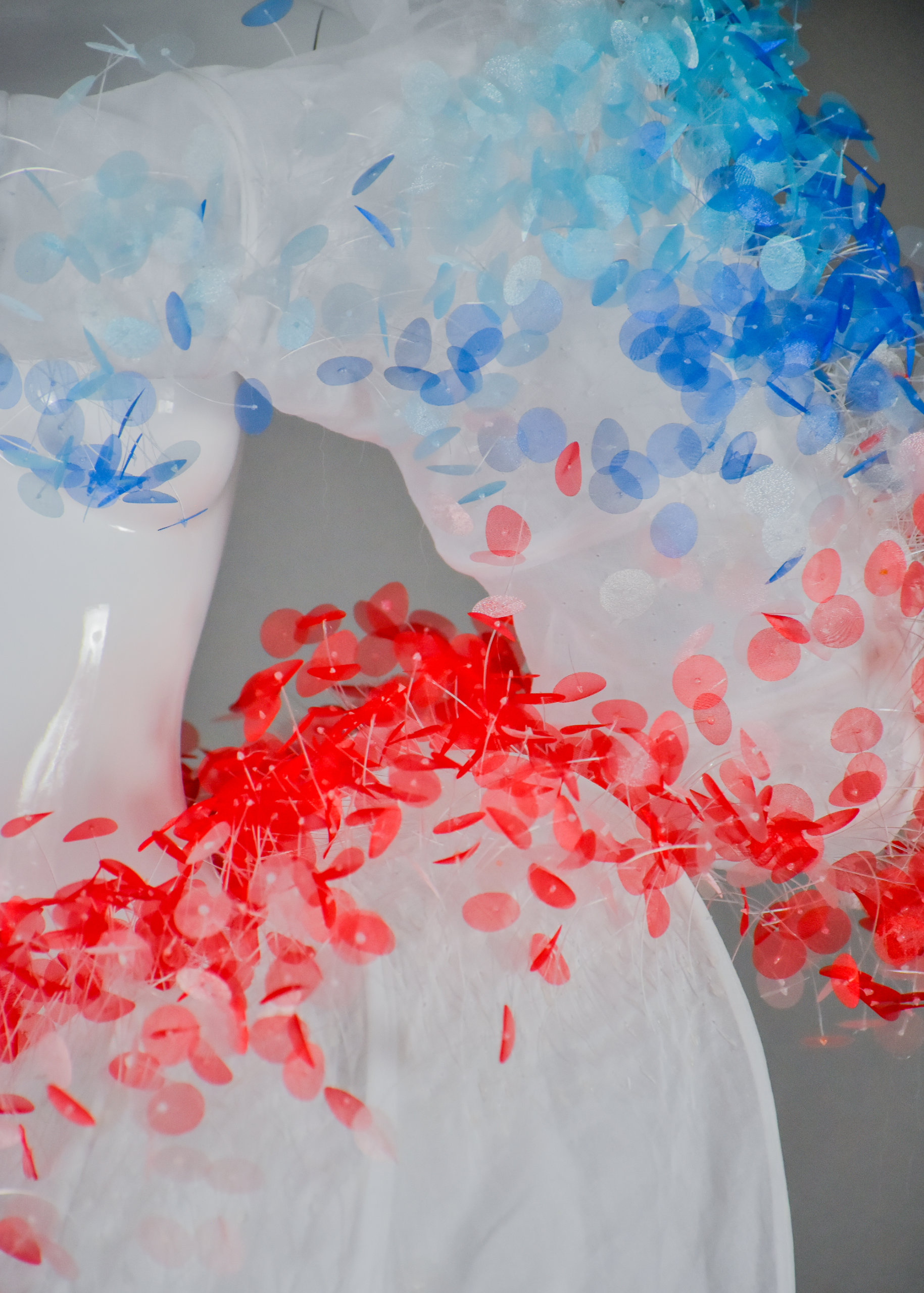
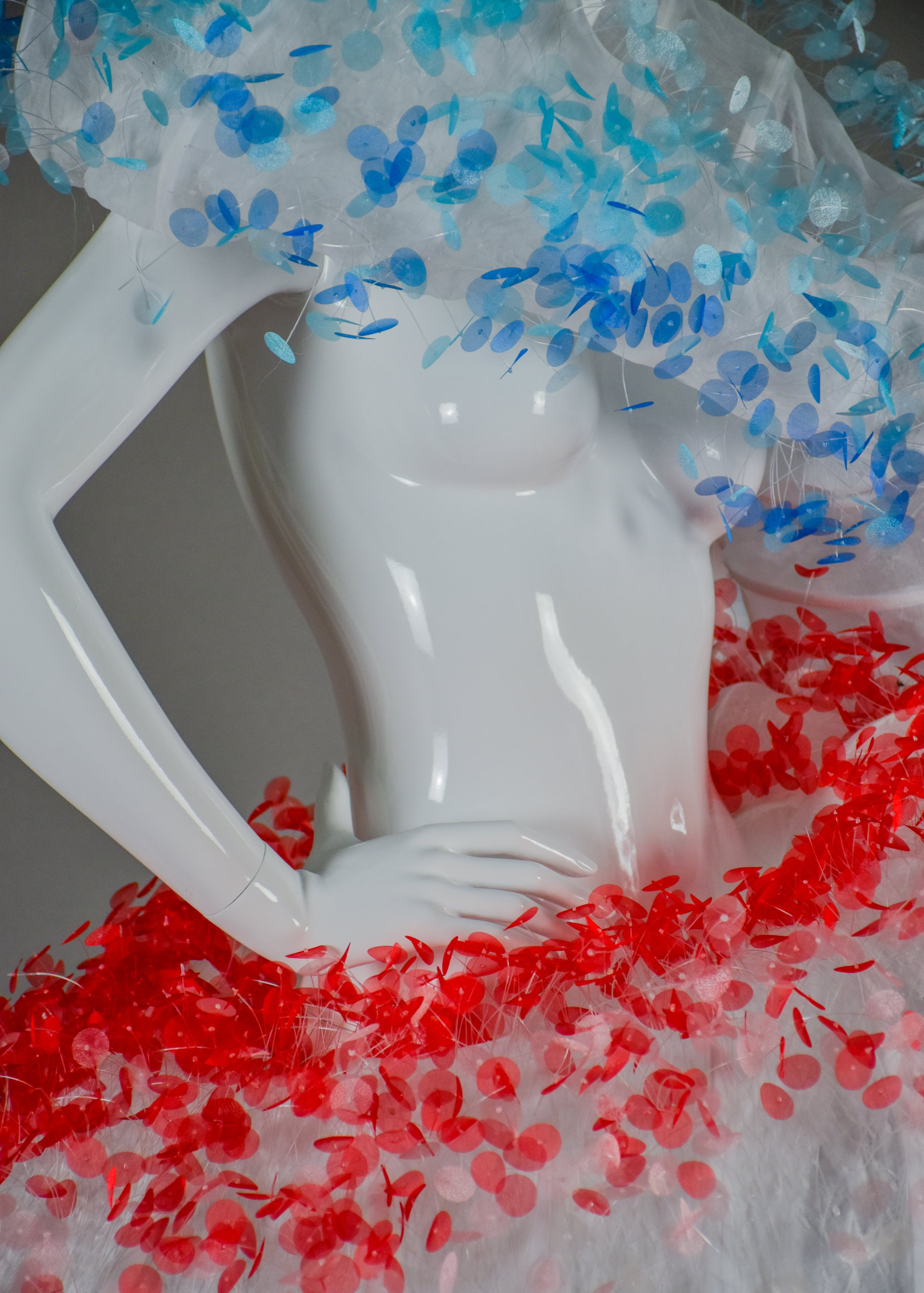
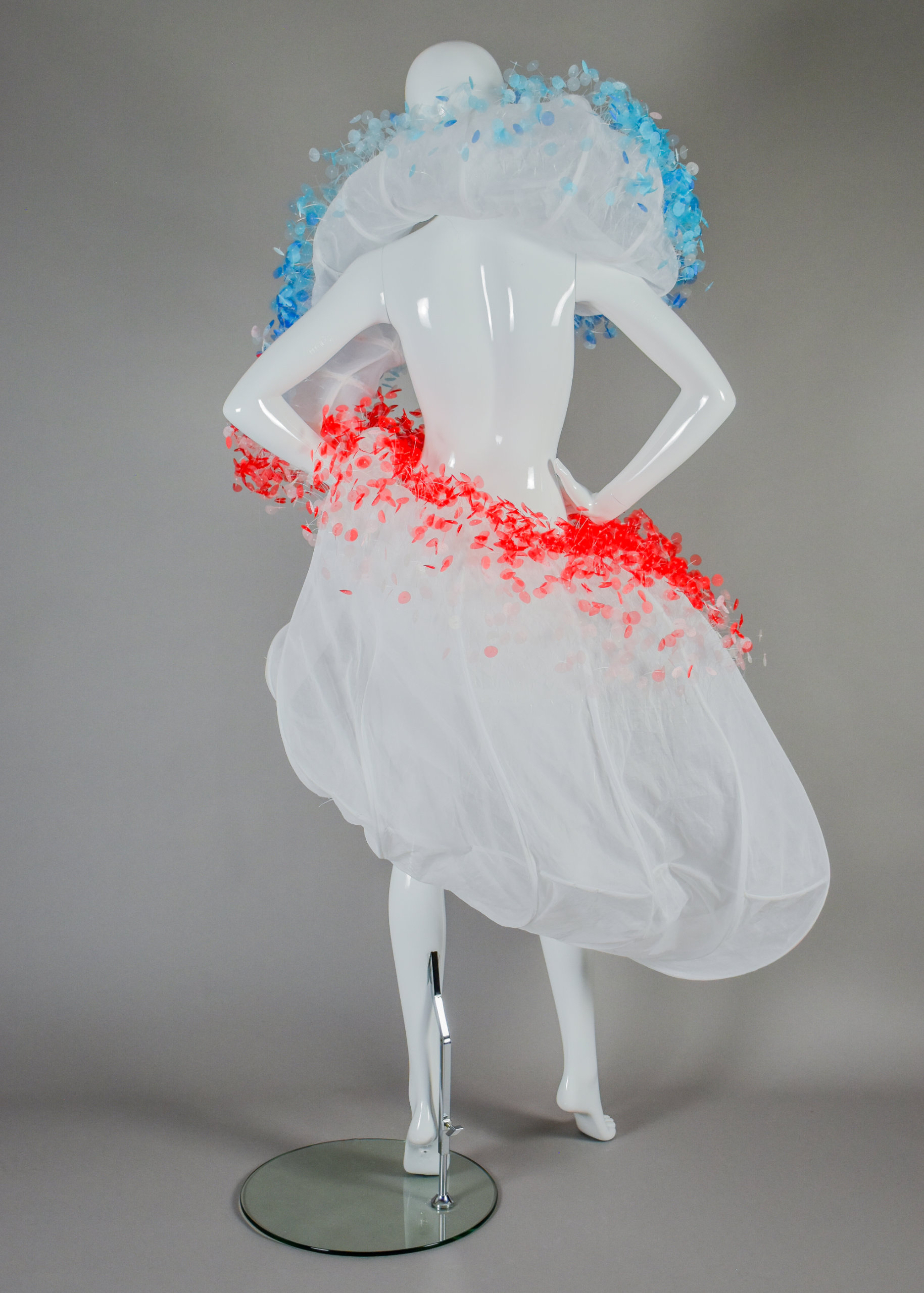
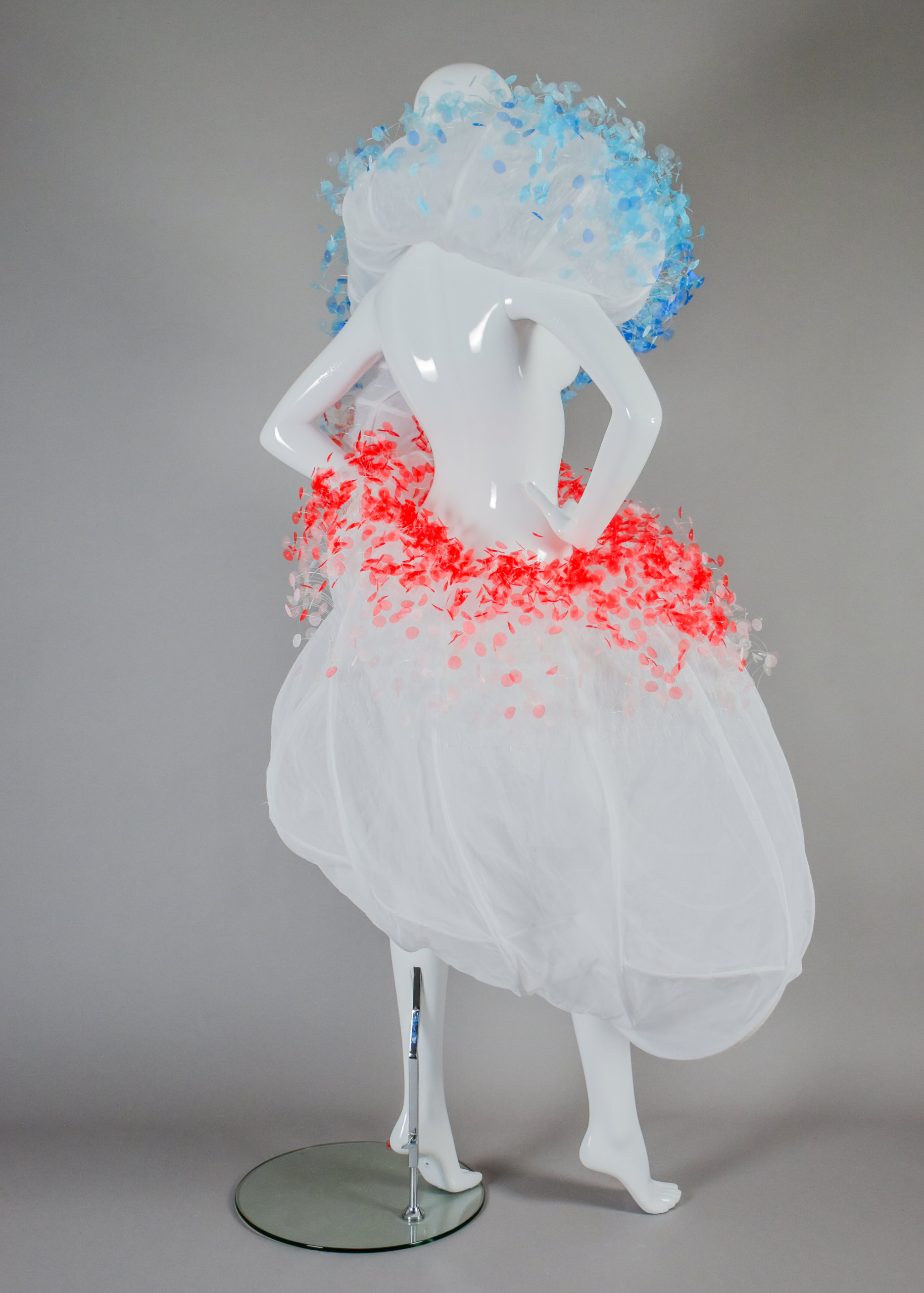
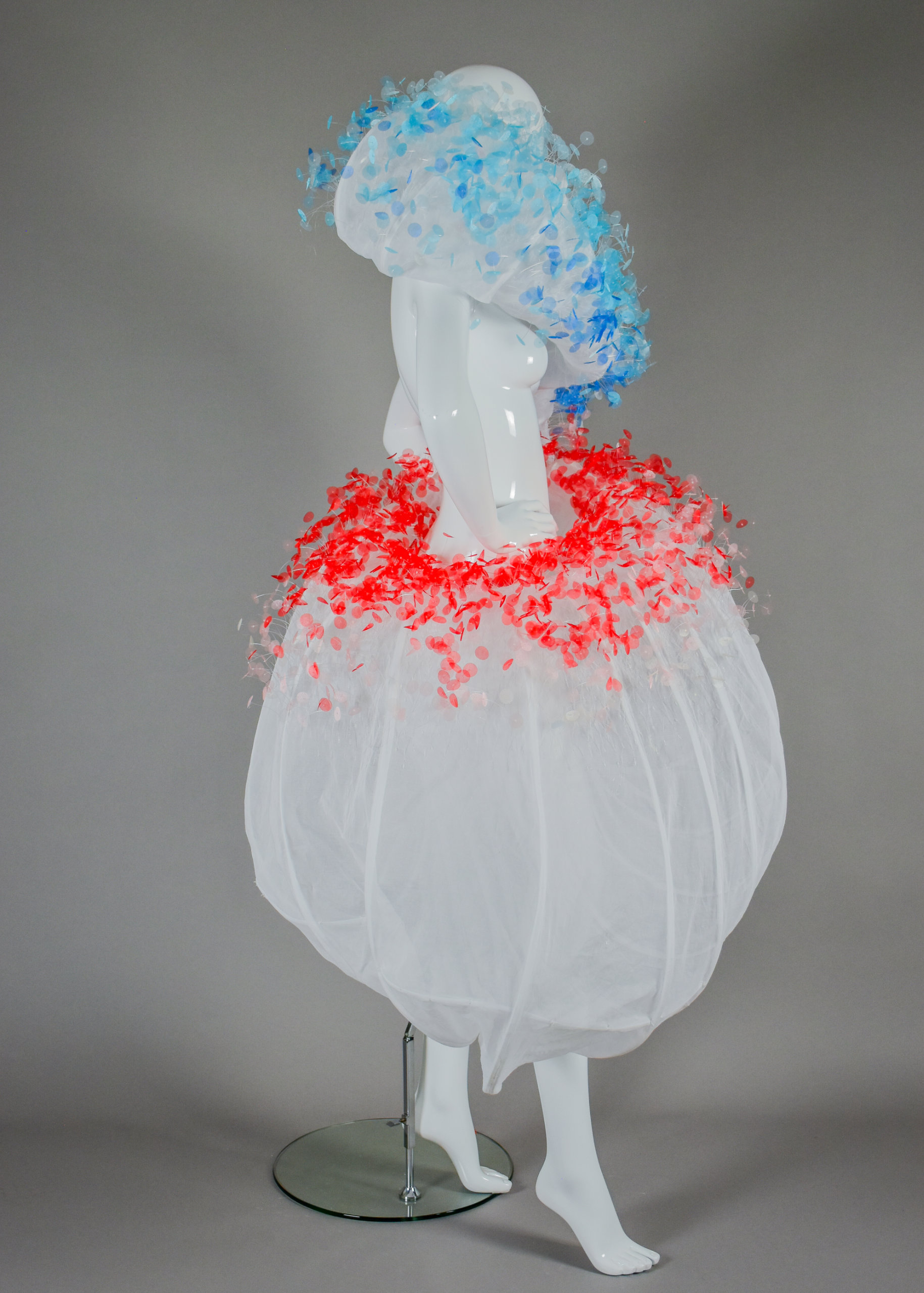
This garment examines the relationship between HIV and the immune system through form, colour, and repetition. It draws on Professor Silvana Gaudieri’s research into how HIV adapts to escape immune detection and how genetic variation – particularly in Human Leukocyte Antigens (HLA) and antigen processing pathways – shapes the body’s ability to recognise and respond to the virus. The silhouette comprises two intersecting spherical forms: the smaller representing HIV, and the larger symbolising a CD8+ T-cell. At their point of contact, the virus elongates outward as the T-cell curves inward, abstractly capturing a moment of recognition and potential immune control. The surface of the garment is hand-embellished with laser-cut organza circles, a process-intensive detail that honours the rigour underpinning this type of HIV research.

The red T-cell symbolises immune activation and resilience. The HIV form is predominantly blue, reflecting immune evasion, with a trace of red near the T-cell – a subtle gesture toward the possibility of detection. The transparent circles speak to latency and ambiguity – to what is present but not yet seen. The repeated circular motif further references core elements of Silvana’s research: T-cells, viral particles, data points, and the many lives impacted by HIV. This piece transforms a microscopic interaction into a tangible, sculptural expression of complexity, vulnerability and resilience within the body’s immune response to HIV.

Western Australia 2025

Crown Perth, Perth(Boorloo), Whadjuk Nyoongar country, Australia

15-31 August 2025