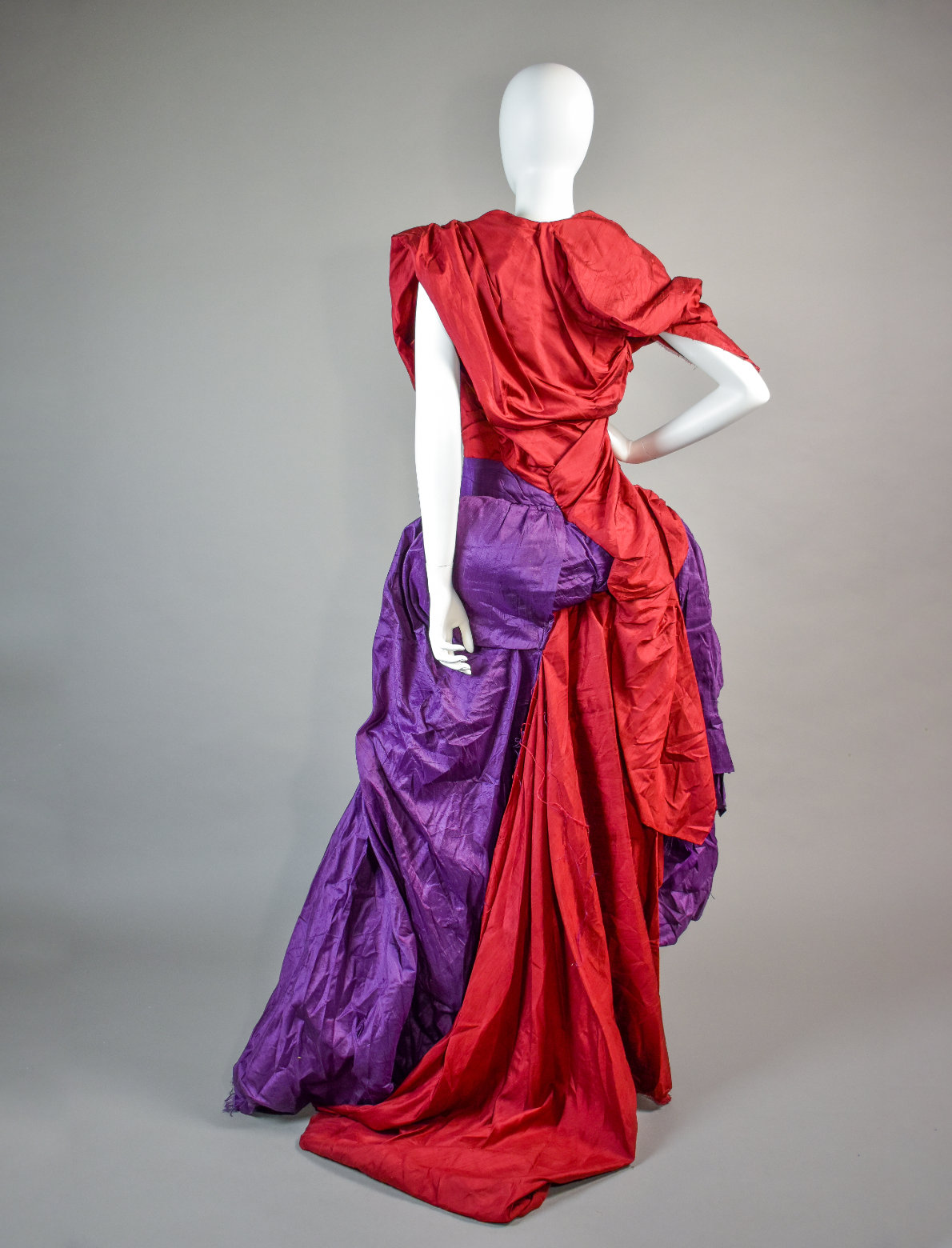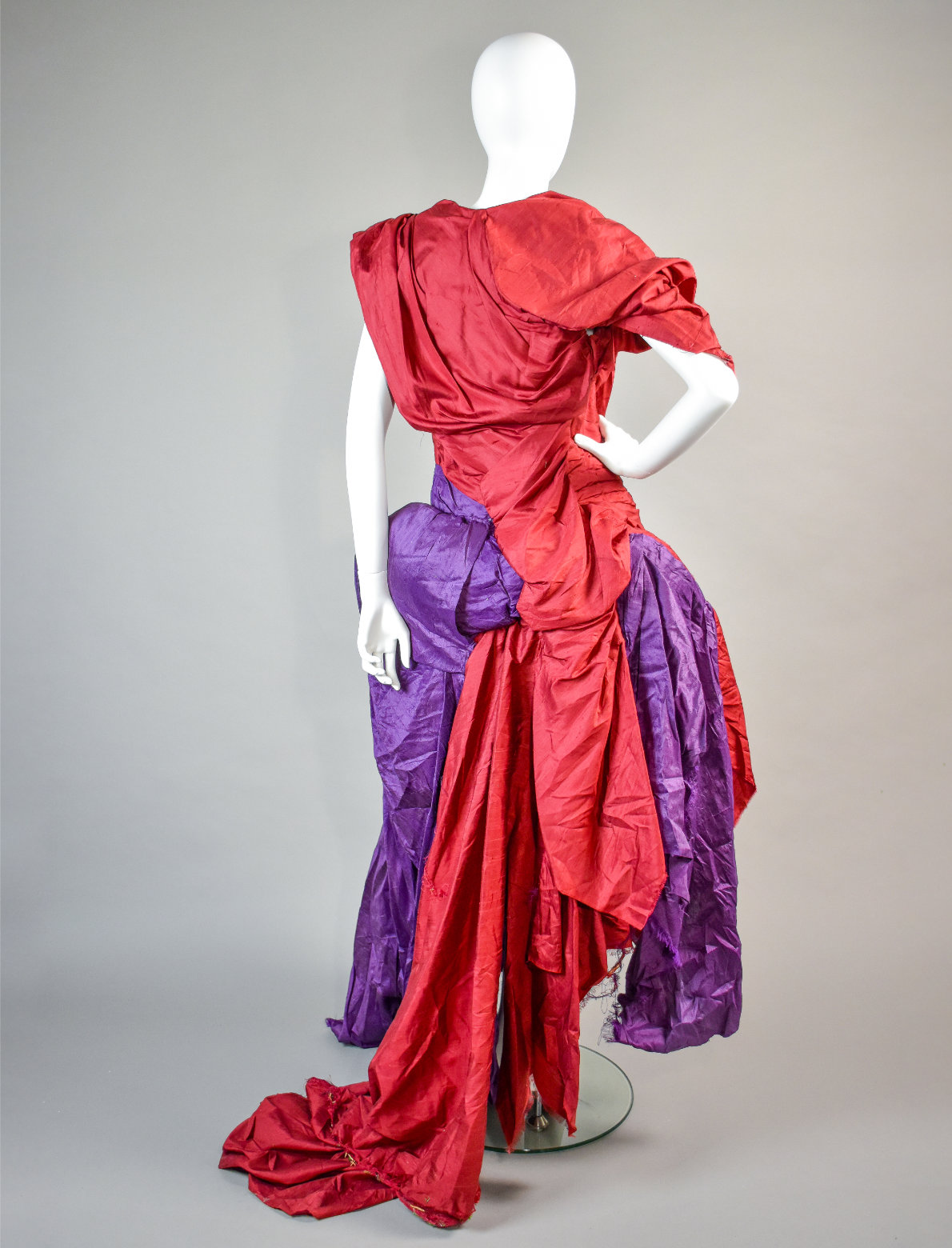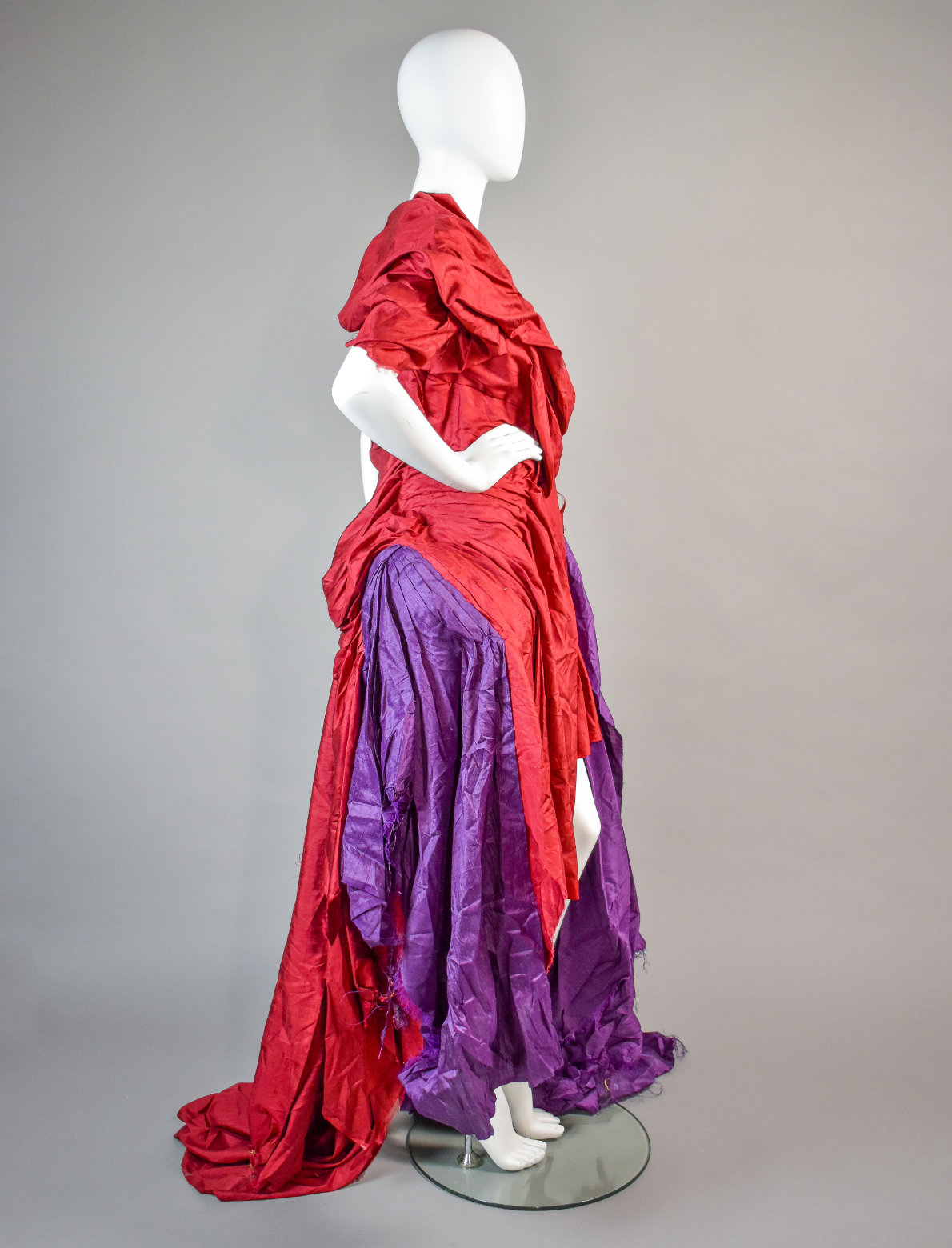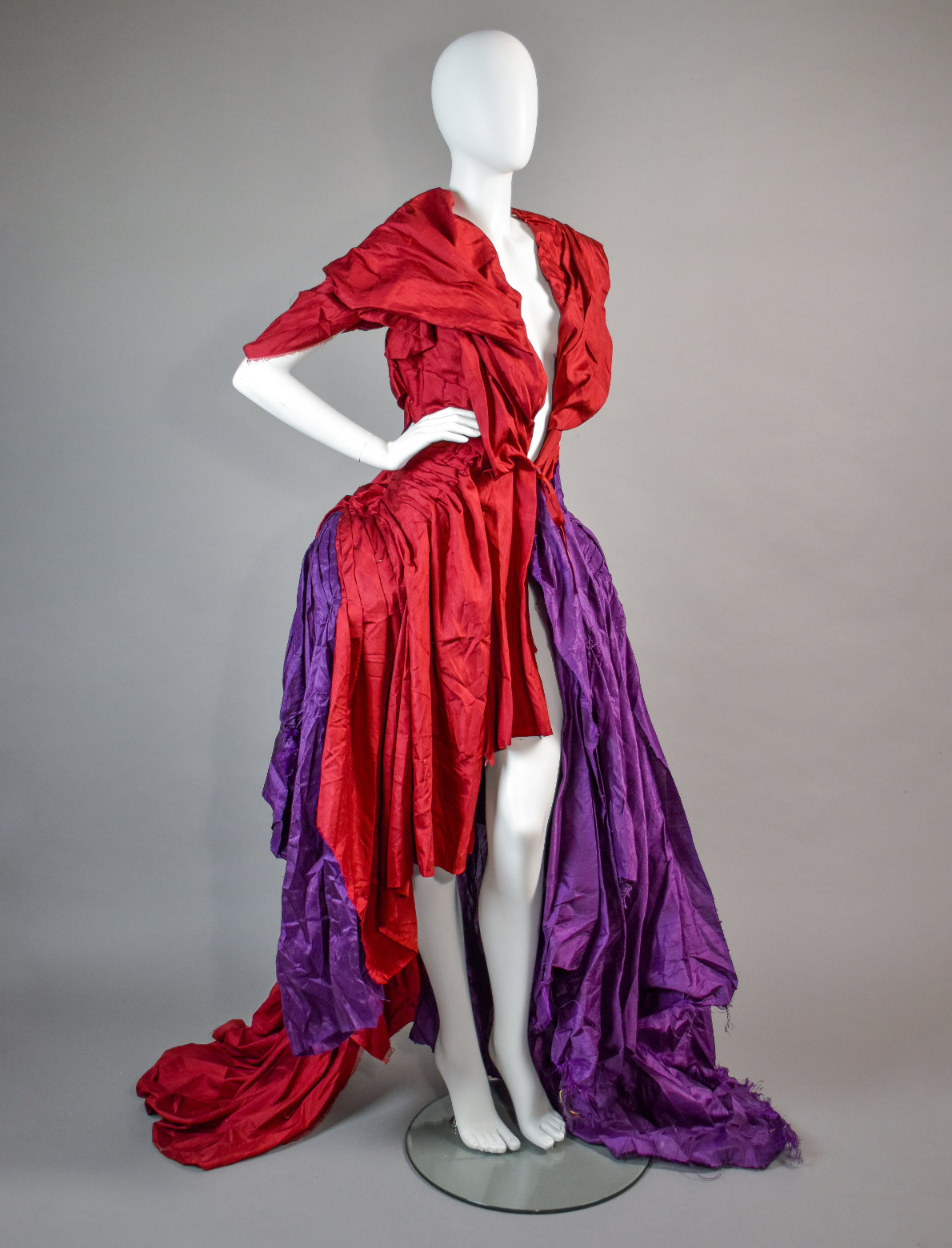
New York Fashion Week 2025 New York Fashion Week 2025

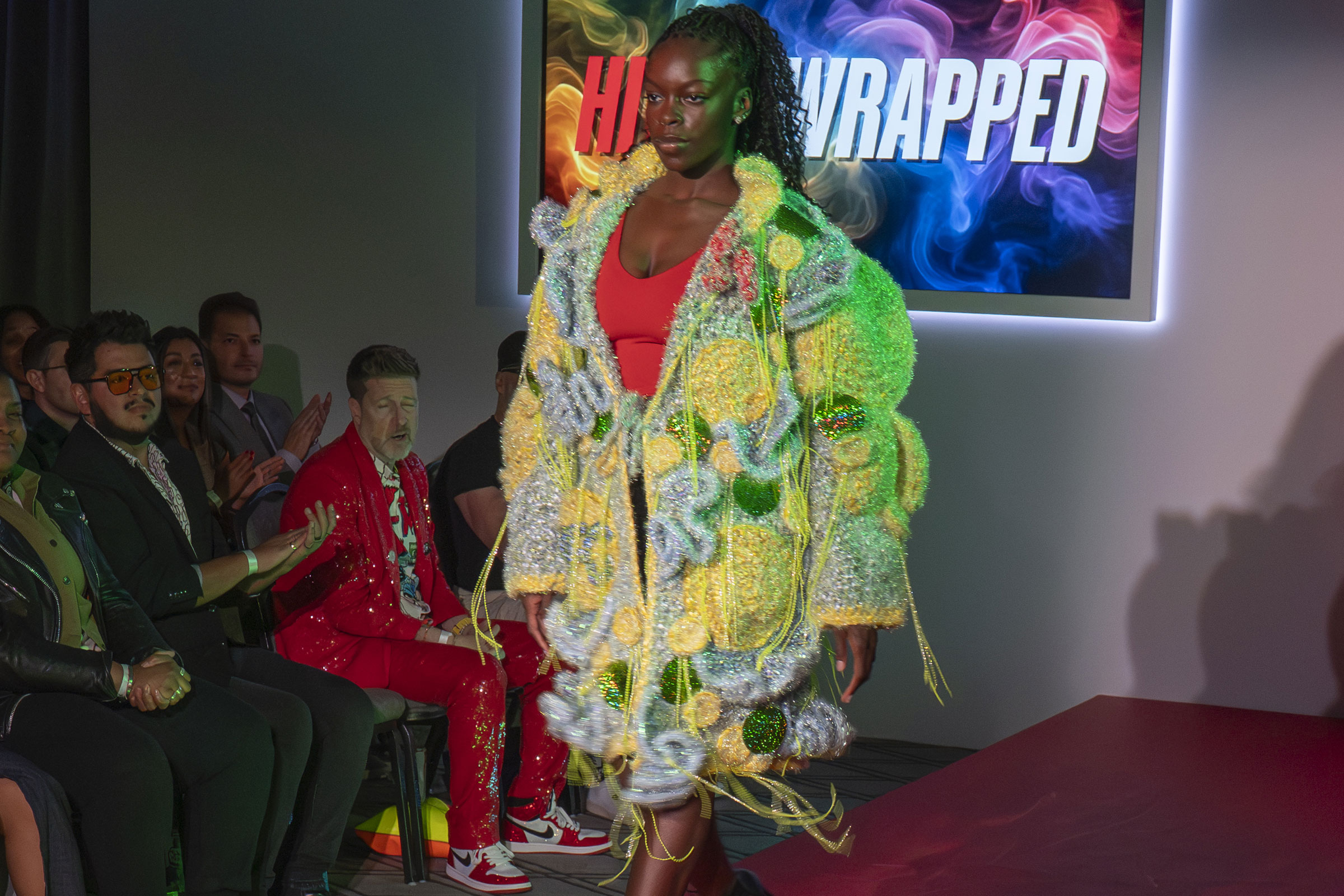
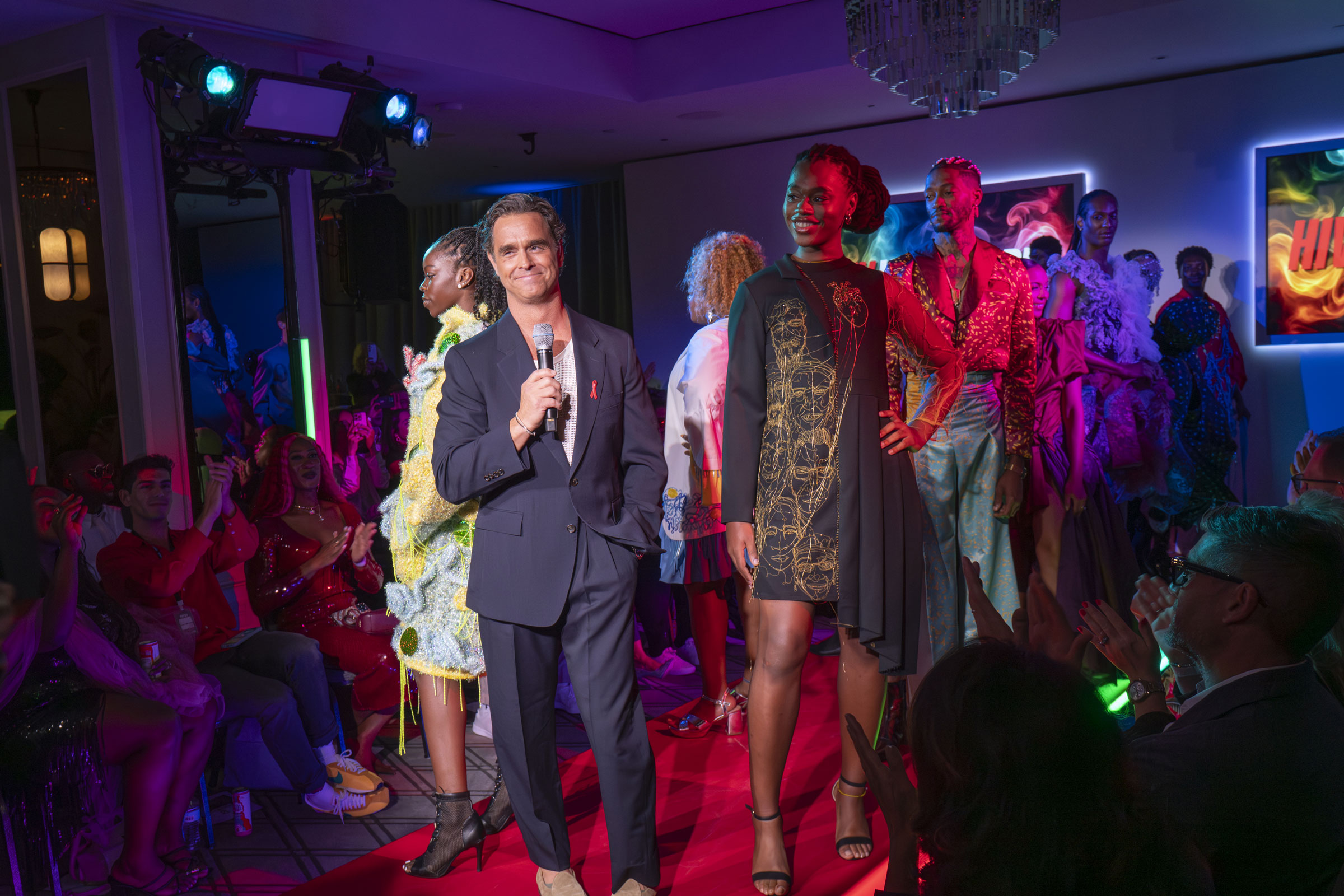
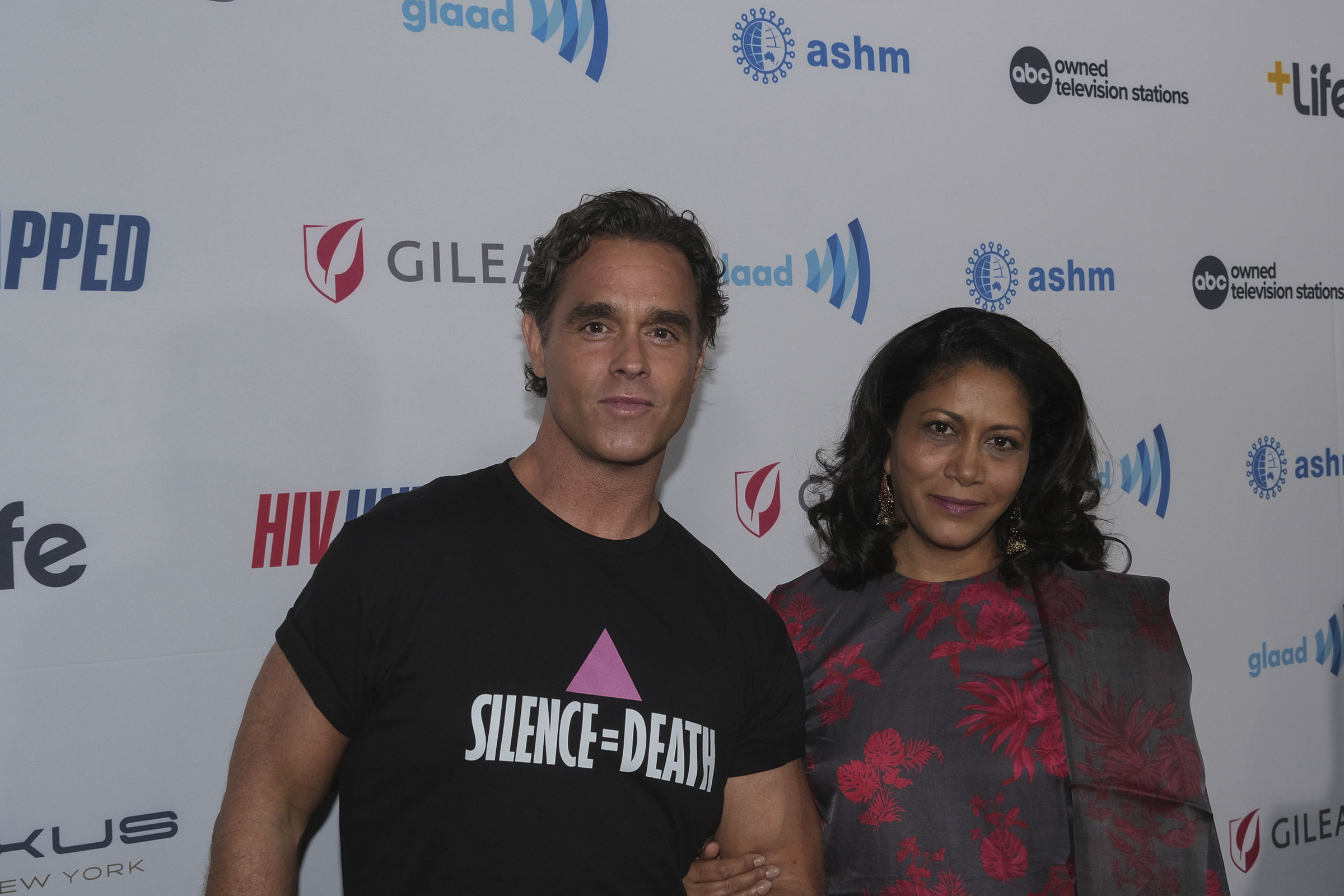
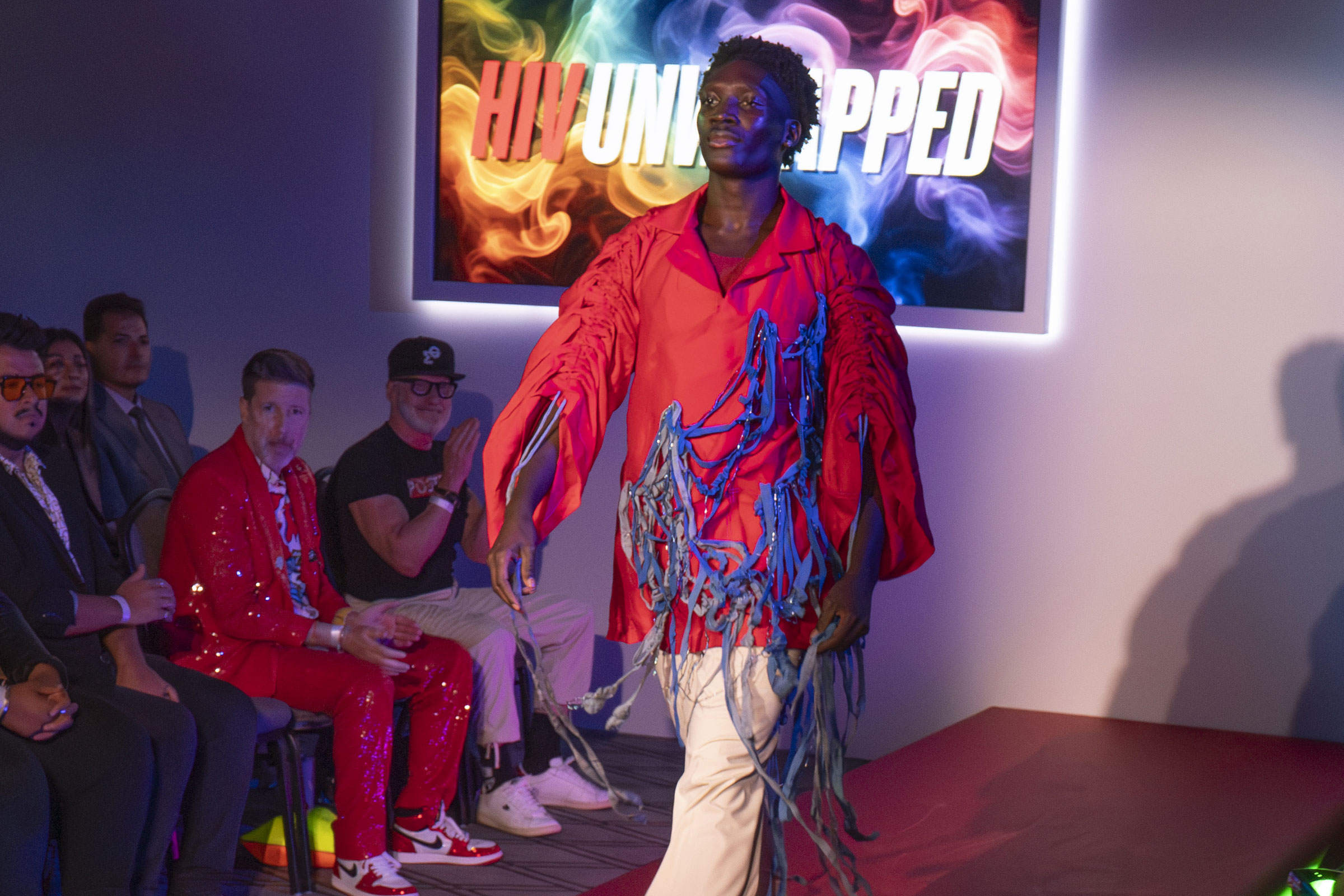
HIV Unwrapped at New York Fashion Week was more than a runway show – it was an electric, standing-room-only moment of global solidarity, creativity, and hope. Presented through a partnership between ASHM and Plus Life Media, in collaboration with Gilead Sciences, the New York edition united cutting-edge HIV science with boundary-pushing design on one of the most influential fashion stages in the world. Working closely with Parsons School of Design, we identified and mentored emerging designers, each paired with HIV researchers, clinicians, and advocates, to reimagine the lab coat as a work of storytelling couture. The result was nine powerful, original New York designs – garments that embodied prevention breakthroughs, scientific innovation, lived experience, resilience, and activism. When those pieces took the runway – joined by designs from the Australian, UK, and Kigali editions – the show became a truly global celebration of progress and possibility. The energy in the room was palpable: joy, pride, tears, applause – and the unmistakable feeling that stigma was being dismantled in real time.

The impact rippled far beyond that night. HIV Unwrapped at New York Fashion Week became the centerpiece of a one-hour World AIDS Day television special documenting the journey from concept to catwalk – now streaming on Hulu and Disney+. The special captured the courage of the collaborators, the emotion behind every stitch, and the urgency driving the movement forward, earning a GLAAD Media Award nomination for Outstanding TV Journalism – Long-Form. With 554,744,710 total outlet UVM/impressions and sweeping press coverage across Variety, ABC, Plus Magazine, POZ Magazine, Queerty, OUT, GLAAD, and more, the New York edition ignited conversations around the world. What unfolded on that runway was not just fashion; it was visibility. It was validation. It was science stepping confidently into culture’s spotlight – and an at-capacity audience rising to its feet in celebration of how far we’ve come, and how much further we can go together.


Project promotional image generated with AI
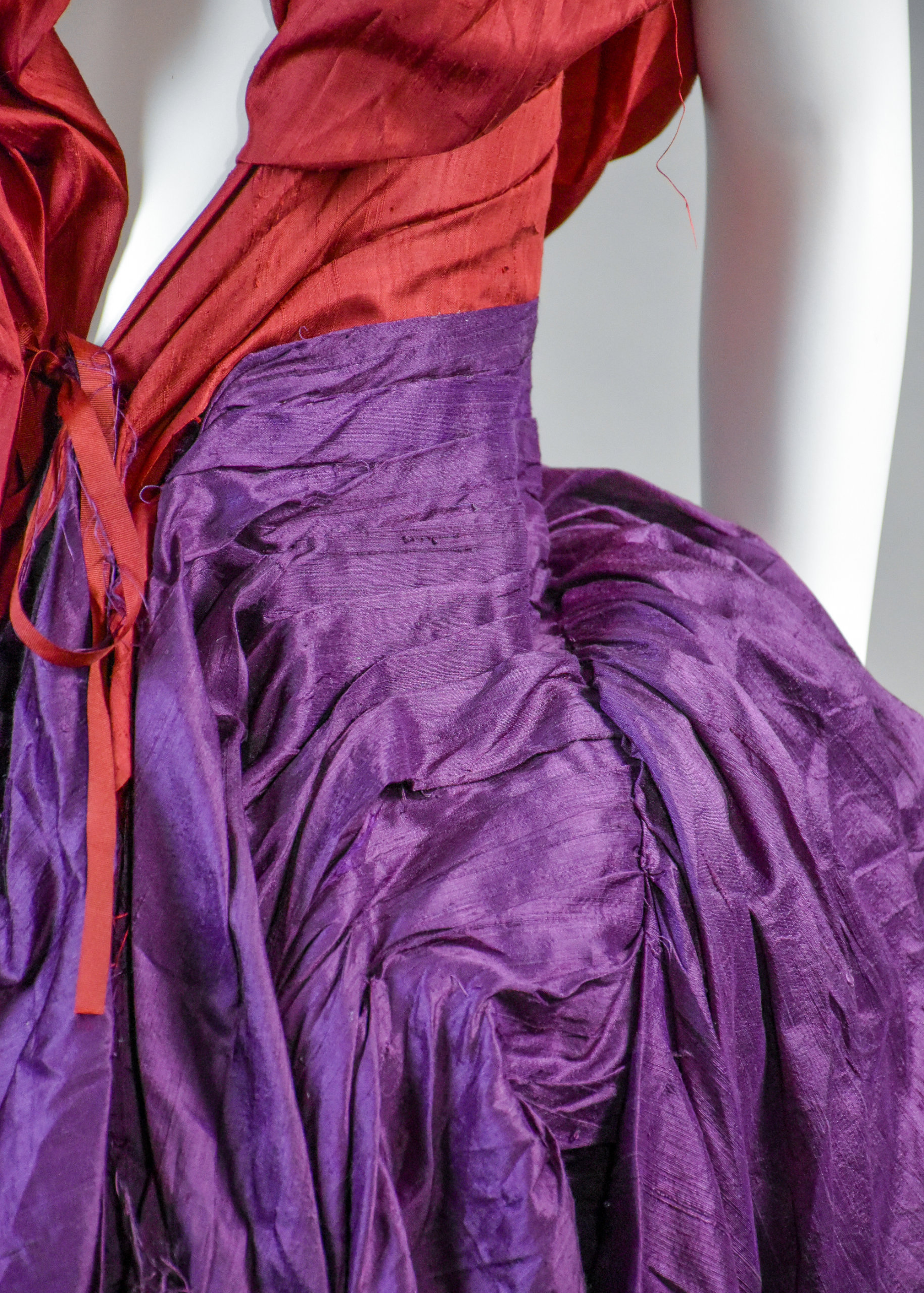
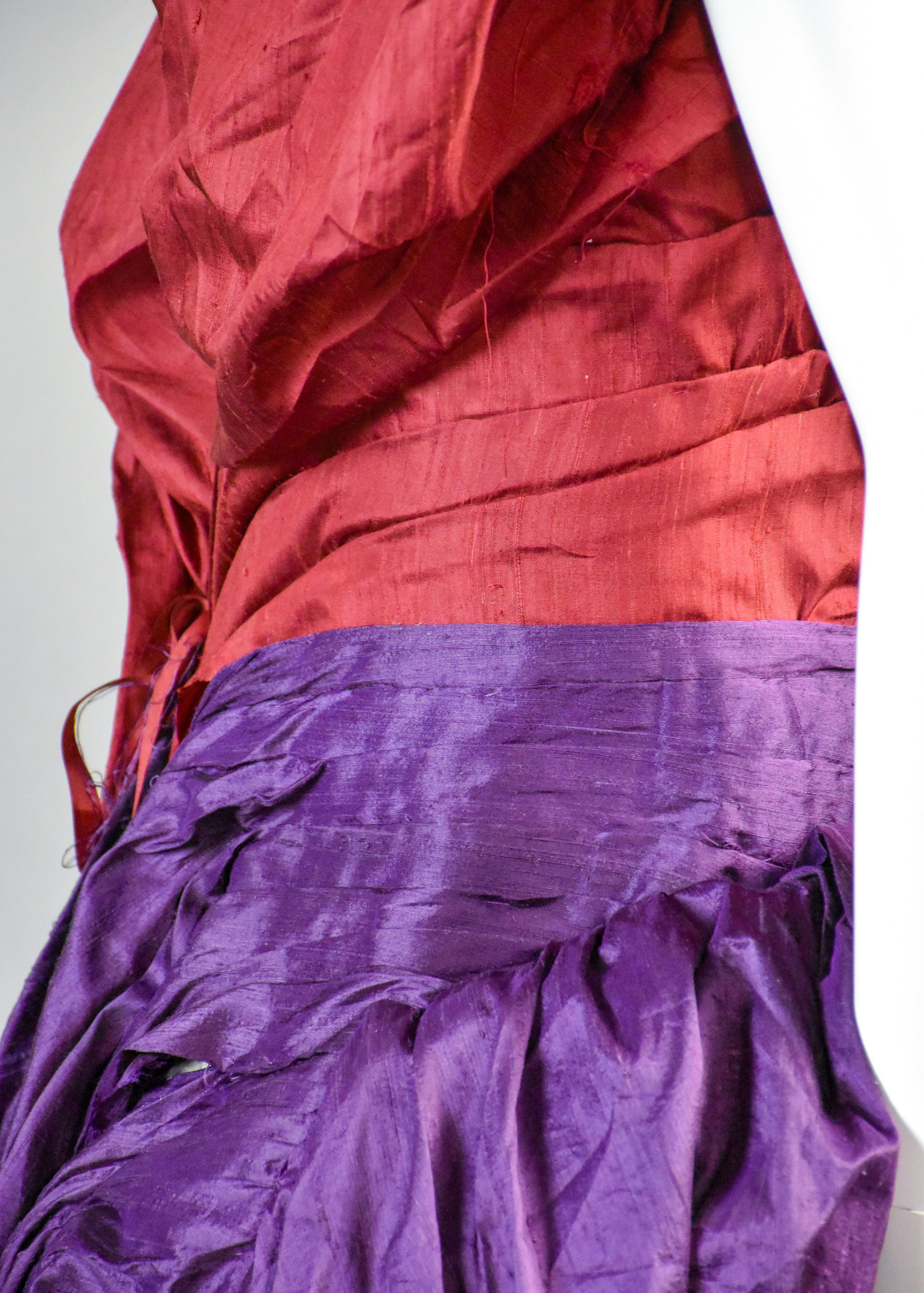
All mannequin images photographed by Skye Bartlet
All biographies reflect the time of the exhibition, please follow their social media links to see their latest work.

Ana Margarida + Juan R. Perilla

Ana Margarida

Margarida Feijão is a fashion designer from the south of Portugal. She graduated from Parsons and Central Saint Martins. Her creative approach merges wearable art with critical social commentary, examining and redefining women’s roles in society. Margarida’s creations question traditional narratives and confront themes of oppression, sexualization, and the restrictive identities historically imposed on women.

Juan R. Perilla

Dr. Perilla serves as an Associate Professor in the Department of Chemistry & Biochemistry at the University of Delaware. He earned his Ph.D. in 2011 from Johns Hopkins University, where his research focused on applying transition state theory to significant conformational changes in proteins. Following this, he joined the University of Illinois at Urbana-Champaign to conduct in silico studies of entire viruses under physiological conditions. His work emphasizes developing physical and chemical methodologies to comprehend biological processes associated with life and disease. His research encompasses a range from quantum-mechanical calculations to mesoscale simulations, utilizing the computational capabilities of petascale (and upcoming exascale) supercomputers. Prof. Perilla’s team has also pioneered comprehensive molecular simulations of viral components, contributing to the advancement of a robust statistical analysis framework. He has published over 50 peer-reviewed papers, appeared on 11 journal covers, and contributed to three book chapters. His research is funded by NIH grants R01AI178846, R01AI157843, and U54AI170791. Outside of academia, Dr. Perilla is an enthusiast of sports such as squash and bike touring.

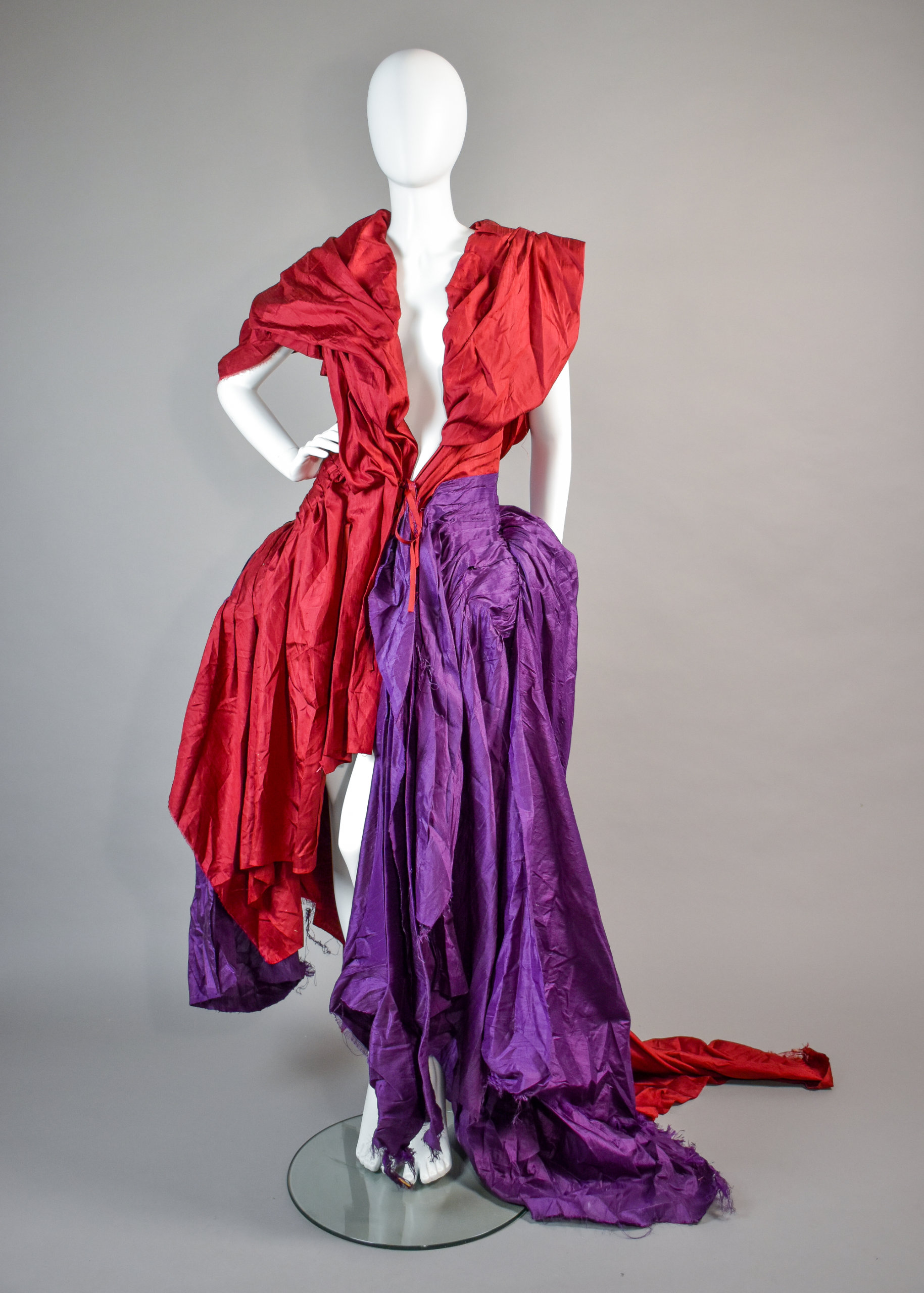
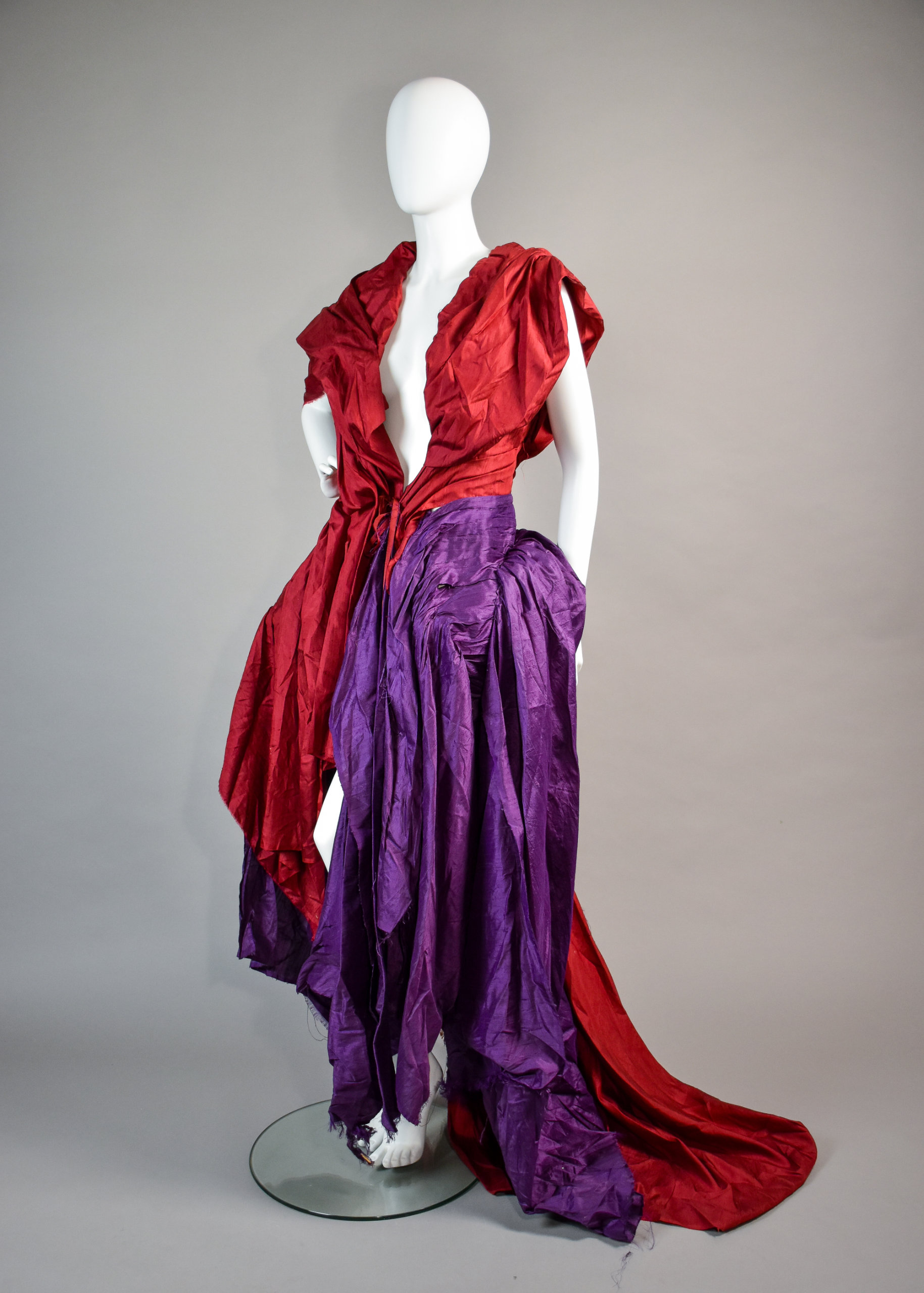
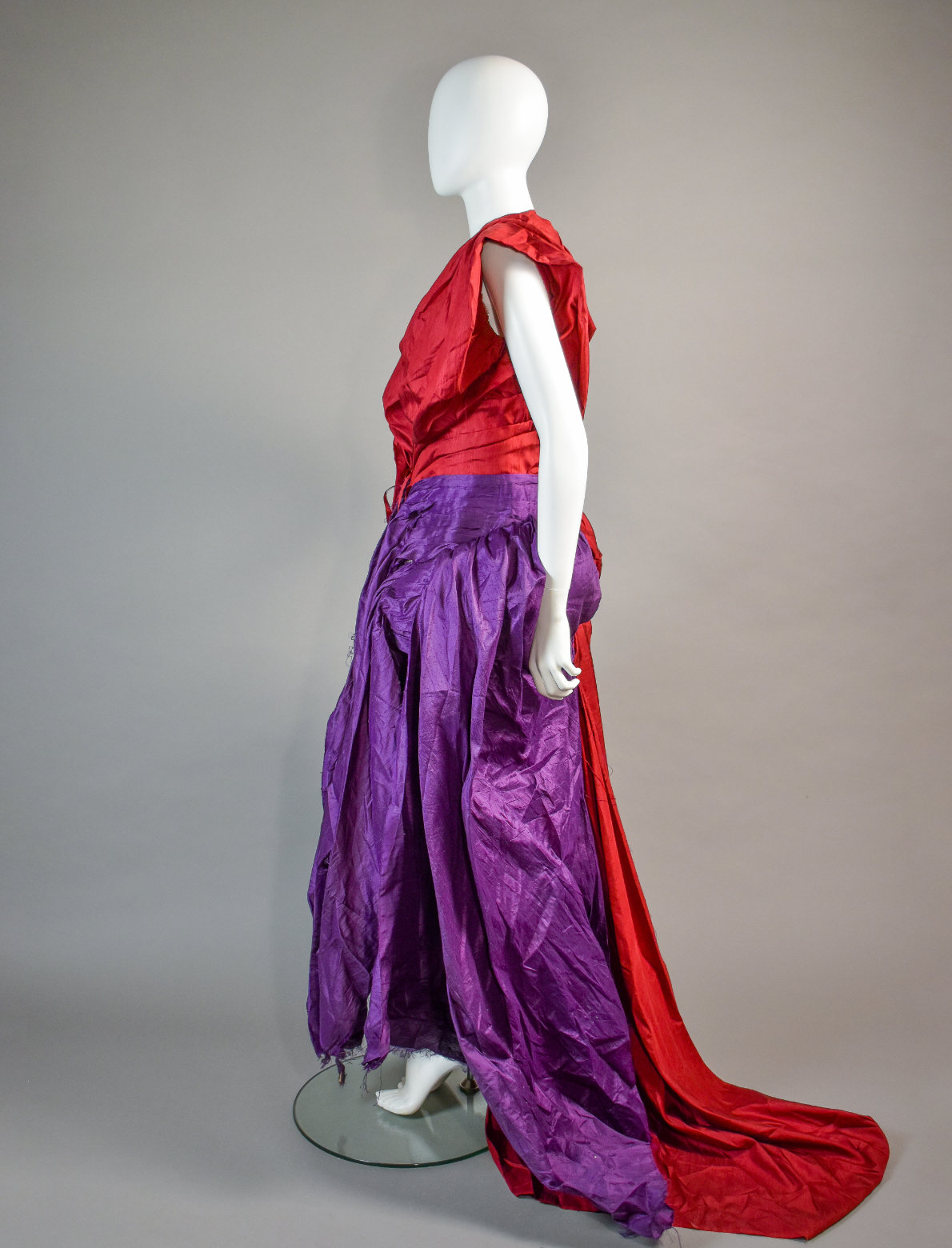
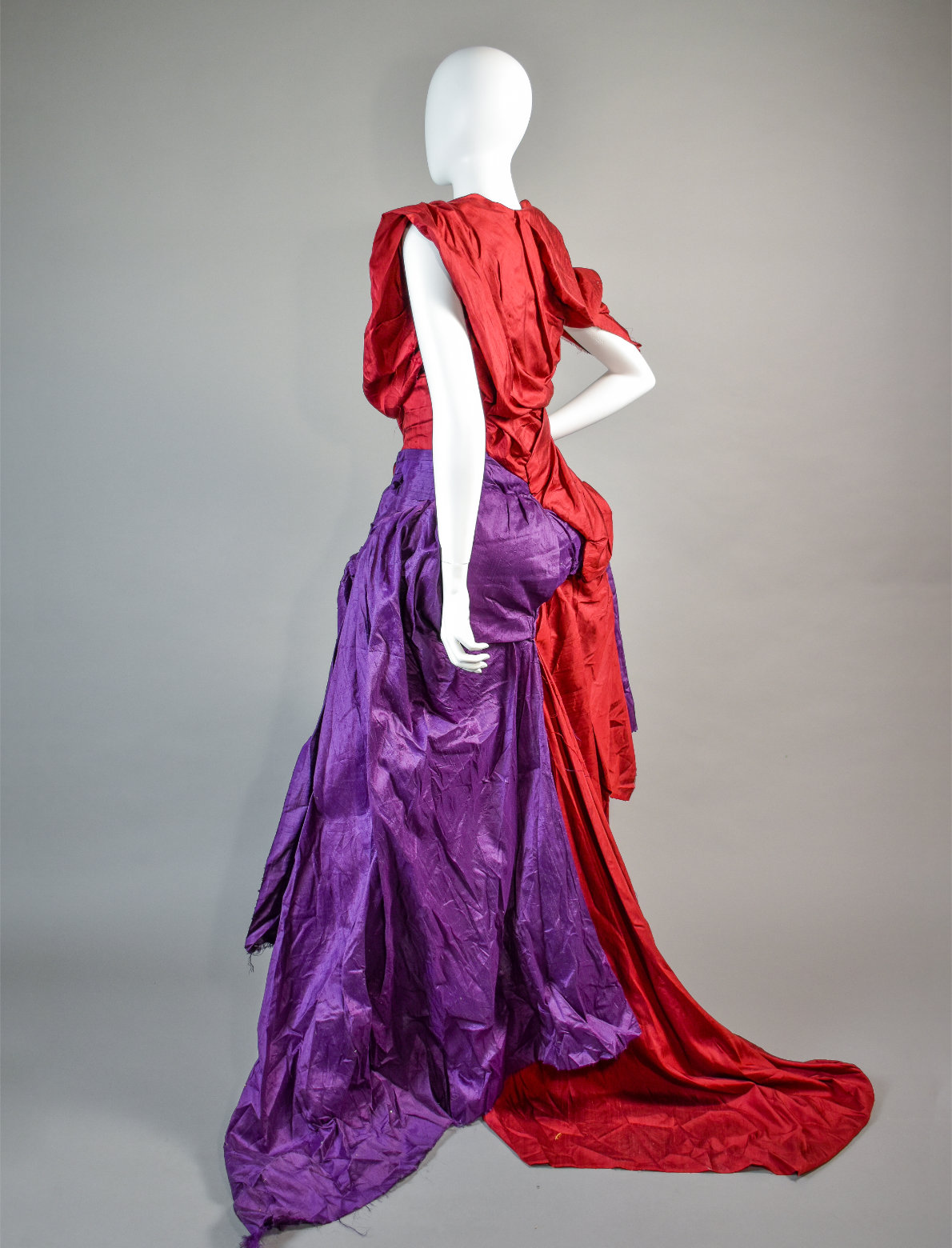
This lab coat reimagines the HIV capsid as both a molecular wonder and a symbol of gendered resilience. Its design acknowledges the impact of HIV on women (the most affected currently), transforming scientific imagery into wearable empowerment. The silhouette takes inspiration from the cone-like structure of the capsid, translating molecular architecture into form and presence.

The garment negotiates protection and exposure, science and vulnerability, intellect and emotion. Its structure alludes to the capsid’s role as a protective shell—shielding fragile genetic material while enabling transformation—mirrored here as both armor and statement. Each line of draping recalls the relentless inquiry that has brought the microscopic into human view. More than attire, this lab coat becomes a space where science and fashion converge to confront inequity, honor resilience, and give shape to the unseen beauty of molecular worlds.

Asato Kitamura + Deborah Persaud

Asato Kitamura

Asato Kitamura, born in 1996 in Ishikawa, Japan, grew up surrounded by creativity, influenced by the women in his family. He studied fashion in Tokyo, then honed his skills in London and Paris before relocating to New York in 2020, where he worked with leading fashion houses like 3.1 Phillip Lim and MELITTA BAUMEISTER. In 2022, after earning his MFA from Parsons, he launched his brand ASATO, rooted in emotional depth, imperfection, and psychological healing through fashion. Deeply influenced by Japanese spiritual philosophy and aesthetics, his work seeks to create garments that resonate not only with the body but with the soul. To him, fashion is an art form that can embrace people both physically and emotionally—offering dignity to the negative and beauty to what is often hidden.

Deborah Persaud

Deborah Persaud, MD, is Professor of Pediatrics and Director of the Division of Pediatric Infectious Diseases at Johns Hopkins Children’s Center, with joint appointments in International Health and Molecular Microbiology & Immunology at the Bloomberg School of Public Health. She is internationally recognized for her pioneering research on HIV reservoirs and cure therapeutics in children, including the landmark report of the “Mississippi baby.” Dr. Persaud serves as Scientific Chair of the IMPAACT HIV Cure Committee and Contact PI of the Pediatric Adolescent Virus Elimination (PAVE) Collaboratory. Her contributions have earned recognition from Nature and Time as a global leader in pediatric HIV research.

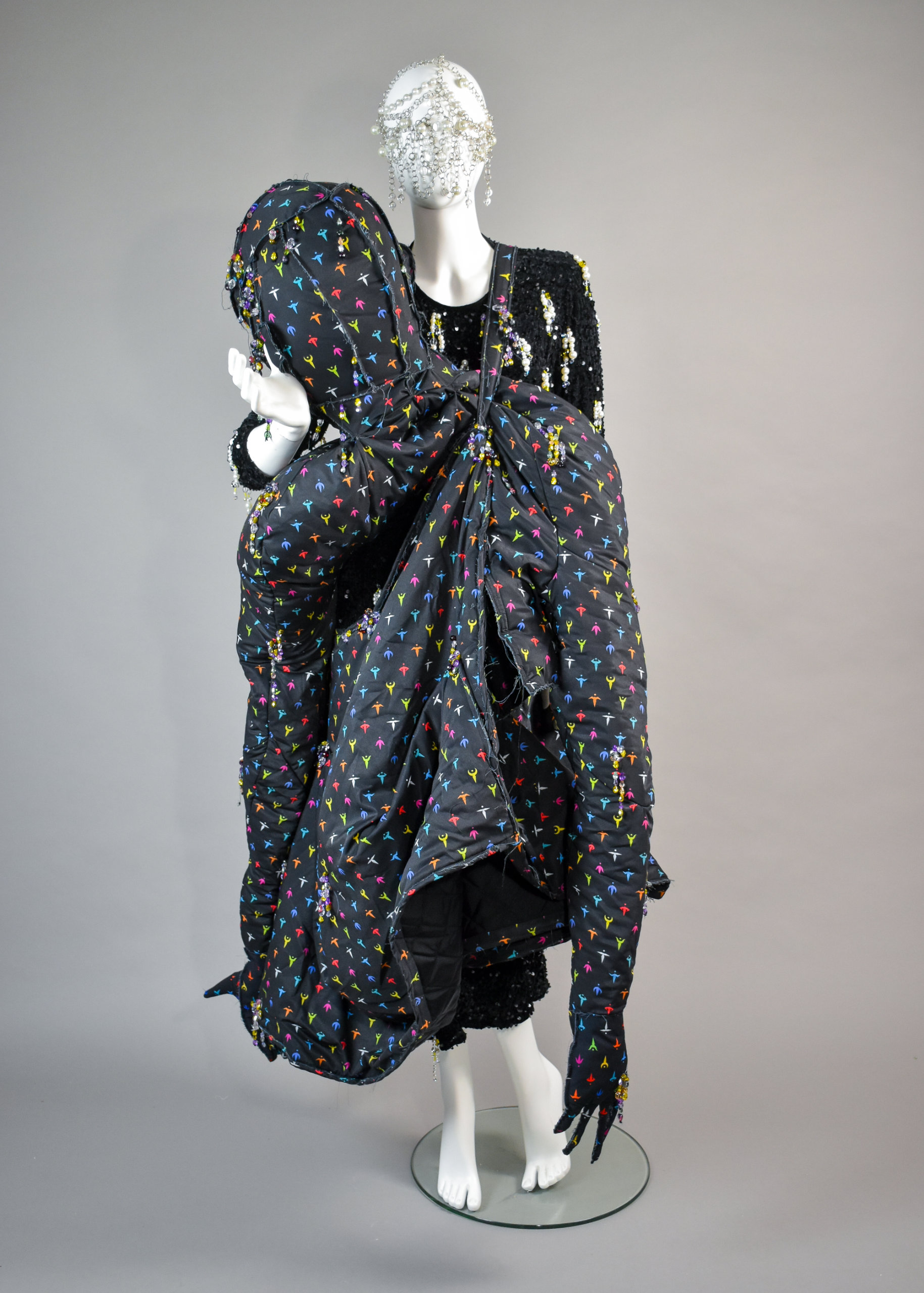
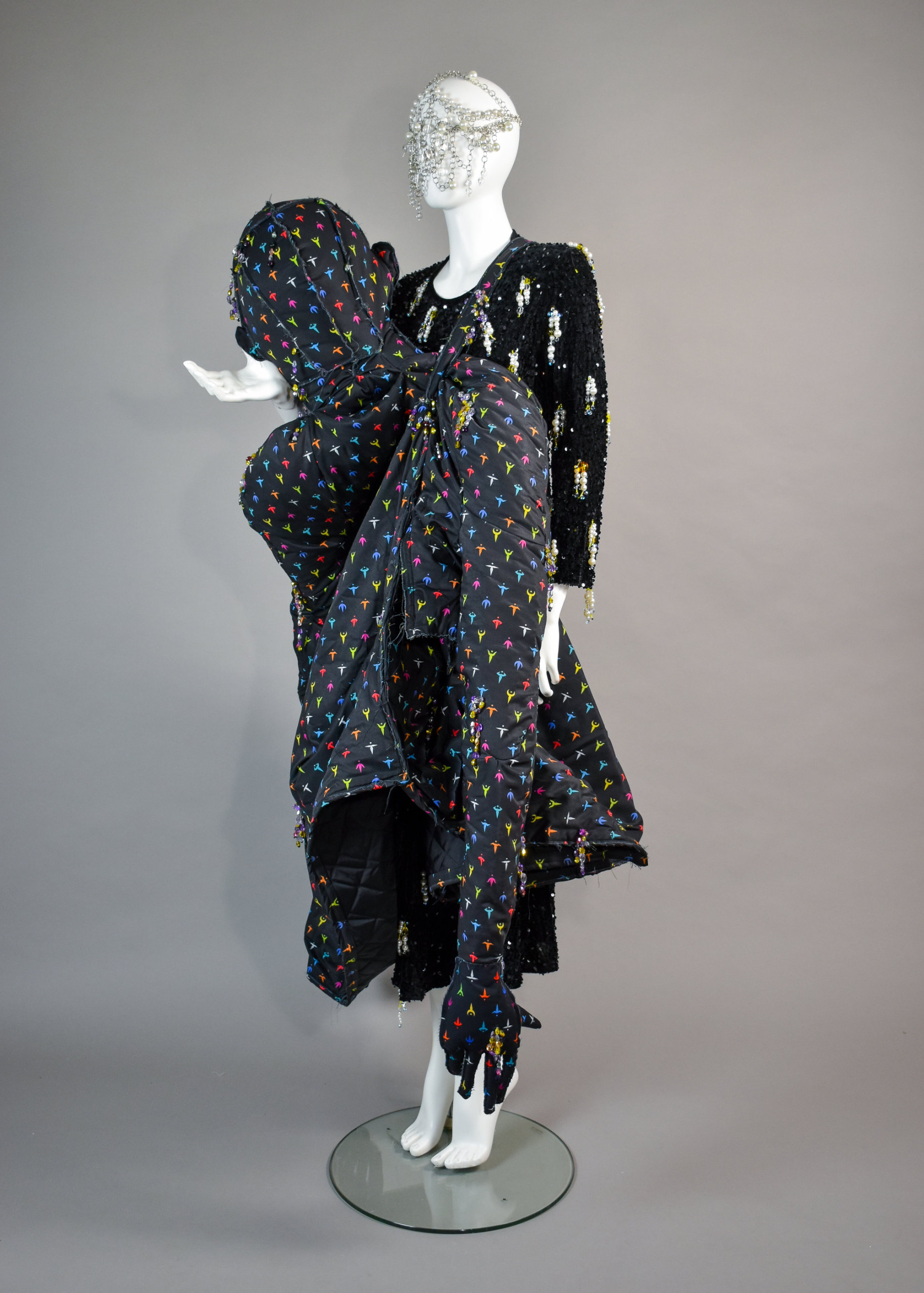
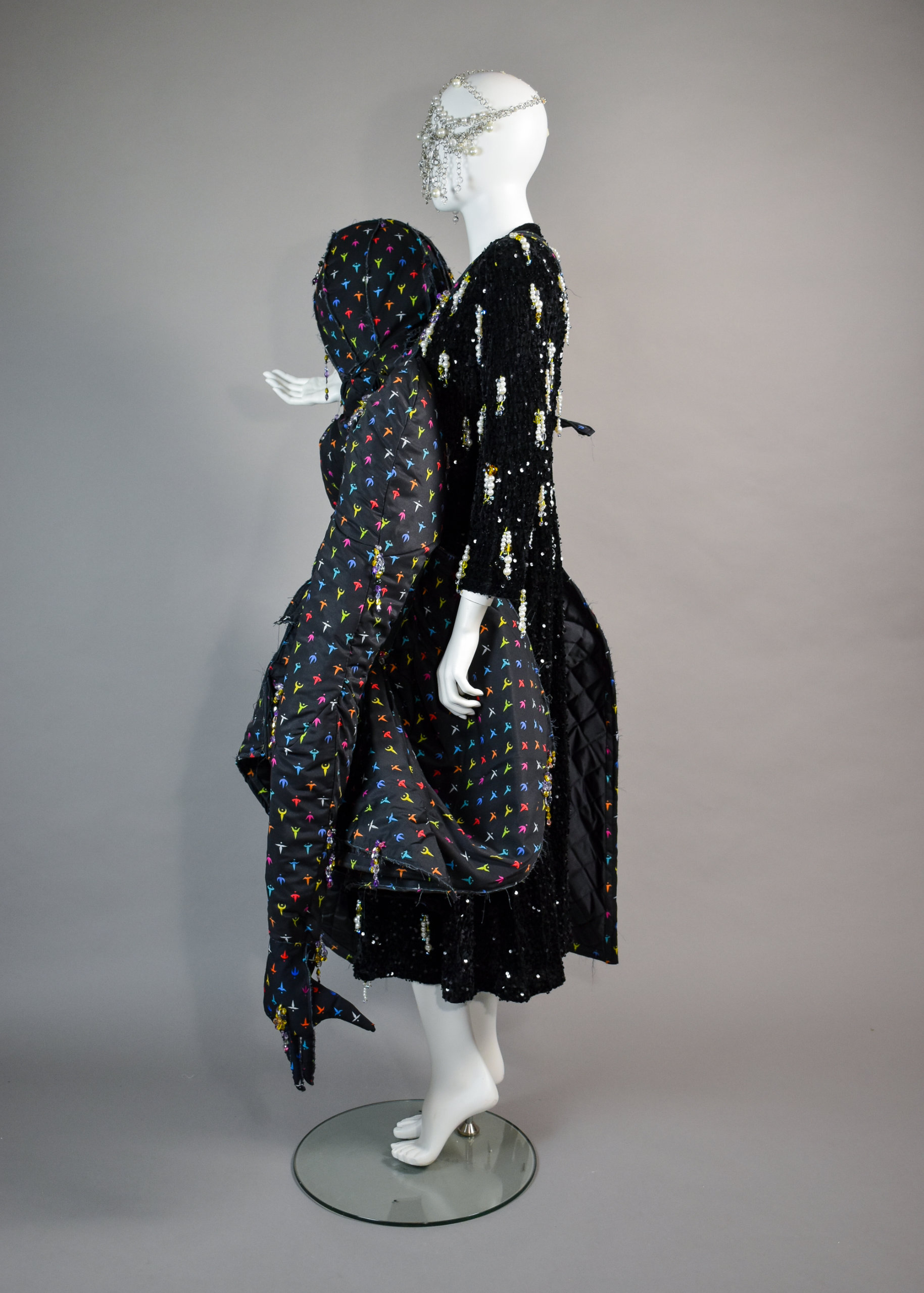
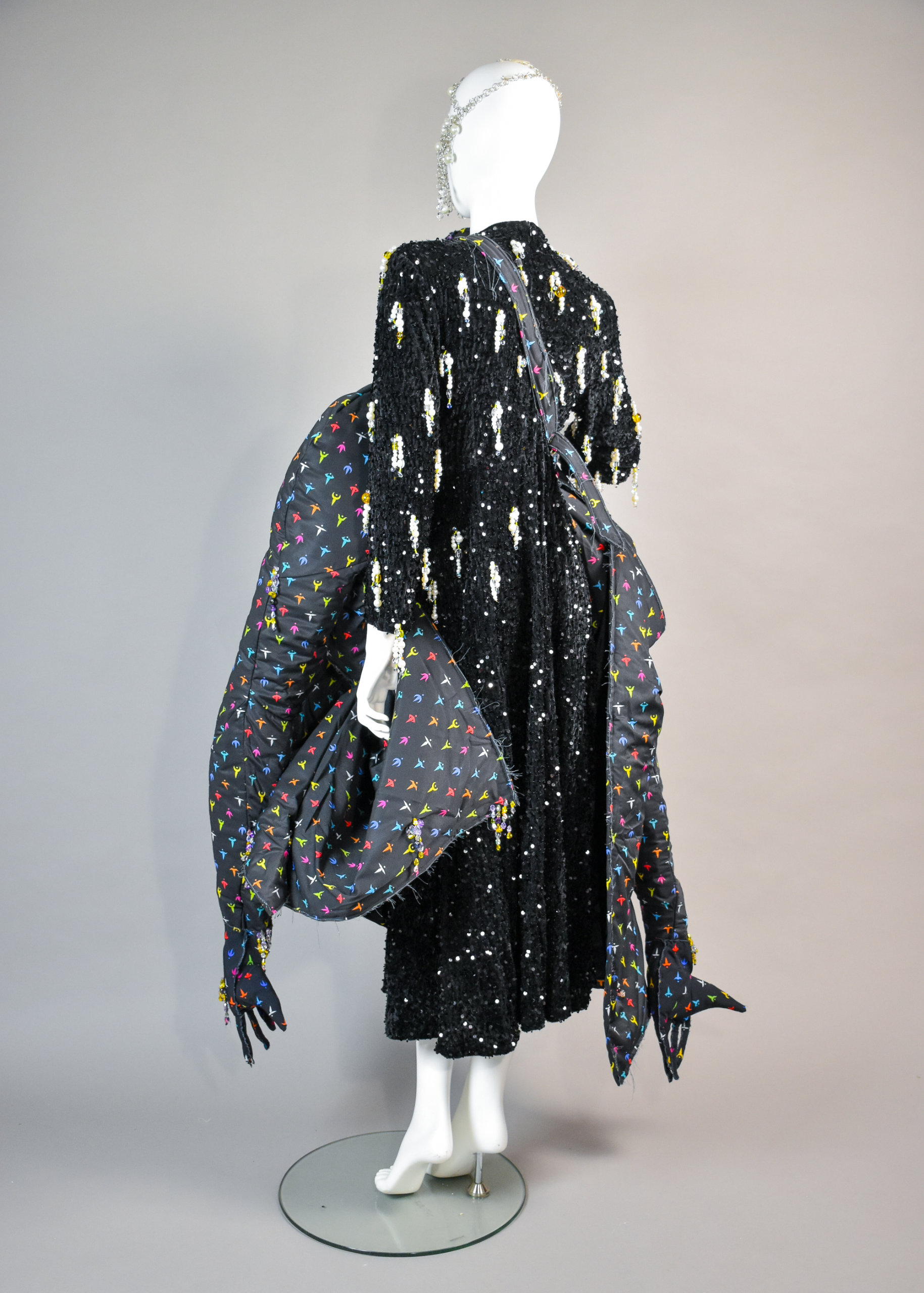
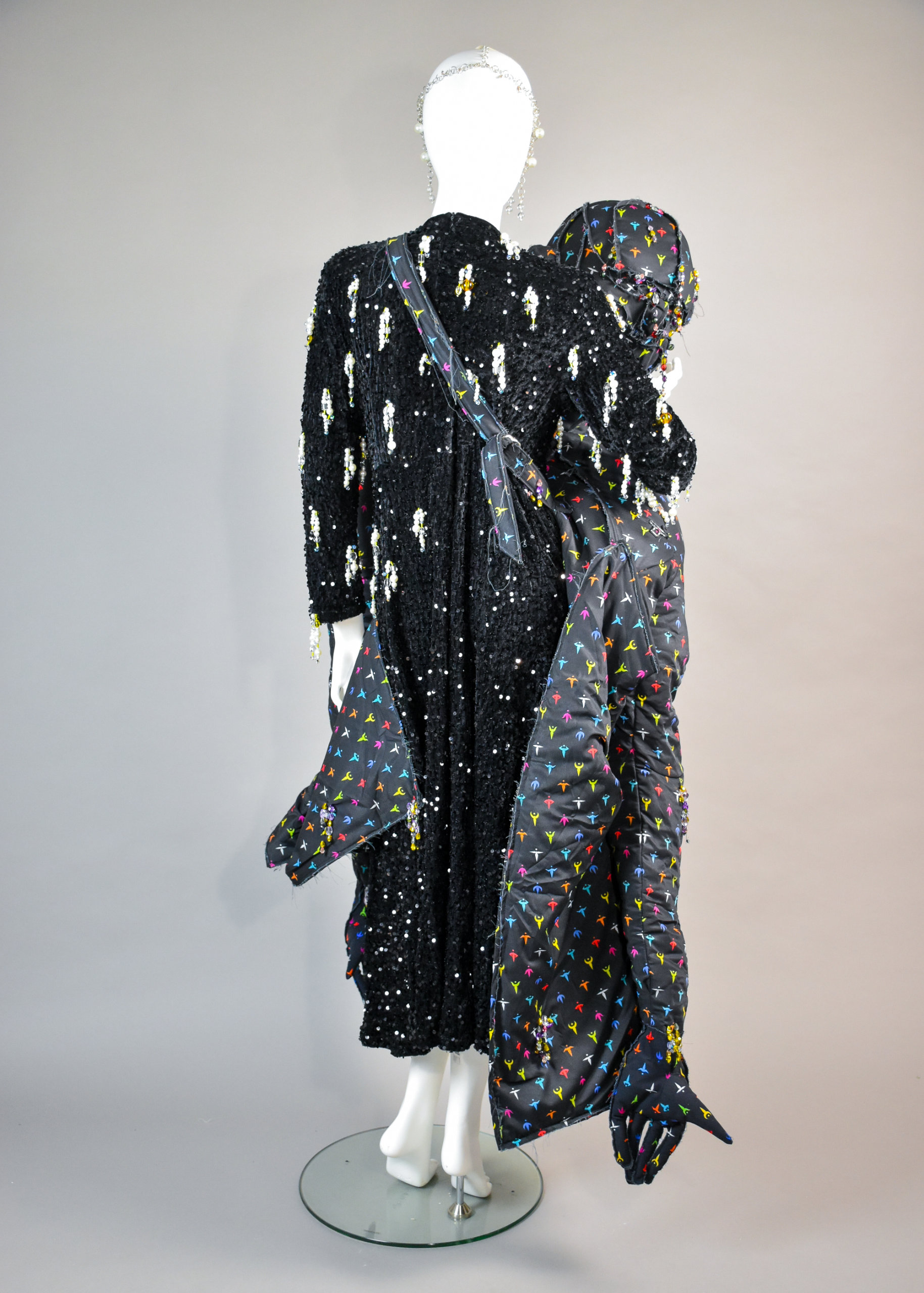
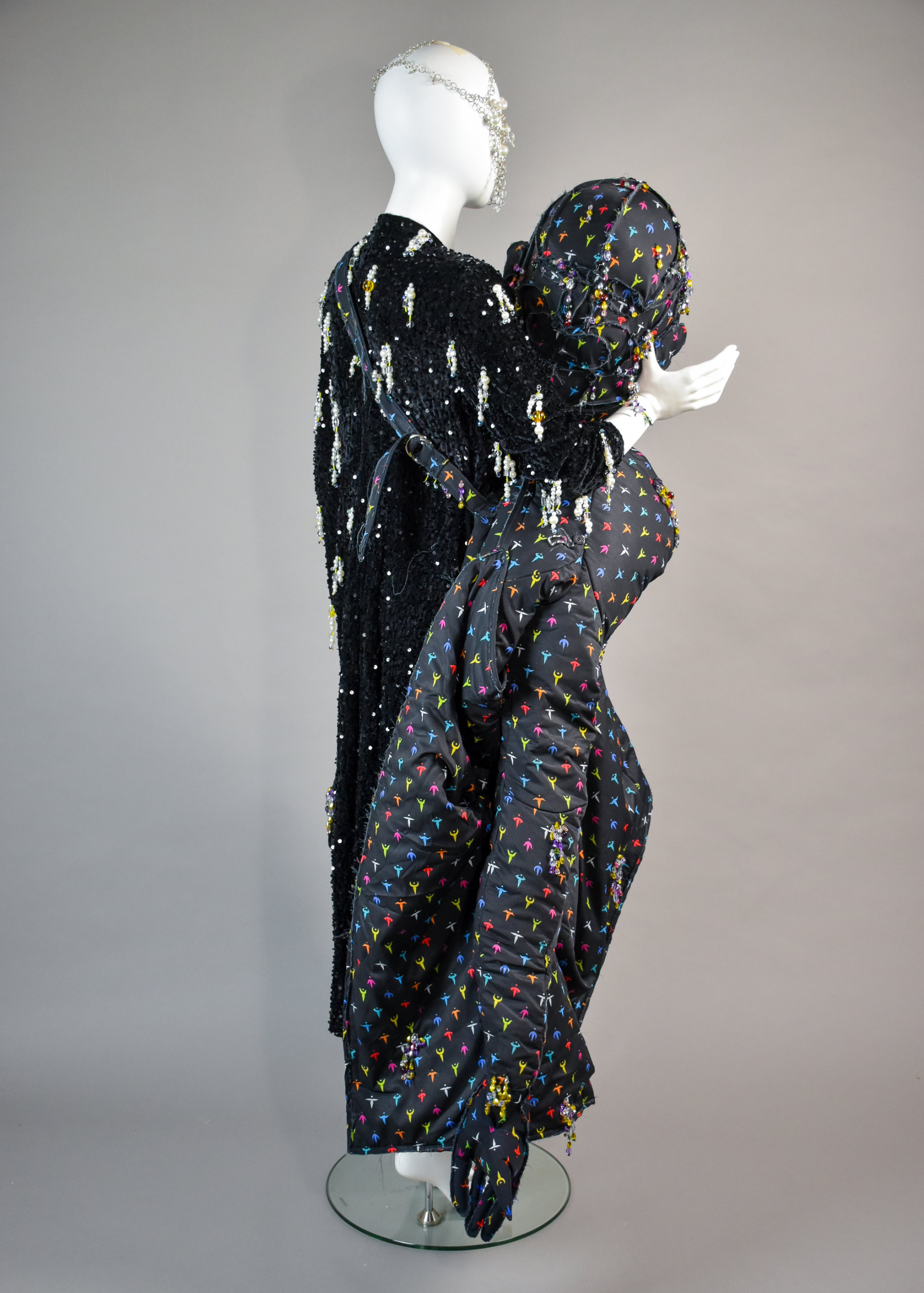
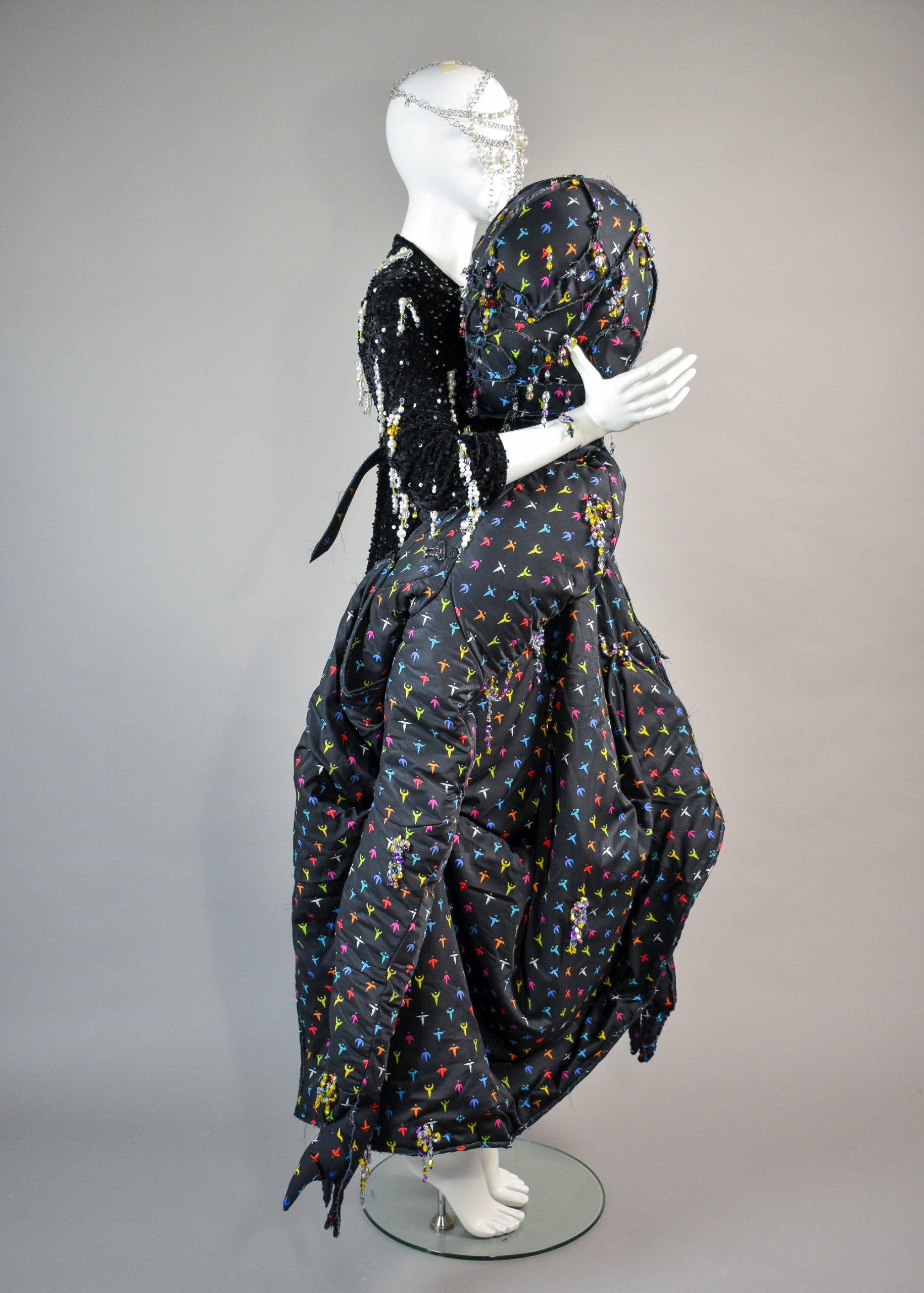
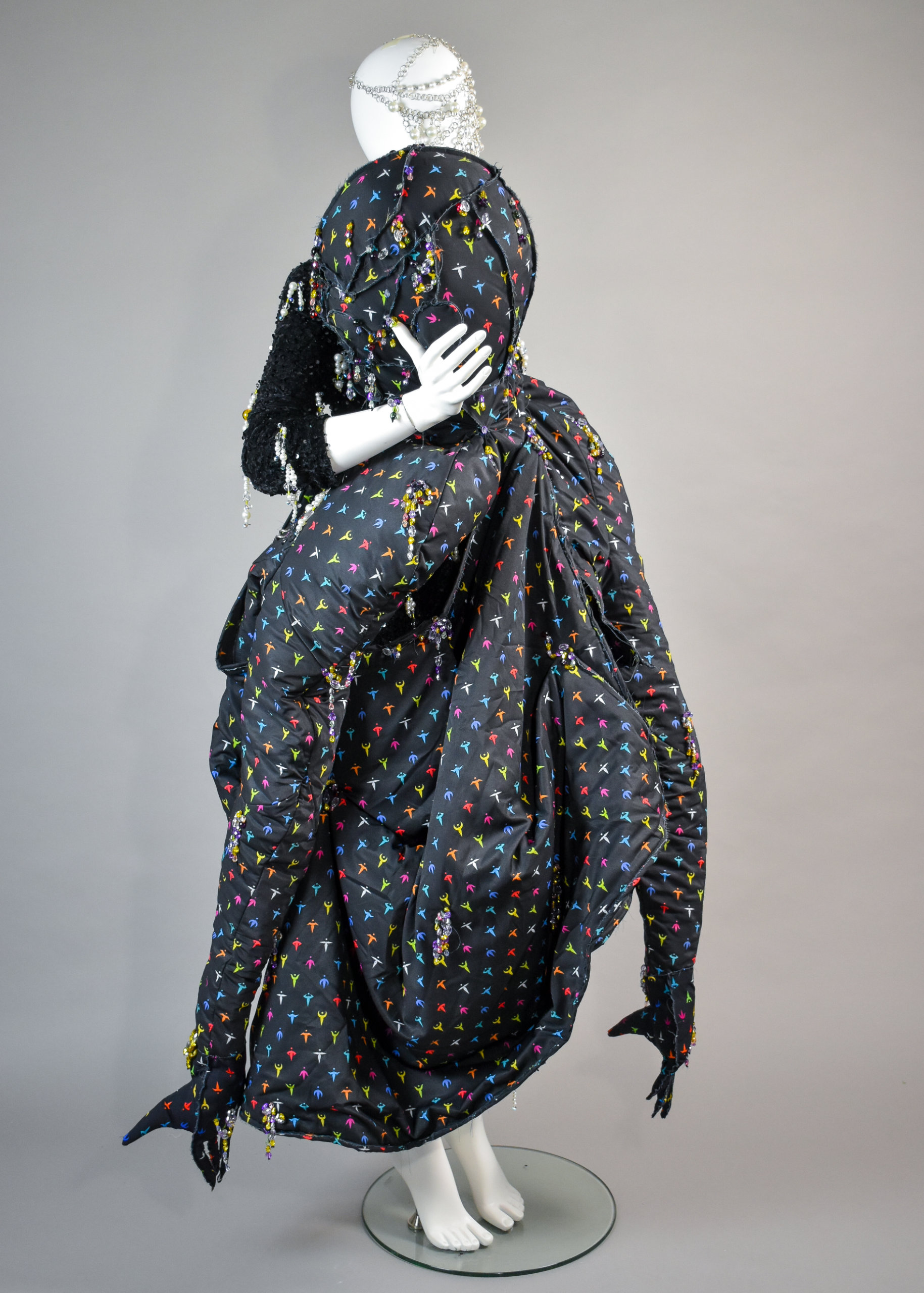
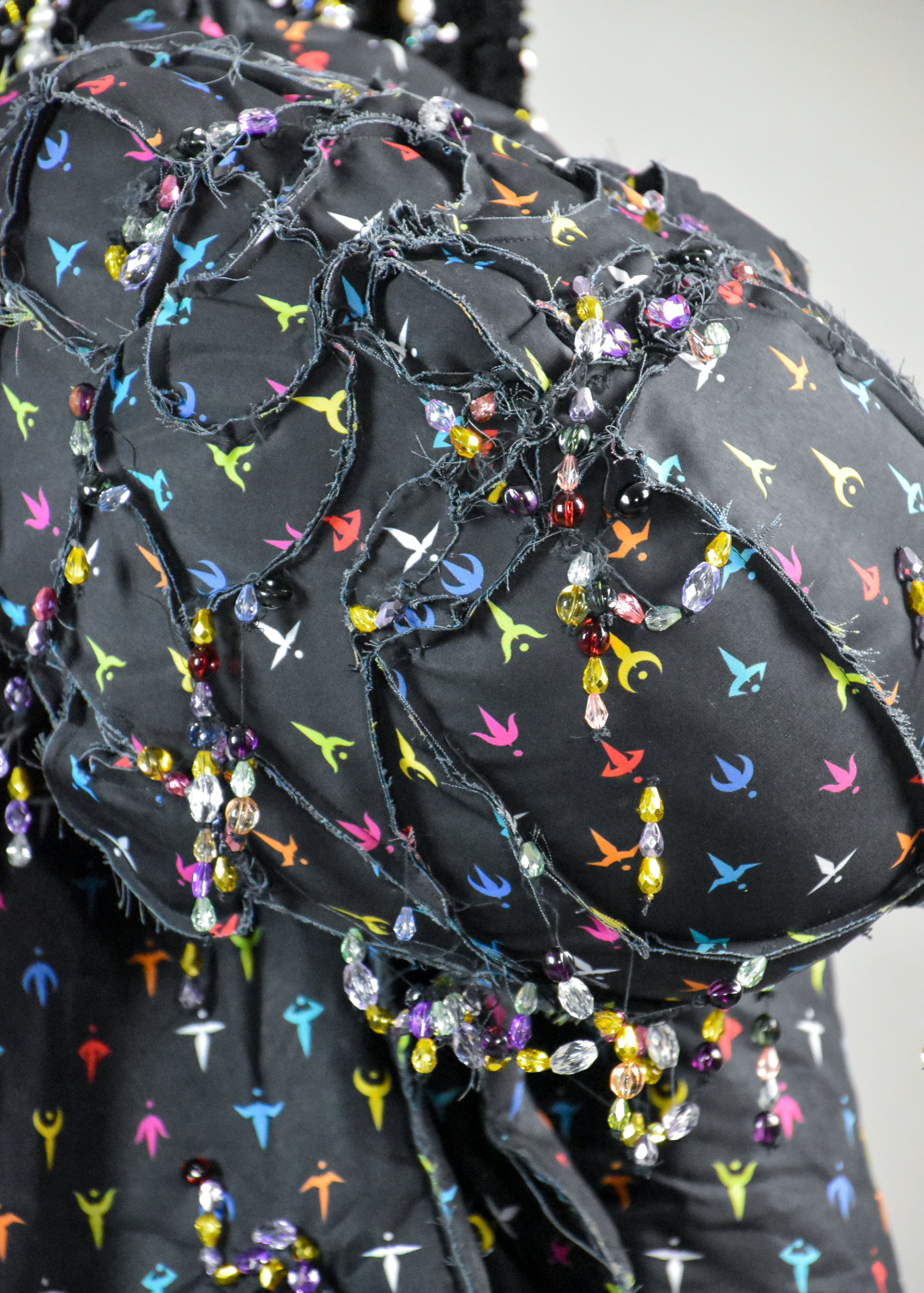
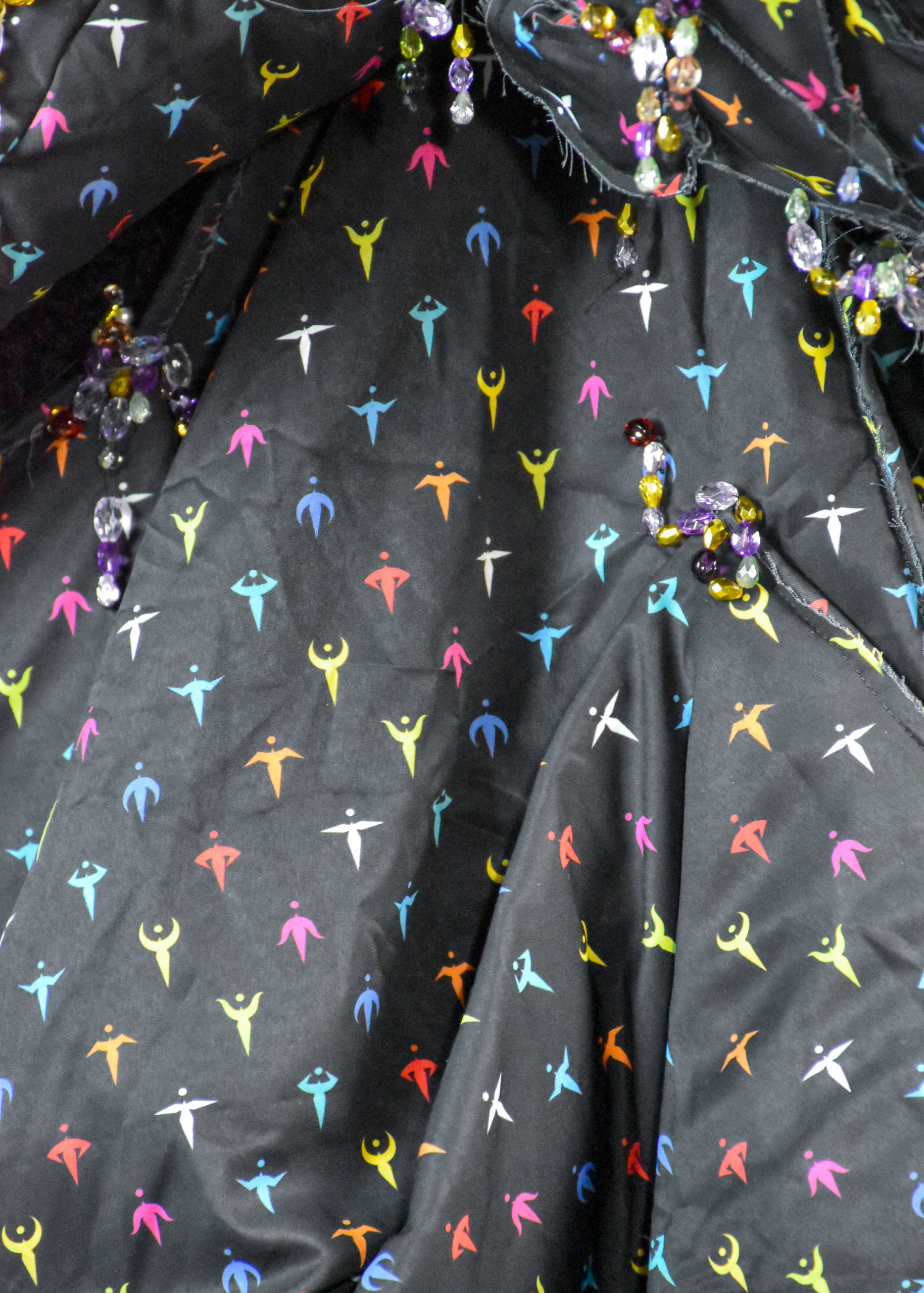
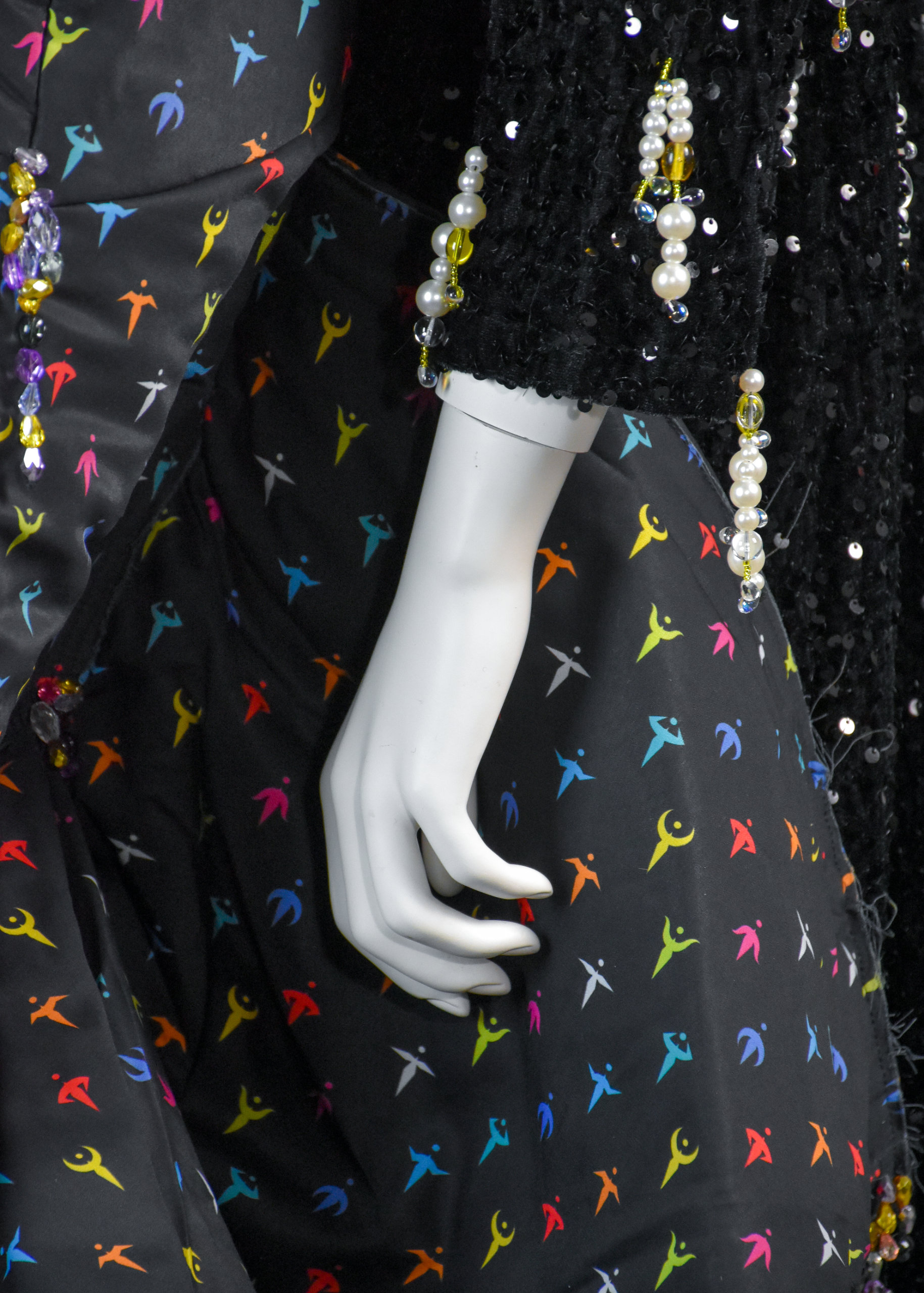
This work explores the garment as a site of embodied memory and biomedical ritual in the context of HIV. Constructed in two layers, the piece negotiates the tension between invisibility and hyper-visibility—a lived experience common to many HIV-positive individuals in contemporary society. The base garment, a black sequined dress, invokes both mourning and glamour.

It reflects the dual nature of the HIV experience as private and political, clinical and aesthetic. Along this surface, symbolic textile interventions in white are affixed—gestures that evoke care, clinical neutrality, and the quiet repetitions of medical adherence. Their softness belies their precision. The outer shell takes the form of a humanoid figure, covered in multicolored icons and trailing beaded strands. These elements function as temporal markers—visualizing transformation, survival, and the ongoing negotiation of identity under biomedical and emotional surveillance.

The figure is not a metaphor for fear, but a formalization of the post-viral self: shaped by science, memory, and ongoing acts of self-definition. Through layering, stitching, and symbolic adornment, the garment frames HIV not as a static diagnosis but as a dynamic site of temporality, relationality, and ritualized survival. In doing so, it positions the dressed body not merely as canvas, but as a critical interface between medicine, design, and lived experience.

Ayinde Bradford + Luis J. Montaner

Ayinde Bradford

Ayinde Bradford is a designer and advocate whose work highlights how systems of othering and disregard intersect with cultural expression and aesthetics (primarily for Black Americans). A Princeton architecture graduate and current design student at Parsons School of Design, he uses fashion to explore the consequences of racialization on self-perception, presentation, and spatial engagement. Drawing from Black diasporic aesthetics – choices for survival and expression – he alters the familiar to reframe the presence of discrimination and neglect in Black narratives. His designs link African Americans to the wider Afropolitan scene. Bradford’s work honors the overlooked, exemplifying softness within the hard complexities of Black history.

Luis J. Montaner

Luis J. Montaner, DVM, DPhil, is Executive Vice President of The Wistar Institute (wistar.org), Director of the HIV Cure & Viral Diseases Center, and Herbert Kean, MD, Family Professor. He leads the BEAT-HIV Delaney Collaboratory (beat-hiv.org) and iCure program (personalized HIV cure platform development) (icure-hiv.org) and serves on the board of Philadelphia FIGHT (fight.org), the city’s largest FQHC serving people living with HIV. Montaner researches improving innate immune responses to HIV and cancer. He is Chair of the NIH Office of AIDS Research Advisory Committee and is Deputy Editor of the Journal of Immunology. Dr. Montaner is from San Juan, Puerto Rico.

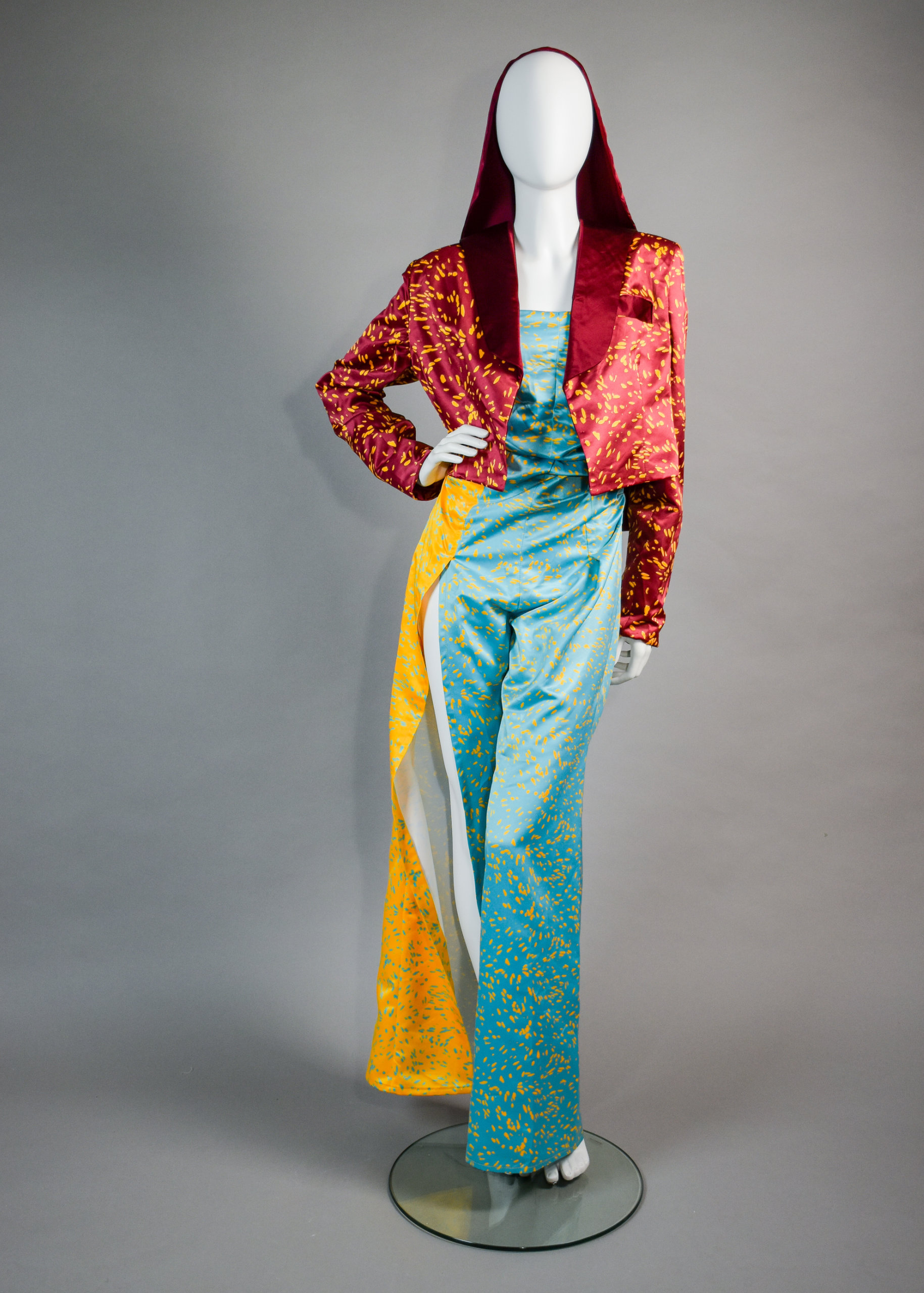
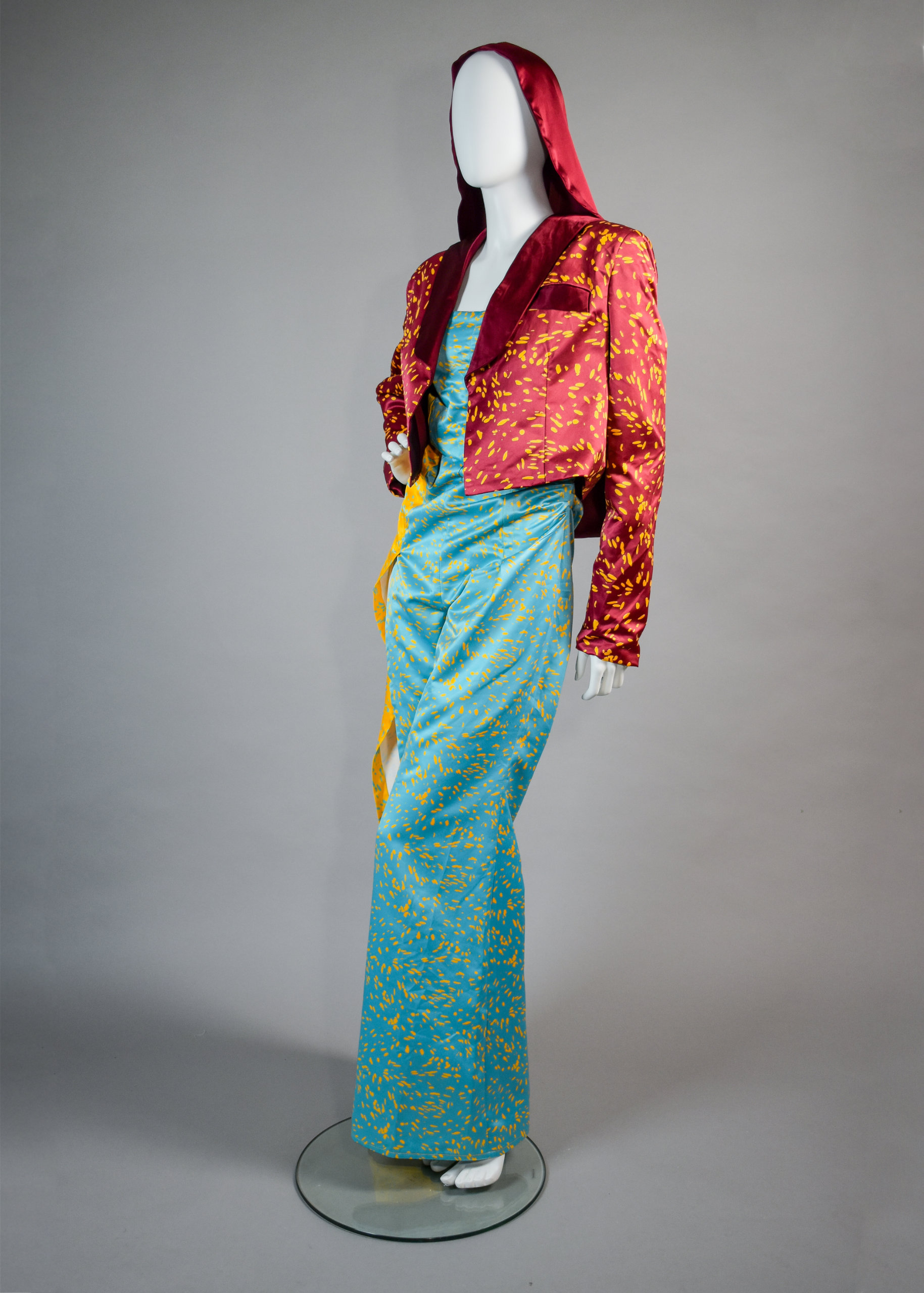
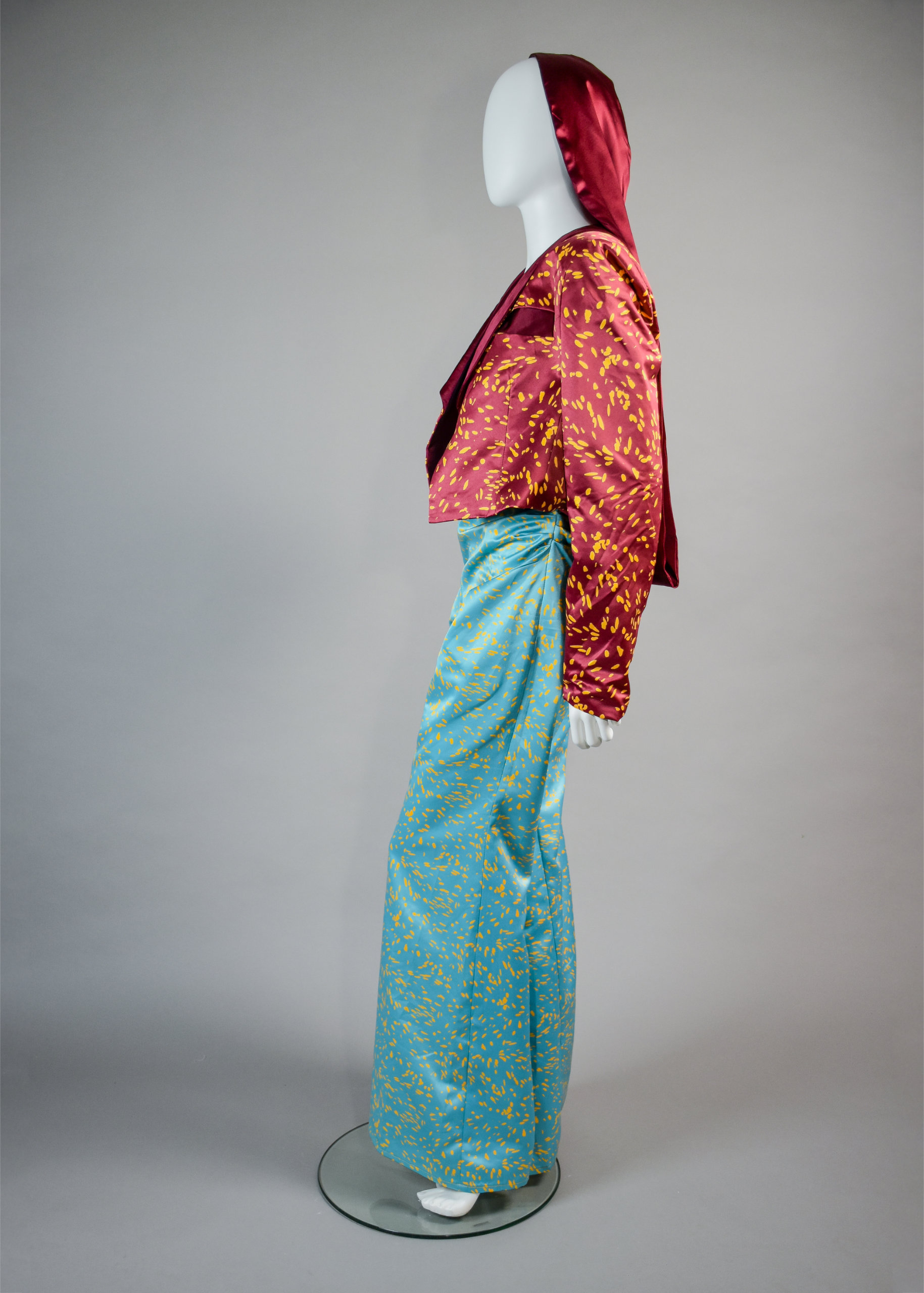
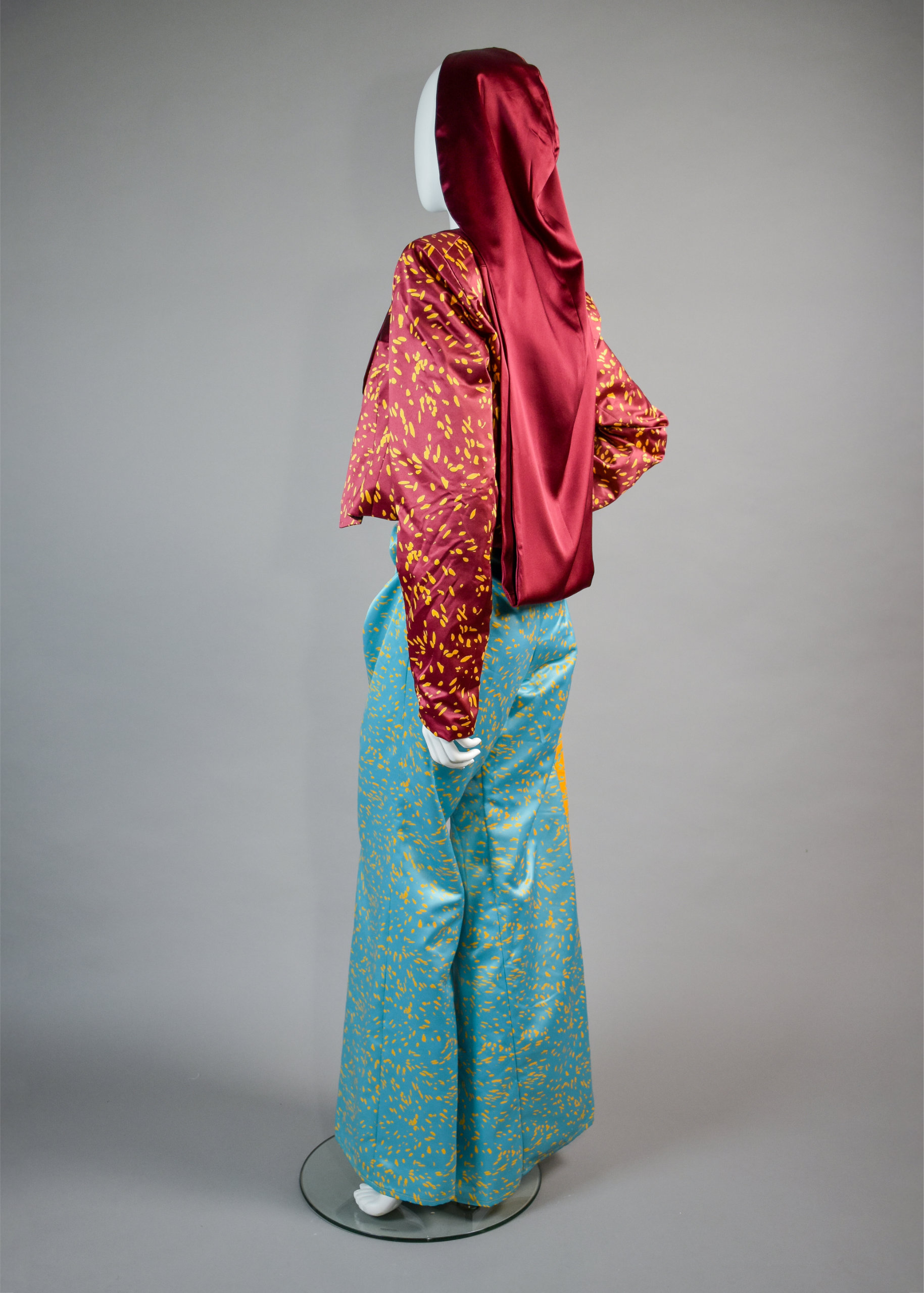
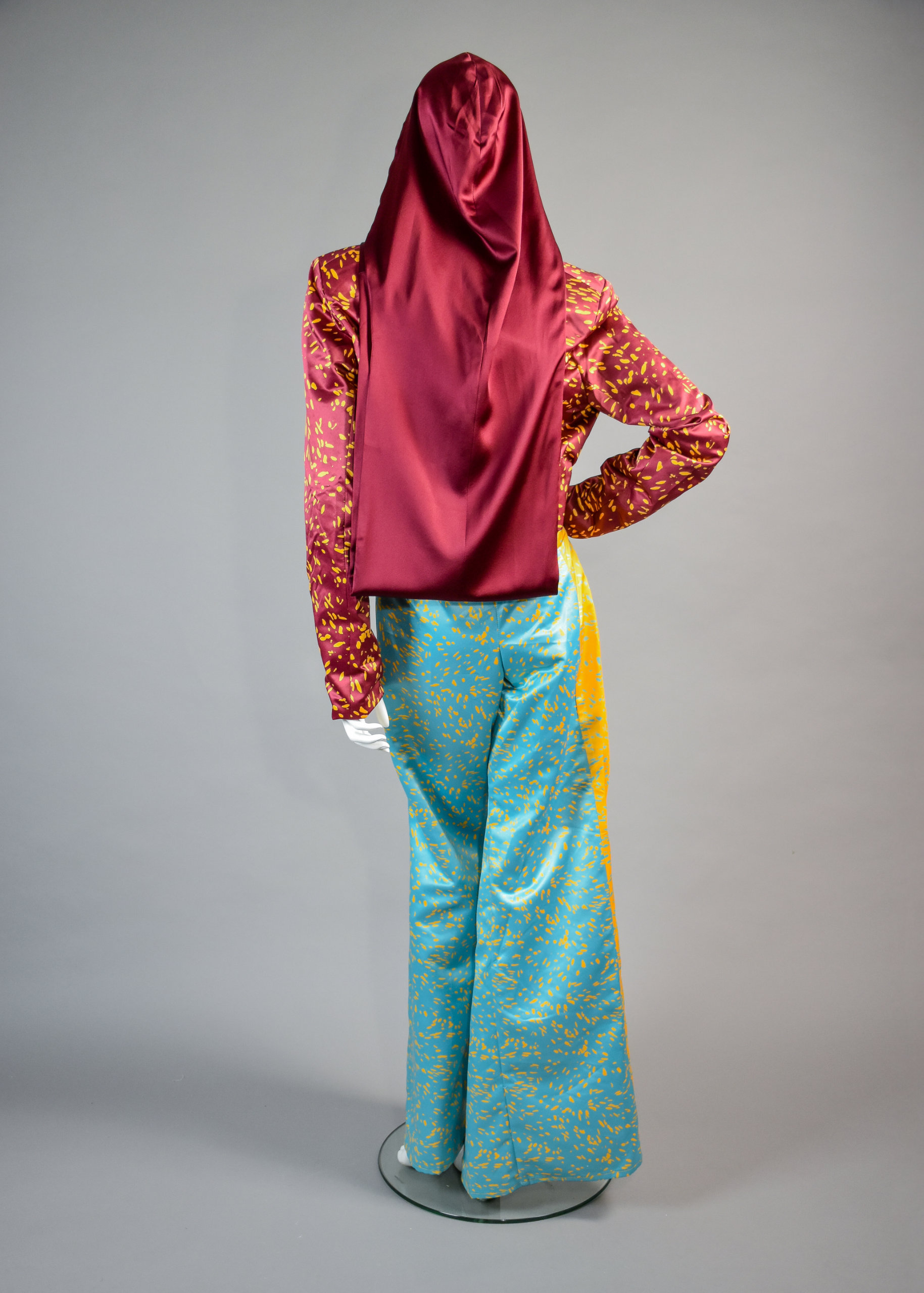
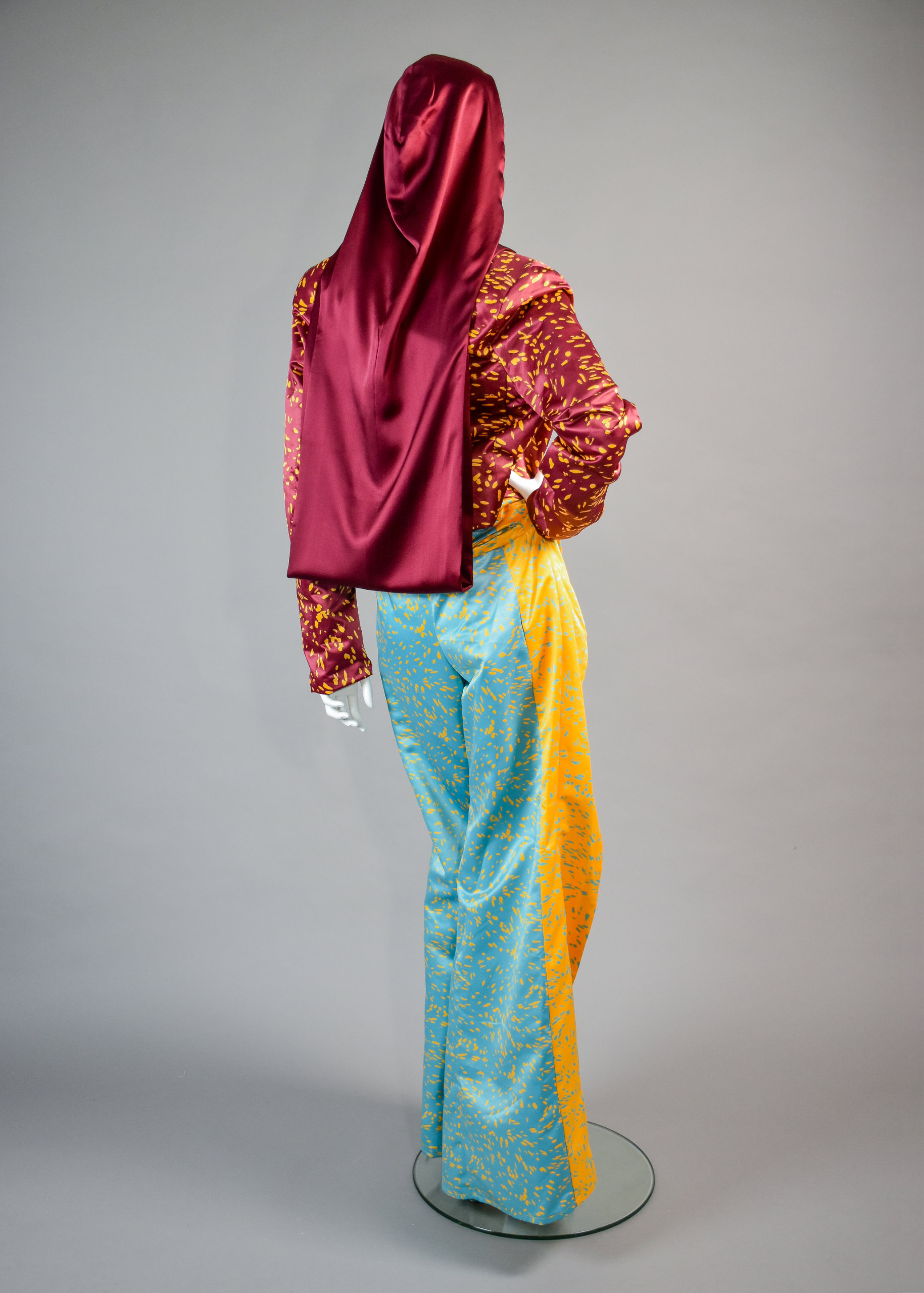
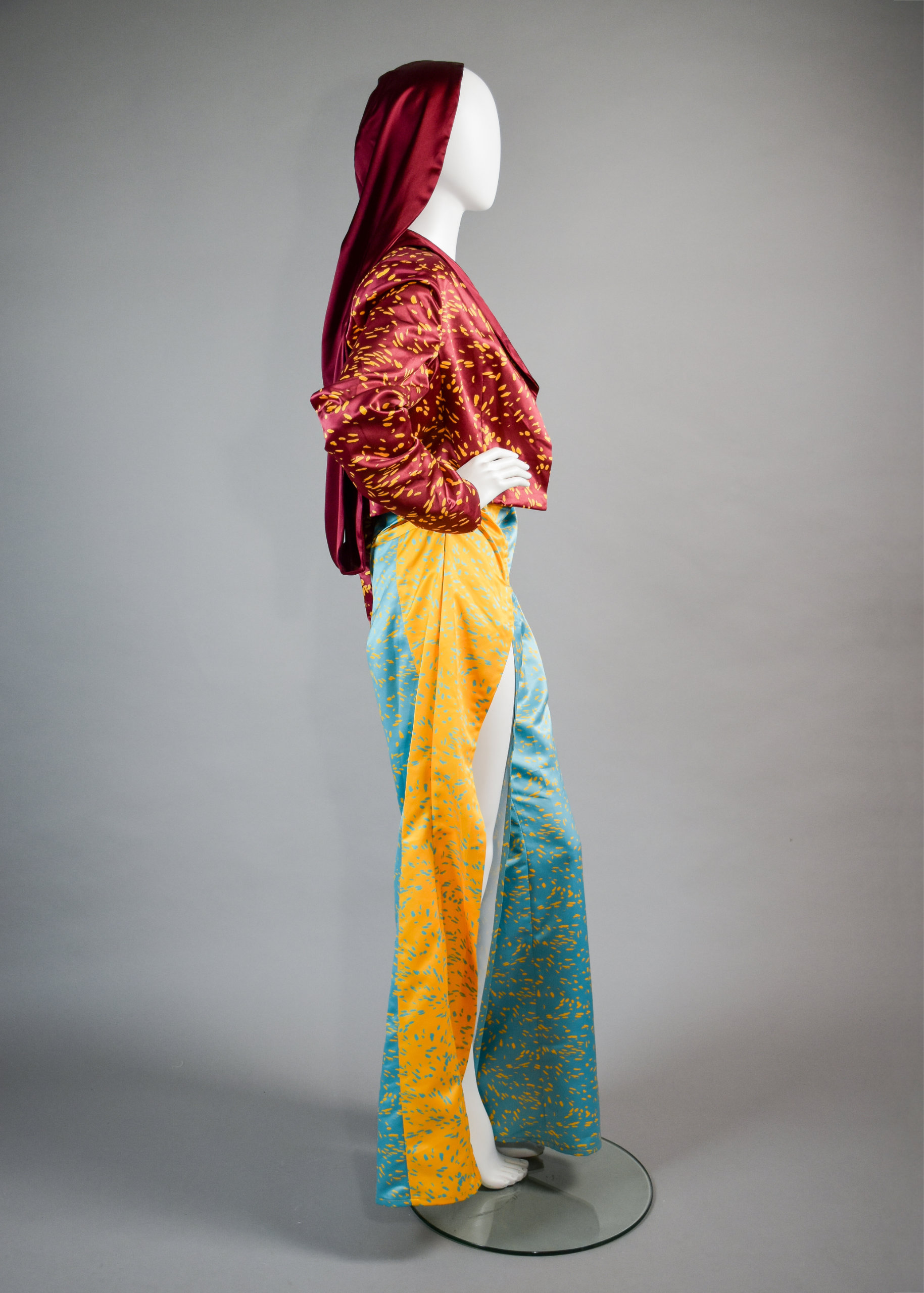
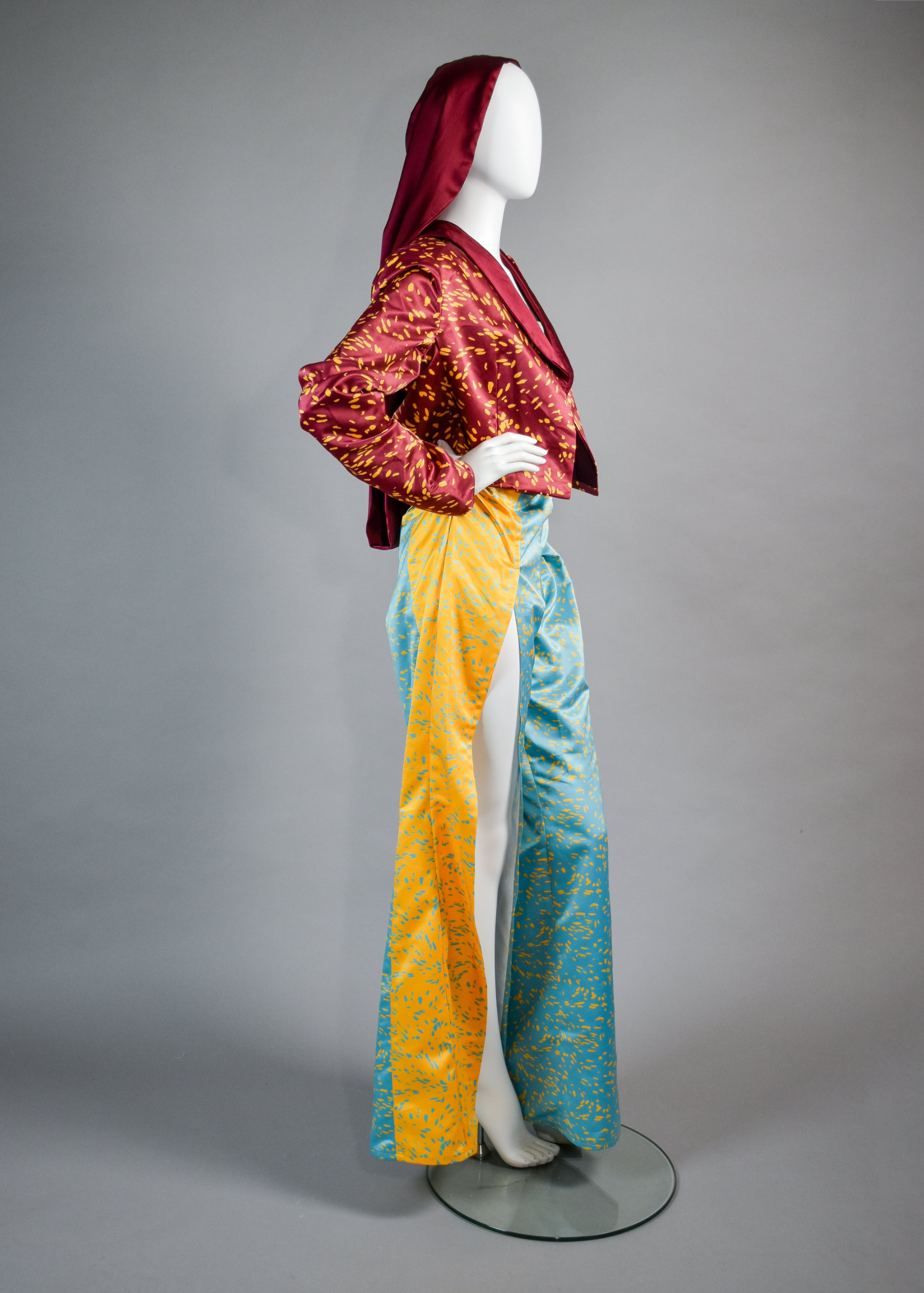
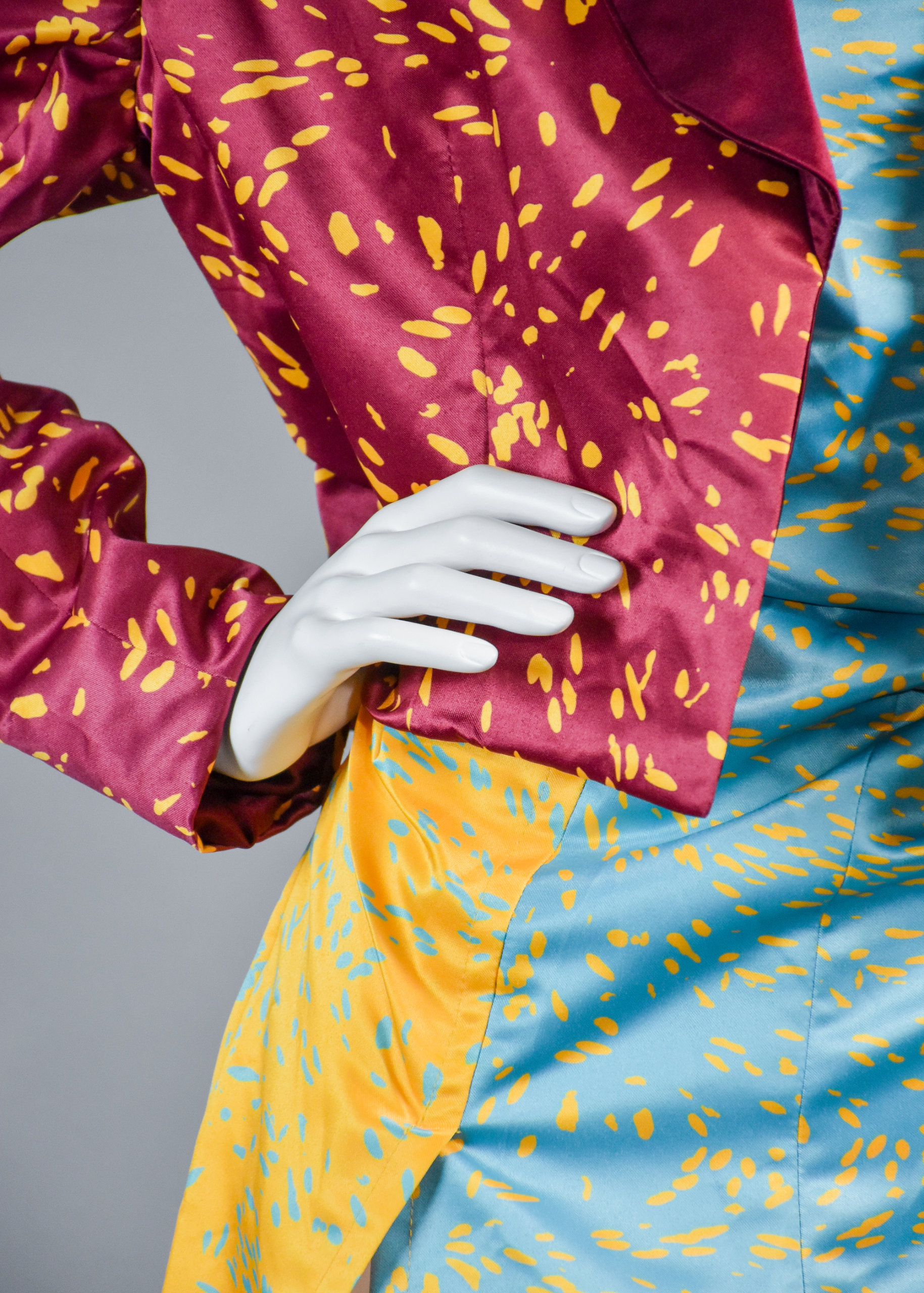
This design reflects the intersection of minority queer culture and biomedical research. As HIV disproportionately affects queer people of color in urban spaces, the coat-pant ensemble honors the humanity of those impacted. Drawing data and imagery from Dr. Luis Montaner’s research at the Wistar Institute, the piece becomes a “costume of hope,” recognizing both scientific progress and the power of community surrounding HIV research. The partnership between Wistar and the BEAT-HIV Delaney Collaboratory, rooted in care and a shared voice, guided the design to emphasize community as much as research.

The silhouette draws inspiration from LGBTQ+ ballroom fashion in New York City, particularly Harlem and the Bronx. Using archival images of 1980s vogue dancers and house mothers, the garments incorporate elements from personal and performance ensembles. Figures like Pepper LaBeija, Angie Xtravaganza, and Willi Ninja serve as key references, honoring their cultural legacy and leadership during the AIDS epidemic. Design features such as belted waists, padded shoulders, bold prints, and fabric excess – used in ballroom to express luxury, identity, and autonomy – influenced these garments.

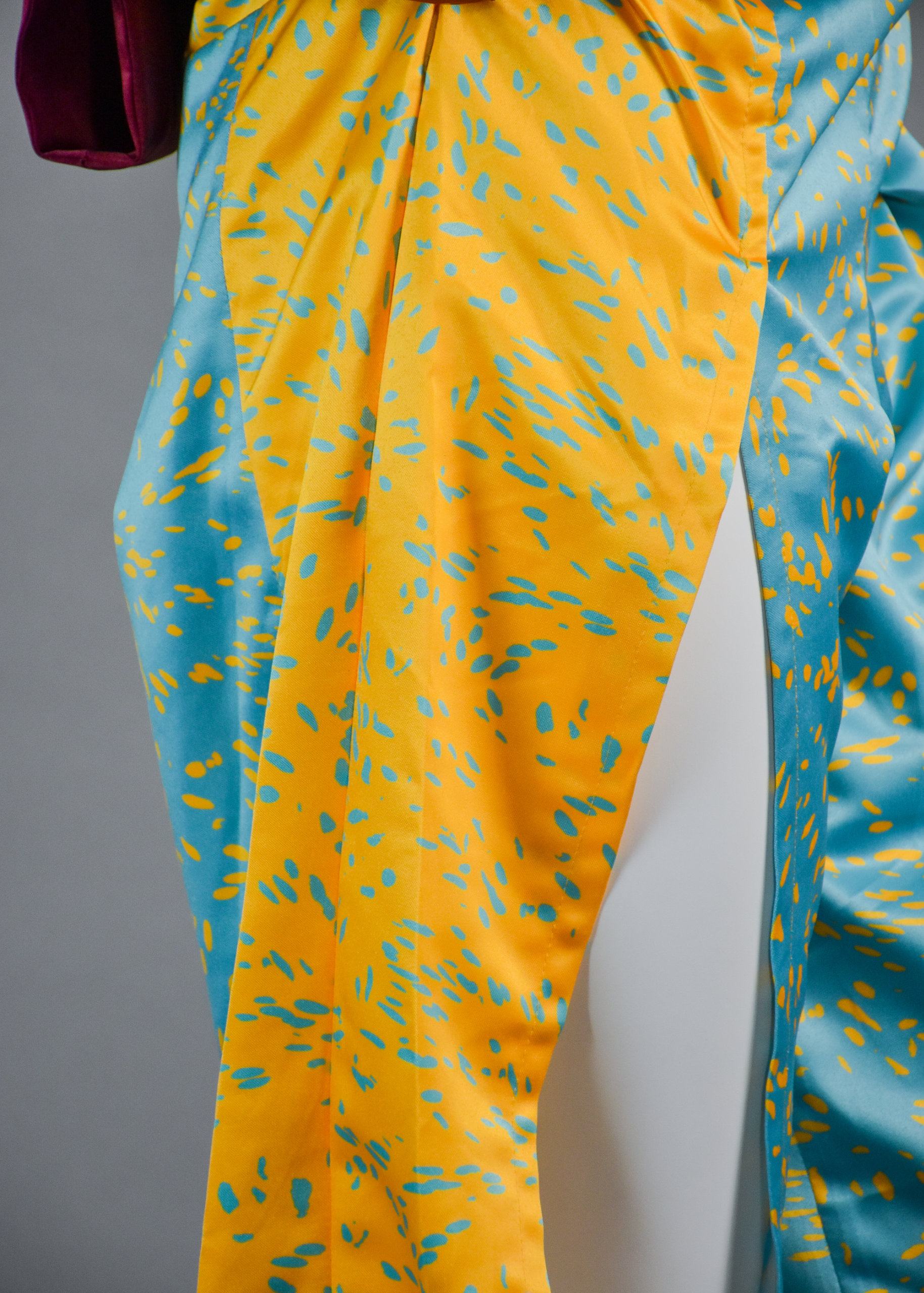
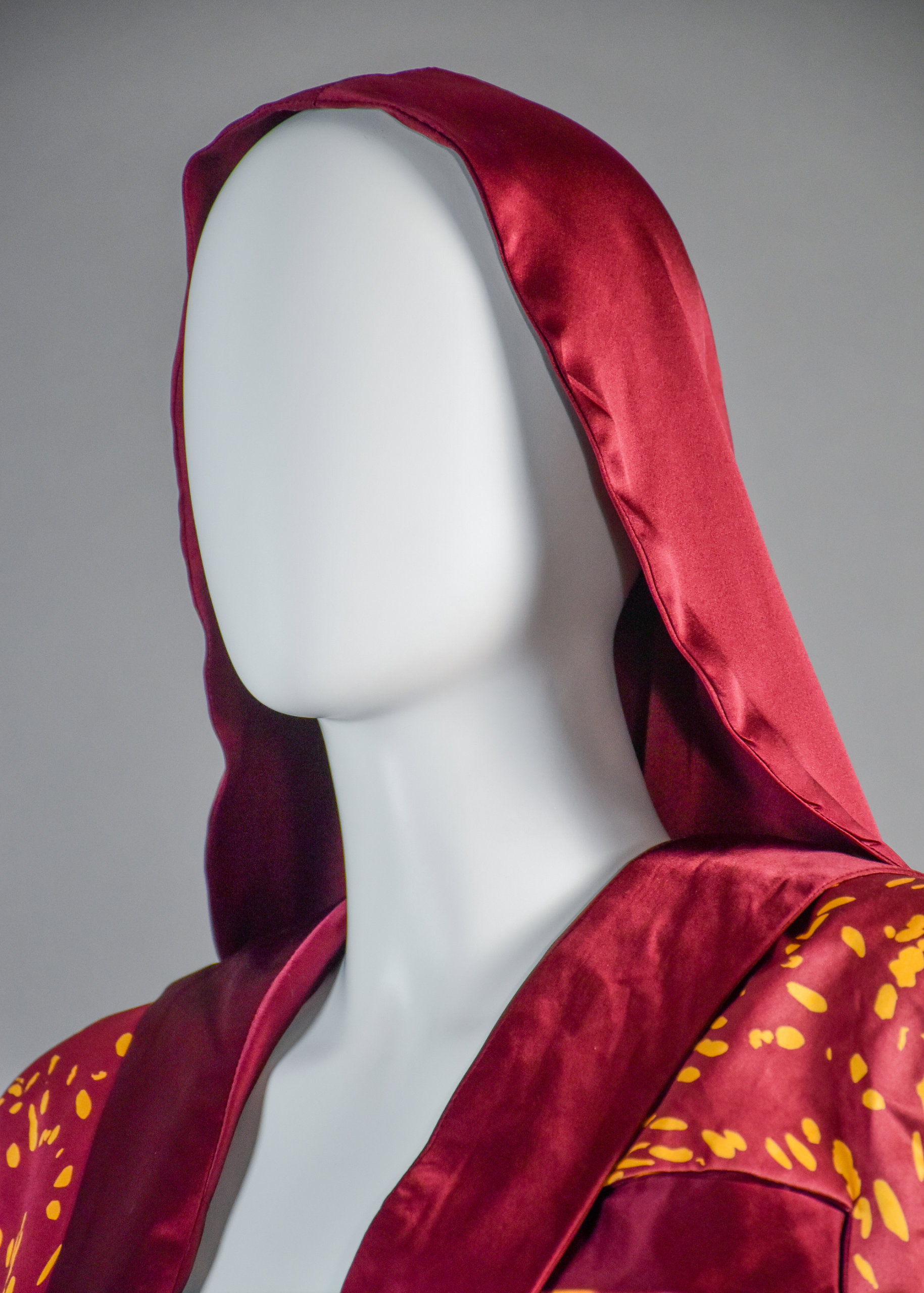
Initially inspired by a lab coat, this jacket is transformed with a long lapel cape and hood – the hood referencing a magazine image of Angie Xtravaganza following Paris Is Burning. Flared pants with a ruched bodice nod to Pepper LaBeija’s draped style, infusing the look with flamboyance and pride. The satin fabrication is a digital printed image from a rectal tissue biopsy. The main hues derive directly from the BEAT-HIV Delaney Collaboratory logo. Simultaneously, the colors symbolize the history of AIDS activism (red), the dawn for a cure (yellow), and, of course, Wistar itself (teal).

Ultimately, this ensemble looks back to move us forward – channeling the expressive power of the ballroom floor into a vision of healing and hope. It stands as a call to action and a testament to collective effort. The groundwork of determination and resilience has already been laid – we need only the courage to continue moving toward a cure that is within reach.

Caity Briare + Monica Gandhi

Caity Briare

Caity is an artist and fashion designer from Portland, Oregon. She is currently in her second year in the Fashion Design and Society Master’s program at Parsons School of Design in New York City. Caity is the founder of her own fashion label, Ca8ty, where she repurposes thrifted garments and enhances them with her signature free-motion embroidery. Her work is best described as wearable art, incorporating appliqué and embroidery featuring nature-inspired and character-driven motifs. Caity is passionate about inclusive fashion and sustainability, she is driven to reshape the fashion industry into becoming more accessible for all body types.

Monica Gandhi

Monica Gandhi, MD, MPH, is a Professor of Medicine and Associate Chief in the Division of HIV, Infectious Diseases, and Global Medicine at the University of California, San Francisco (UCSF). She is also the Director of the UCSF Center for AIDS Research (CFAR) and the Medical Director of the HIV Clinic (“Ward 86”) at San Francisco General Hospital. Her research focuses on HIV treatment and prevention, HIV and women, adherence measurement in HIV and TB, adherence interventions, and on optimizing the use of long-acting antiretroviral therapy (ART).

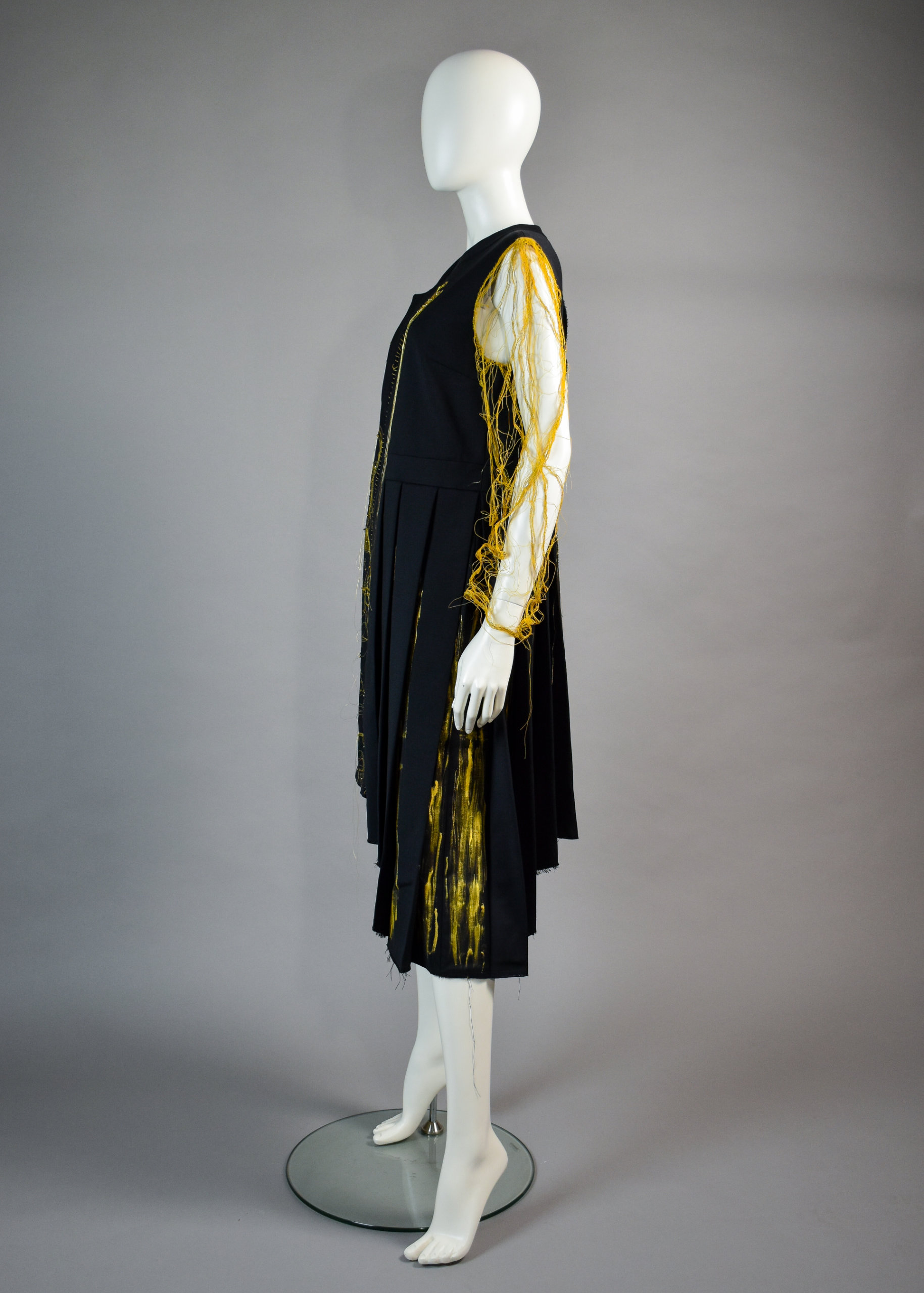
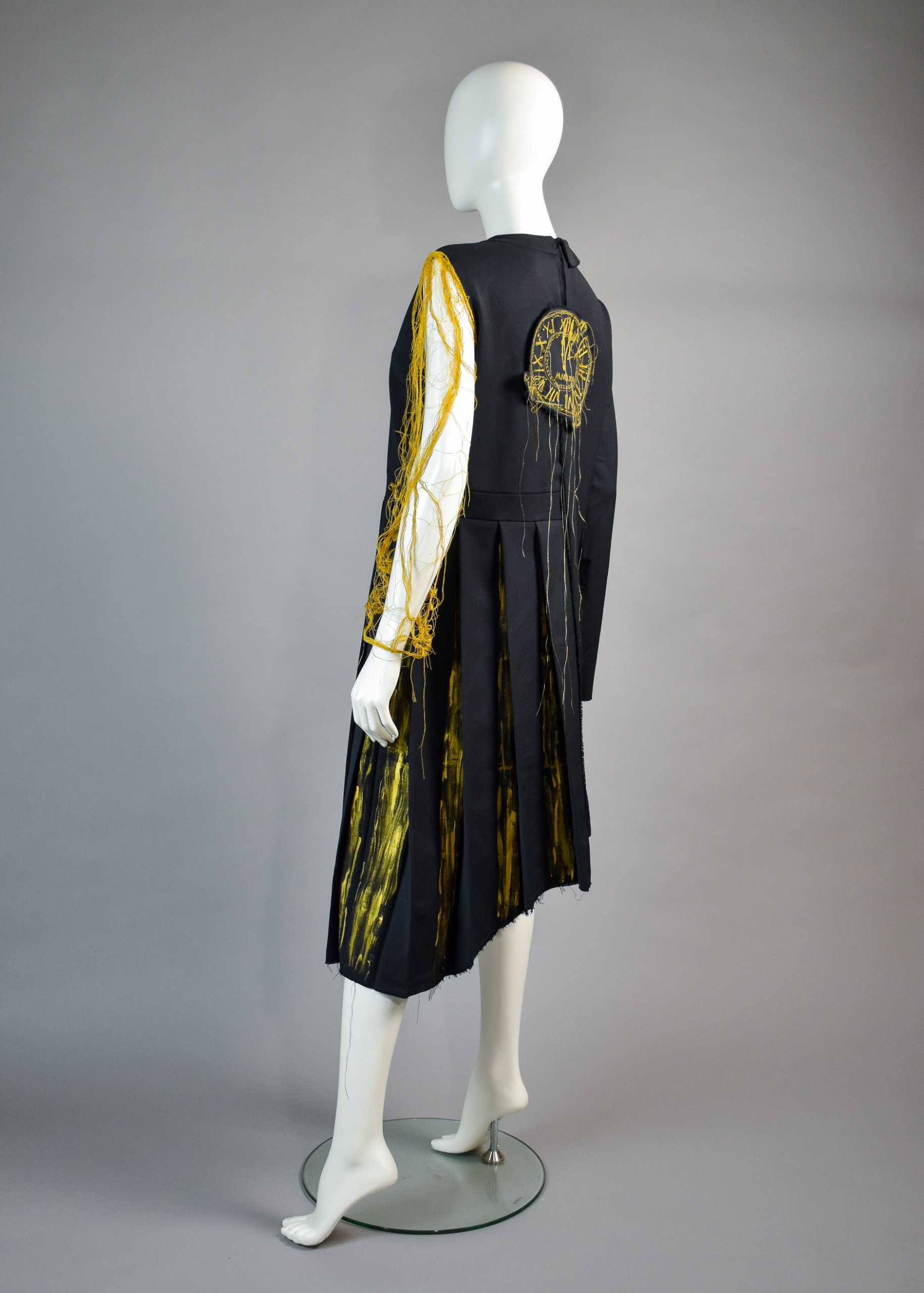
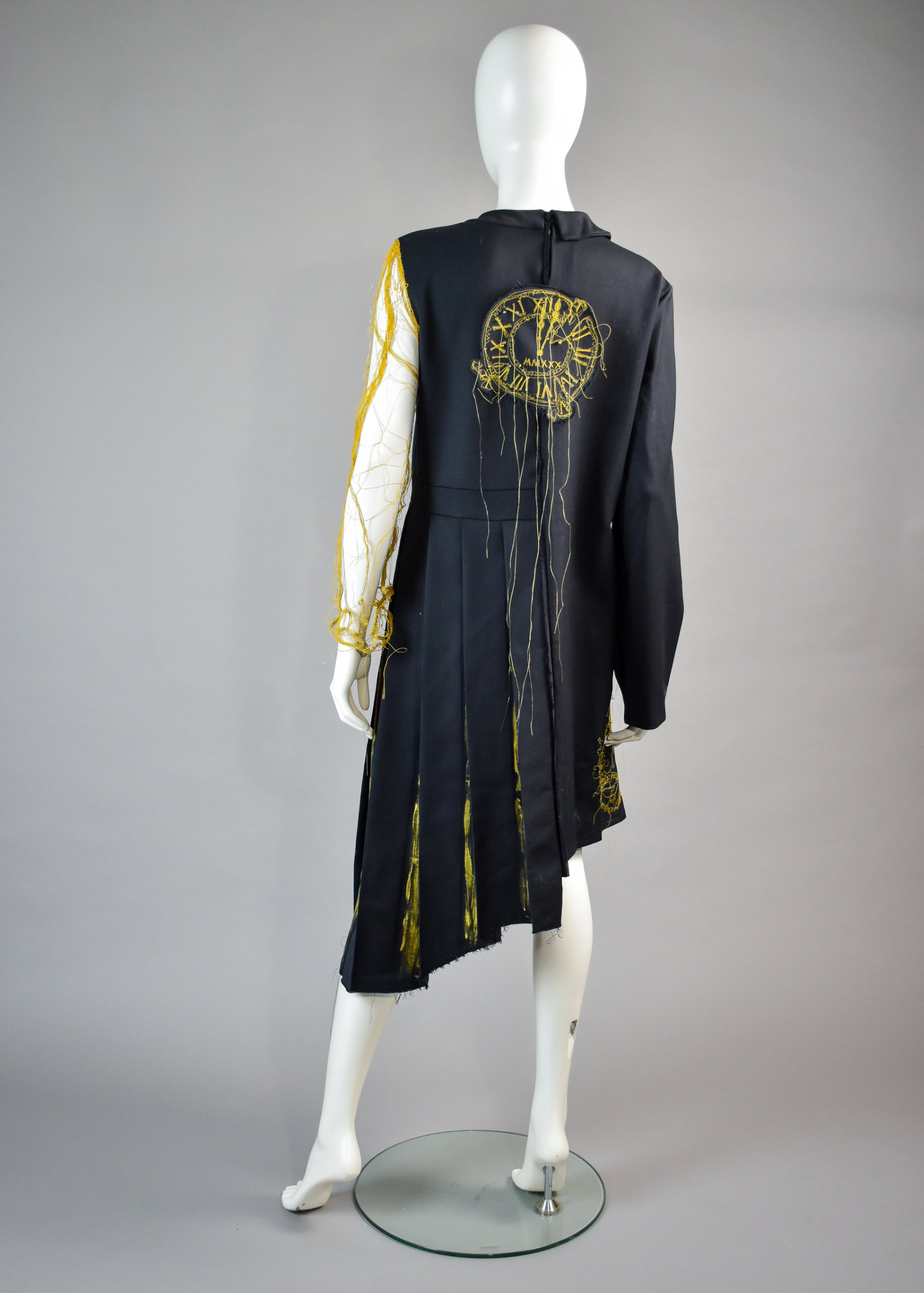
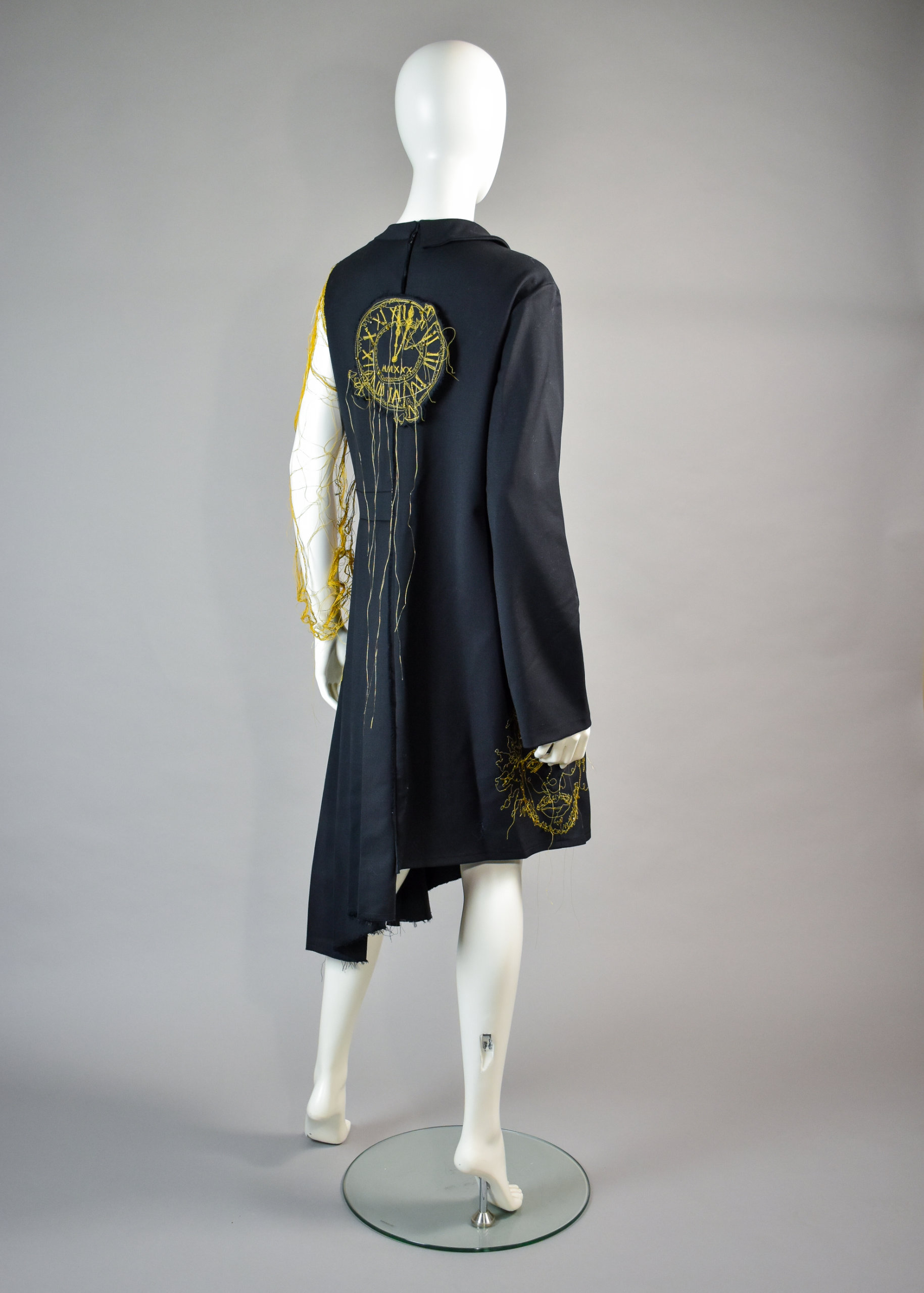
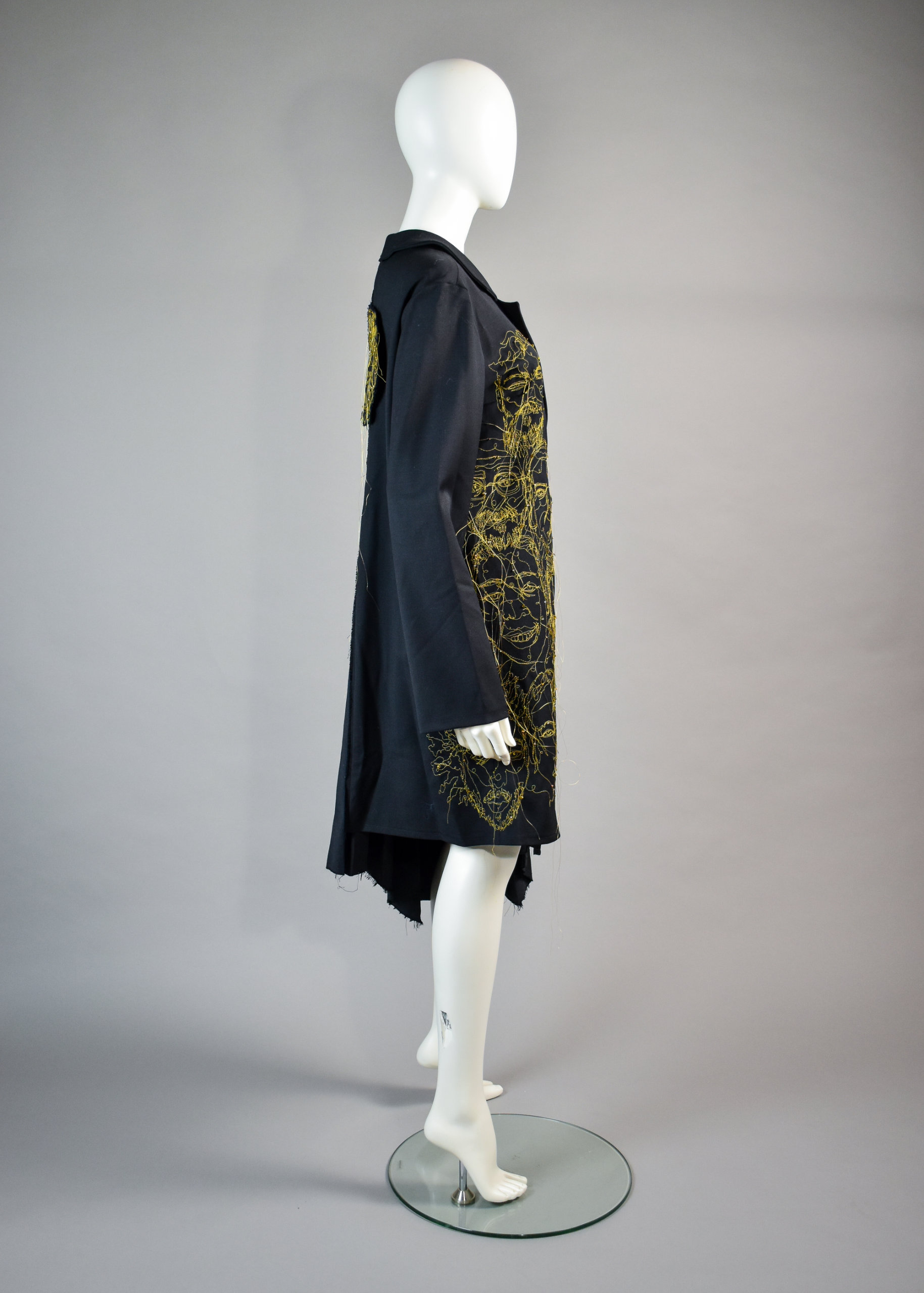
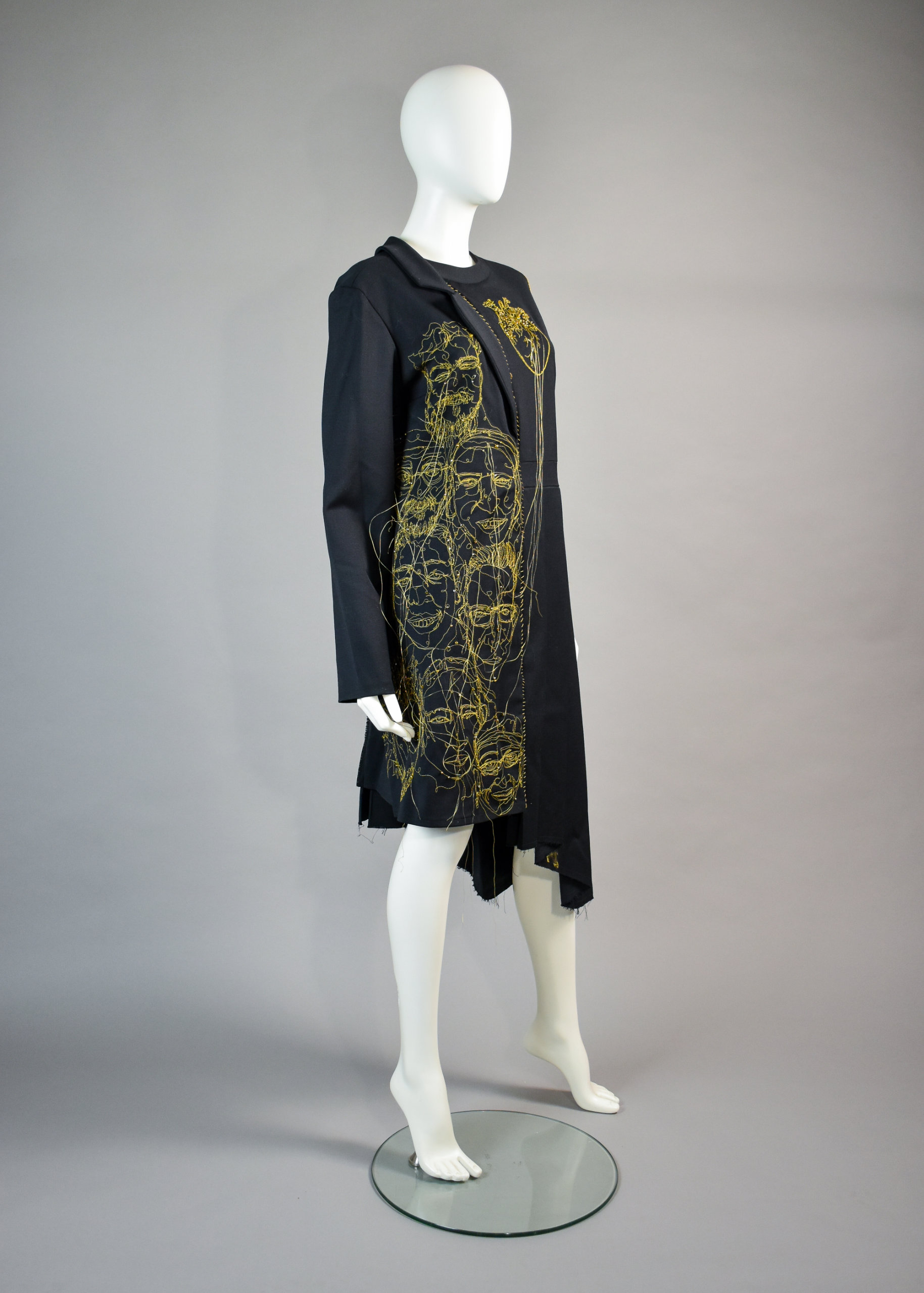
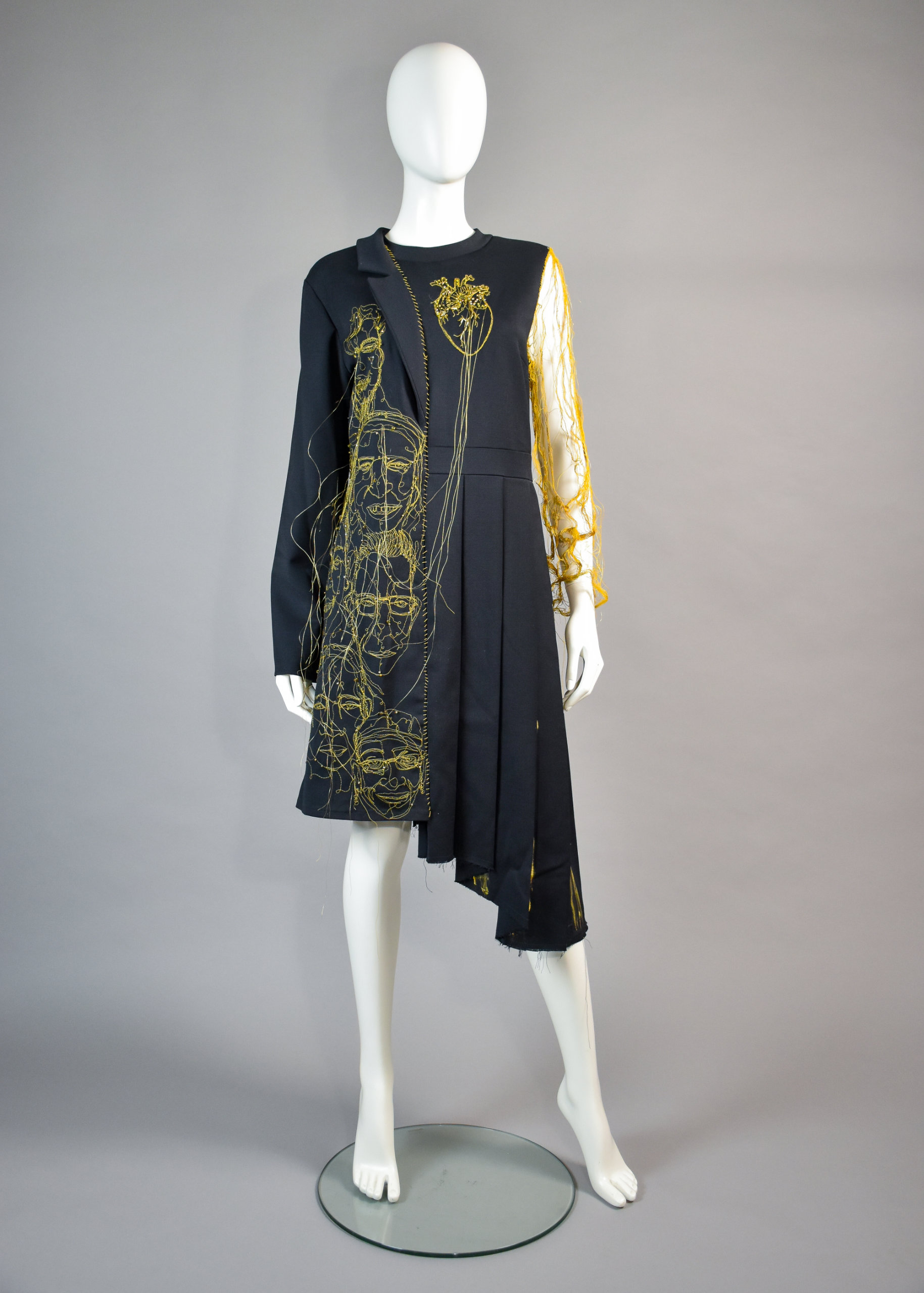
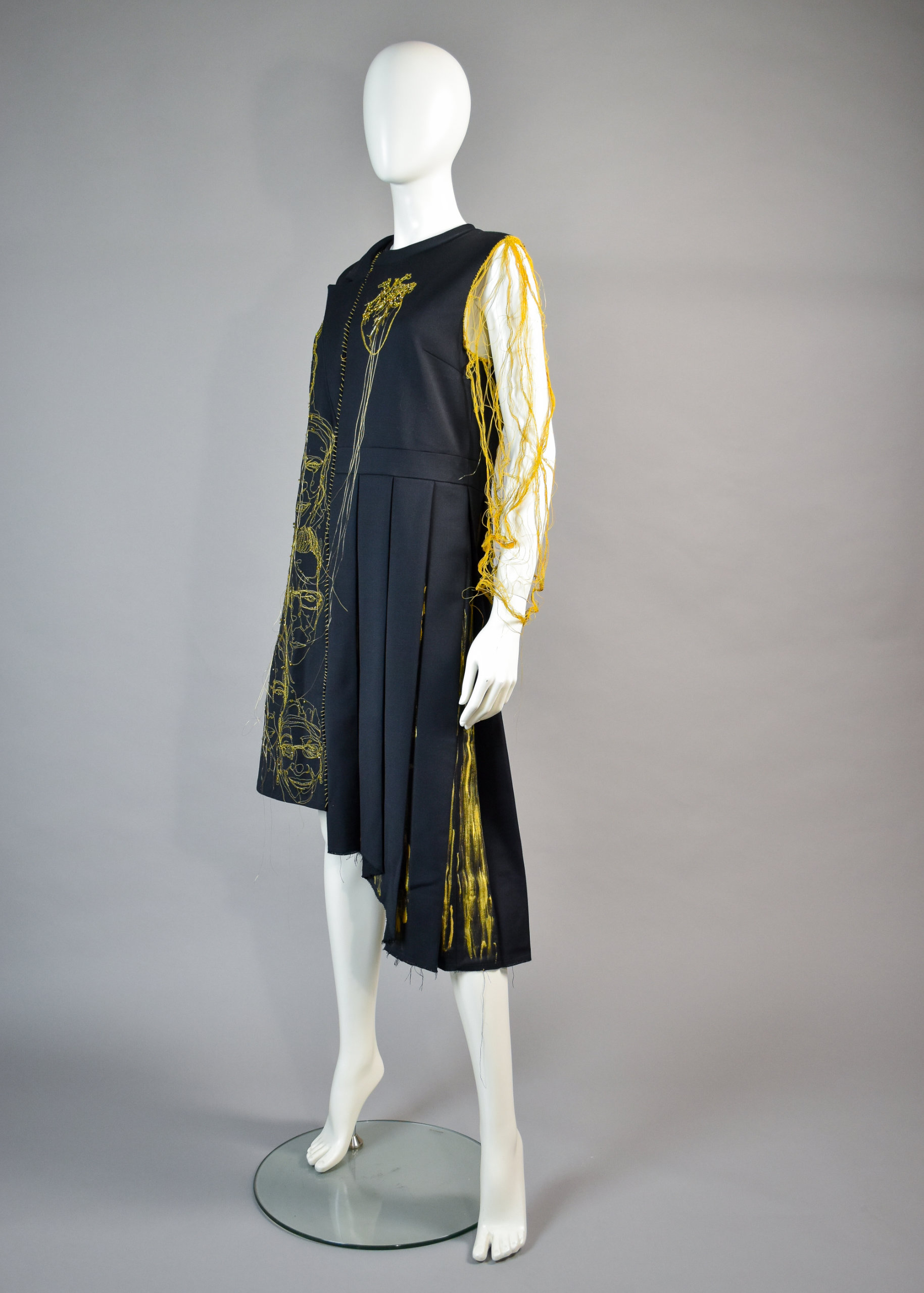
The labcoat/dress Chiaroscuro Beckoning explores themes of community, resilience, and urgency within the ongoing
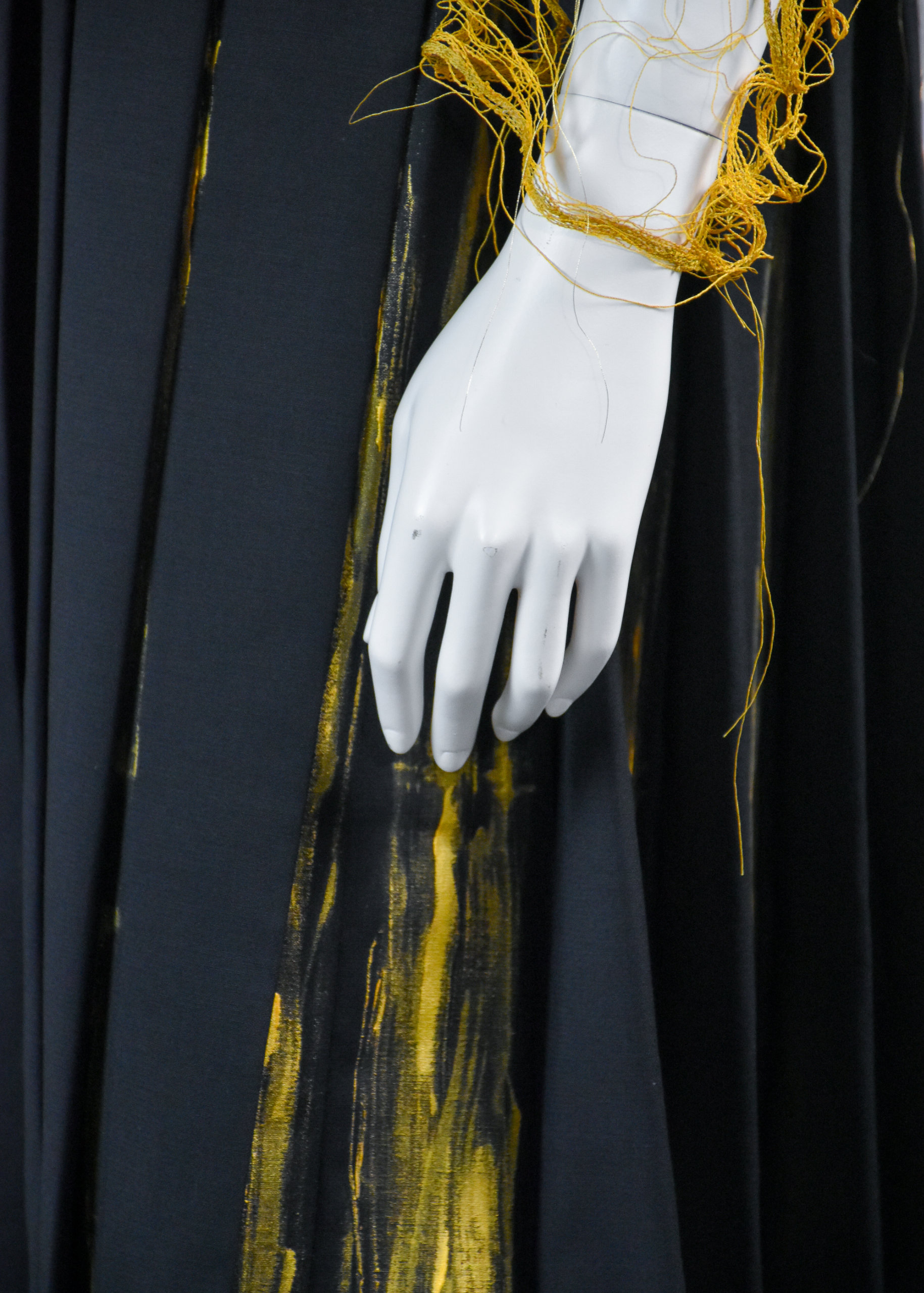
narrative of the HIV/AIDS crisis.This garment acts as both a symbolic and visual fusion of clinical science and lived experience that is crafted to honor patients and healthcare providers who persist in the face of adversity. The silhouette, a blending of a lab coat and daywear, represents the intimate relationship between doctor and patient. The black base evokes the uncertainty surrounding current HIV AIDS research funding, while gold elements stand as symbols of hope, courage, and the enduring spirit of those affected.

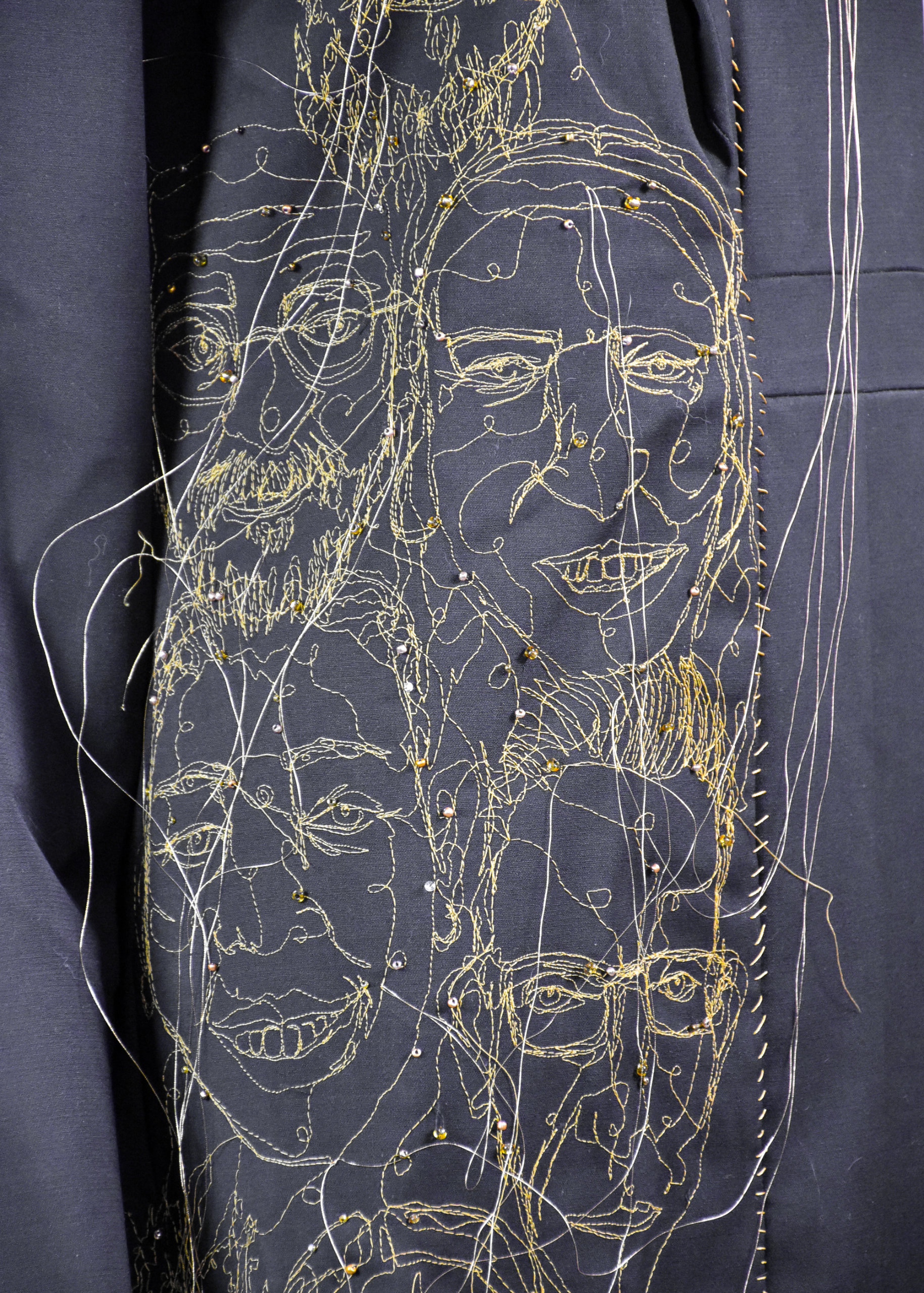
Embroidered across the lab coat portion of the garment are portraits of real individuals living with HIV—including two
patients of the collaborating physician. These portraits are interlinked by gold thread, representing the strength of community. The trailing threads symbolize connectedness and subtly reference hair samples used in clinical research. The “patient” side of the garment features a pleated dress designed to reflect the impact of HIV/AIDS on women. The dynamic movement of the pleats suggests vulnerability and transformation, while the gold peeking through symbolizes the stigma that compels many to hide their diagnosis. A sleeve threaded in gold mimics the pathways of arteries and veins, alluding to viral load testing in the bloodstream. Across the chest, a gold anatomical heart pays homage to the compassion and care that defines the fight against HIV/AIDS from patients and providers.

On the back, a broken clock is embroidered to signal the urgency and need for continued investment in HIV/AIDS research. Fraying seams along the coat and skirt edges point to the threat of defunding and the fragility of progress. Together, these elements serve as a call to action—a reminder that the fight is far from over and urges the viewer to consider their role in supporting the ongoing struggle for equity, compassion, and care in HIV/AIDS advocacy.

Claire Ammirato + Jeanne Marrazzo

Claire Ammirato

Claire is a womenswear designer focused on the intersection of social justice and fashion. Her work is influenced by her background studying public health and centers around raising awareness for women’s rights, gender equality, and safe and sustainable clothing production. Claire continues to find ways to make her pieces more accessible and inclusive, by working with a variety of models and exploring different tactile and other sensory design techniques. She believes fashion is a platform for social change, and everyone should have the opportunity to express their identity and values through clothing.

Jeanne Marrazzo

Dr. Marrazzo is the Chief Executive Officer of the Infectious Disease Society of America (IDSA), a position she began in January 2026. From 2023-2025, she was the sixth Director of the National Institute of Allergy and Infectious Diseases at the U.S. National Institutes of Health (NIH). She was previously the C. Glenn Cobbs Endowed Chair and Director of Infectious
Diseases at the University of Alabama at Birmingham Heersink School of Medicine. She is a Fellow of the American College of Physicians and the Infectious Diseases Society of America (IDSA) and was elected to the National Academy of Medicine in 2024.

Dr. Marrazzo researches the vaginal microbiome, sexually transmitted infections, and HIV pre-exposure prophylaxis. She has had leadership roles in the NIH HIV Prevention Trials Network and the Infectious Diseases Clinical Research Consortium. She was a leading voice in communicating science during the COVID-19 pandemic.

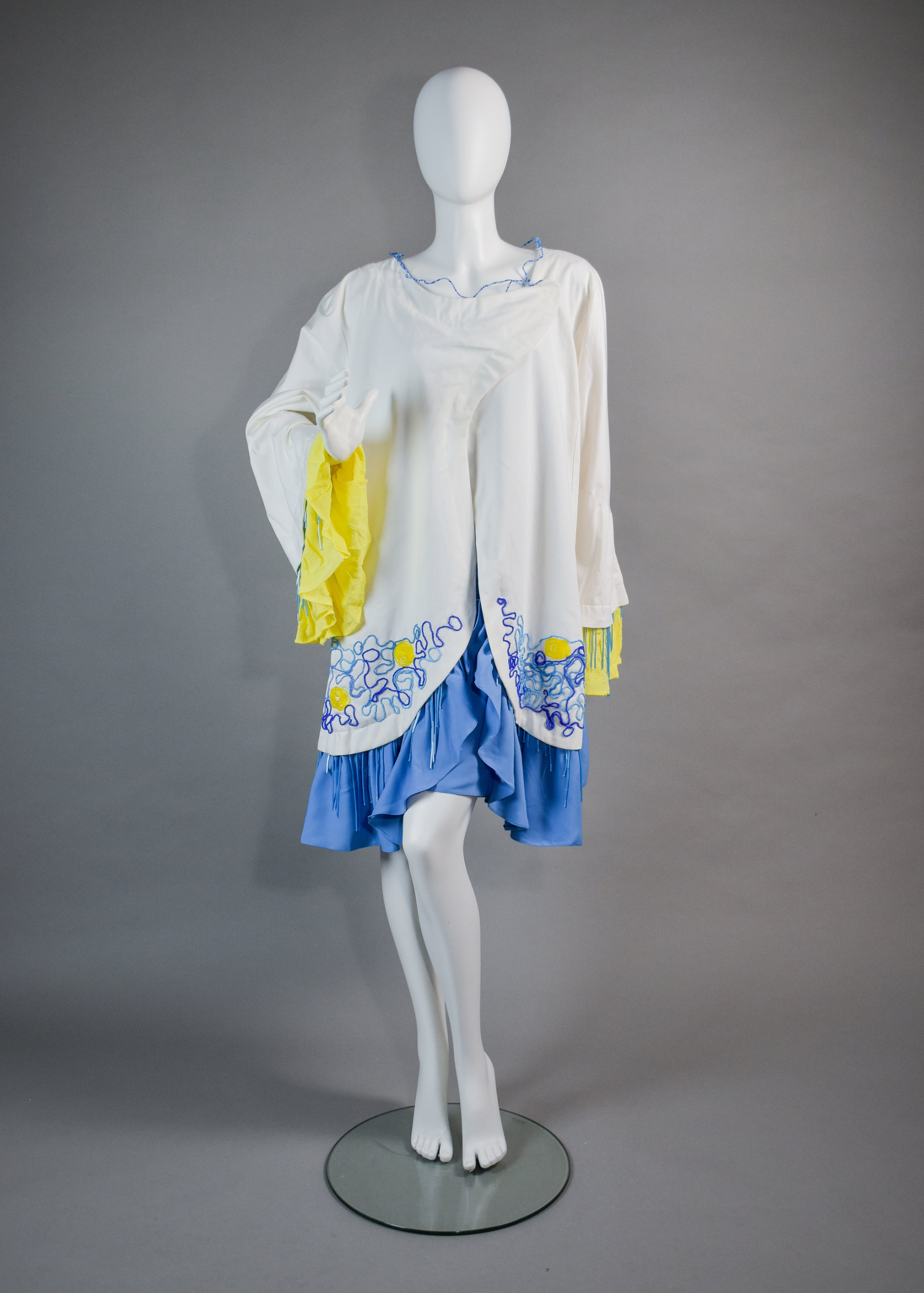
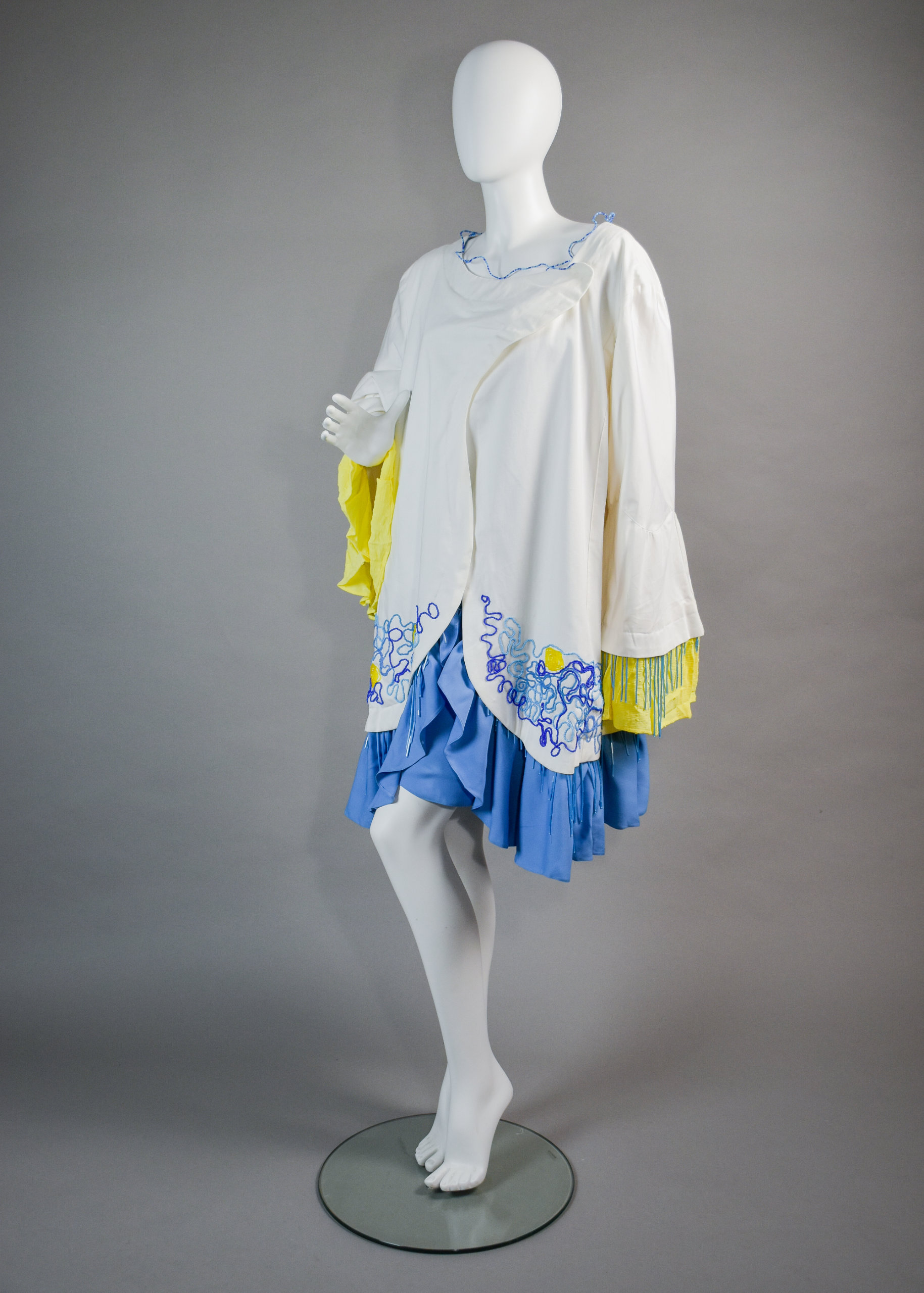
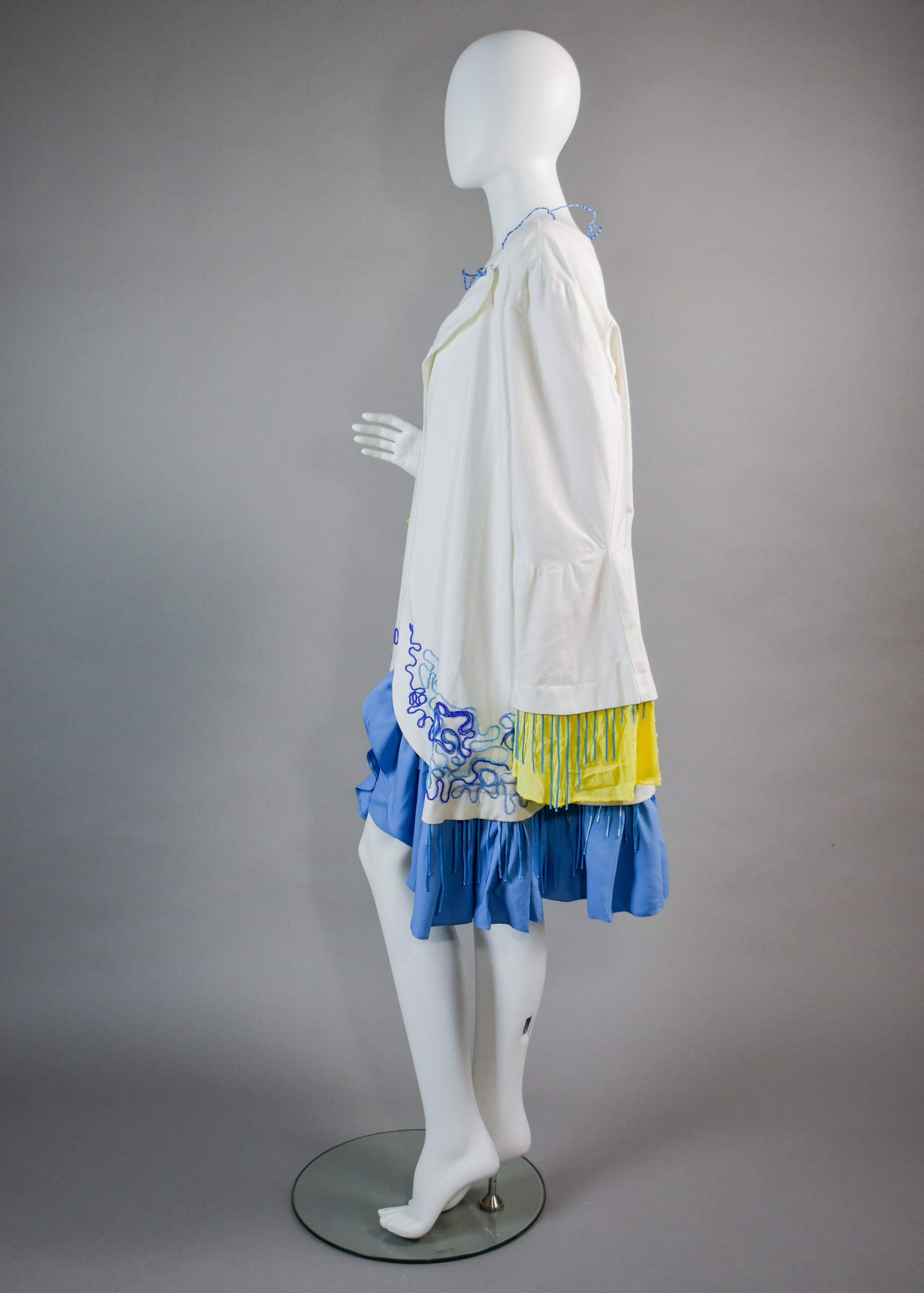
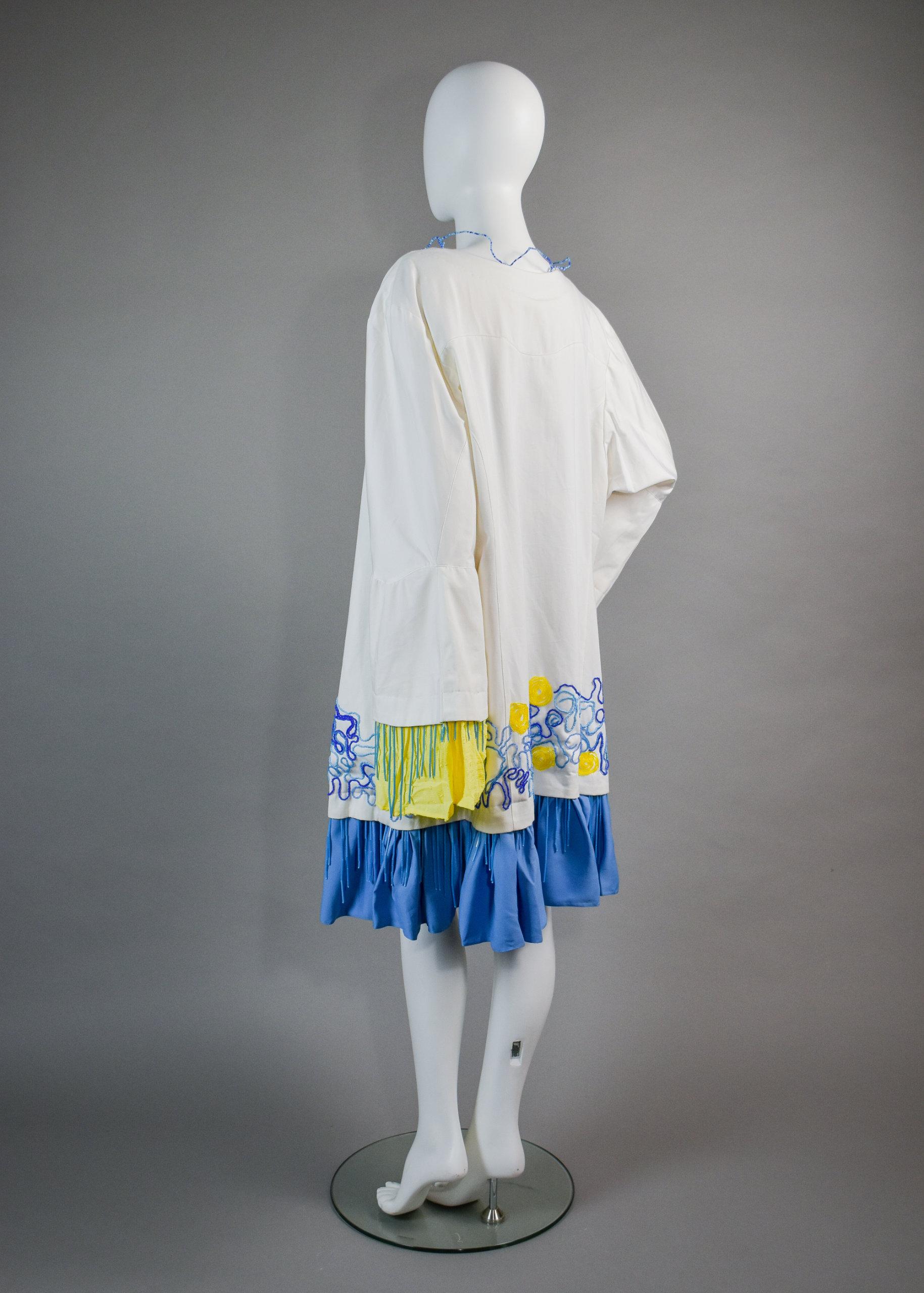
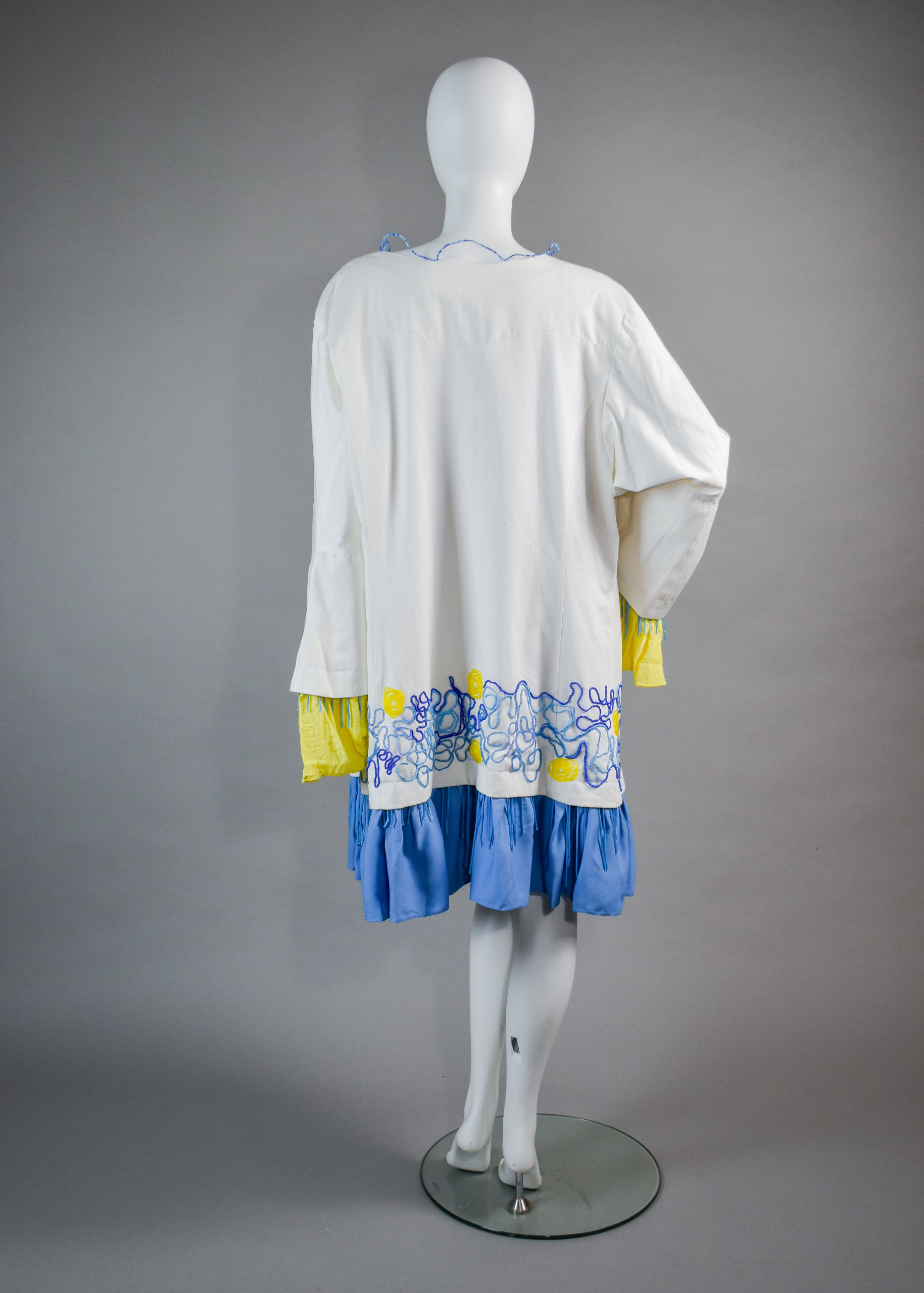
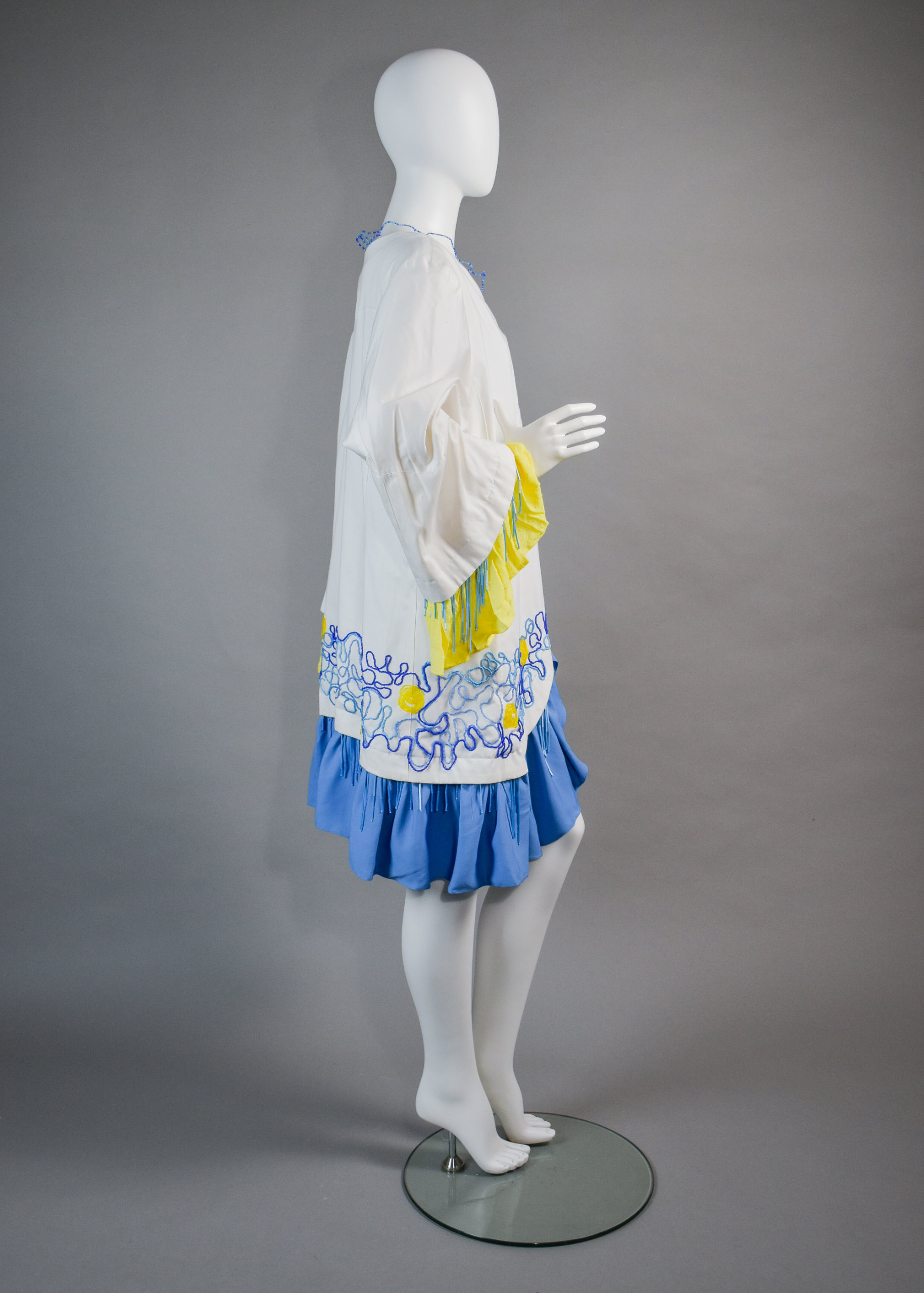
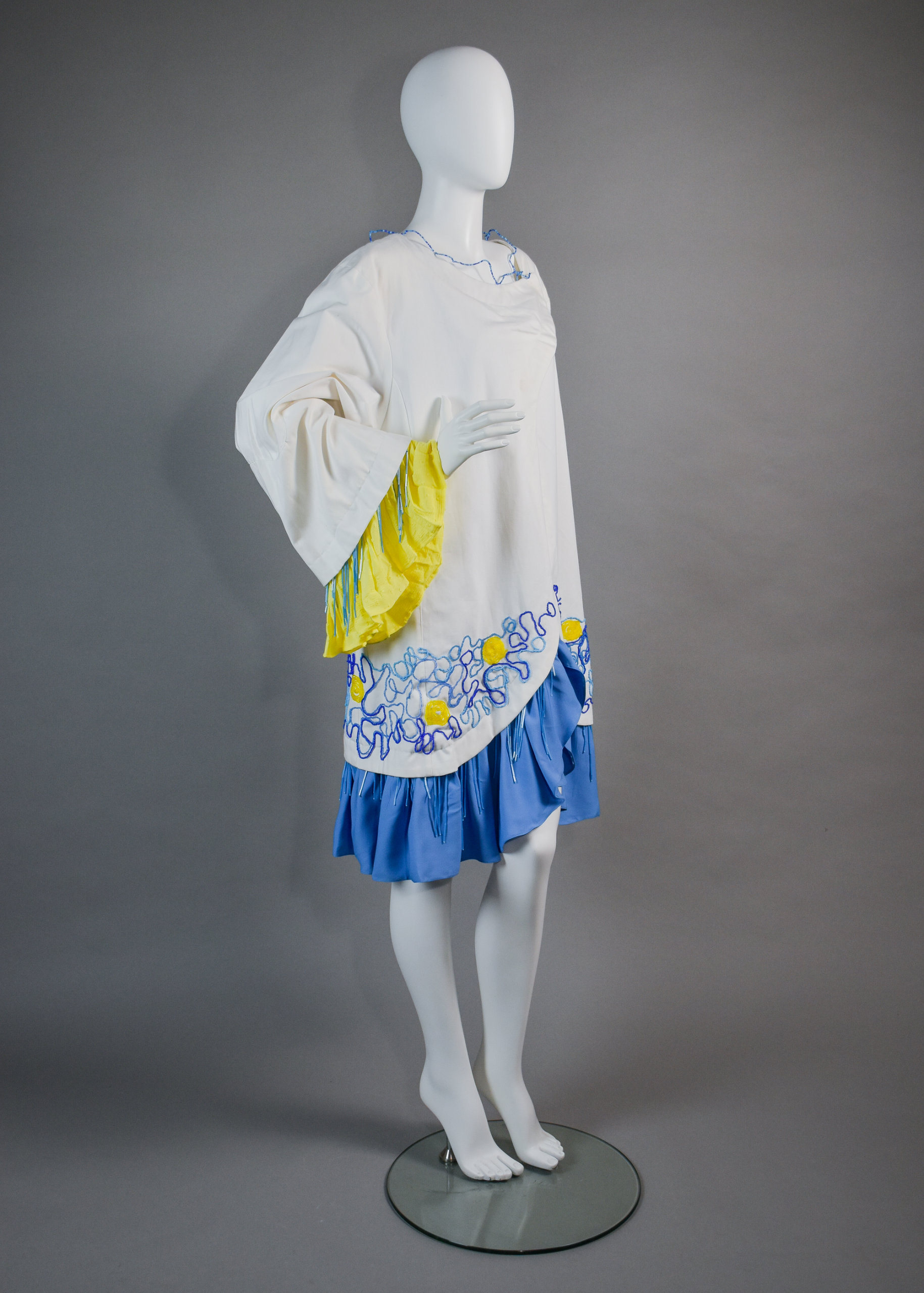
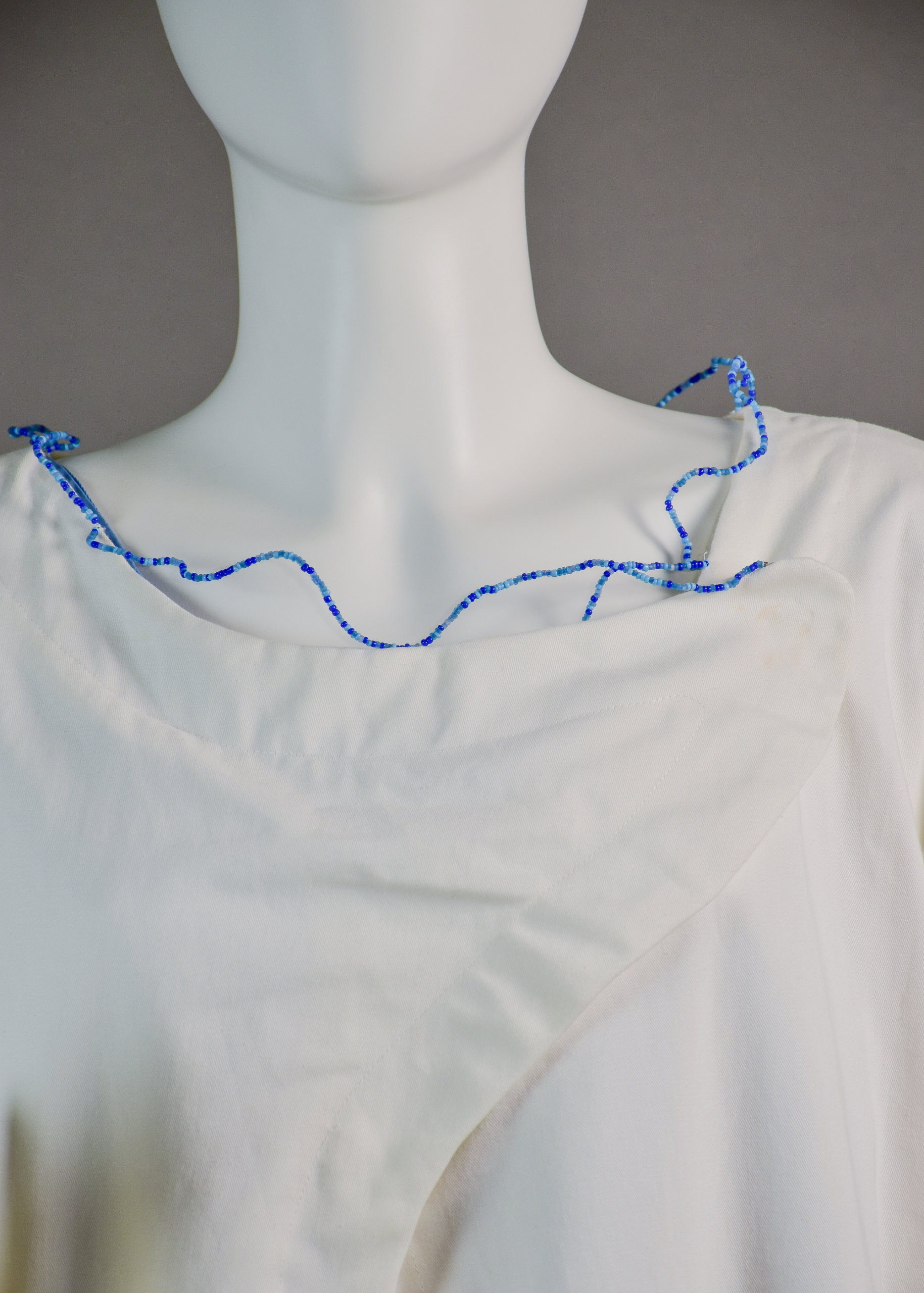
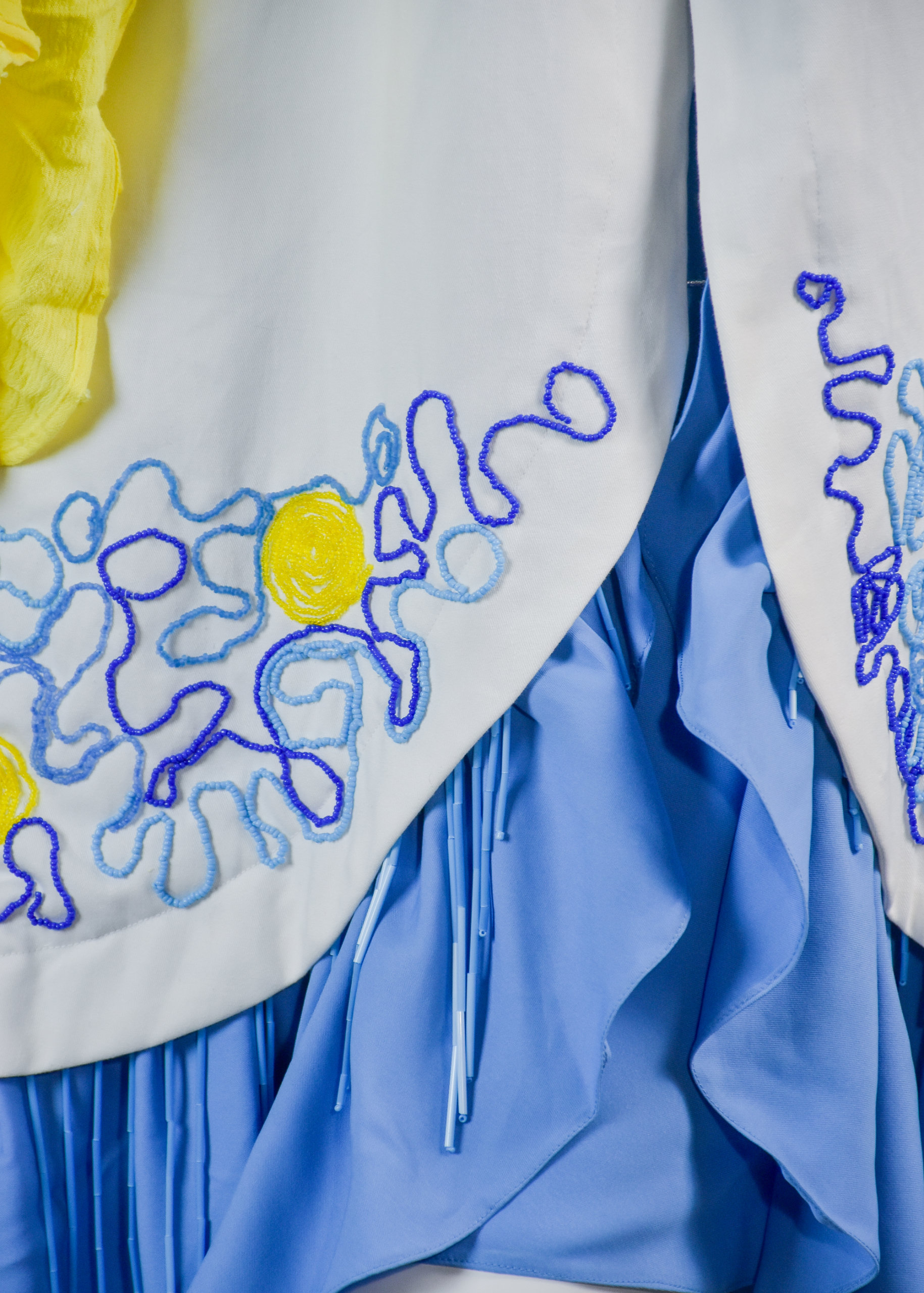
The intention of this garment is to empower women to be in control of their health choices and outcomes. Inspired by Dr. Jeanne Marrazzo’s research on the distribution of Pre-Exposure Prophylaxis (PrEP) to women in Sub-Saharan Africa, this project presents HIV PrEP medication as a source of hope for individuals living in high-risk areas. Knowing that stigma still exists around HIV and AIDS, this project presents PrEP in a positive light and prompts a conversation about supporting women’s sexual health research.

The pattern of beads extending off the cuffs and hem of the jacket is an abstracted version of the sound wave corresponding to the phrase My Health My Right. This serves as a visualization of the concept of giving women a voice to be in control of their own healthcare choices. This statement is also embroidered on the inside of the coat, in a hidden manner that reflects the feeling of concealing one’s diagnosis and the stigma associated with talking about women’s sexual health in general. Designed to look like a dress, the coat is primarily white because of the historical significance of this color to women’s rights advocacy, especially in politics. The details of blue come from the Truvada pill color, and the bits of yellow come from the beautifully vivid colors of fluorescence micrographs of vaginal-fluid smears from a study on bacterial vaginosis, a condition in women associated with acquisition of HIV.

Drawing from the ovular shapes from this same bacteria imaging and the shape of the PrEP pill, organic curves are present throughout the look in seams and beaded patterns. These continuous lines refer back to the presence of HIV in an individual’s body over the course of a lifetime. Curves and circulation are a reminder of equality and community, two important themes in women’s health advocacy. This garment serves as a call to action for women to come together and lift up those with HIV and support others in high-risk areas.

Cody Gallegos + Onyema Ogbuagu

Cody Gallegos

Cody Gallegos is a Brazilian-American fashion designer and artist, thinking about clothing as wearable sculptures; plant-based alternatives to animal textiles; altering the body through garments; and creating clothing for folks who experience parasomnia. At base, he wants to explore the depths and intersectionality of research, storytelling, and extreme shape exploration within fashion. Cody is from New Orleans, Louisiana. He is currently working towards his MFA in Fashion design & Society at Parsons School of Design. He holds a B.S. in Fashion Design and Product Development from Illinois State University and attended Material Institute in New Orleans, LA while in high school for fashion design.

Onyema Ogbuagu

Professor Onyema Ogbuagu is an internationally recognized leader in infectious diseases and HIV treatment and prevention, known for his prominent contributions to public health and HIV research. As an Associate Professor of Medicine and Pharmacology at Yale School of Medicine, Director of the Yale antivirals and vaccines program, he has been a lead principal investigator on numerous multinational clinical trials, including CAPELLA and the DISCOVER and PURPOSE-2 PrEP trials. In his career, Professor Ogbuagu has been at the forefront of efforts to develop and implement effective HIV treatment and prevention strategies, including pre-exposure prophylaxis (PrEP) and antiretroviral therapy optimization. With a career defined by scientific rigor and an unrelenting commitment to equity in healthcare, Professor Ogbuagu is also a passionate advocate for reducing disparities in HIV care and prevention domestically and globally. He works closely with global health organizations, policymakers, and grassroots networks to translate cutting-edge science into culturally responsive and context-appropriate solutions.

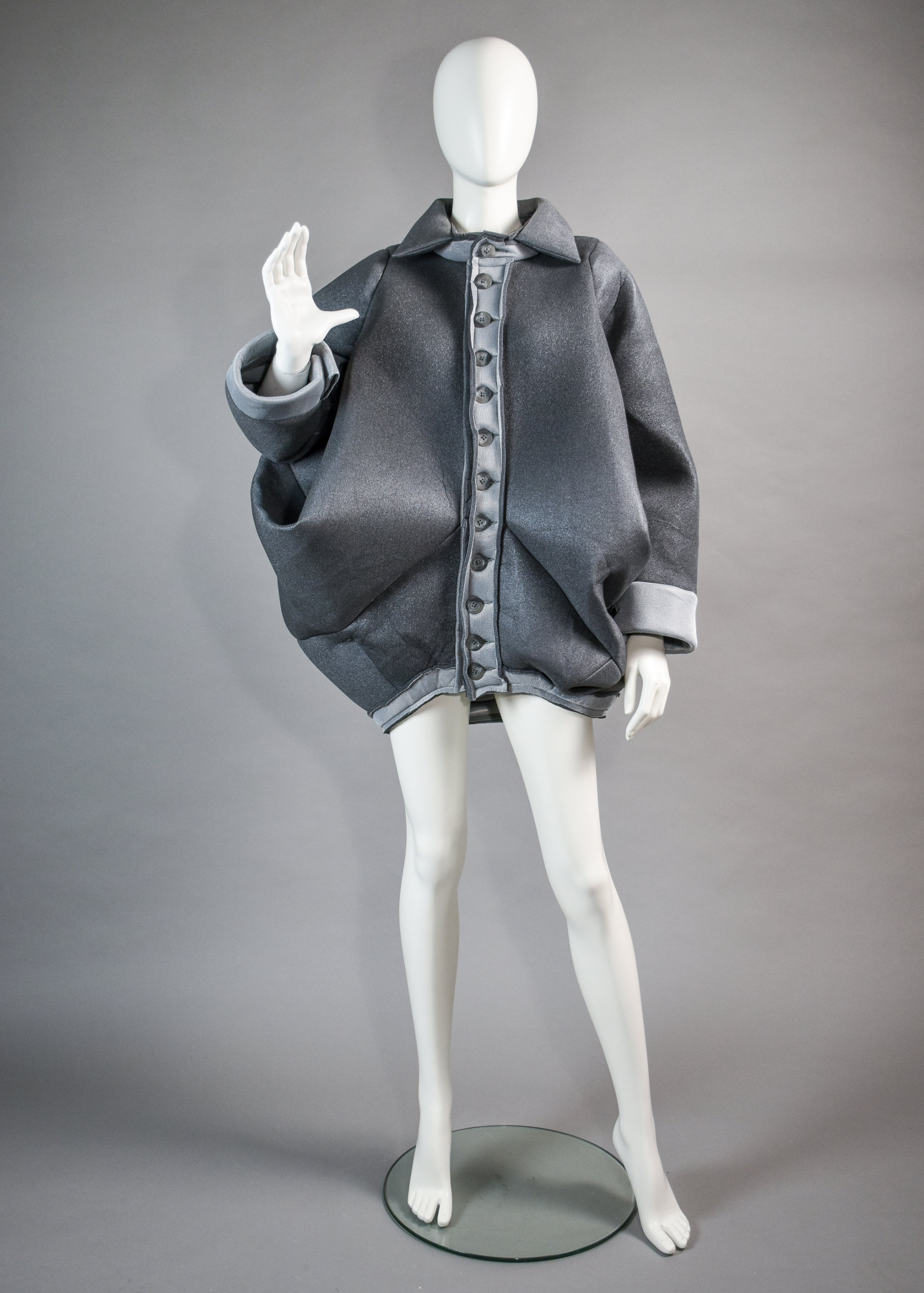
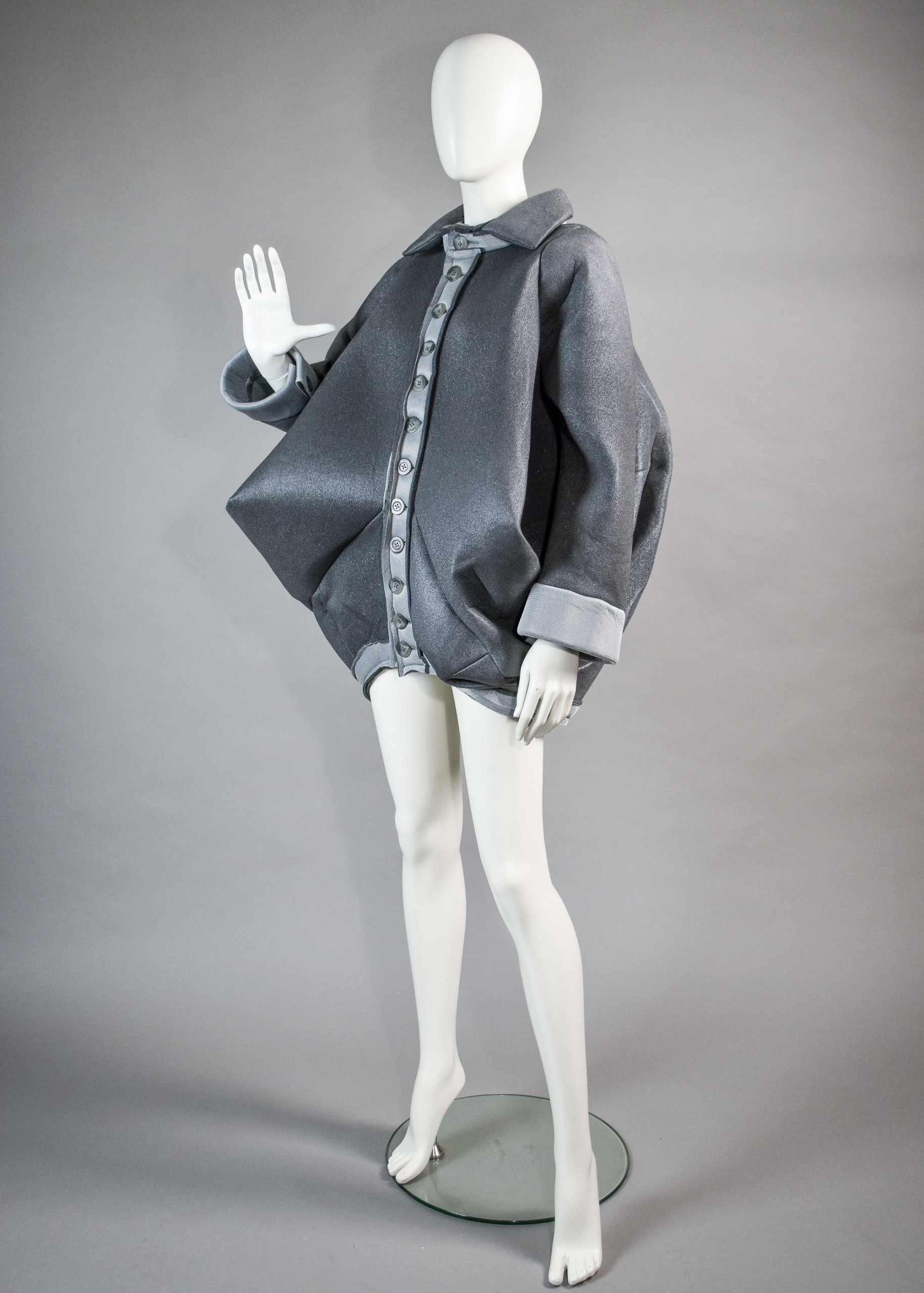
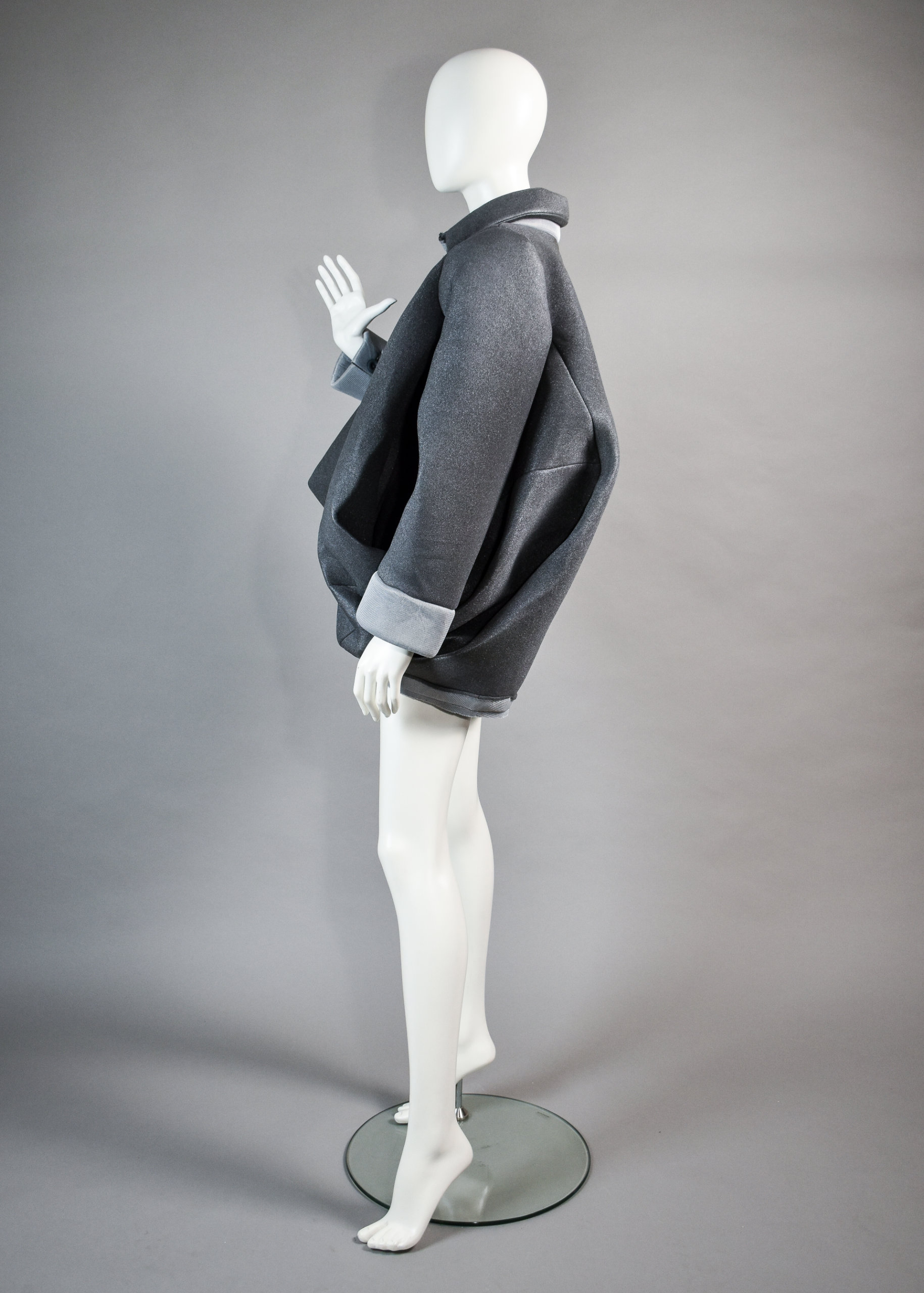
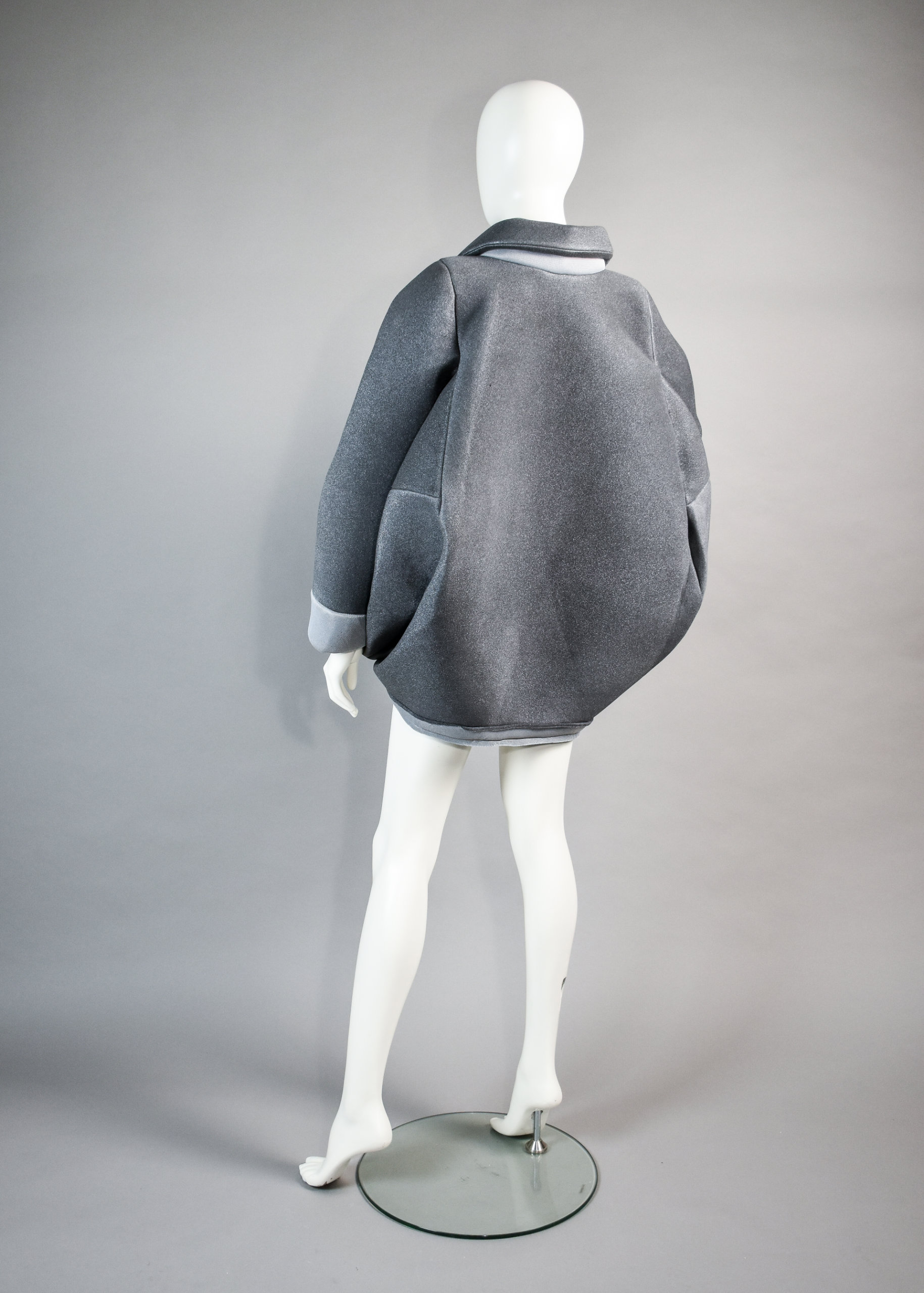
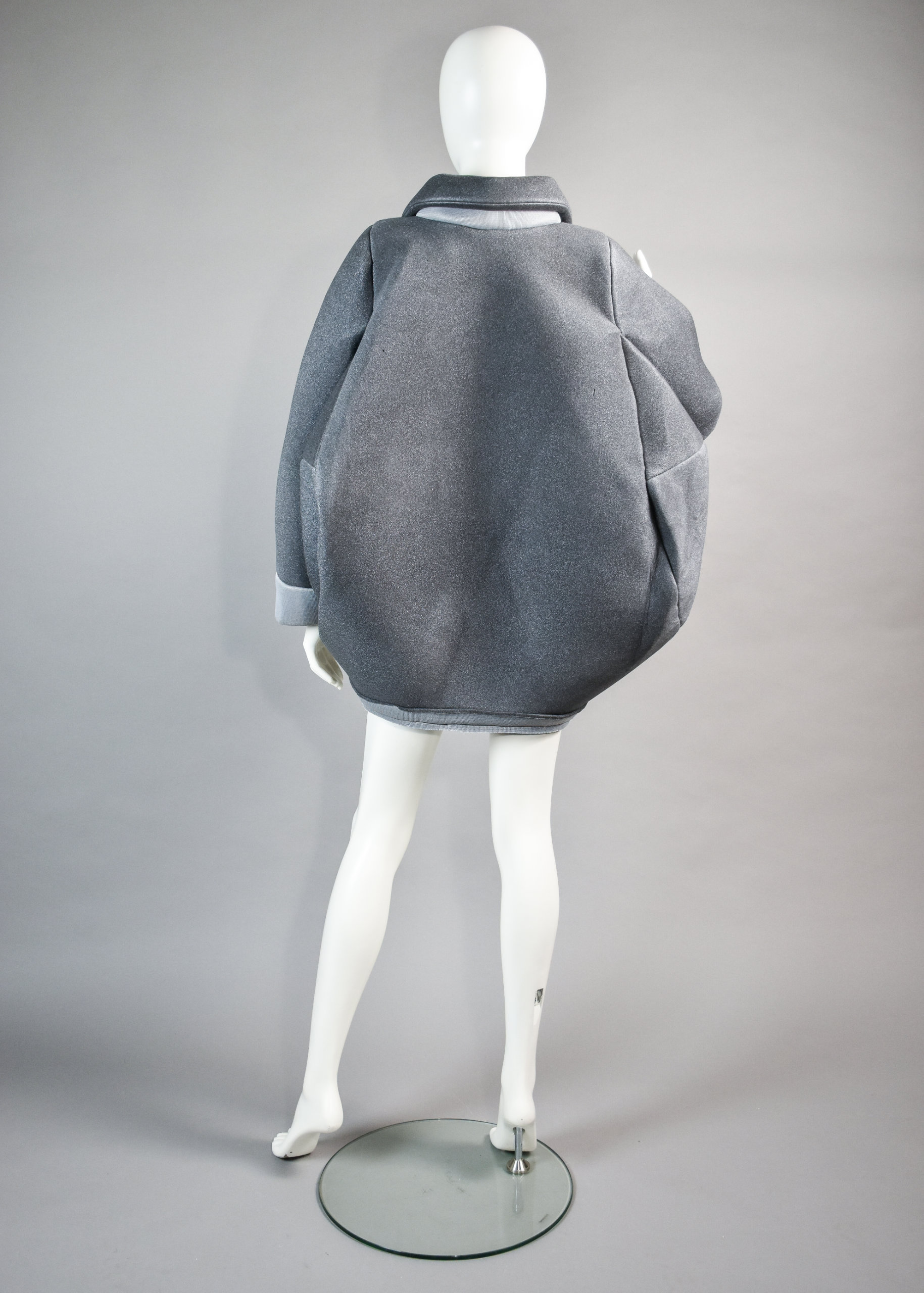
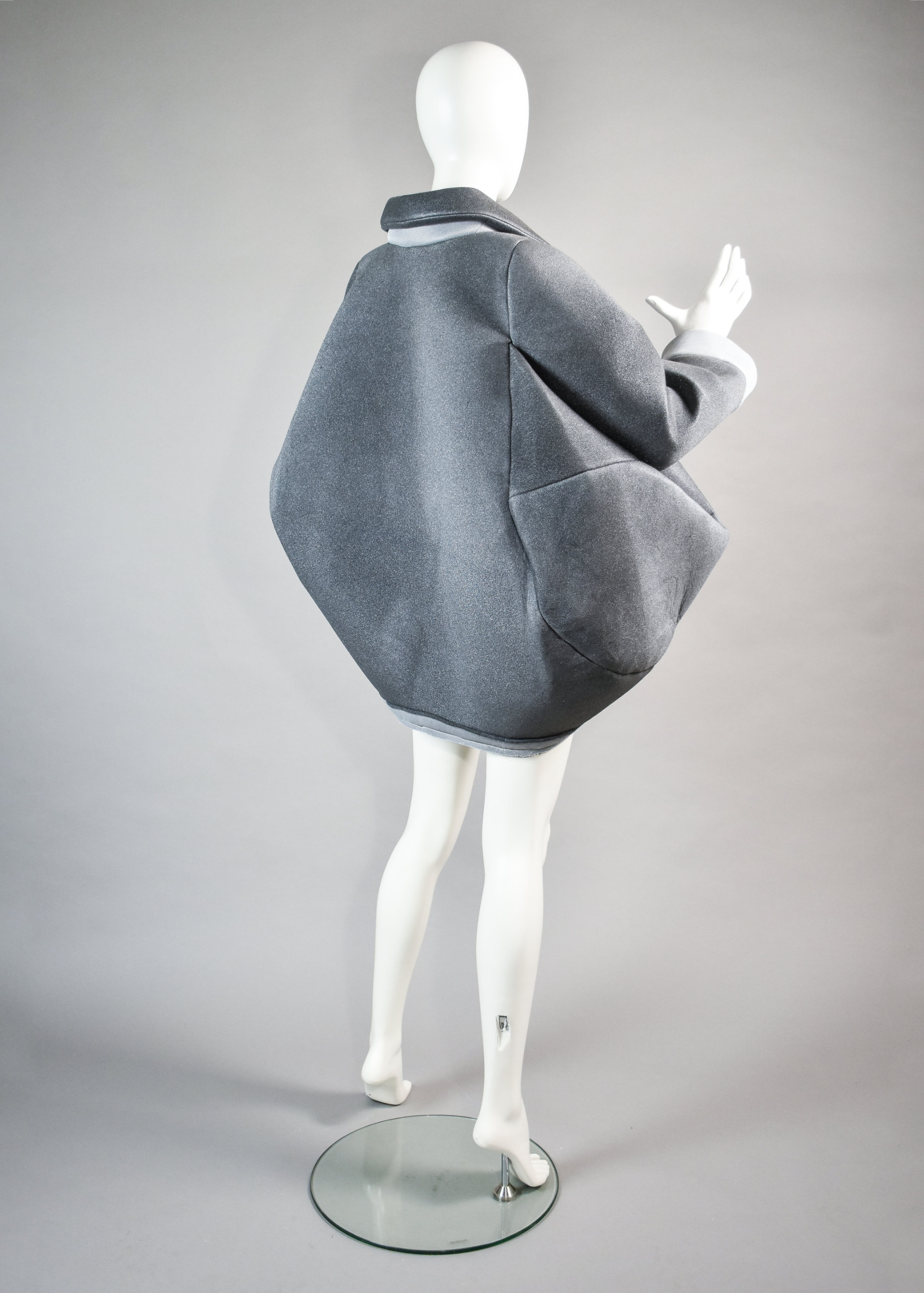
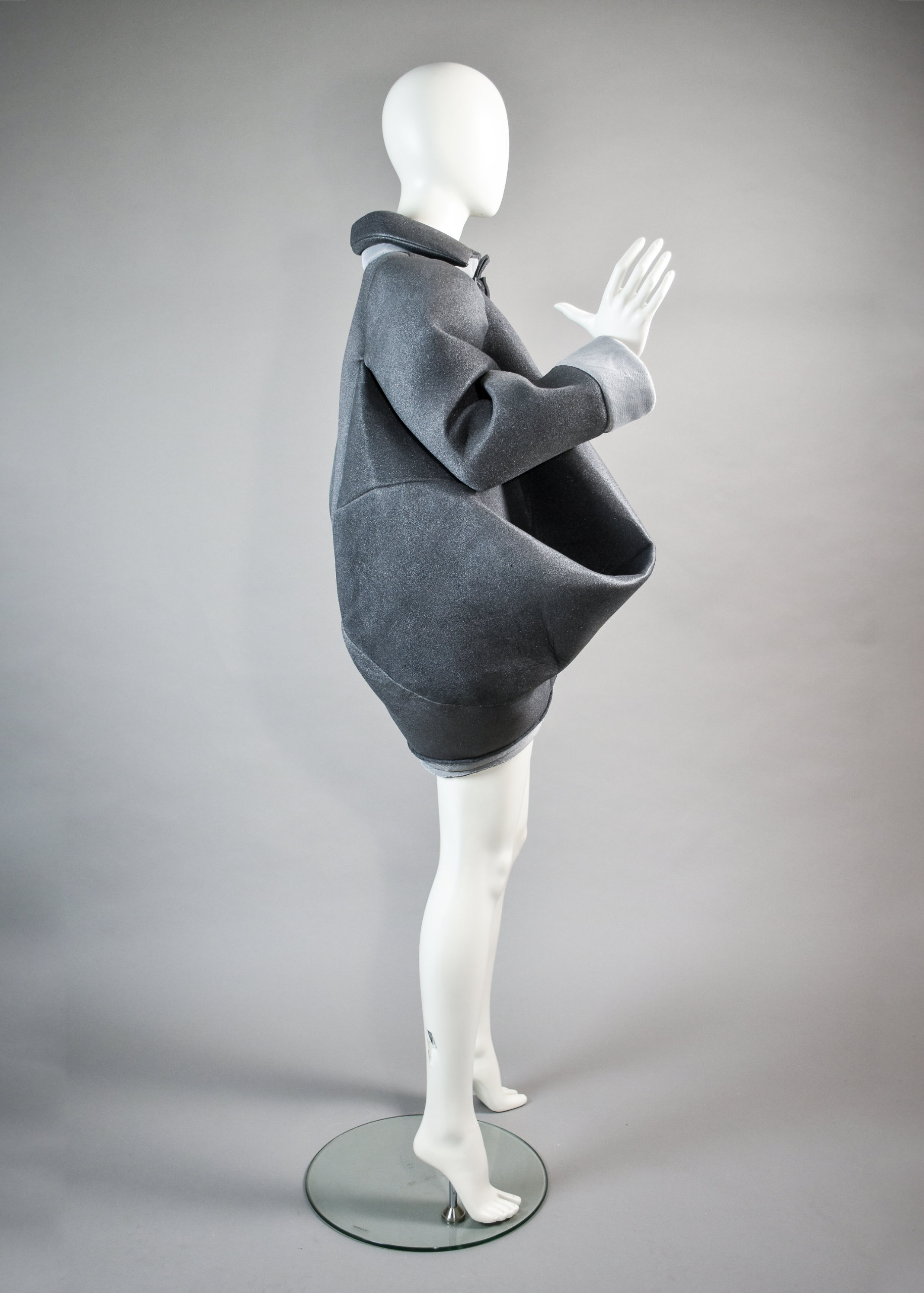
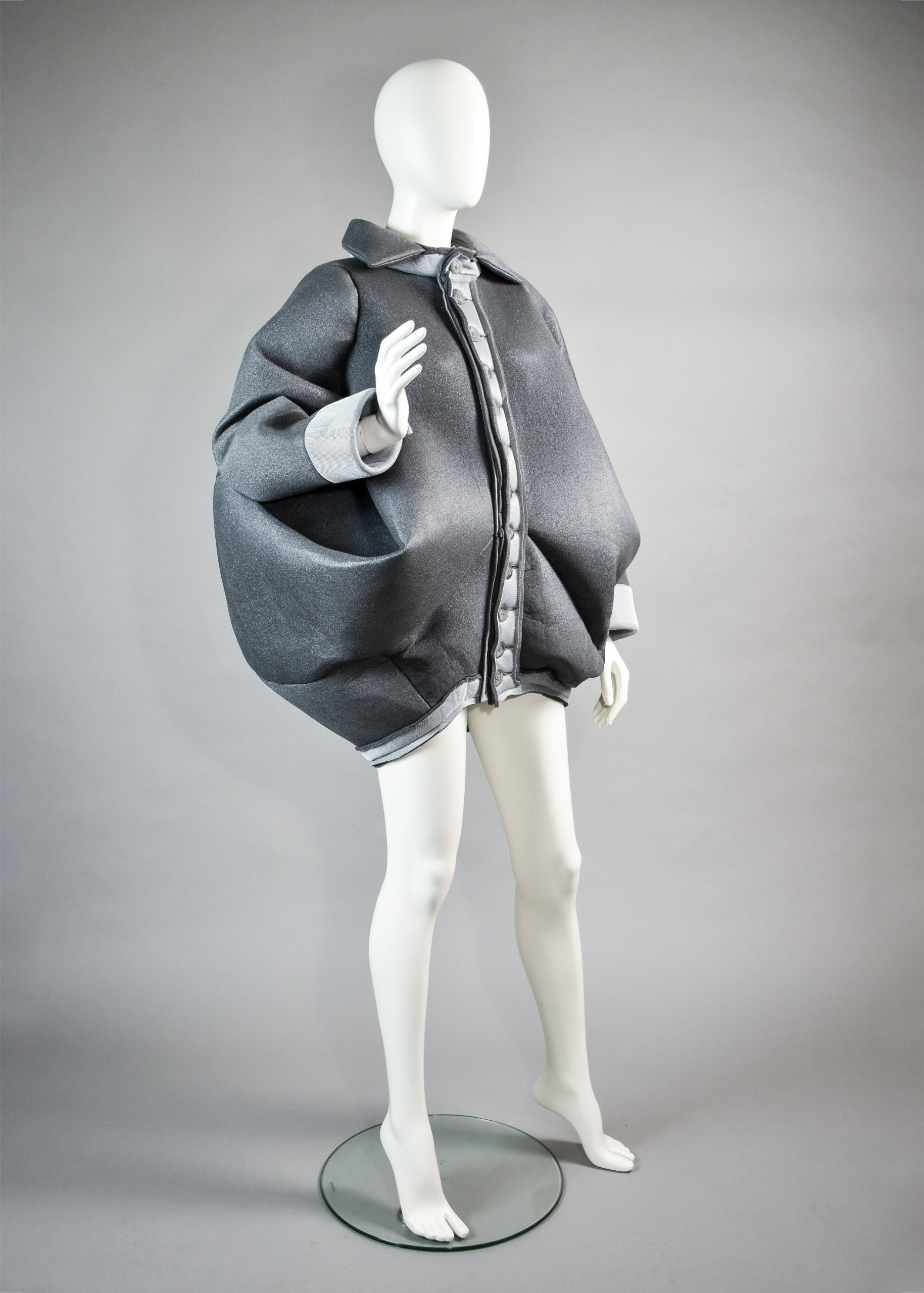
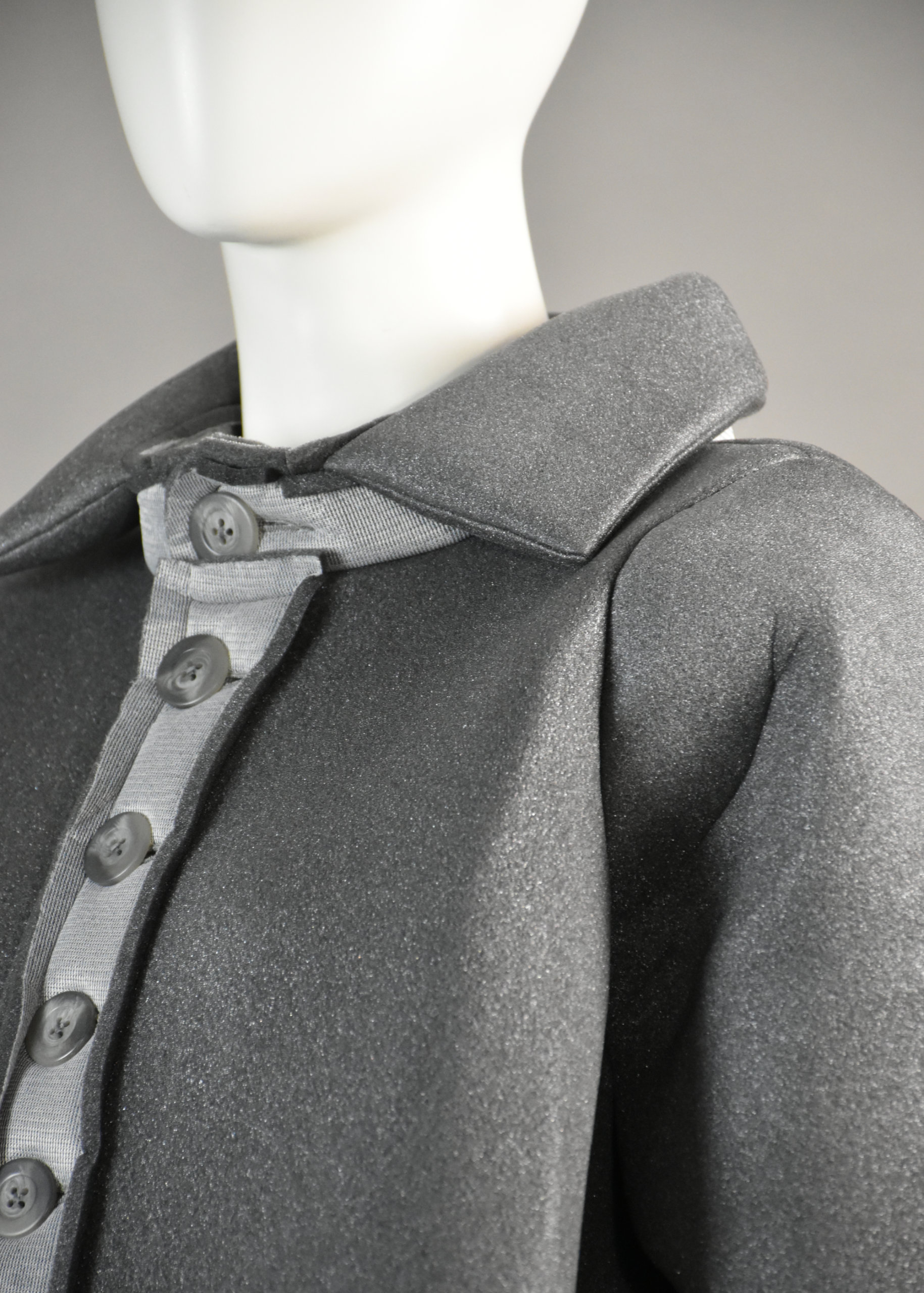
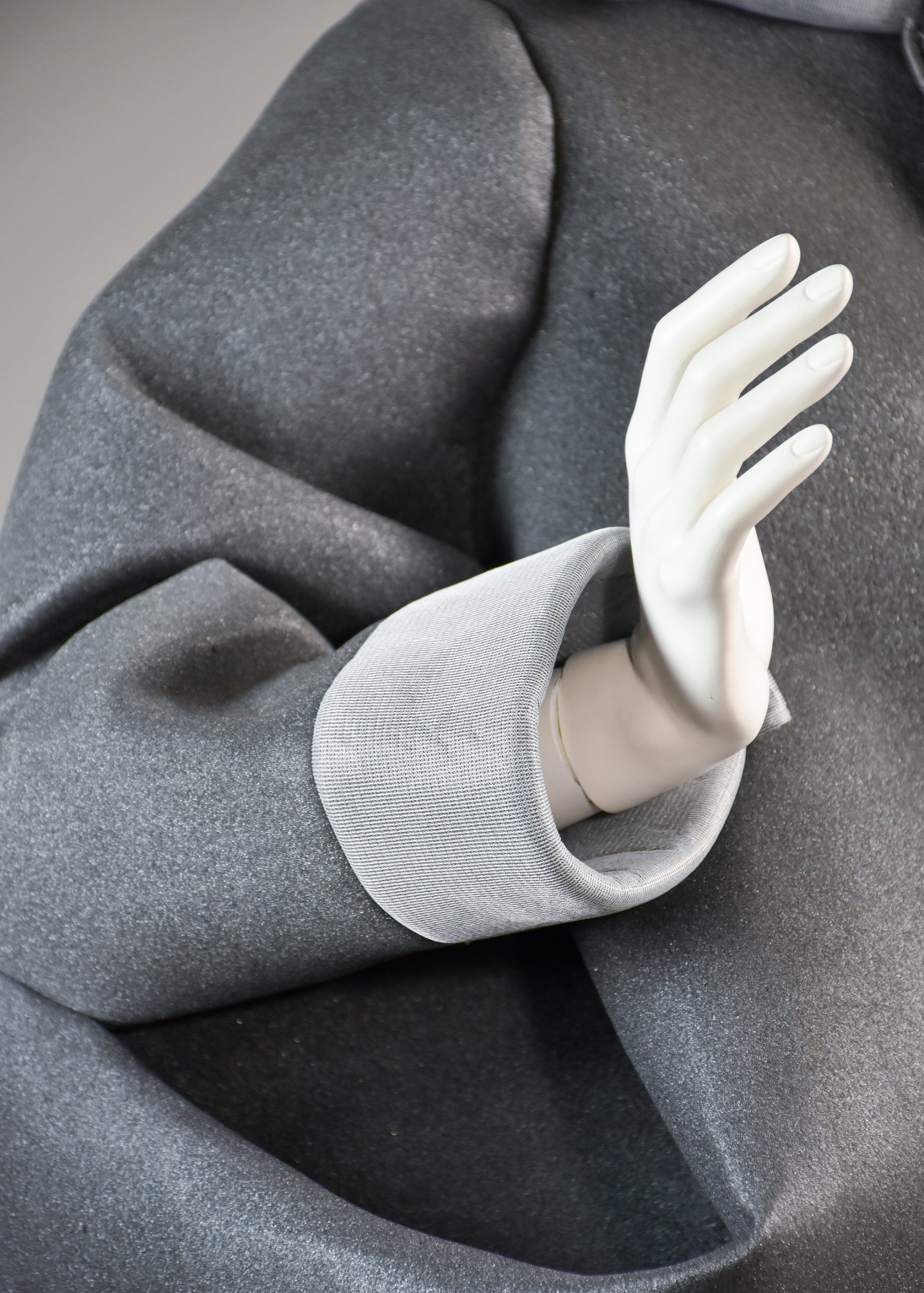
The “Amplification” lab coat is intended to amplify the voices of those affected by HIV and those working tirelessly to further progress in care, treatment, and awareness. For decades, HIV has been surrounded by stigma, fear, and ostracization. Through my research, I’ve traced moments in history where individuals and communities broke through that silence, demanding to be heard. One of the most powerful examples came from the “ACT UP” movement, which declared with powerful typography blasted across pasteboards, “SILENCE = DEATH”. This refers to governments and communities ignoring, or covering their ears to the AIDS/HIV epidemic, as well as many with HIV, in denial, hoping it would just go away if they pretended it wasn’t there.

This coat serves as a wearable embodiment of that declaration. It emphasizes the urgency of education, awareness, and listening. The “ear” pockets represent how we should amplify the voices of those who are silenced and ignored, giving volume to the dismissed. The grey-colored foam reflects the remembrance of the past and the battles fought to get where we are today, and serves as a reminder that no one should be reduced to stigma. The 1/4” foam, cut in an off-the-body silhouette, highlights the barriers of stigma that must be confronted and broken down.

This coat is more than a fashion statement, but a call to listen, to reflect on how we treat others, and to take responsibility for supporting those within our own communities and appreciating the breakthroughs of medicine and science within HIV.

Elijah Turner + Mitchell J. Warren

Elijah Turner

Elijah Turner is an artist and designer from Dallas, Texas, specializing in menswear and textiles. His work uses materiality as a storytelling device, exploring dualities and juxtapositions to rethink the role of clothing in contemporary culture. Approaching garments not just as products, but as cultural signifiers that reflect and critique the world we live in, engaging with the broader economics of fashion and shifting notions of taste and beauty.

Mitchell J. Warren

Mitchell Warren has served as the Executive Director of AVAC since 2004, leading the organization’s strategic direction and partnerships across global HIV prevention and research. He played a key role in developing the Good Participatory Practice (GPP) Guidelines and launching AVAC’s Product Introduction and Access program. Warren is co-chair of the Global HIV Prevention Coalition; a member of the Scientific Advisory Board of the President’s Emergency Plan for AIDS Relief (PEPFAR), the International AIDS Society (IAS) Governing Council and the IAS Towards an HIV Cure Initiative, and co-chair of the IAS Industry Liaison Forum; President of the TB Alliance Stakeholder Association; and Past President of the Global HIV Vaccine Enterprise. Previously, he served as Senior Director for Vaccine Preparedness at the International AIDS Vaccine Initiative (IAVI); Vice President of International Affairs for The Female Health Company (FHC); and six years at Population Services International (PSI) designing and implementing social marketing, communications and health promotion activities, including five years running PSI’s project in South Africa.

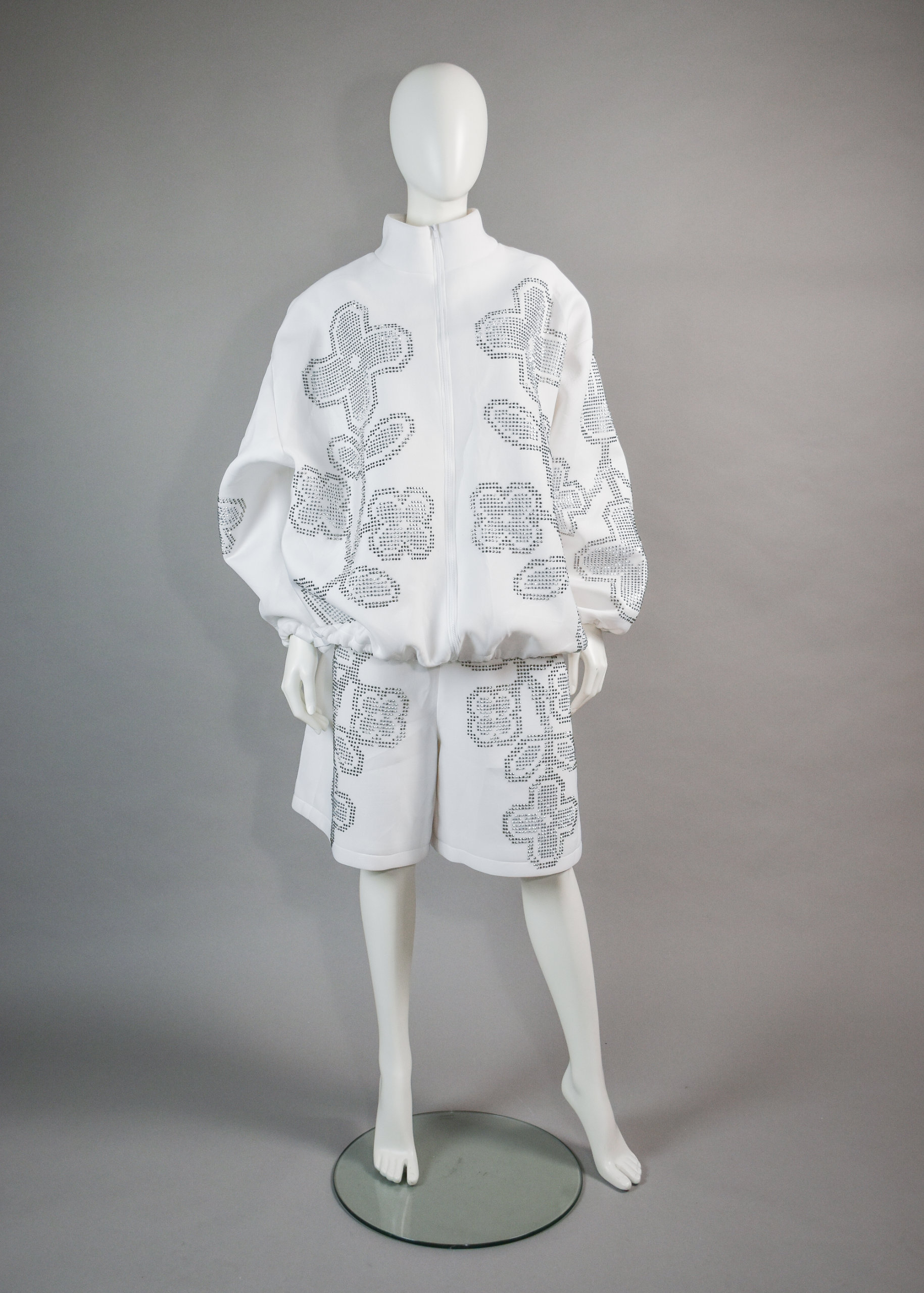
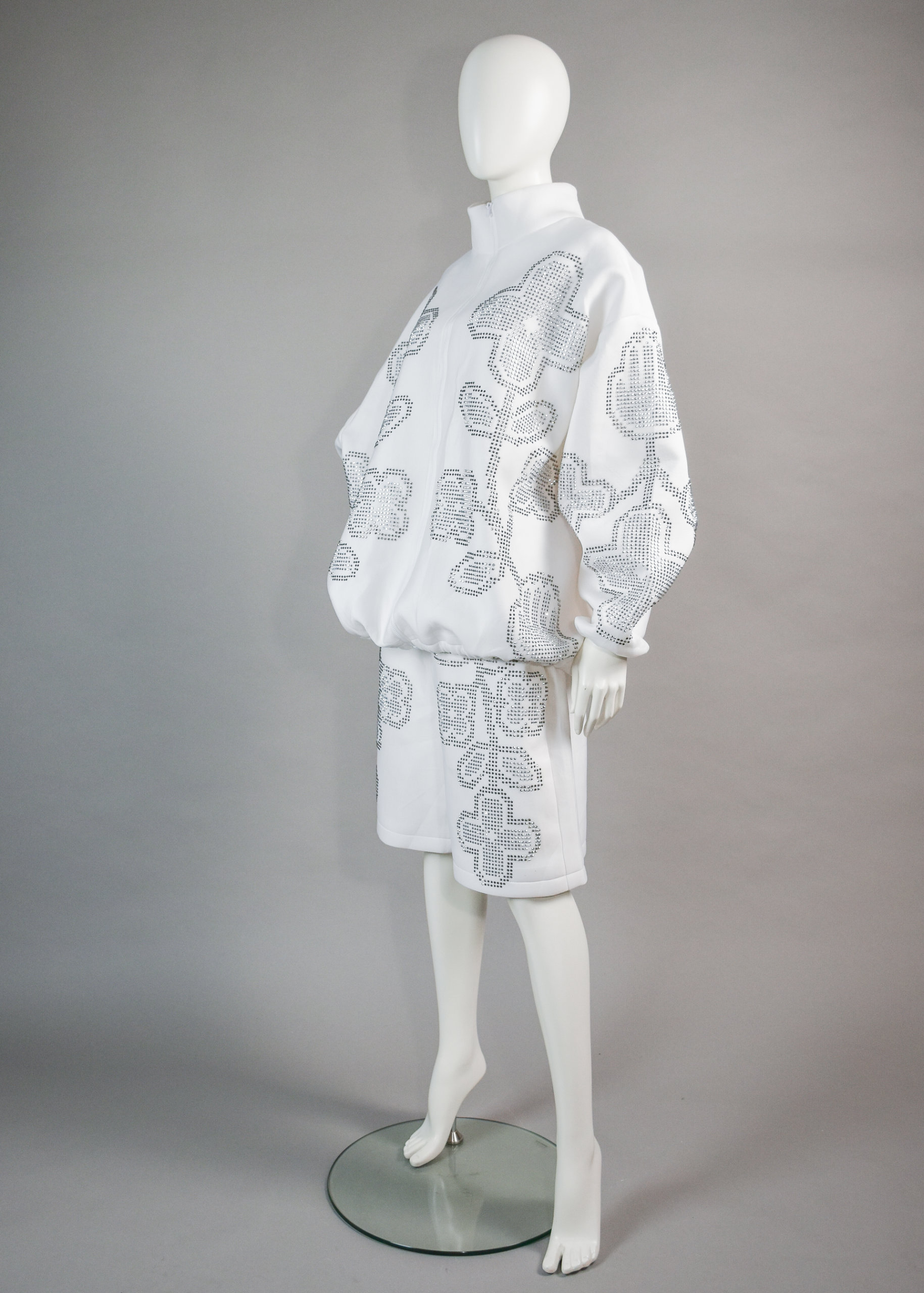
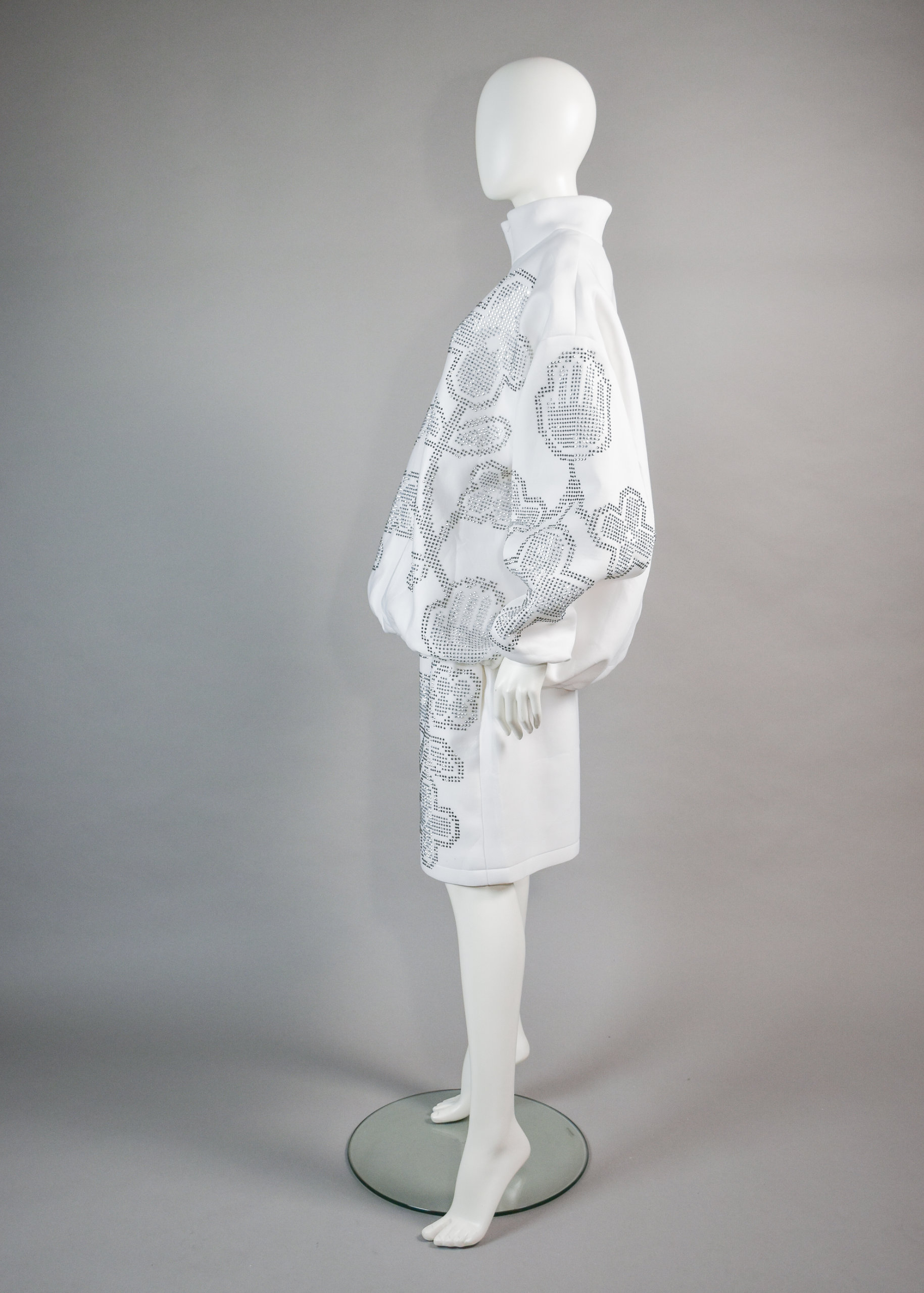
For this project, I was partnered with Mitchell Warren, Executive Director of AVAC—a global nonprofit rooted in ethics, compassion, and impact. AVAC’s work goes beyond science; they focus on turning HIV prevention research into community-centered action, building trust and connection from policy all the way to the human level.

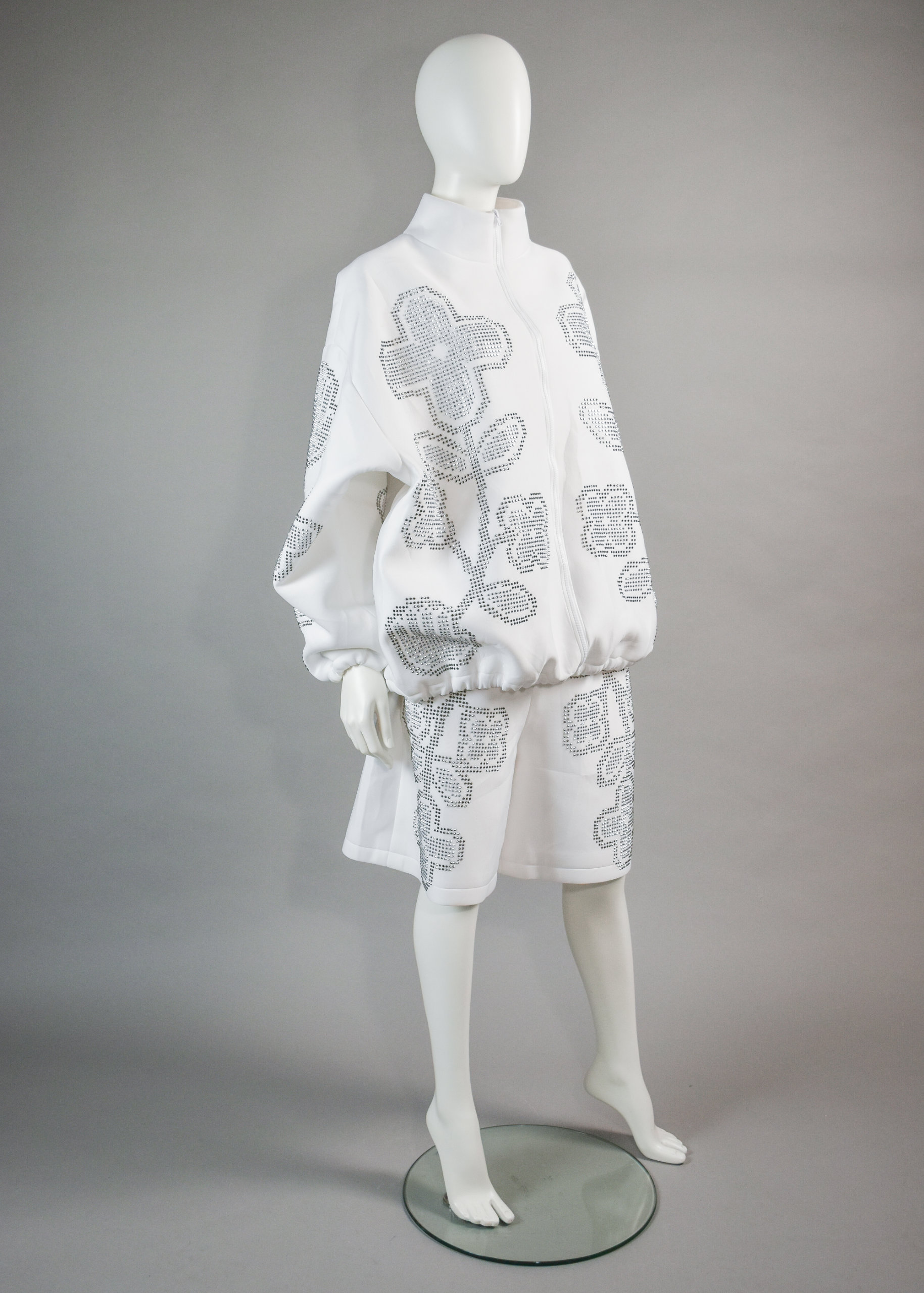
That same spirit of connection inspired the “Caring Set.” This look pays tribute to Princess Diana, whose kindness and empathy toward people living with HIV/AIDS helped break the stigma in the 1980s. She made her visits personal and uplifting, often wearing bright colors to ease the mood in tense hospital environments. At a time marked by fear and misunderstanding, she became a symbol of empathy and healing by opening new health centers, sitting with patients, and famously holding hands with people living with HIV. As she once said, “HIV does not make people dangerous to know. You can shake their hands and give them a hug. Heaven knows they need it.”

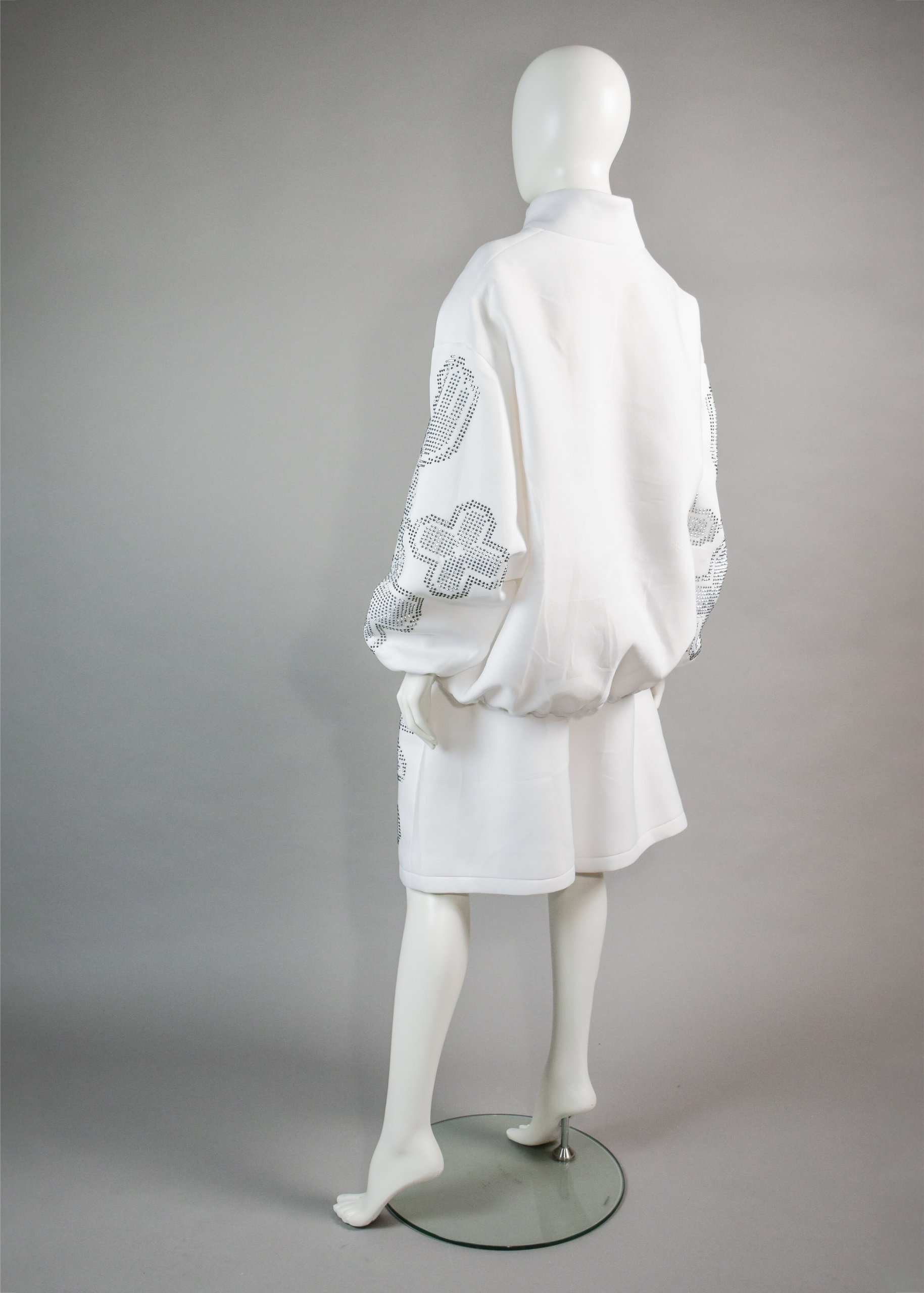
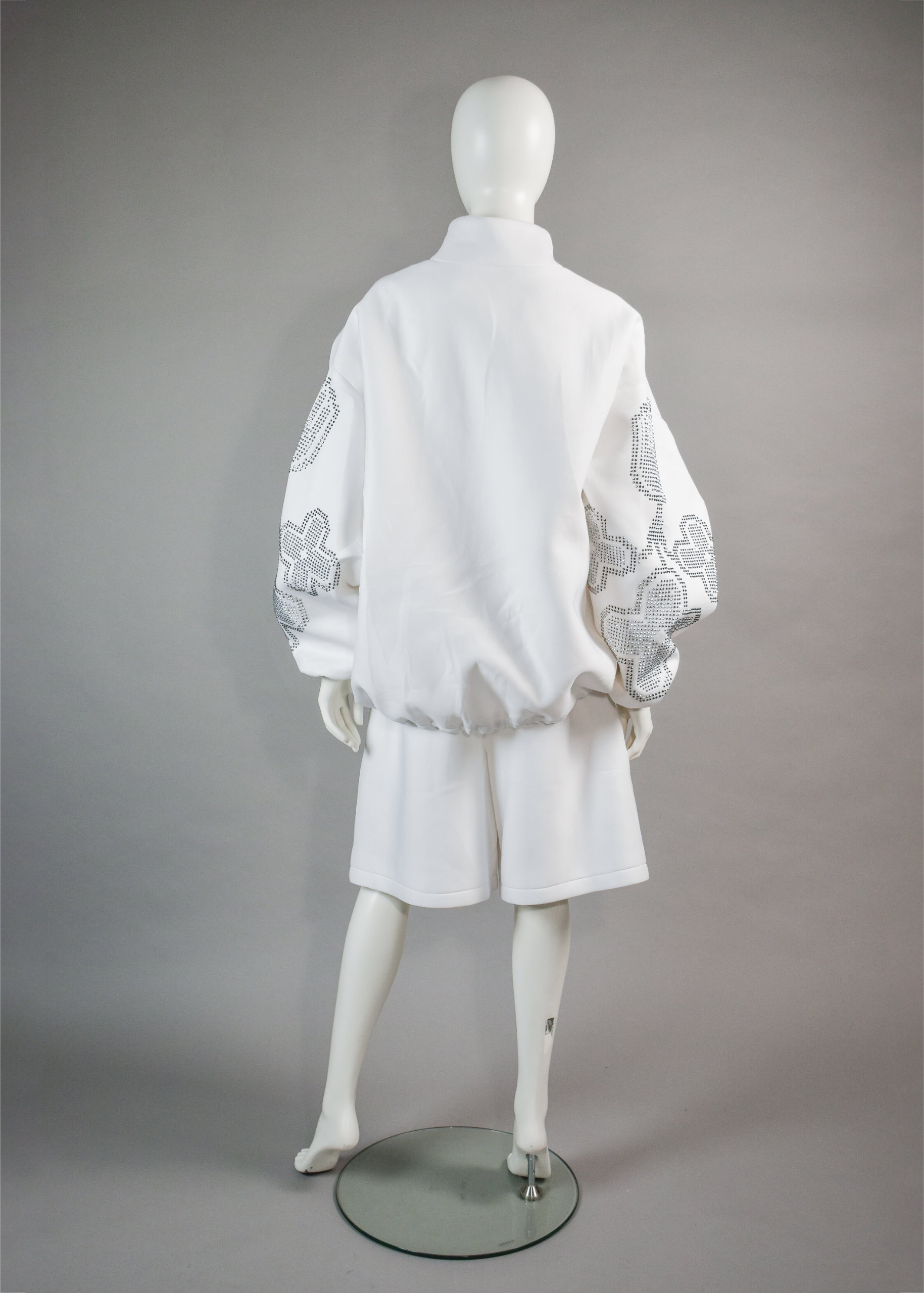
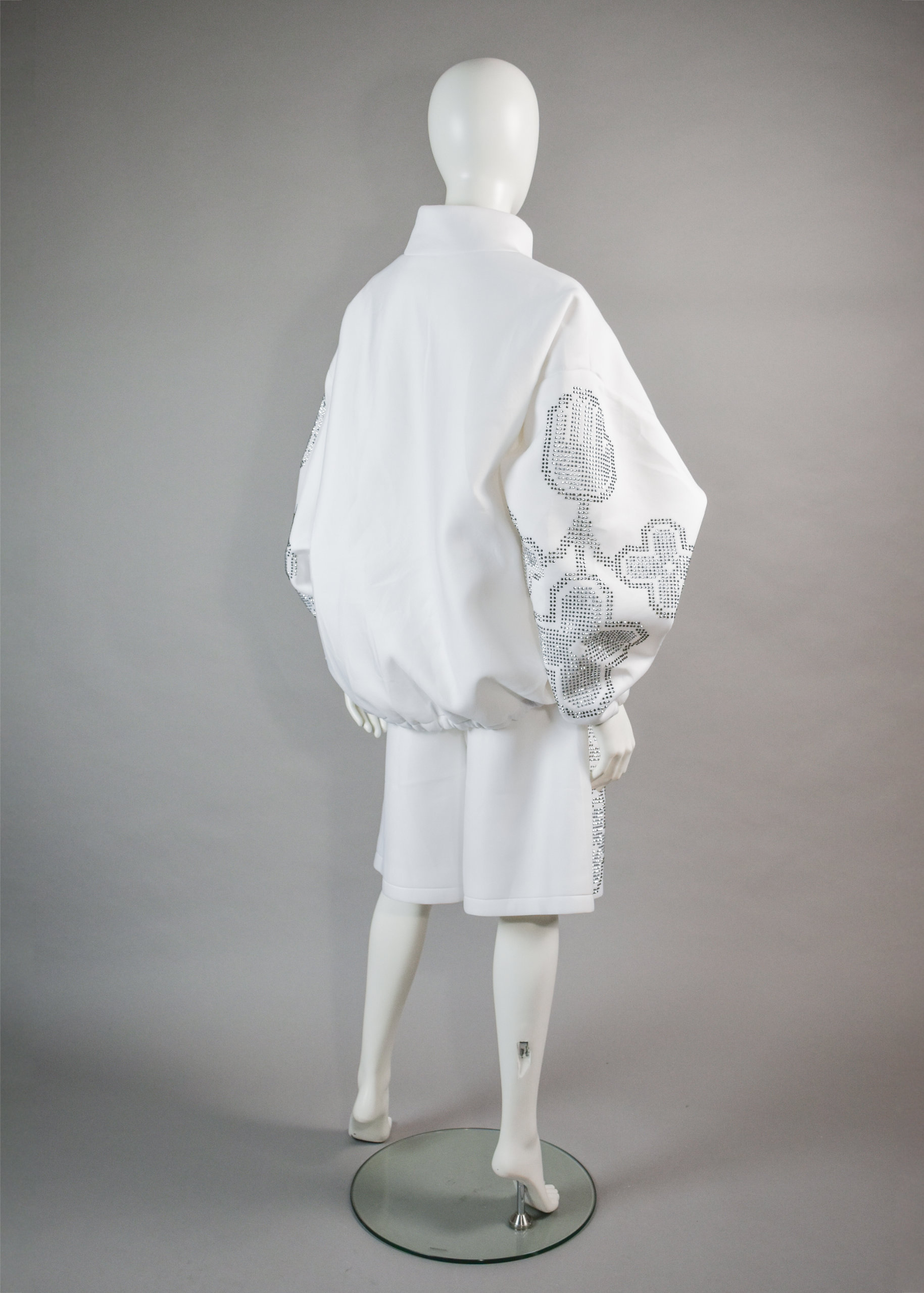
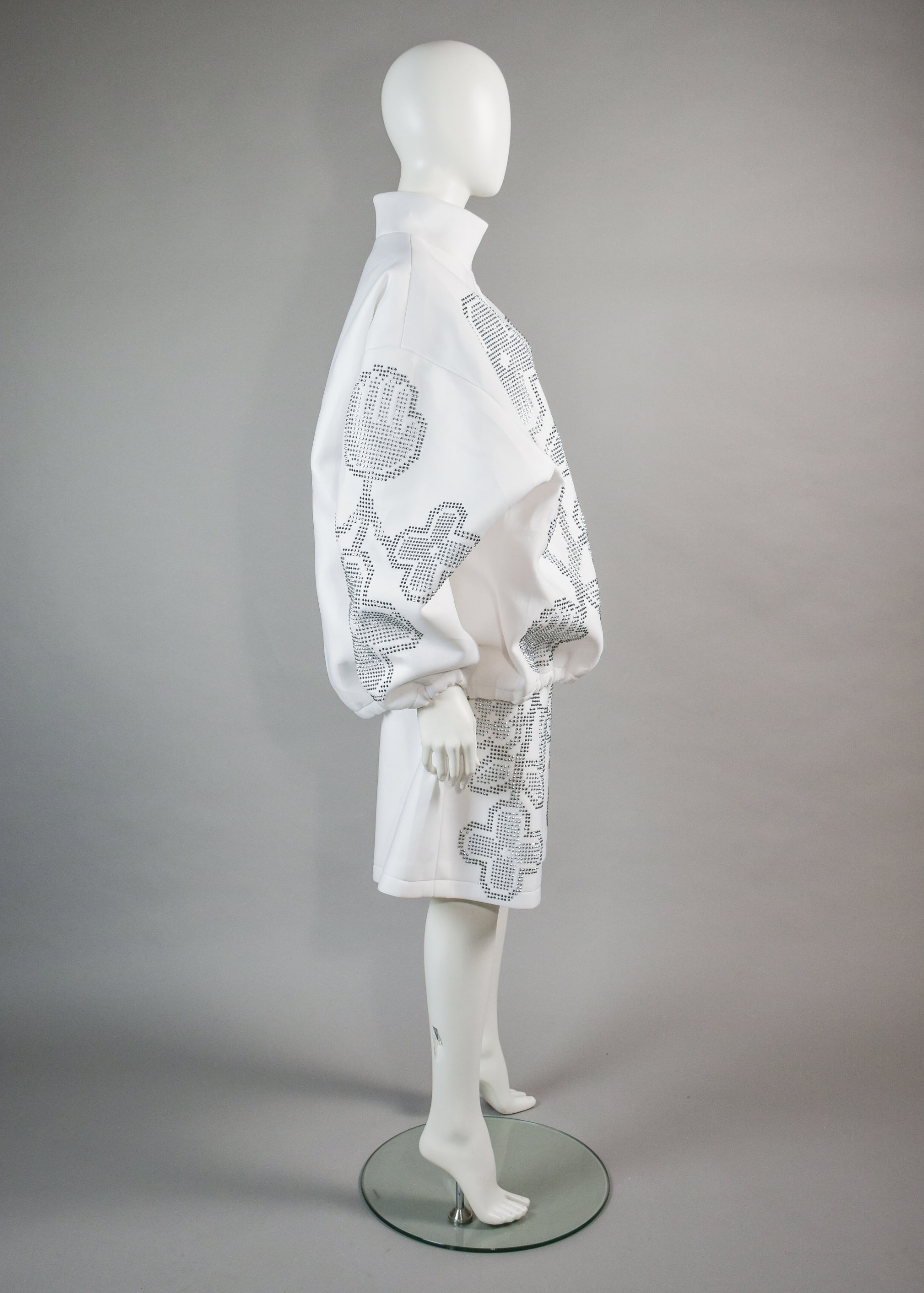
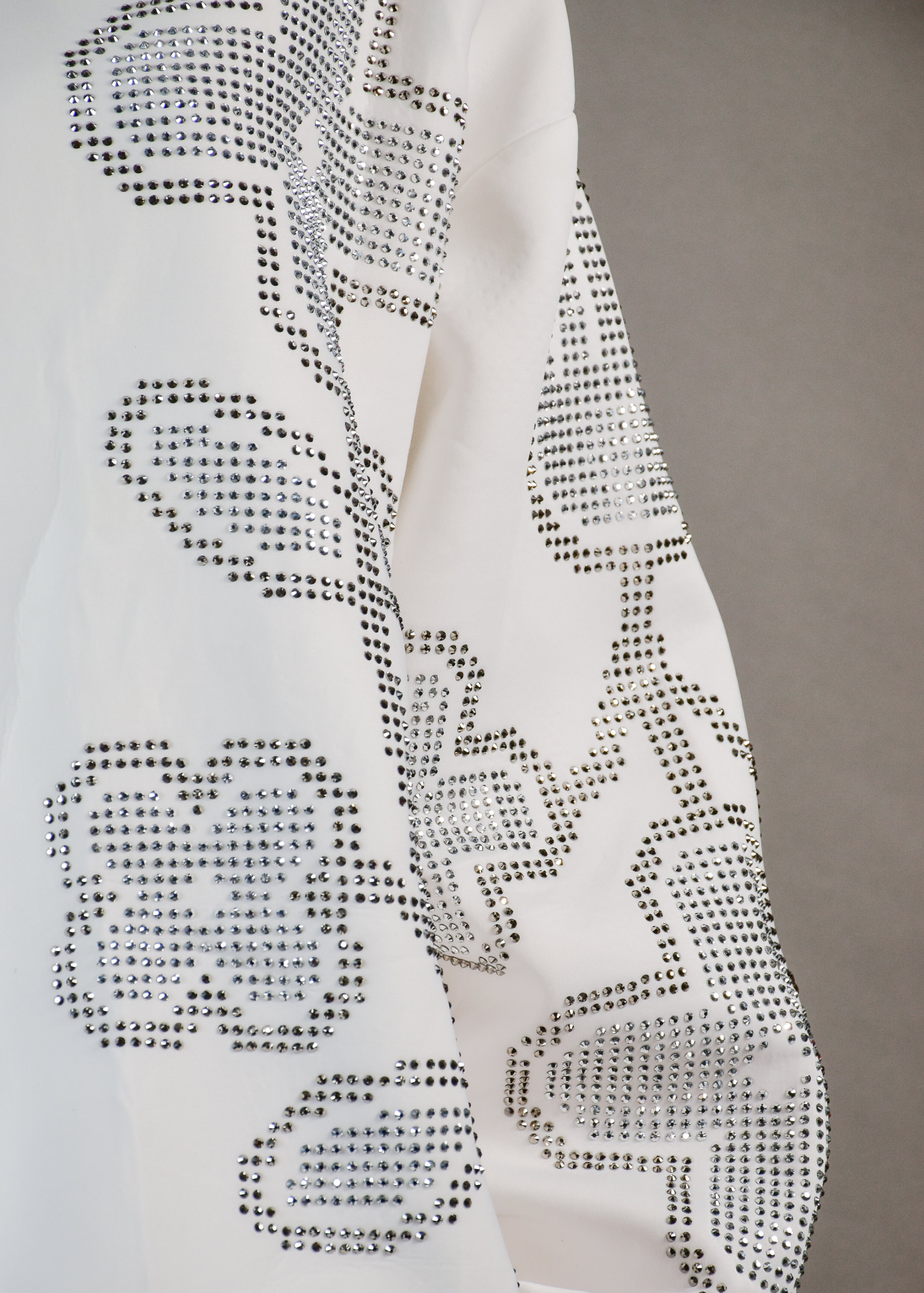
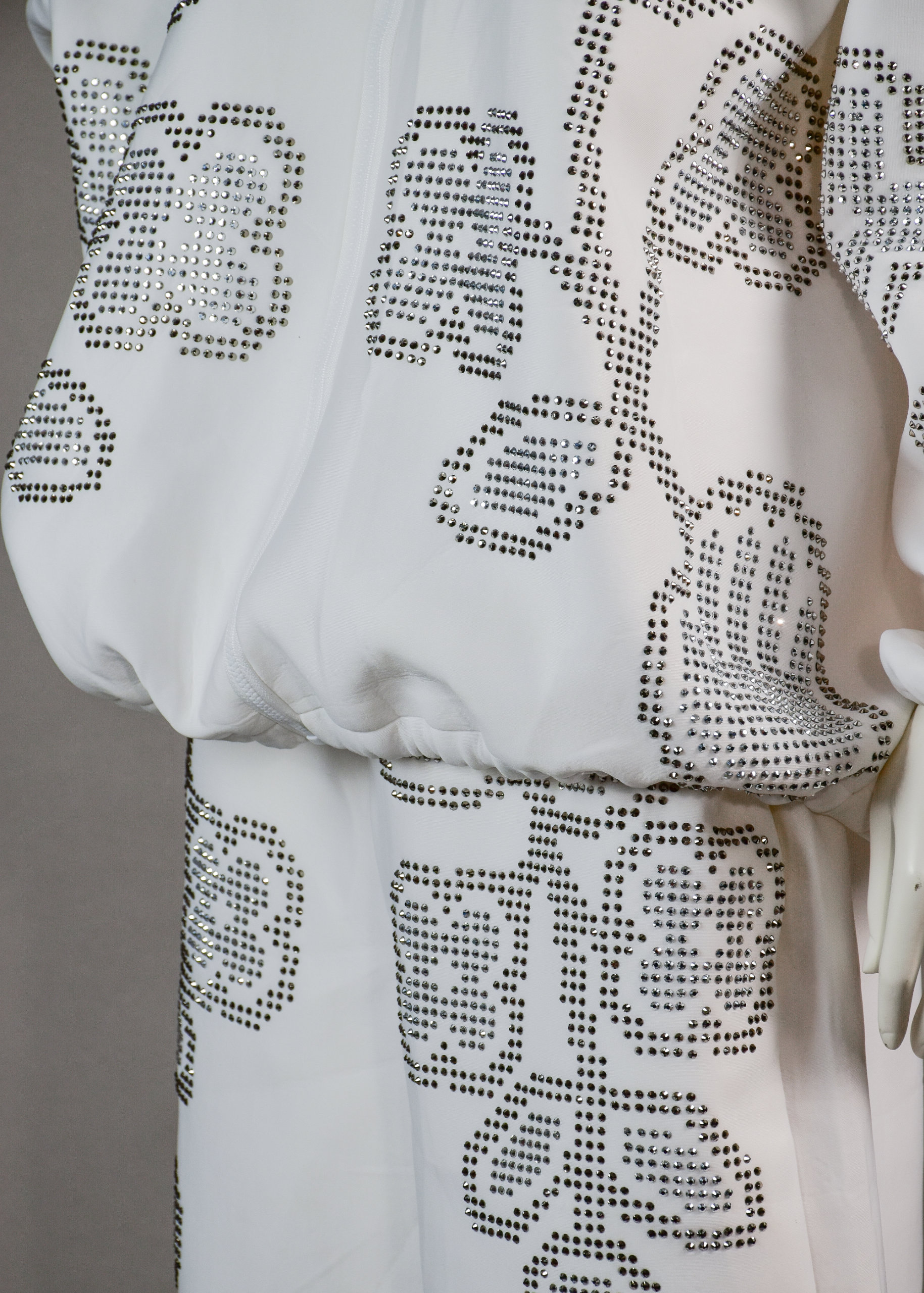
As a designer, I may not be developing vaccines or drafting policy, but I believe design can still carry hope. Princess Diana’s legacy of compassion shaped the rhinestone hand-and-flower motif at the heart of this project, a gentle symbol of reaching out, bridging divides, and offering warmth.

Karina Nasywa Bakri + Michelle S. Cespedes

Karina Nasywa Bakri

Karina Nasywa Bakri is an Indonesian womenswear designer with a strong foundation in luxury. Having completed her MFA at Parsons School of Design in 2025, Karina creates work that explores her childhood, heritage, and dedication to contemporary craftsmanship. Since 2020, Karina has been dedicated to transforming deadstock and discarded materials into vibrant, tactile textiles. She embraces intense color palettes, layered transparency, and a sense of ease to create pieces that celebrate stories while empowering the wearer.

Michelle S. Cespedes

Michelle S. Cespedes, MD, MS, tenured Professor of Medicine, is the Interim System Chief of Infectious Disease at the Icahn School of Medicine at Mount Sinai. She is the director of the ID Division’s Clinical and Translational Research Center and director of the HIV Inpatient Service for the Mount Sinai Hospital. Nationally, she sits on the executive Board of the Infectious Disease Society of America. Her research areas of interest are HIV prevention in high-risk populations, complications and comorbidities of HIV, HIV related women’s health issues and misperceptions of HIV risk in vulnerable communities. She strives to assure quality health care as a human right regardless of socioeconomic status, country of origin, competing priorities, sexual orientation, or gender expression.

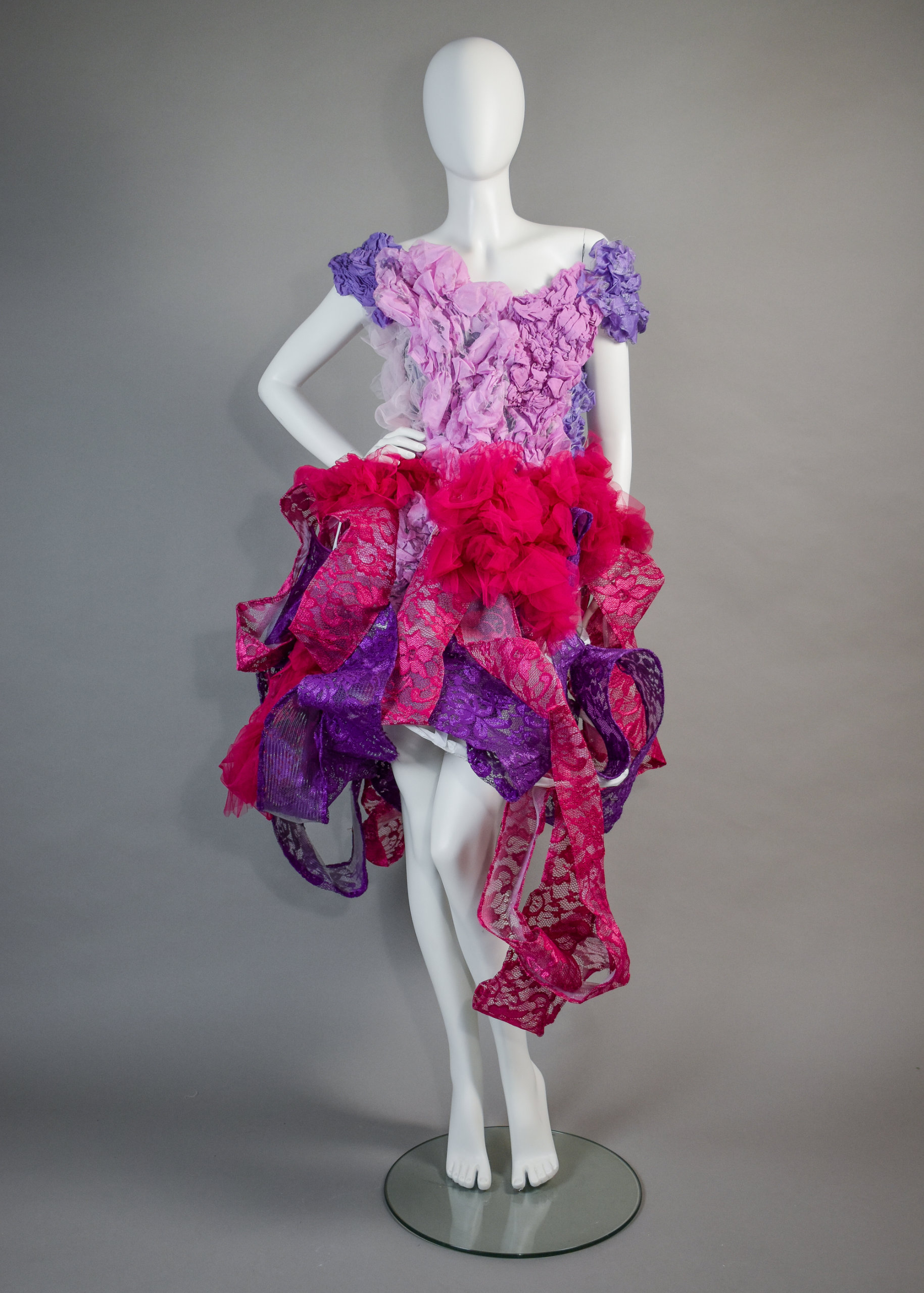
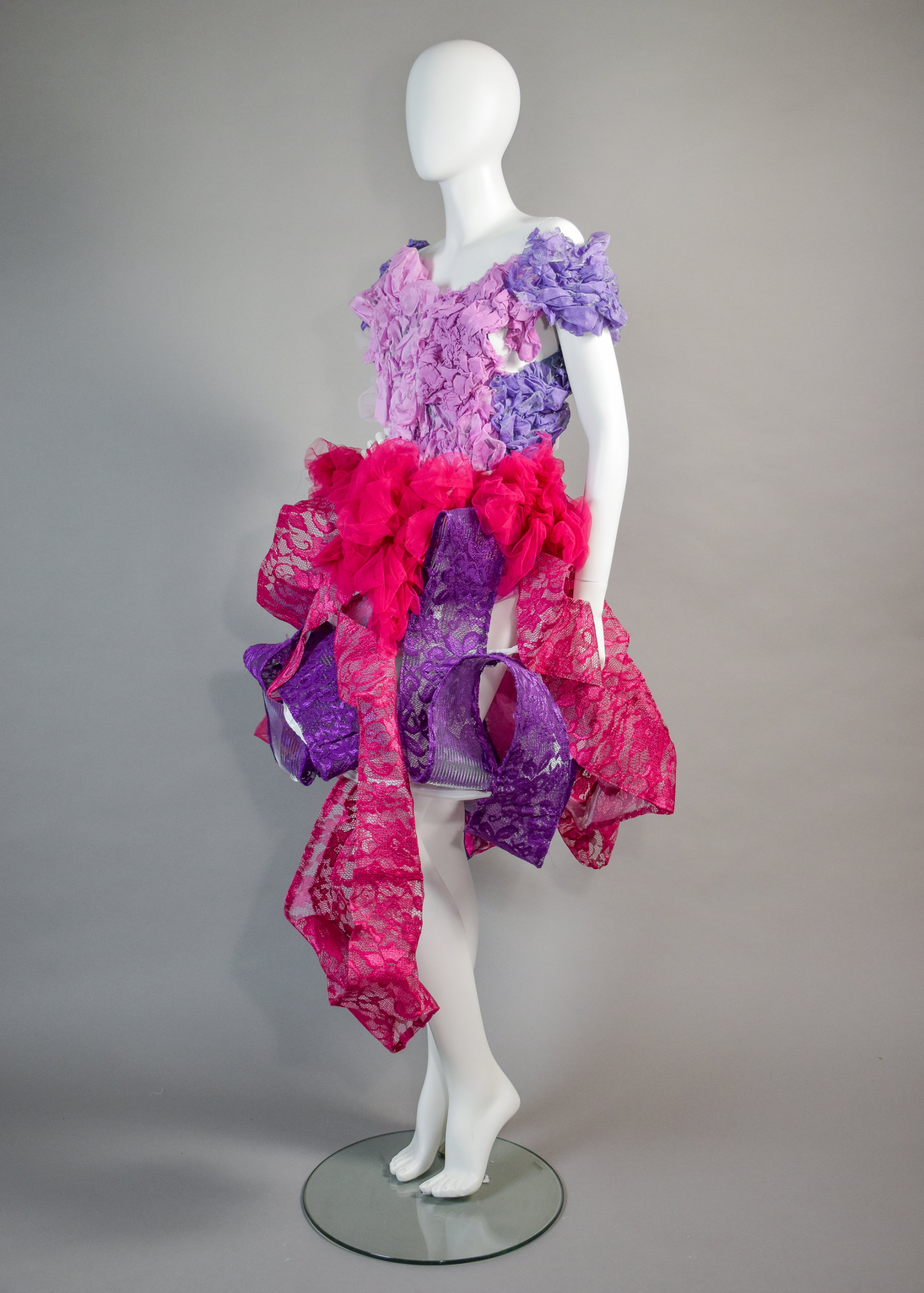
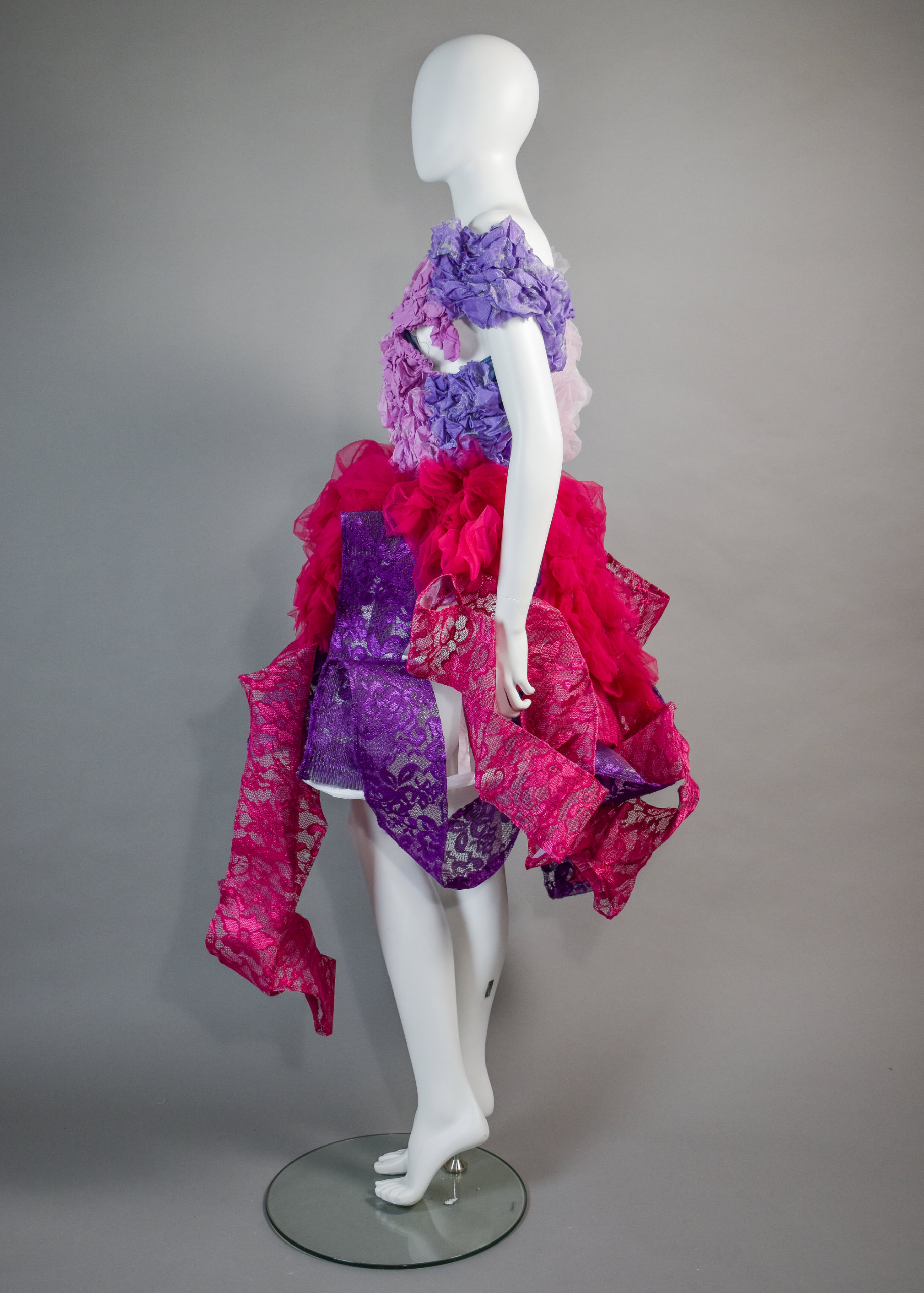
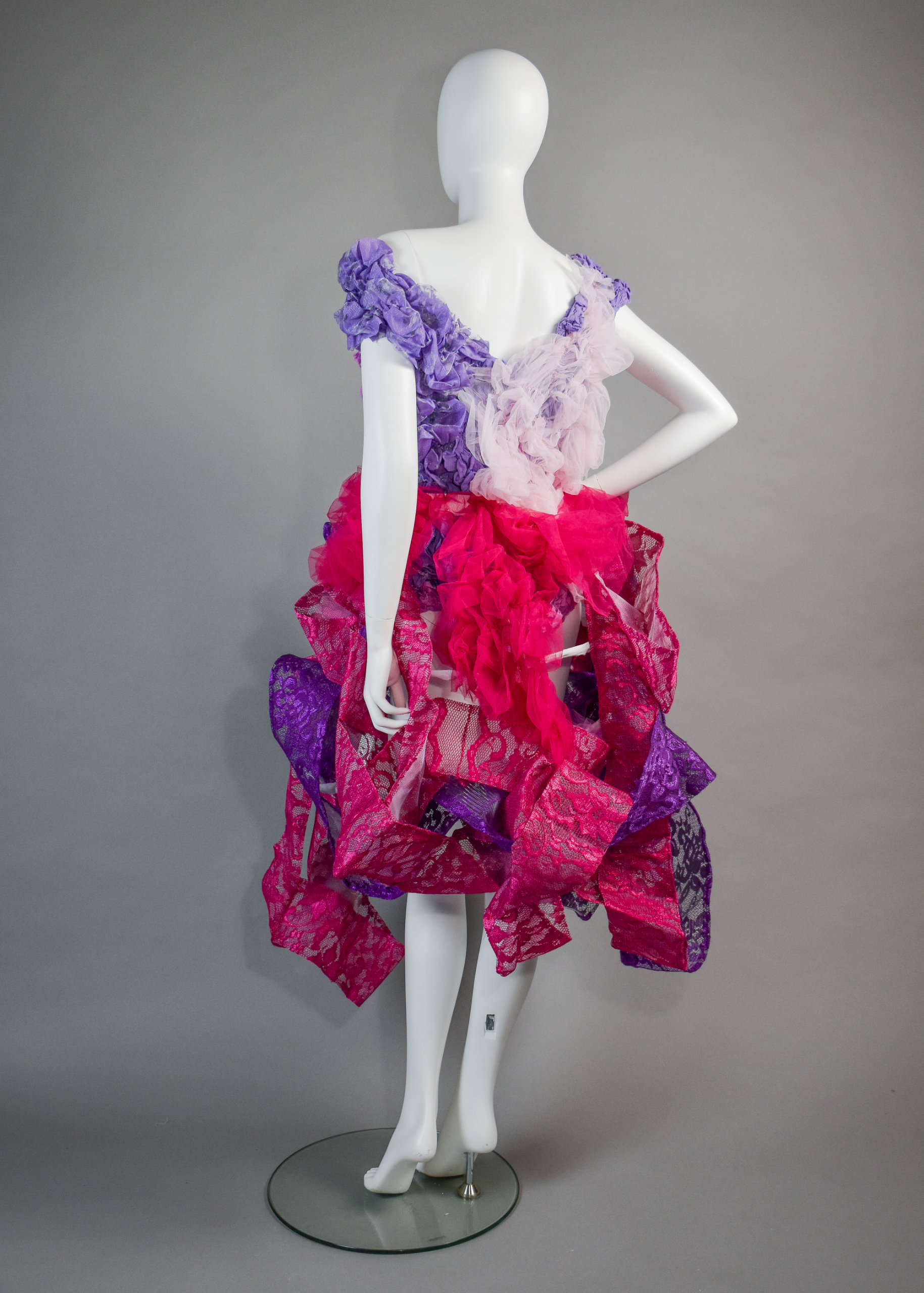
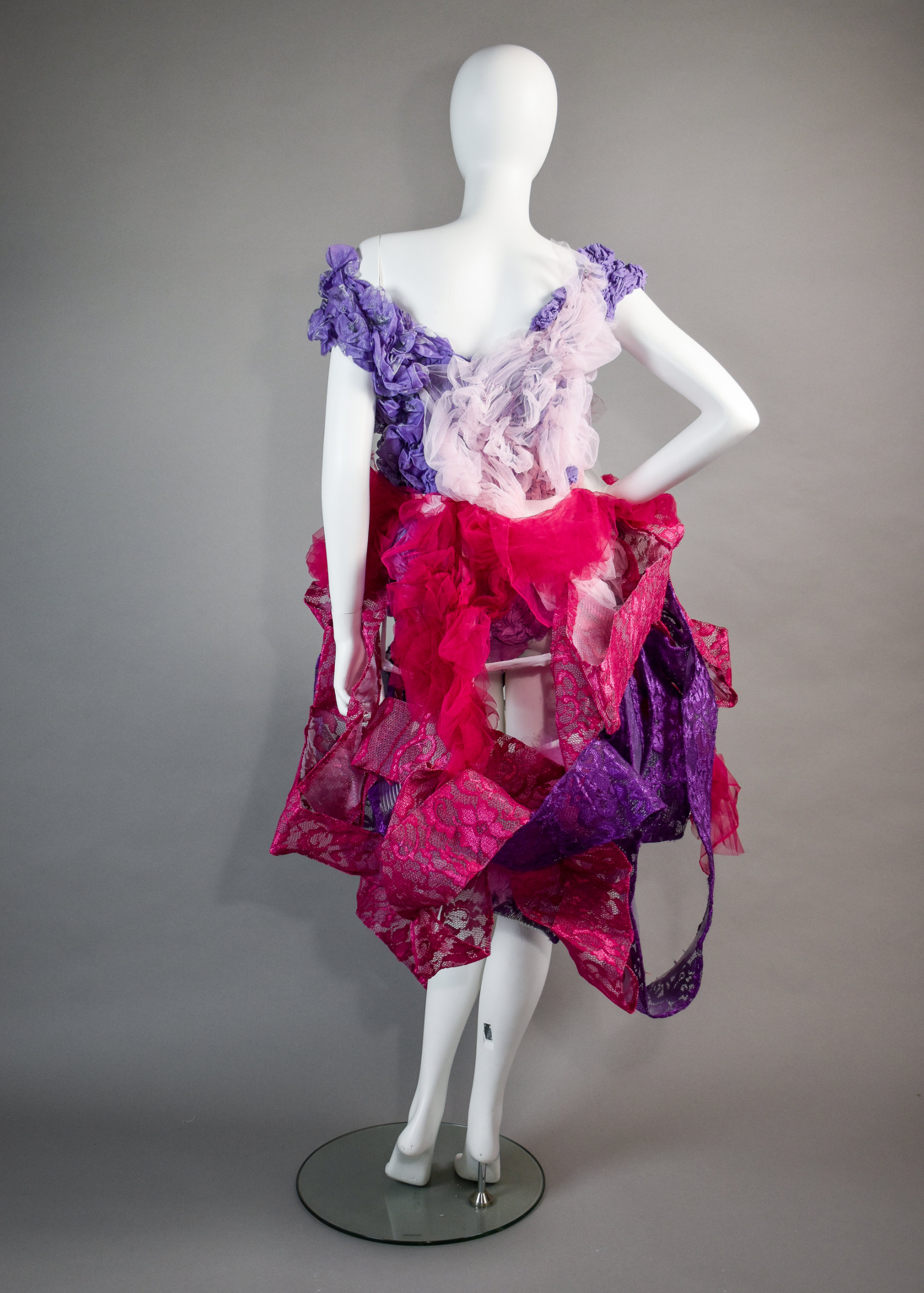
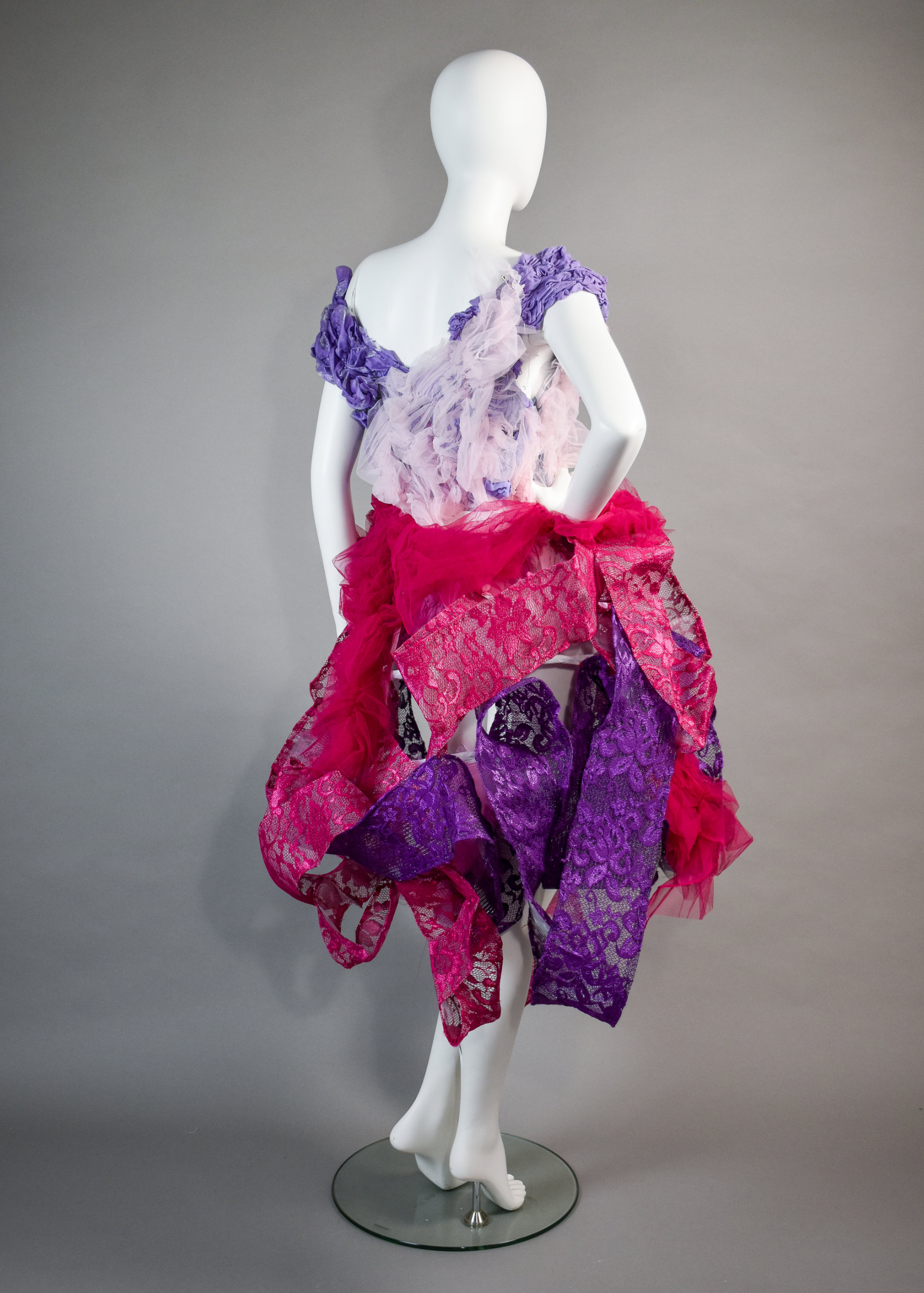
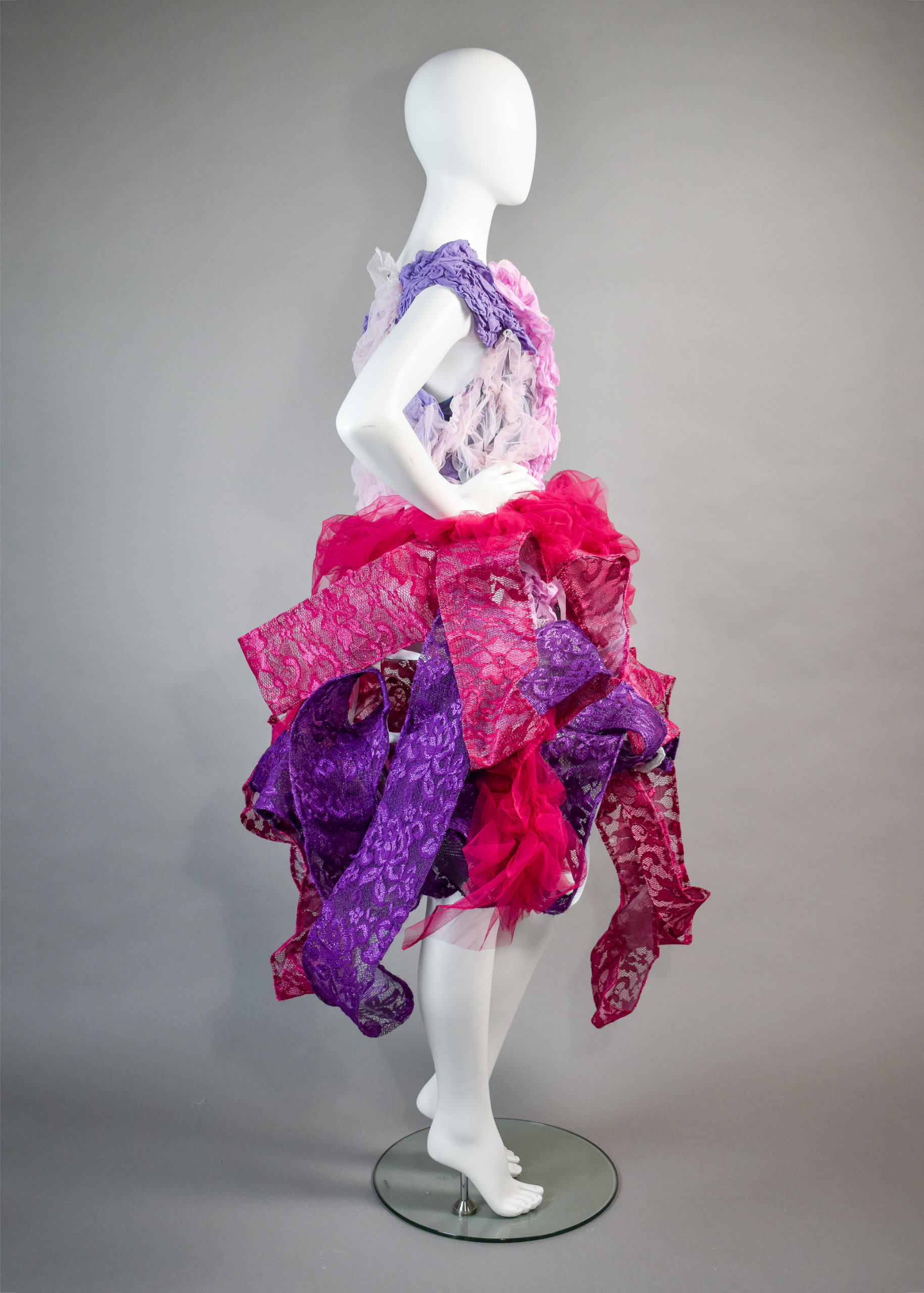
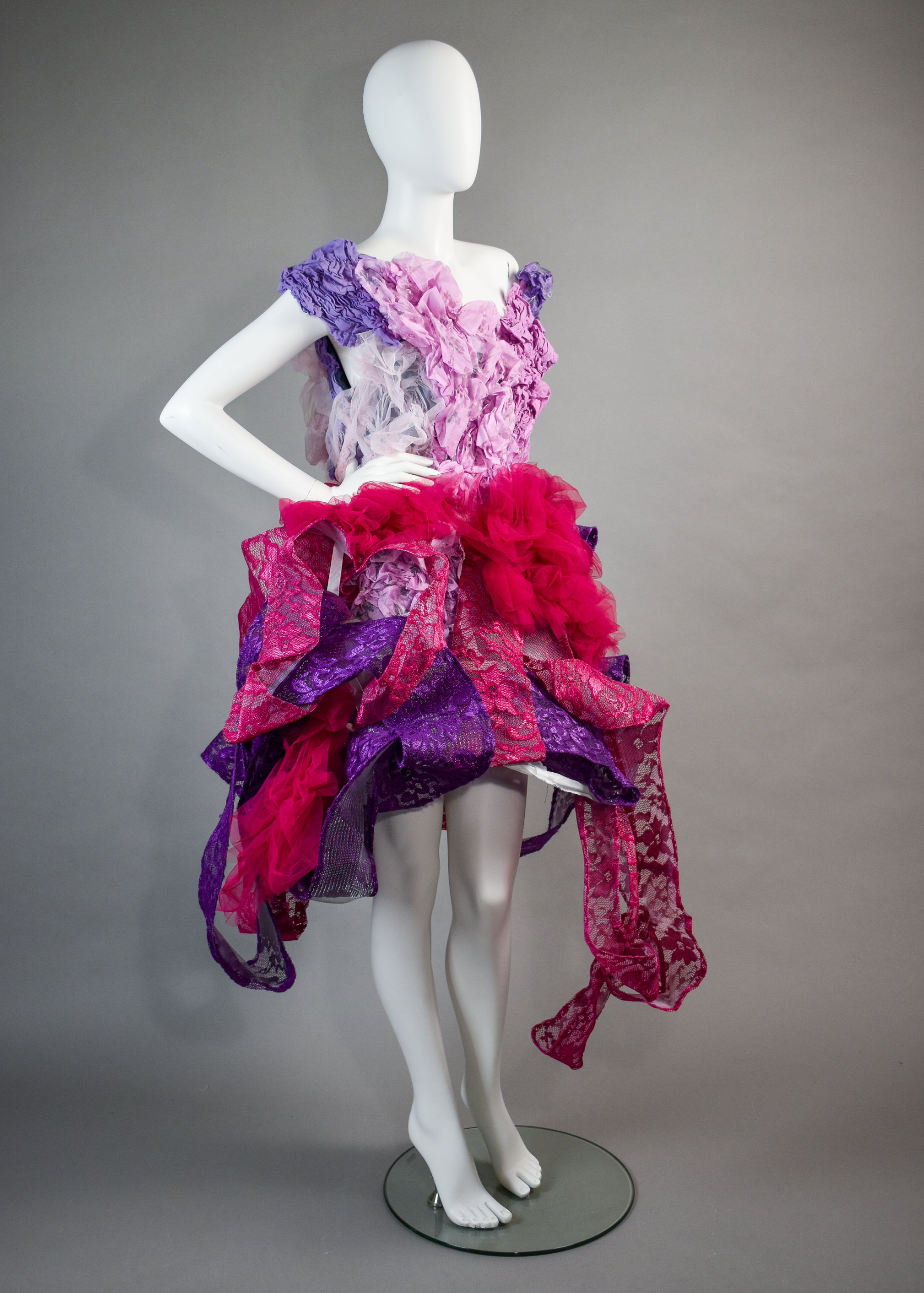
The design is a celebration of community, resilience, and visibility, directly inspired by the work of my partnered scientist, Dr. Michelle Cespedes, who focuses on expanding access to HIV prevention and care for communities that are too often overlooked including immigrants, LGBTQIA+ individuals, and people of color in New York City. This garment honors spaces like Black Trans Liberation, where culture, health, and self-expression intersect. Just as HIV research seeks to reach and uplift those who have been marginalized, the garment embodies inclusivity, empowerment, and visibility for every body.


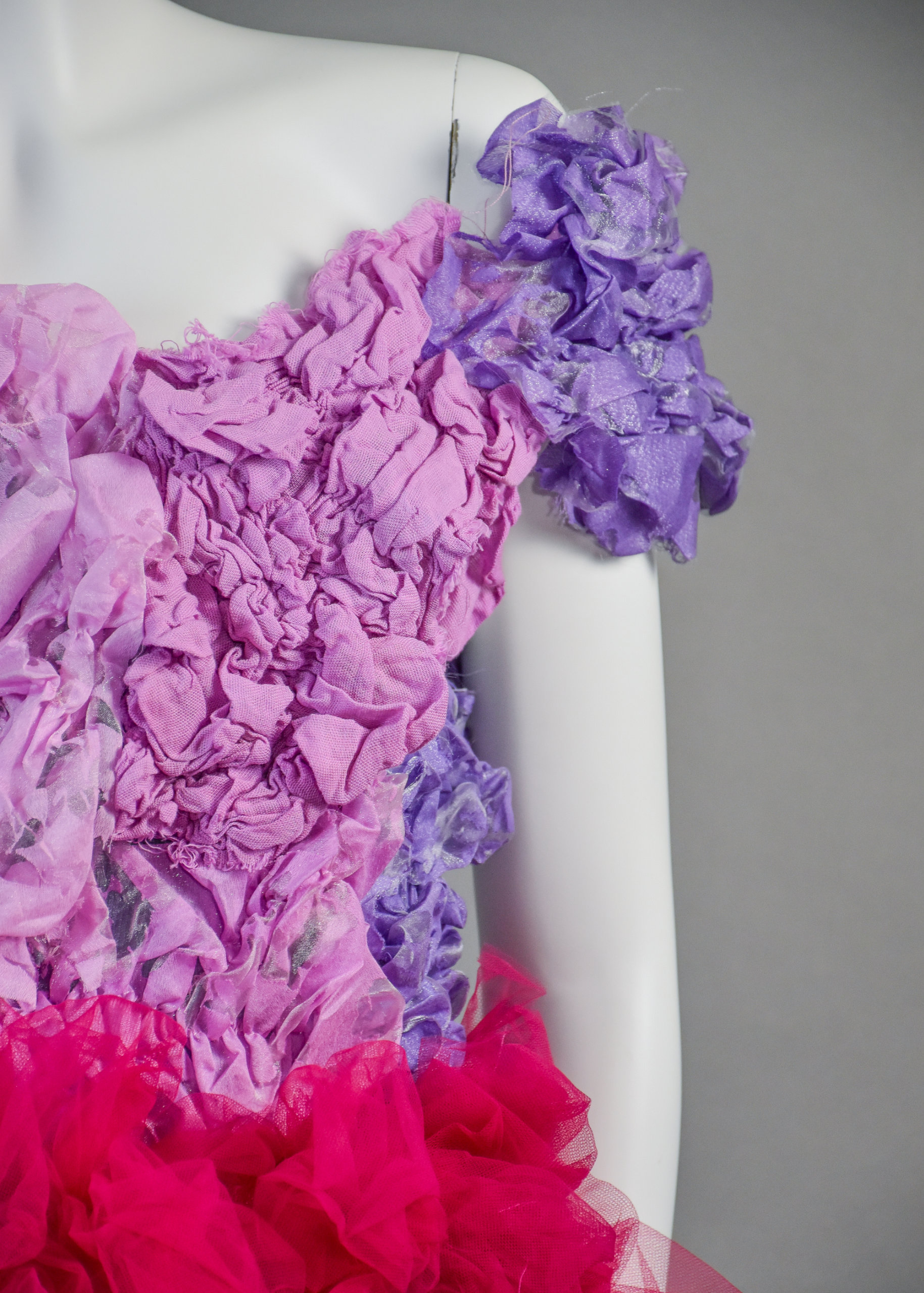
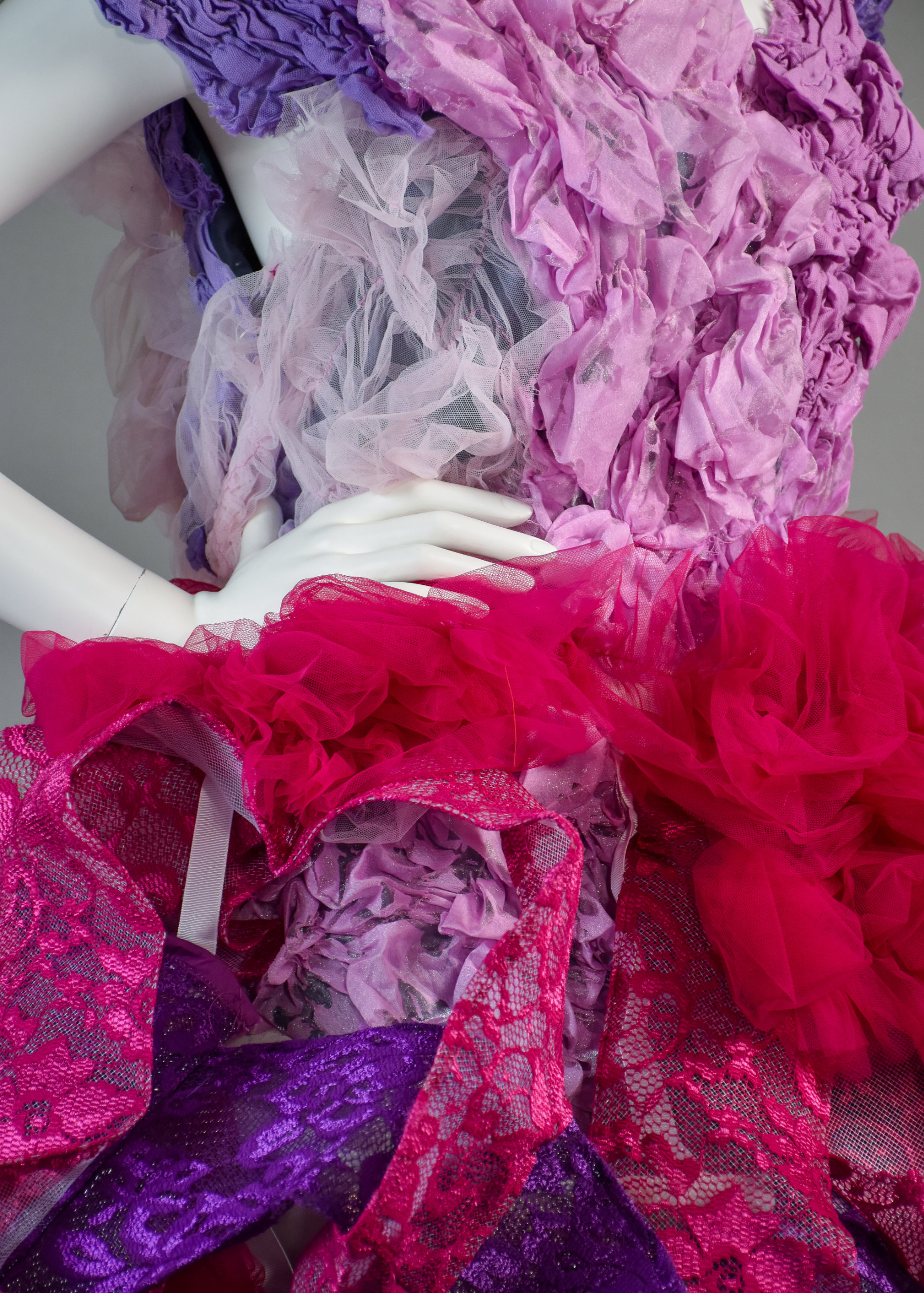
Constructed from discarded lace sourced from production factories in the Garment District, the design transforms overlooked materials into something radiant, powerful, and echoes how science reimagines possibilities for communities once left behind. Dyed, layered, and sewn into ribbons of lace, the garment mirrors the stained-glass windows that adorn the hall of Black Trans Liberation, where icons such as Marsha P. Johnson, Audre Lorde, and Cecilia Gentili are celebrated in light and flowers. These layered transparencies symbolize both the fragility and strength of communities who continue to thrive despite systemic barriers, while the floral motifs connect to the adornments of remembrance and resistance that mark queer and trans history.

The final silhouette, a stretched lace top paired with a voluminous skirt strengthened with horsehair braid, draws inspiration from the movements of dance and vogueing that enliven the space on community nights. The garment is presented on a size 14 model, reinforcing the message of inclusivity and representation within fashion. With every ribbon and layer, this piece speaks to the ongoing fight for equity in healthcare and the beauty found in communities that create their own sanctuaries of love, care, and expression. It is both a garment and a statement: a vision of how science and art together can honor lives, histories, and futures.

Mohan Li + Chris Beyrer

Mohan Li

Mohan Li, MFA graduate from Parsons School of Design, is a fashion designer with a strong focus on pattern making and technical design. Her practice centers on functionality, exploring how construction and detail can expand the possibilities of everyday wear. At the same time, she engages with social topics and cultural narratives, treating clothing as a medium for dialogue as well as utility. By merging precise technical methods with broader reflections on society, Li develops garments that embody both structure and meaning, highlighting fashion’s role in shaping identity and reflecting collective experience.

Chris Beyrer

Chris Beyrer, MD, MPH, an internationally recognized epidemiologist who has worked on the front lines of HIV/AIDS and COVID-19 treatment and research, became director of the Duke Global Health Institute in August 2022. Beyrer has led collaborative research on HIV epidemiology, prevention and treatment in Southeast Asia, Sub-Saharan Africa, and Eastern Europe and Central Asia for more than 30 years. He is past president of the International AIDS Society, the world’s largest body of HIV professionals, and has served as an advisor to the U.S. President’s Emergency Plan for AIDS Relief (PEPFAR), the HIV Vaccine Trials Network, the World Health Organization, and Physicians for Human Rights. The author of over 400 scientific papers, he was named in 2022 to the annual list of the world’s most cited scientists.

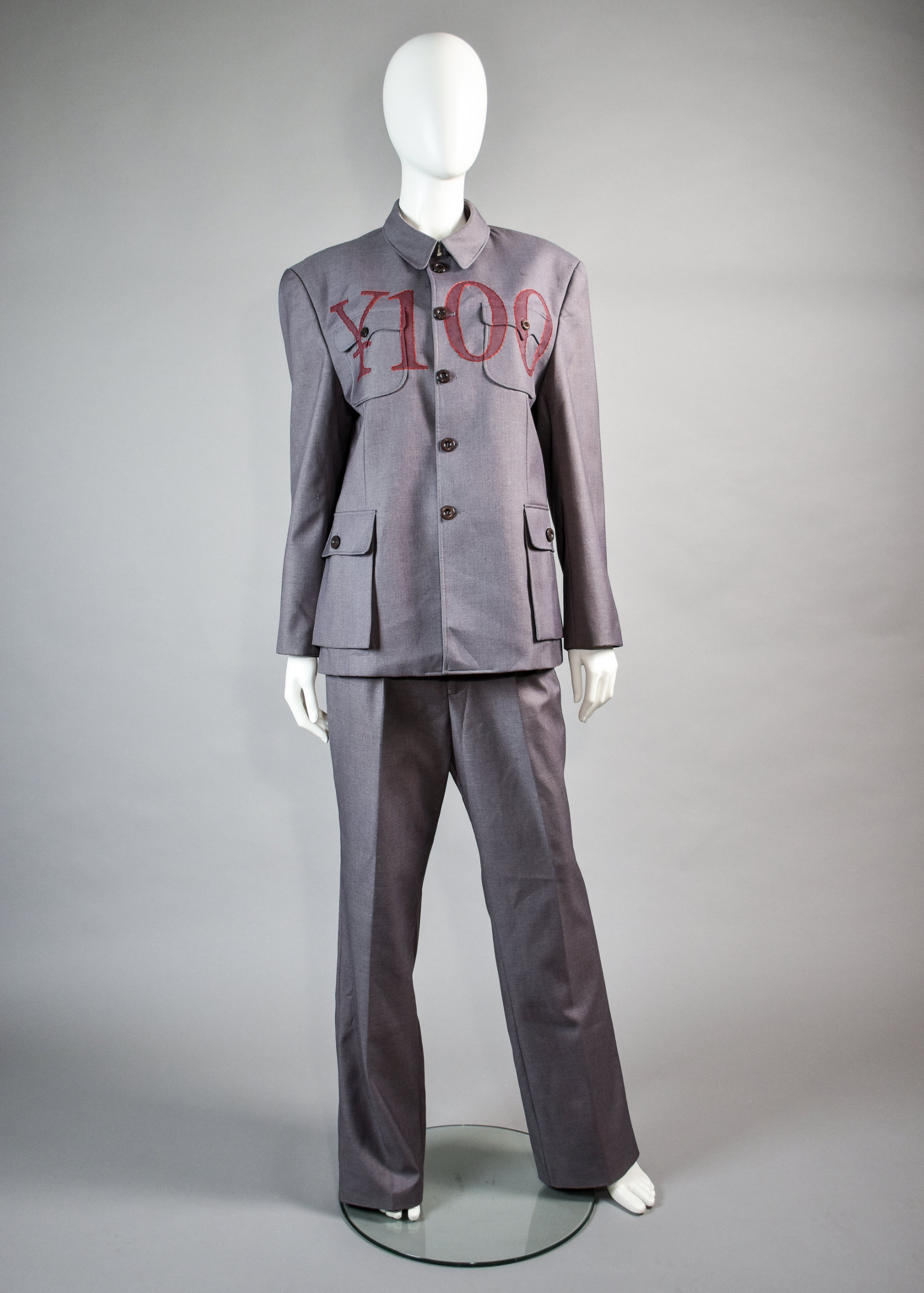
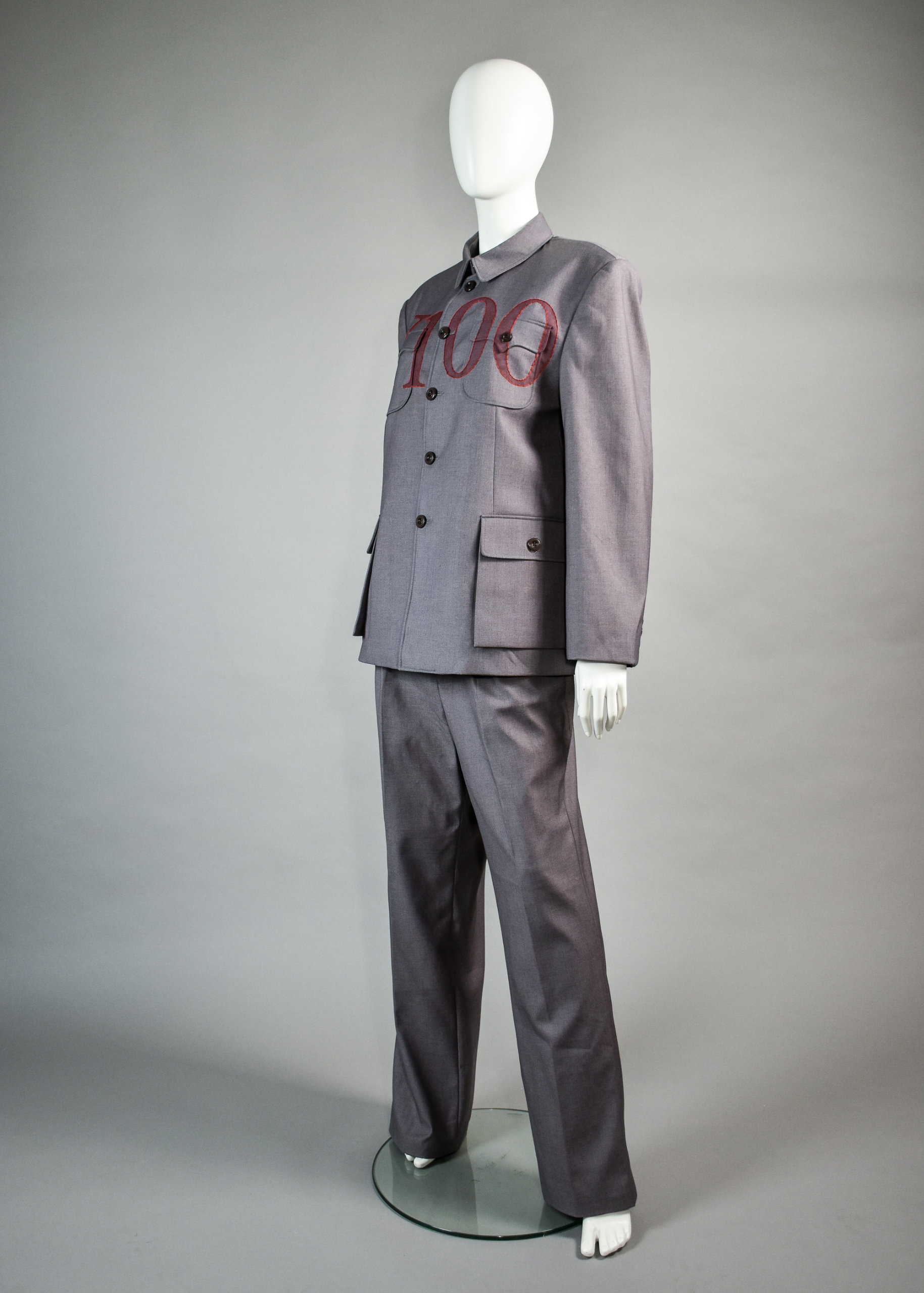
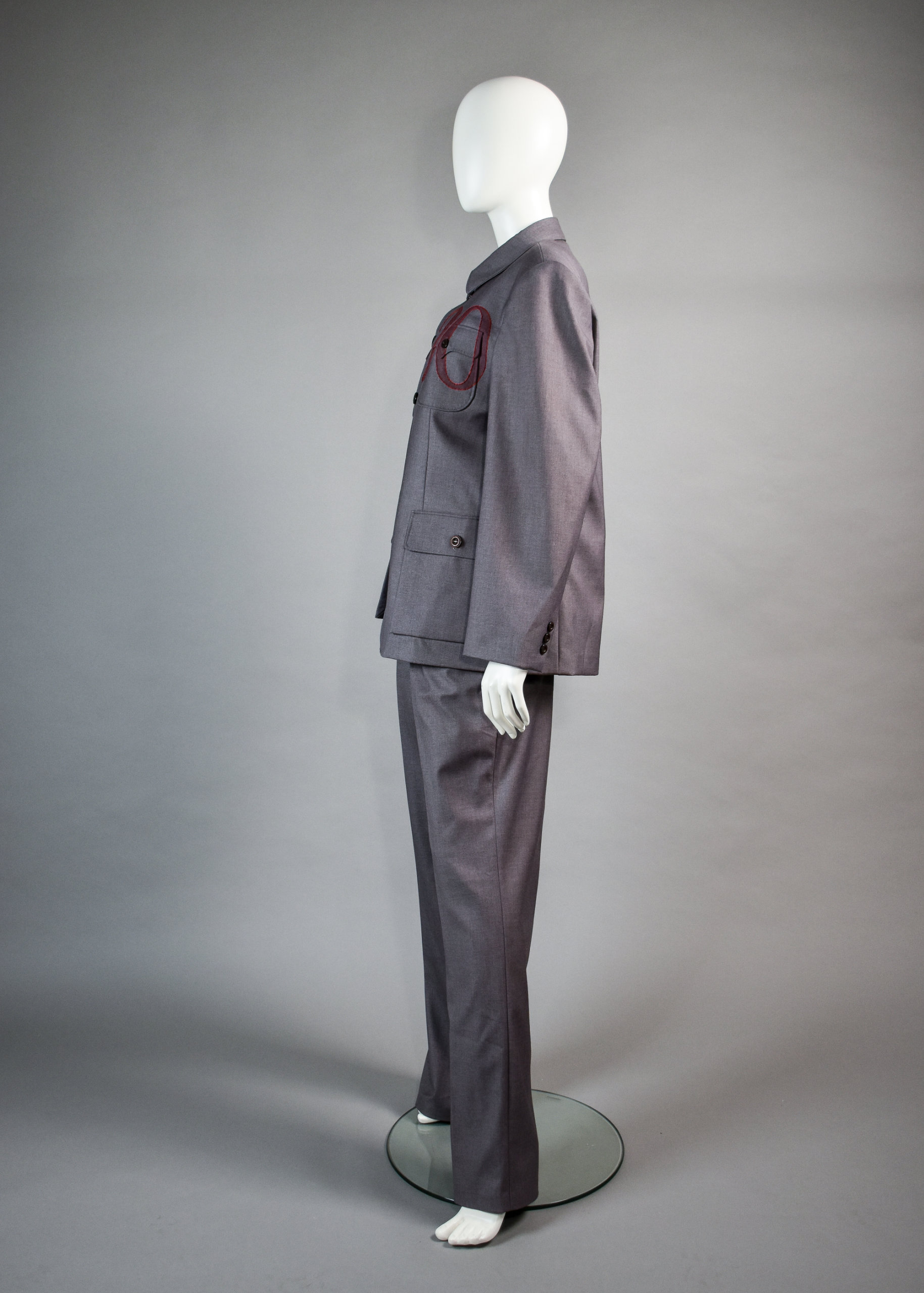
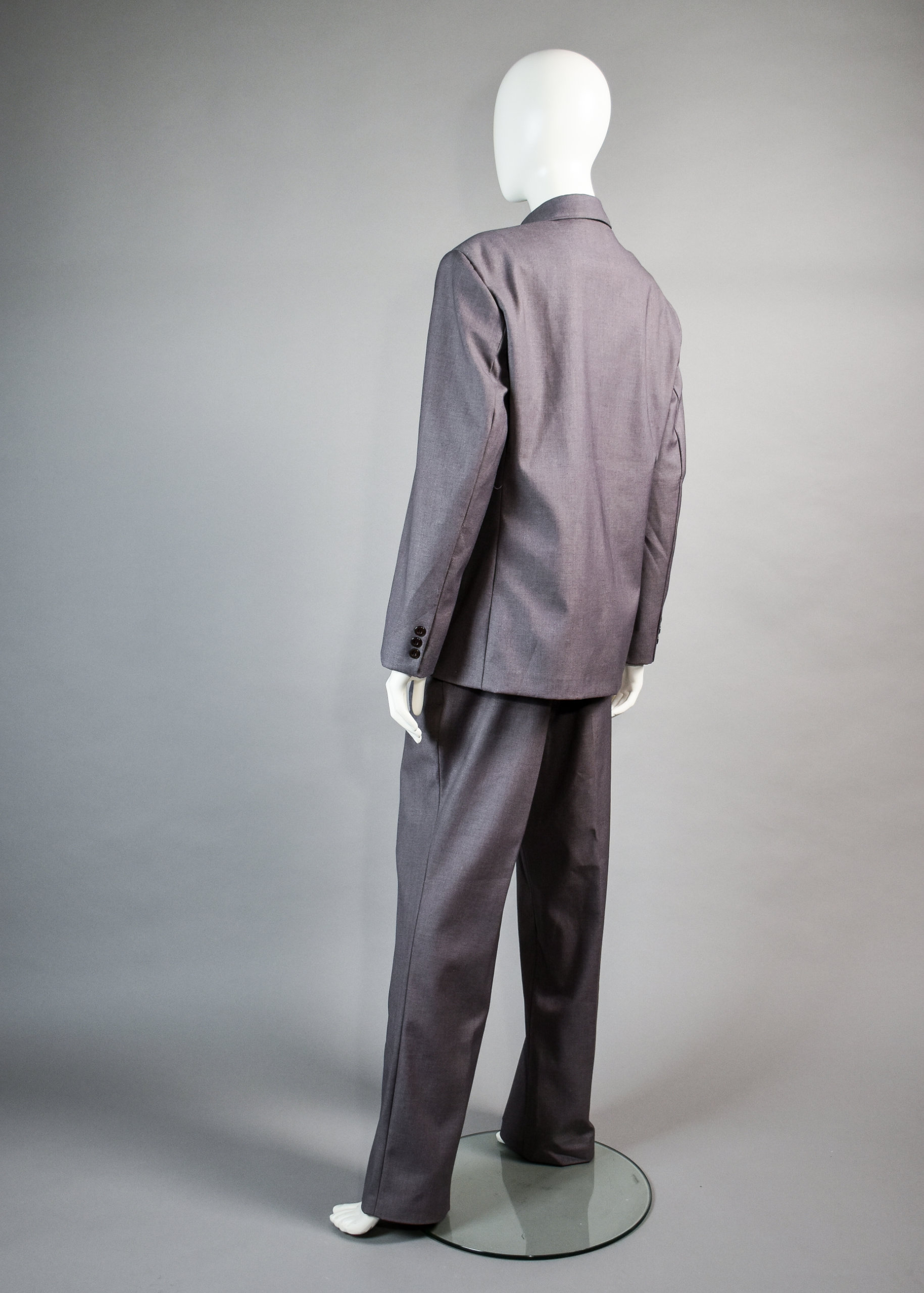
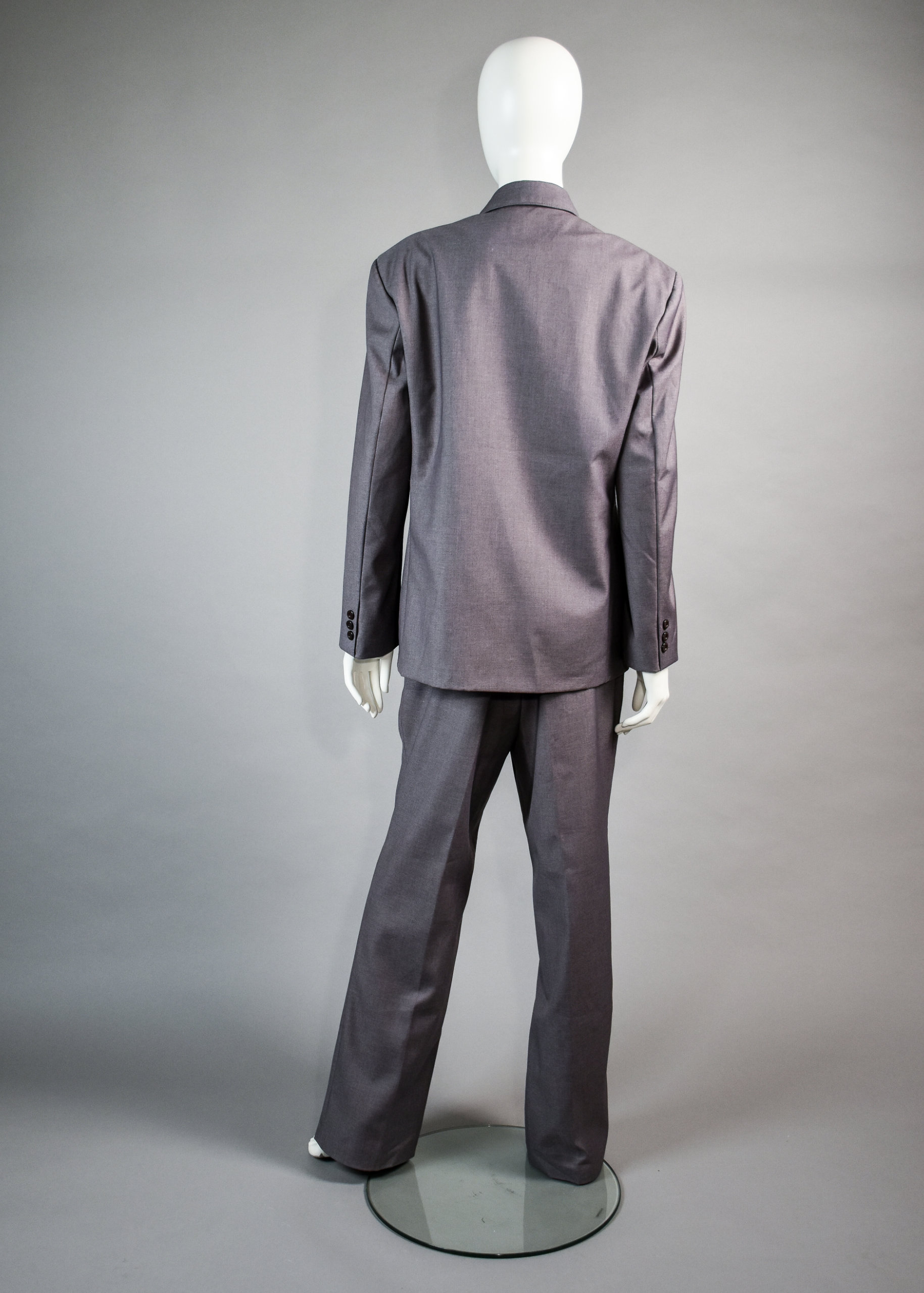
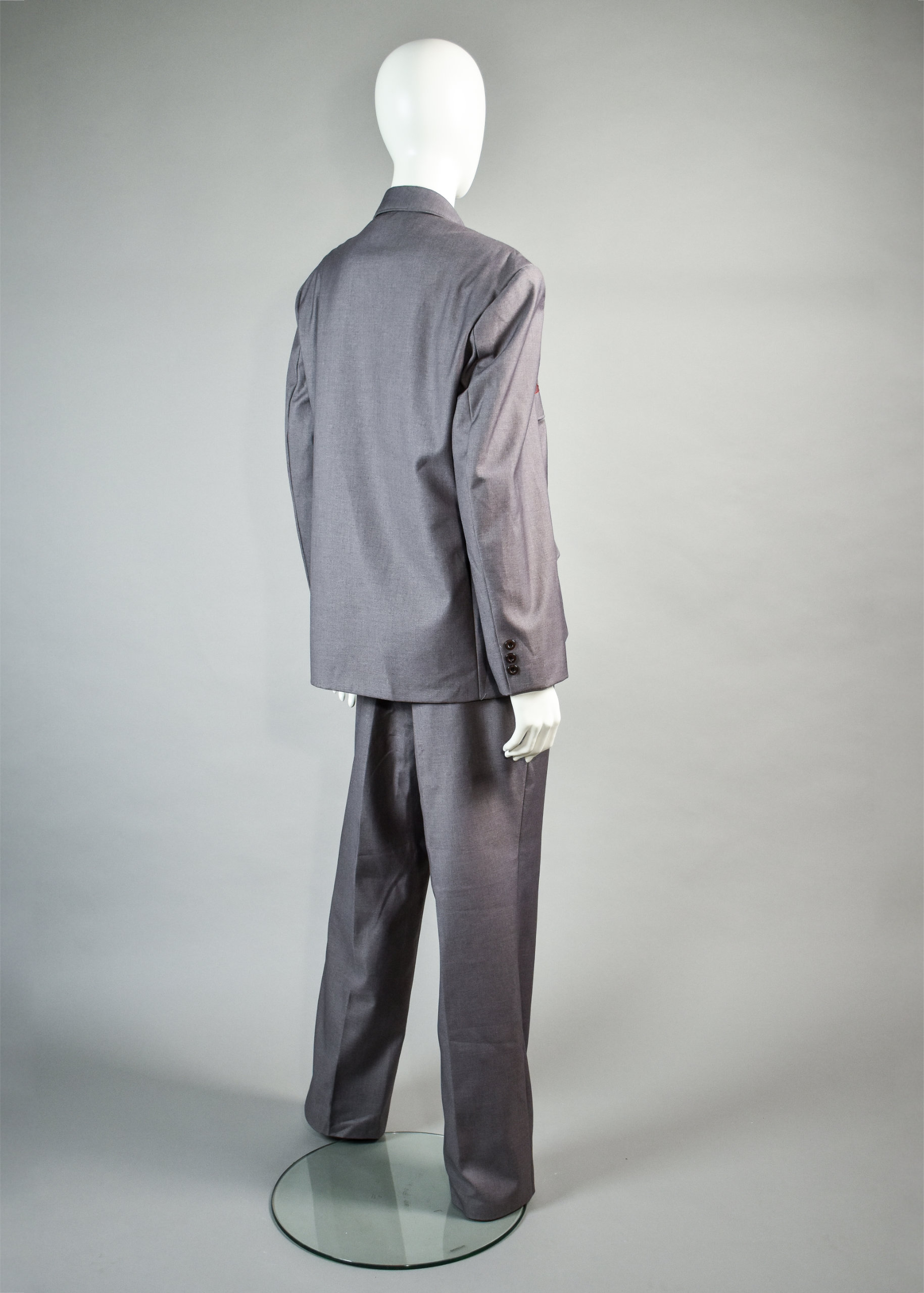
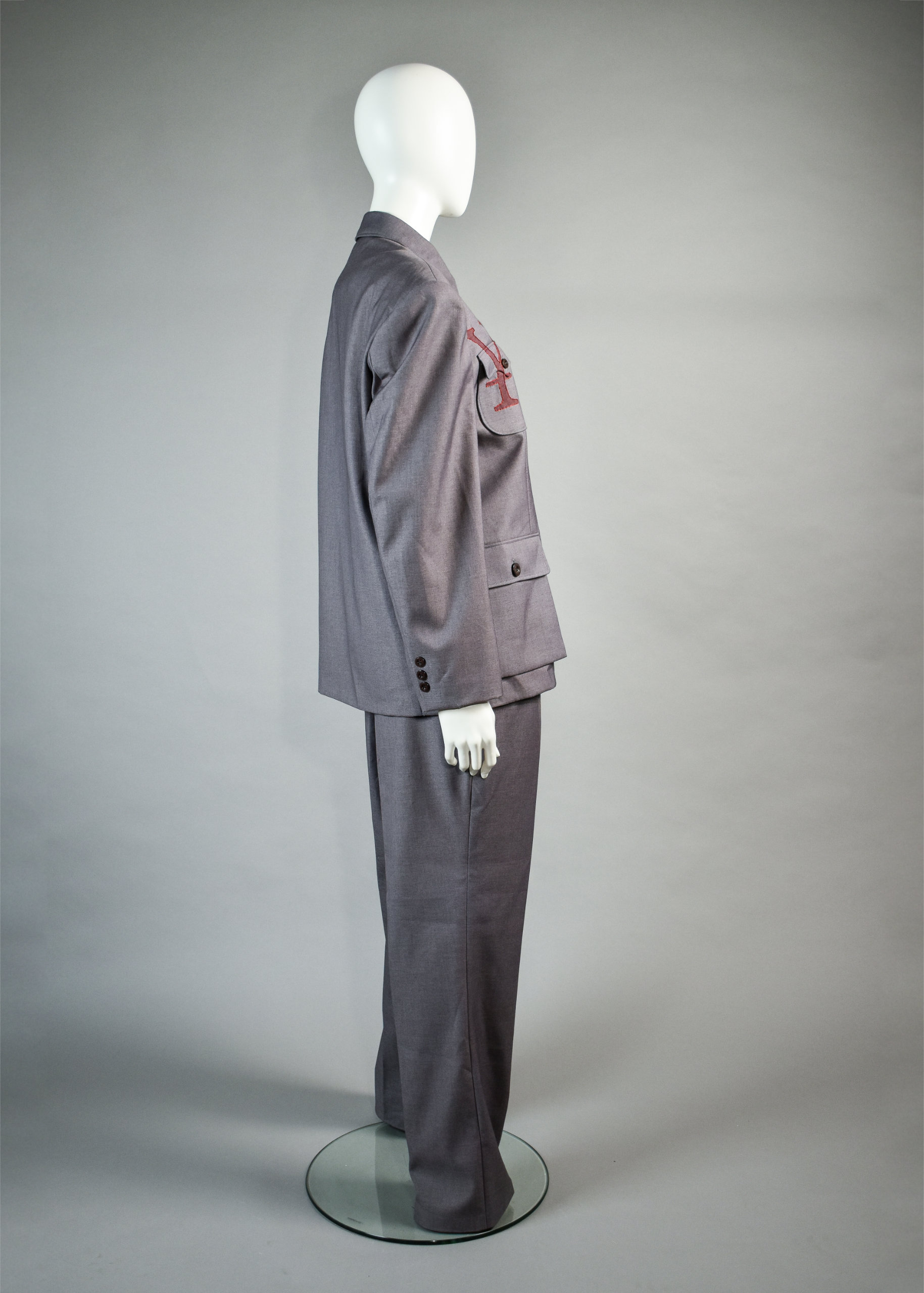
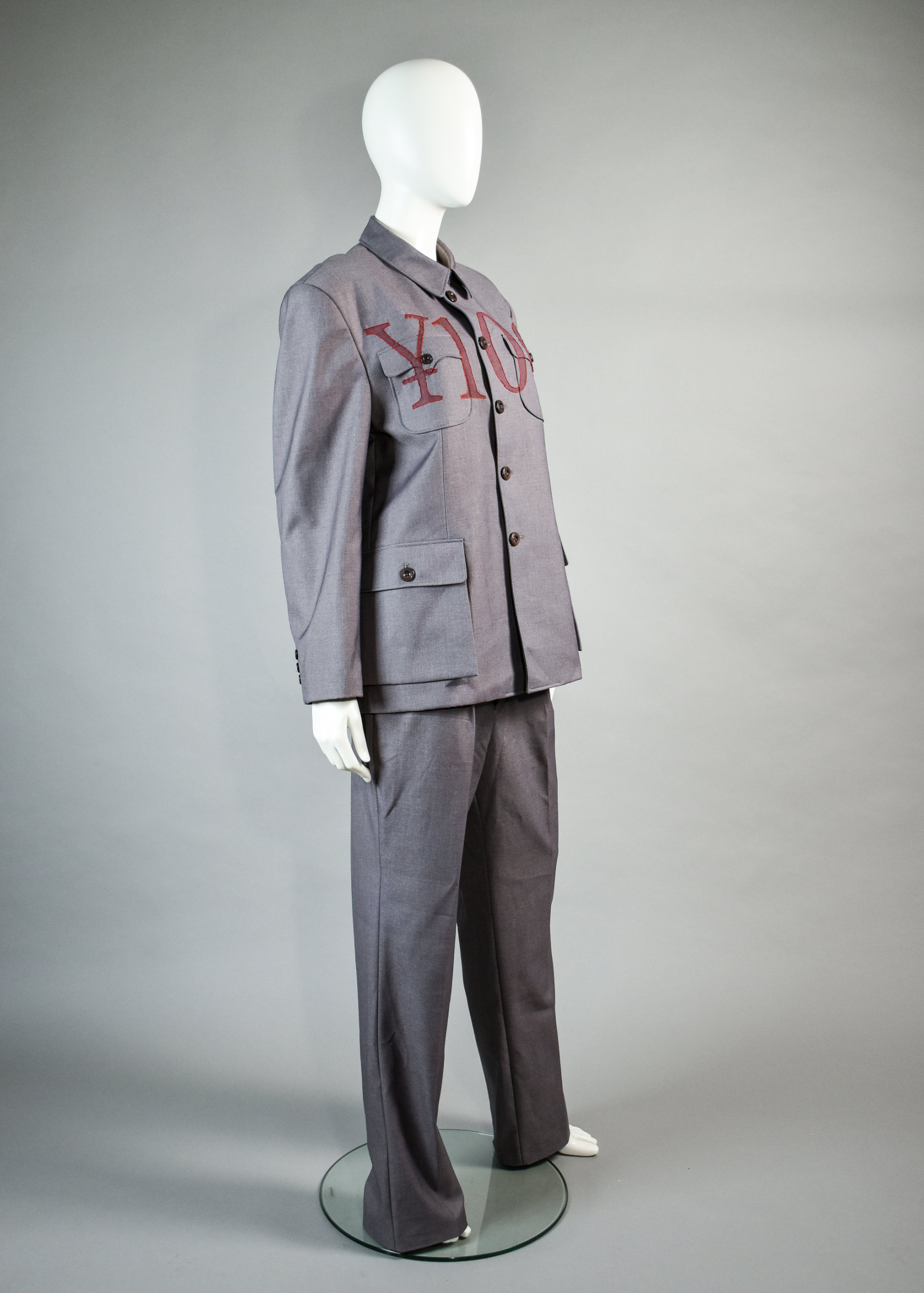
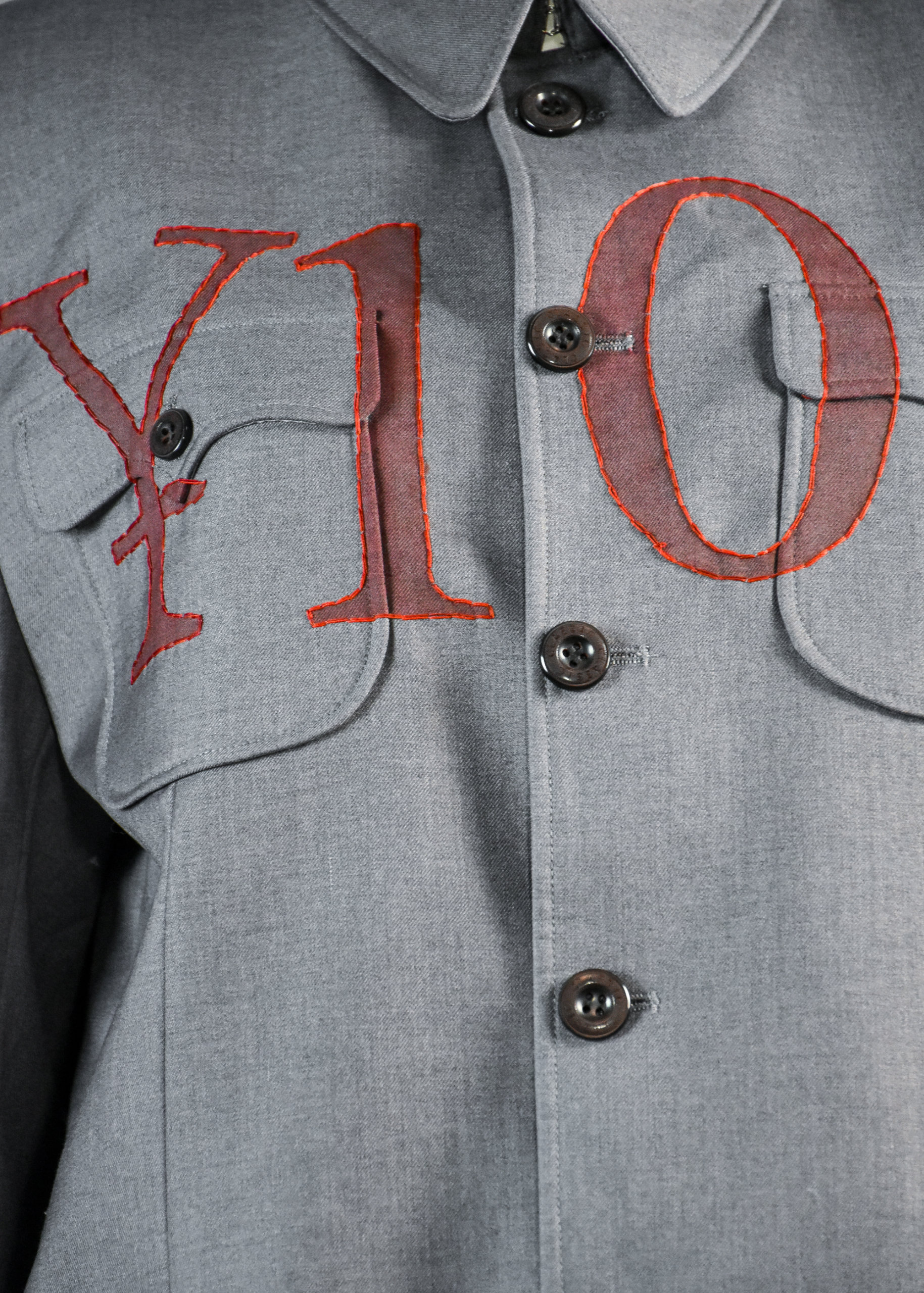
The “Plasma Economy” reimagines the Mao suit, once a uniform of collective prosperity, into a stark critique of illusion and sacrifice. Constructed in muted grey and consumed by the blood red, the garment exposes the bitter irony of a “good life” promised through selling one’s own blood. What the authority blindly promoted as a path to wealth instead became a vehicle of devastation, spreading HIV through entire towns and leaving lives in ruins.

Across the surface, appliqué veins run like fragile lifelines, a chilling reminder of how this act of blood-selling became embedded in everyday existence, entwined with the very dream of prosperity it was meant to secure.

The Mao suit, still carrying the silhouette of dignity and progress, here becomes a haunting paradox—its form whispering of richness while every thread is stained with loss. At once memorial and indictment, the piece forces us to confront the fragile, fatal cost of prosperity built on human sacrifice.

New York Fashion Week 2025

Nexus Club, NYC, USA

14 September 2025

Photography: Sam Guttell