ASHM Australasian HIV&AIDS Conference 2024 ASHM Australasian HIV&AIDS Conference 2024

The original pilot project of HIV Unwrapped project extended an invitation to HIV researchers and scientists from across Victoria (AUS) to consider what would they wear which amplifies themselves and their work in HIV.

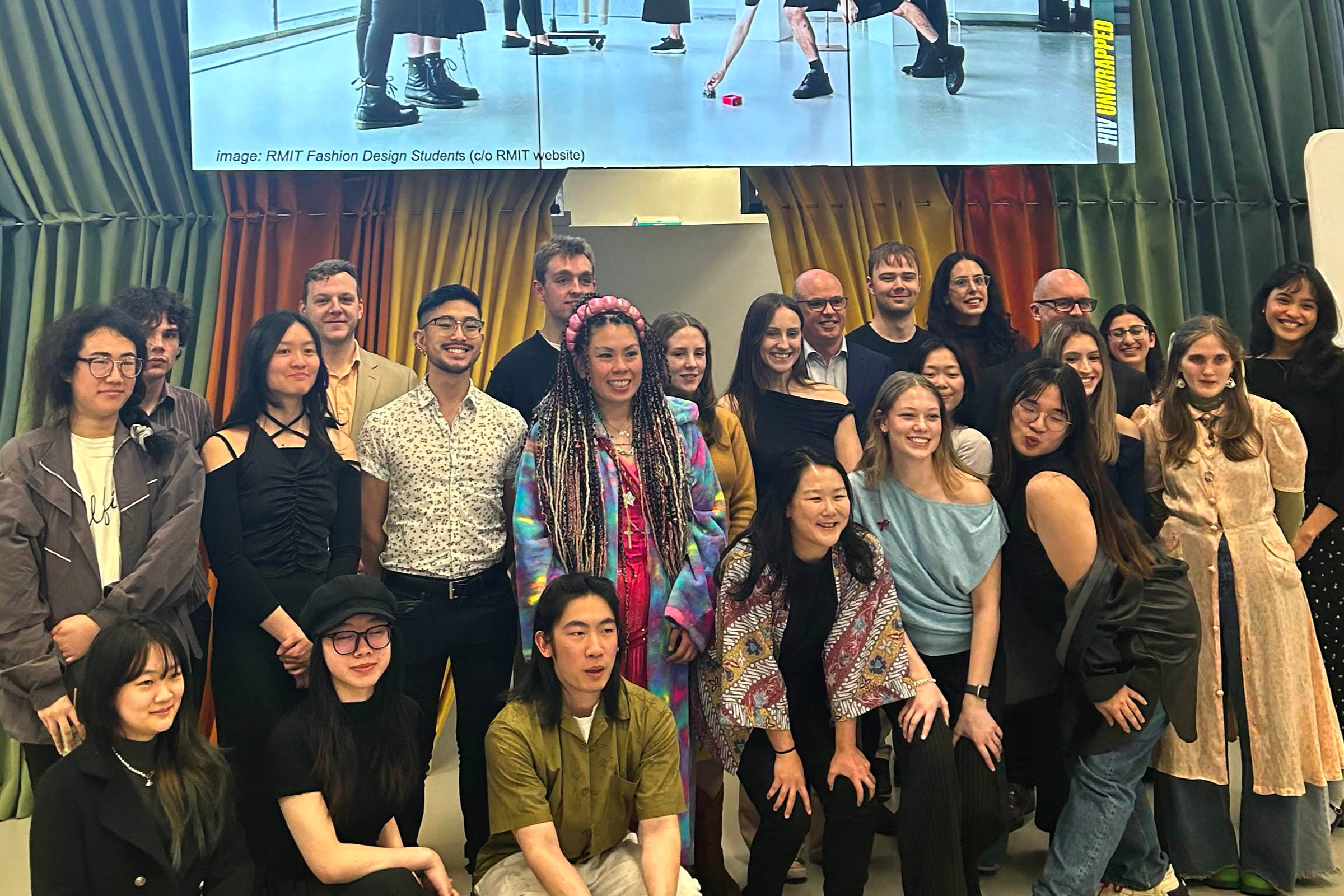
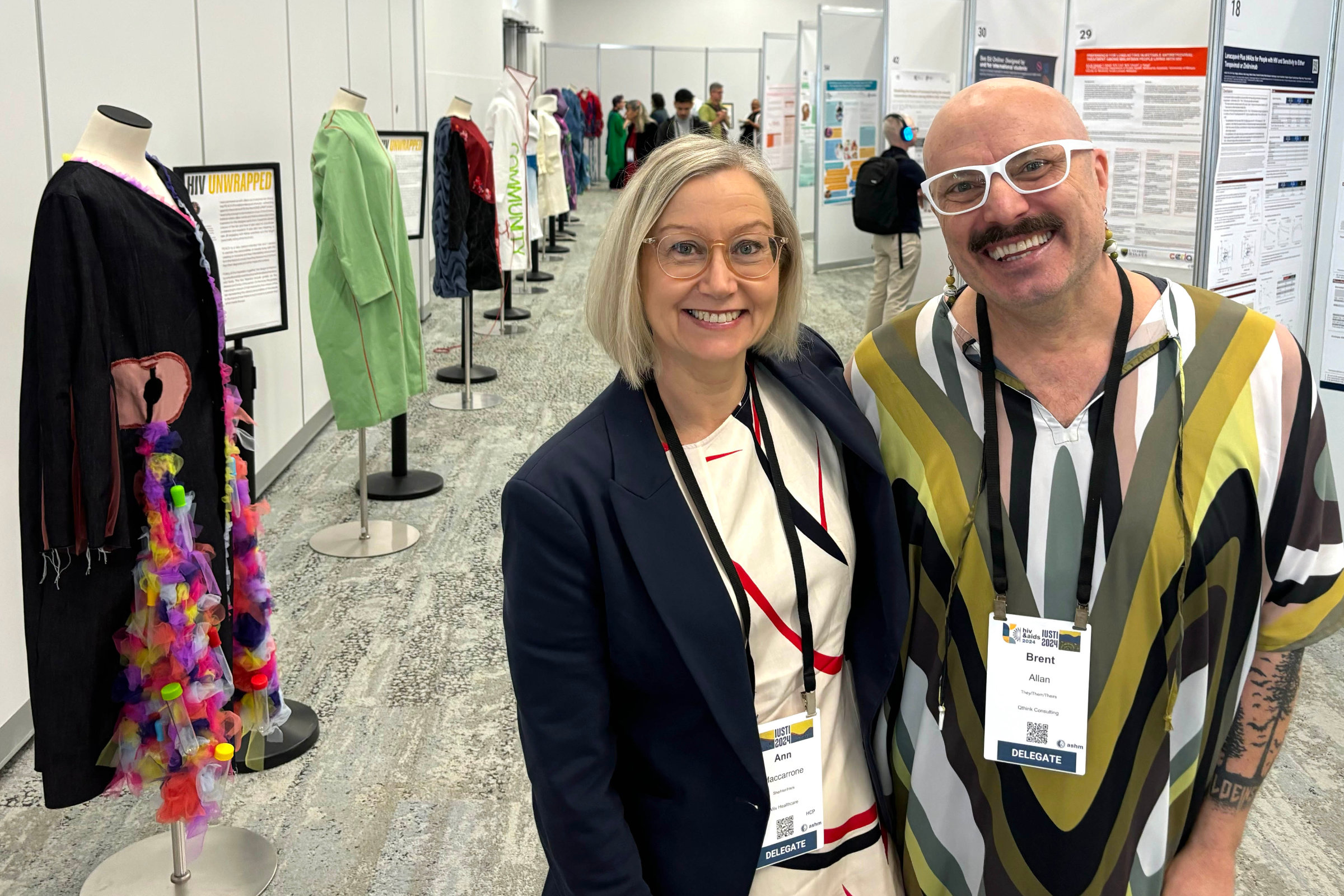
Working with a lab coat as the premise, the 13 scientists in this project worked with fashion design students from the RMIT School of Fashion and Textiles over the course of six weeks to represent a part of the diversity of sciences that make up the HIV sciences.

RMIT University School of Fashion and Textiles was uniquely positioned, with their disciplines contributing to RMIT’s reputation as an international university of technology, design, and enterprise. HIV Unwrapped and the Fashion Design Partnered Project continued their commitment to trans-disciplinary partnerships and practices, revealing meaningful relationships and synergies between science and fashion.

In the Fashion Design Partnered Project course, second-year students in the Bachelor of Fashion (Design) program engaged in projects that aligned with various design and systems approaches. These projects emphasised collaboration and responsive design through briefs with real-world outcomes. Guided by lecturers who are creative practitioners, makers, and researchers, the diverse student responses reflect our research interests in advocating for sustainable and regenerative thinking and practice, working towards ‘A Just Society’ by including diverse bodies and experiences, and ‘Responsible Practice’ in engaging with Indigenous knowledges.

Designed by the next generation of emerging fashion design leaders, these students at RMIT speculated on the future of fashion through the intersection of scientific discovery and fashion design. The project was not only a transformative experience for the students, expanding the possibilities for future fashion practice it exemplified innovation in science communication and knowledge translation.


Project promotional image generated with AI
All mannequin images photographed by Skye Bartlet
All biographies reflect the time of the exhibition, please follow their social media links to see their latest work.

Cassidy Ede + Jillian Lau

Cassidy Ede

Cassidy is a Melbourne (Naarm) based Designer who specialises in womenswear. In her second year of a Bachelor of Fashion (Design) at RMIT, Cassidy is experimenting with her own style and enjoys creating garments that reflect her passions, the stories she loves, or stories of her clients. It is important to her that everyone feels included in the fashion industry and that there is room for creative expression for all.

Jillian Lau

A peach a day ... Can the PEACH study help us find a cure for HIV?

Dr Jillian Lau is a research fellow at the Doherty Institute for Infection and Immunity and a specialist Infectious Diseases doctor in Melbourne. Her research focuses on studying strategies to cure HIV. Jillian is also passionate about meaningfully engaging people living with HIV in cure-focused research.

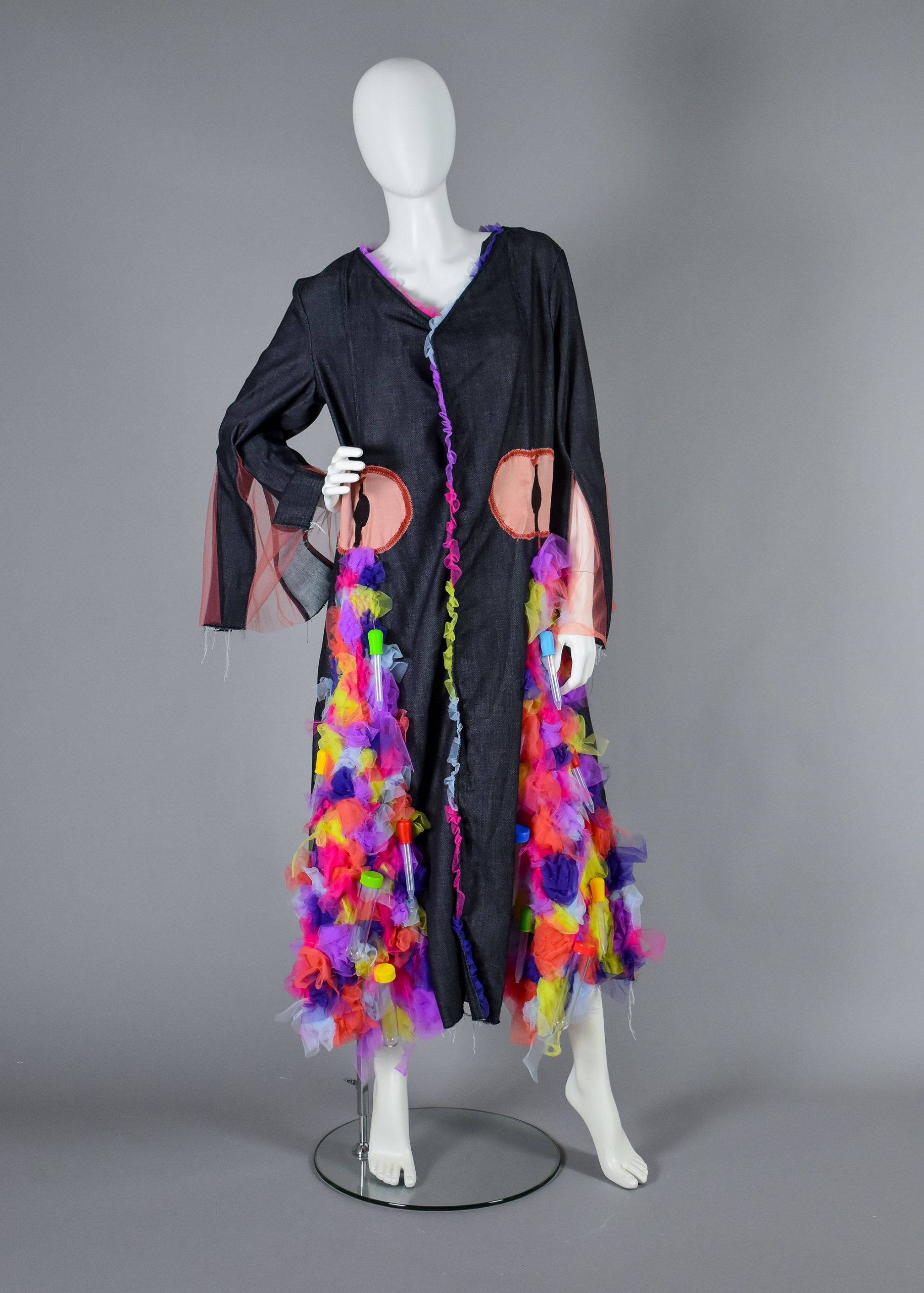
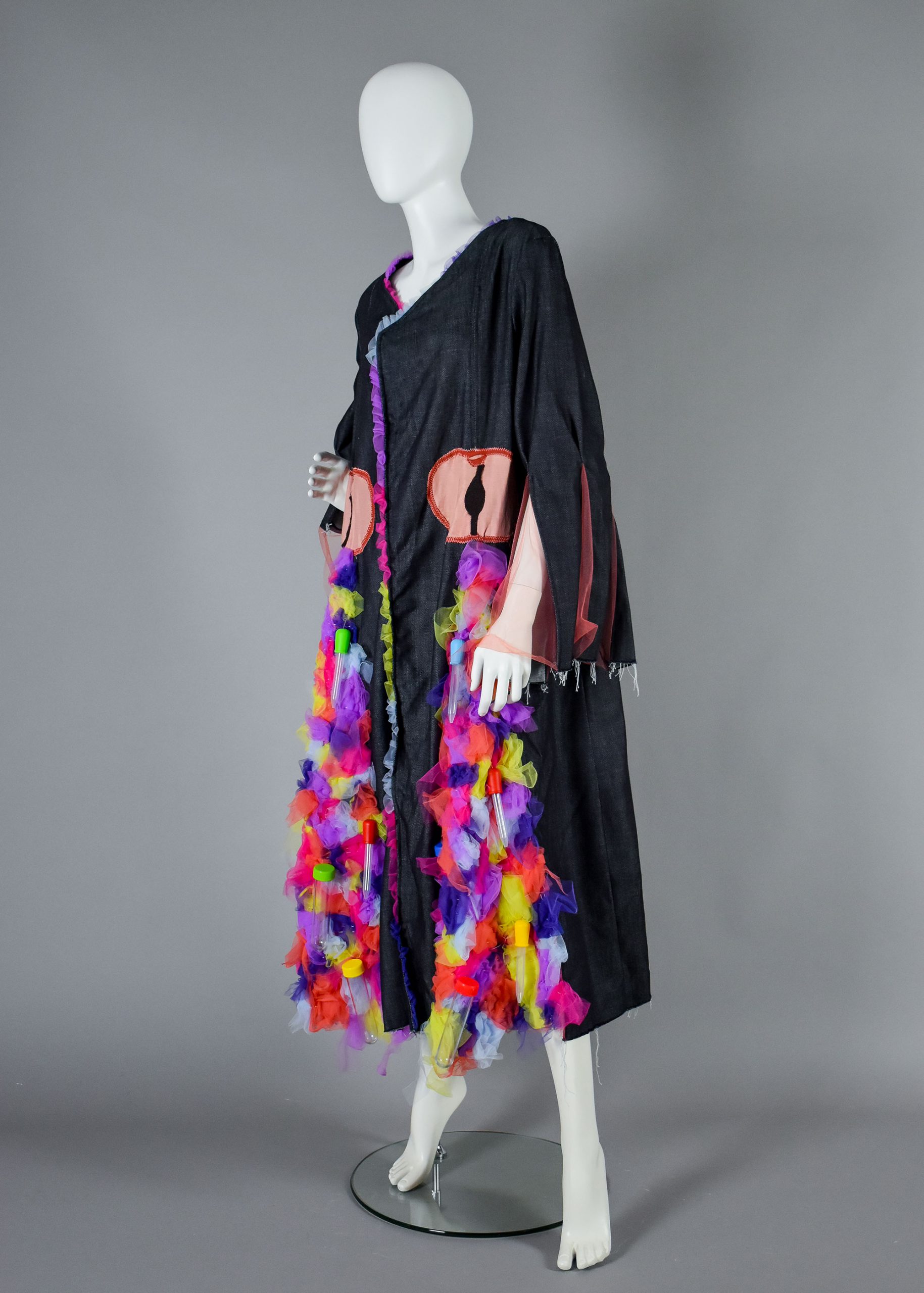
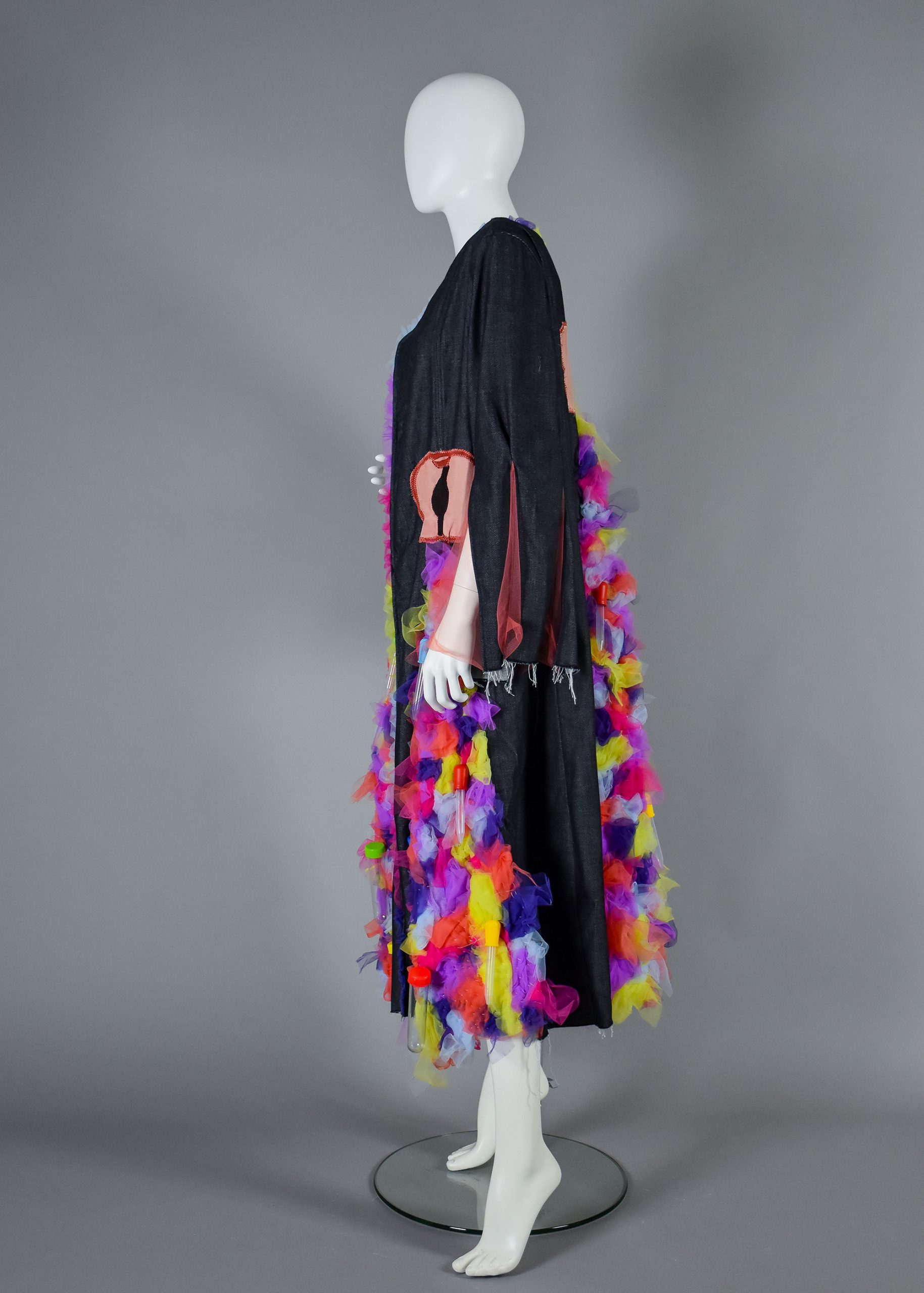
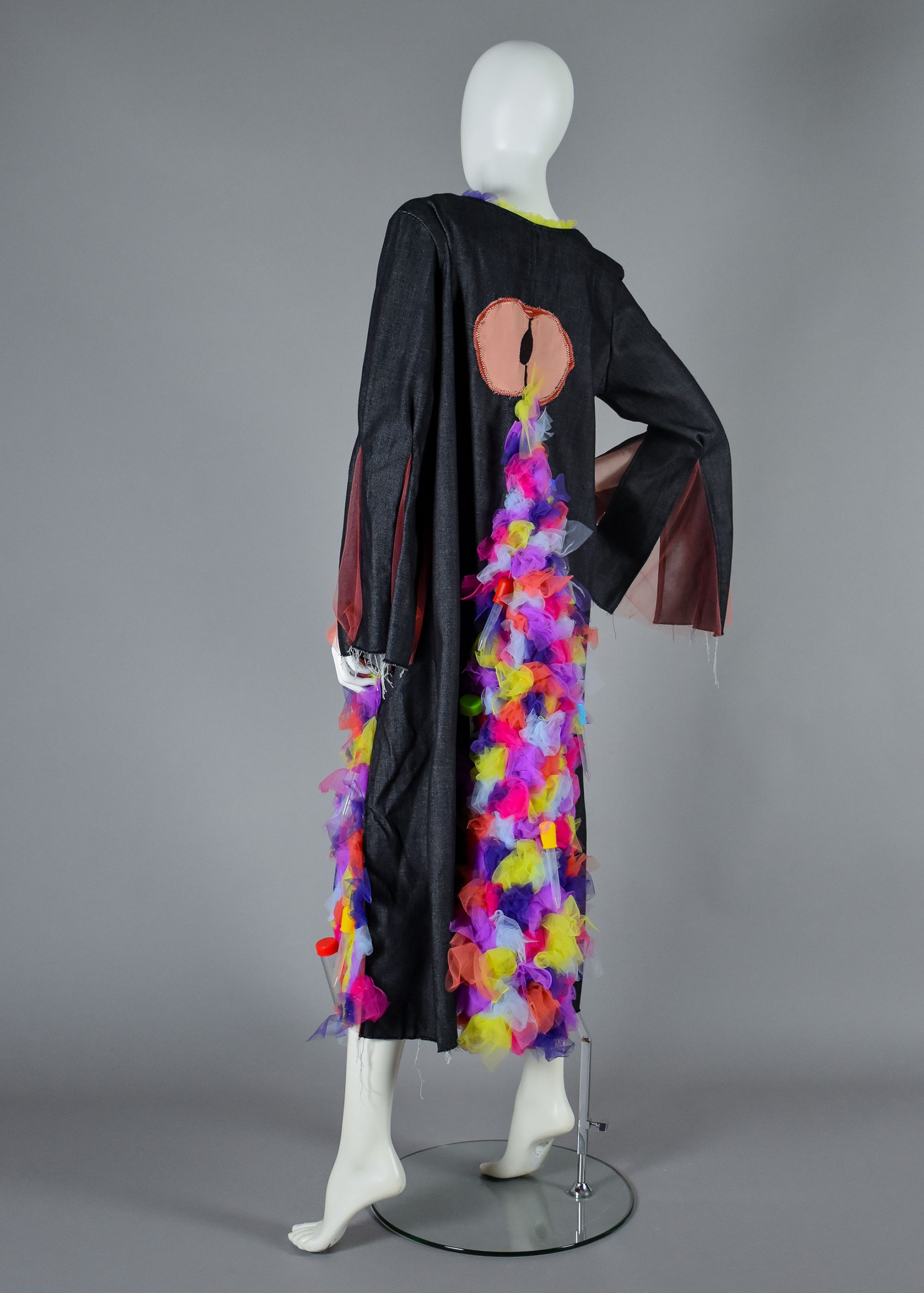
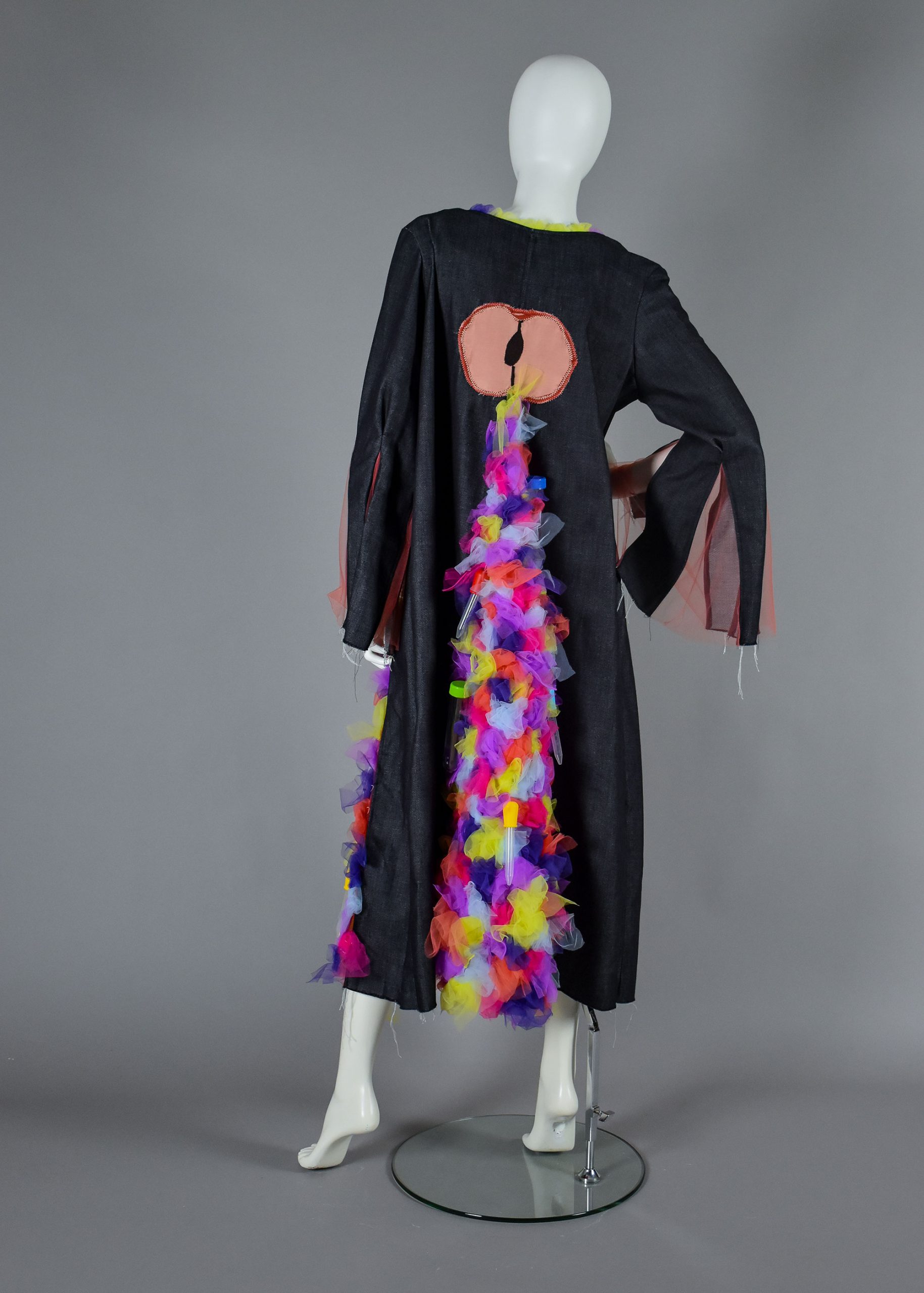
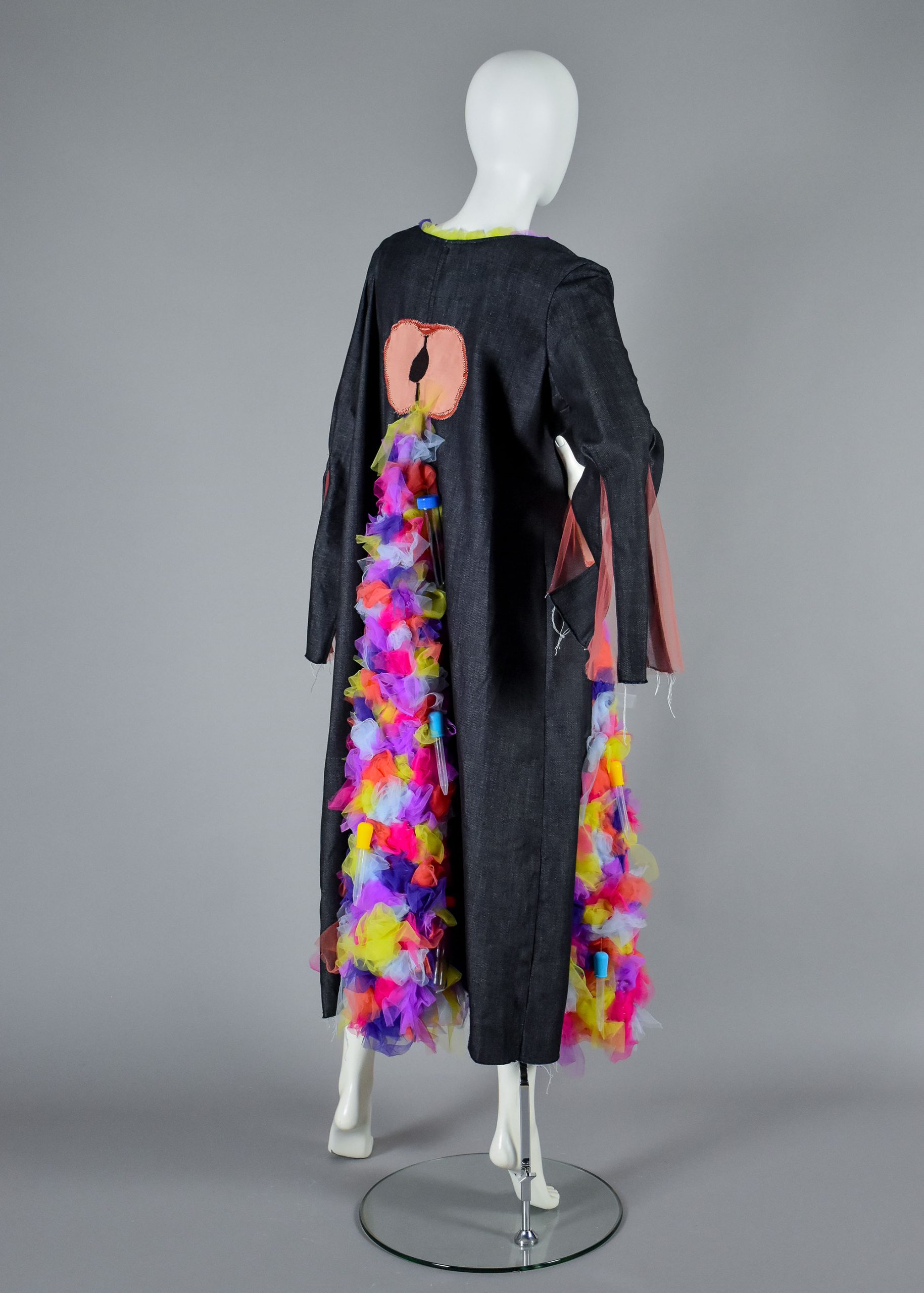
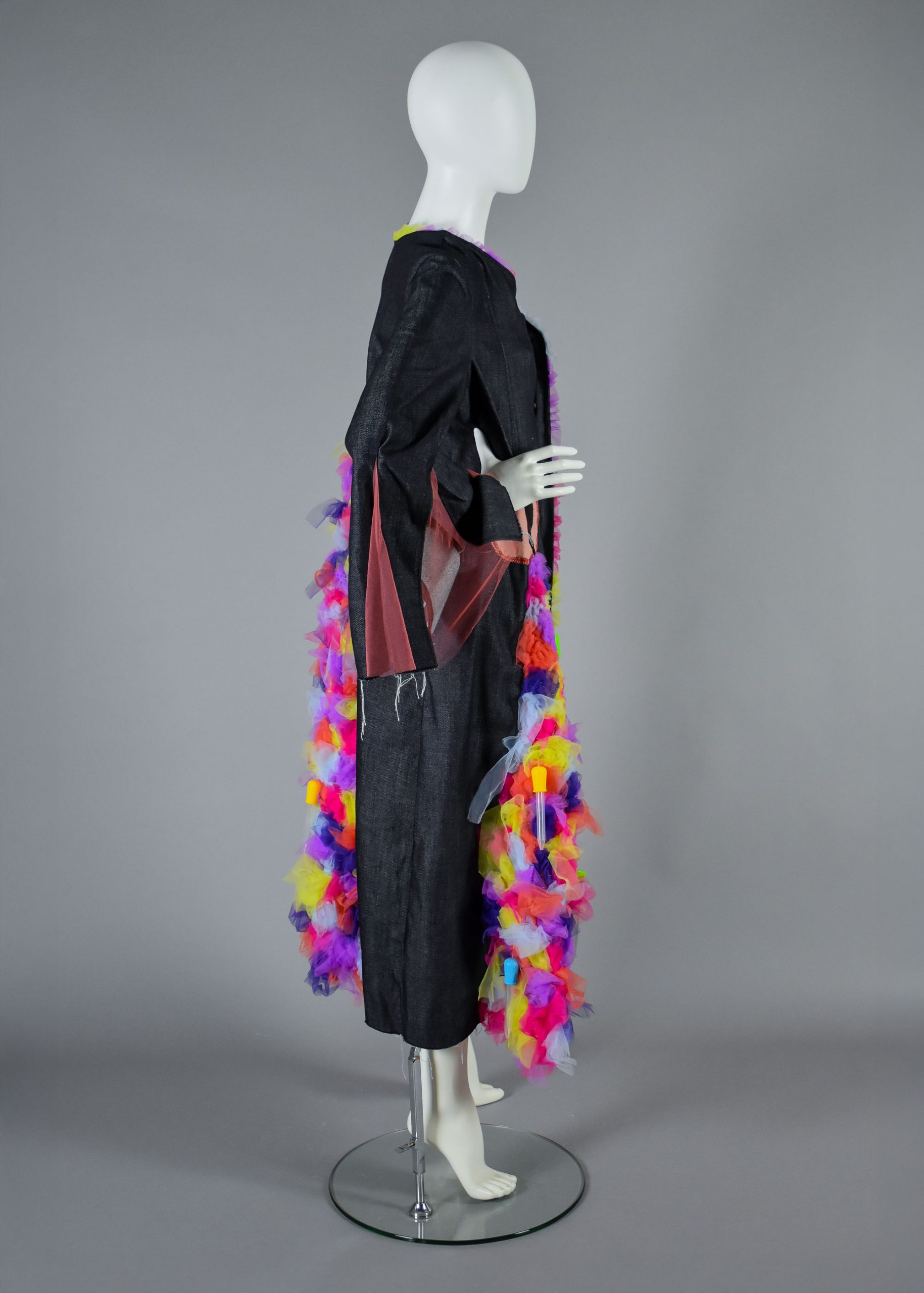
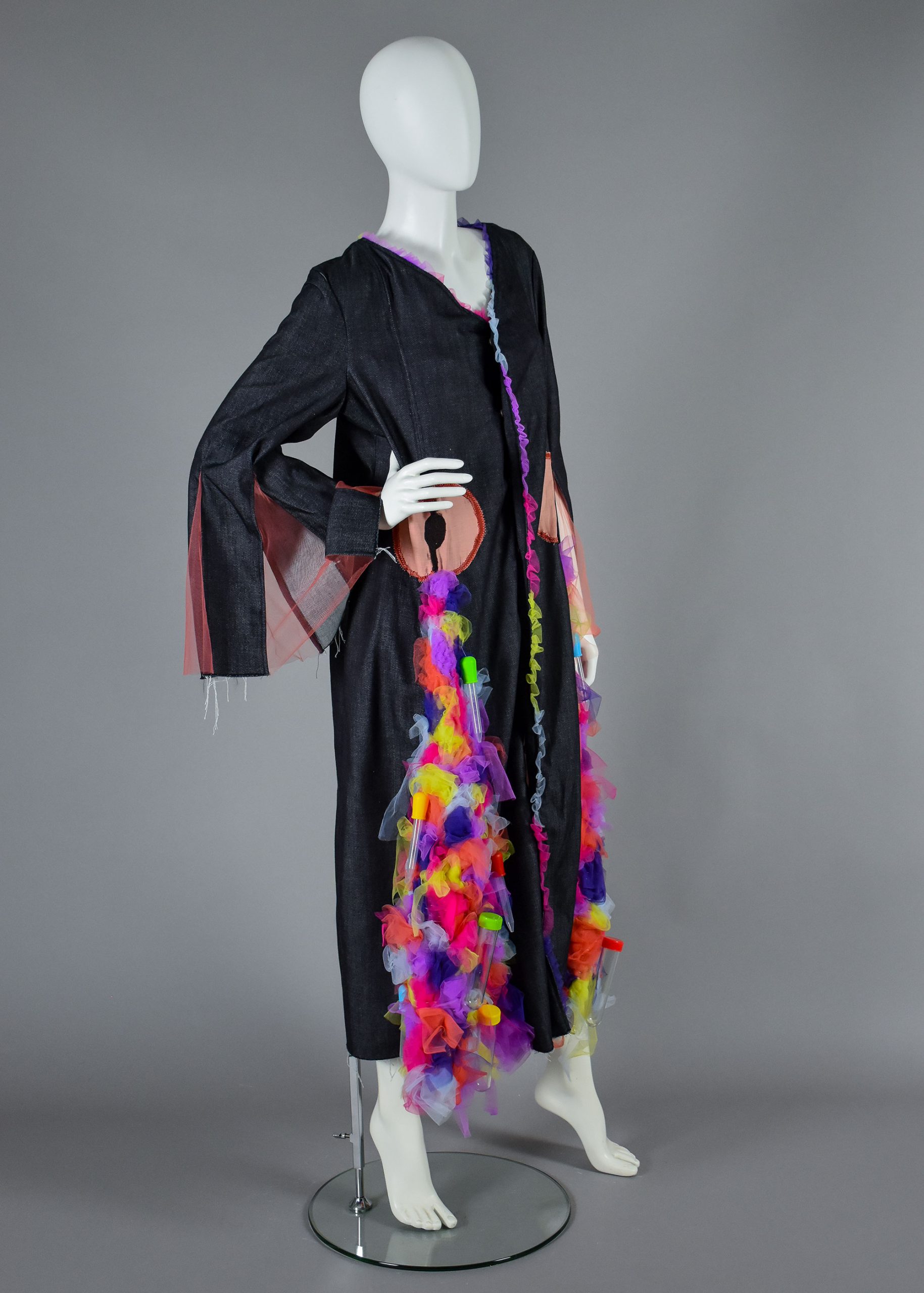
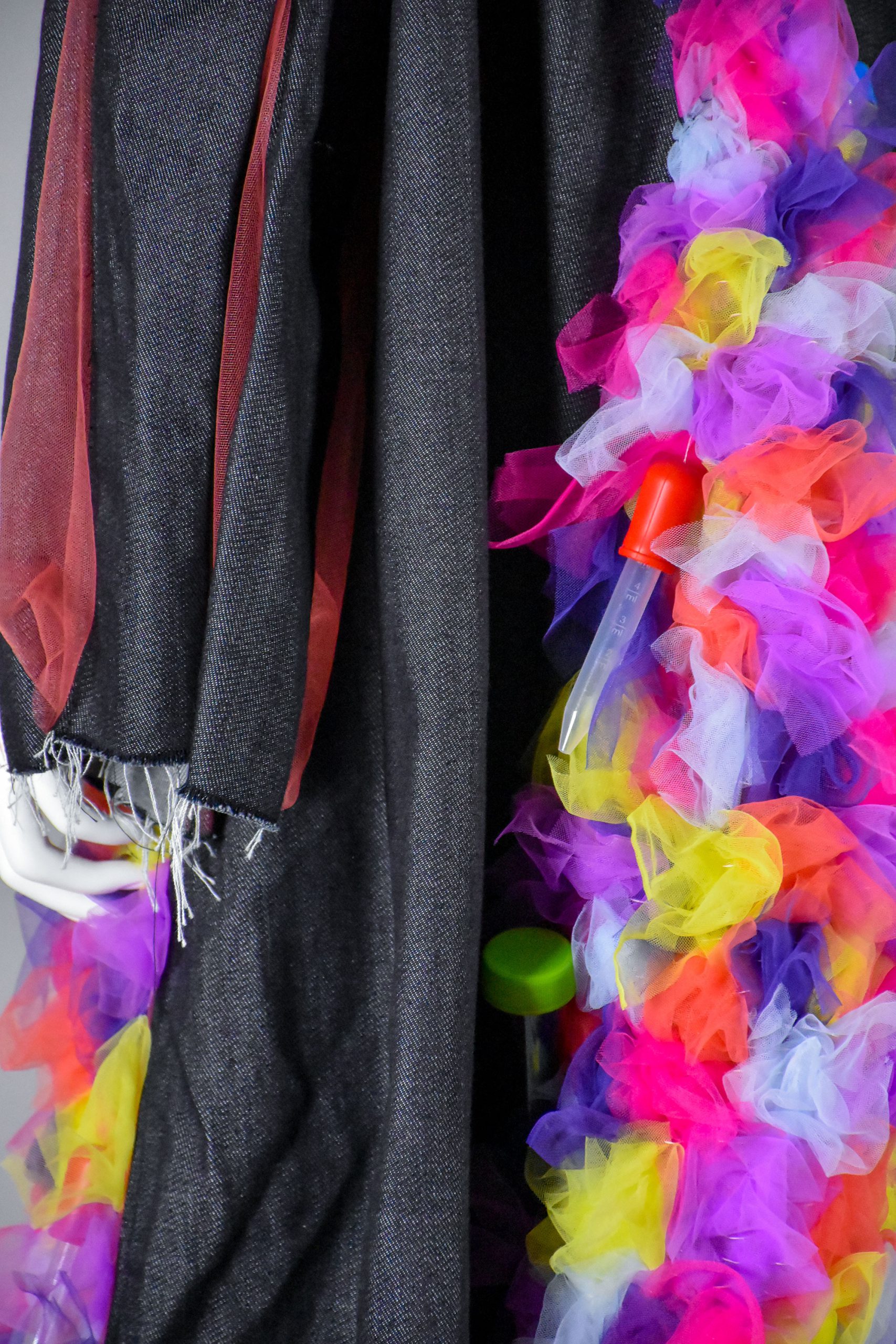
I was partnered up with Jillian Lau to express her clinical trial PEACH (Pomalidomide as an immune – enhancing agent for the control of HIV) for the mHIVEx RMIT project. I was lucky enough to be invited on a tour of the Doherty institute where Jillian works and that is where a lot of the inspiration for the designs came from. I loved the vibrant colours of the lab and how it was used to coordinate containers and research. It was also very inspiring to see Jill engaging with fellow scientists and her bright personality doing what she loves.

PEACH is a very person-oriented trial and I wanted to express the personalities of people living with HIV, creating an inclusive and less intimidating environment for in the trial and convey how they have so much to them than their diagnosis and what meets the surface.

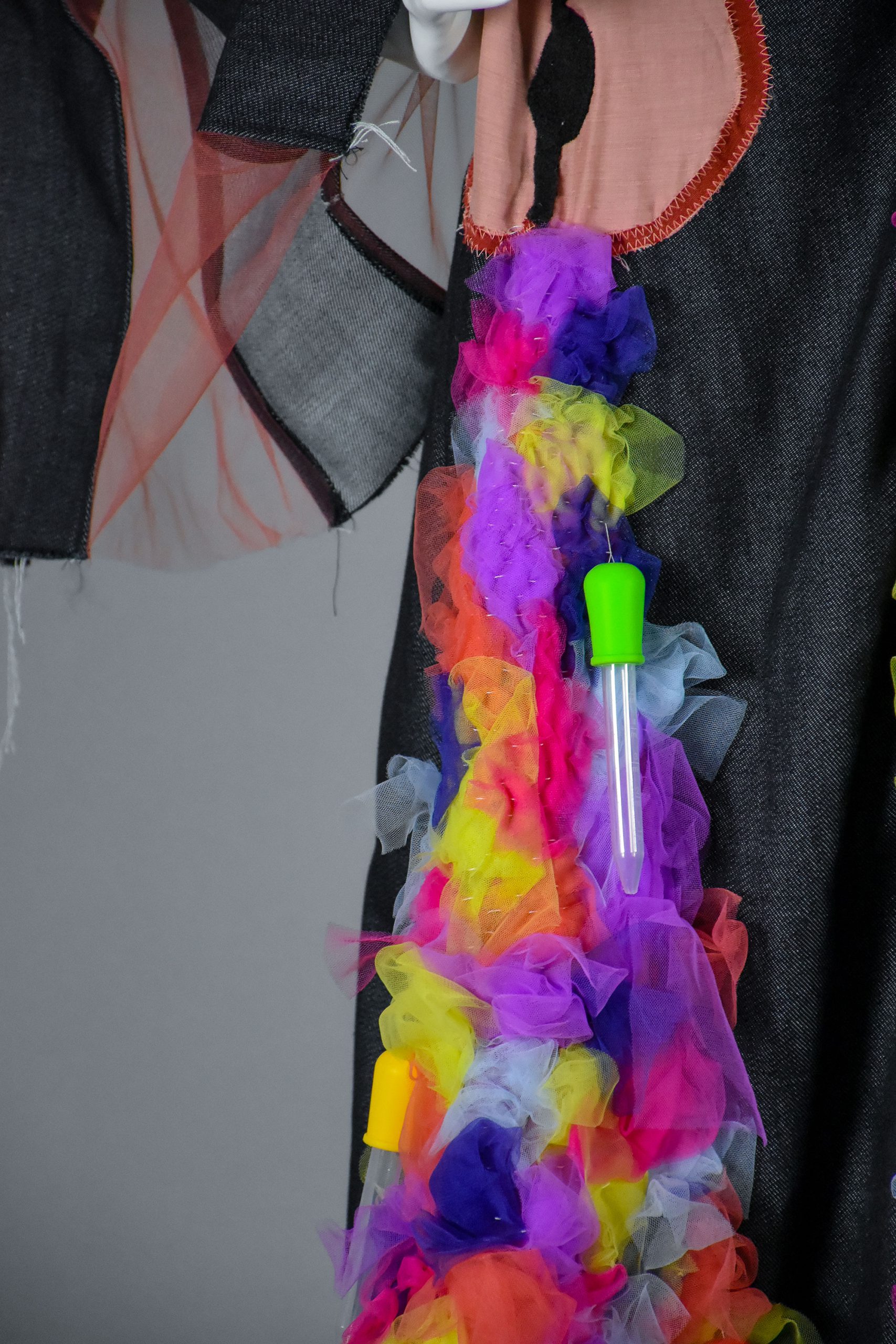
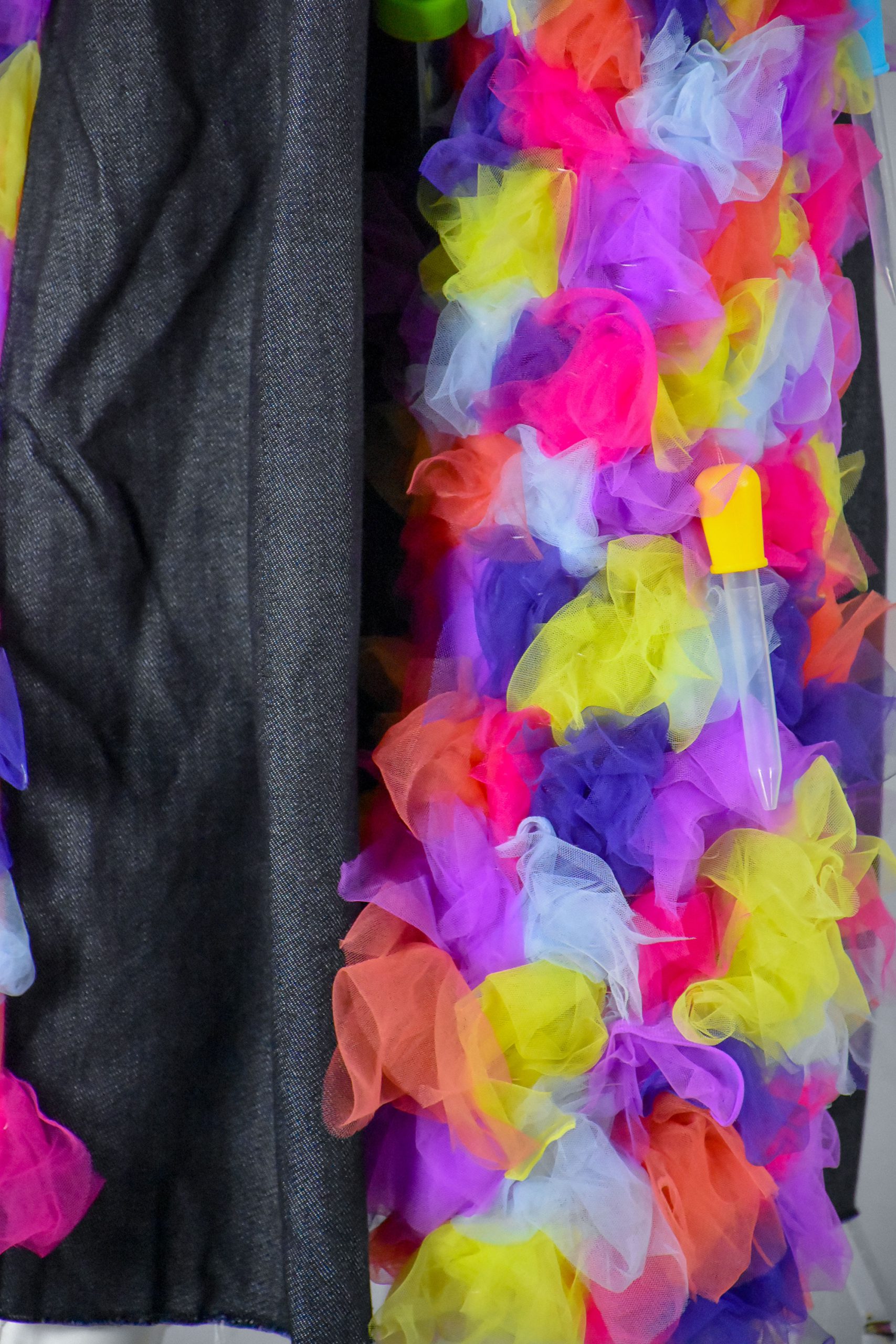
Pulling all the inspiration together, the design is inspired by a traditional lab coat structure with an altered neckline and body. The key features include godets on the sleeves and body of the jacket. On the body, the godets have bright colours of tulle inspired by the colours of the lab representing the vibrant personalities of the people in the trial and how there is much more to a person than what meets the eye.

Clare Morgan + Bridget M Fisher

Clare Morgan

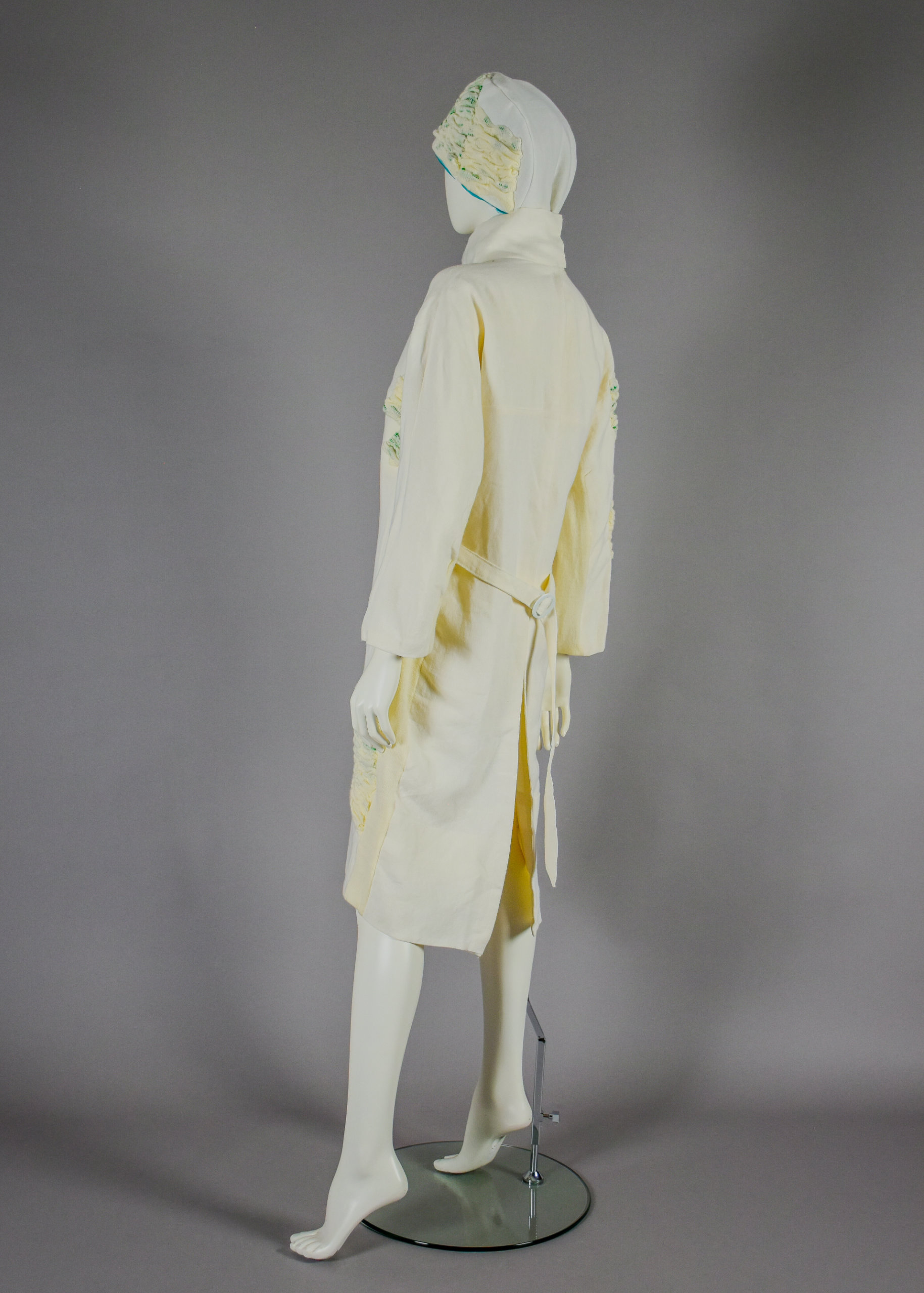
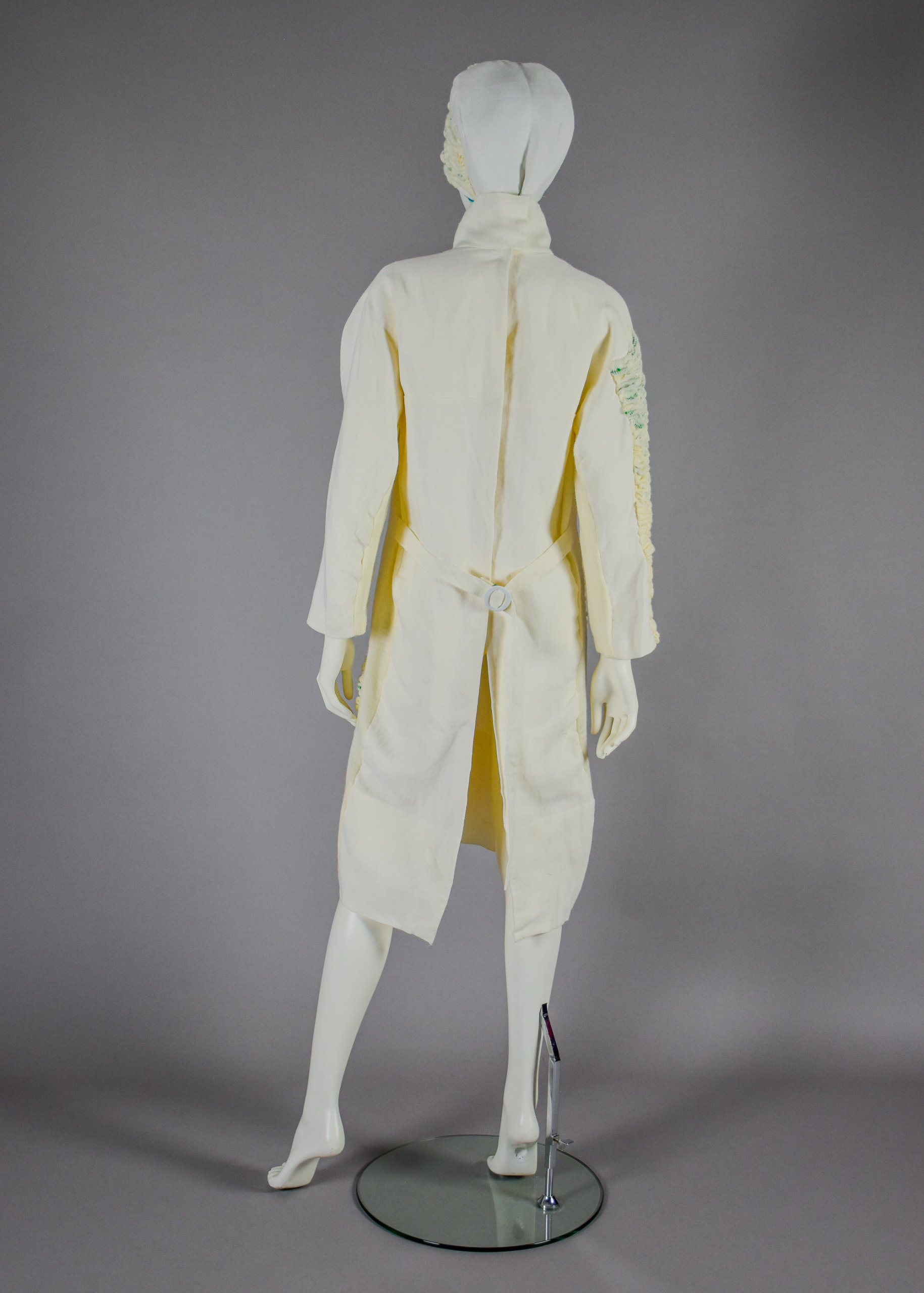
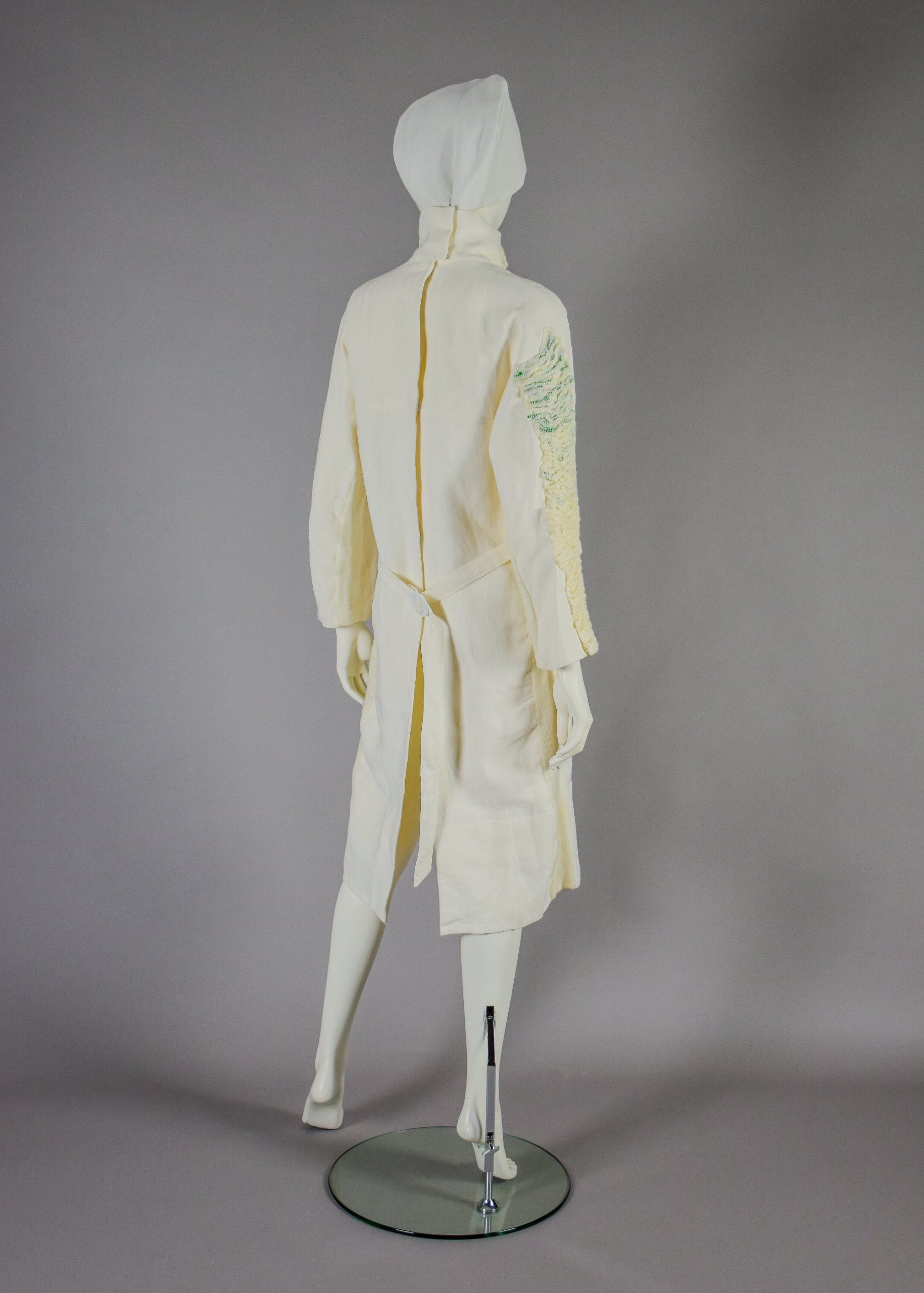
Clare was born and raised in East Gippsland and as a child learnt to sew from her mother. She is currently a year 2 Bachelor of Fashion Design student at RMIT University having previously studied Information Technology. Enjoying the change of degree, she continues to sew in her free time and occasionally fish in the high country.

Bridget M Fisher

Towards an HIV cure: using COVID-19 technologies to reveal the virus’ hidden ‘seeds.’ Bridget’s PhD research project investigates HIV cure approaches utilising drug delivery technologies which advanced amidst the COVID-19 pandemic. She also works as a science teacher at both the Gene Technology Access Centre and The University of Melbourne. Bridget loves to play piano, paint and spend time with her Cavoodle, Ollie.

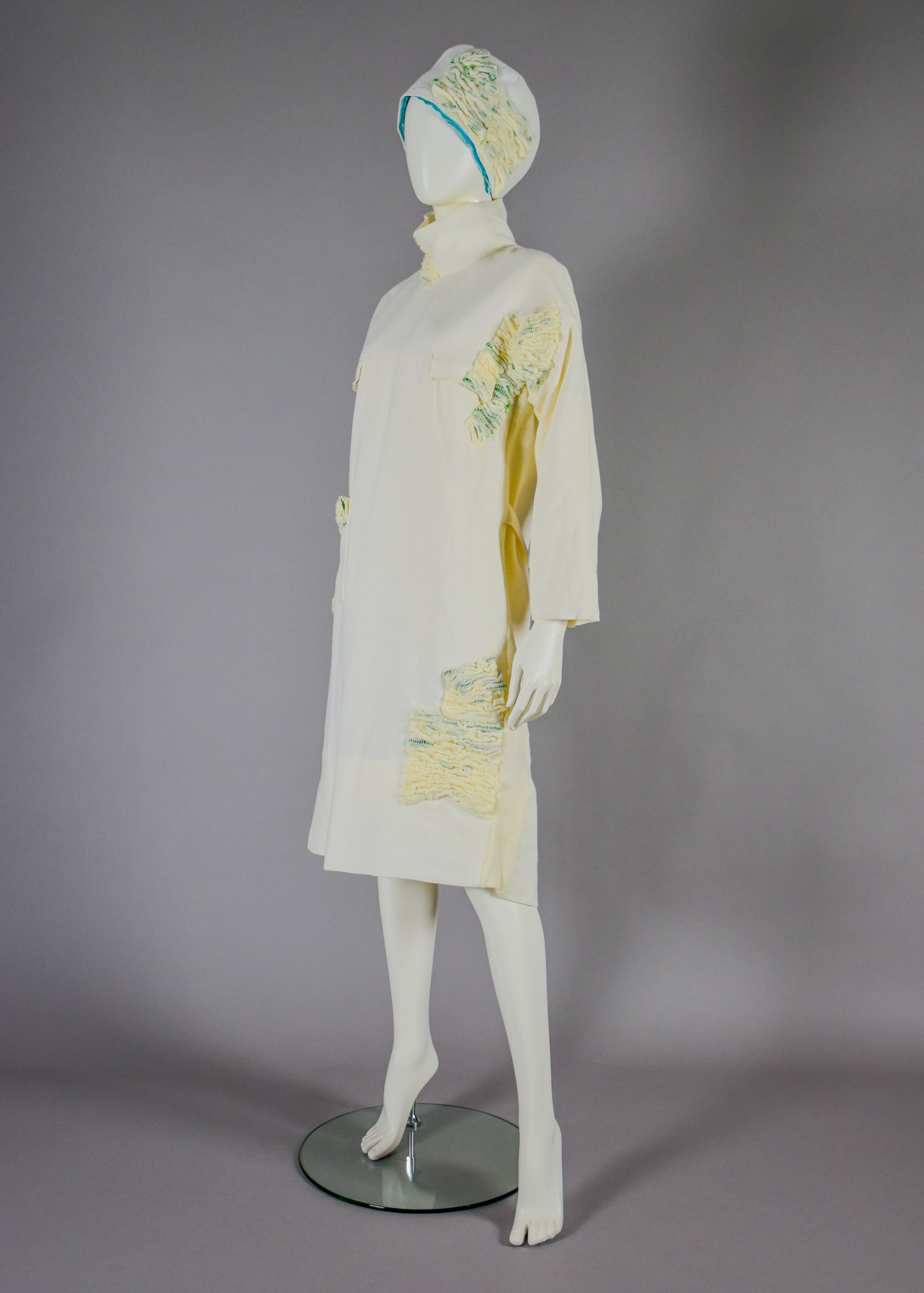
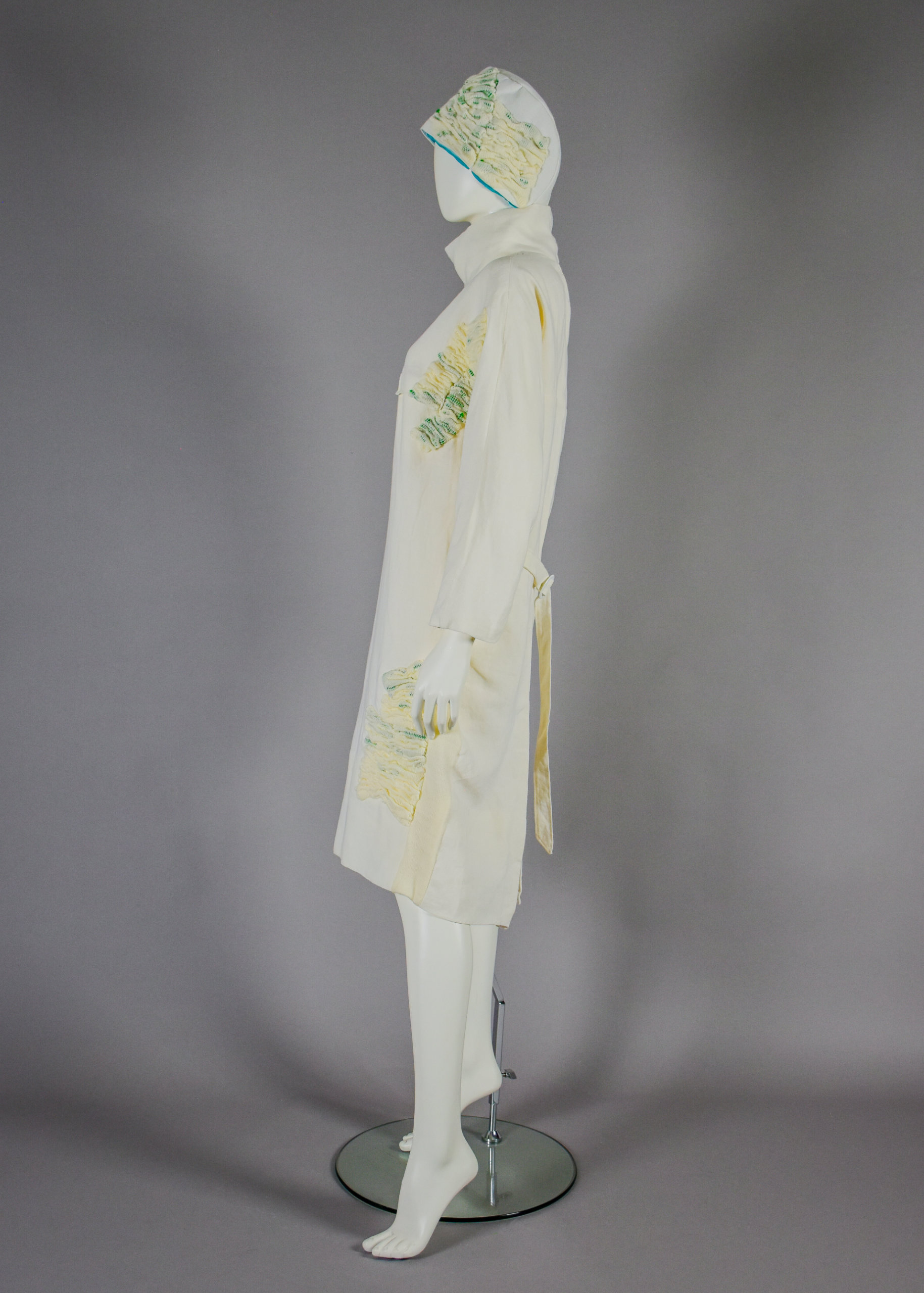
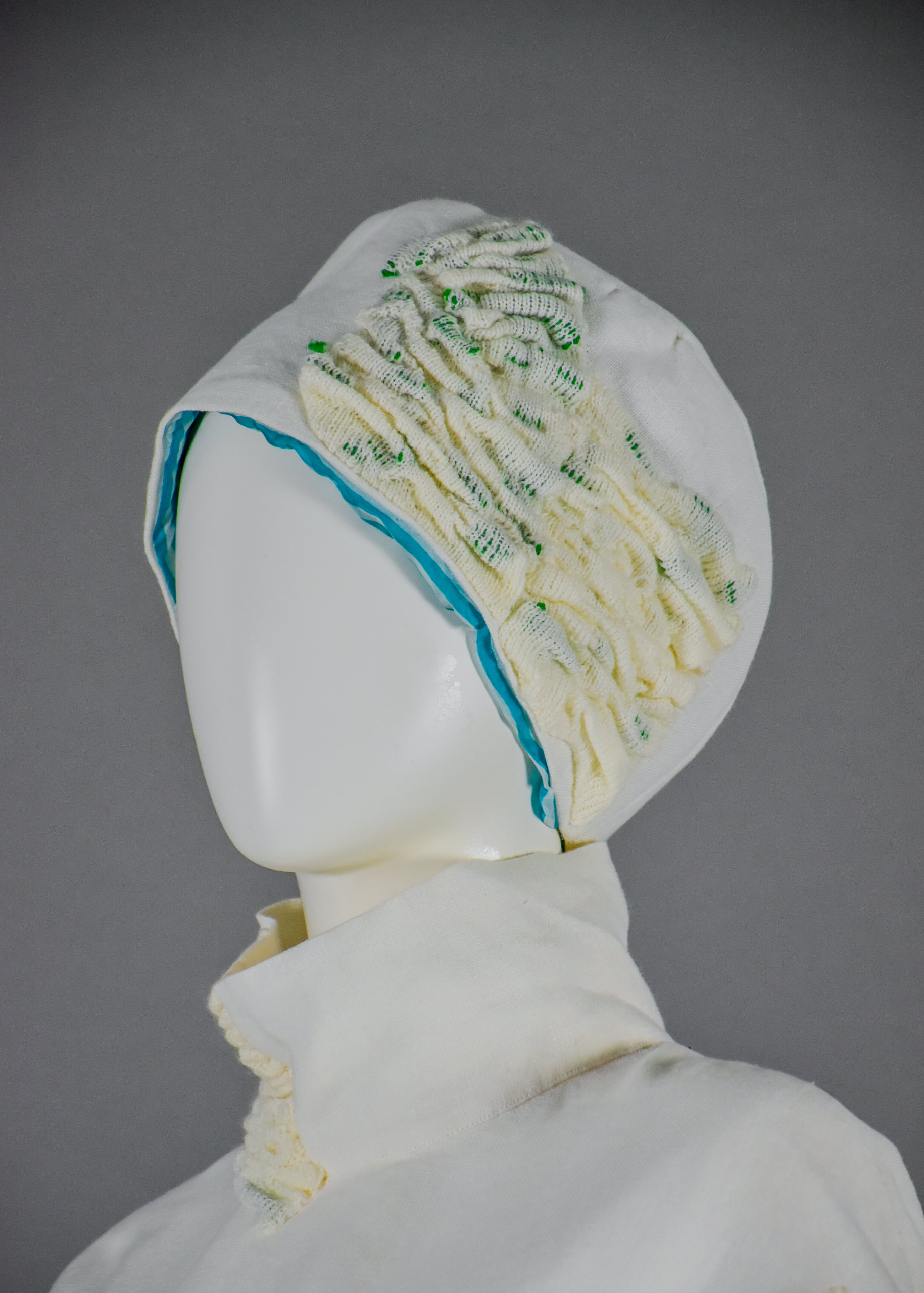
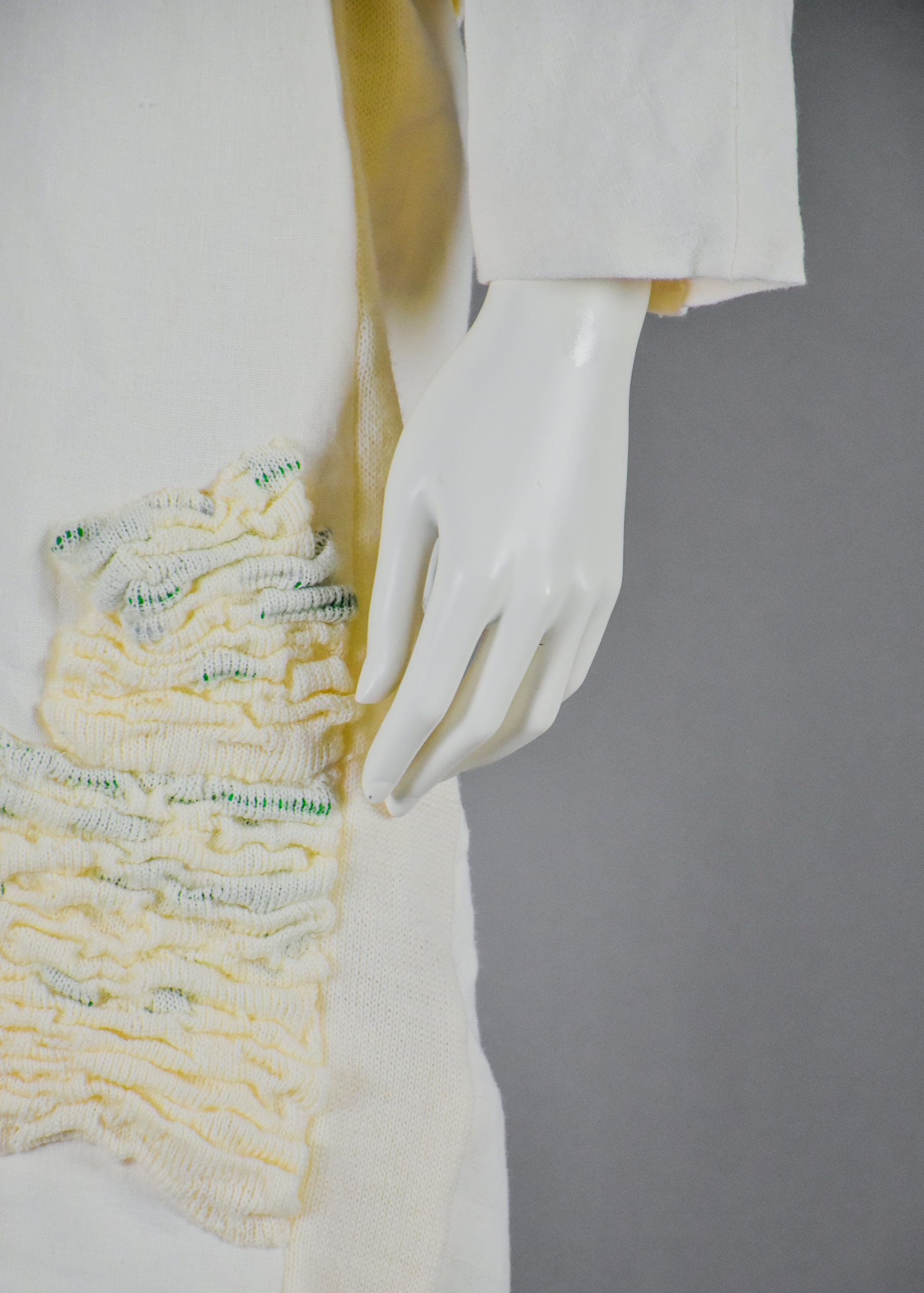
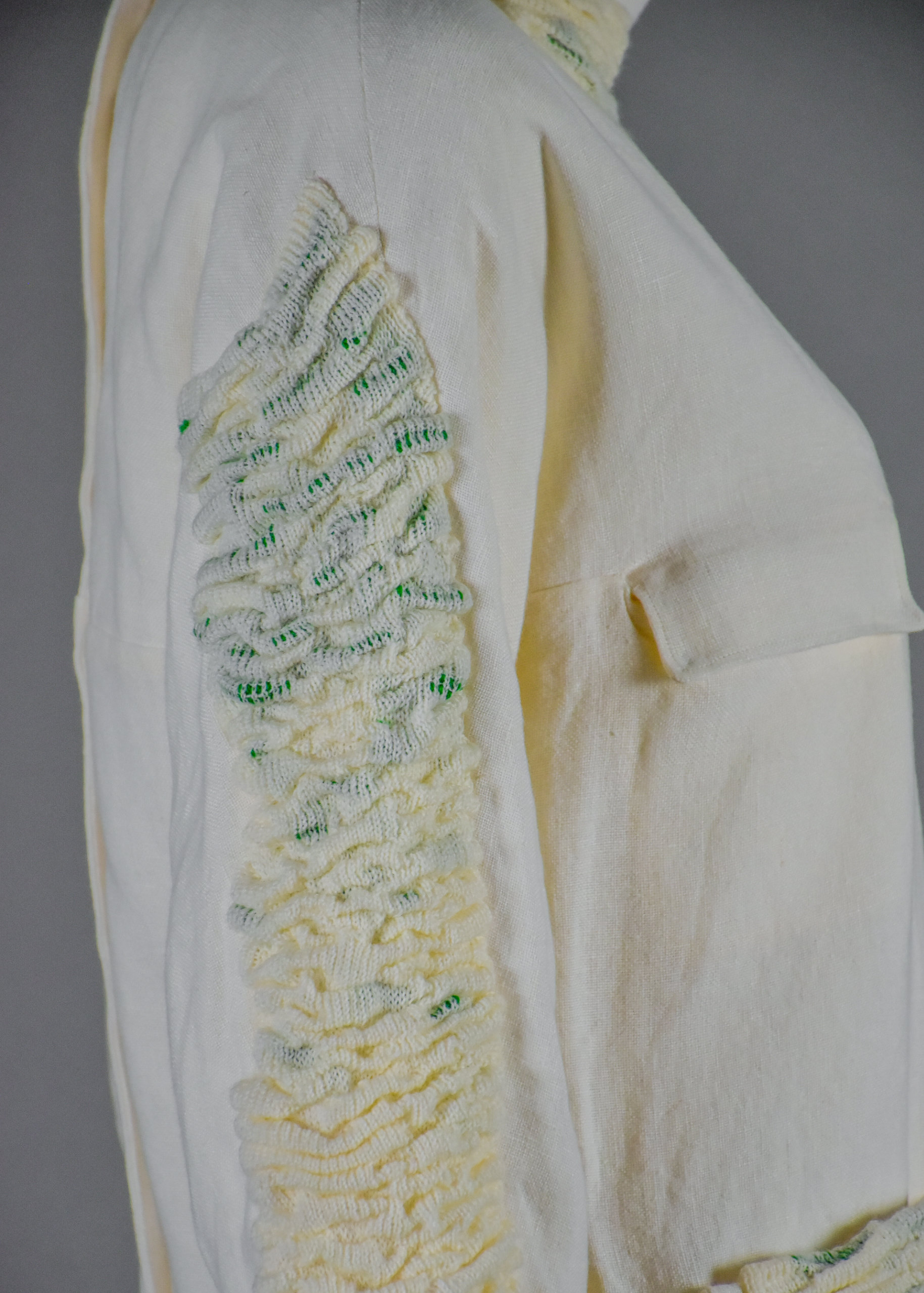
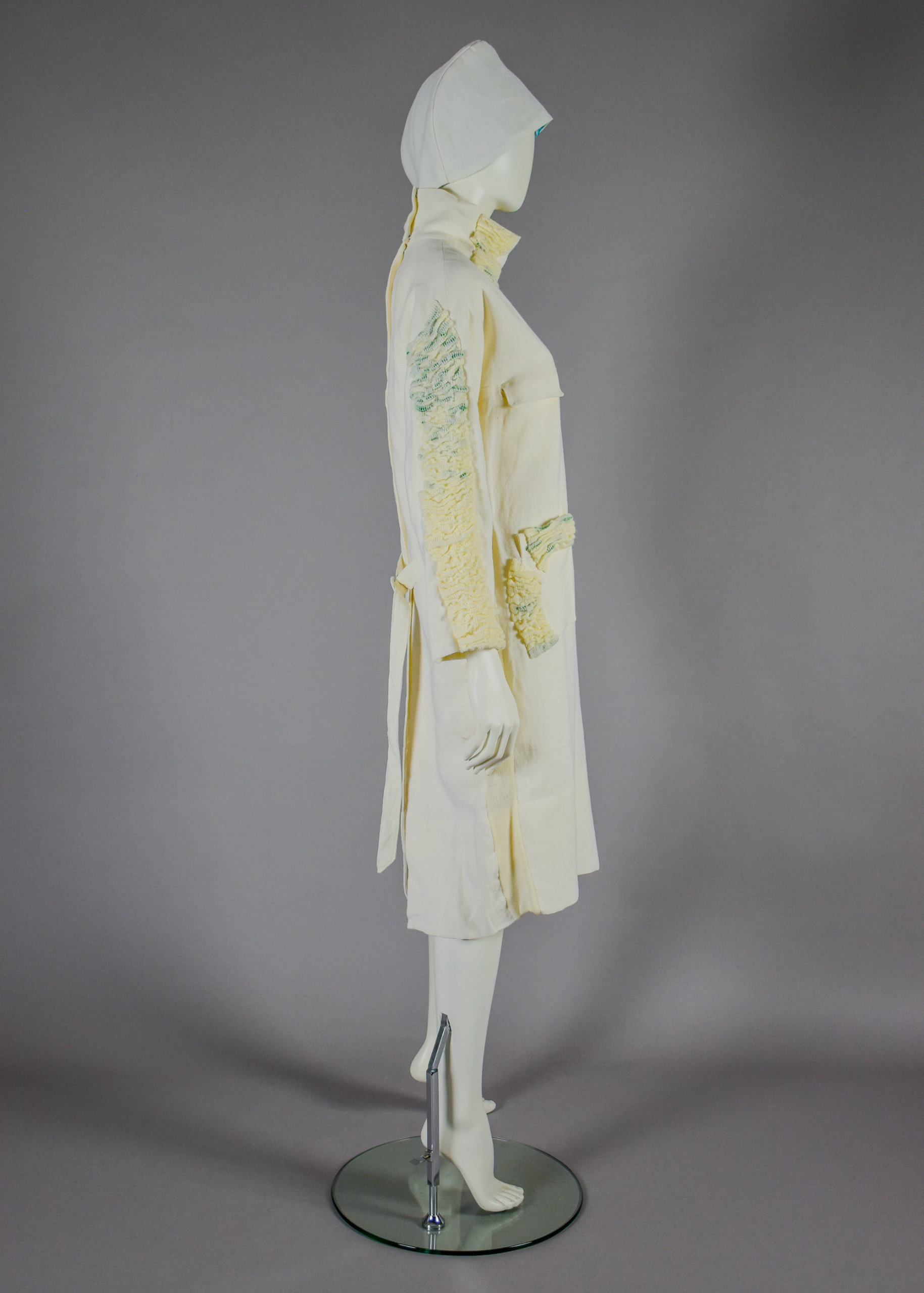
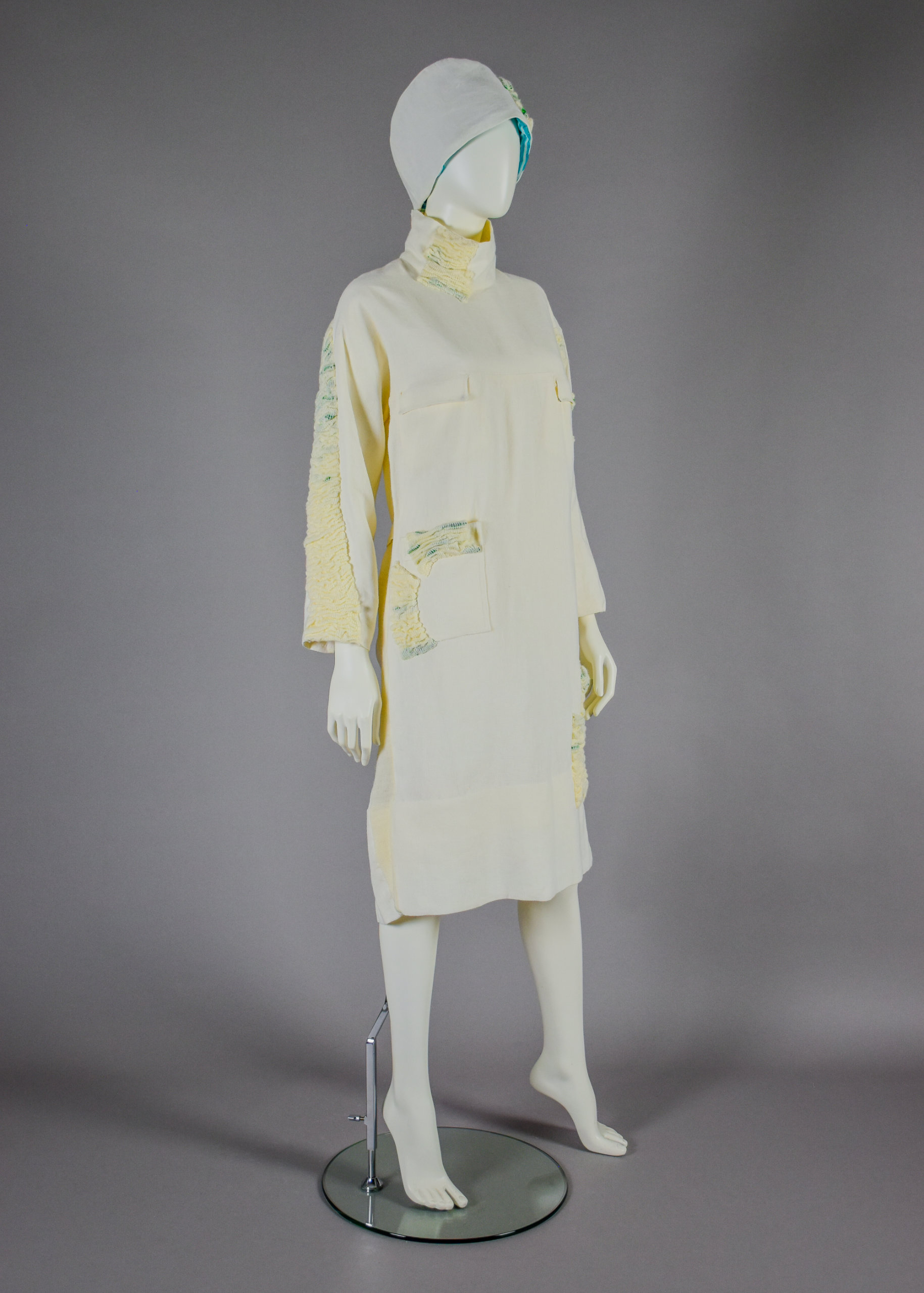
In my design I wanted to take the metaphor of a garden used in Bridget’s abstract and visualise it on the coat as if it was moss growing on a tree or rock. I added a bright green yarn into an array of different sized knitted pieces to show the latent HIV cells that the research was targeting and trying to grow further, there are other colours mixed in if you look closely, these show cells that are unaffected.

I did want to work with some historical aspects of medical uniforms, so I have a high collar from an Edwardian uniform and a hat that I based off the Nurse’s veil or habit from the mid-century. I covered the hat in the knitted pieces to symbolise HIV cells located in the brain, the body was much more sporadic in placement and design of these knitted pieces as it (the virus) can be found in many places, with some pieces they have more or less of these cells. I kept the colours simple and used high contrast to draw in the viewer’s attention to what is being researched.

Finn Smith + Dean Murphy

Finn Smith

Finn Smith (he/him) is a Fashion design student in his second year at RMIT University School of Fashion and Textiles.

Dean Murphy

Rethinking ‘overseas-born’ men as queer migrants.
Dean is a Senior Research Fellow at the Australian Research Centre in Sex, Health and Society (ARCSHS), La Trobe University. Inspired by social geography and recent theoretical work on the concept of ‘queer migration’, Dean is investigating how ‘place’, mobility, and sexual identity feature in accounts of HIV acquisition and diagnosis.

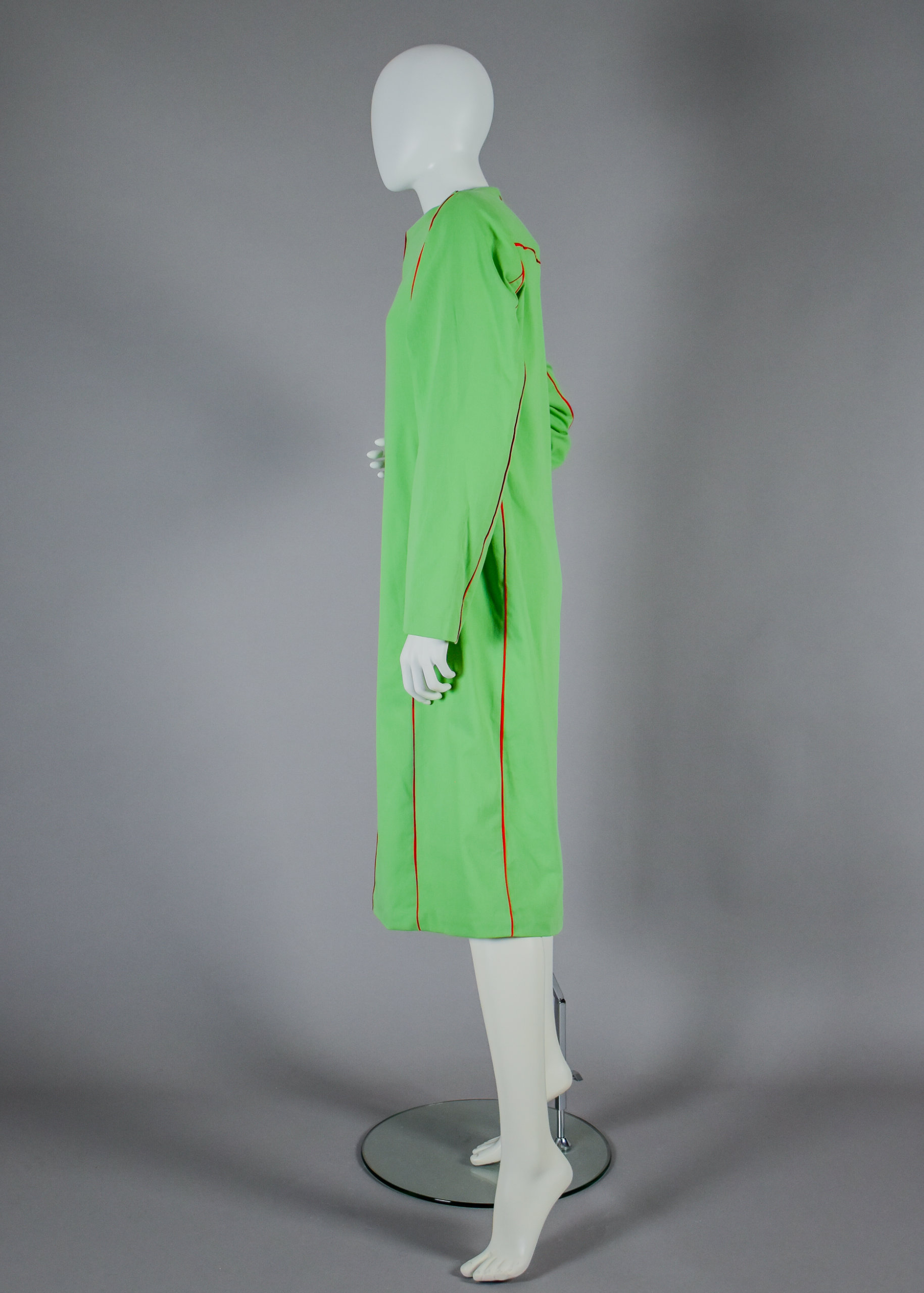
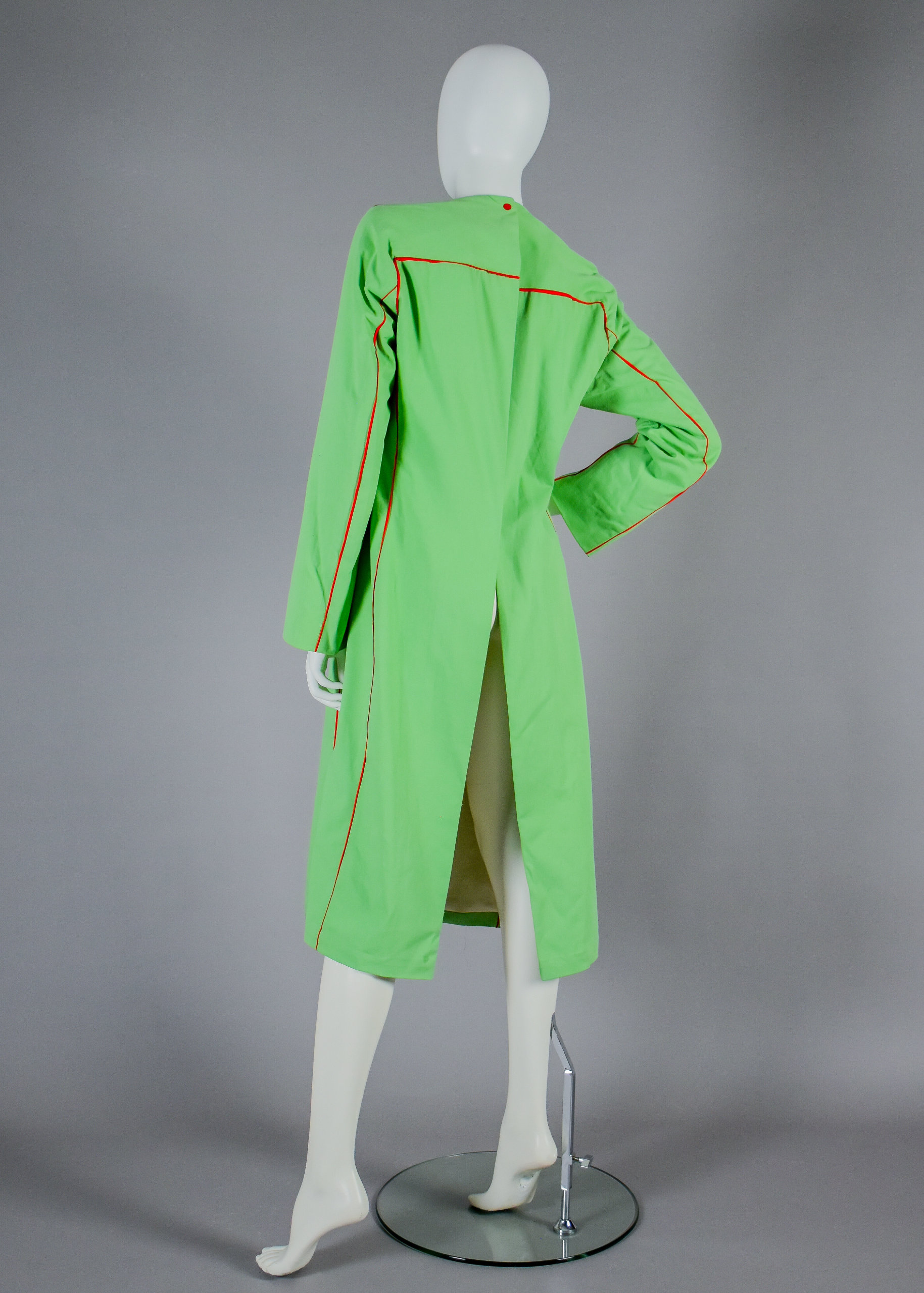
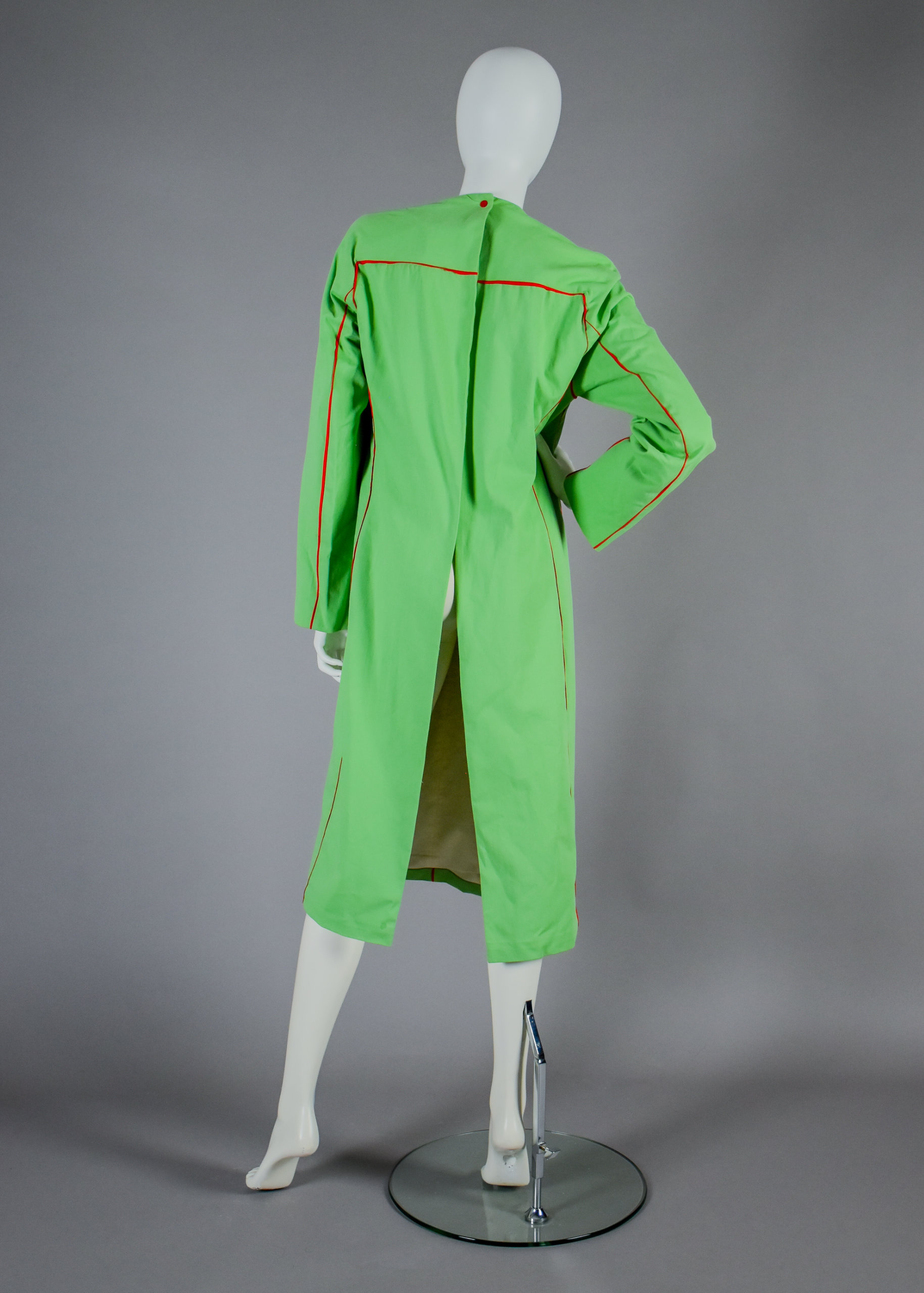
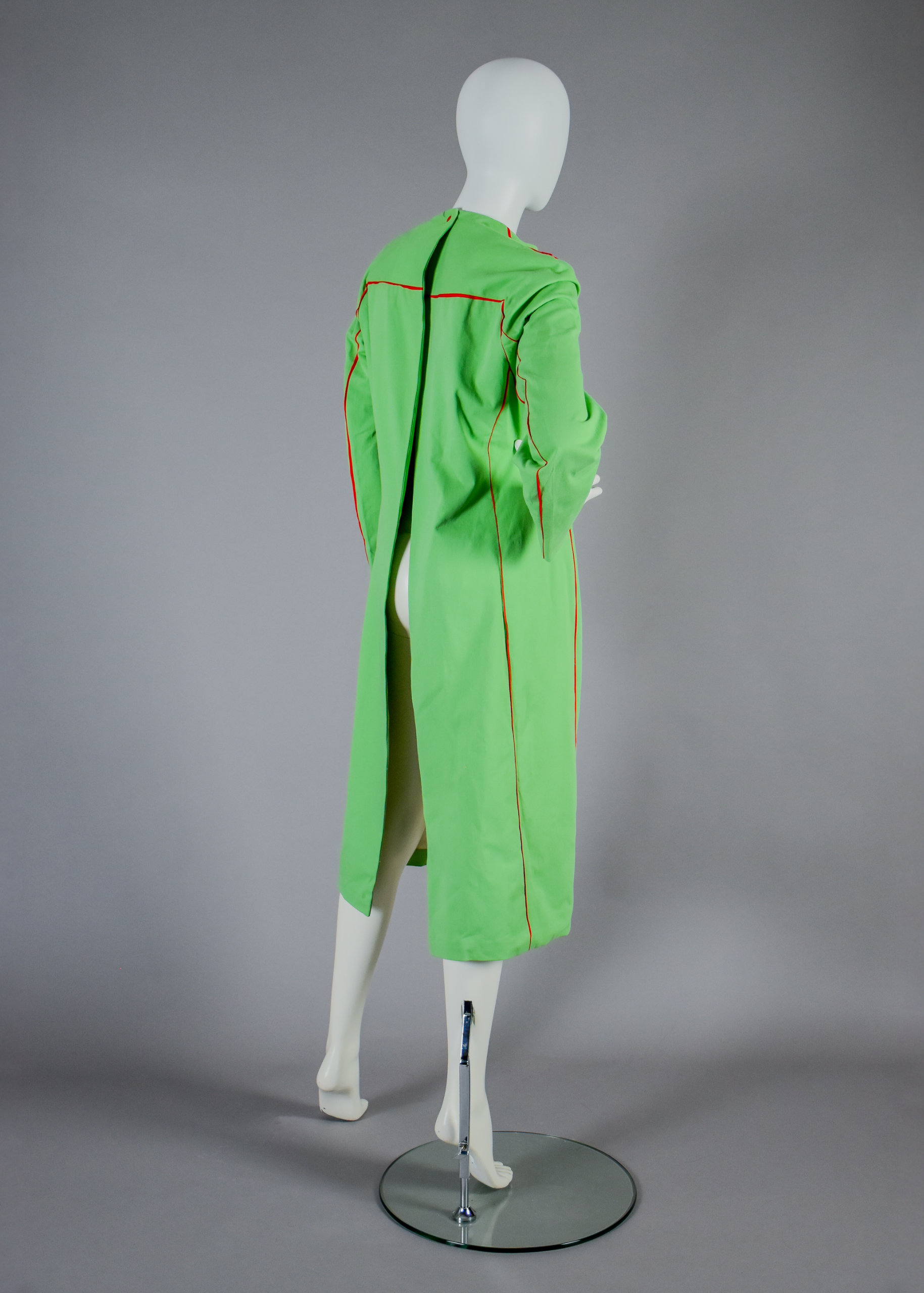
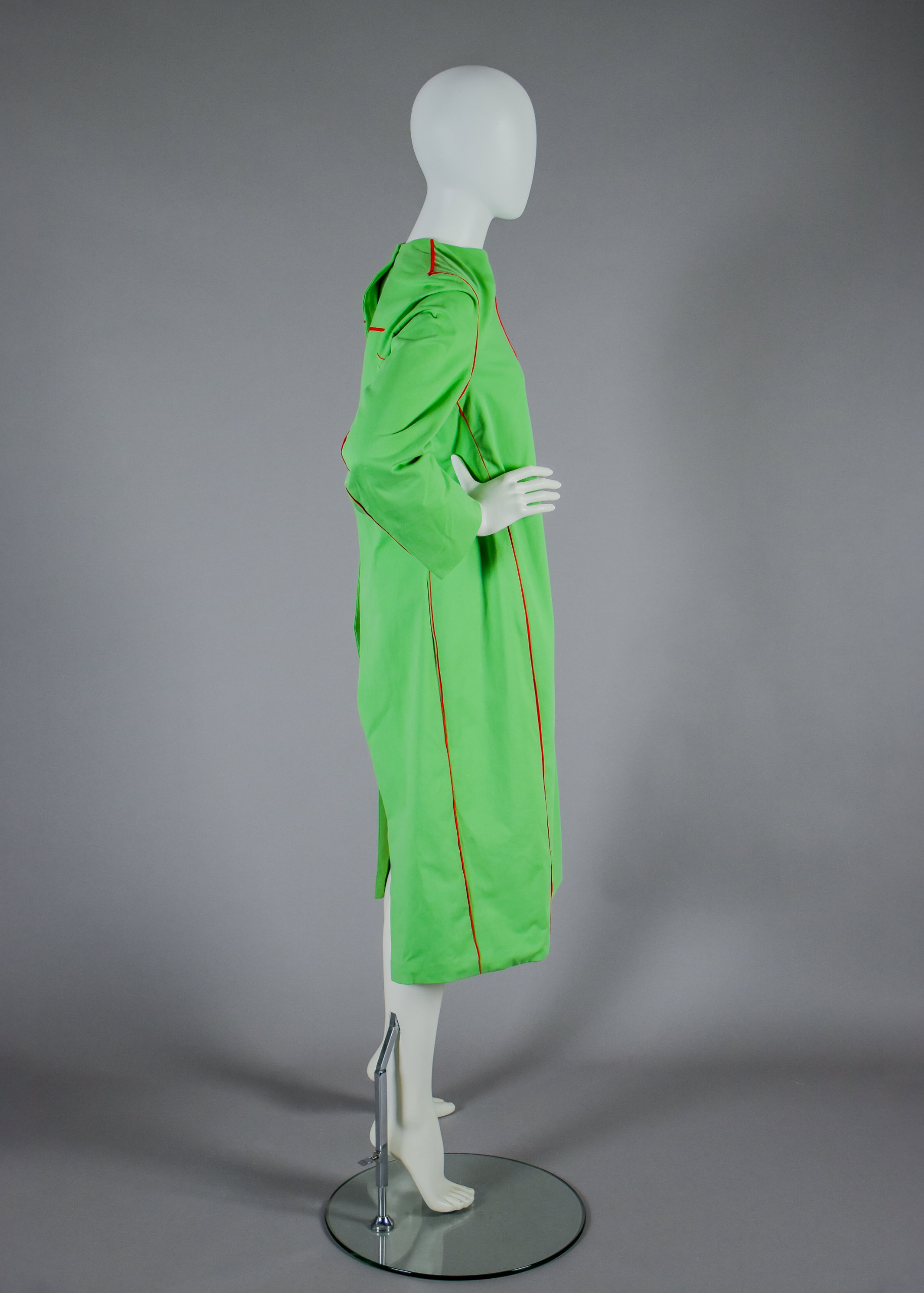
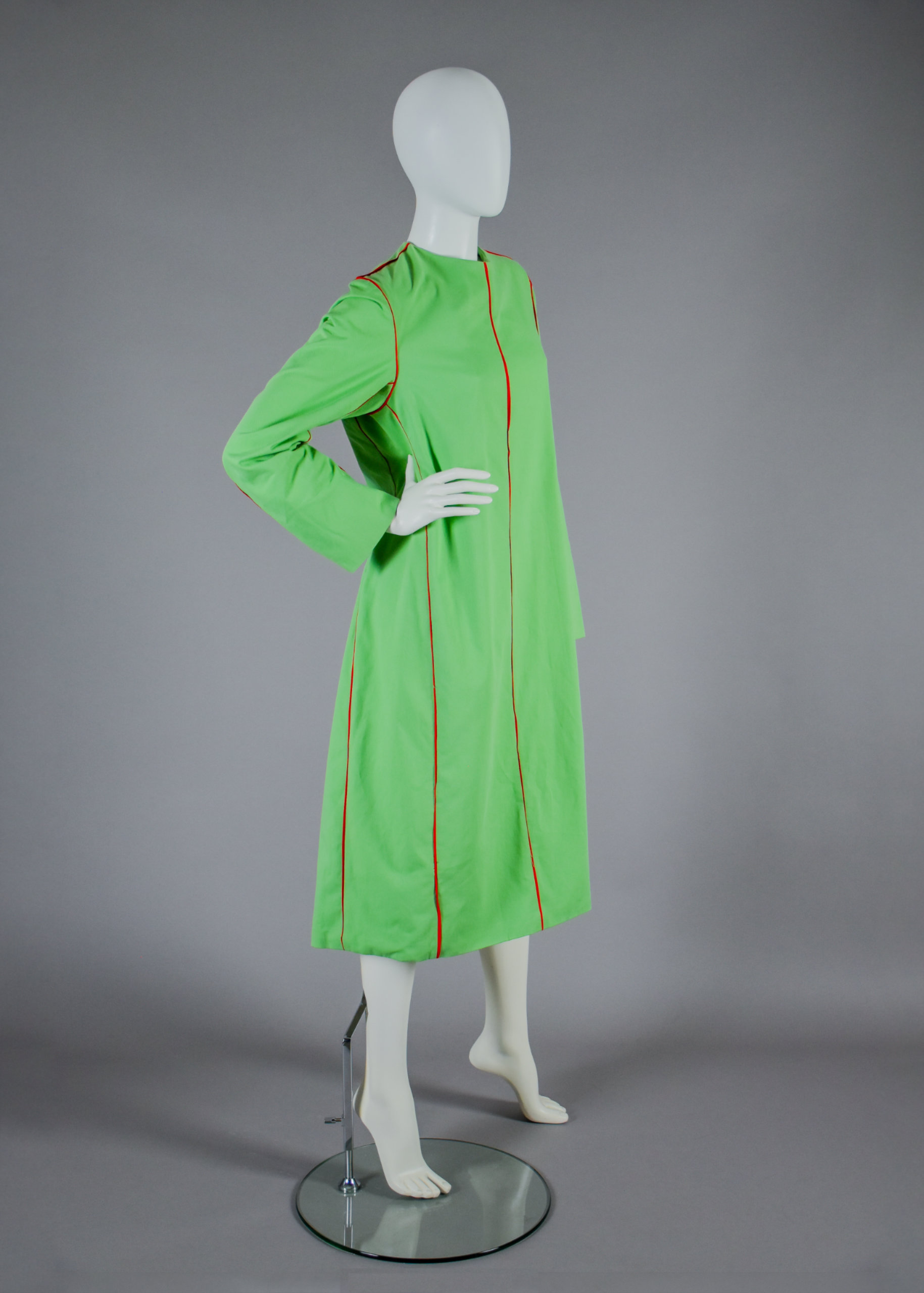
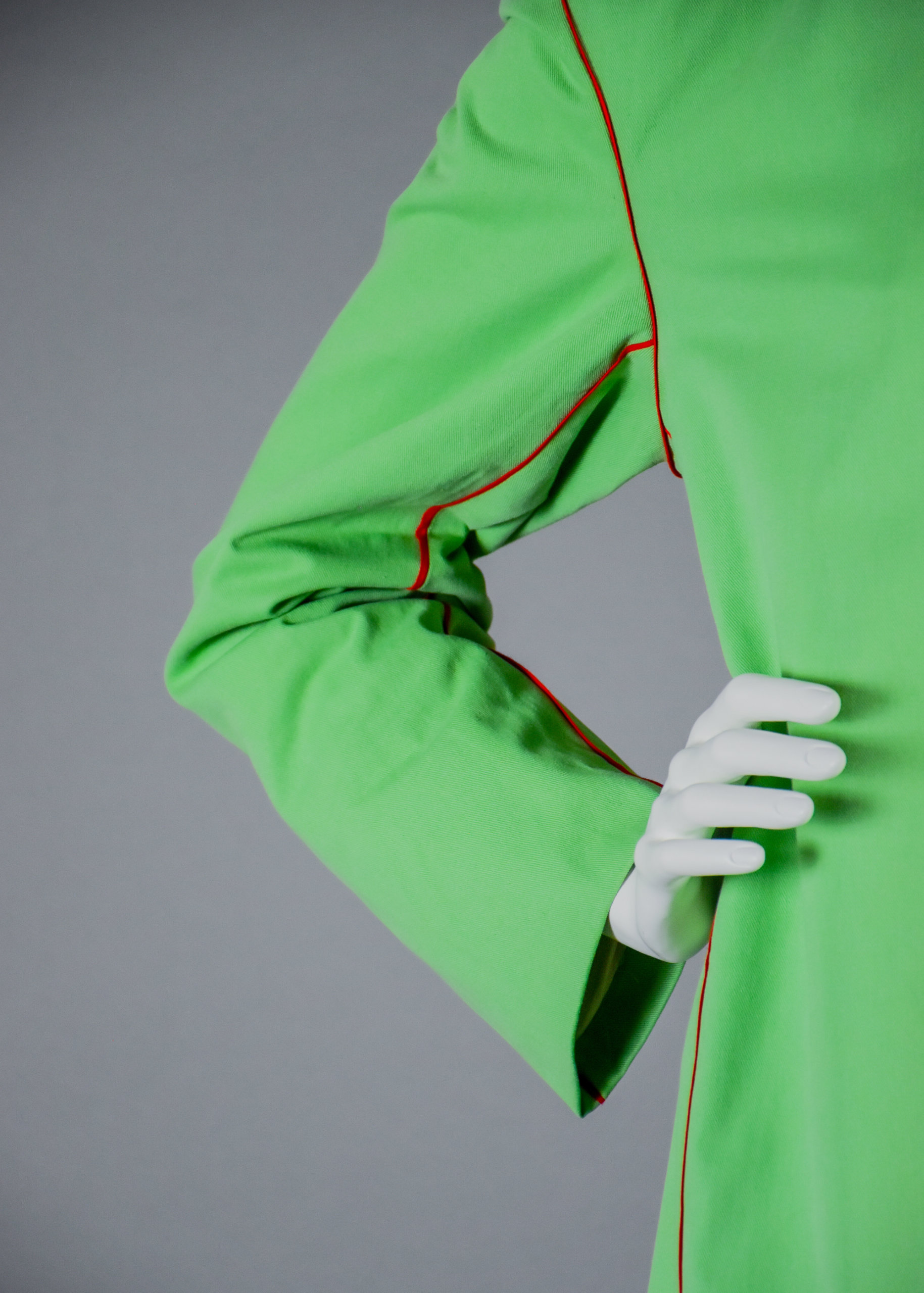
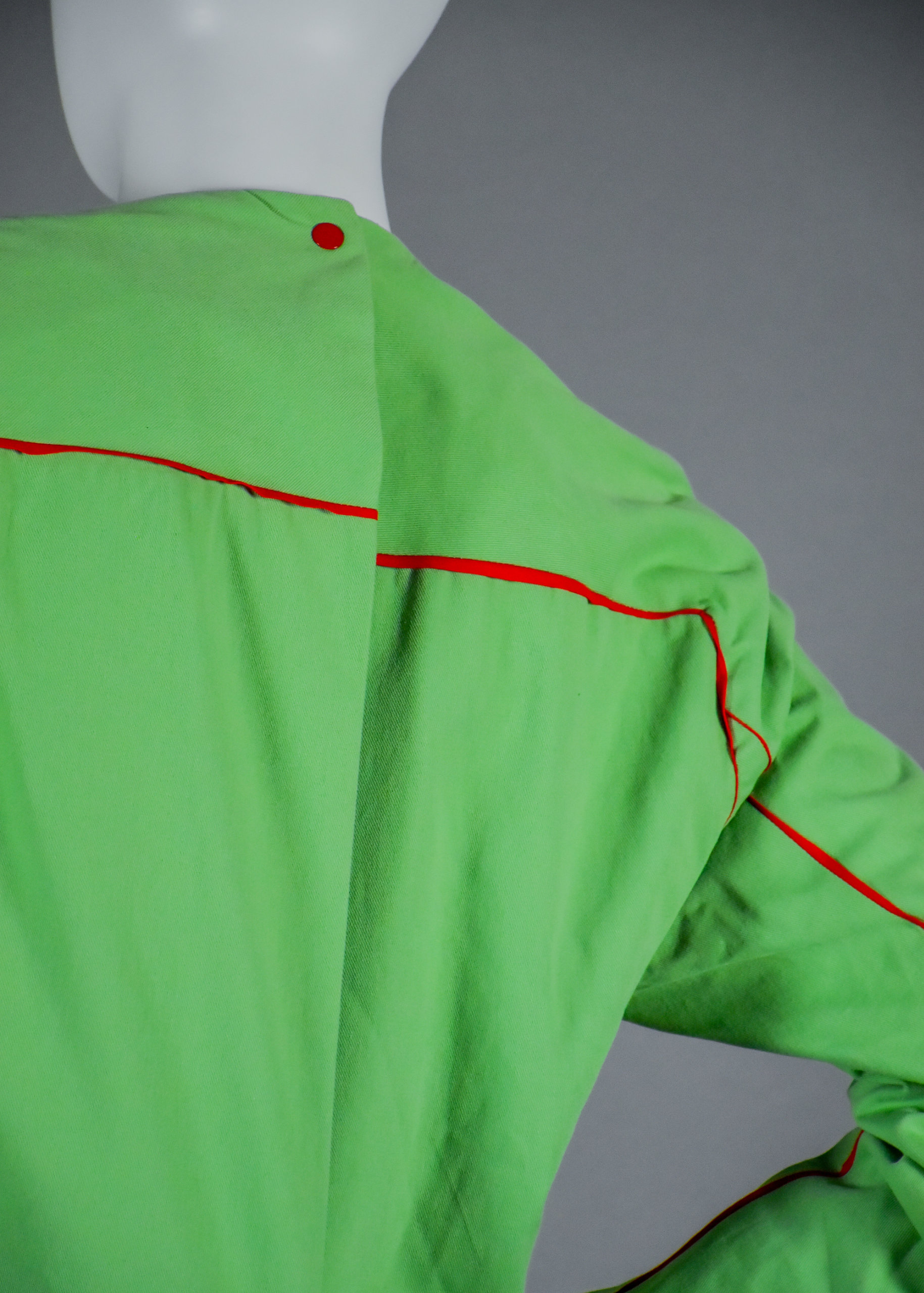
My ‘lab coat’ project was inspired by Dean Murphy’s research, “Rethinking ‘Overseas-Born’ Men as Queer Migrants.” My approach involved breaking down the research into broader themes to draw inspiration for my design. These themes were the queer experience, migration, and healthcare.

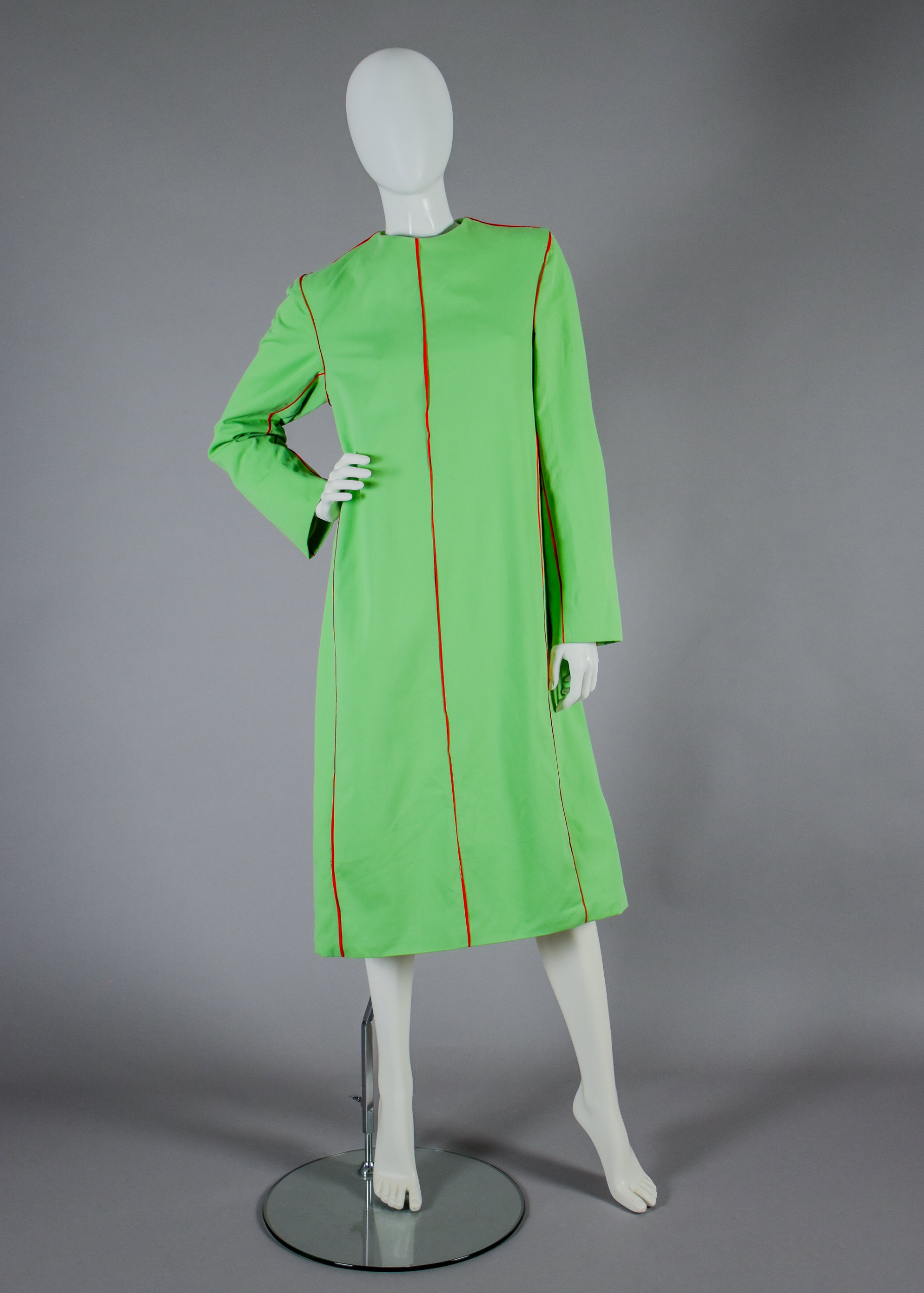
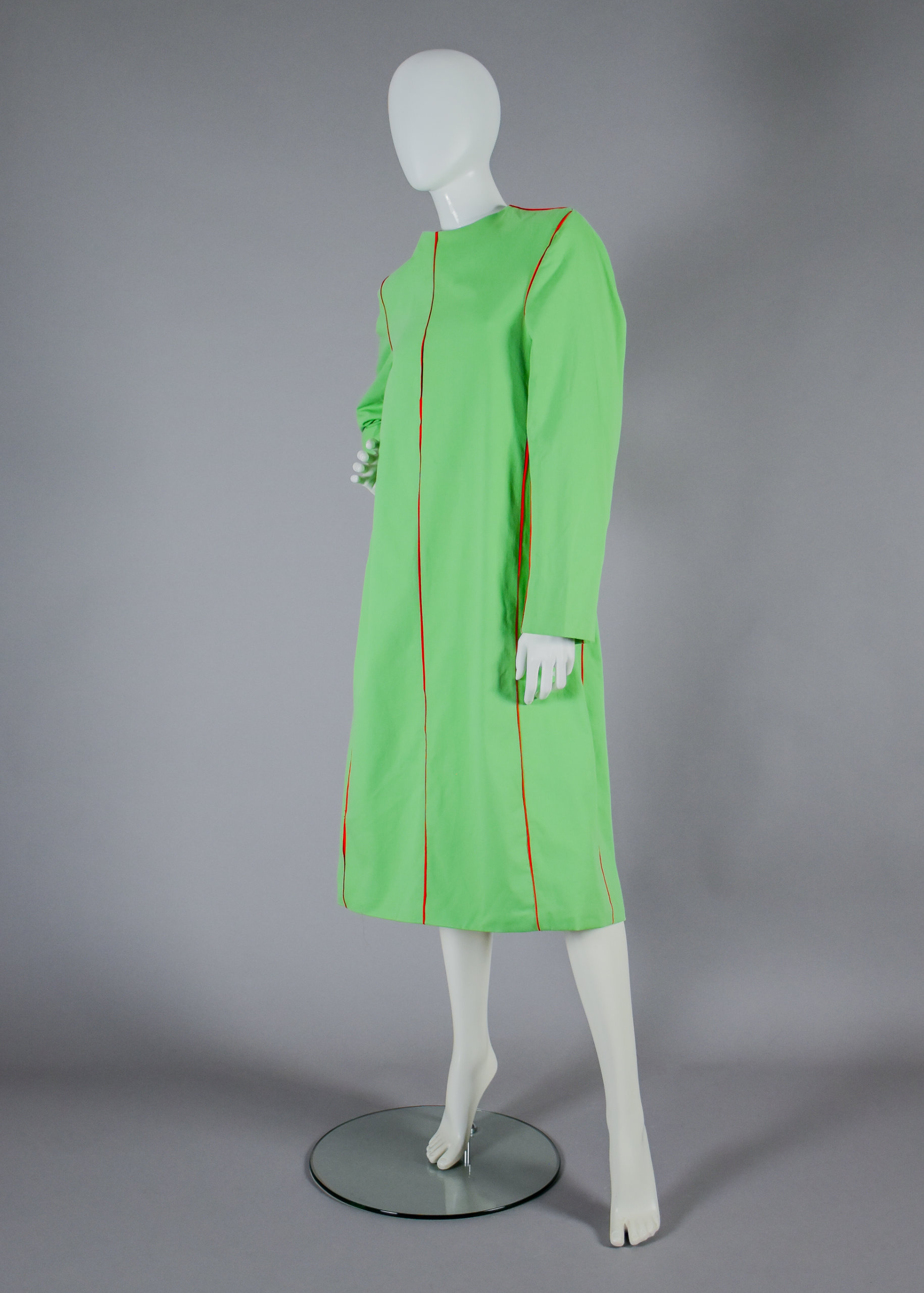
I decided to create a gown rather than a traditional lab coat as a gown is more symbolic of healthcare. For the design, I drew inspiration from 20th-century Red Cross uniforms and Belgian fashion duo A.F. Vandevorst, to create a more structured take on a medical gown.

Another source of inspiration was the Medicare card, which symbolizes the struggles faced by queer migrants. This informed the color of the gown while still aligning with typical medical gown colors. A distinctive feature of the garment is the red piping along nearly every seam. Originally a reference to paintings and iconography of late artist and gay rights activist Derek Jarman (1942-1994), this feature would go on to represent the metaphorical ‘red tape’ associated with migration and healthcare in Australia. Additionally, placing the red piping on each seam emphasizes the ‘borders’ between different countries, represented by the panels of the gown.

Flora Bellemo + Edwina Wright

Flora Bellemo

I am an aspiring fashion designer with the goal of creating my own sustainable and ethical couture label. I wish to make people question the consumerist and capitalist systems. My work focuses on colour and texture exploring different fabric manipulation and pattern- making techniques.

Edwina Wright

PrEP vs improved HIV care cascade: Which best drives HIV decline?

Professor Edwina Wright is an infectious disease specialist at the Alfred Hospital, Monash Central Clinical School. Her research interests include HIV prevention, HIV cure and HIV dementia. She is a Past President of ASHM and chairs ASHM PrEP Guidelines. Dr Wright was awarded an Order of Australia for her work in HIV Medicine and Research in 2021.

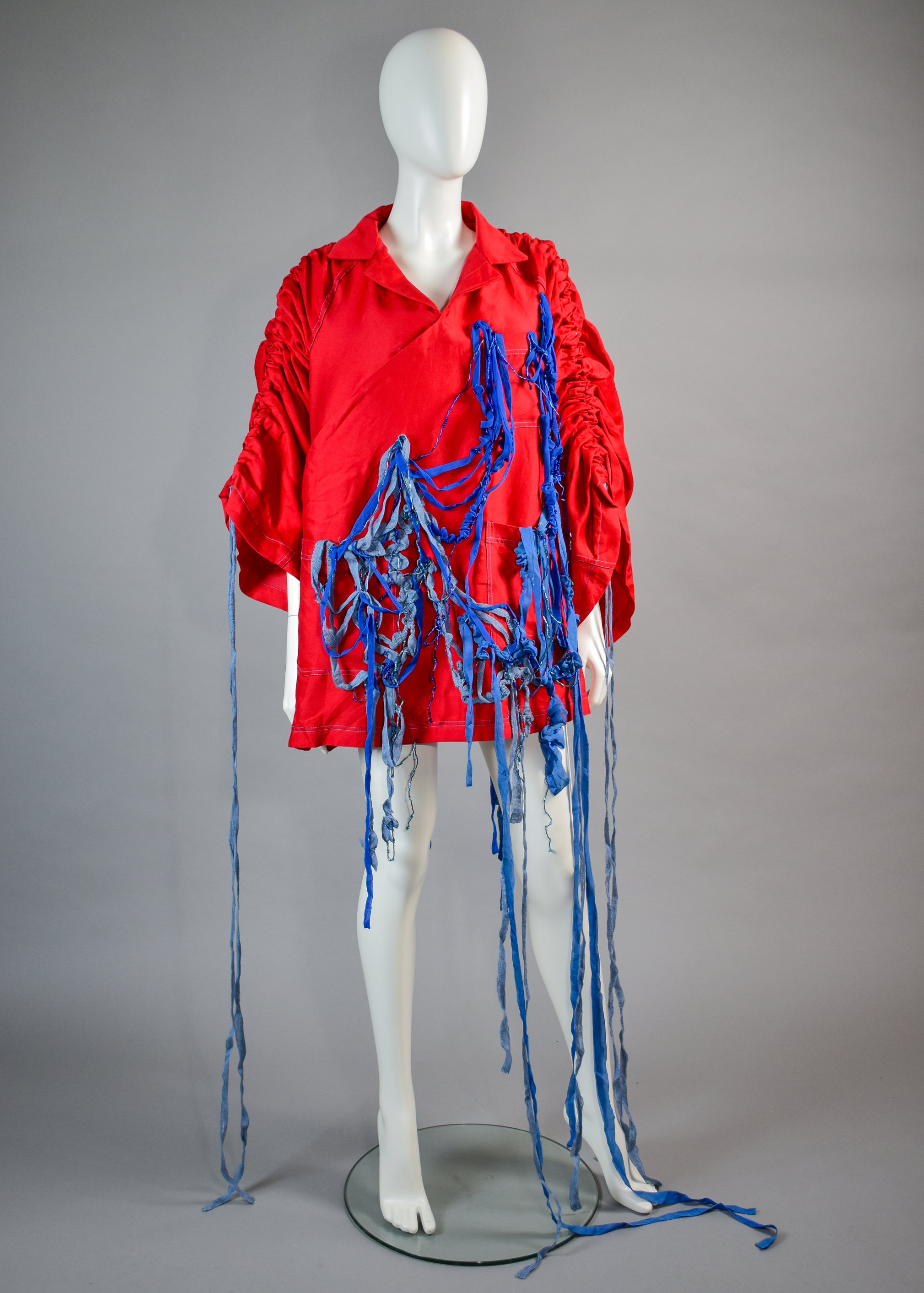
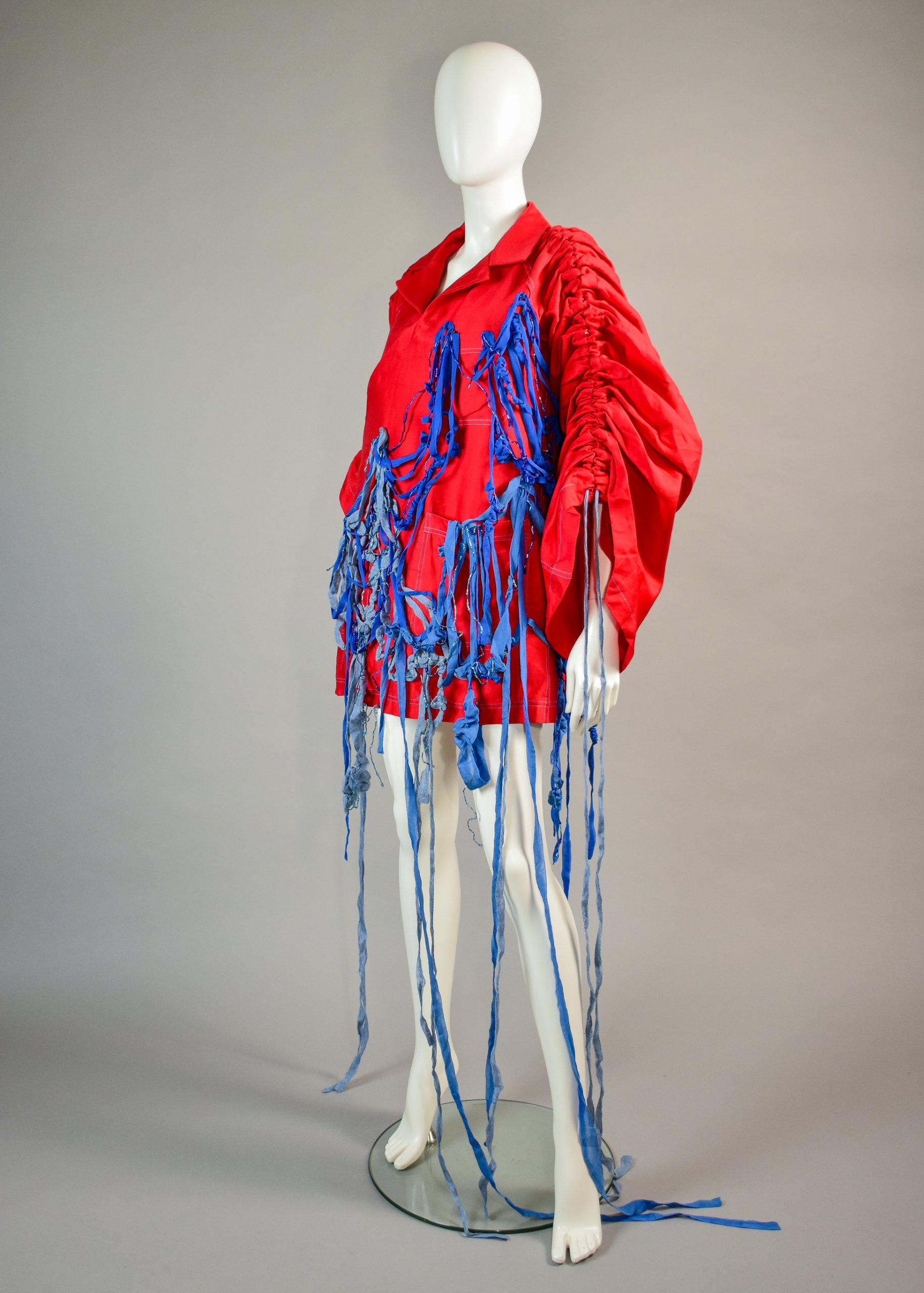
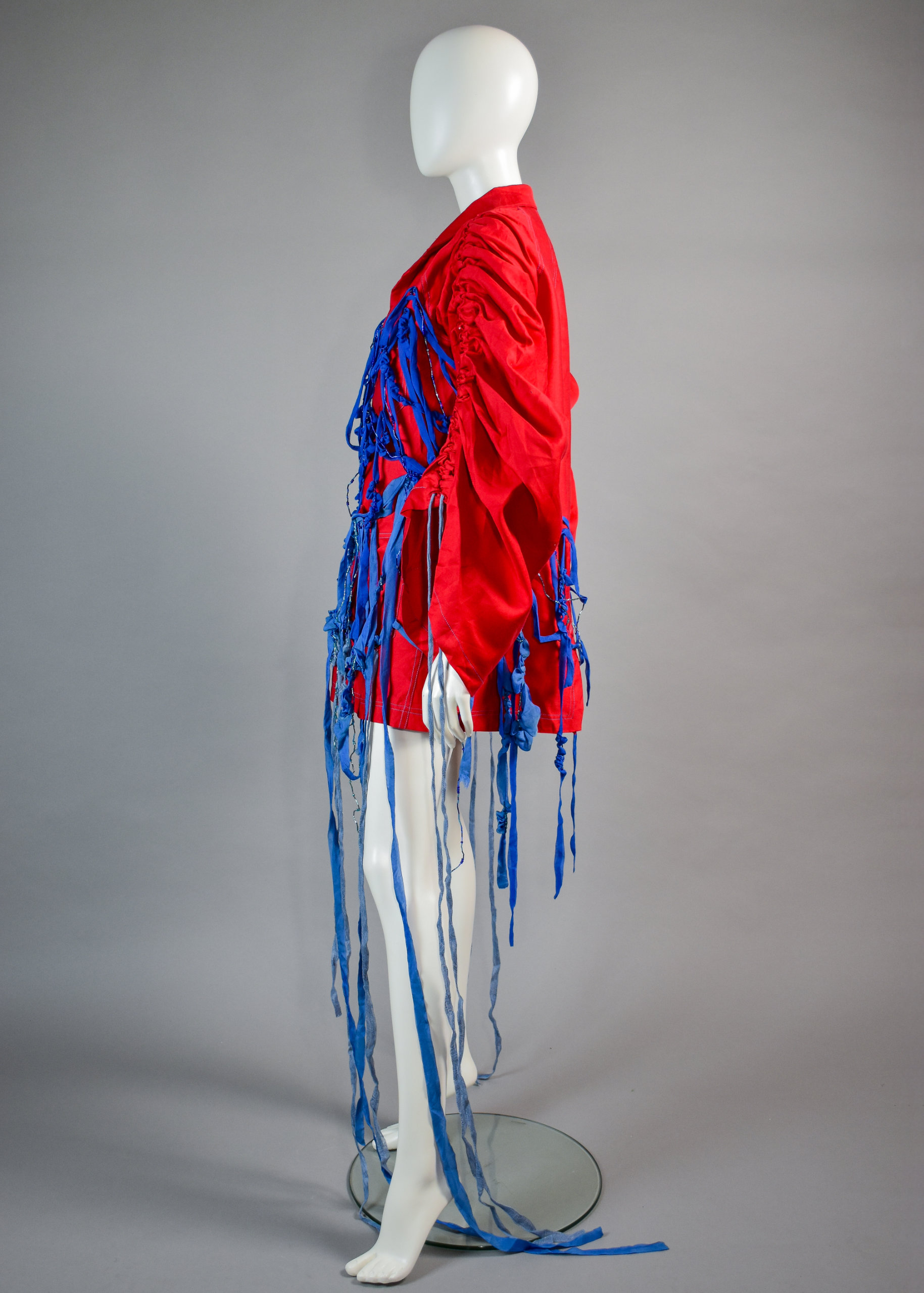
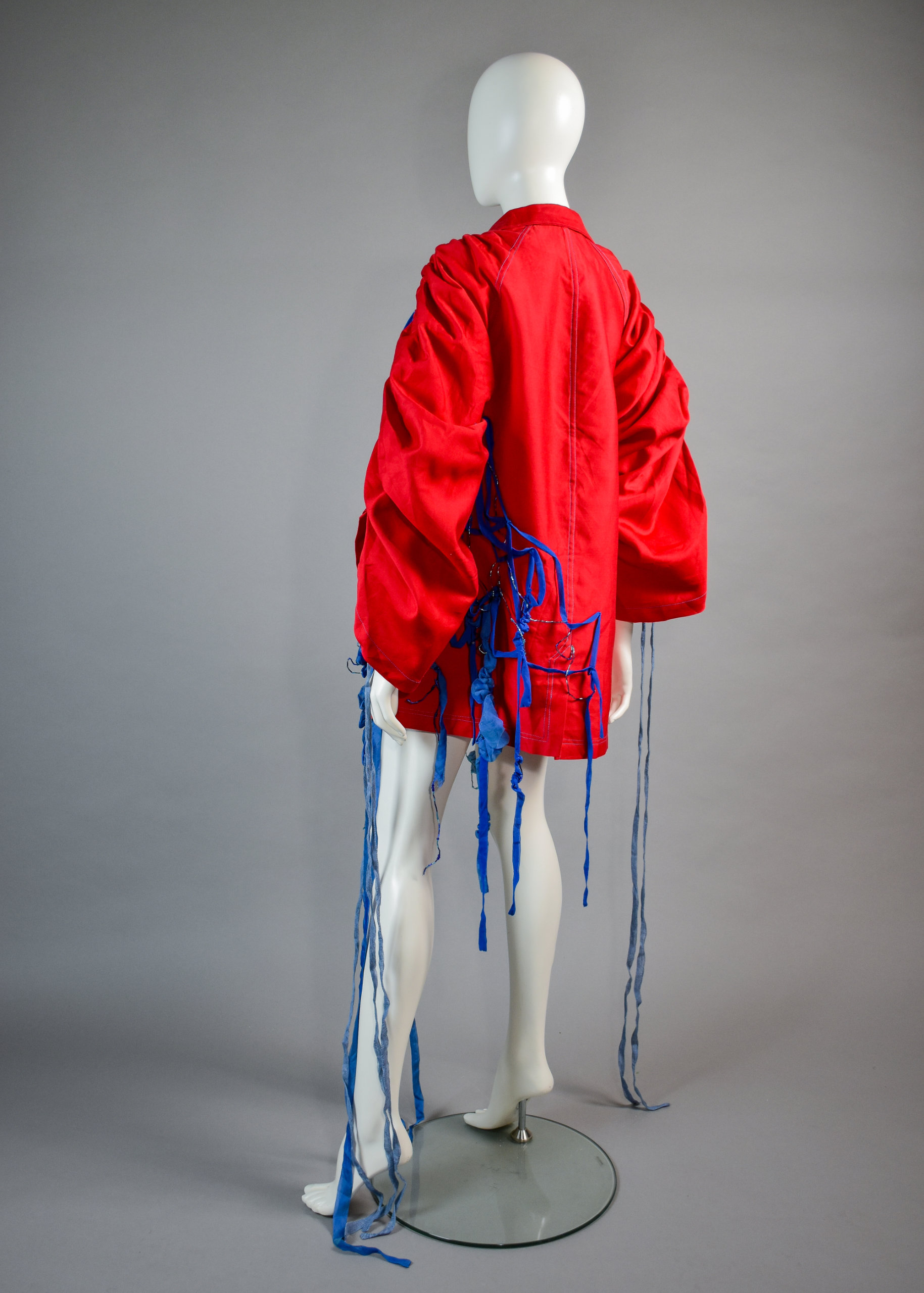
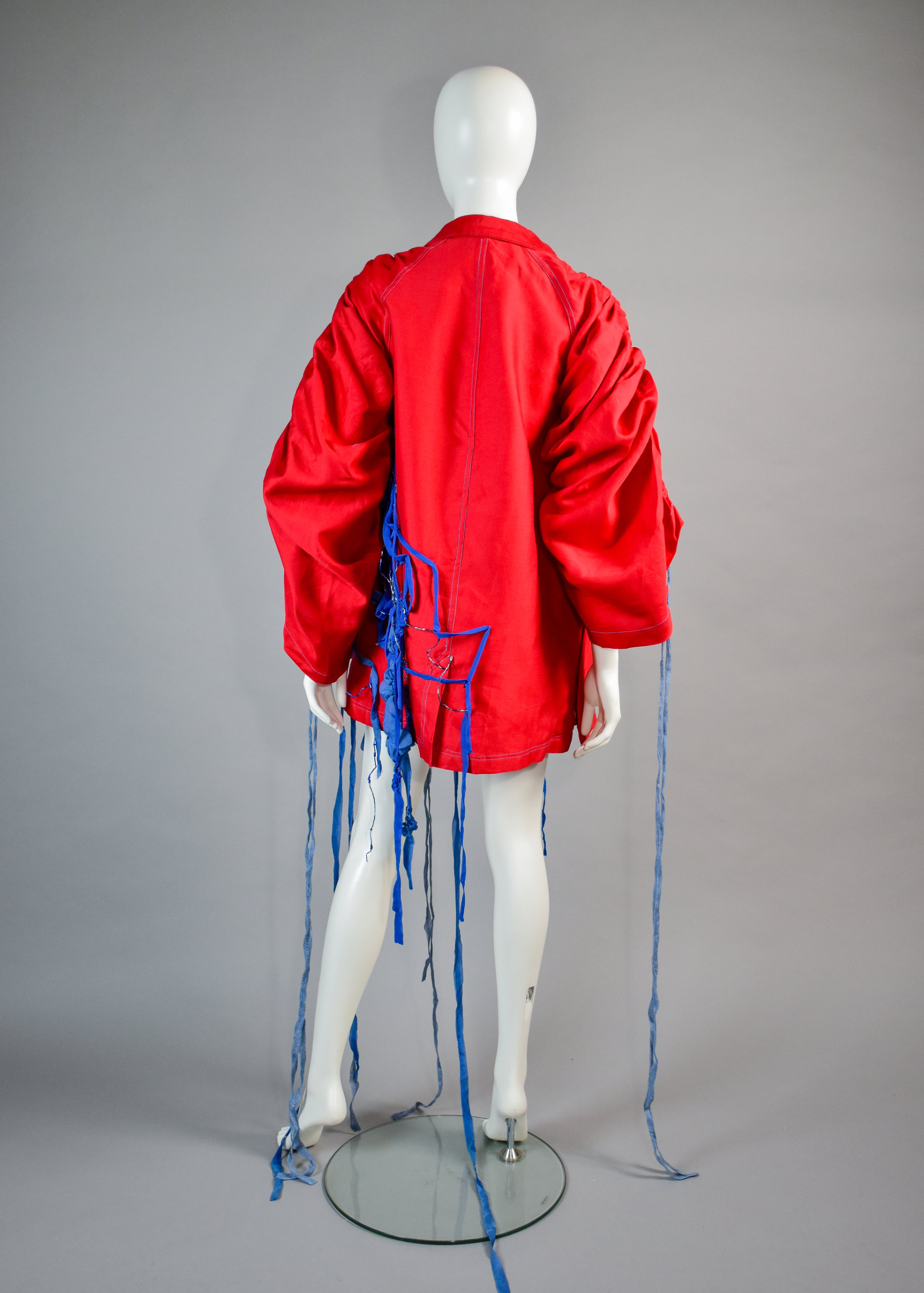
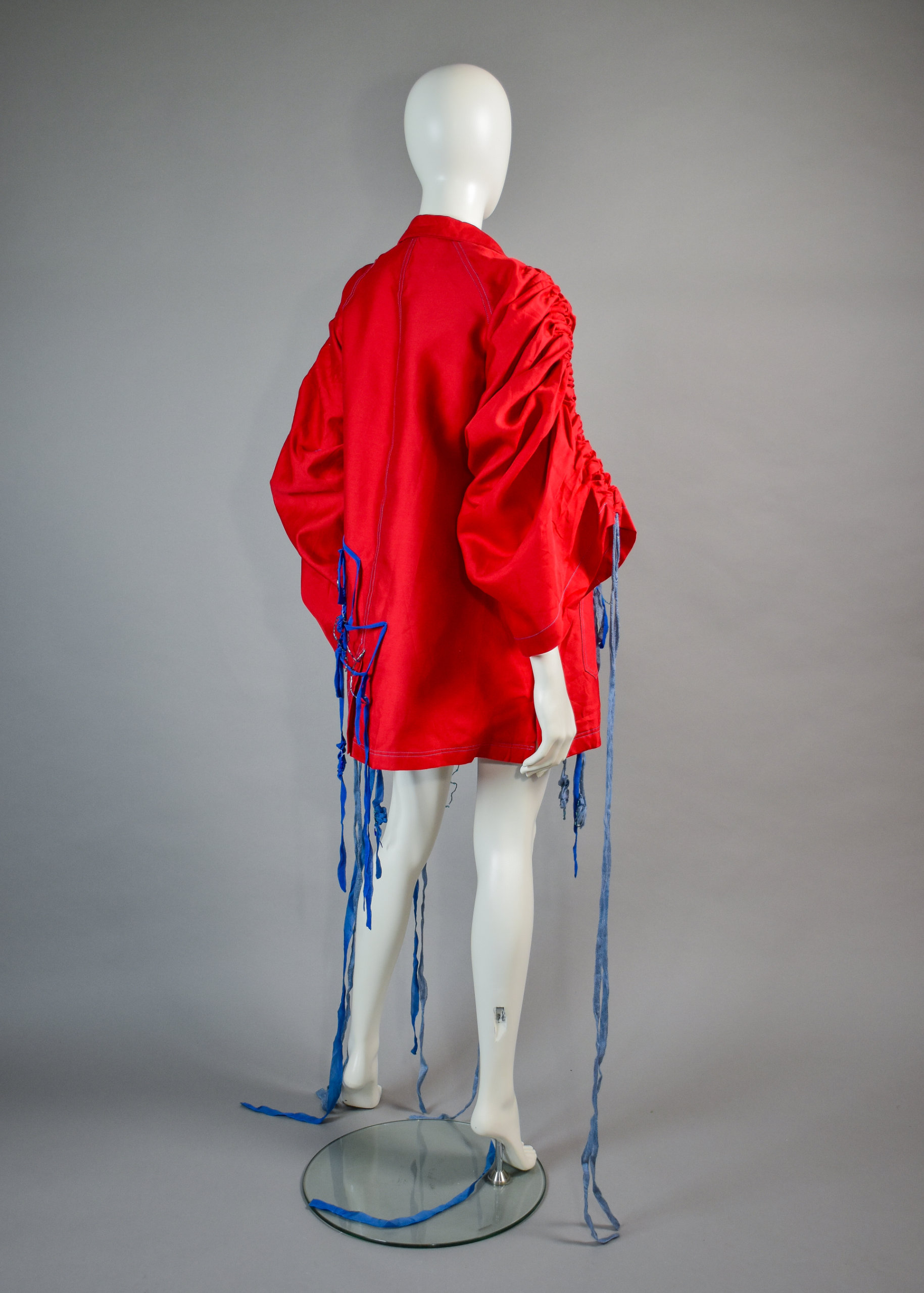
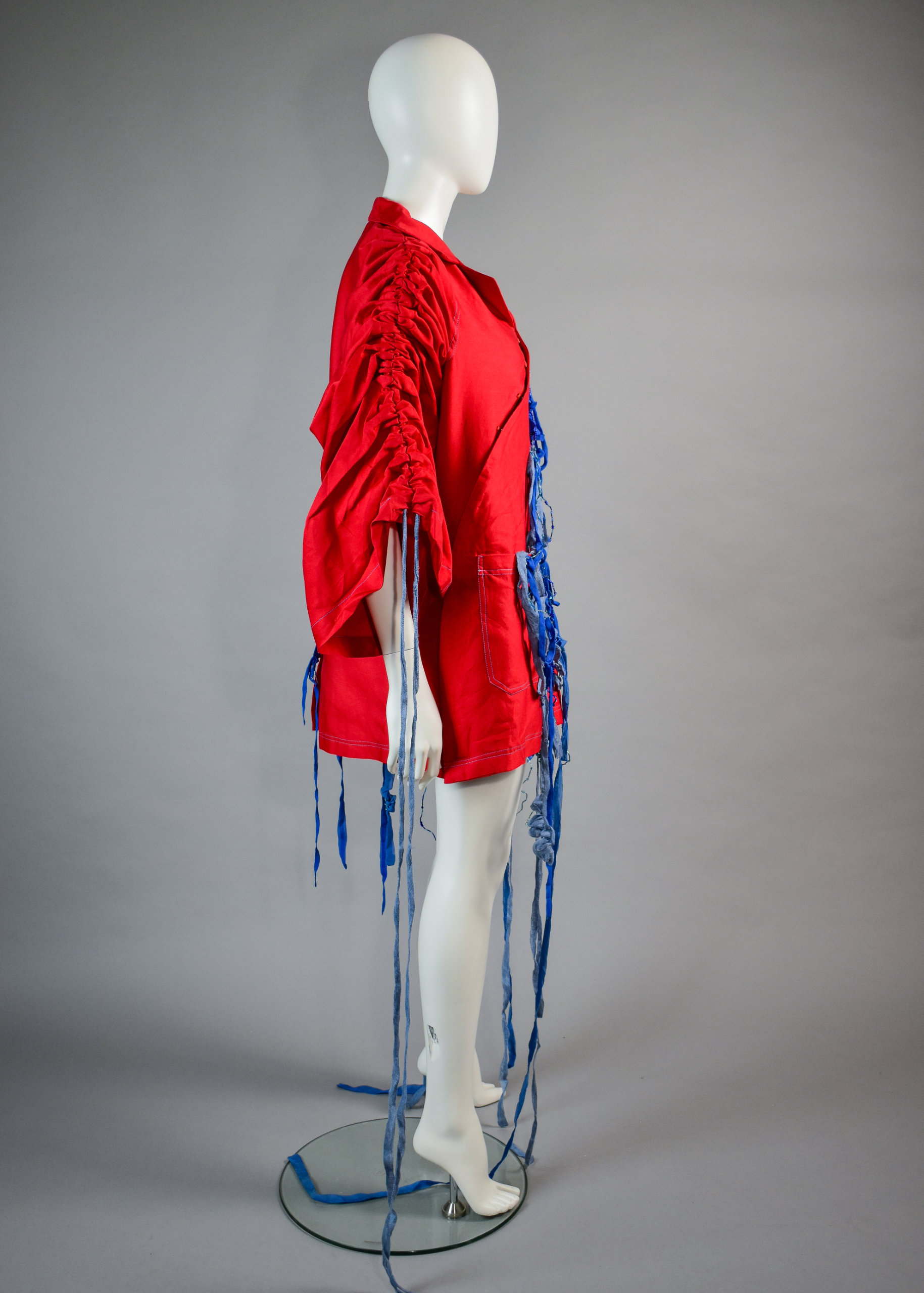
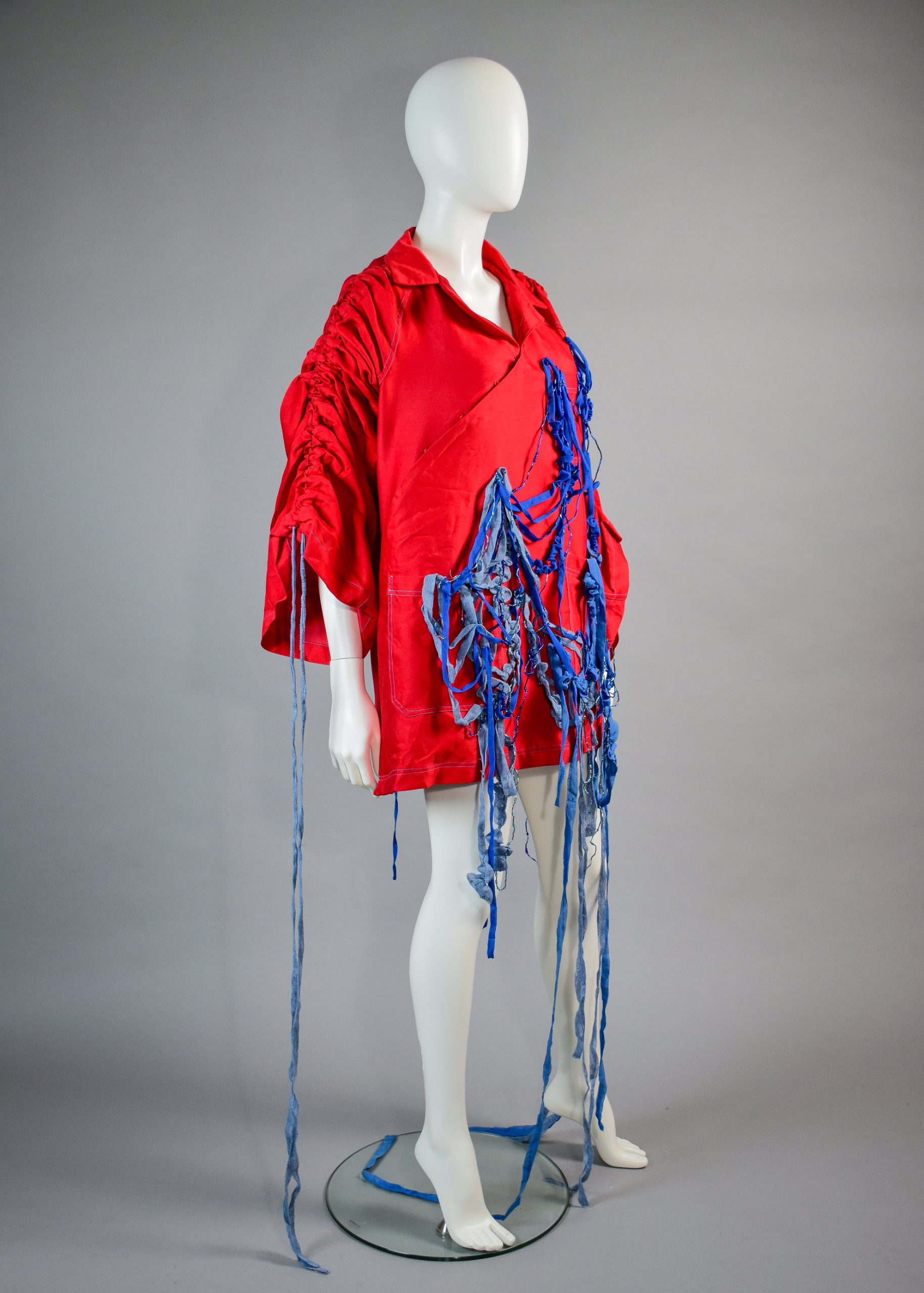
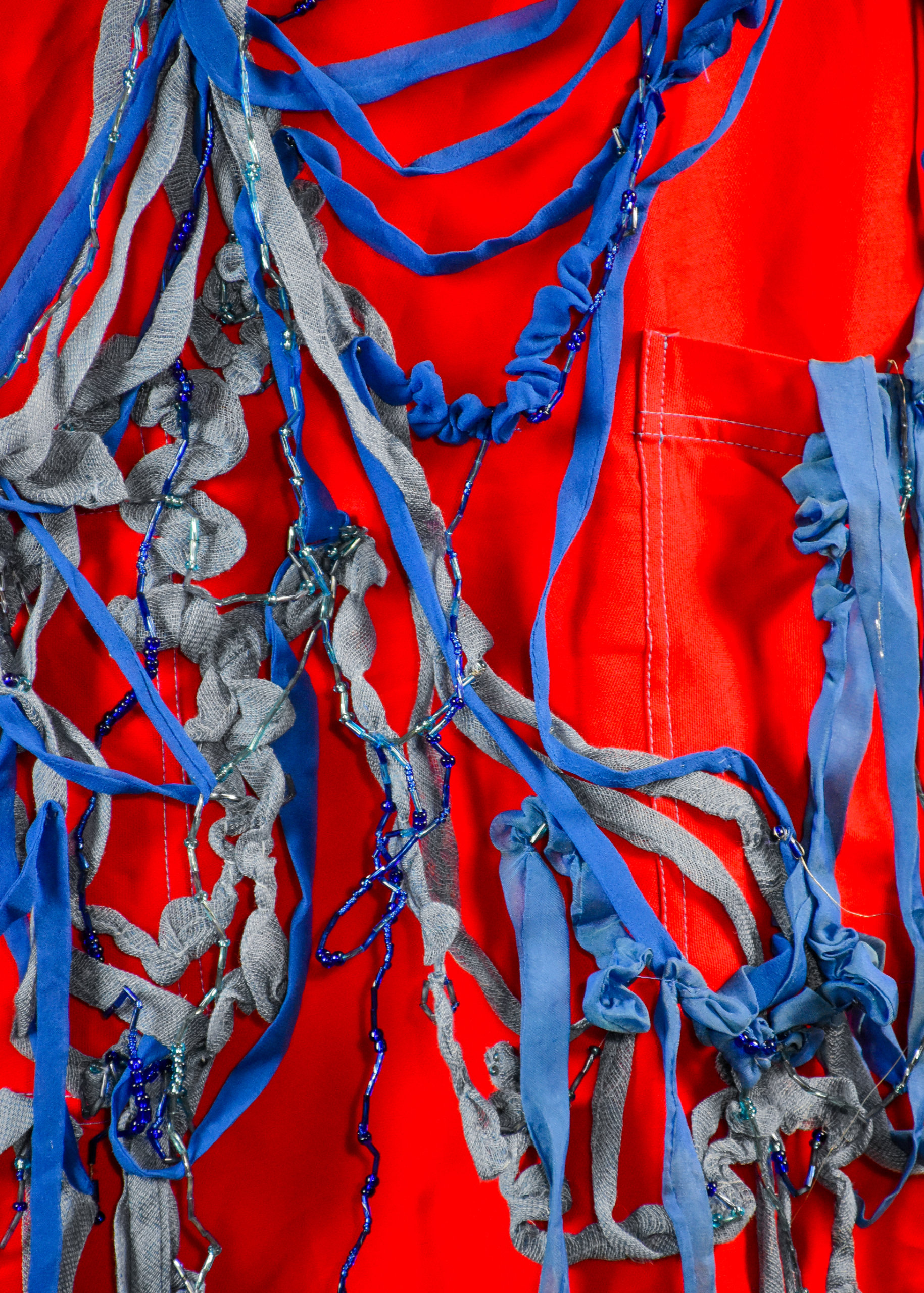
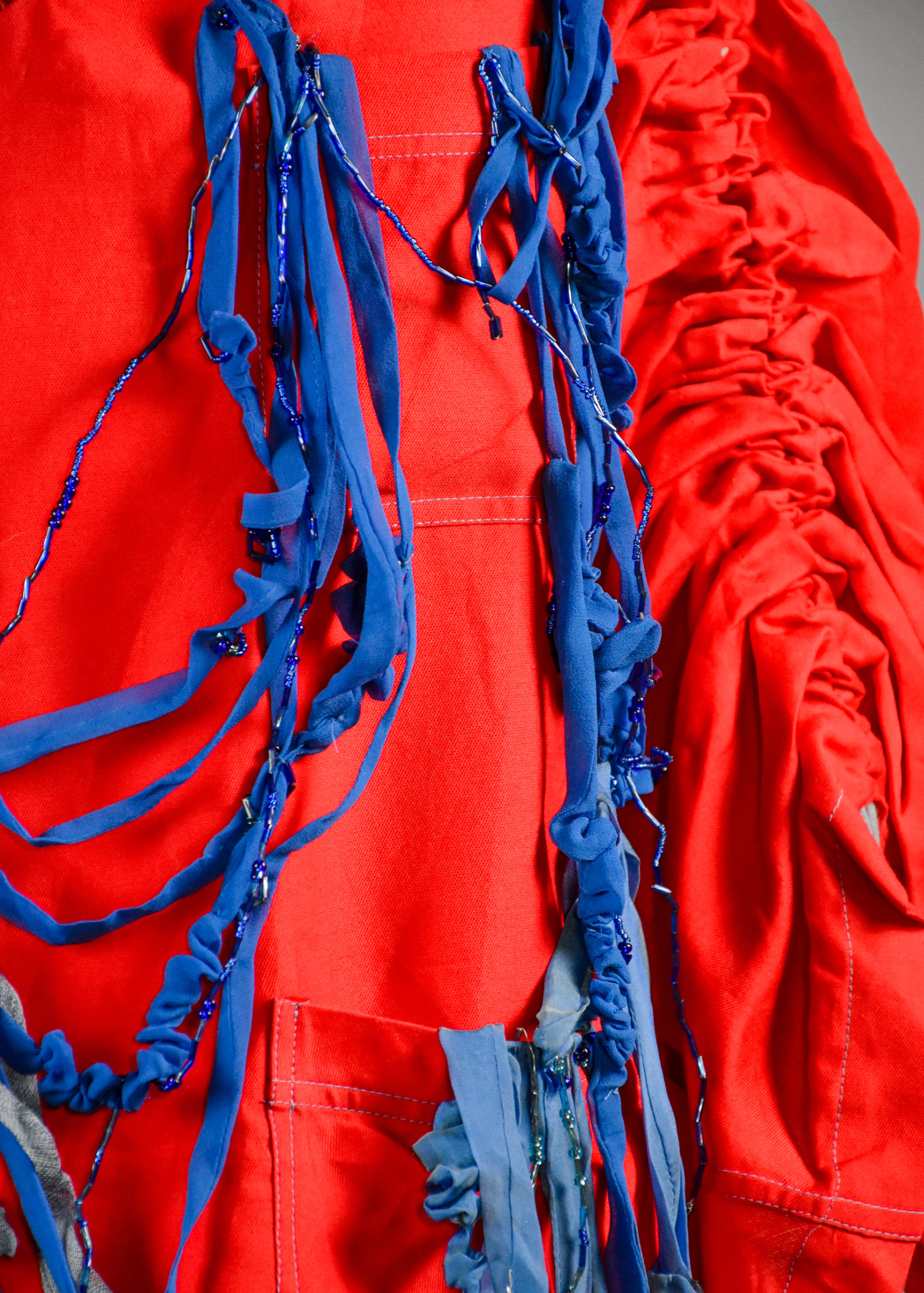
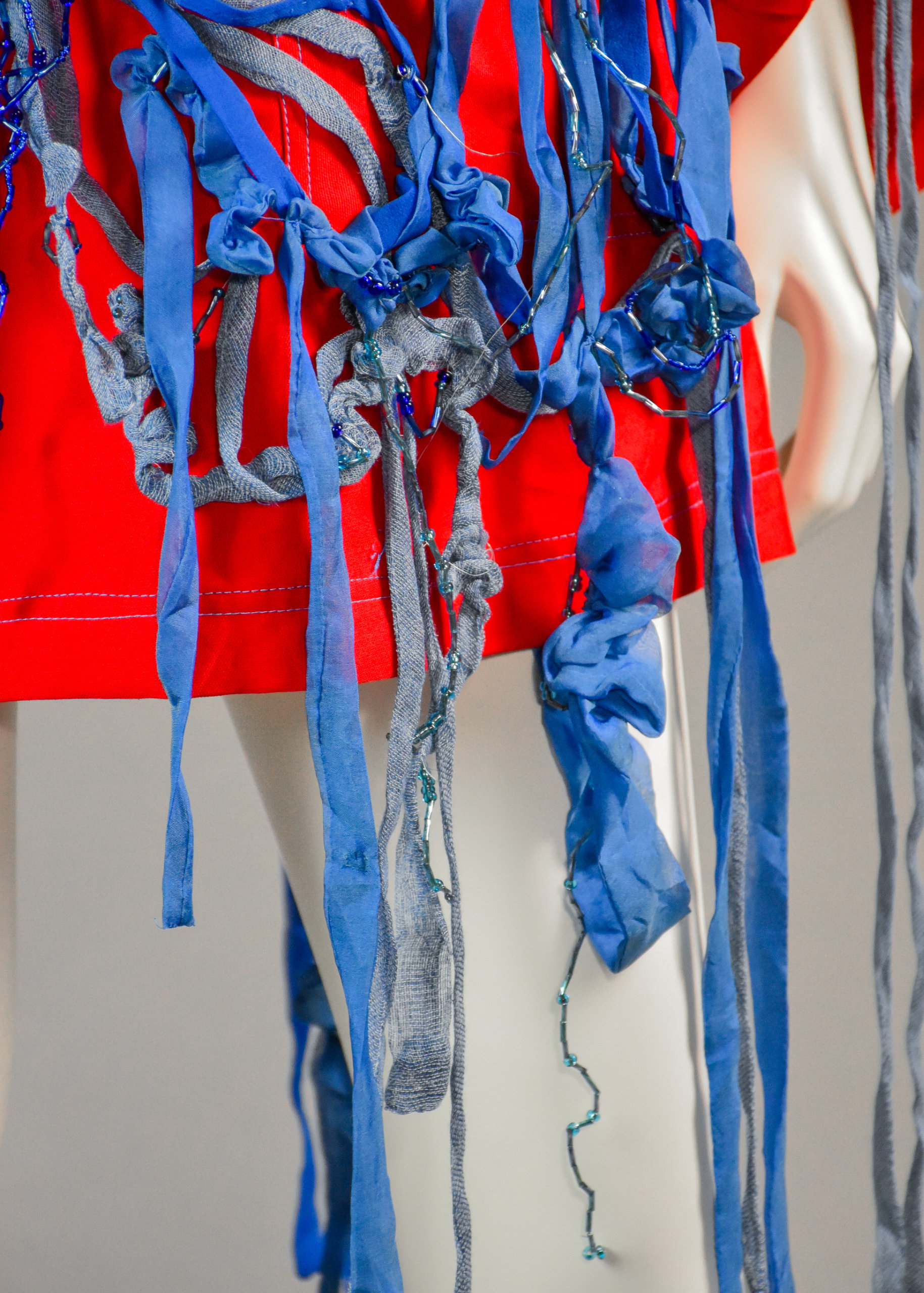
To create a garment that reflected Edwina Wright’s abstract I focused on showcasing the potential increase in HIV infections versus the actual decrease.

The potential increase in HIV infections if the uptake in PrEP, PrEOX and improvements in HIV care cascade did not happen was represented by the red fabric which highlights the urgency of this situation. Additionally, the gathered adjustable sleeves held up by the blue strands demonstrate this potential growth of HIV infections if PrEP and ART were not there to hold it back, this idea is further explored with the blue stitching holding the red back.
The cascade of blue beads and fabric reflects the decrease in incident HIV infections. The use of blue was inspired by the phrase ‘care cascaded’ in combination with the colour of the PrEP pill. The three shades of blue and pockets each represent the improvements in HIV treatment, PrEP and virological suppression which each contributed to one-third to the decline in HIV. The blue colours intertwine with each other to demonstrate the importance of these different sectors working together to reduce incident HIV infections.

Hao Wei Lim (Aiden) + Sarah Amir Hamzah

Hao Wei Lim (Aiden)

My name is Aiden Hao Wei Lim, an emerging artist/designer from Malaysia, arrived in Melbourne 5 years ago to pursue what she couldn’t back in her home country, which is arts and fashion. My works focuses on exploring genders, sexuality, embodiment of concepts and storytelling through visual medium. I am fascinated by how fashion is intricately intertwined with sociocultural systems and contexts, shaping and reflecting societal norms and values.

Sarah Amir Hamzah

Vaginal bacteria, inflammation and risk of HIV acquisition.
Sarah Amir Hamzah has completed a Bachelor of Science (BSc) degree majoring in Immunology and Microbiology from Monash University. She had joined the HIV, Inflammation and Microbiome team in the Burnet Institute as an honours student. She is passionate and interested in all types of bacteria and viruses as well as improving women’s health.

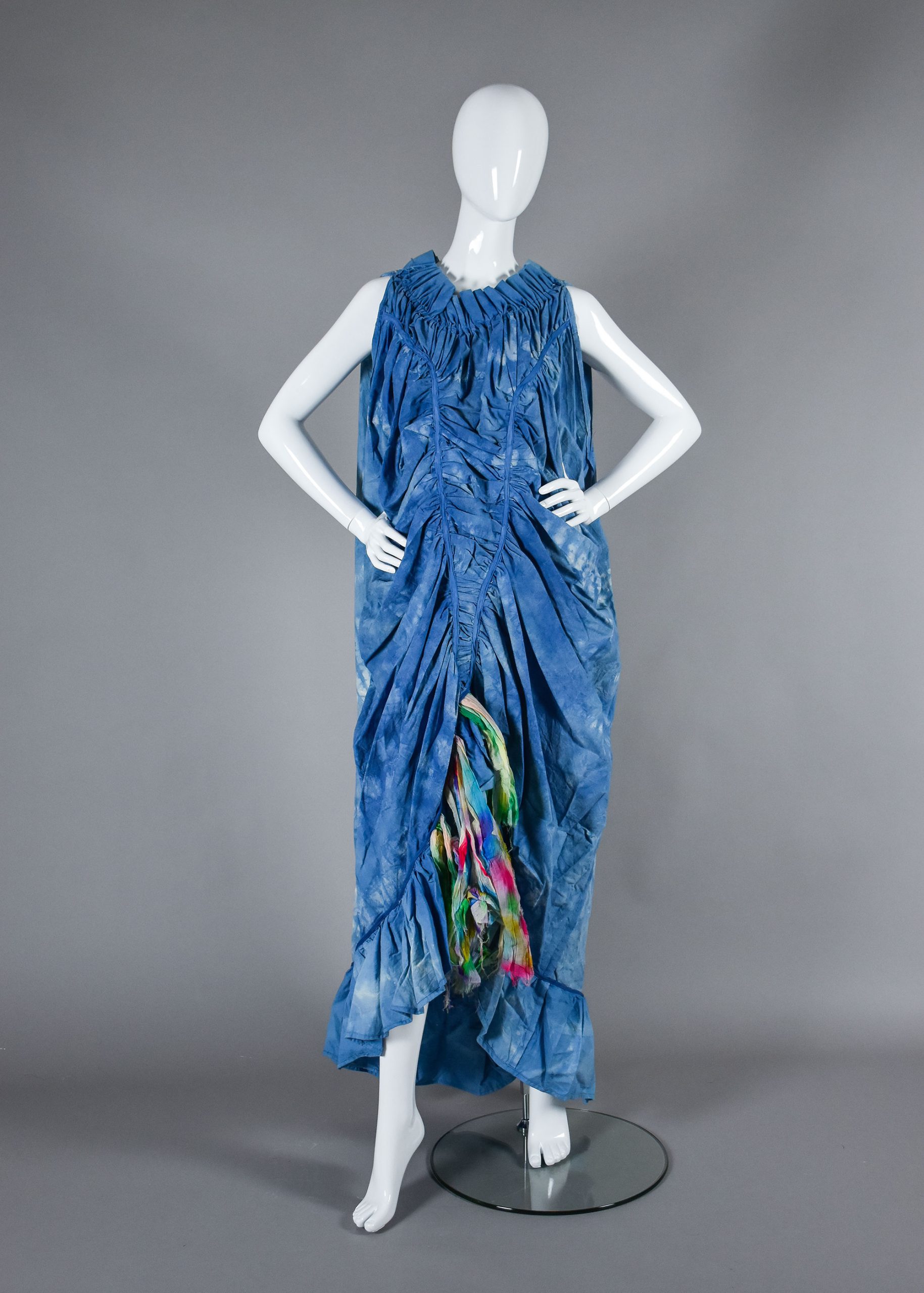
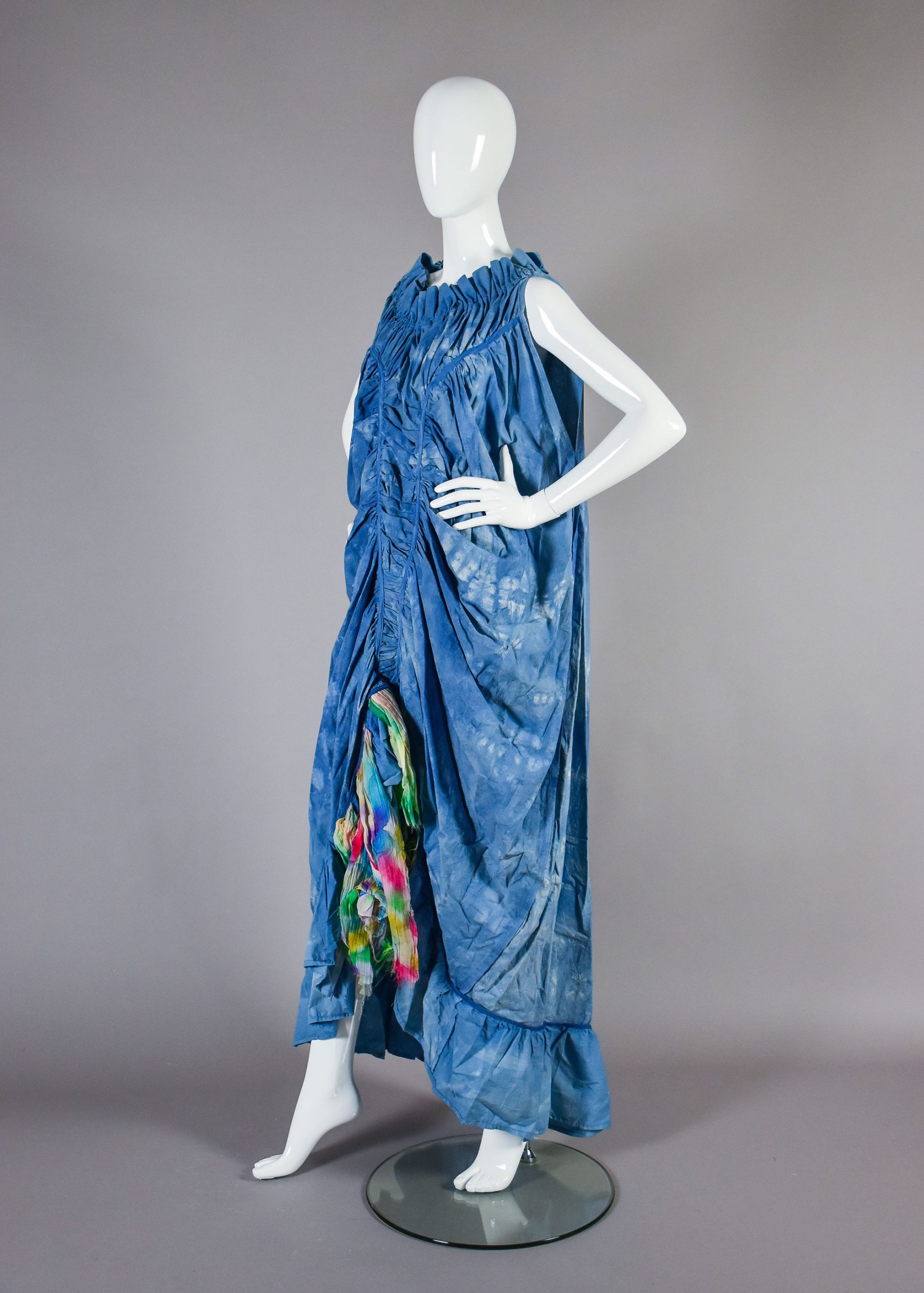
I decided to reimagine the protective lab coat that Sarah wears while researching with infectious bacteria, making it more authentic. My aim is to depict her research by illustrating a reproductive system that incorporates the concept of vaginal flora which is a very interesting translation of the vaginal bacteria community. Instead of using flowers to represent the vaginal flora, I drew inspiration from coral reefs, as they more closely resemble the biological form of the vulva and the folds of vagina.

Stemming from the idea of coral reef, my design brings a sense of ocean through use of textiles, colours and dye. I dislike how the ocean has often been depicted with tulle, organza and chiffon whereas to me the ocean is something that is powerful and strong. The image of the reproductive system in my design is subtle yet obvious upon explanation, creating a focal point around the pubic area of my design, with the bacteria represented through vibrant, colourful fabrics.

When the wearers put their arms through the armholes, their arms become the fallopian tubes, creating a connection between the wearers, designer and scientist, a fusion of interdisciplinary collaboration and a discourse on our shared future.

Harlene Del Rosario + Sara Byrnes

Harlene Del Rosario

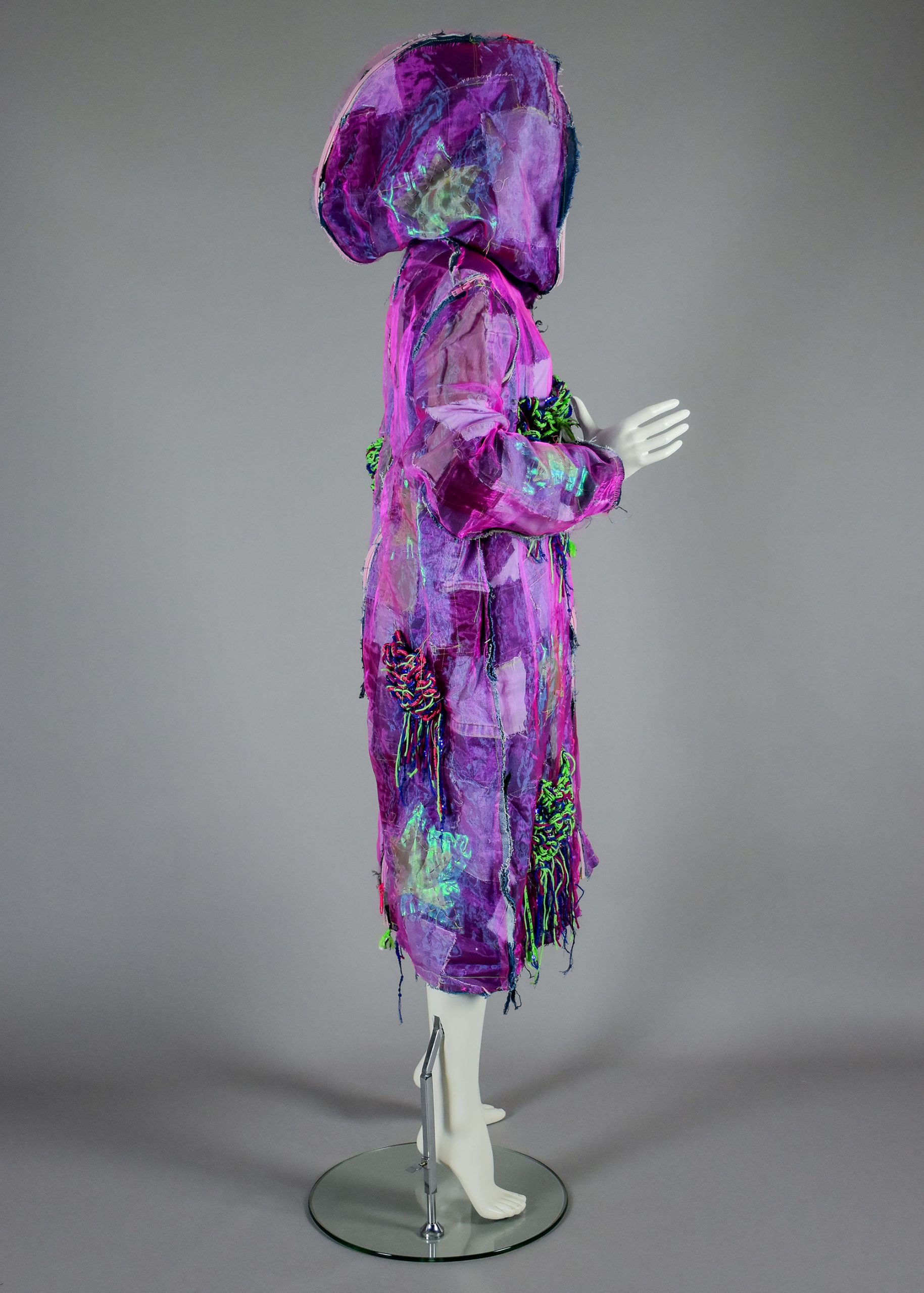
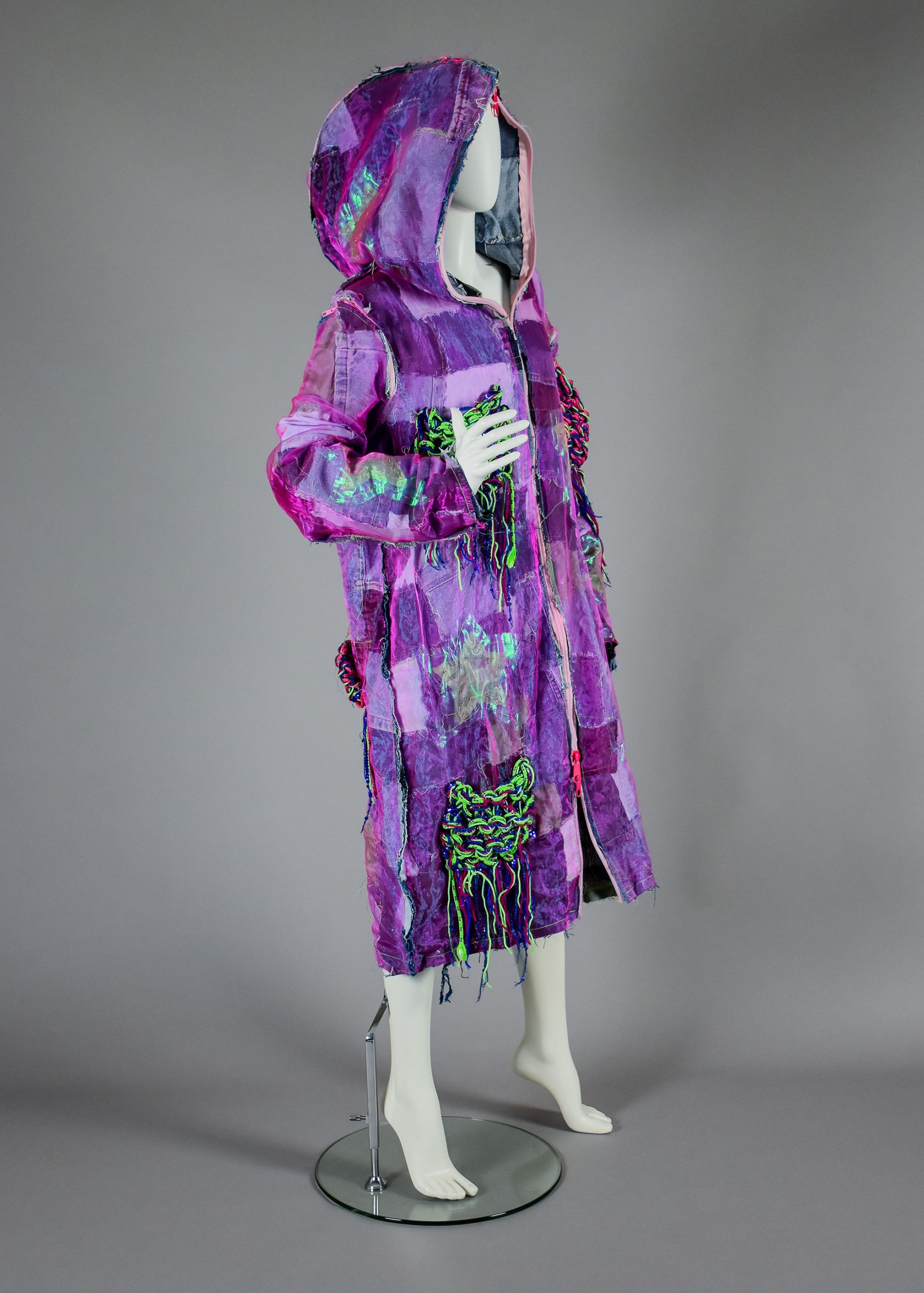
Harlene Del Rosario is currently completing her 3rd year in the Bachelor of Fashion Design course at RMIT. Her aesthetic is creating unique designs predominately using bright colours and shiny things in her work. She also tries to incorporate sustainability in her designs using deadstock fabrics and repurposing materials. She aims to get into Medicine one day, linking science and fashion together.

Sara Byrnes

Elucidating the drivers of neuroinflammation and neurocognitive disorders in people living with HIV. Sarah is a scientist in the Neuroinfections laboratory at RMIT. Her research is focused on the complexities of inflammation in the brain of people with HIV and how this can impact brain health. Sarah is dedicated to advancing scientific knowledge to improve the long-term health of people living with HIV.

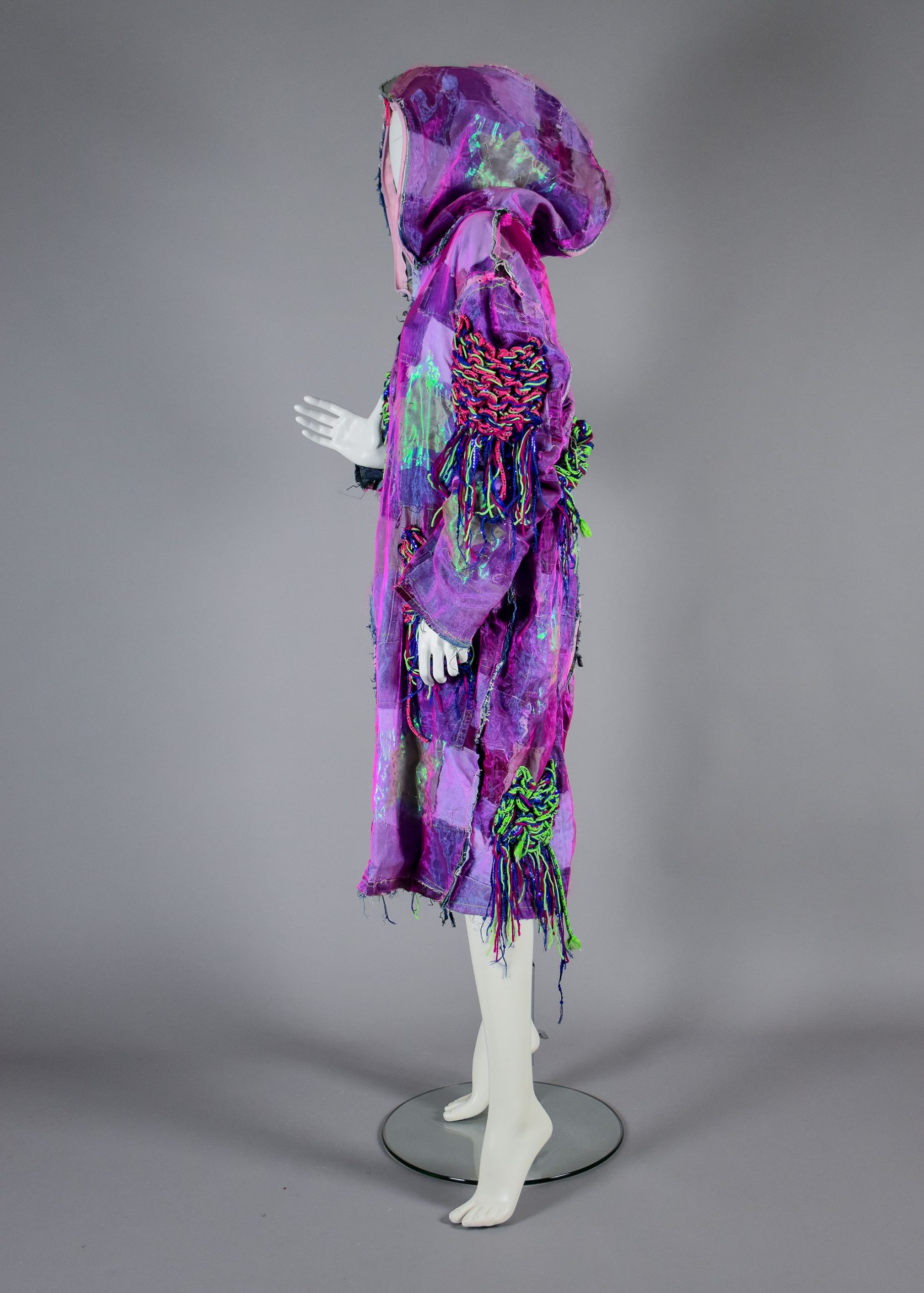
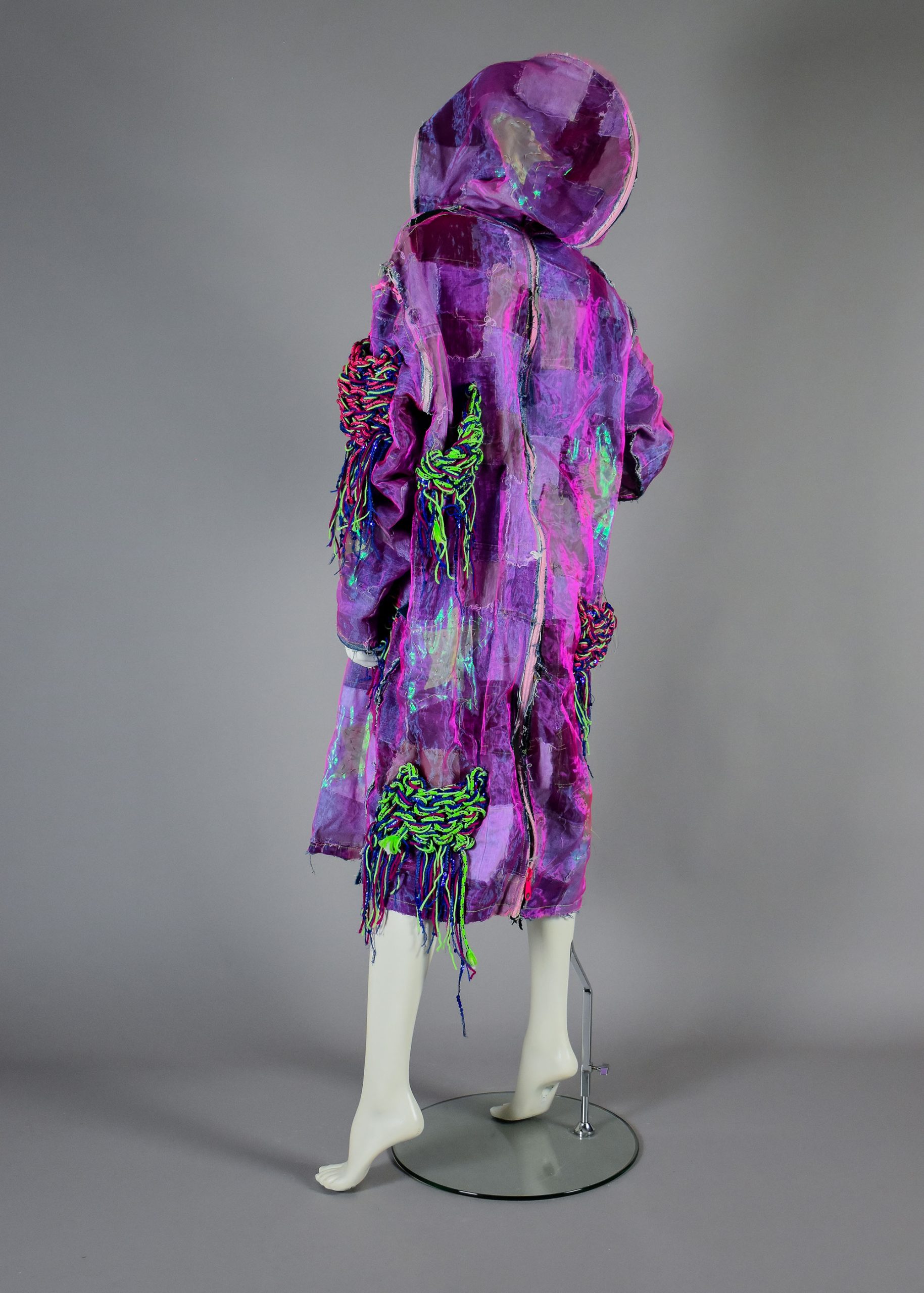
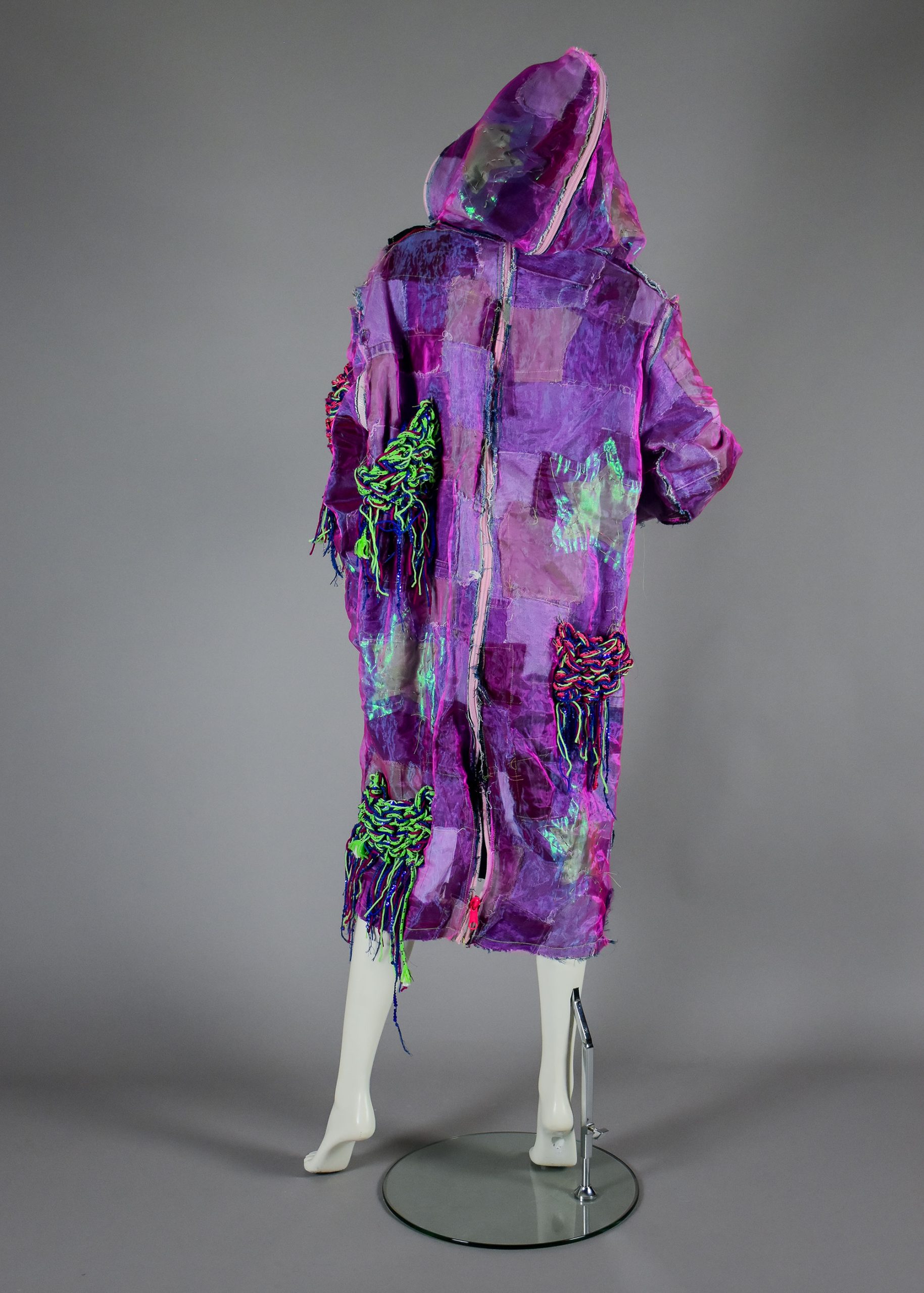
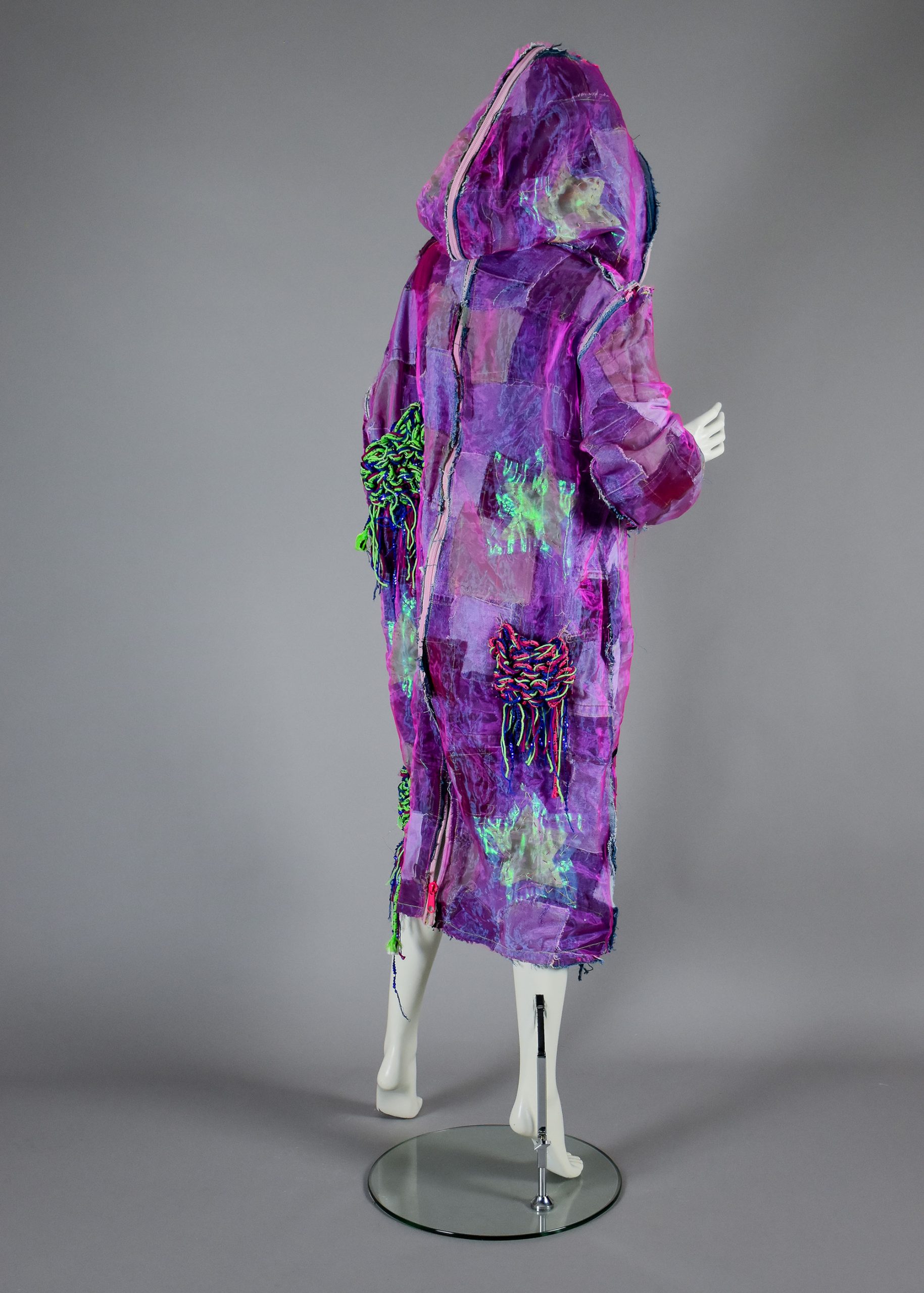
The scientist that I am working for this project is Sarah Byrnes. She is currently doing research on the drivers of neuroinflammation and neurocognitive disorders in people living with HIV. In their research proteins associated with immune dysregulation and inflammation were tagged with a fluorescent dye and quantified via immunofluorescence creating vibrant colour images.

I have used these immunofluorescent images of astrocytes, immune cells and inflammation as inspiration for the lab coat design. Astrocytes are also known as Astroglia which appear as star shaped Glial cells in the Brain and Spinal cord. Astron in Greek means star, and this inspired me in my design process linking back to the mental health effects that HIV can have on an individual. Many people living with HIV can experience heightened levels of emotional and psychological issues including fear, guilt, abandonment, lack of self, harassment due to the stigma and discrimination we still have in society.

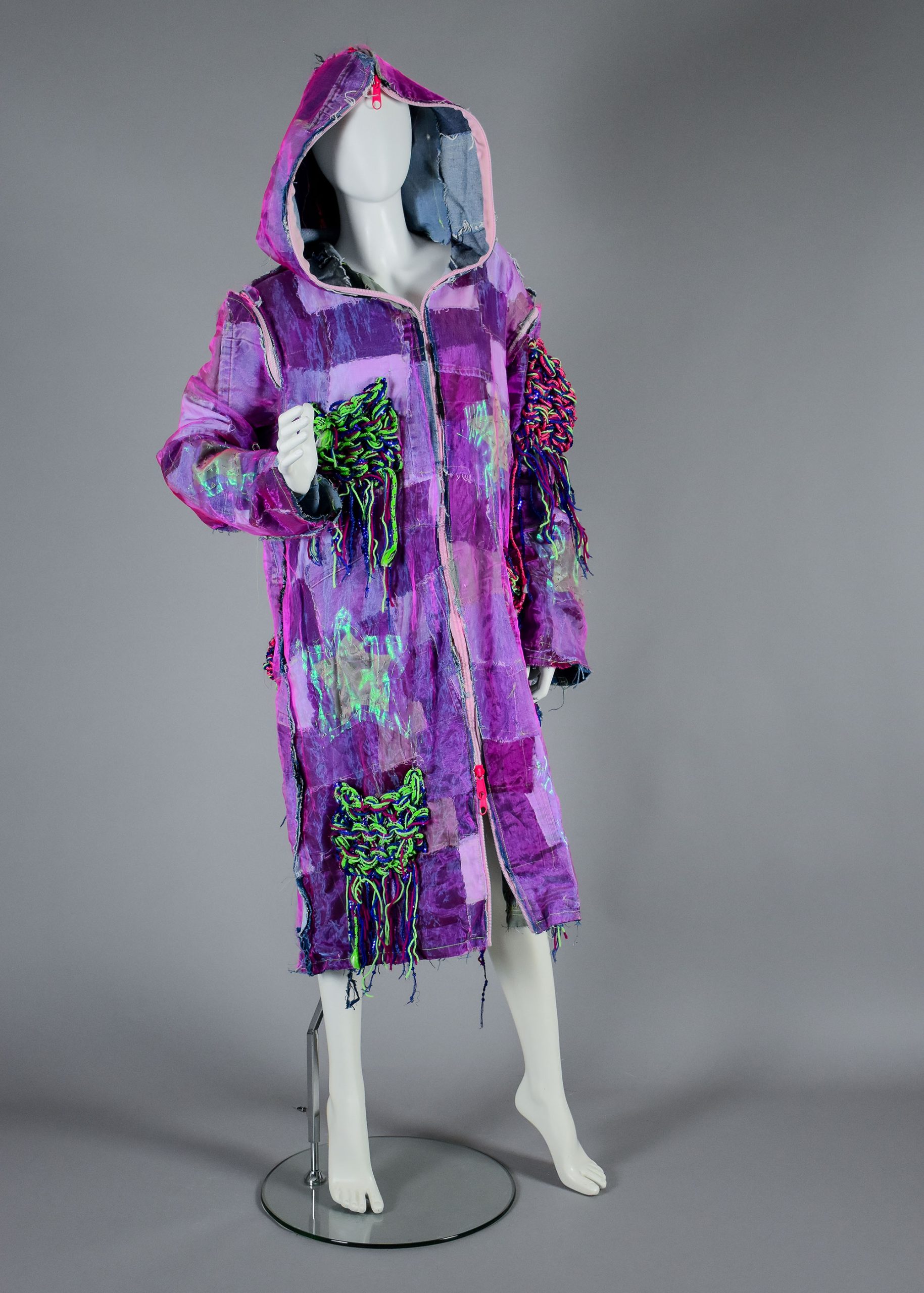
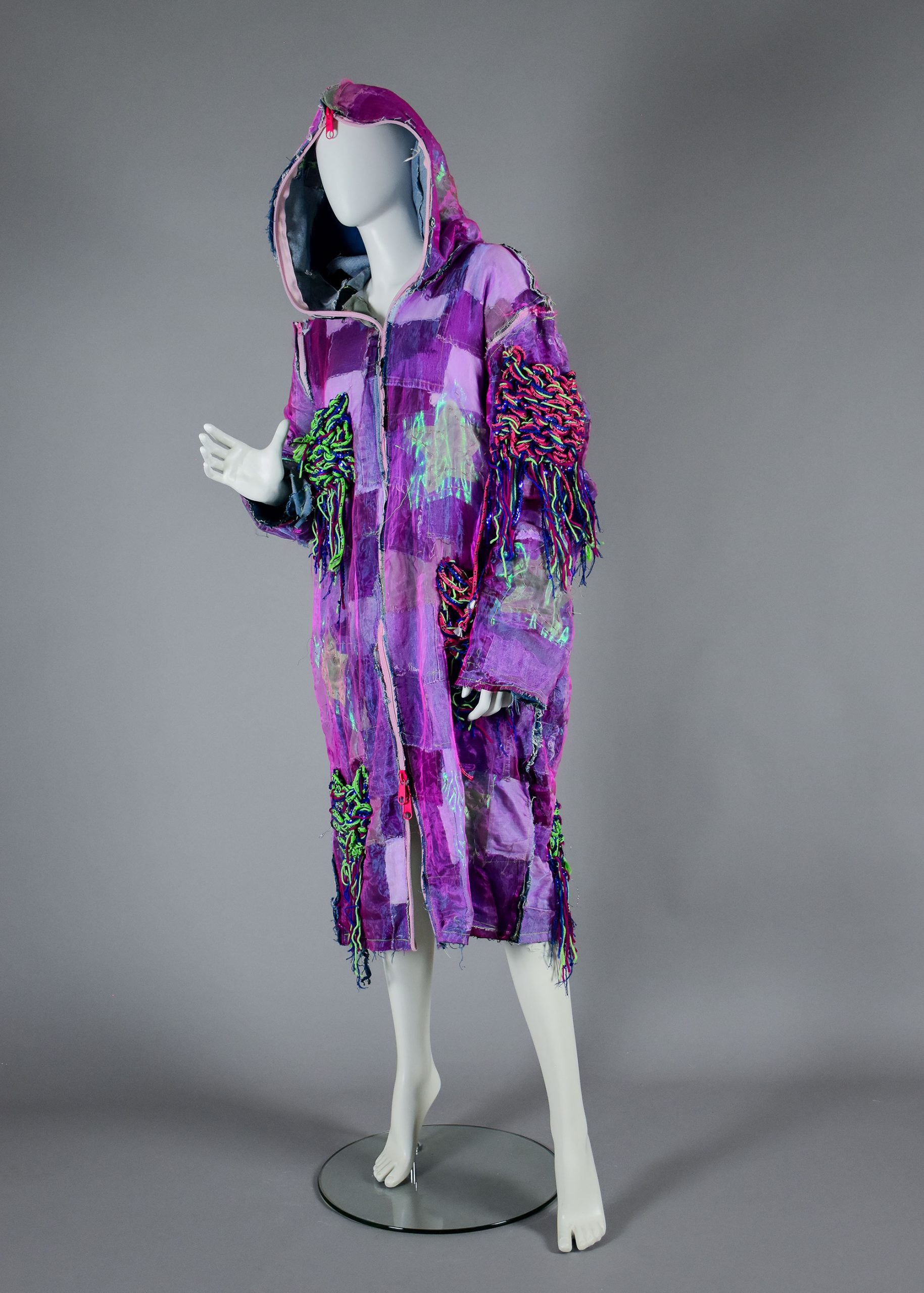
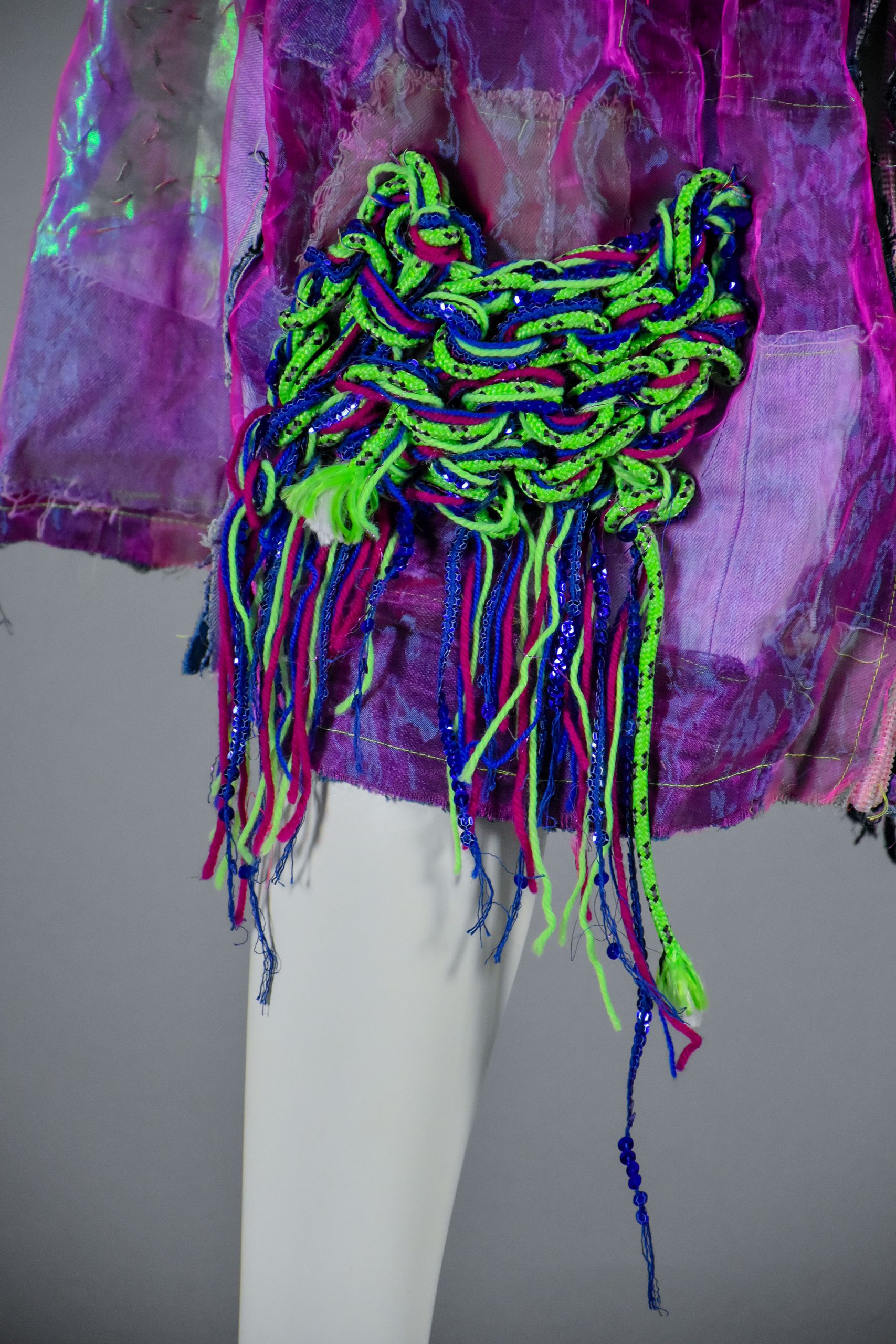
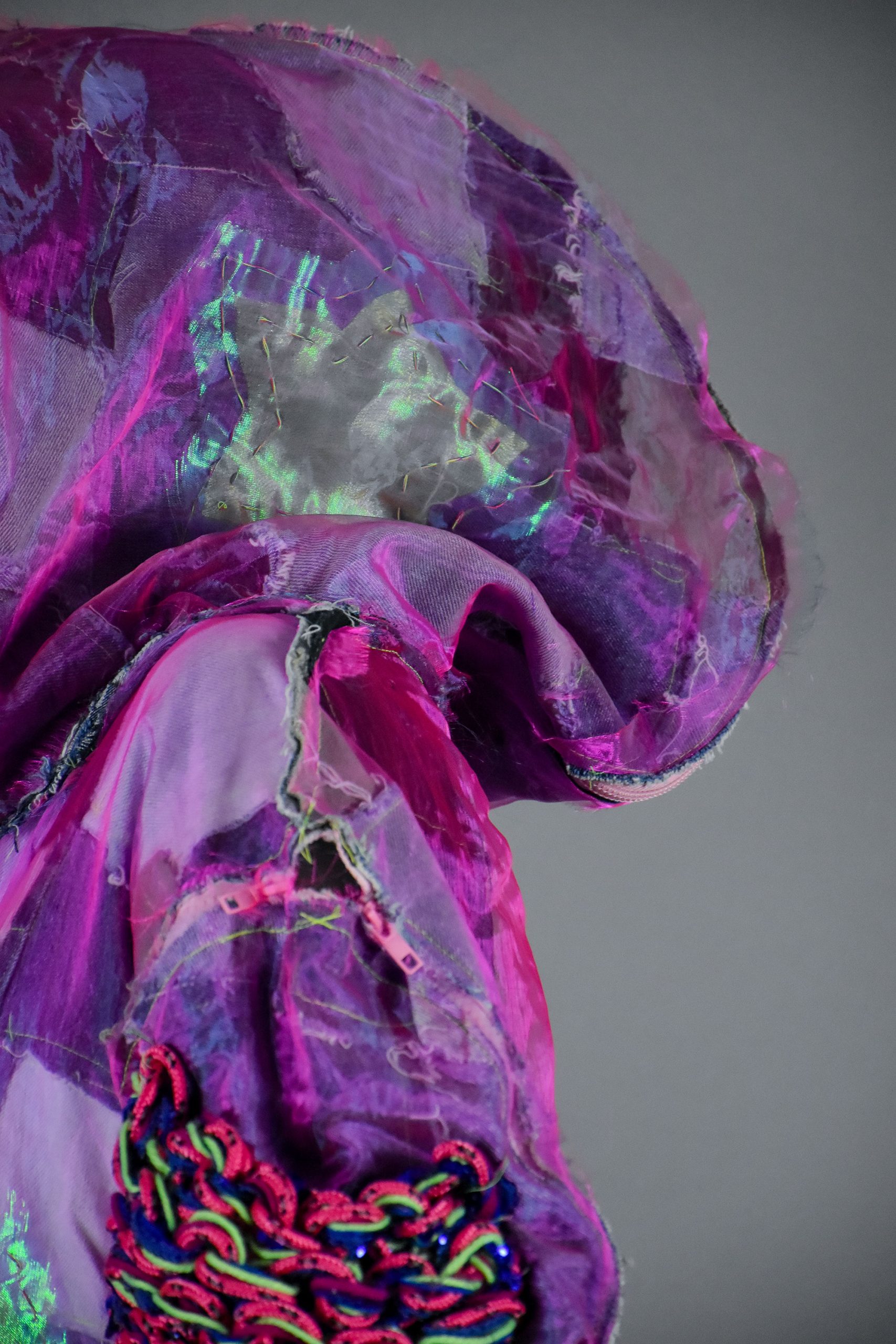
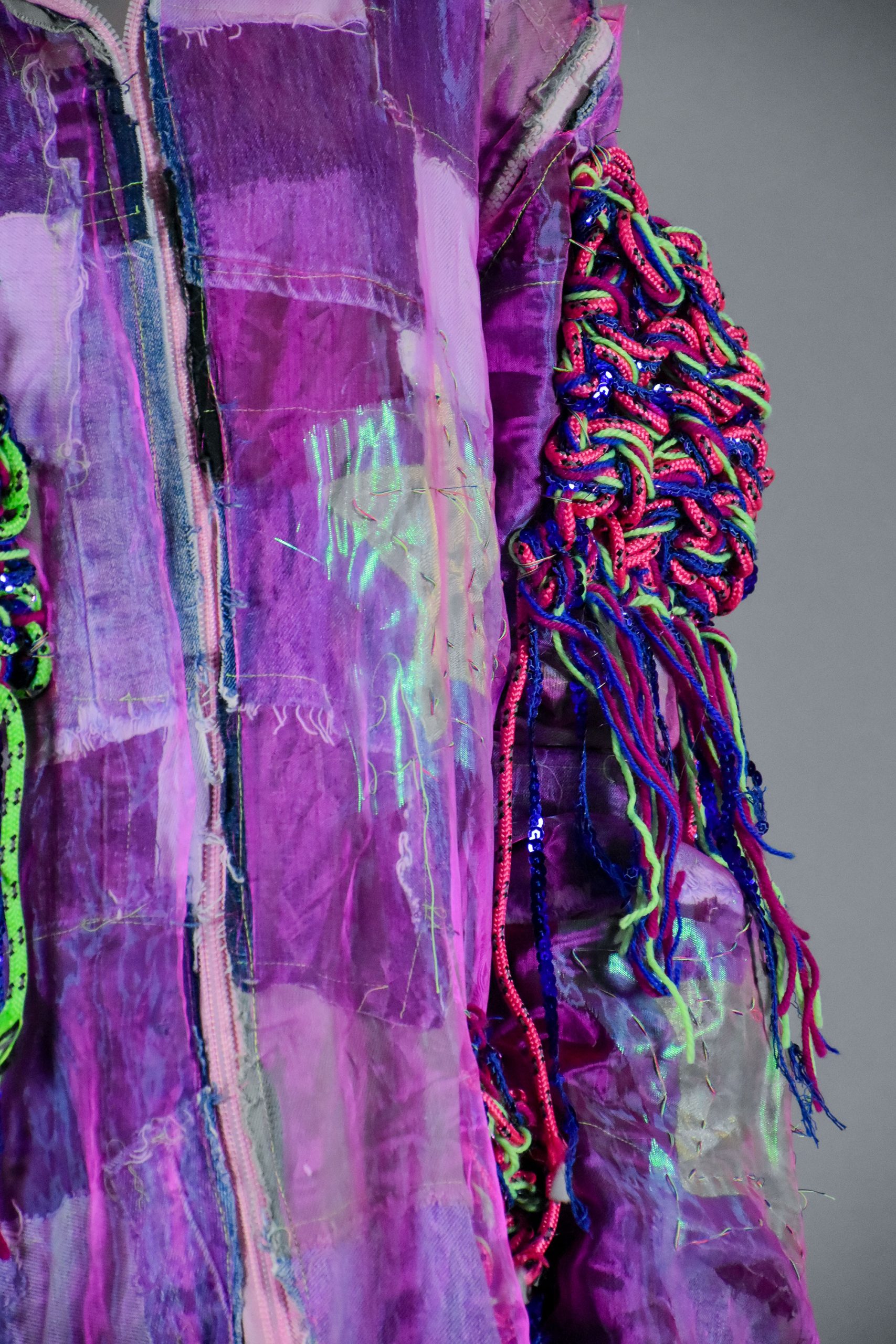
I believe everyone is a star in their own way regardless race, gender, age, history, health issues and I wanted to depict this by using astrocytes as star shapes in my design. I will be using the immunofluorescence image that Sarah provided as the basis of my colour pallet, using neon green, magenta, pink and blue. The knitting samples depict cells, where the pink represents inflammation in the brain and are functional pockets. A design feature that I have used is one continuous zip that can be opened from the front and unzipped all the way to the back of the labcoat.

This idea was sparked from the scientists using either a front opening lab coat or a back opening lab coat and I thought it would be cool to incorporate both openings into one lab coat. The sleeves are also detachable, making a vest style labcoat. Where the hood can also act as a turtle neck. The base of the lab coat is made from patchworked denim reclaimed from old pairs of jeans signifying an individuals journey of self discovery and the interconnectedness of ones life experiences, to form who they are today.

James Nuttney + James McMahon

James Nuttney

James Nuttney is a Melbourne (Naarm) based Designer and founder of the label VOL.2. VOL.2 is a label centred around exploring non-gendered fashion through oversized, asymmetrical and effortless silhouettes while echoing elements of high fashion. Additionally rooted in sustainability, functional design and a drive to push limits in materiality. 
James McMahon

A clinical trial of low dose Nivolumab in adults living with HIV on antiretroviral therapy: NIVO-LD

A/Prof McMahon is an Infectious Diseases Physician and Head of the Infectious Diseases Clinical Research Unit at the Alfred Hospital and an Infectious Diseases Physician at Monash Medical Centre in Melbourne Australia. He is the current President for Australasian Society for HIV, Viral Hepatitis and Sexual Health Medicine (ASHM), and his research interests include clinical trials focused on HIV and COVID-19.

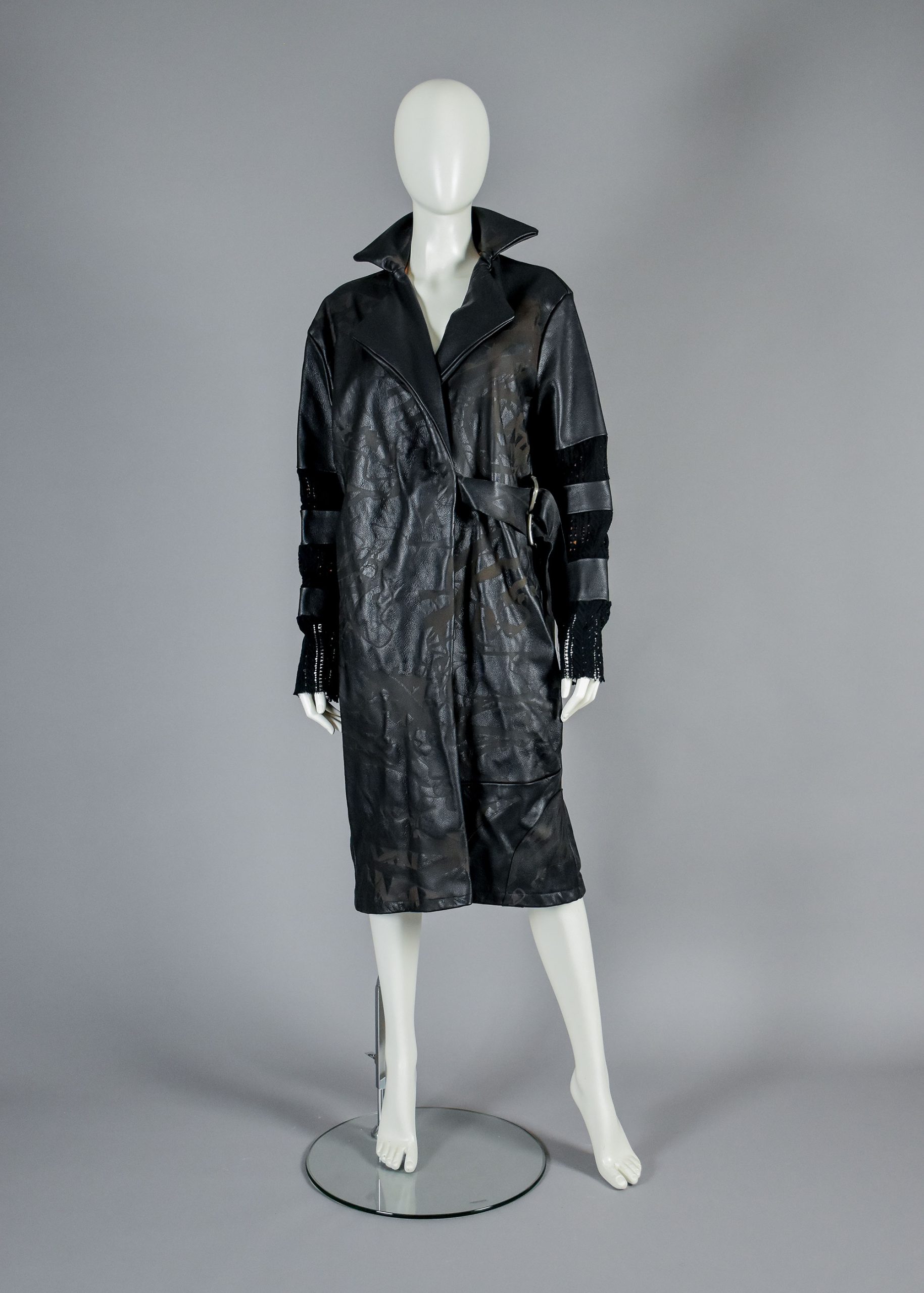
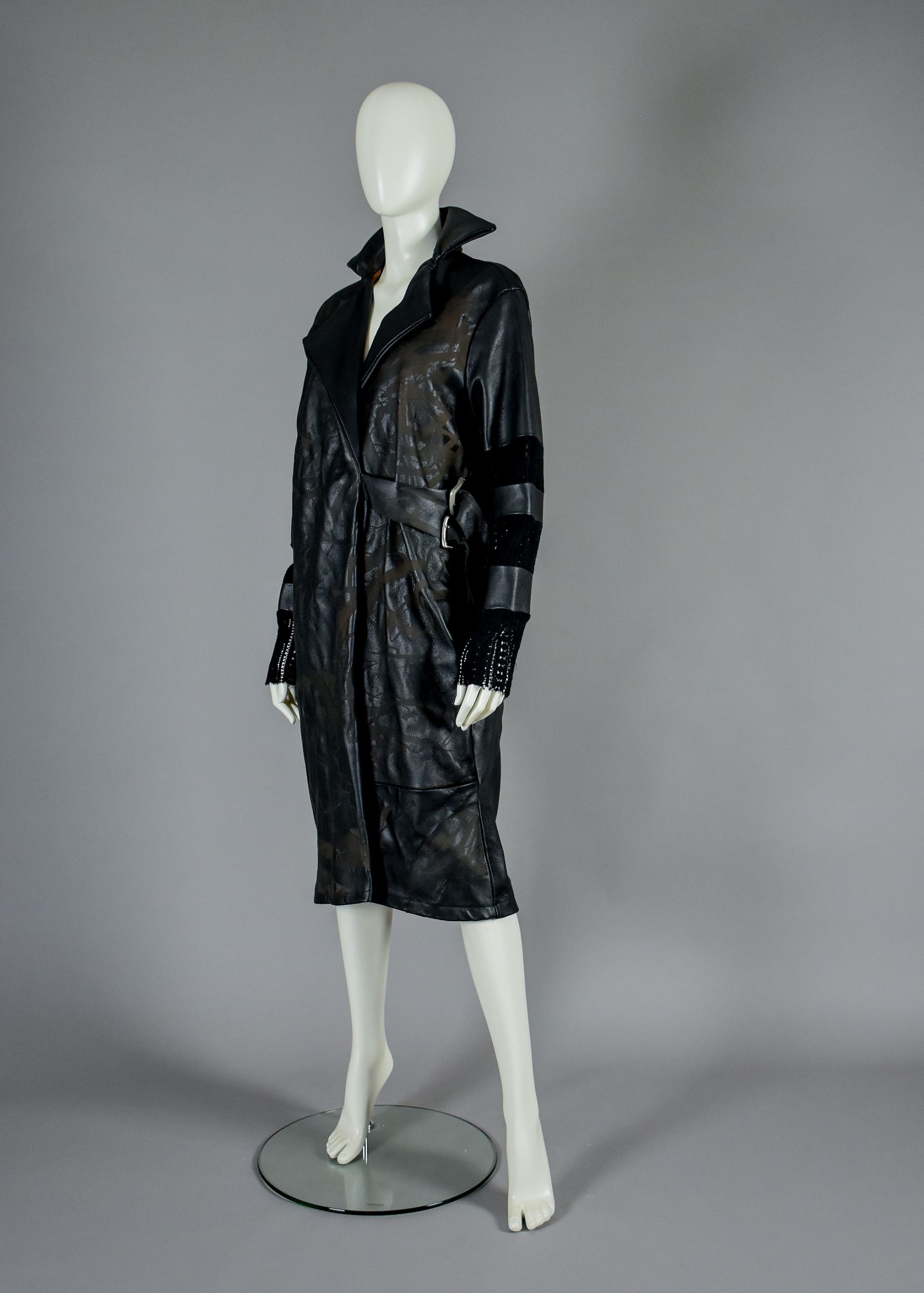
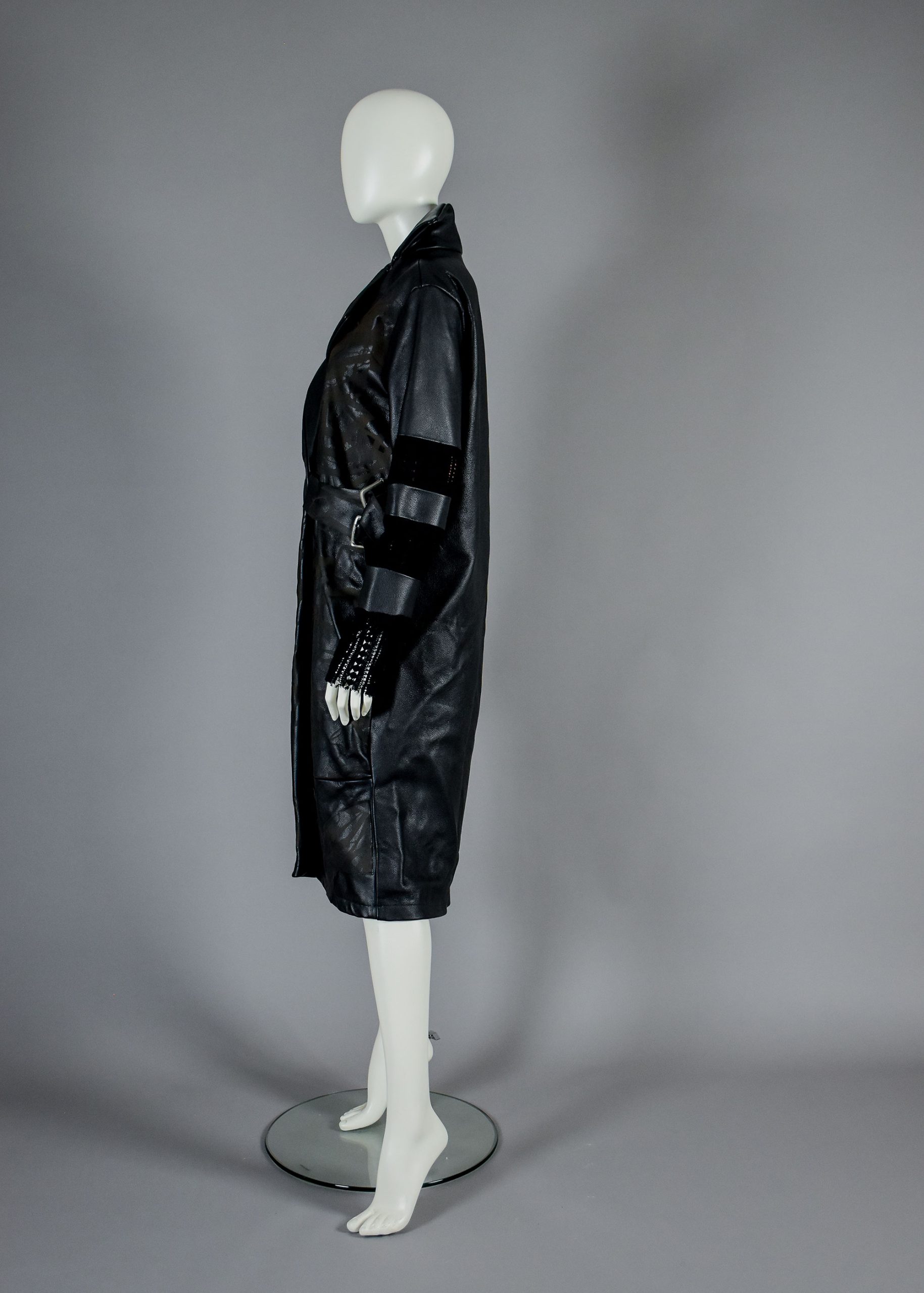
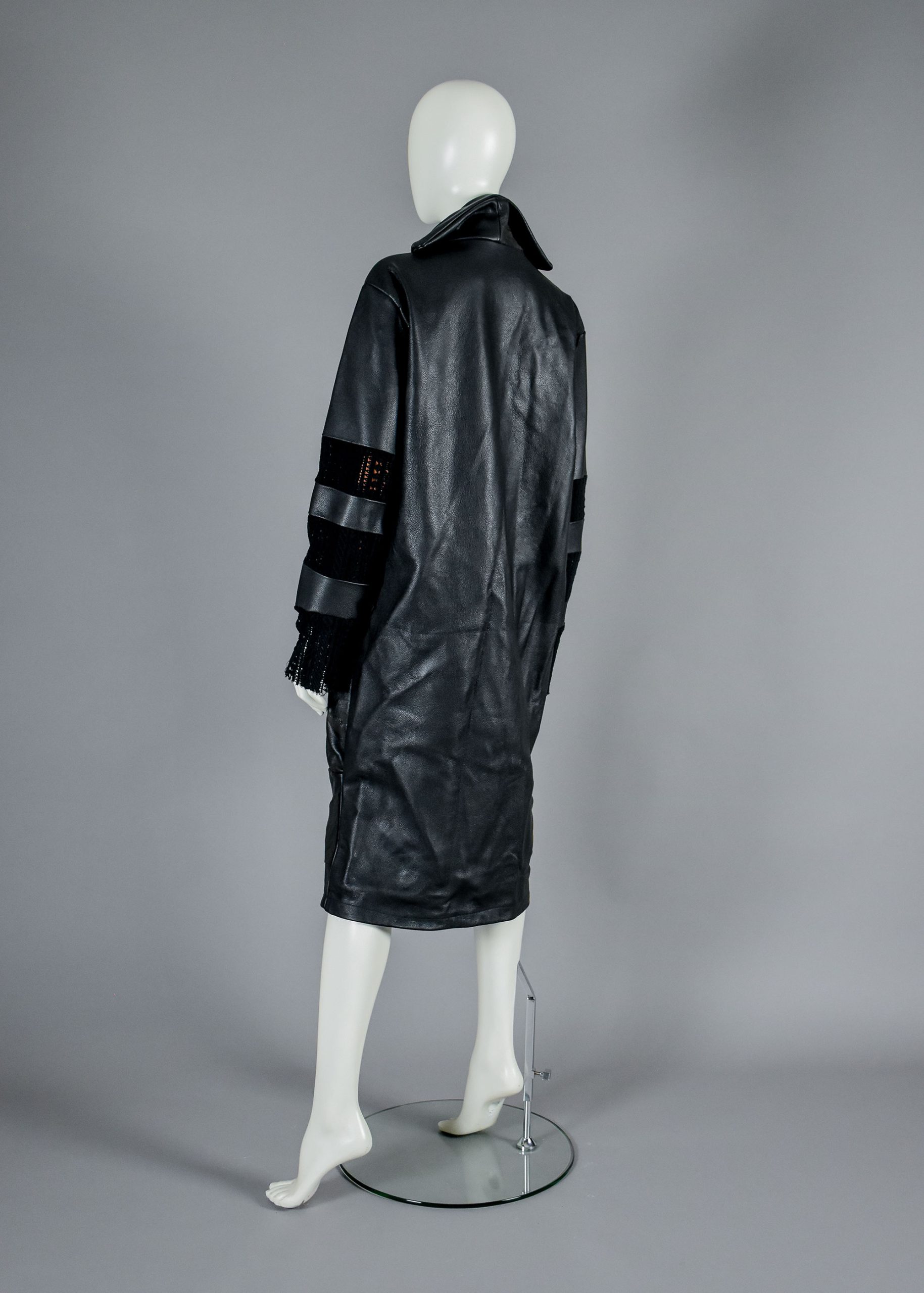
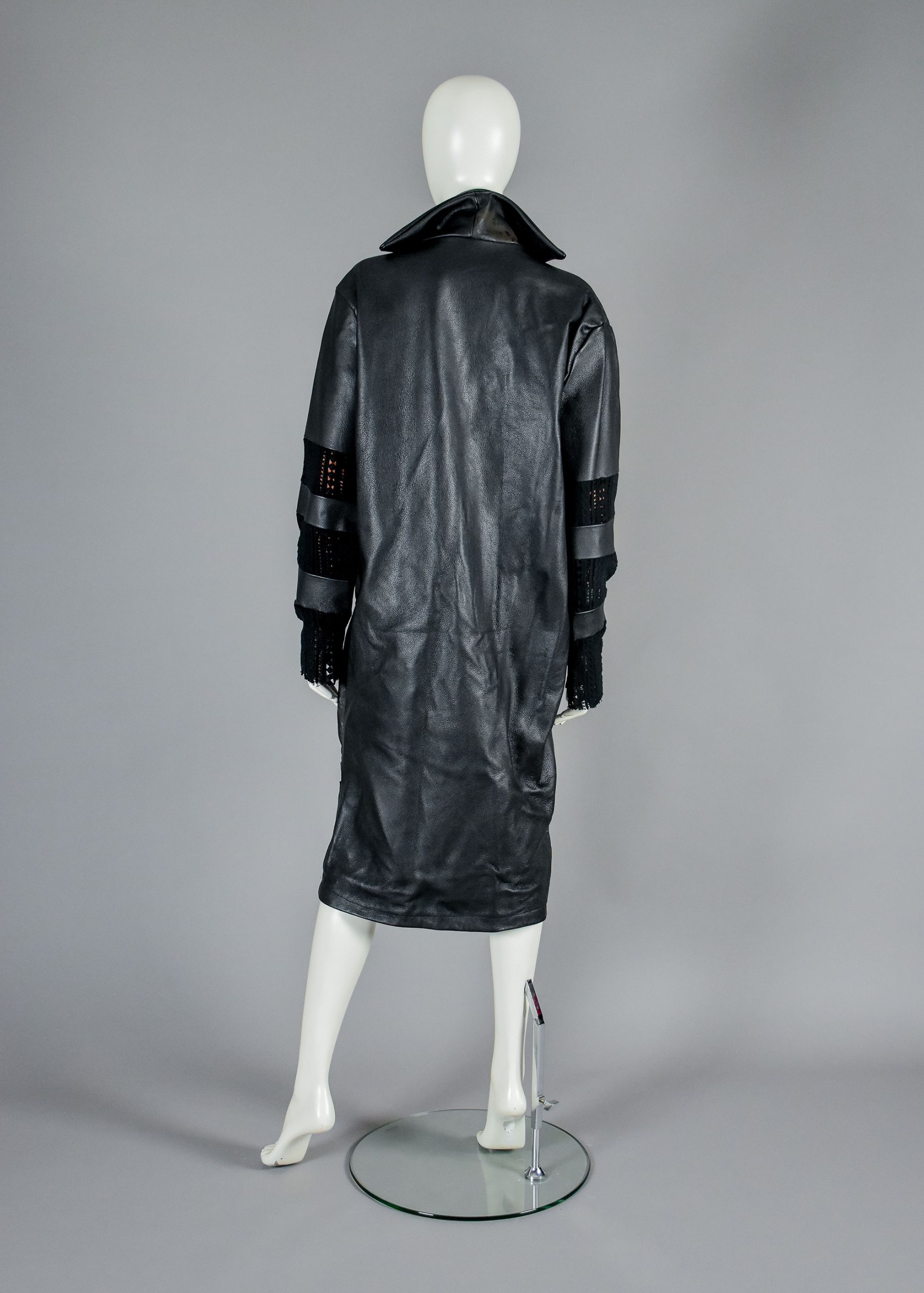
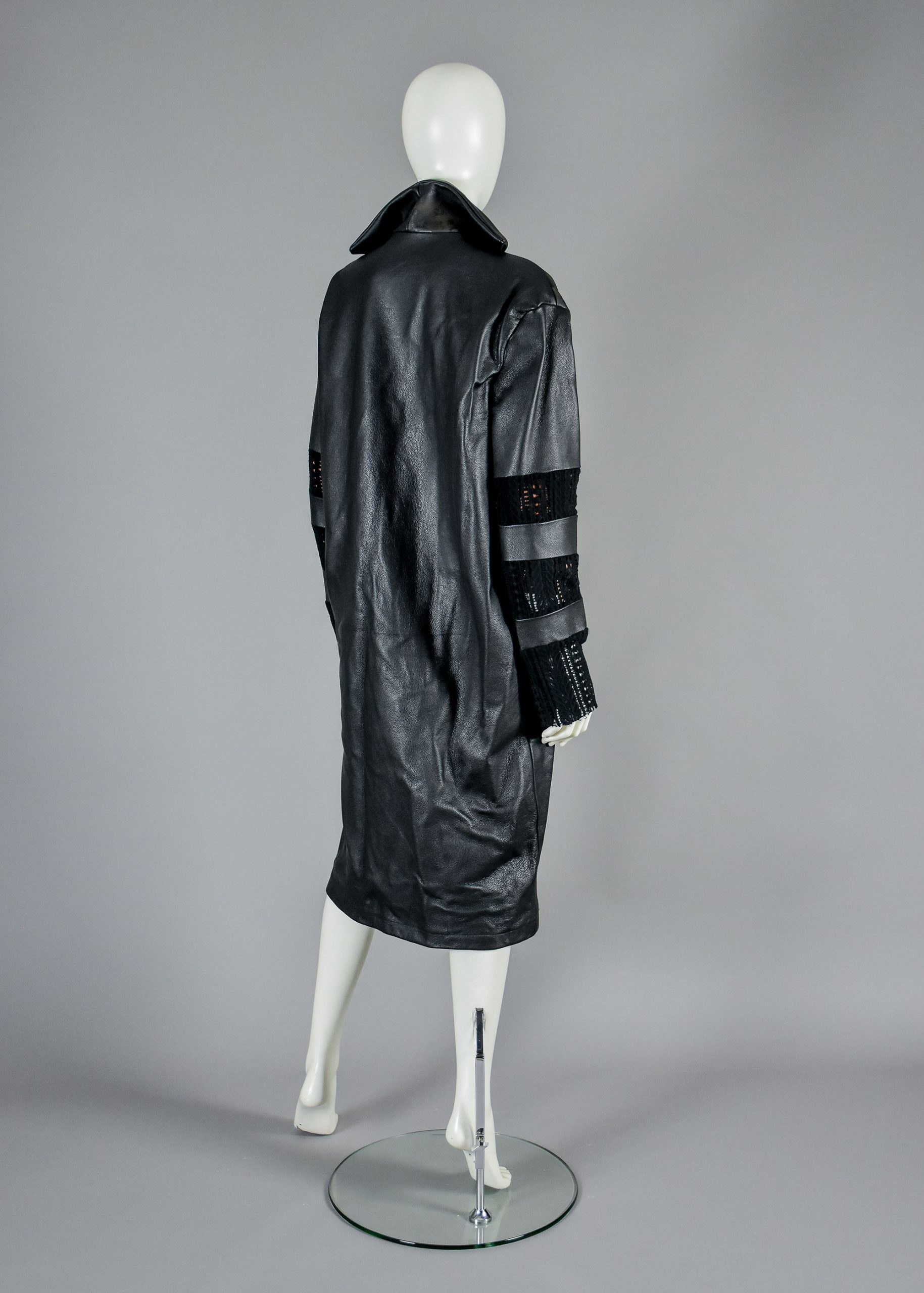
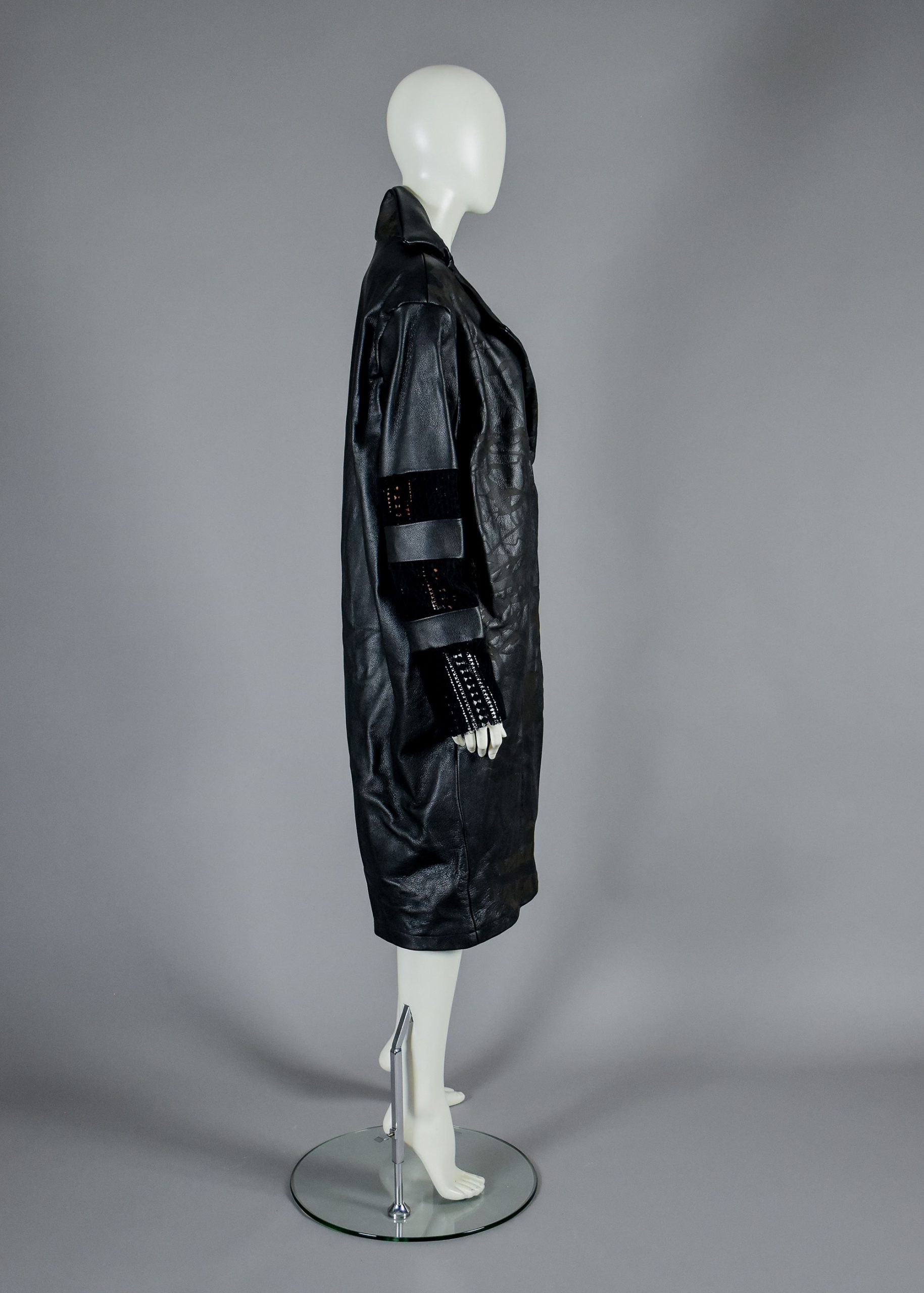
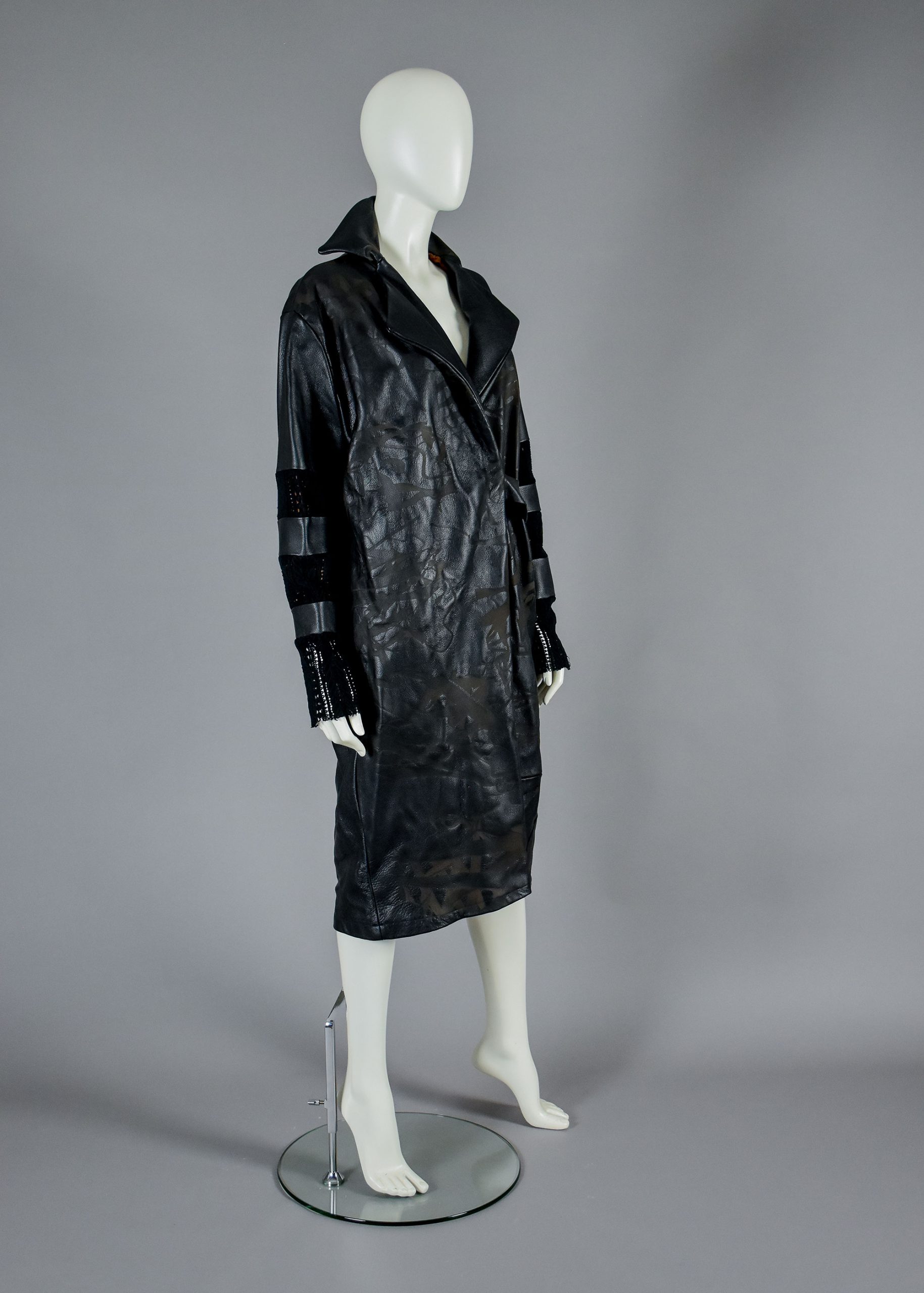
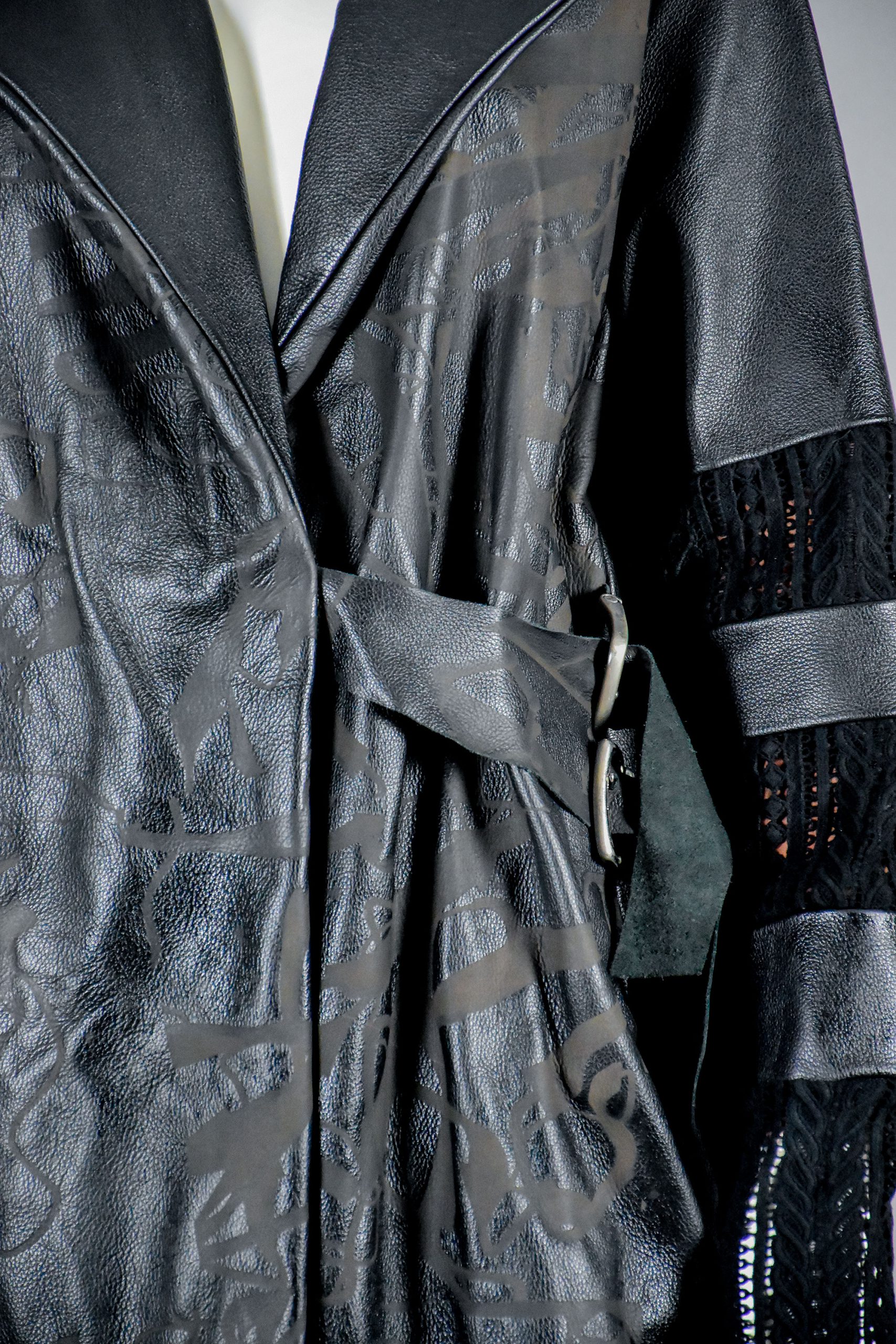
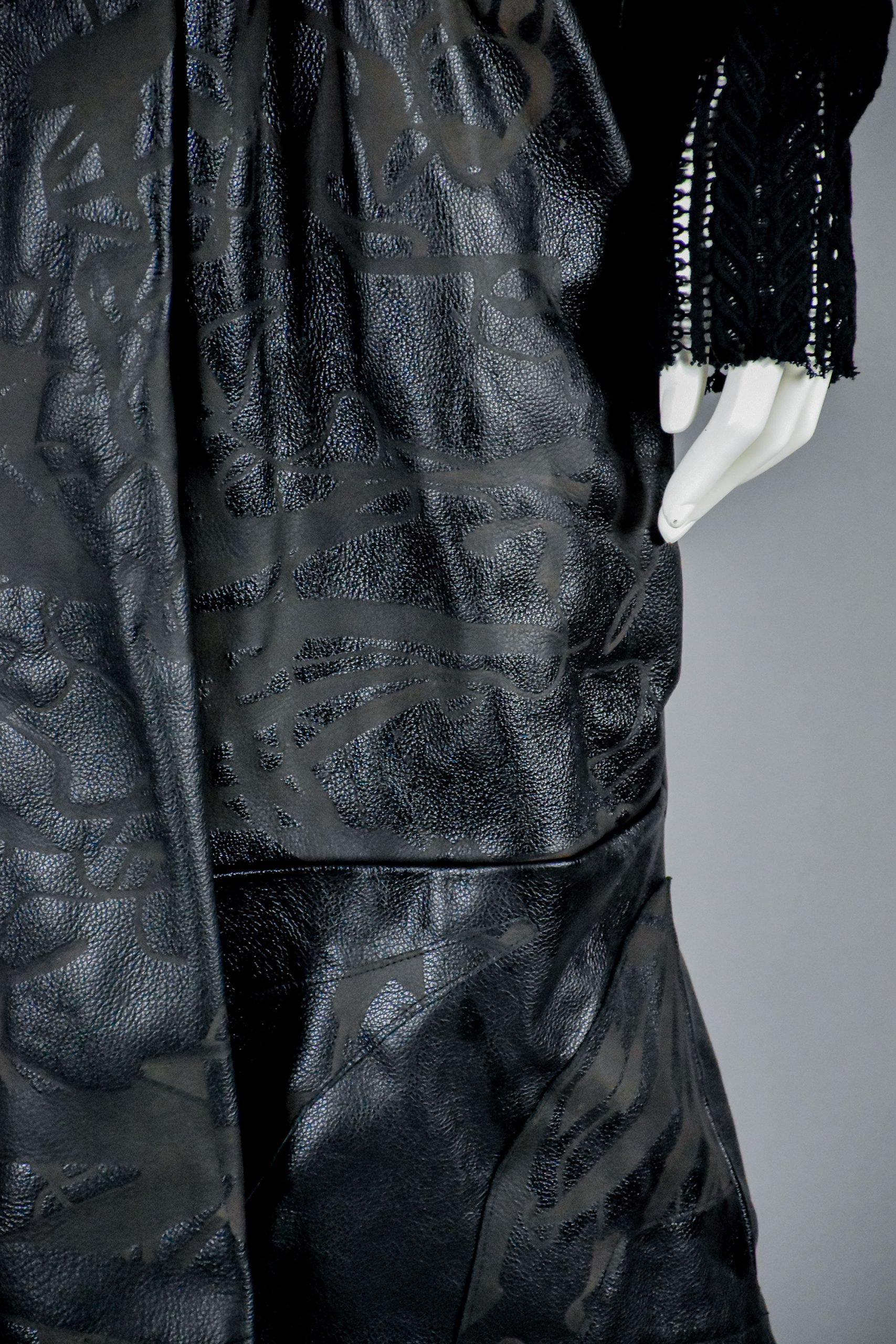
This lab coat is intended to represent Professor James McMahon’s research into HIV and it’s potential cure. The design of the coat takes the science inspiration from the treatment in the research to reimagine it through a fashion context. The treatment works with a monoclonal antibody call Nivolumab. Nivolumab acts as an inhibitor by binding to PD1 on immune cells, which then prevents PD1 from binding to PDL1 on cancer or HIV infected cells, PDL1 is a marker on cells that prevents them from being killed by immune cells.

So, by inhibiting that interaction between PD1 and PDL1 the immune cell is able to kill the infected cell. The design of this jacket represents the physical structures of PD1 and Nivolumab which are represented in laser etched image on the front of the jacket. The form of the jacket follows the structures created by the beta pleated sheets in the protein structure of PD1 and Nivolumab. The lace in the sleeves represents the alpha helices, another component of the protein structures.

Jamie Nguyen + Thomas Norman

Jamie Nguyen

Jamie Nguyen is a Fashion Design student at RMIT University School of Fashion and Textiles based in Melbourne. She is an avid hand- drawer and utilizes drawing with watercolour as part of her creative process in the development of ideas. Jamie’s work often incorporates evening and lustrous fabrics combined with other unexpected combinations.

Thomas Norman

Quality of life and social connectedness among people living with HIV.

Thomas Norman is a Research Fellow at La Trobe University’s Australian Research Centre in Sex, Health and Society (ARCSHS), specialising in public health. With research interests in sexual health, substance use and health promotion, he is currently working alongside community partners on the HIV Futures project — a longstanding study funded by the Department of Health investigating health and wellbeing among people living with HIV across Australia.

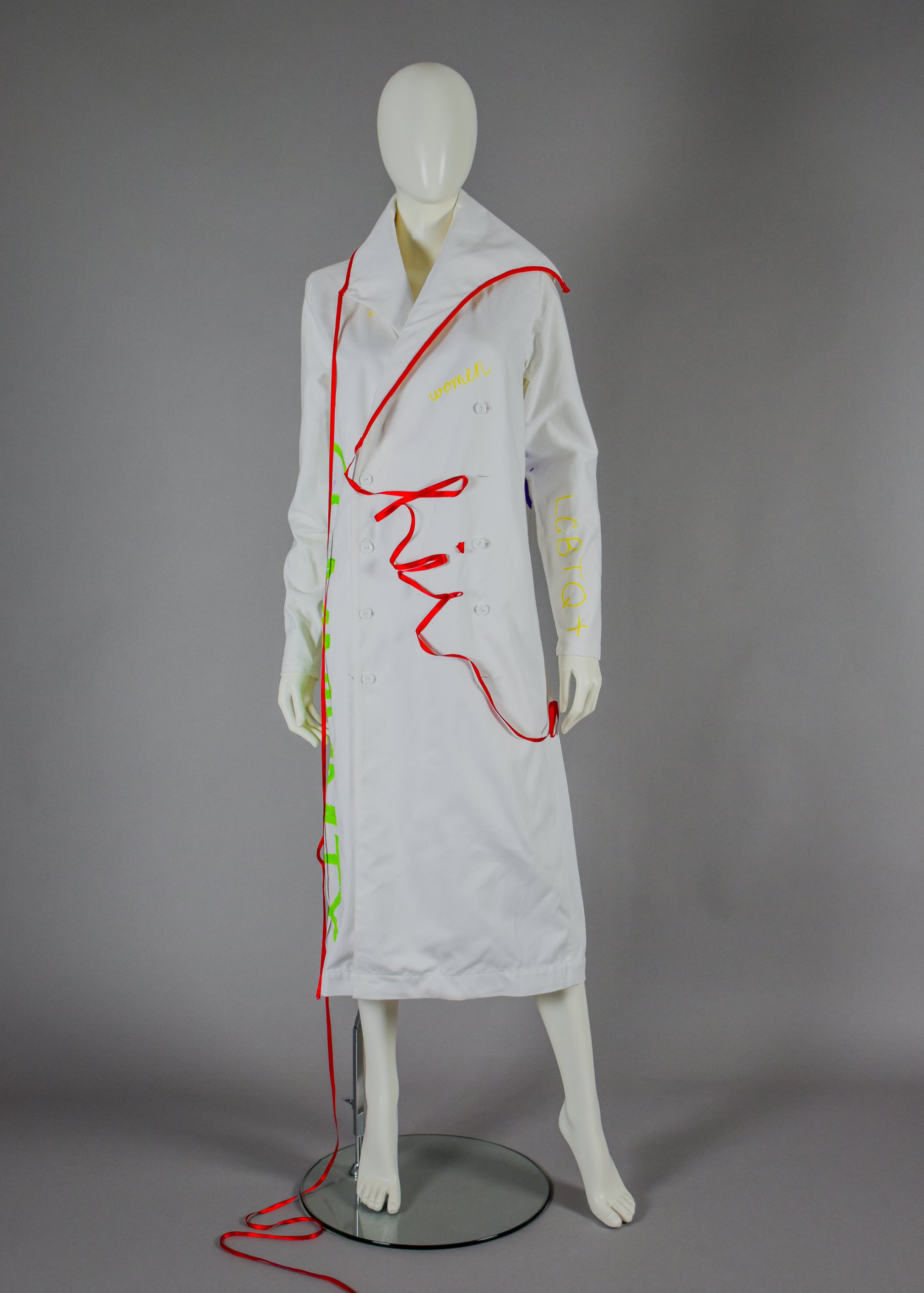
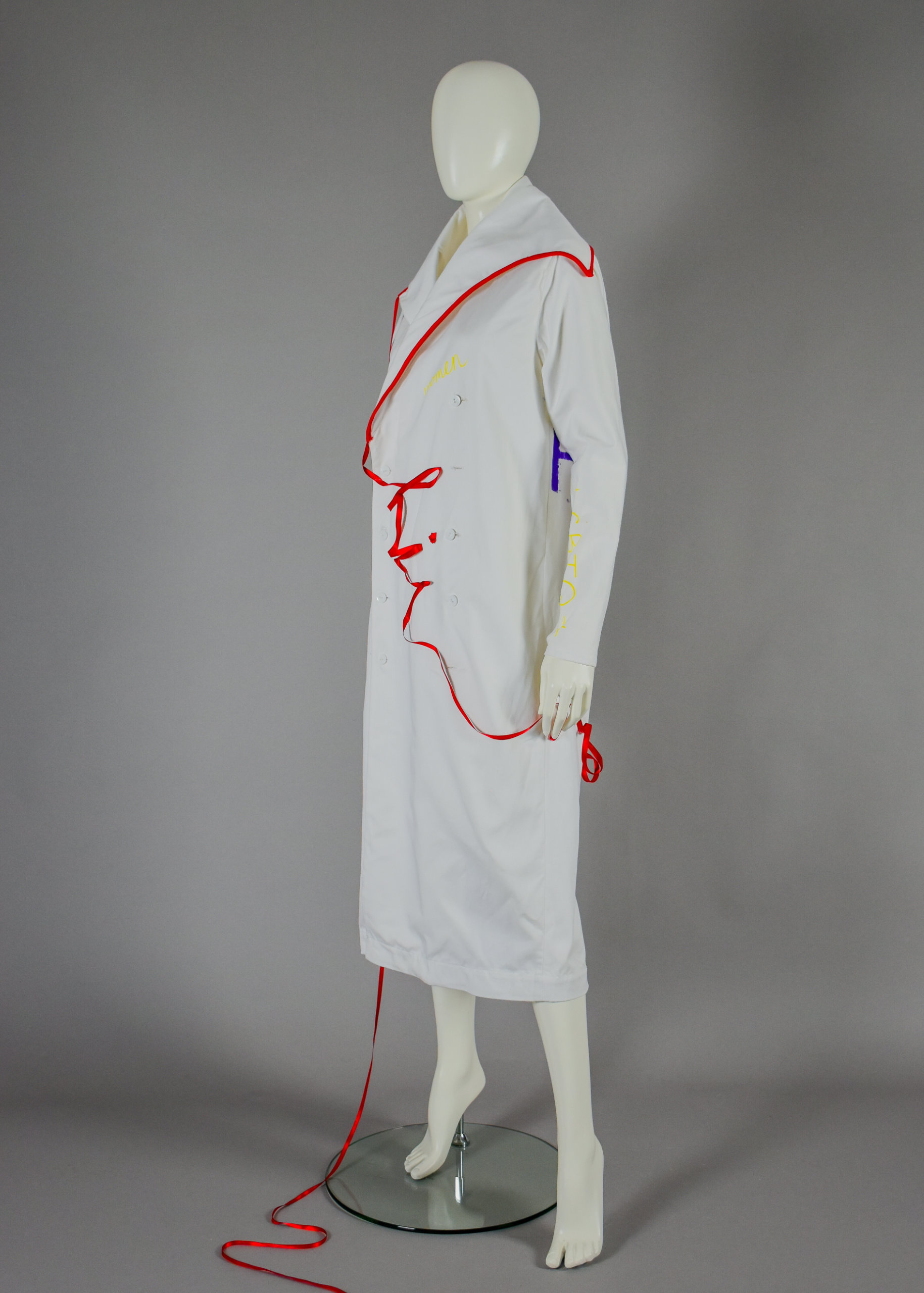
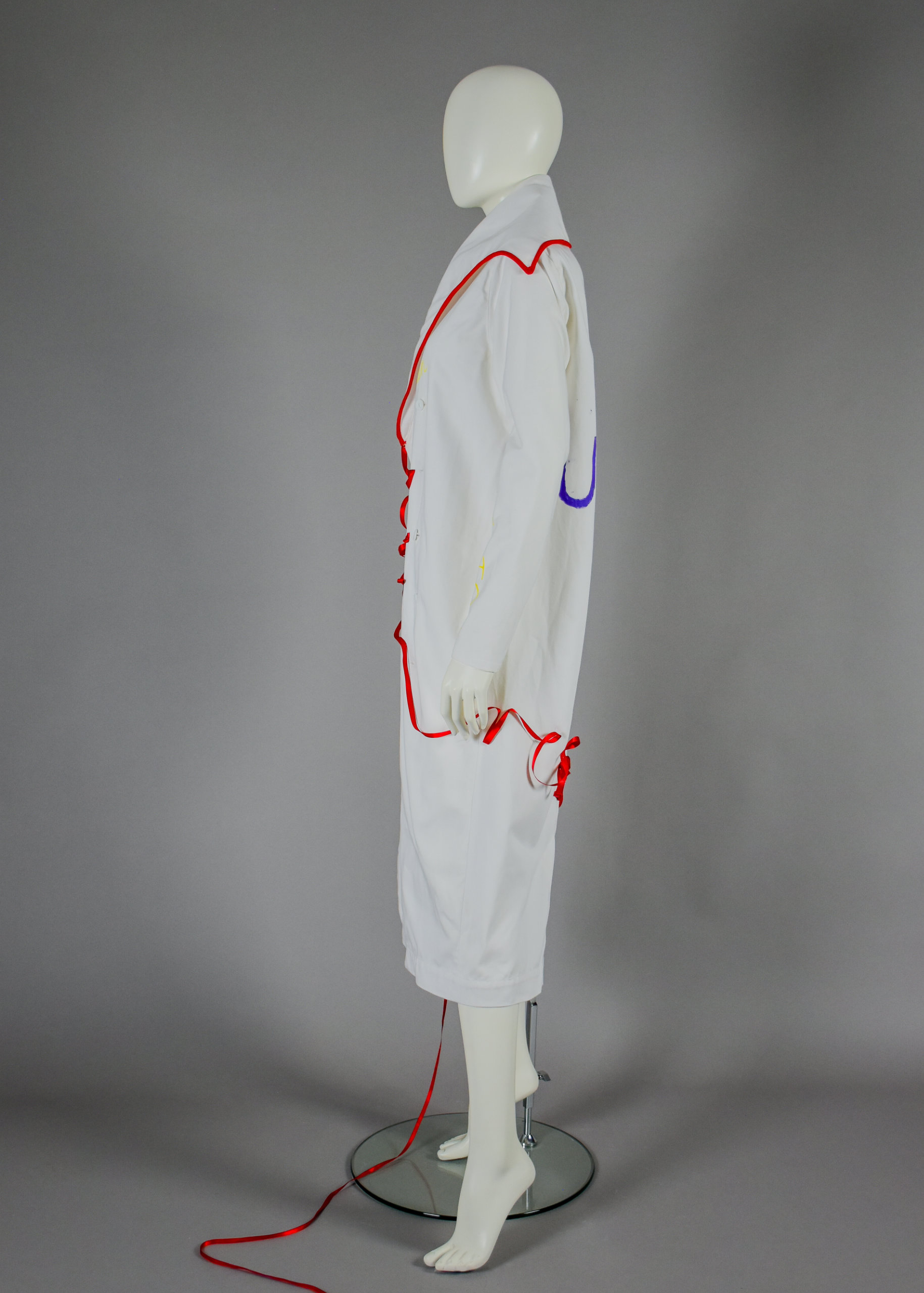
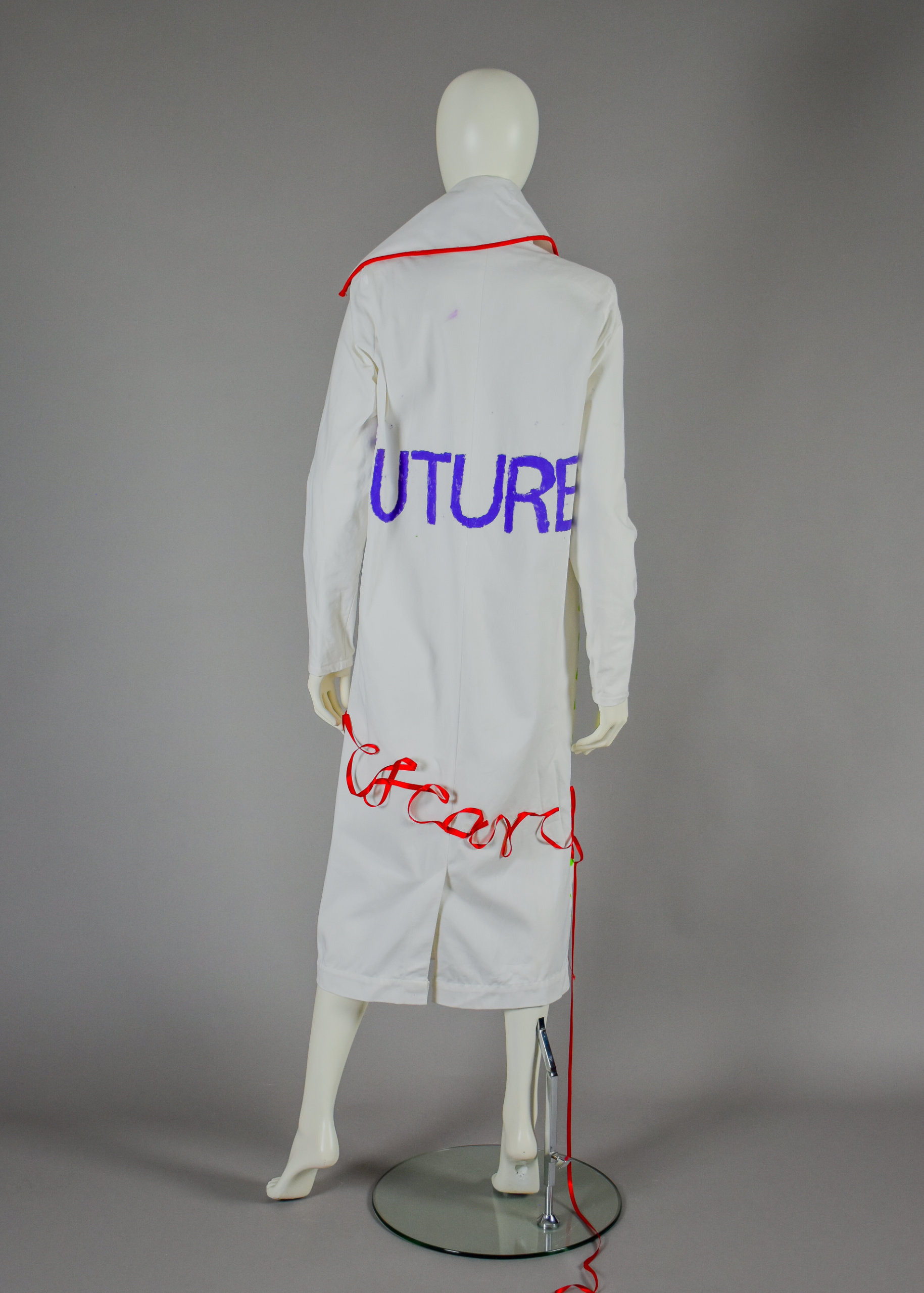
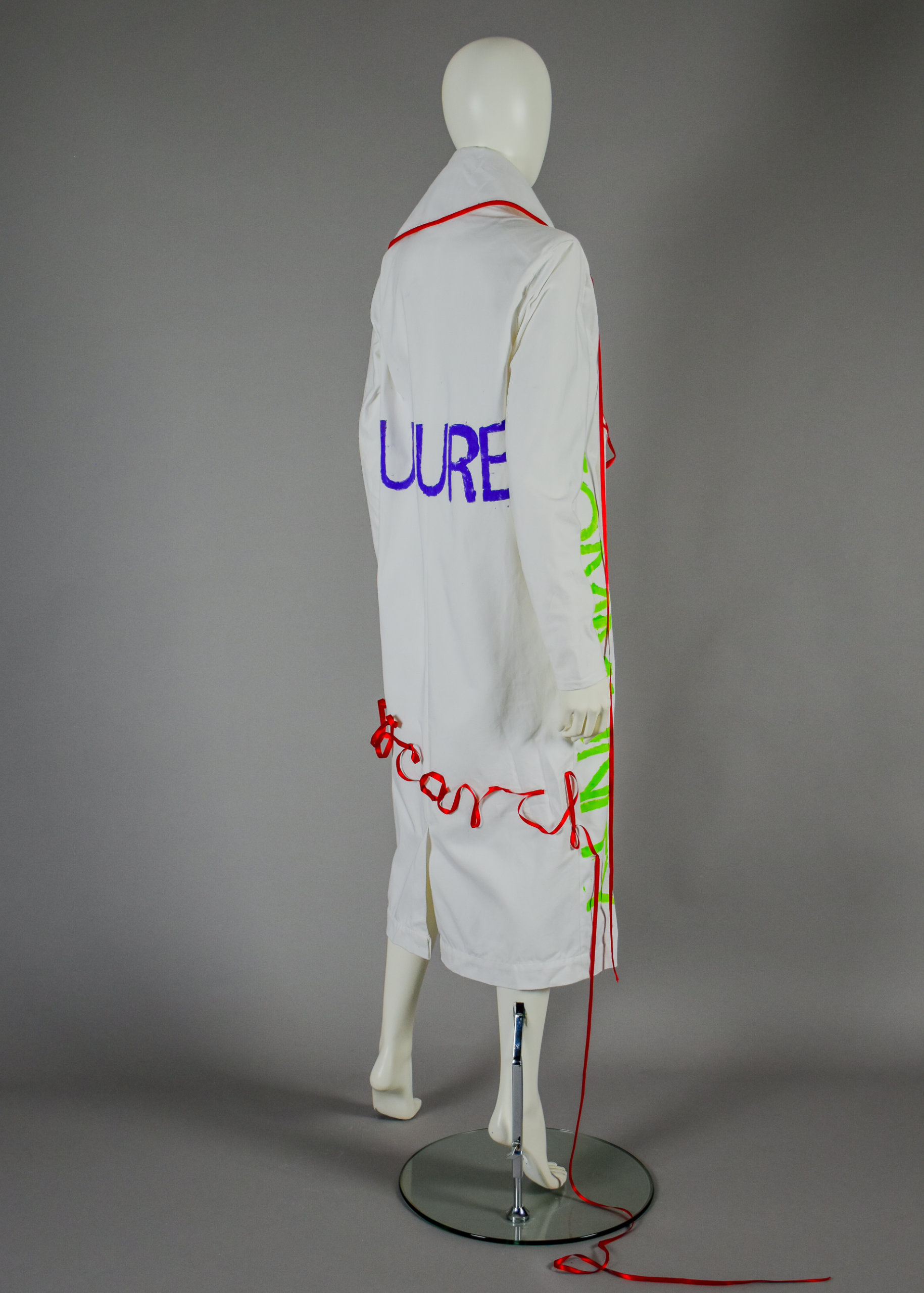
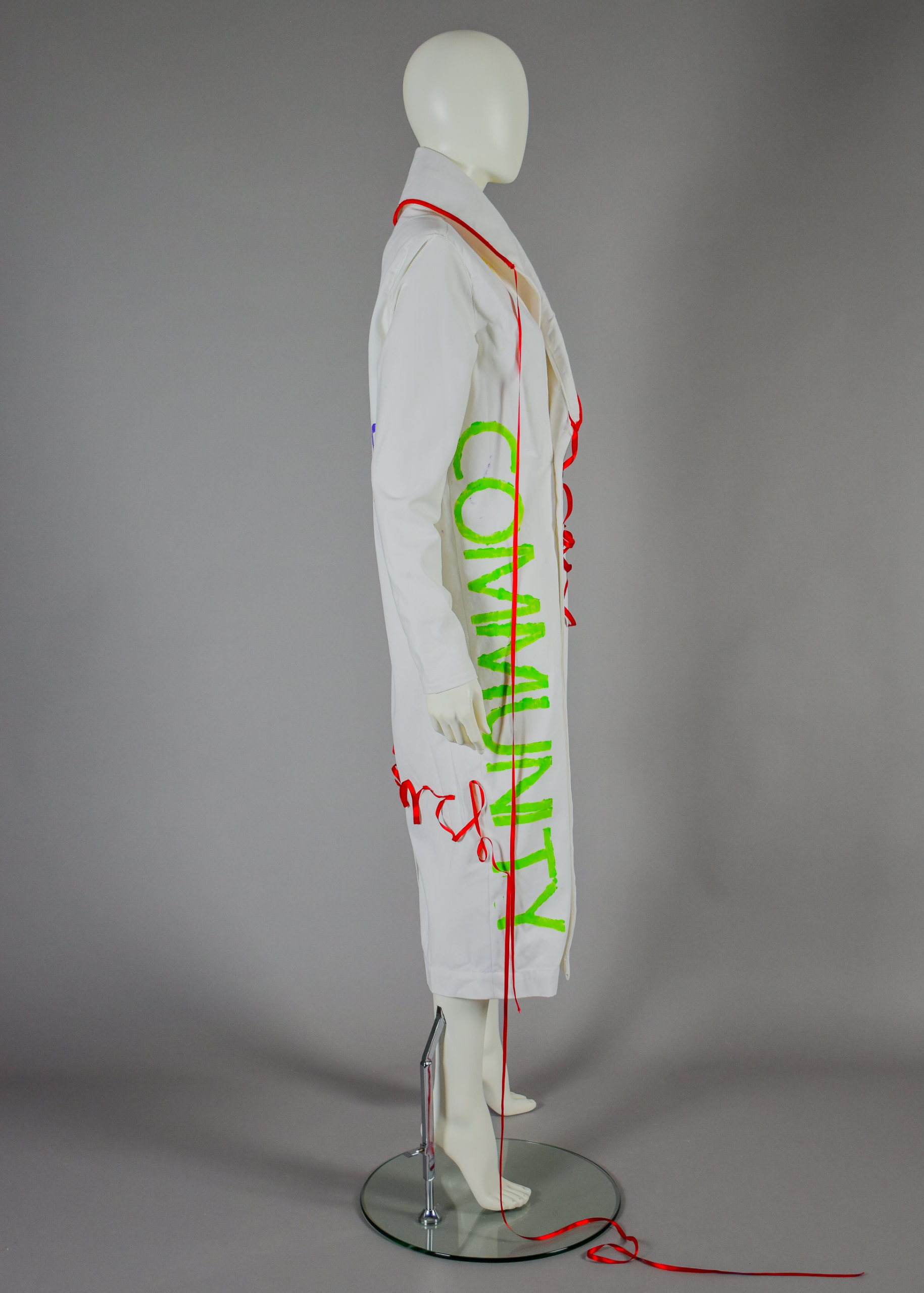
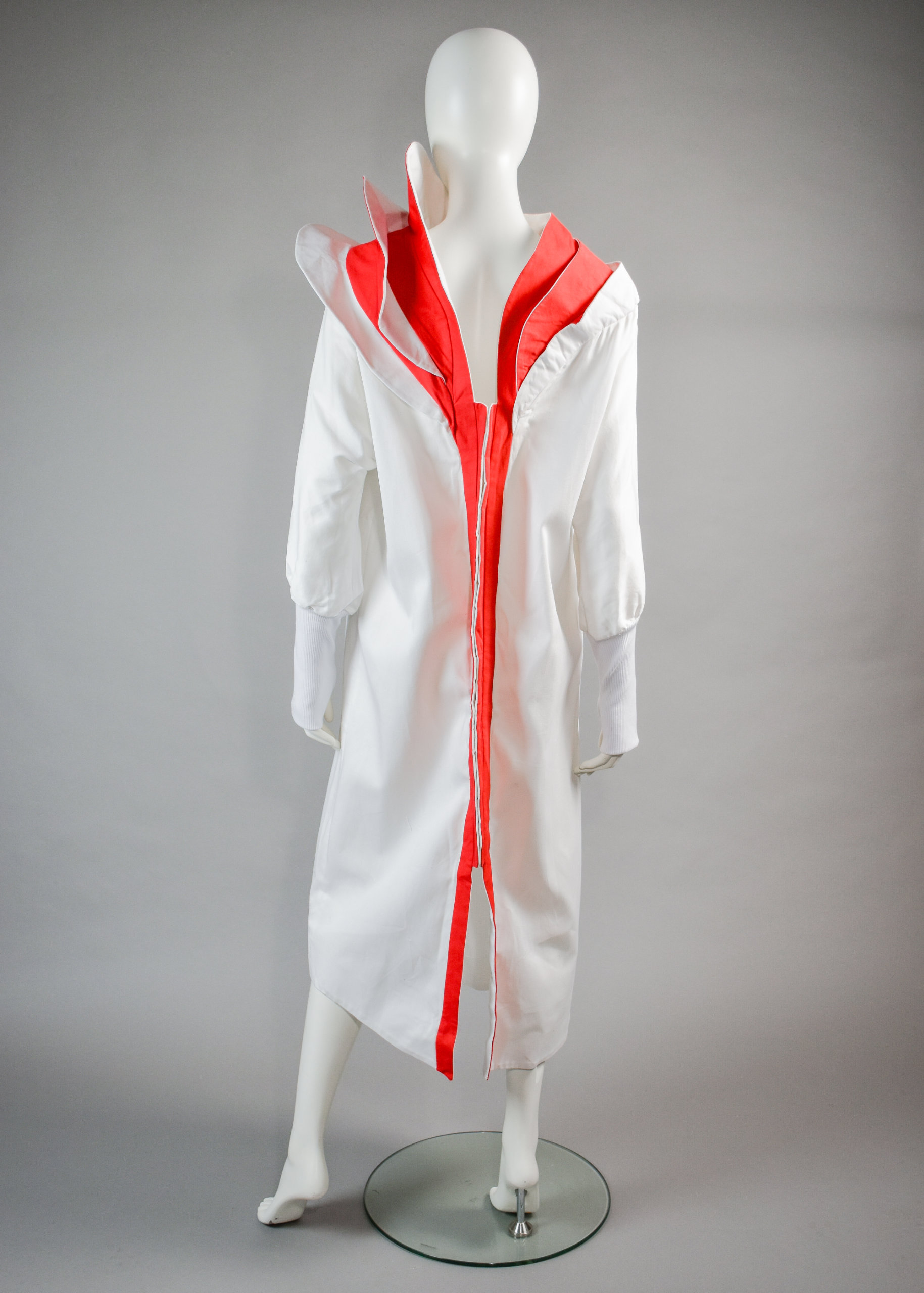
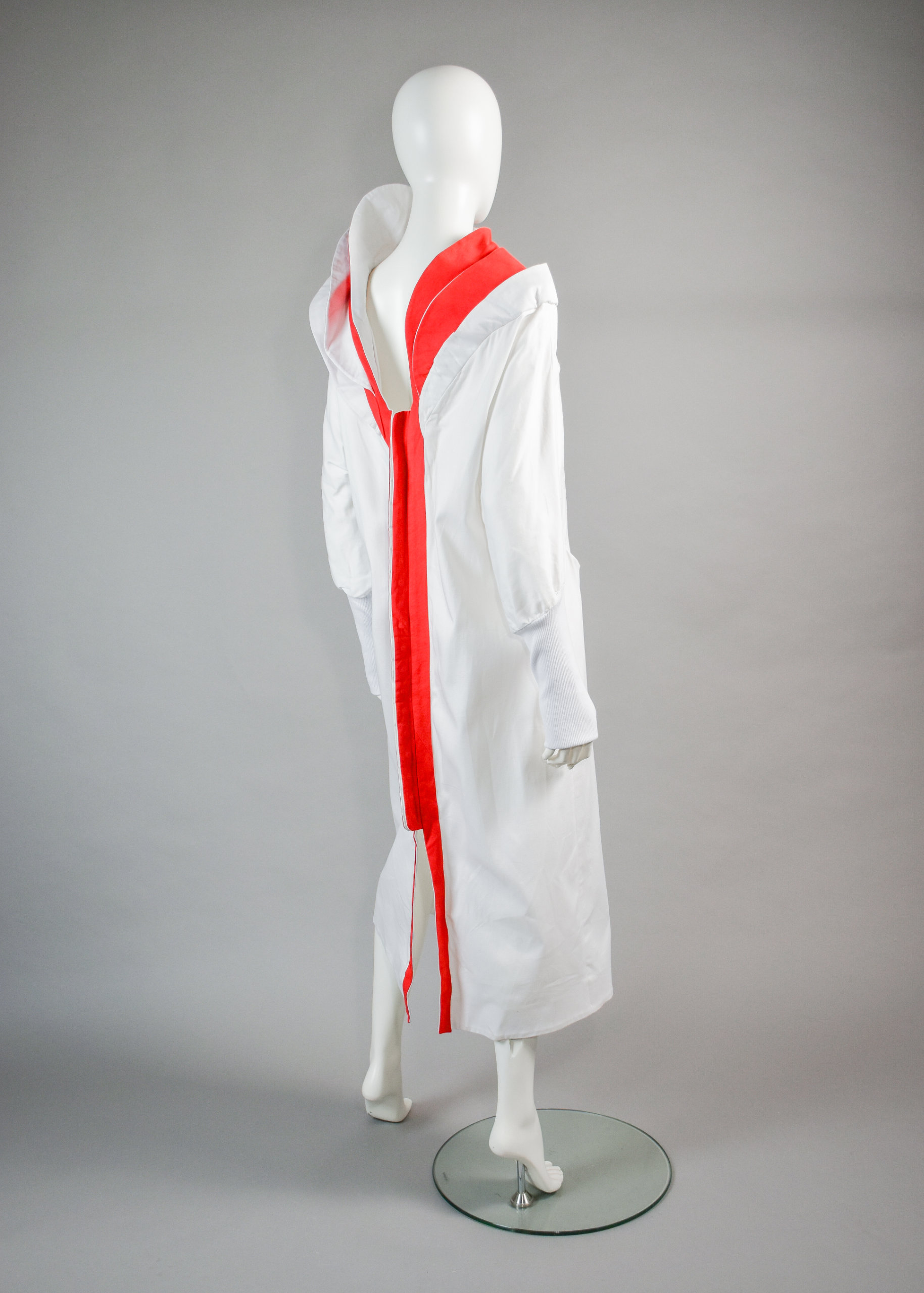
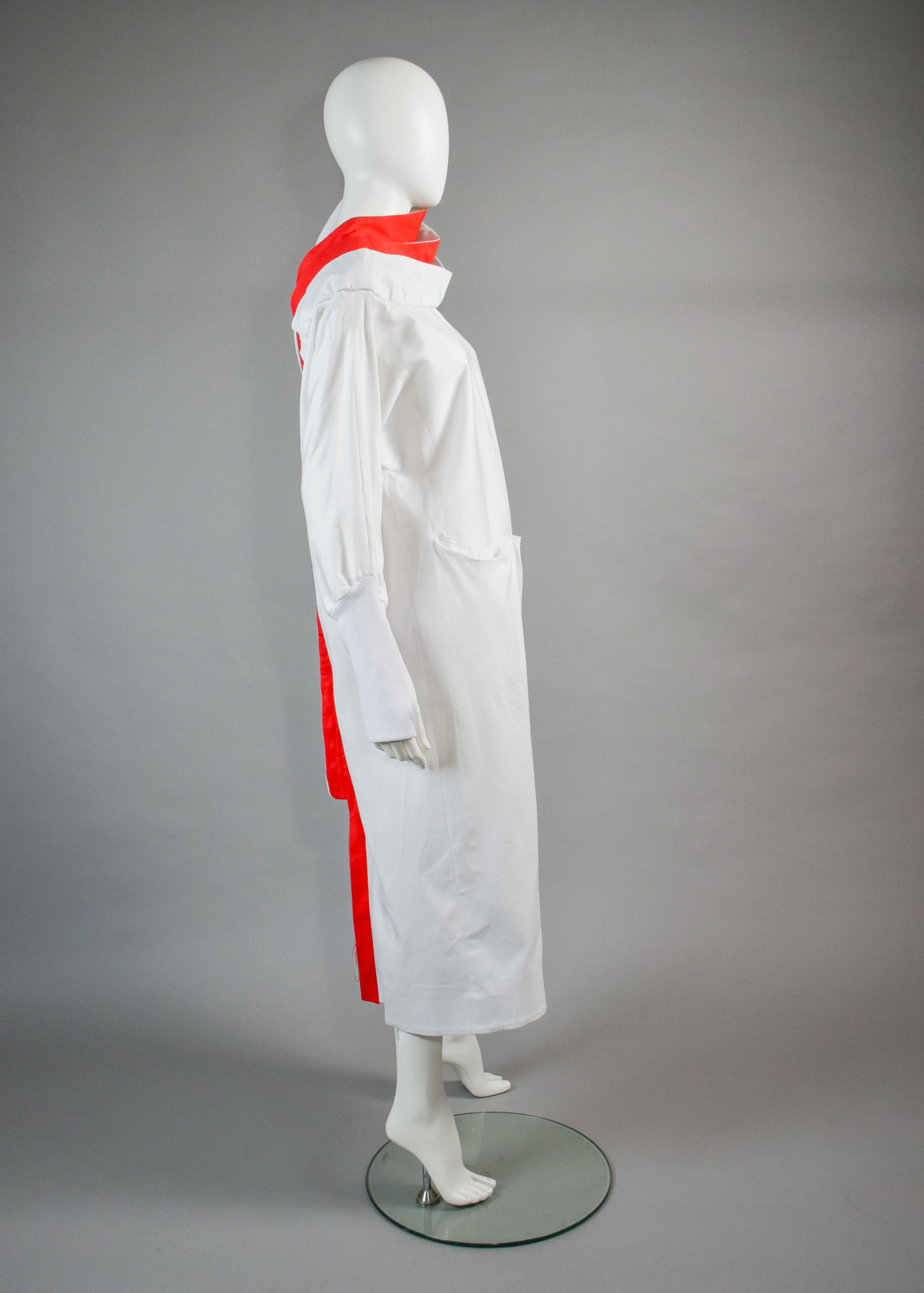
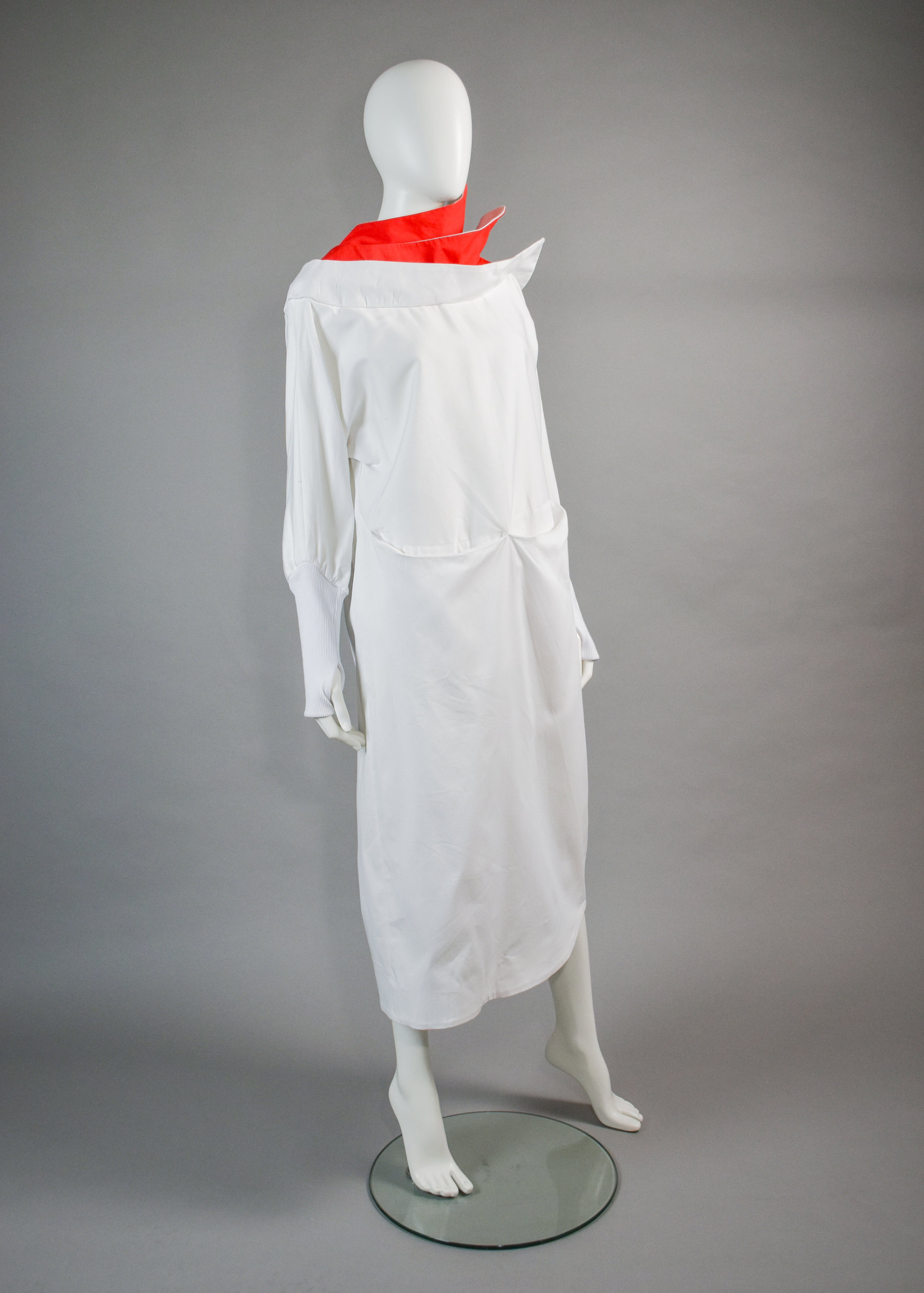
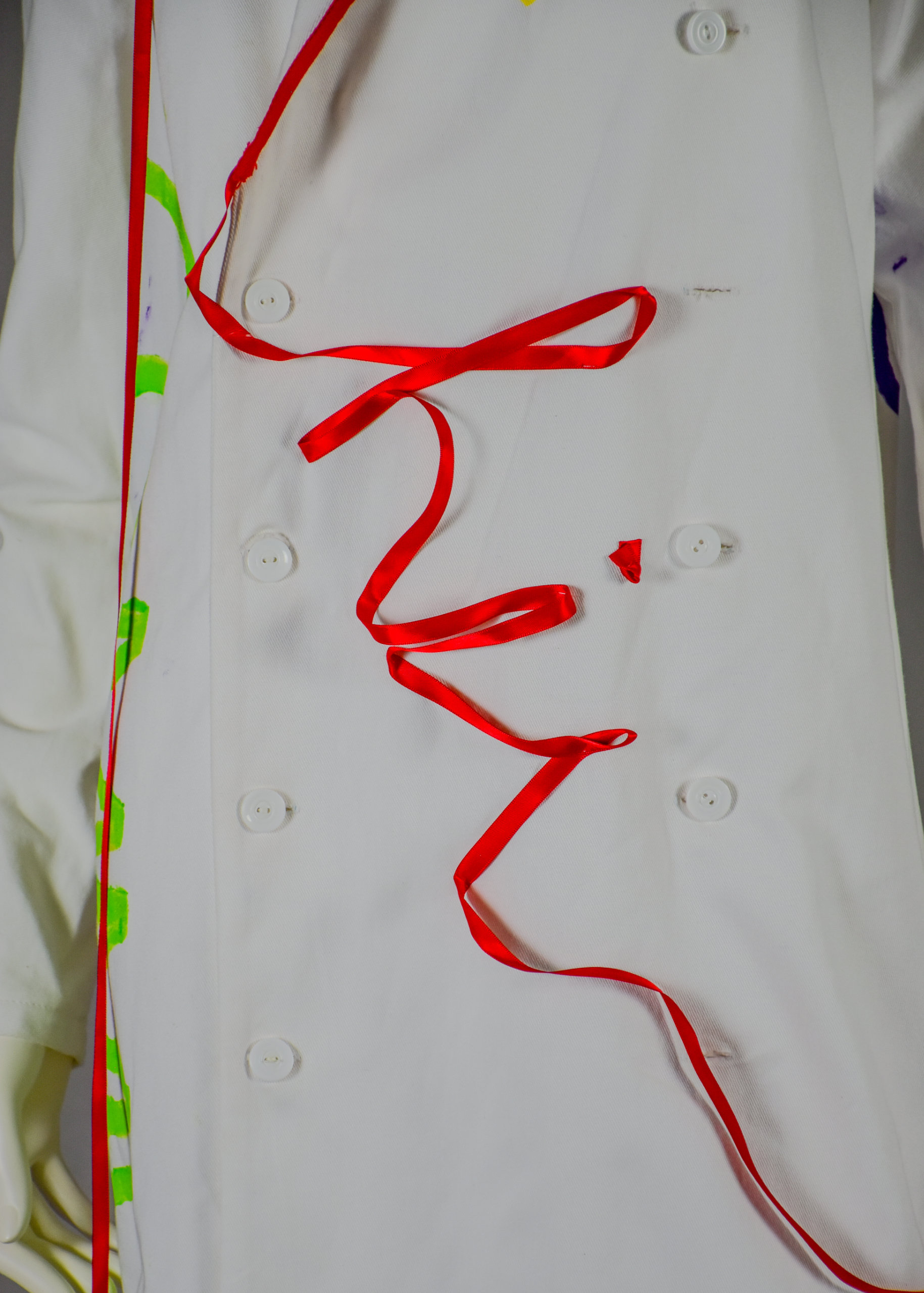
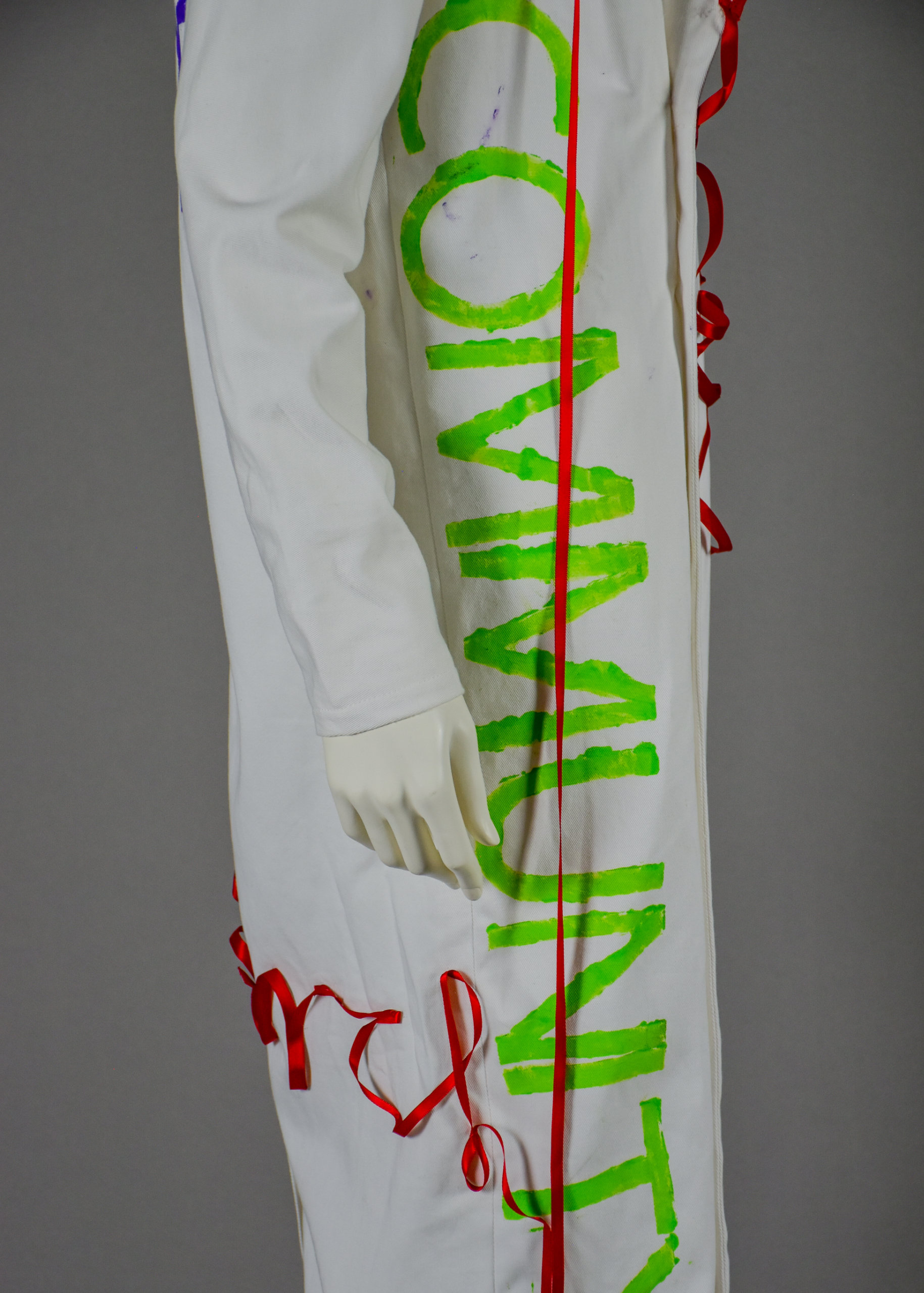
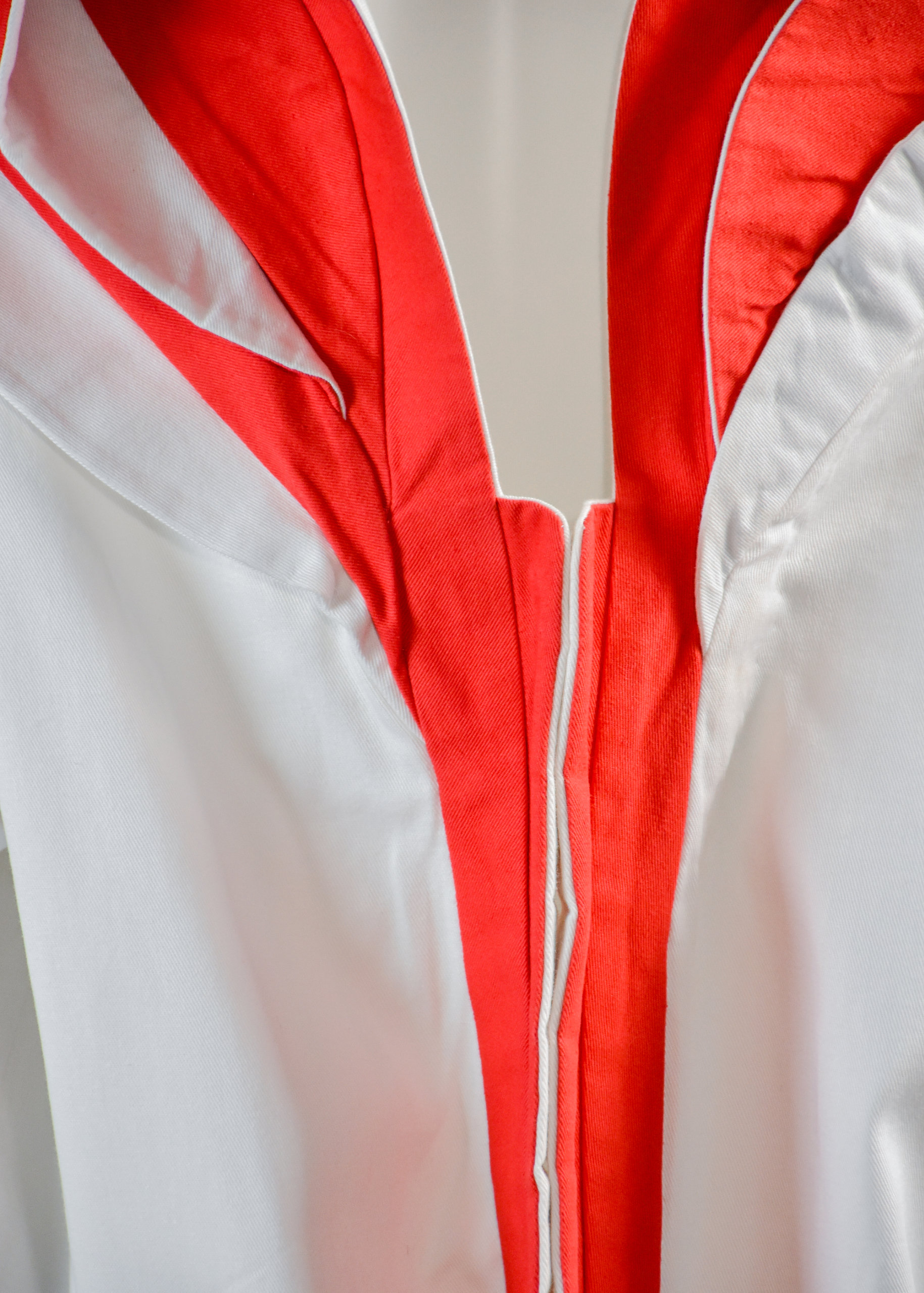
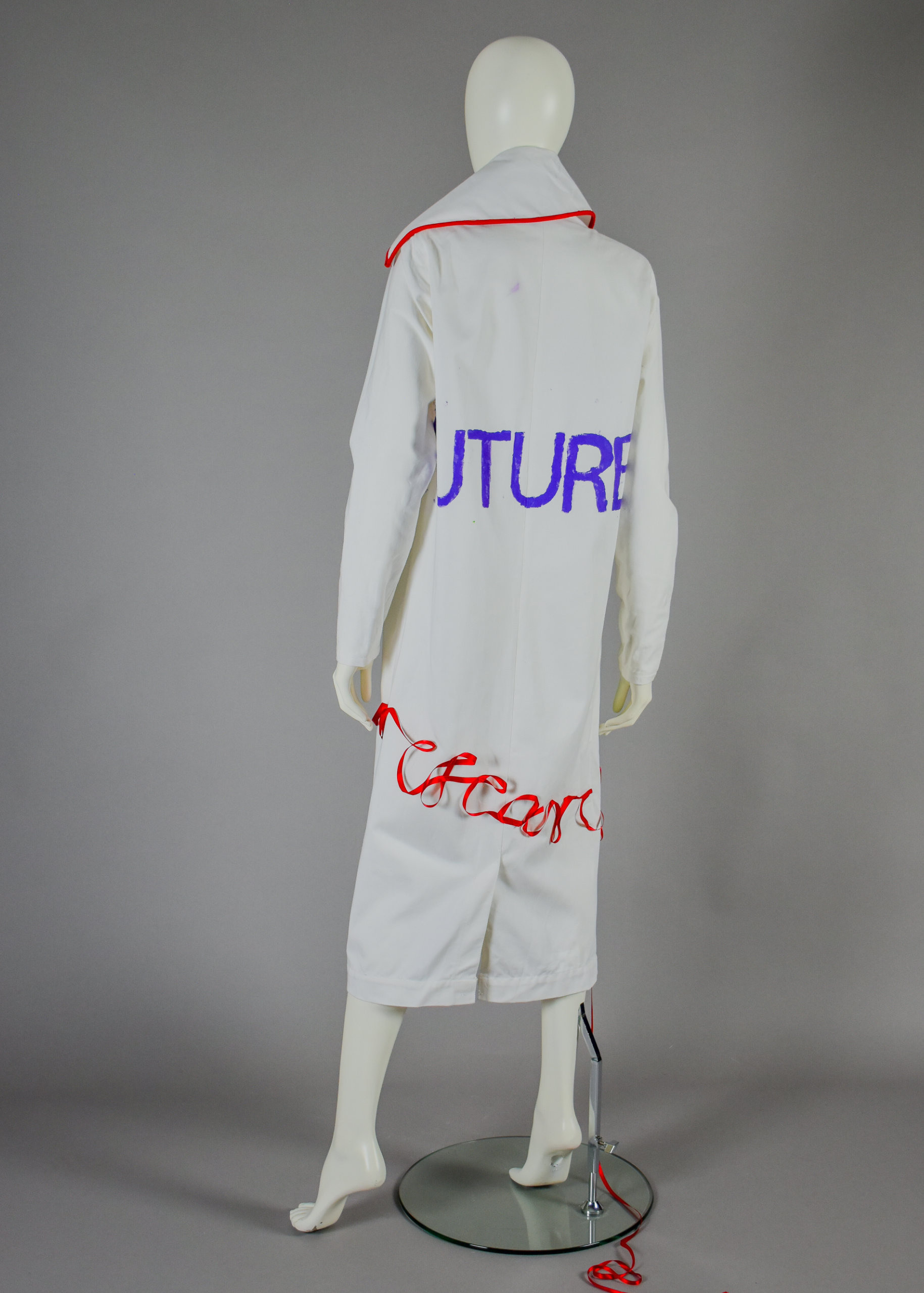
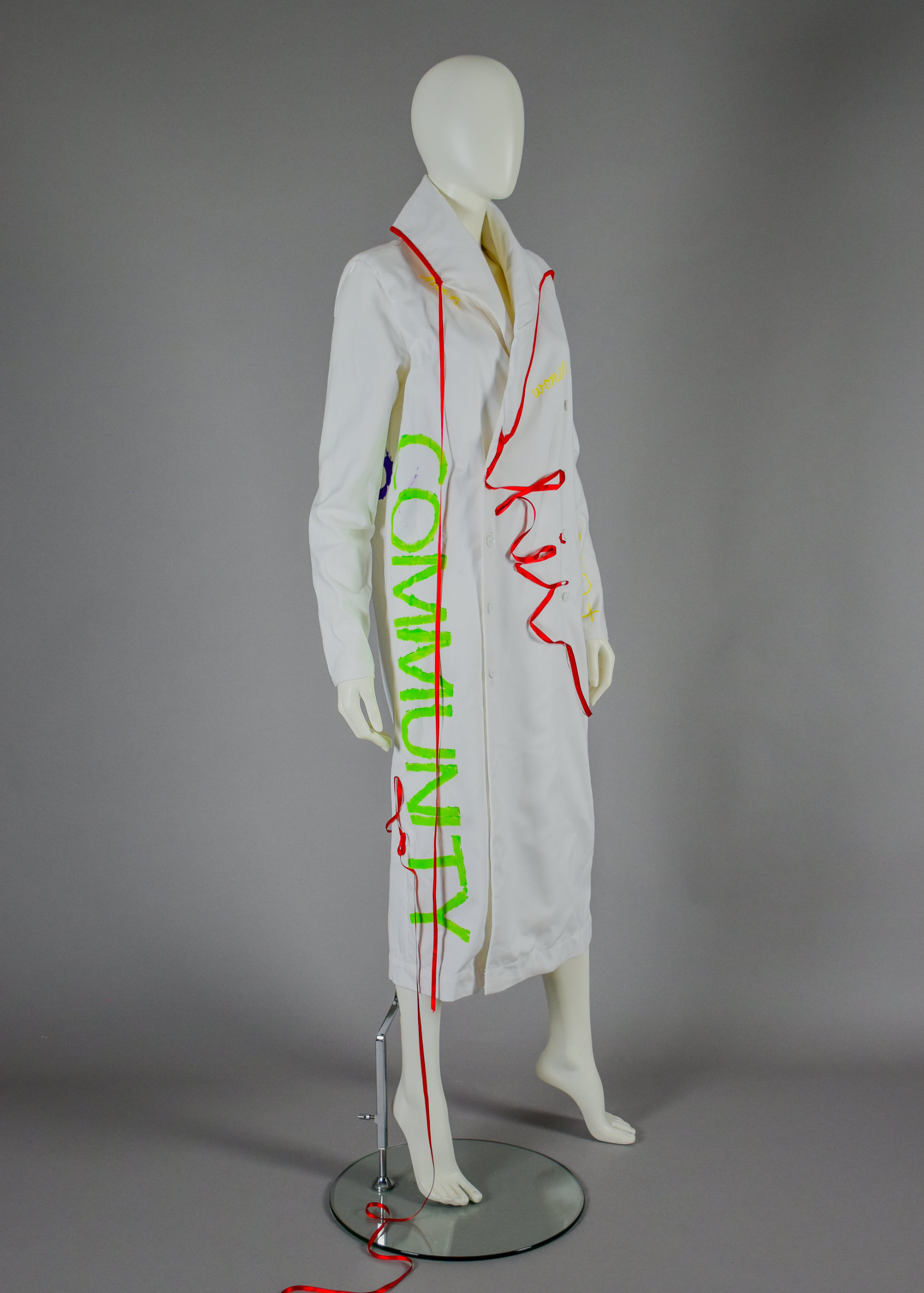
My lab coat is a double-breasted white coat with white buttons and a seamless look. Made of heavyweight cotton drill, it features shoulder pads to provide structure and convey a sense of authority and confidence, which is important for Thomas, a researcher who occasionally gives interviews.

The tall, stiff lapel is accented with red binding and red ribbons reflecting the HIV awareness ribbon. One ribbon transforms into the word “HIV” and connects at the back with the word “research,” highlighting the importance of research in advancing treatment and awareness of HIV. “Community” is painted in green, representing the desire of HIV patients to connect with a supportive community. “Future” is inscribed in purple at the back, signifying the goal of improving the future for HIV patients through better mental health care and a stronger community.
Katrina Kan + Hans Kek

Katrina Kan

I am a second-year Bachelor of Fashion (Design) student with goals to create my own experimental clothing label and as well as work as a freelance creative director. I am particularly interested in exploring discomfort, brutalism and the Uncanny Valley in fashion, as well as the interconnection between neuroscience and art.

Hans Kek

Killing HIV-infected macrophages to achieve a HIV cure.

Dr Kek is based in the Infection, Inflammation and Innate Immunity Group at the Burnet Institute where he completed his Honours in 2018 and recently obtained his PhD (2024; Monash University). Dr Kek was awarded the AMREP scholarship for his honours year and was also the winner of the Miltenyi Biotec Australia Young Achiever award at the Australian Centre of HIV and Hepatitis conference in 2018.

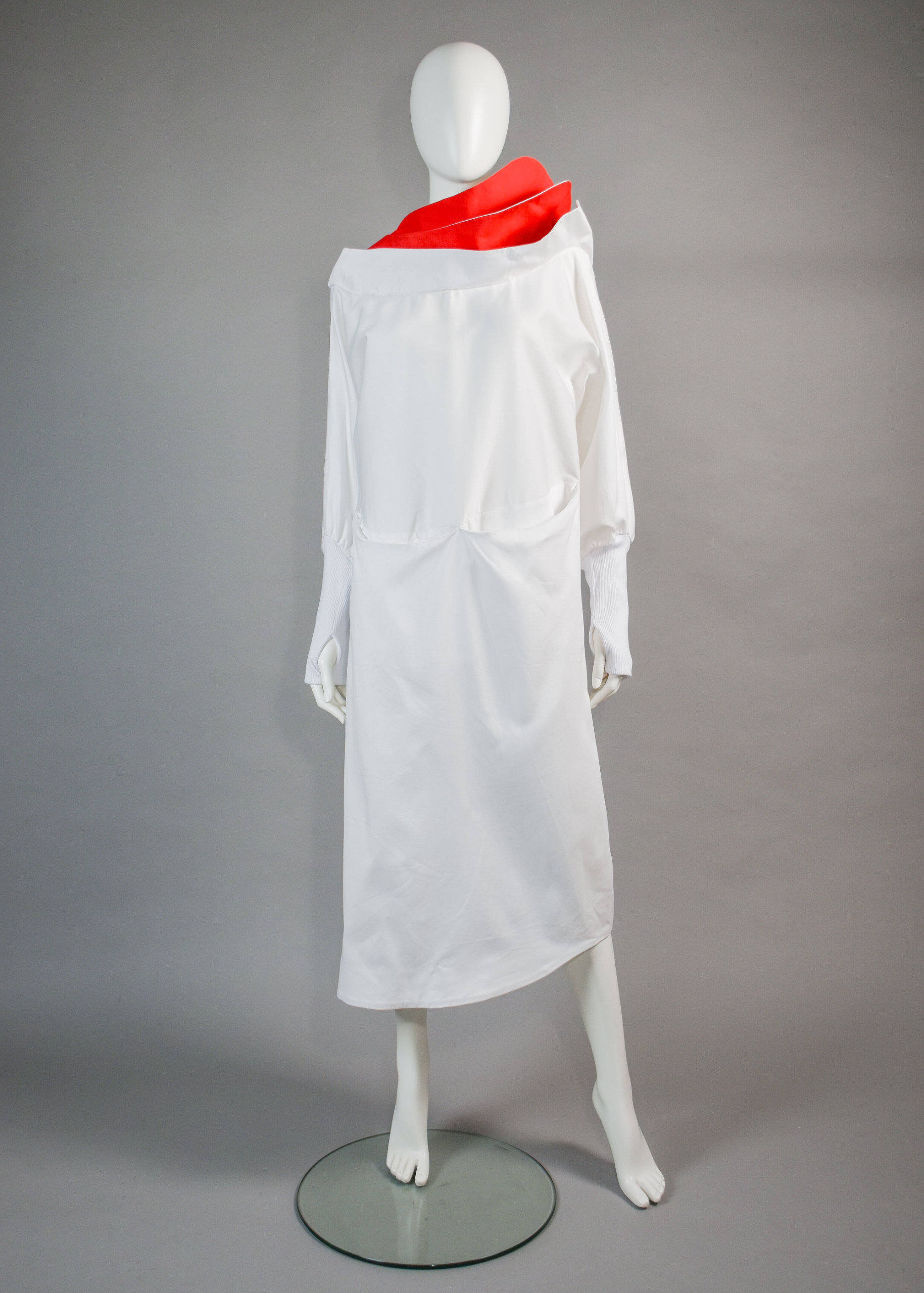
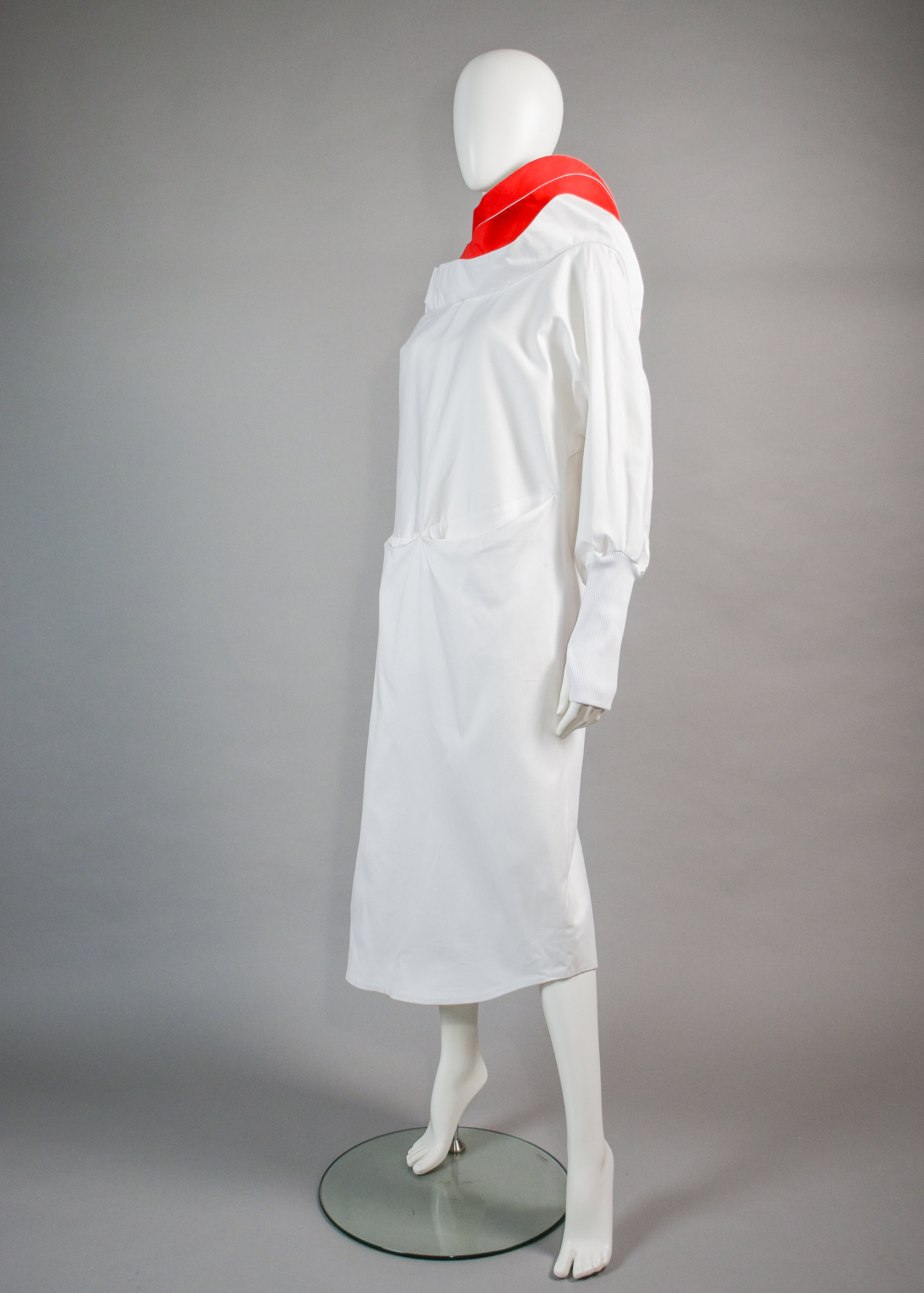
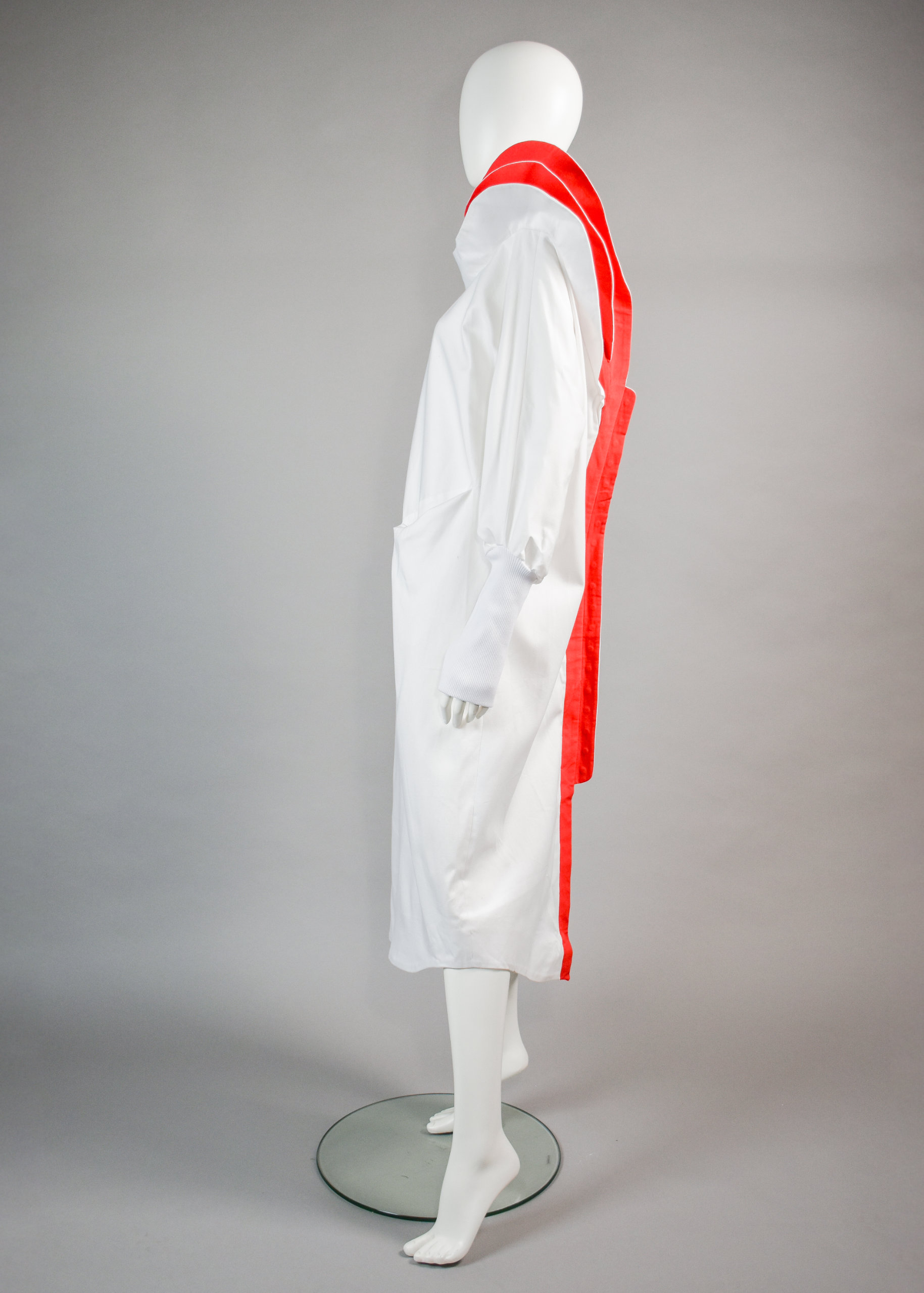
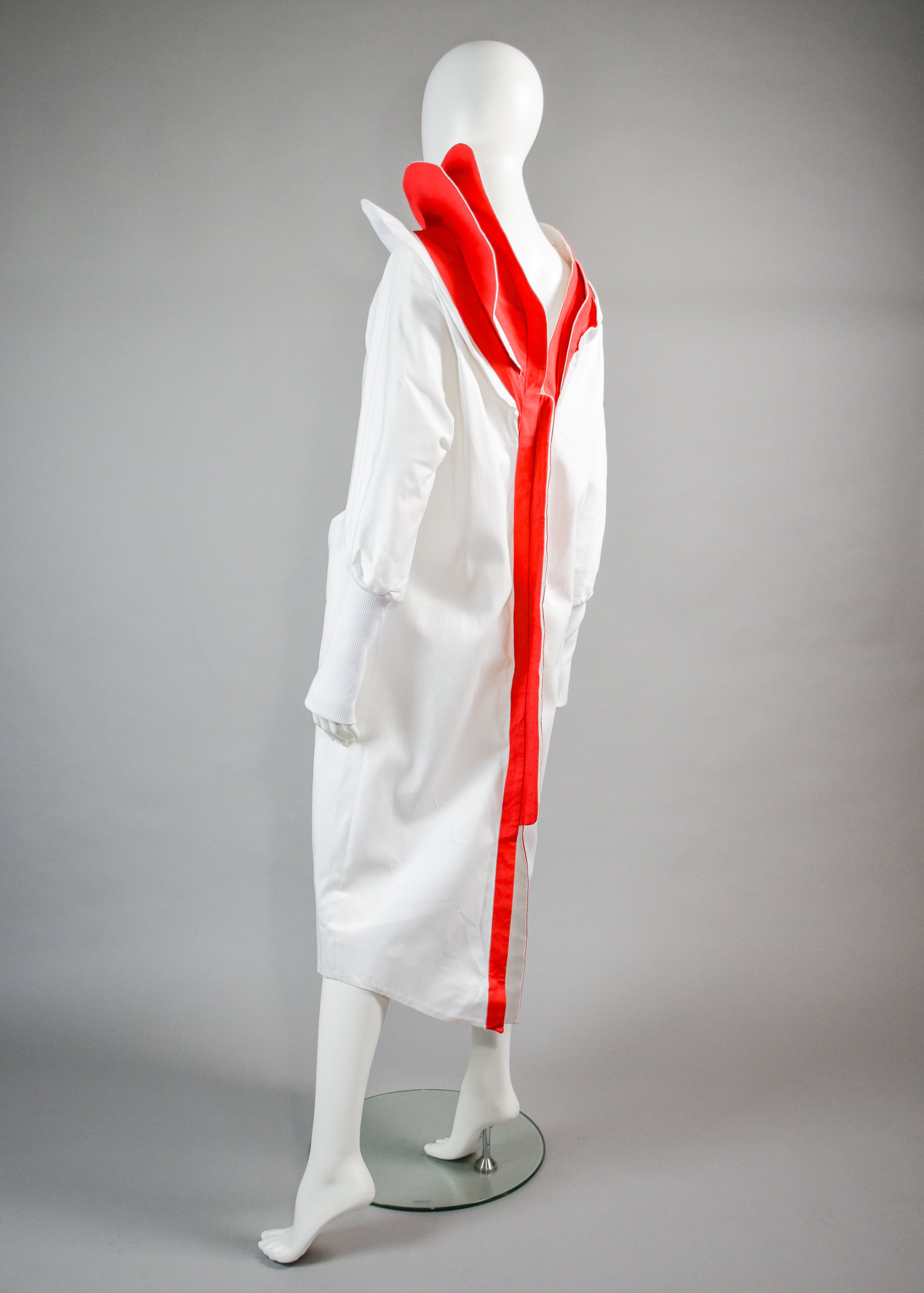
My lab coat was created in collaboration with Dr Hans Kek from the Burnet Institute. Hans’ research is aimed at utilising a combination of both anti-HIV antibodies and cell death-promoting drugs to target HIV-infected macrophages. As such, antibody and macrophage structure meshed with the universal red ribbon for HIV/AIDS awareness inspired my design process.

I wanted to create a sophisticated, sculptural garment with functionality in mind, honouring the traditional white lab coat with notes of red to symbolise HIV/AIDS awareness. My final lab coat features a recreation of the antibody structure across the back, macrophage morphology in the shoulders and the red ribbon that transitions from an antibody to wrap around the chest representing the continuity and movement of HIV/AIDS research.

For maximum practicality, I further added long ribbed cuffs with a thumb slit for easy gloving, a magnet fastening for rapid donning and doffing and a large dual front pocket.

Selena Shi + Jenna Wilson

Selena Shi

Selena is currently a second-year Bachelor of Fashion Design student. She loves art, film and nature, all of which inform her design and creative style. Her preference for natural fibers and the use of pre-existing materials are a key part of her focus on sustainable fashion practice.

Jenna Wilson

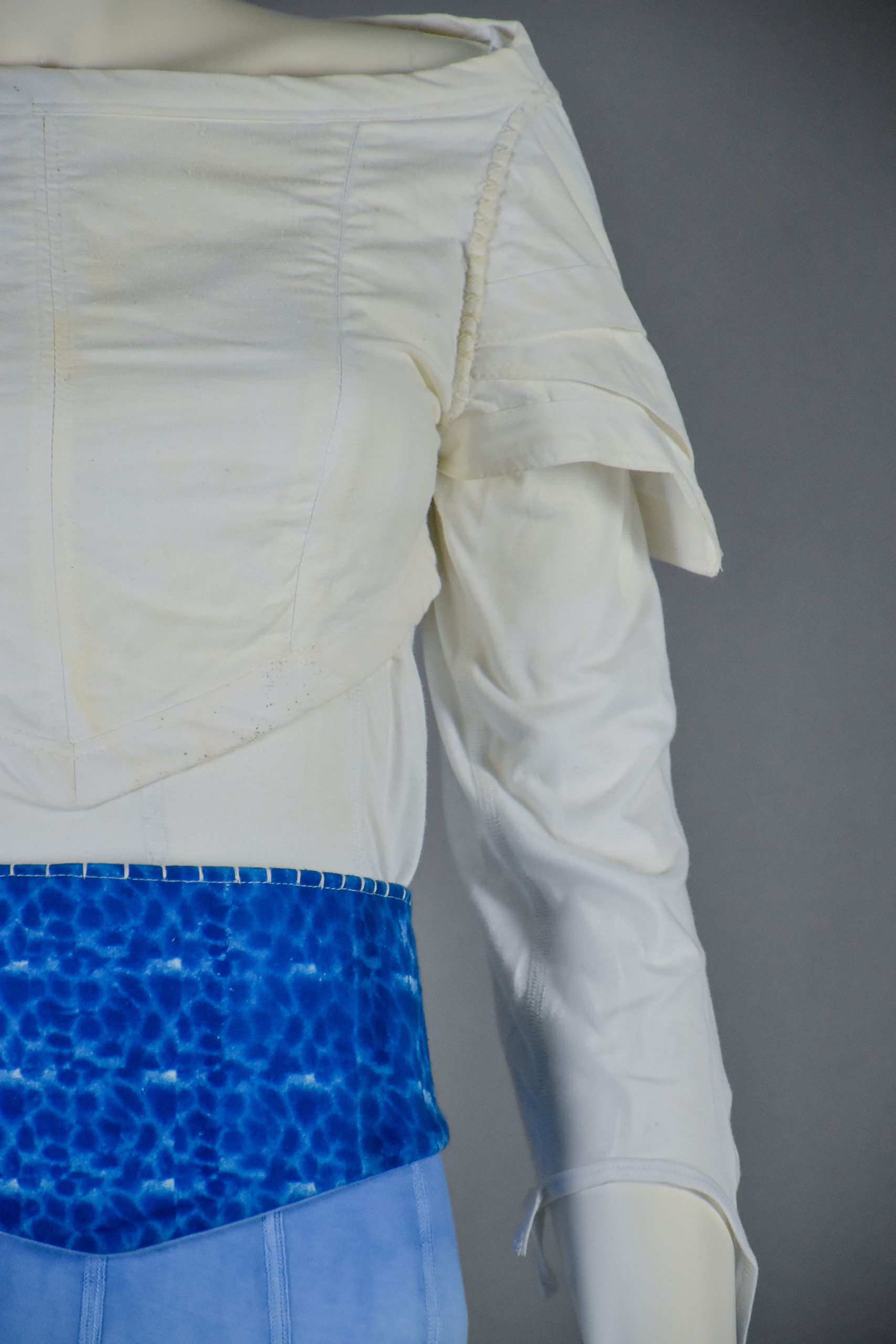
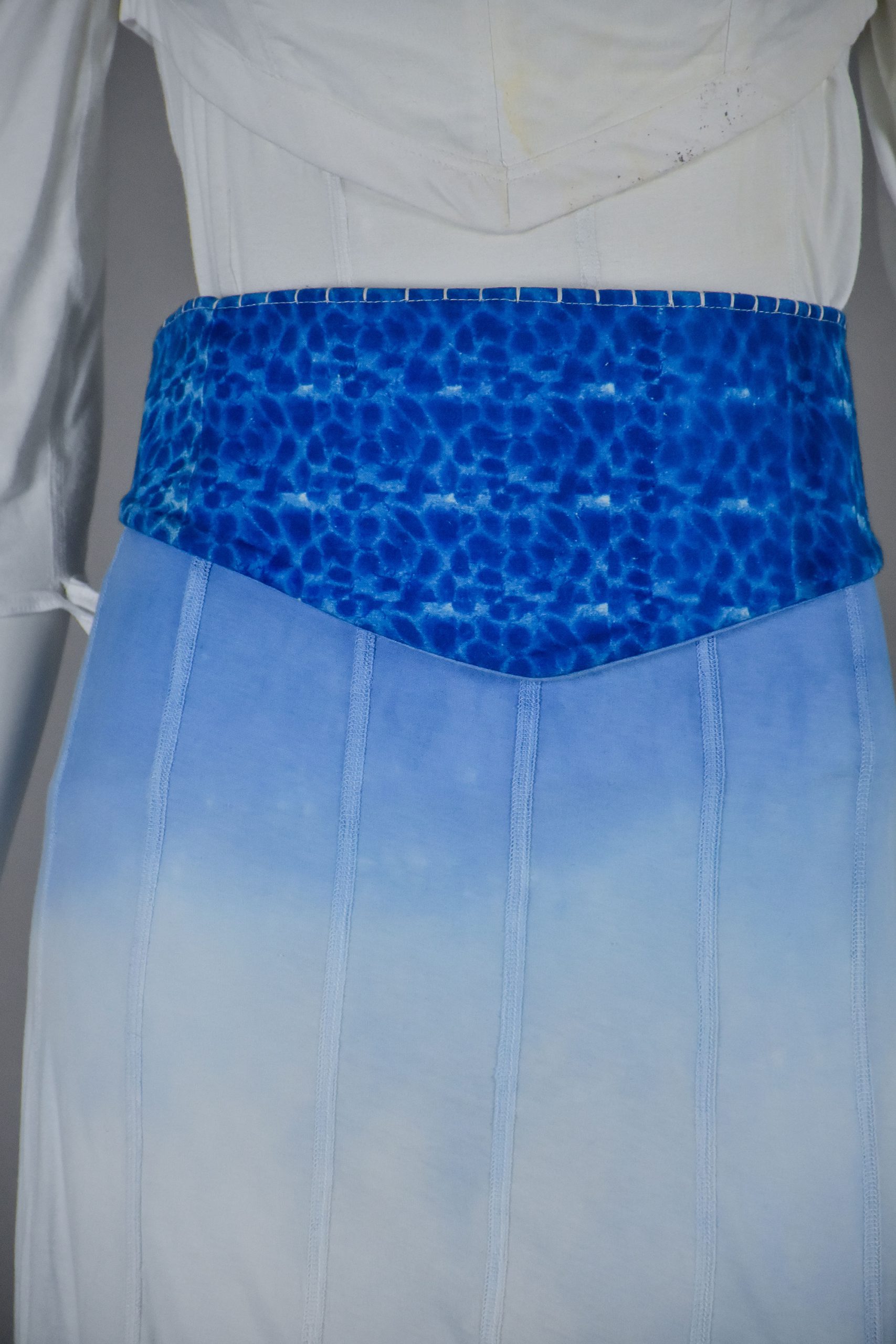
Developing a vaginal probiotic to reduce the risk of HIV acquisition in South | African women Jenna completed her Honours in 2021 at the HIV, Inflammation and Microbiome Laboratory at the Burnet Institute, with her thesis titled: ‘The biotherapeutic potential of cervicovaginal lactobacilli for the prevention of HIV in South African women’. Her project focused on culturing and characterising clinical strains of Lactobacillus anaerobic bacteria that may protect against HIV infection. Jenna is currently a research assistant with interests including cervicovaginal metaproteomics, microbiological risk factors for pre-term birth, and the impact of intrauterine copper on the female reproductive tract microbiome.

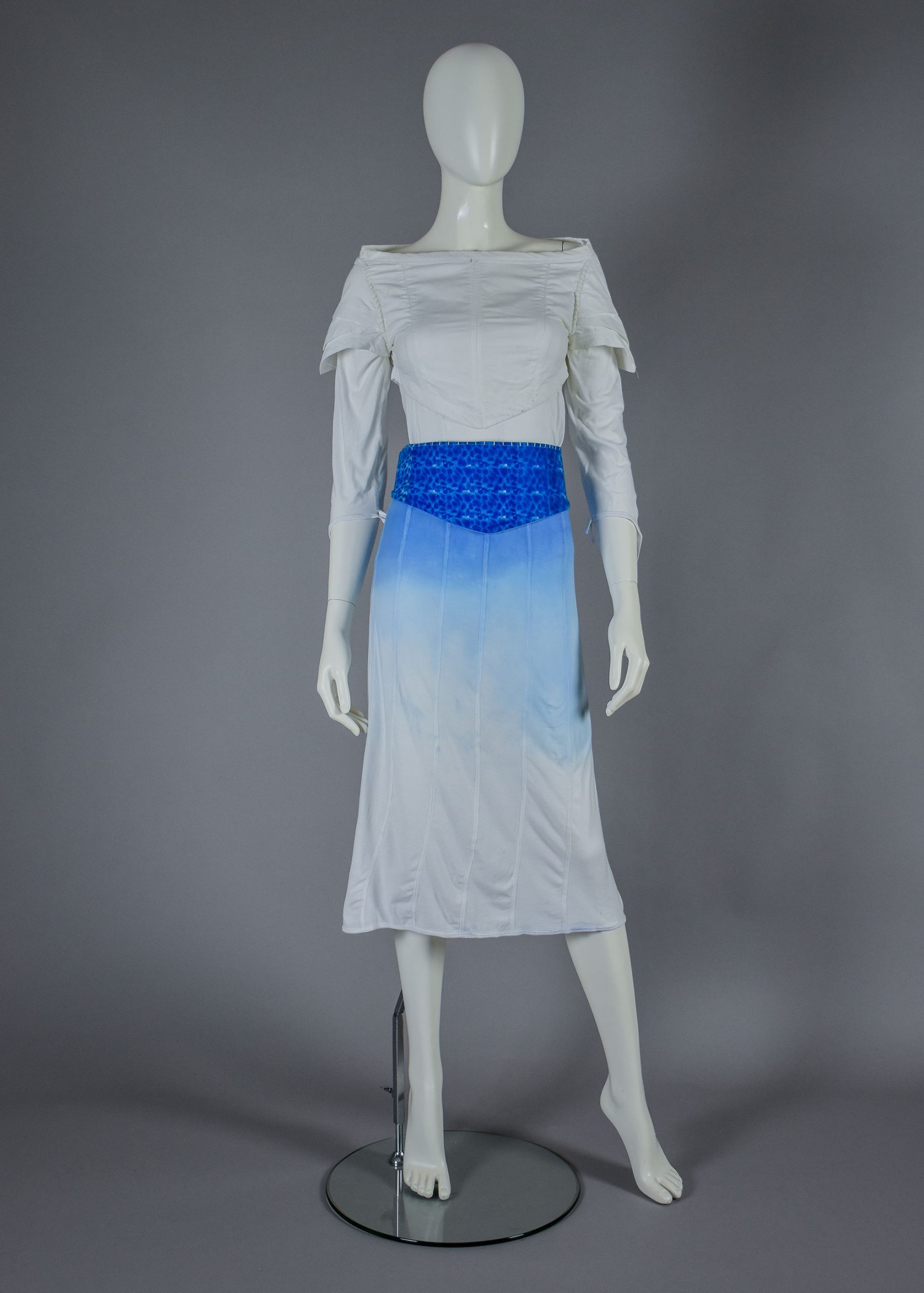
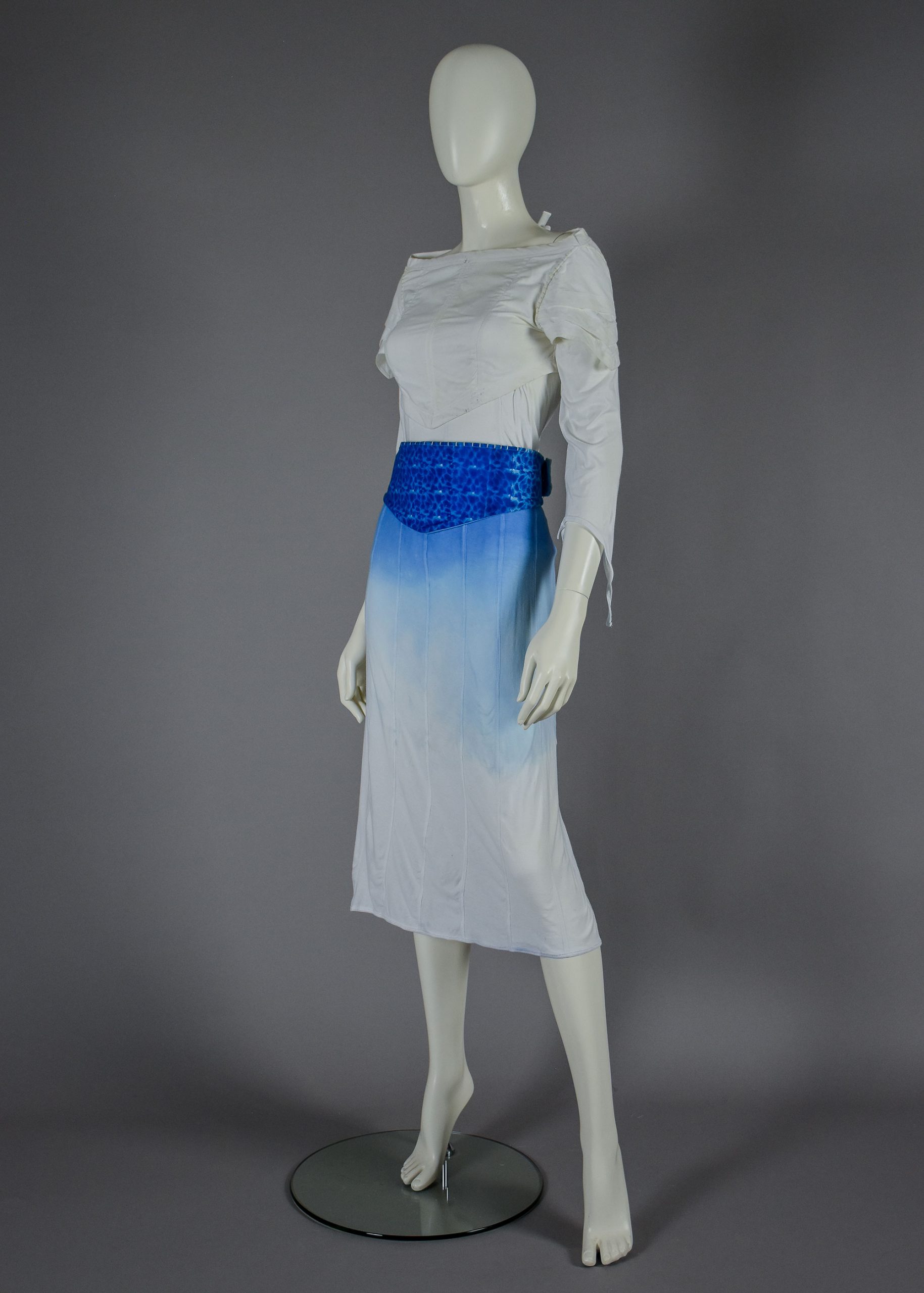
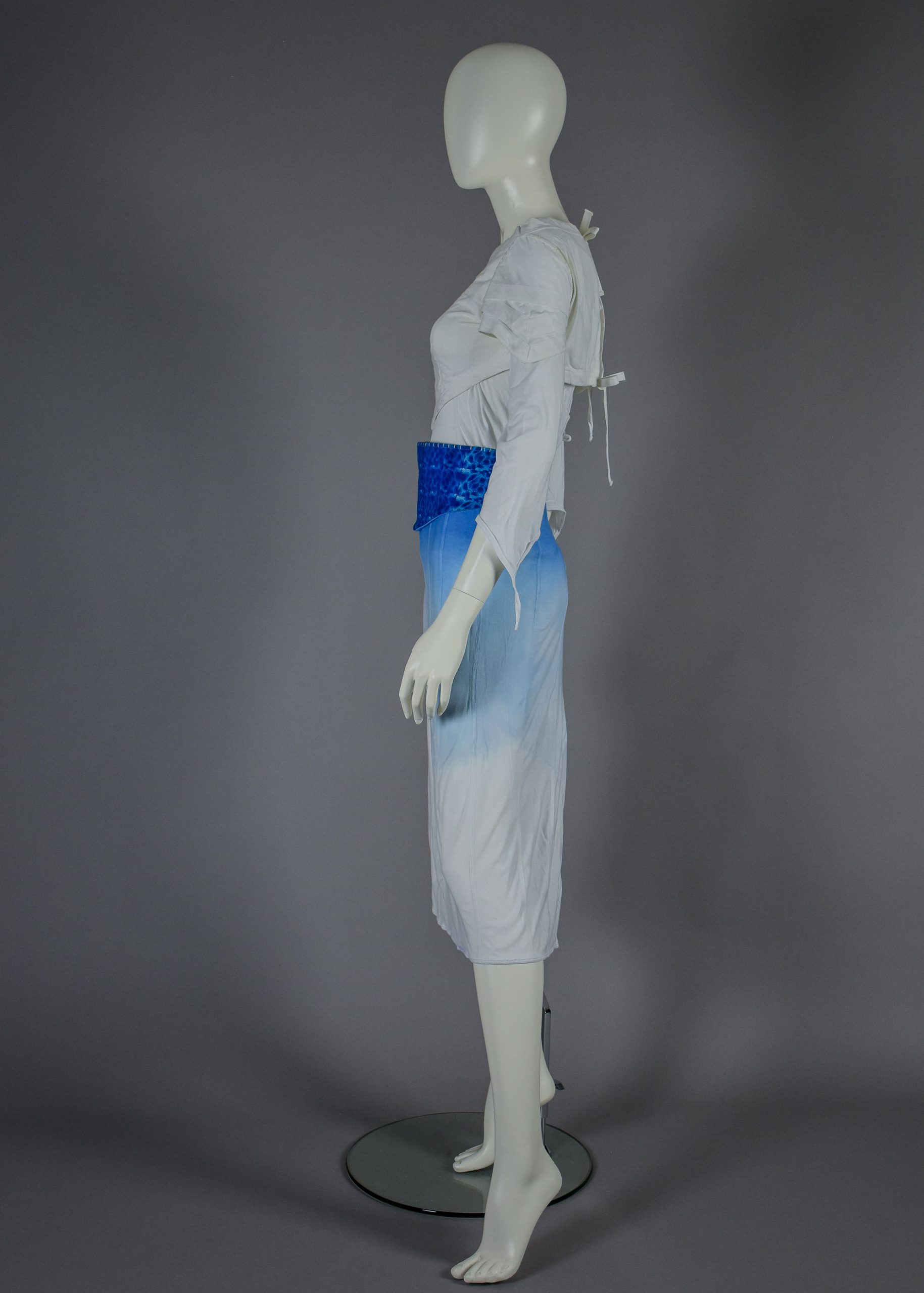
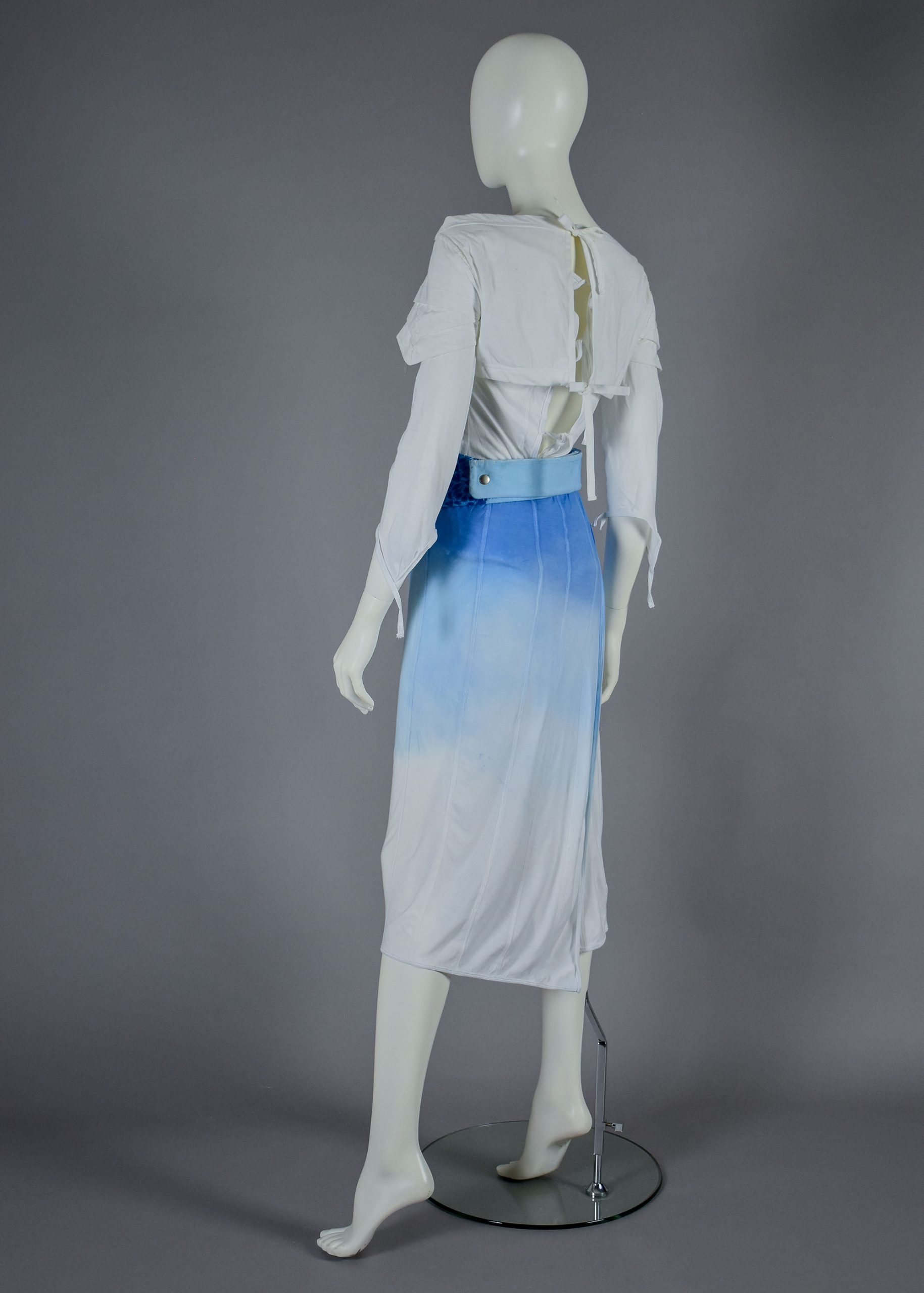
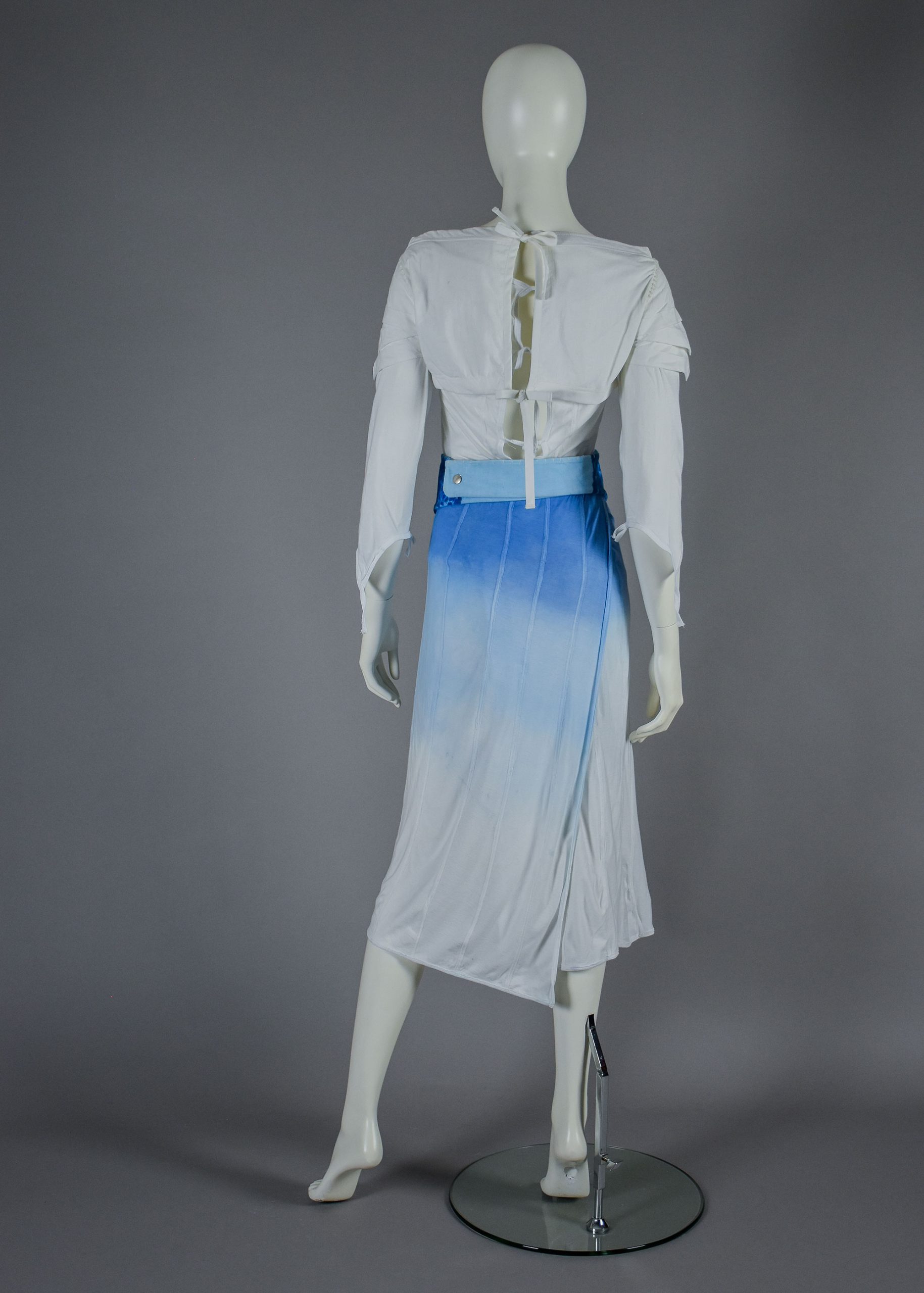
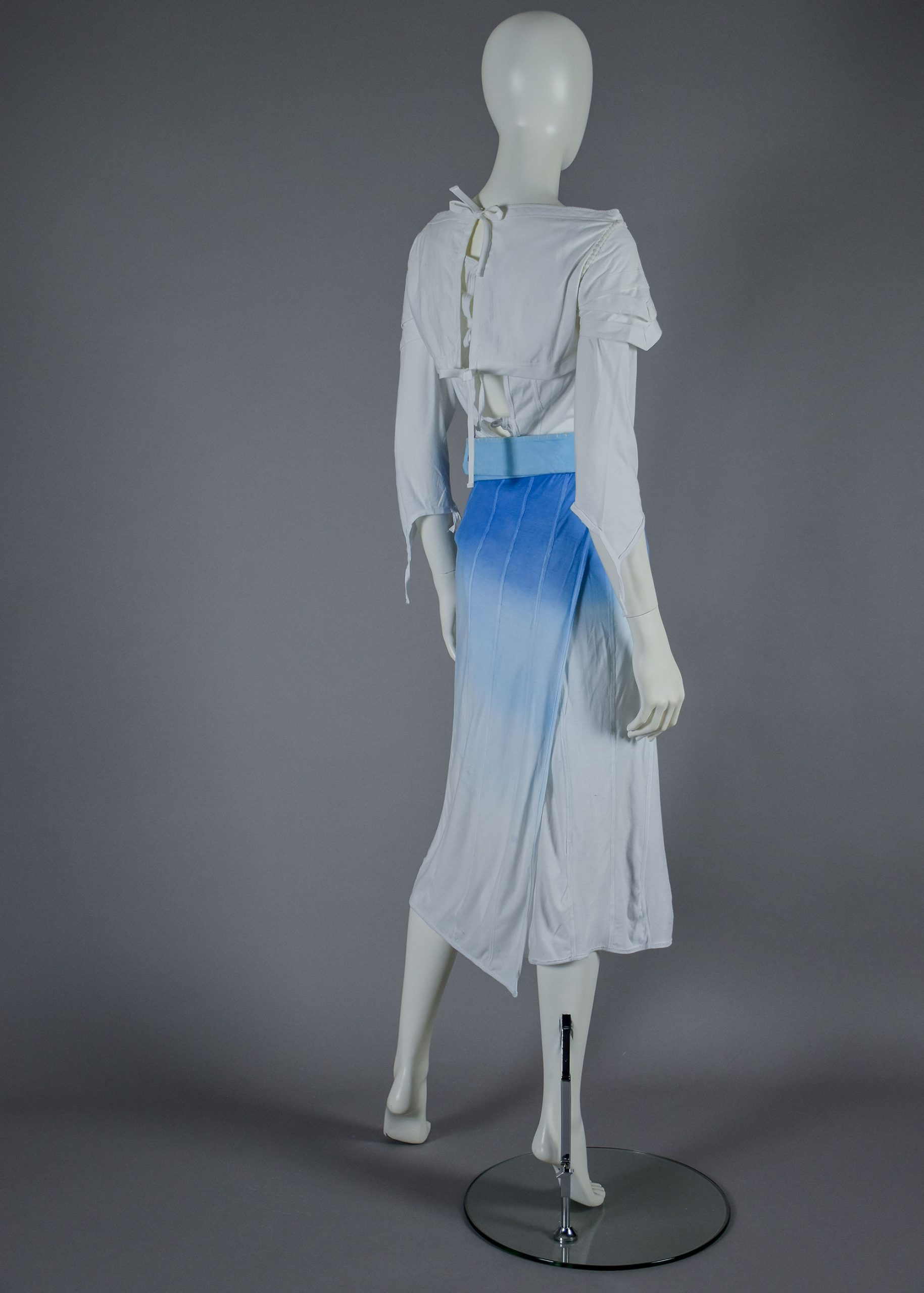
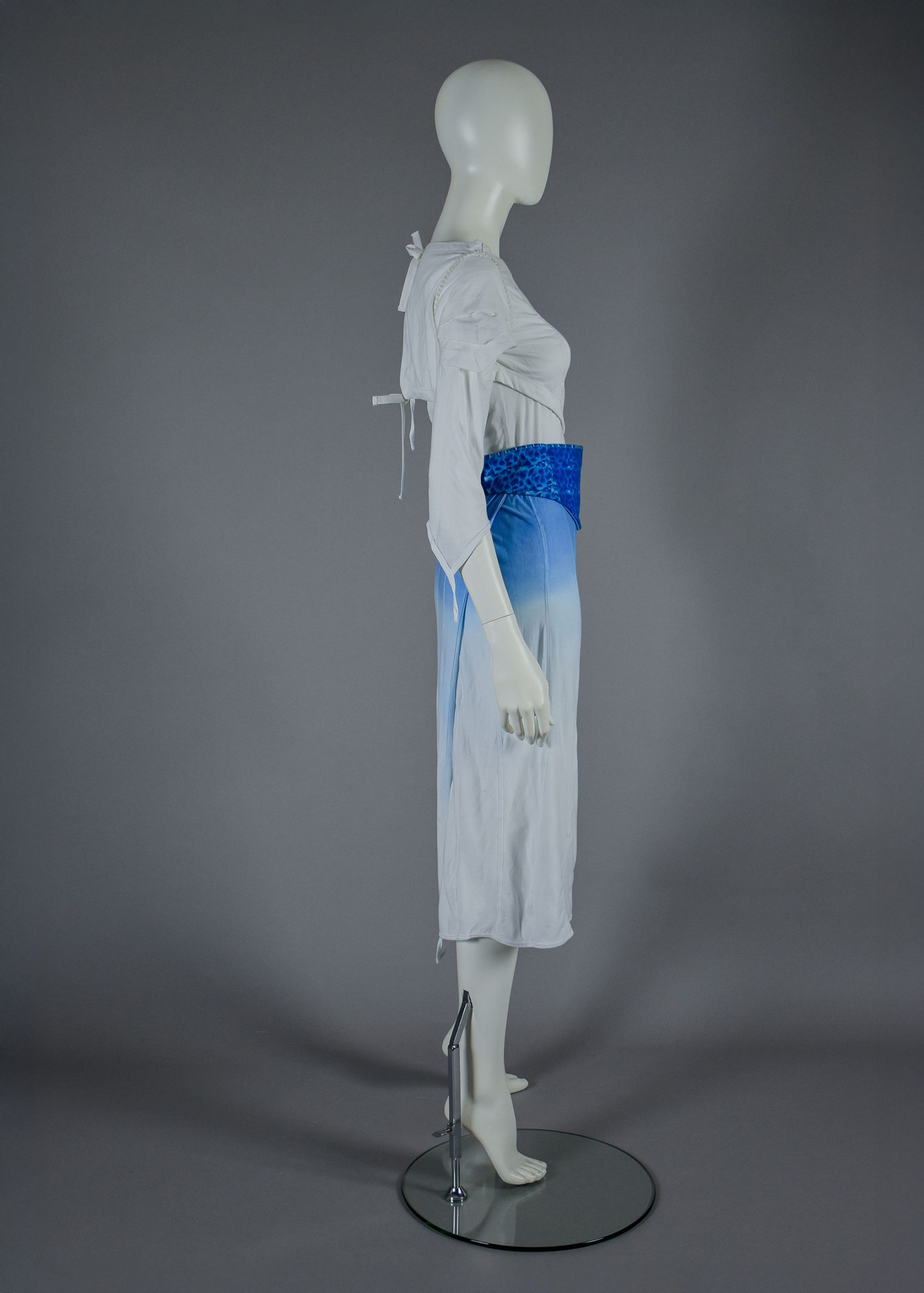
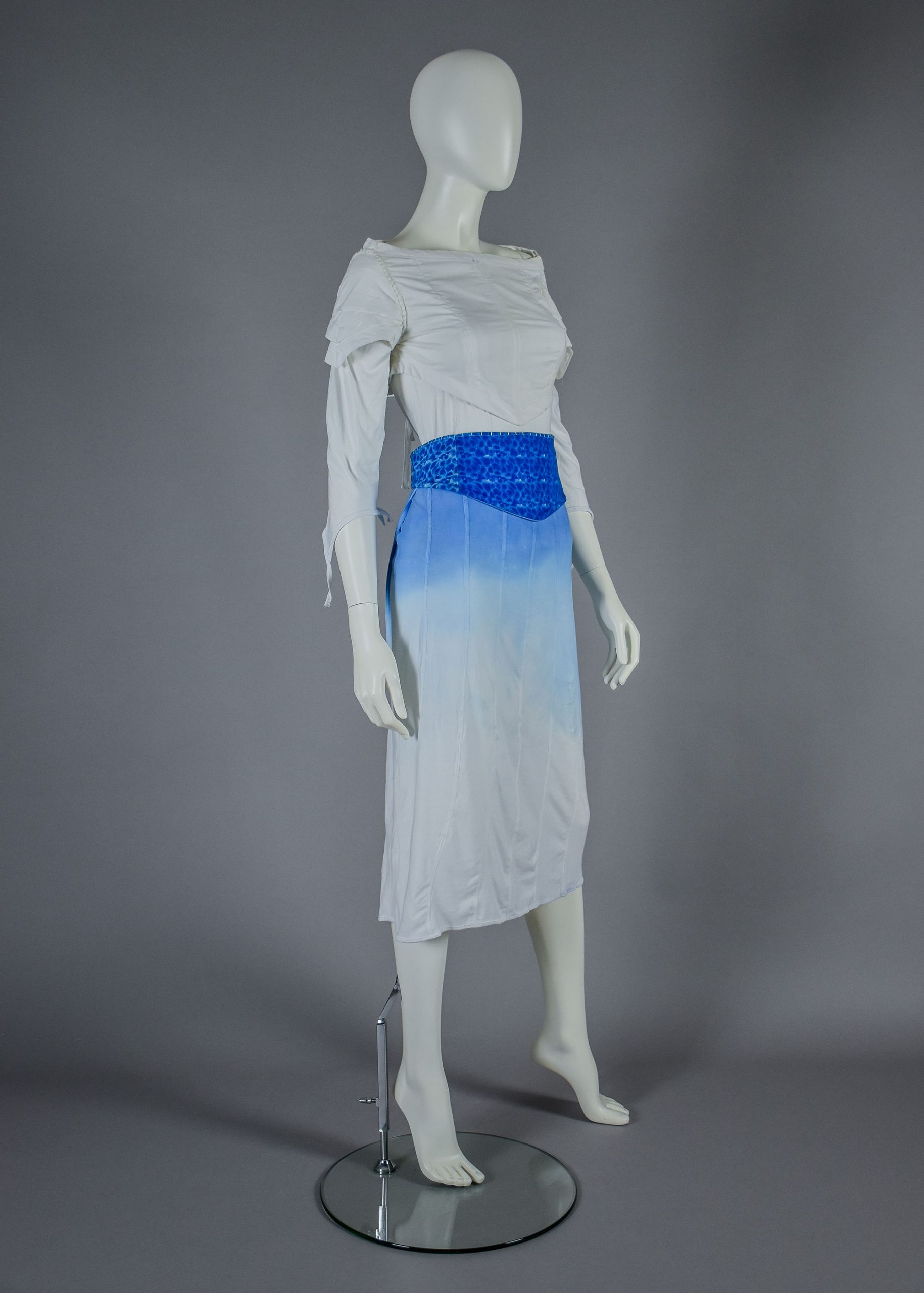
Jenna Wilson’s research focuses on developing a vaginal probiotic that reduces the risk of HIV acquisition. It contains optimal bacteria known as L.crispatus  which regulates inflammation and produces protective substances against HIV and other infections.

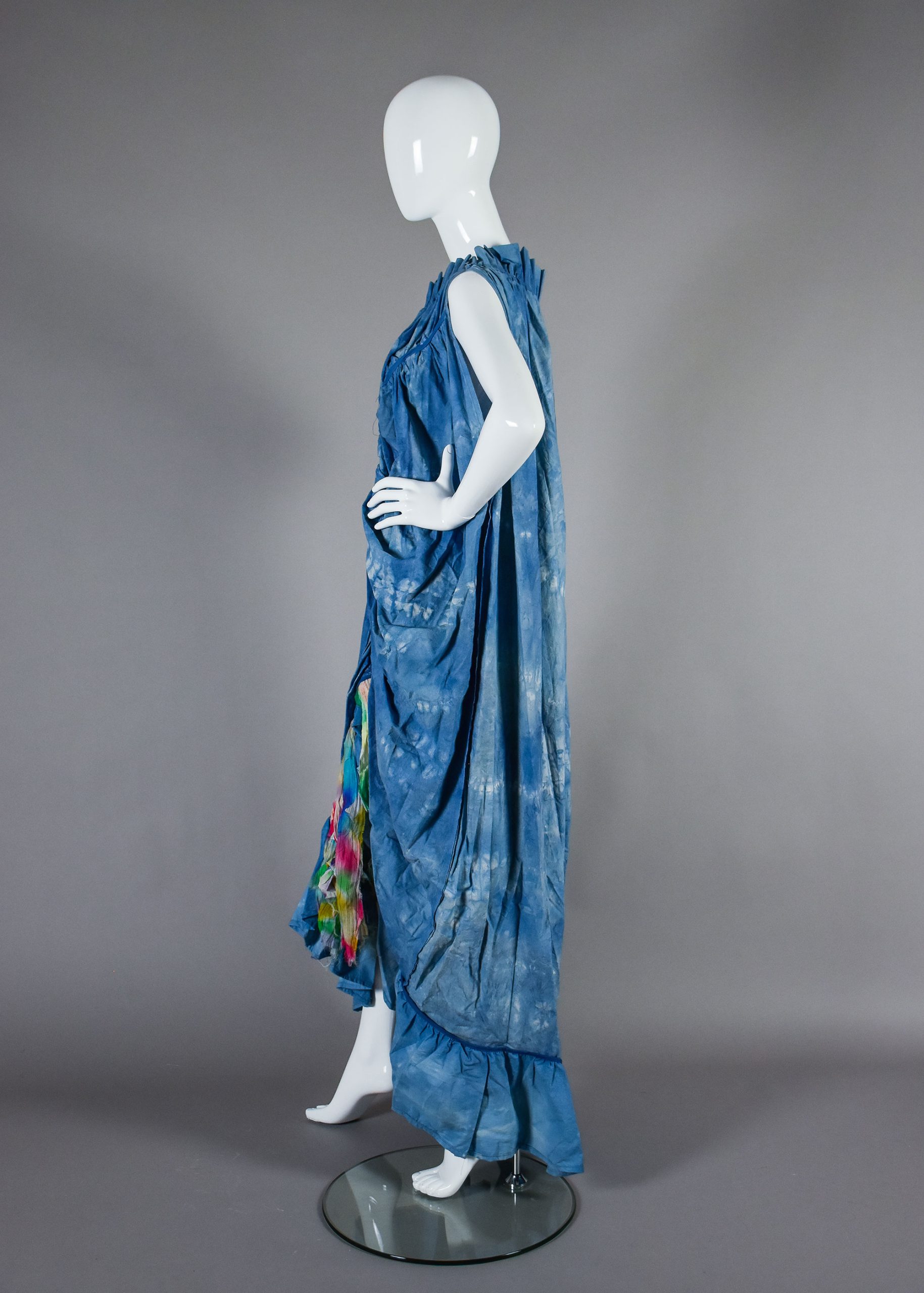
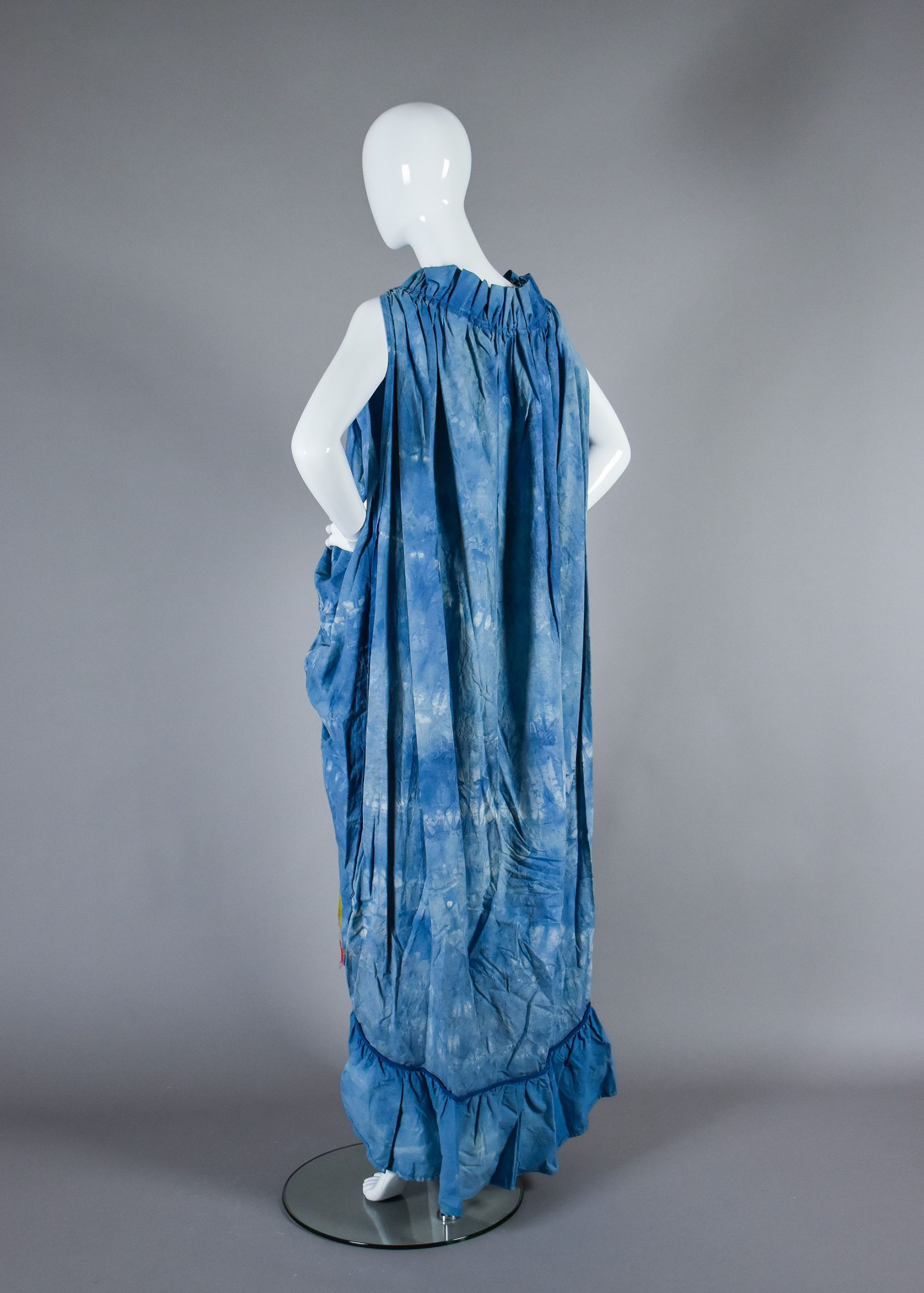
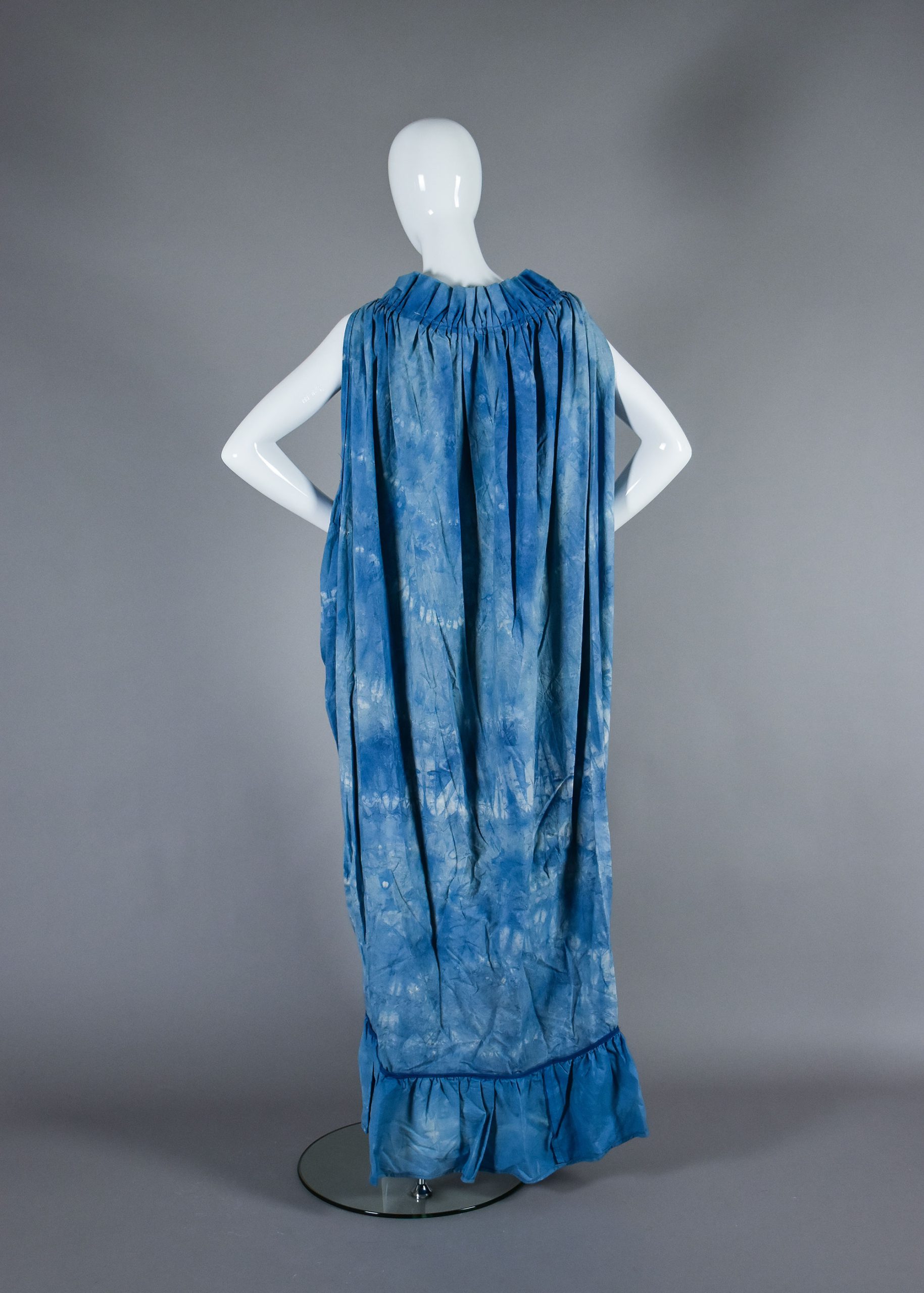
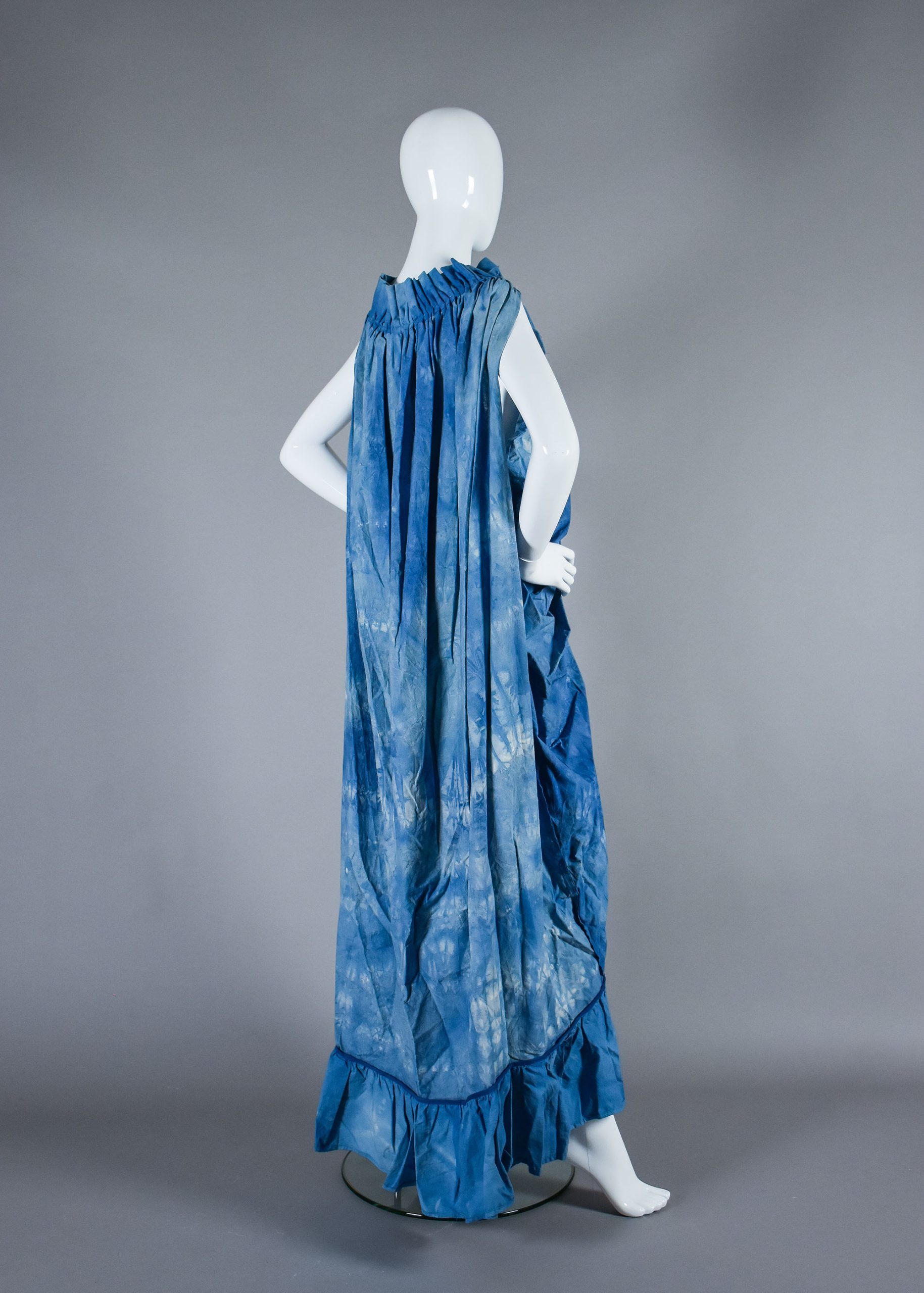
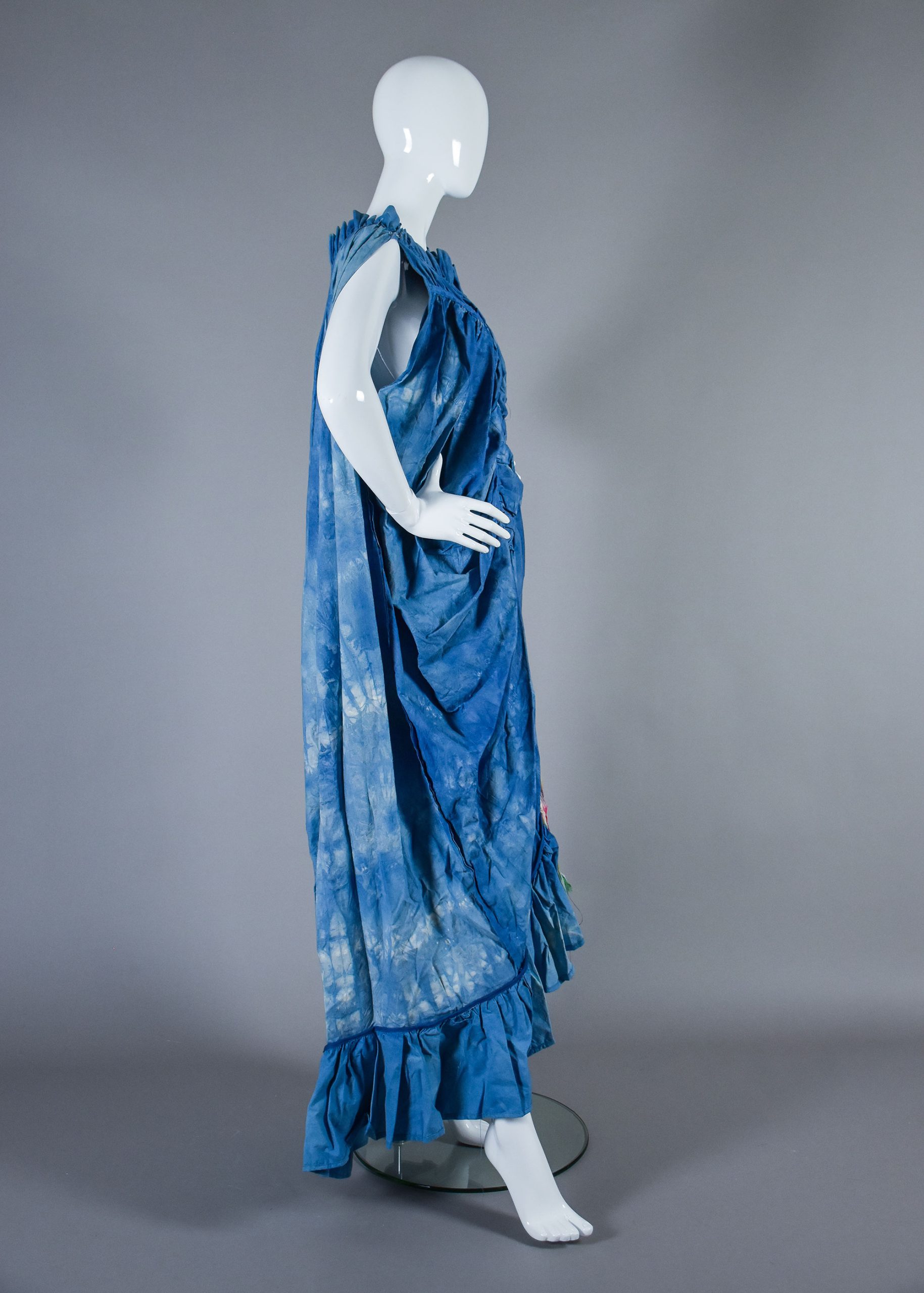
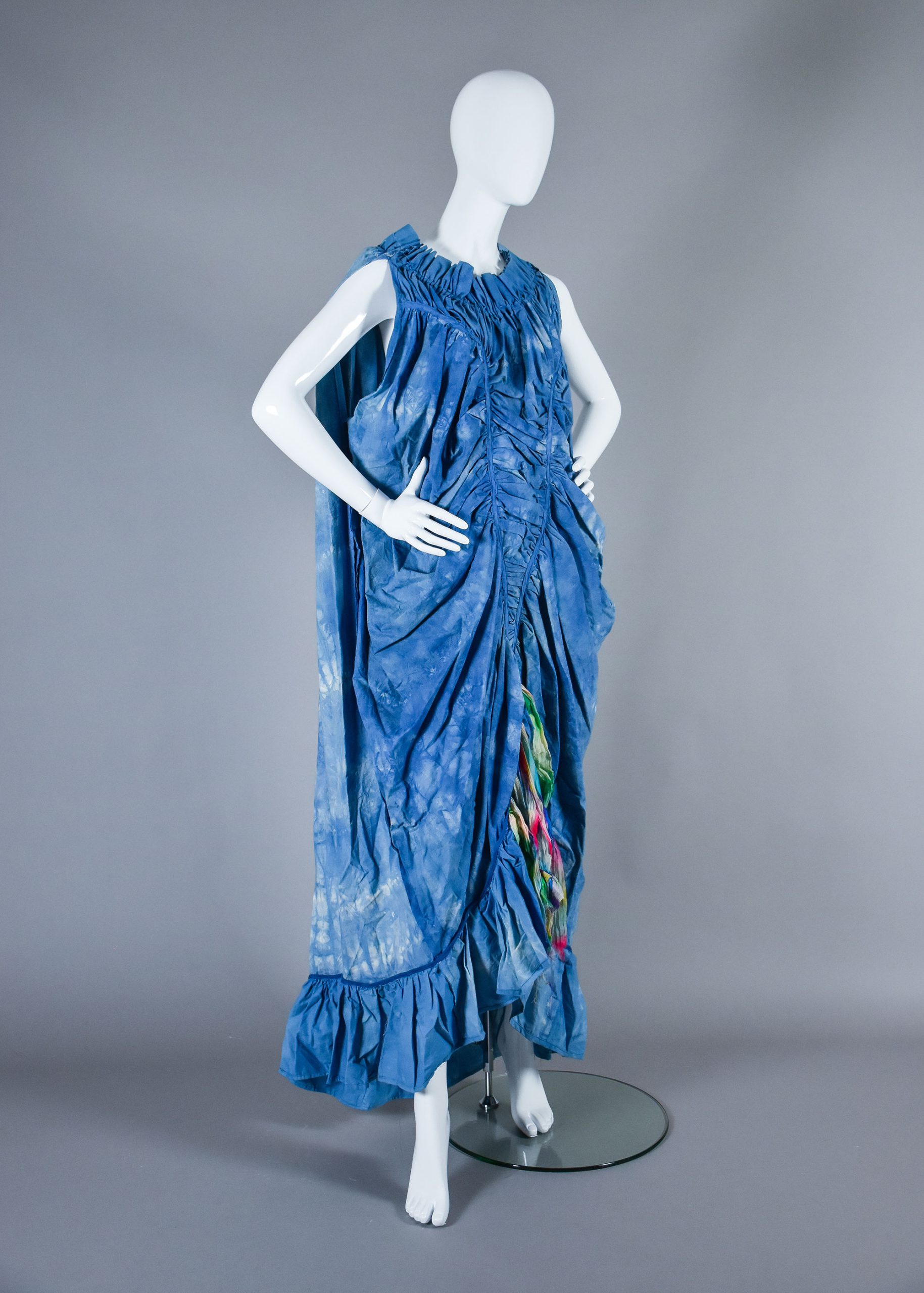
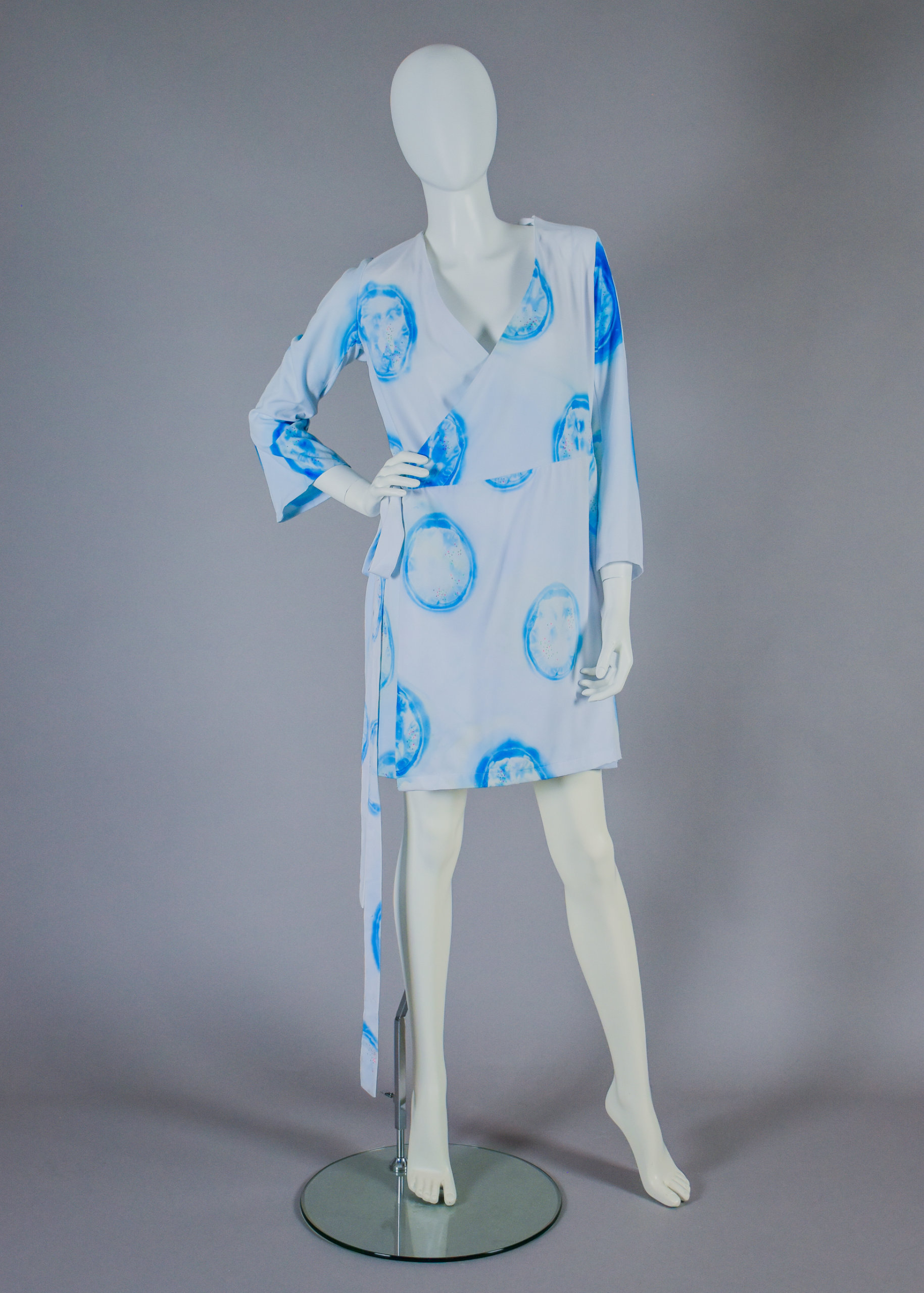
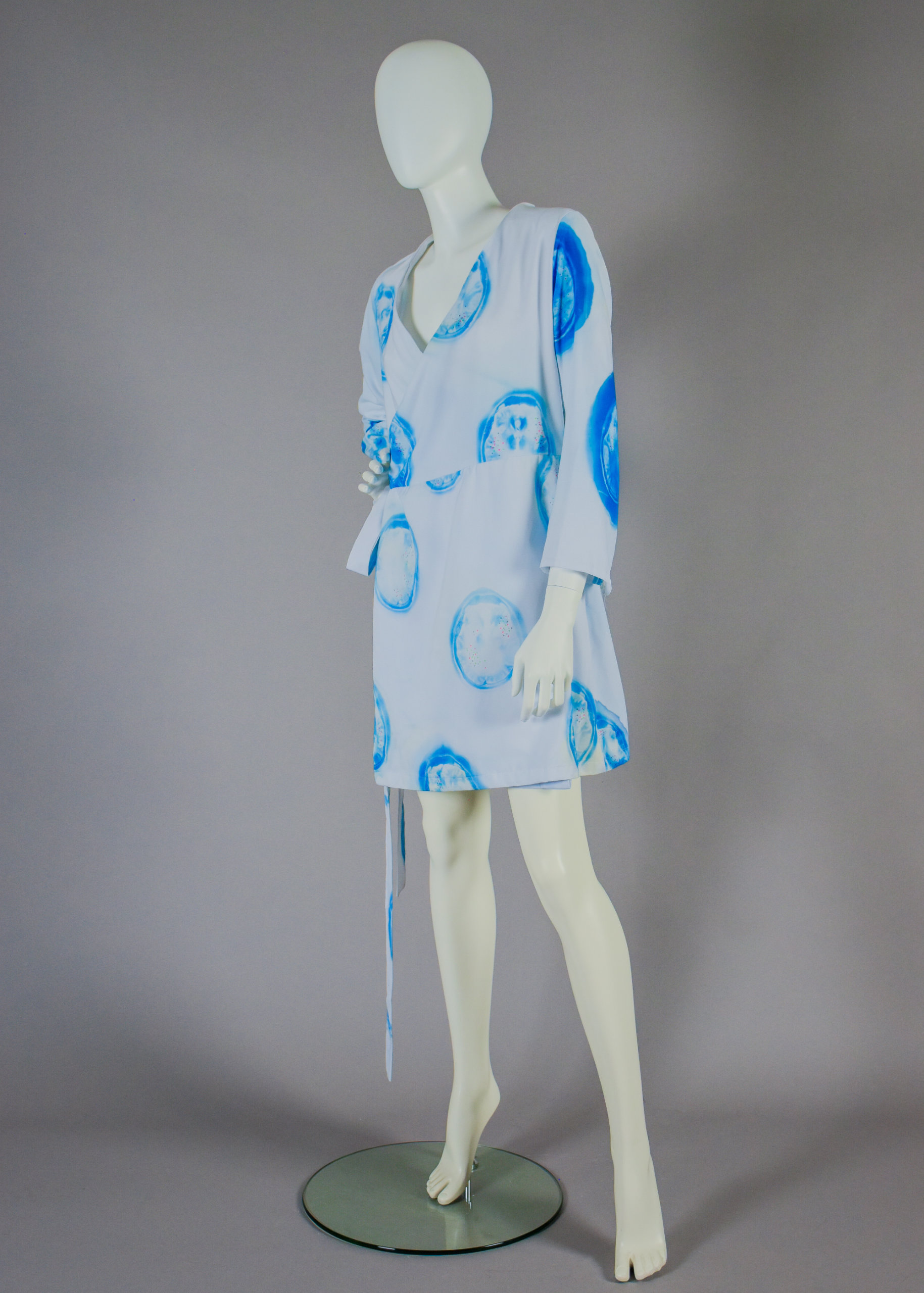
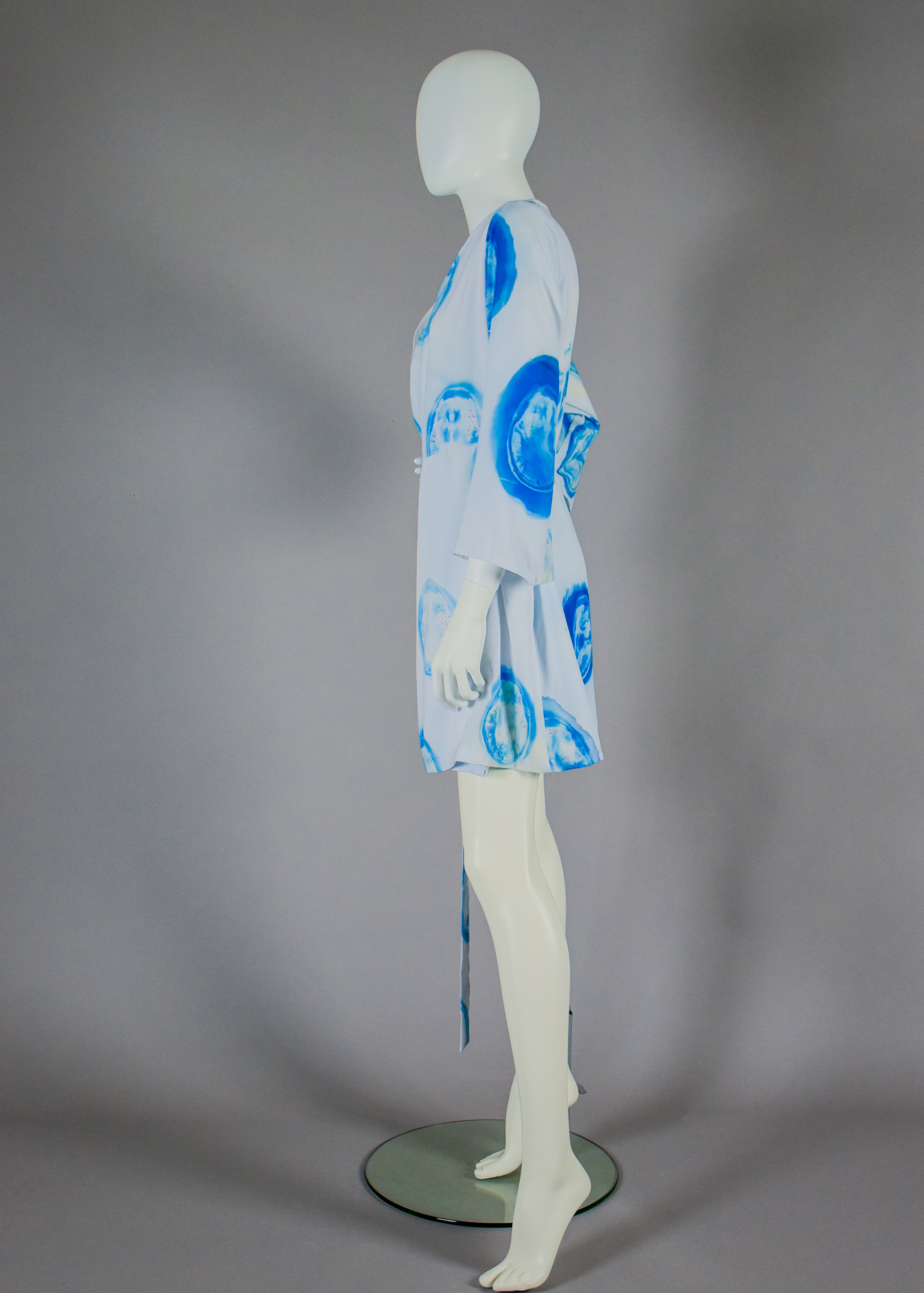
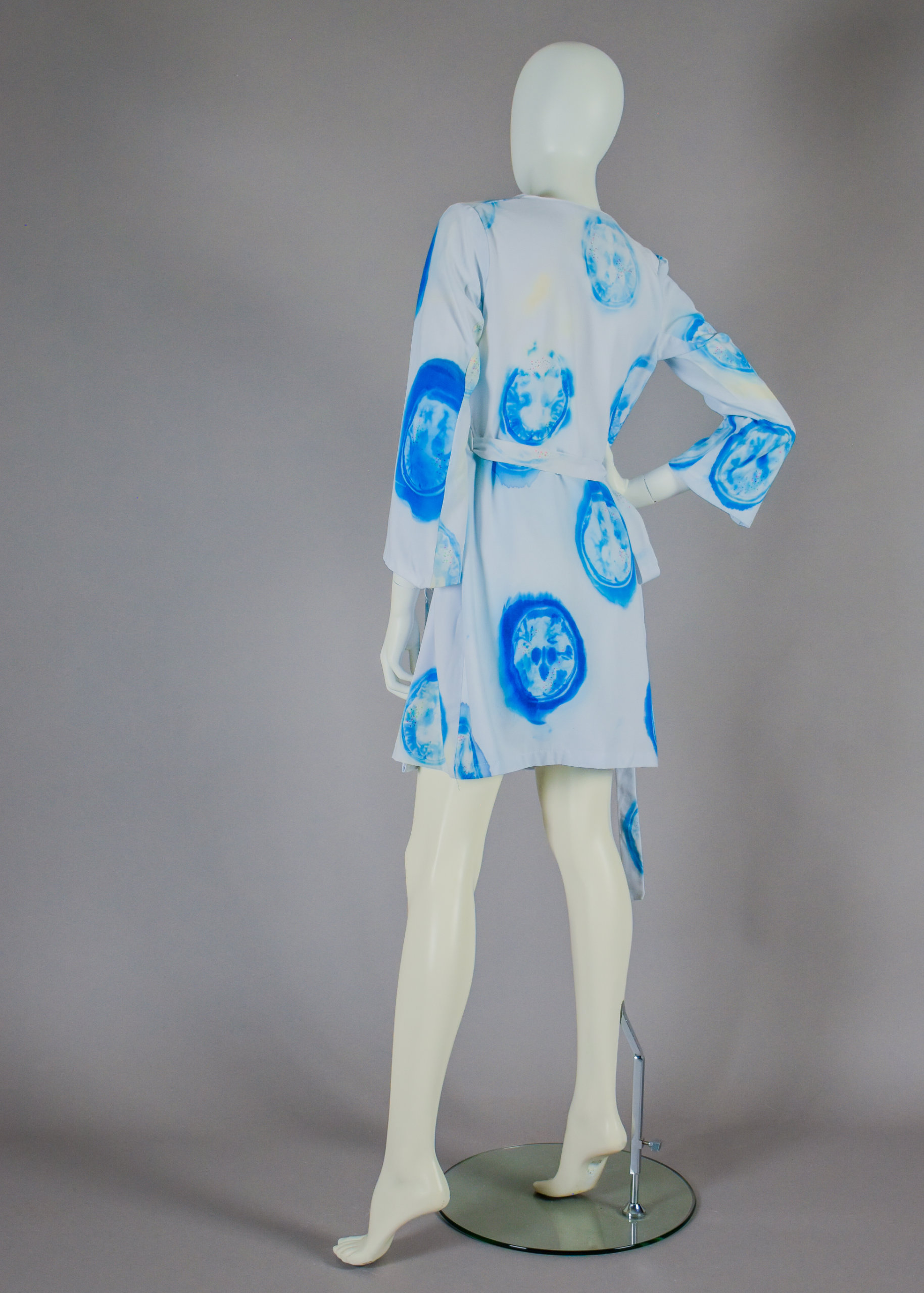
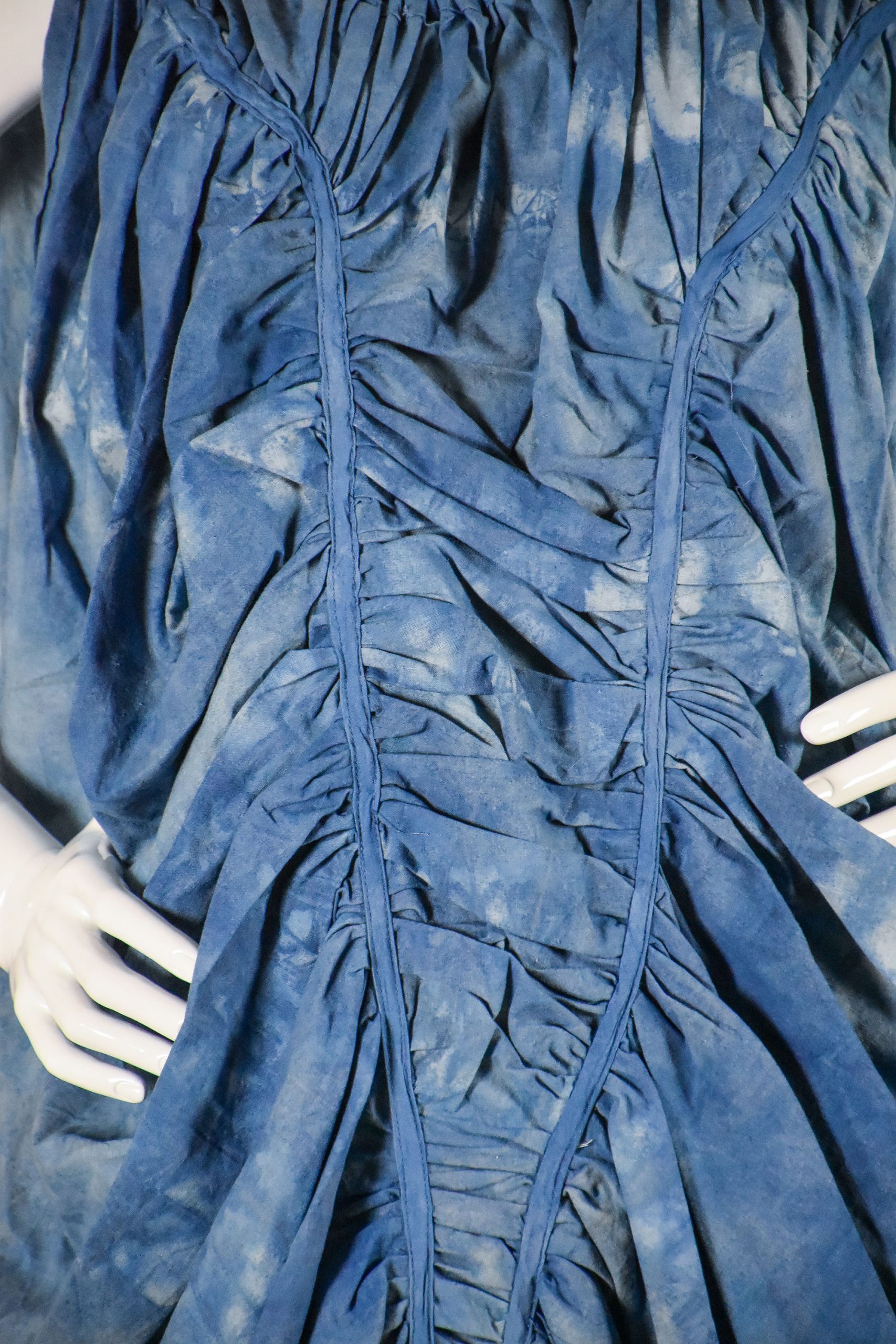
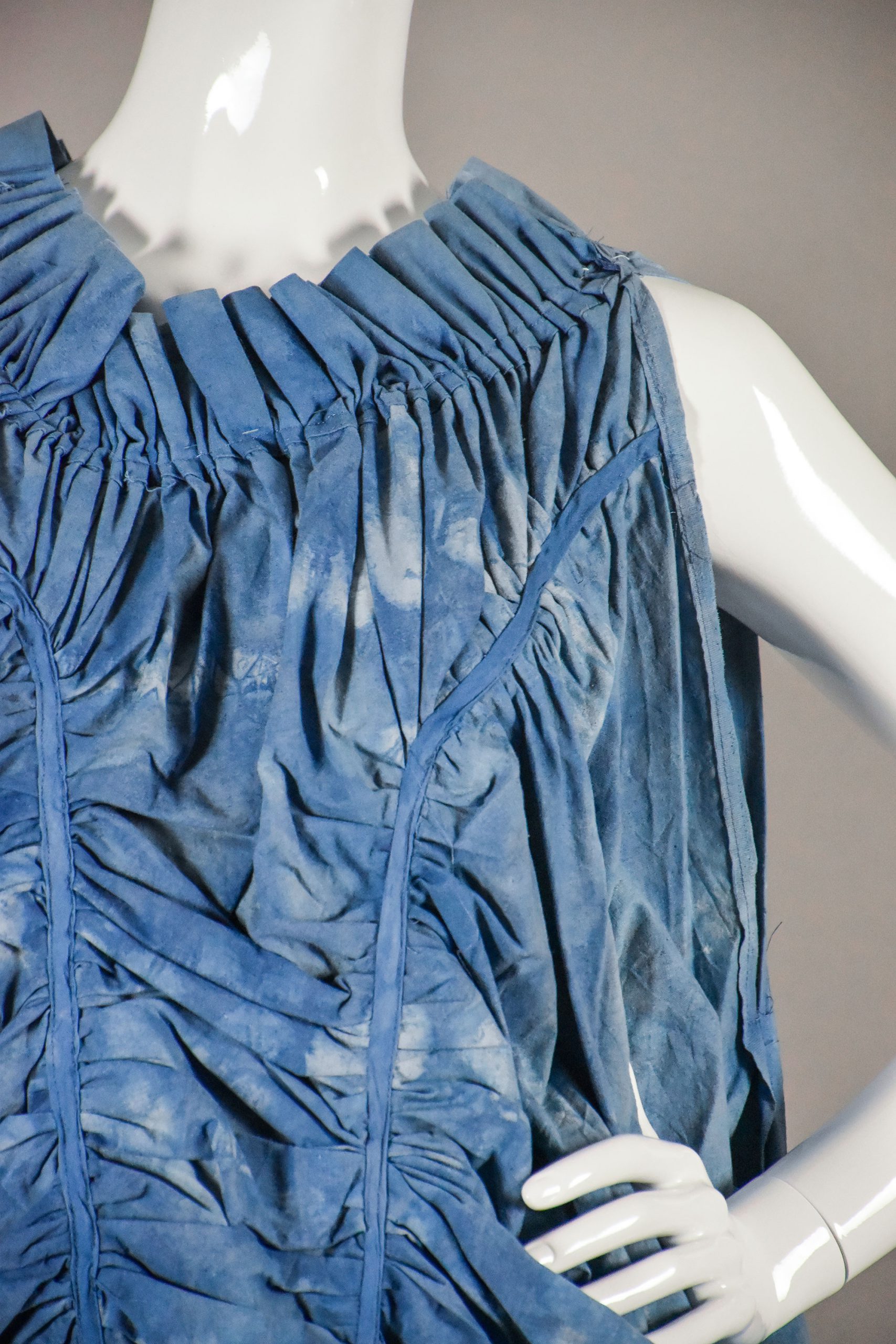
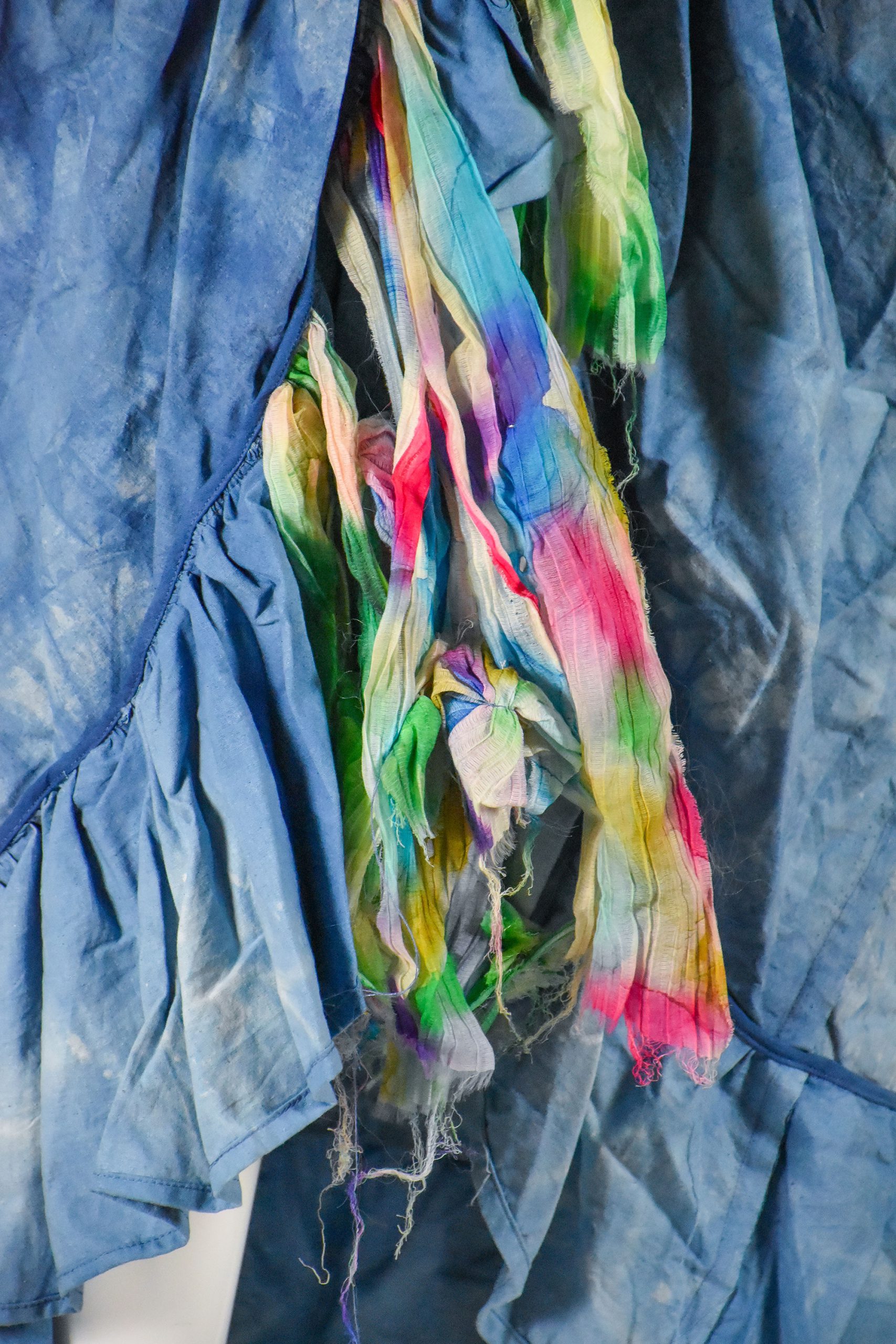
Informed by this, my design began with the concept of body armour. A physical barrier that protects and represents the substances created by the optimal bacteria. The garment consists of an outer shell of armour and an inner layer that utilises two different types of cotton. The inner layer is soft representing the delicate nature of the vagina, while its exterior offers protection. The central point of my design is the functional belt layered above as protection. The cloth is printed with a microscopic image of the vaginal cells co-cultured with the L.crispatus bacteria – as shown in Wilson’s research. The colour blue is used to symbolise the regulation of inflammation; blue for tranquil, calming and cooling. Using an eco-dye, I dip dyed the garment from waist down to represent the reduced inflammation. In the final design, the back can be tied in reference to a medical gown which is worn by Jenna when she conducts her research.
Stephanie Antonelli + Janna Jamal Eddine

Stephanie Antonelli

My name is Stephanie and I am a fashion student studying a Bachelor of Fashion (Design) at RMIT University School of Fashion and Textiles. I have grown up my whole life with a desire to work within the fashion industry, and my practice involves the consideration of sustainability within my work.

Janna Jamal Eddine

HIV in the brain: is it truly silent?

Janna Jamal Eddine is a third year PhD candidate in the School of Health and Biomedical Science at RMIT University. She started her PhD directly after completing her undergraduate studies; Bachelor of Biomedical Science/Bachelor of Science (Biotechnology) at RMIT University. Her current research focuses on understanding the role of HIV within the brain of people with HIV.

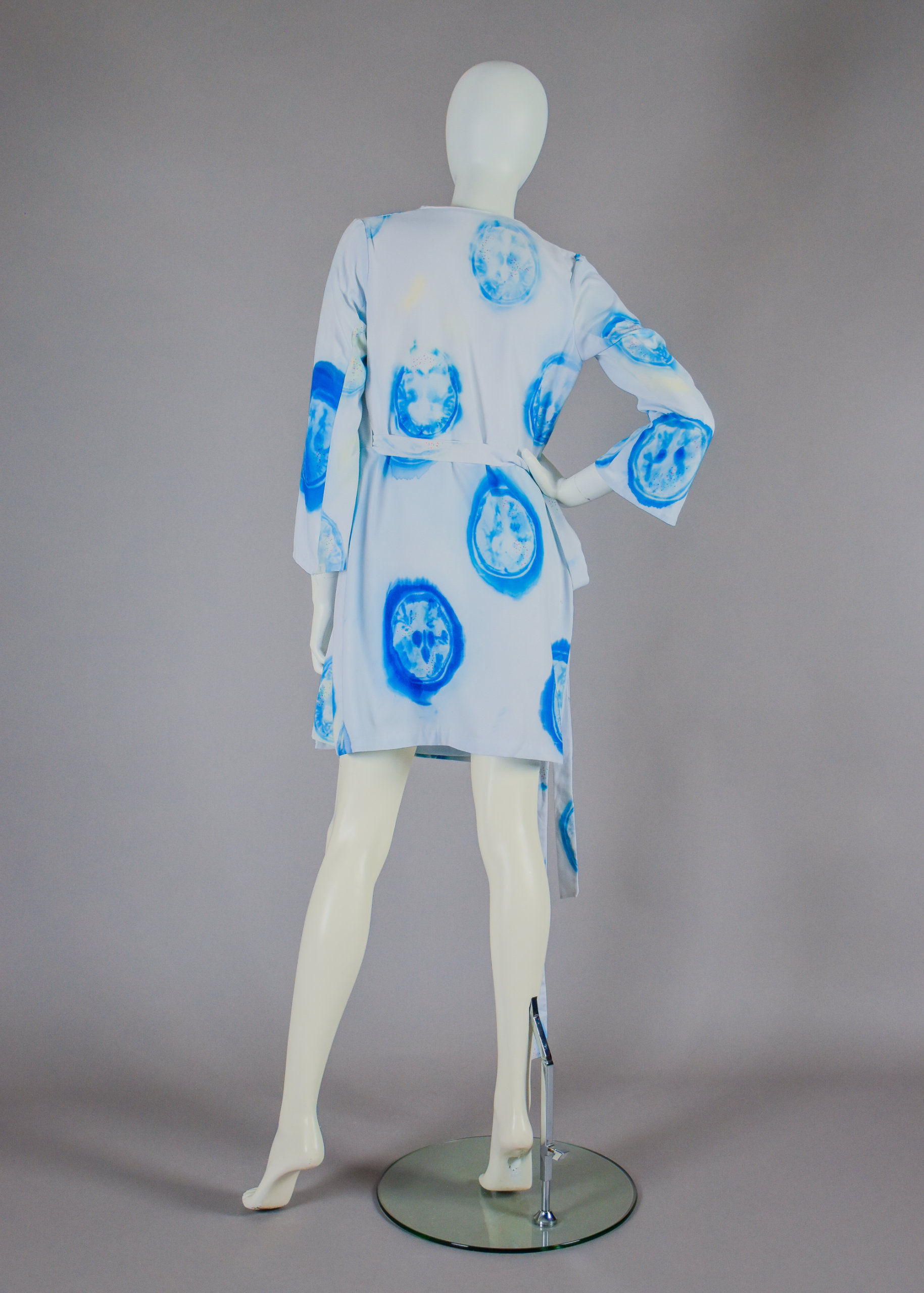
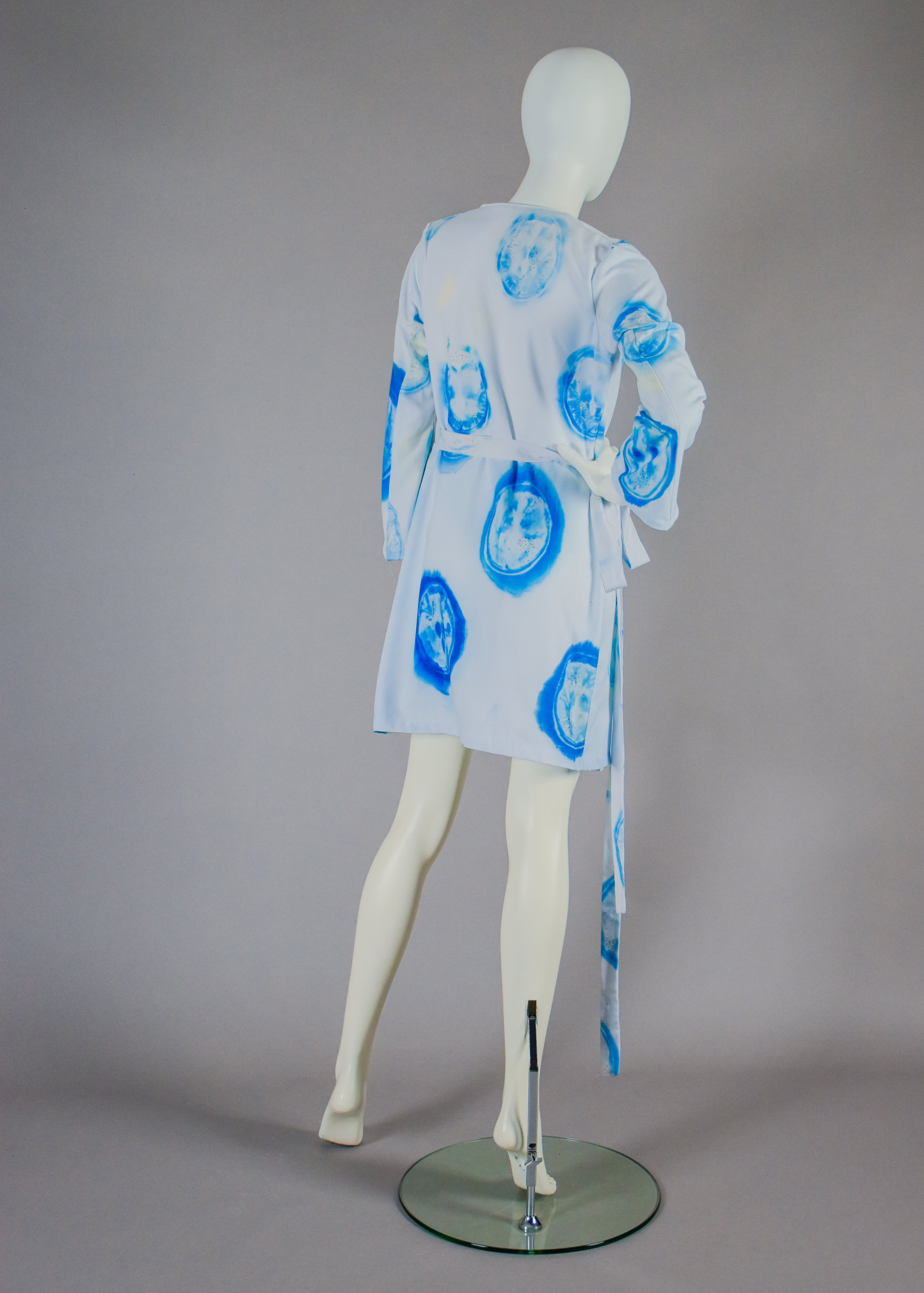
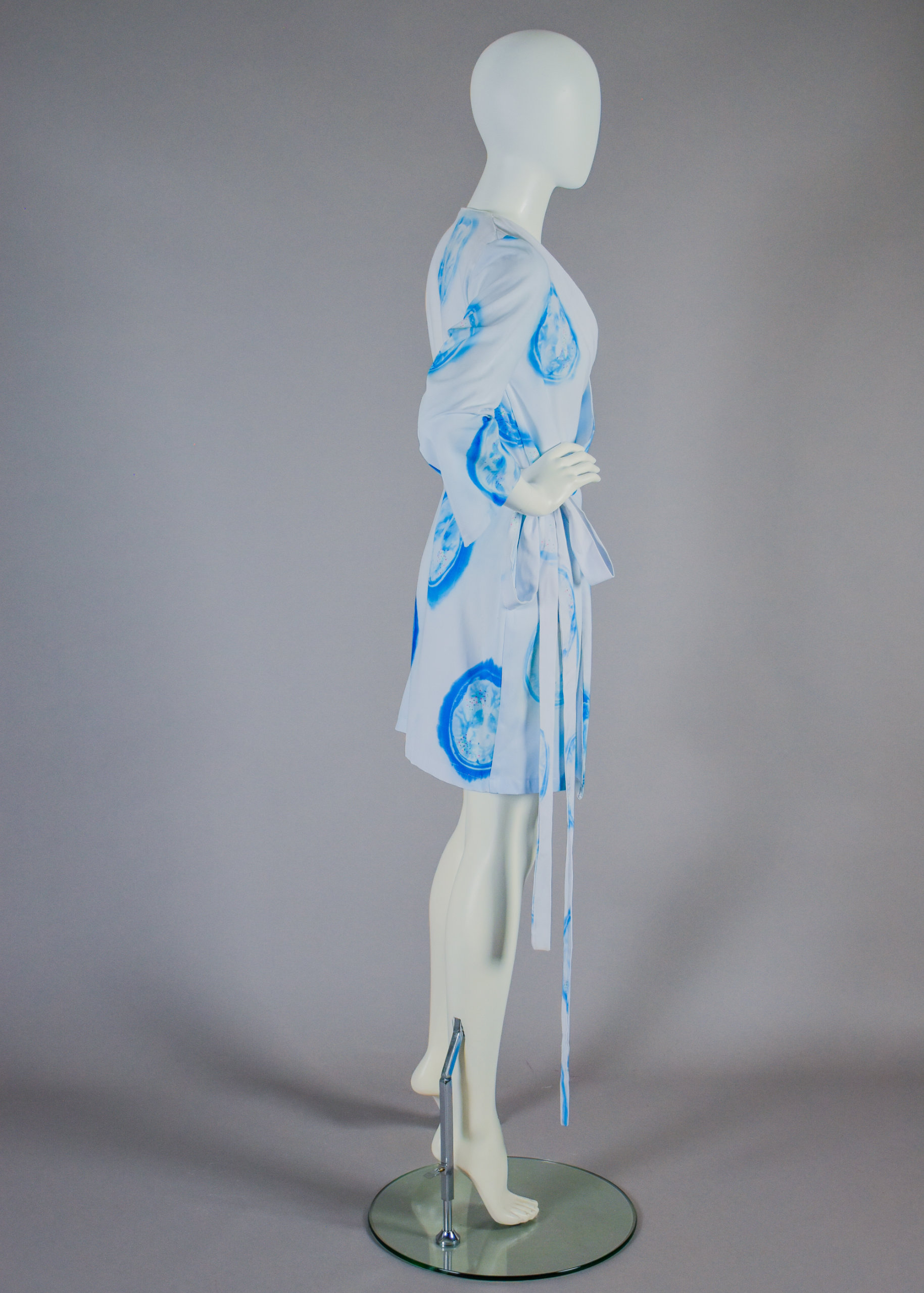
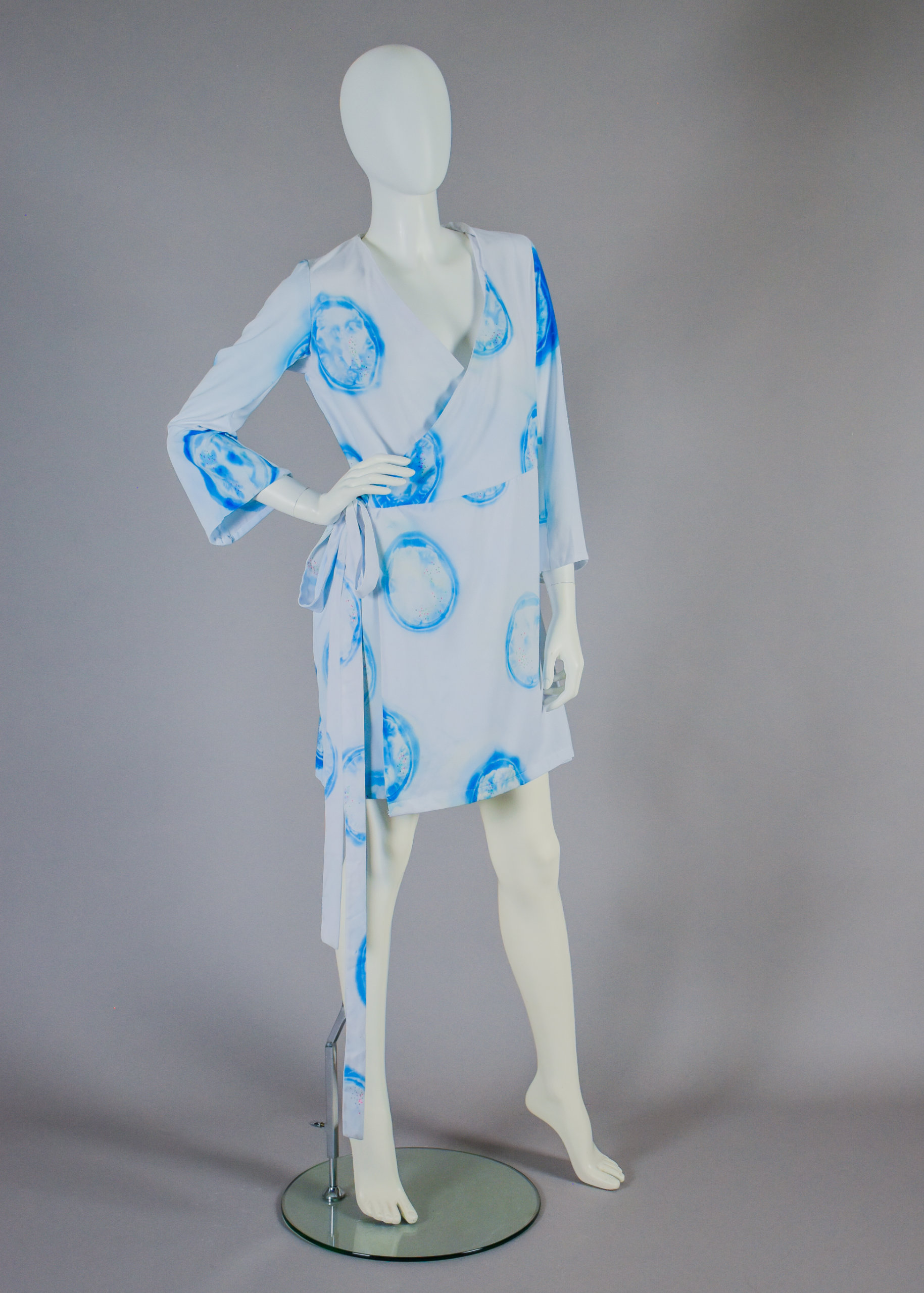
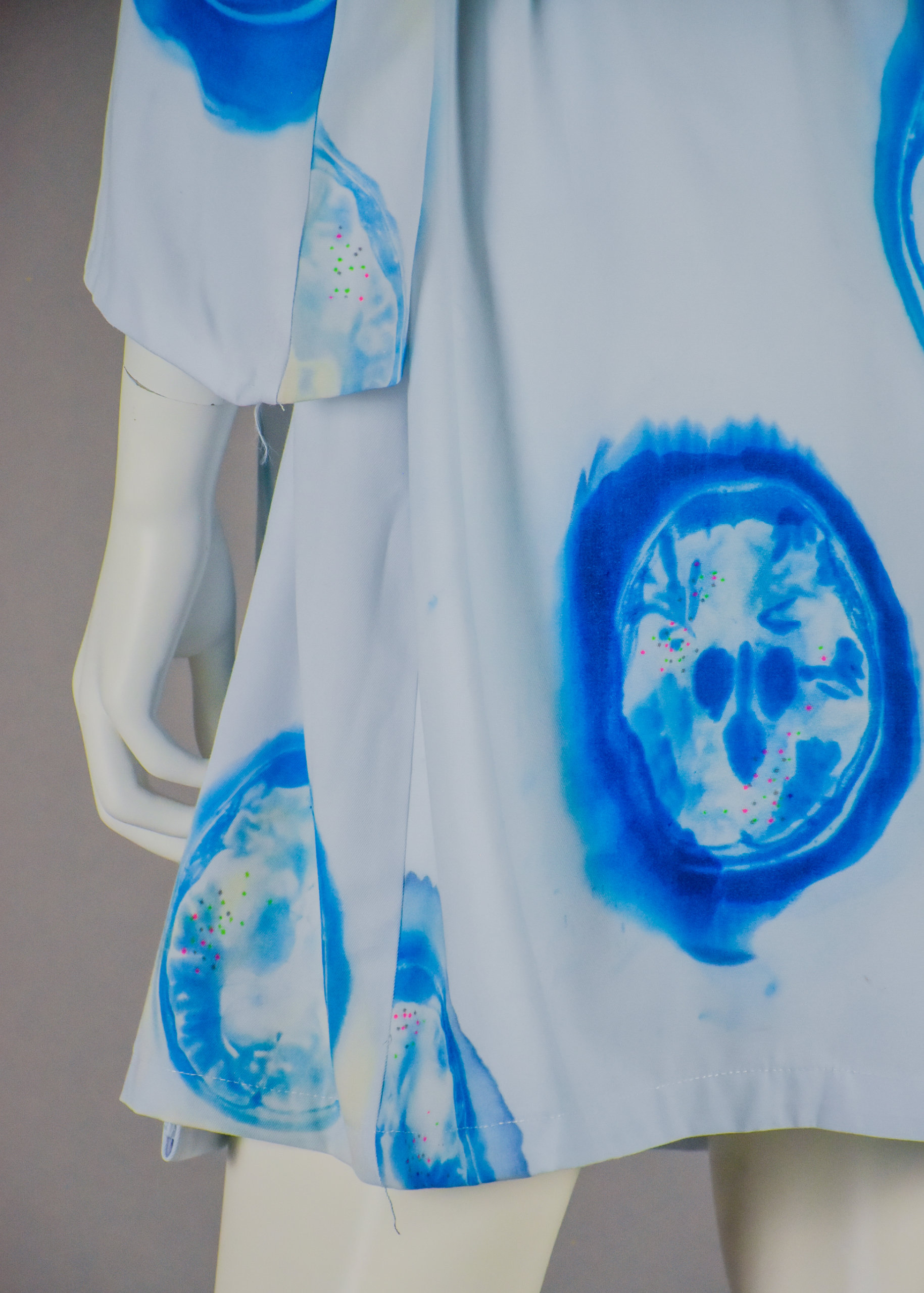
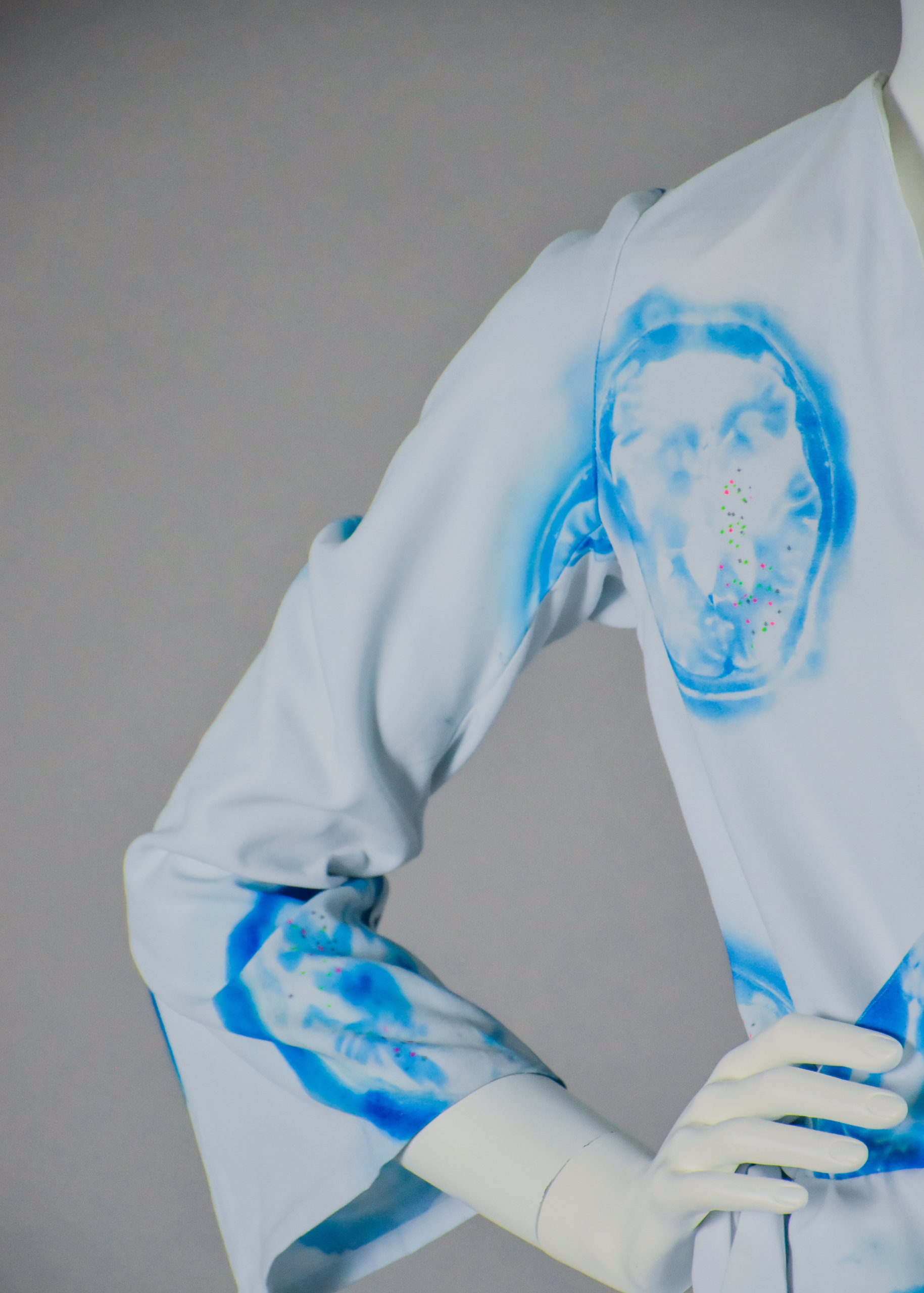
For this project, I was instantly drawn to Janna’s research about HIV in the brain. Her research explores the ability of HIV to hide in the brain, which is a barrier to cure, and how this can contribute to the development of neurocognitive disorders. When creating my final design, I really wanted to focus on representing how HIV can produce RNA in the brain of individuals on and off antiretroviral therapy (ART), and how blocks exist that are preventing the production the RNA that is necessary to produce new virus particles.

I began my project by using cyanotype printing to print multiple scans of the human brain onto my fabric. I also wanted to represent how HIV can hide in the brain, so therefore I used a few types of UV reactant markers to draw inside each of the brain prints on my fabric. When a UV torch is shone onto my project, the markers will glow, essentially representing the HIV in the brain becoming ‘visible’. The pink marker represents HIV DNA, the green marker represents HIV RNA, and the metallic silver marker represents the HIV proteins that are in the brain.

Xu Jiaqi (Kira) + Ye Lulu + Liu Wenzhe + Janna Jamal Eddine

Xu Jiaqi (Kira)

Hi, I’m Kira, a Year 2 Fashion Design student from RMIT University. During my two years of study, I have gained a lot of knowledge of clothing construction and transforming materials. I like making my own fabric and am especially interested in techniques for embedding, foiling and bonding. These techniques feature in many of my designs.

Ye Lulu

My name is Lulu Ye, a second-year fashion design student at RMIT from China. As an international student, I want to combine traditional influences with contemporary design in my work. My passion is to create innovative, sustainable fashion and designs that tell a personal story and reflect my aesthetic concept. In my designs, I use smocking techniques to create visual interest.

Liu Wenzhe

Hi there! My name is Wenzhe Liu. I grow up in Beijing, China and I came to Melbourne in 2022. I like music, DJing, outdoor exploring and exercising. I am an RMIT Fashion Design student who is passionate about fashion, and I have rich experience in fashion design and understanding of textiles.

Janna Jamal Eddine

HIV in the brain: is it truly silent?

Janna Jamal Eddine is a third year PhD candidate in the School of Health and Biomedical Science at RMIT University. She started her PhD directly after completing her undergraduate studies; Bachelor of Biomedical Science/Bachelor of Science (Biotechnology) at RMIT University. Her current research focuses on understanding the role of HIV within the brain of people with HIV.

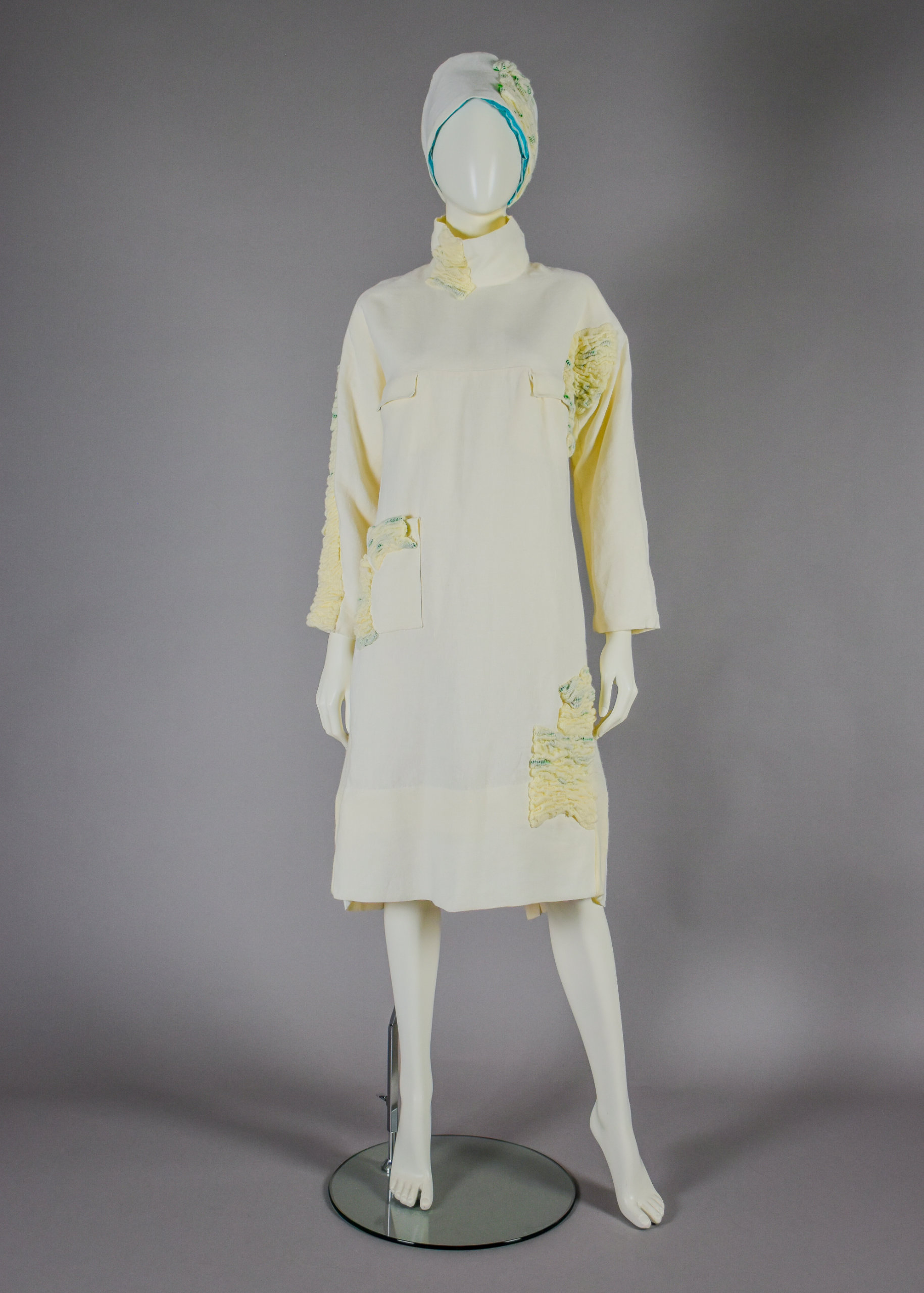
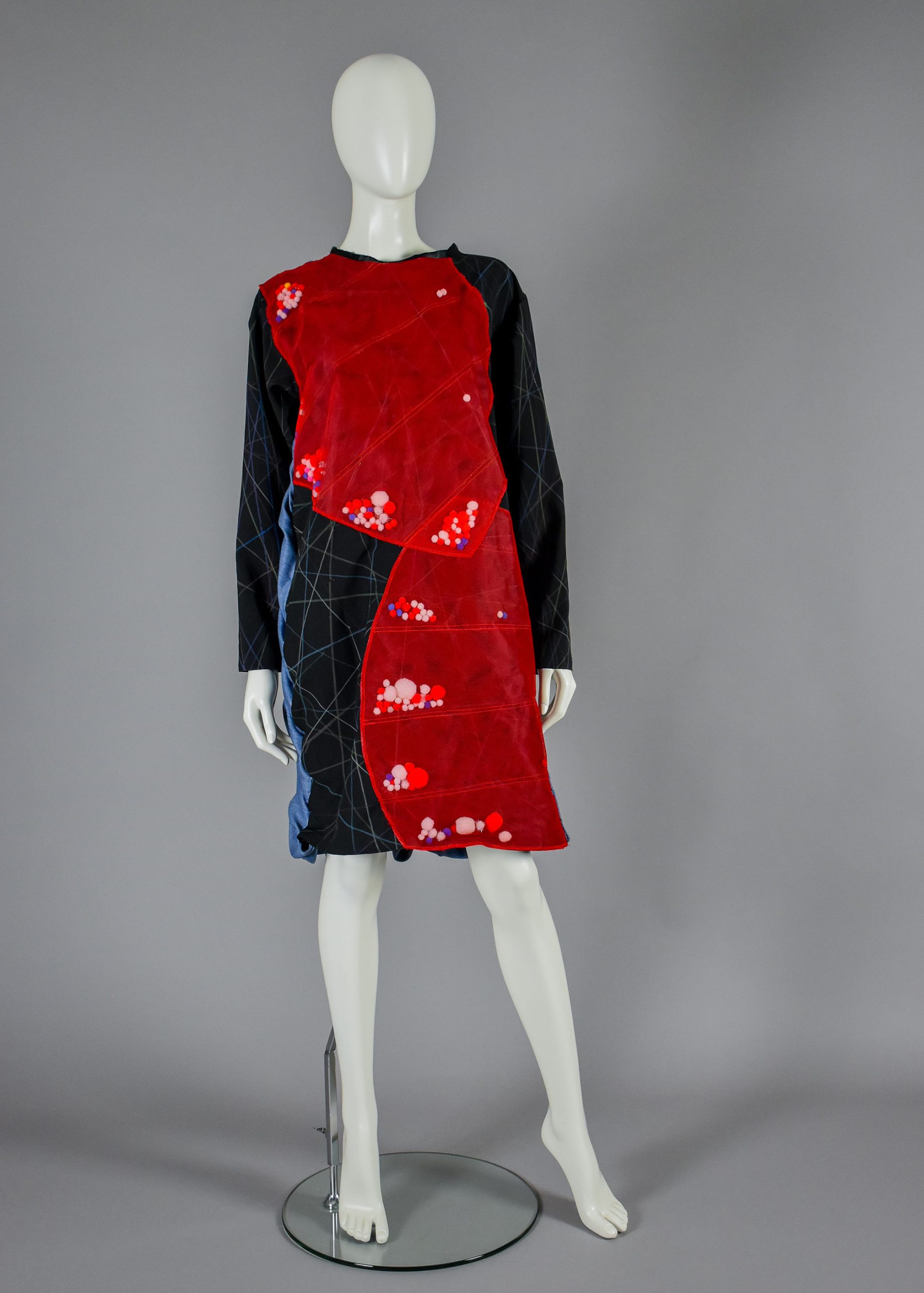
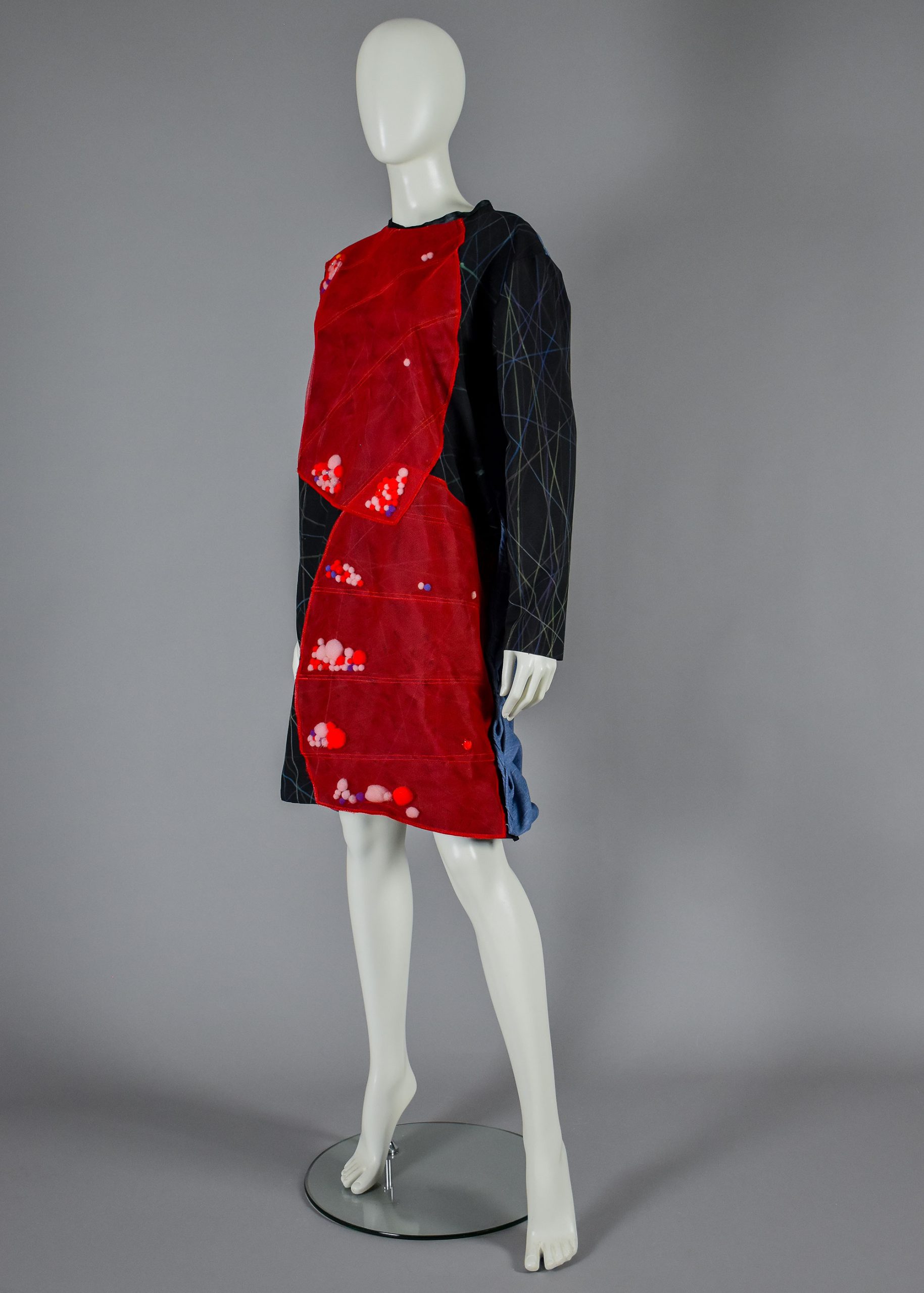
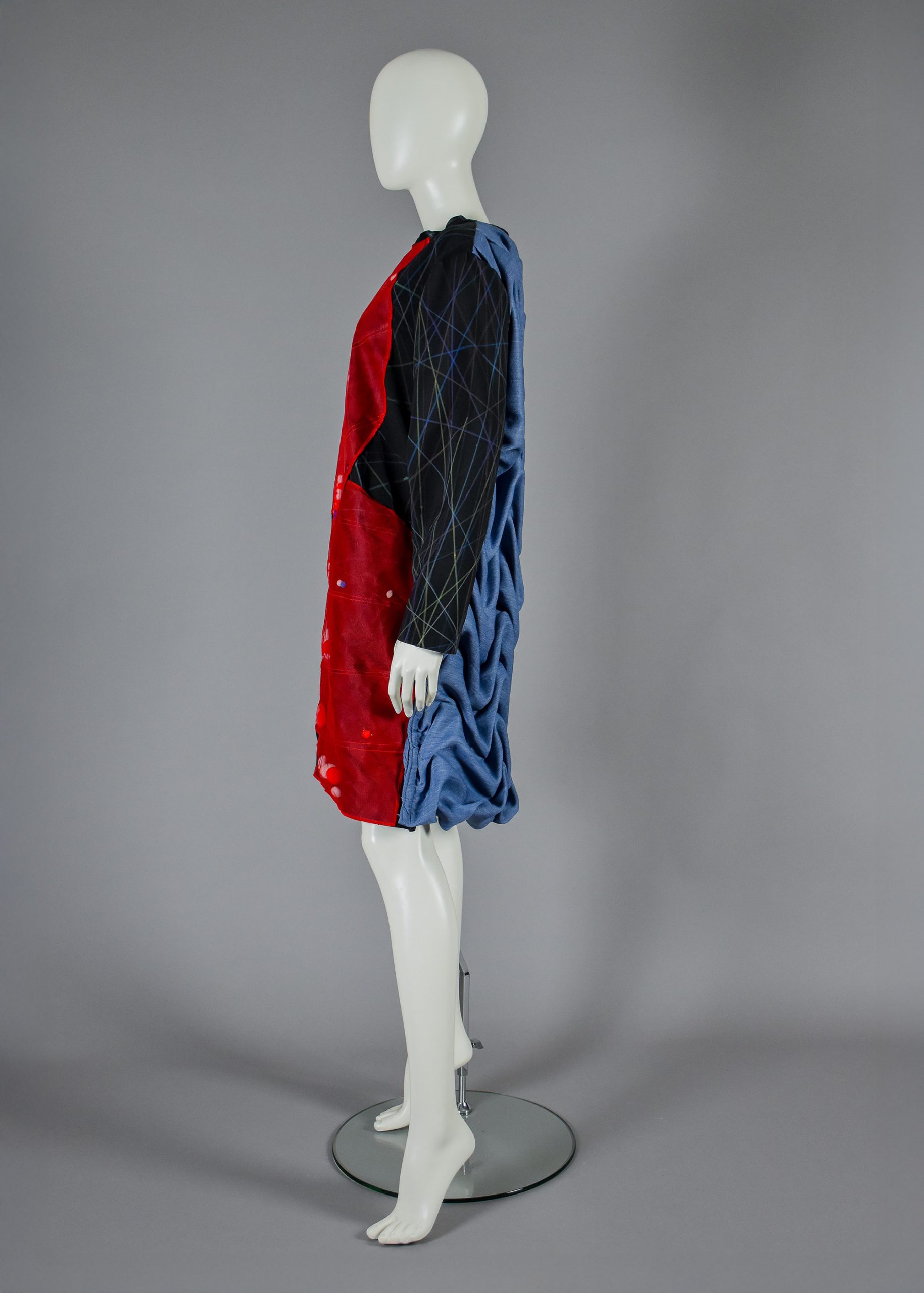
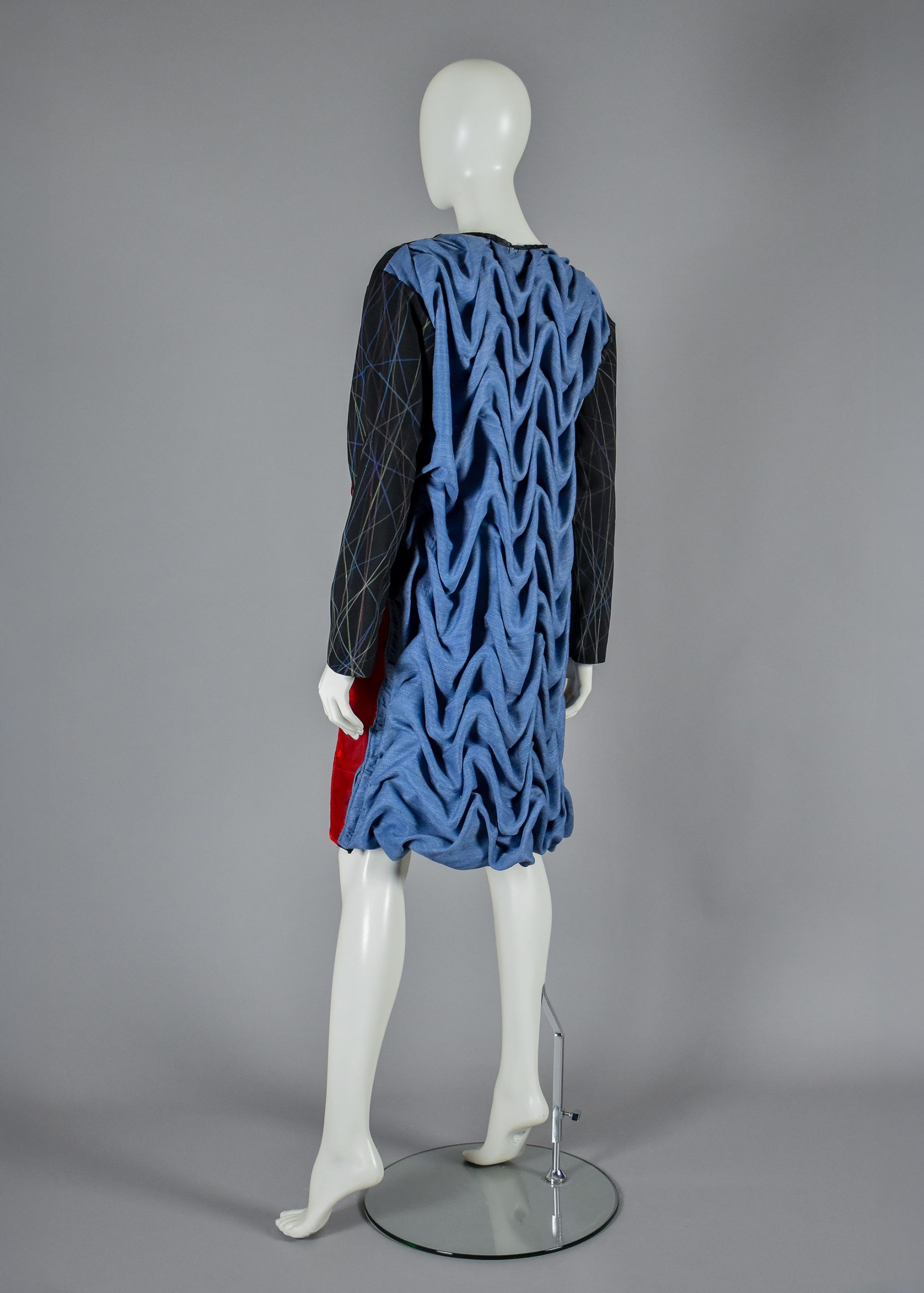
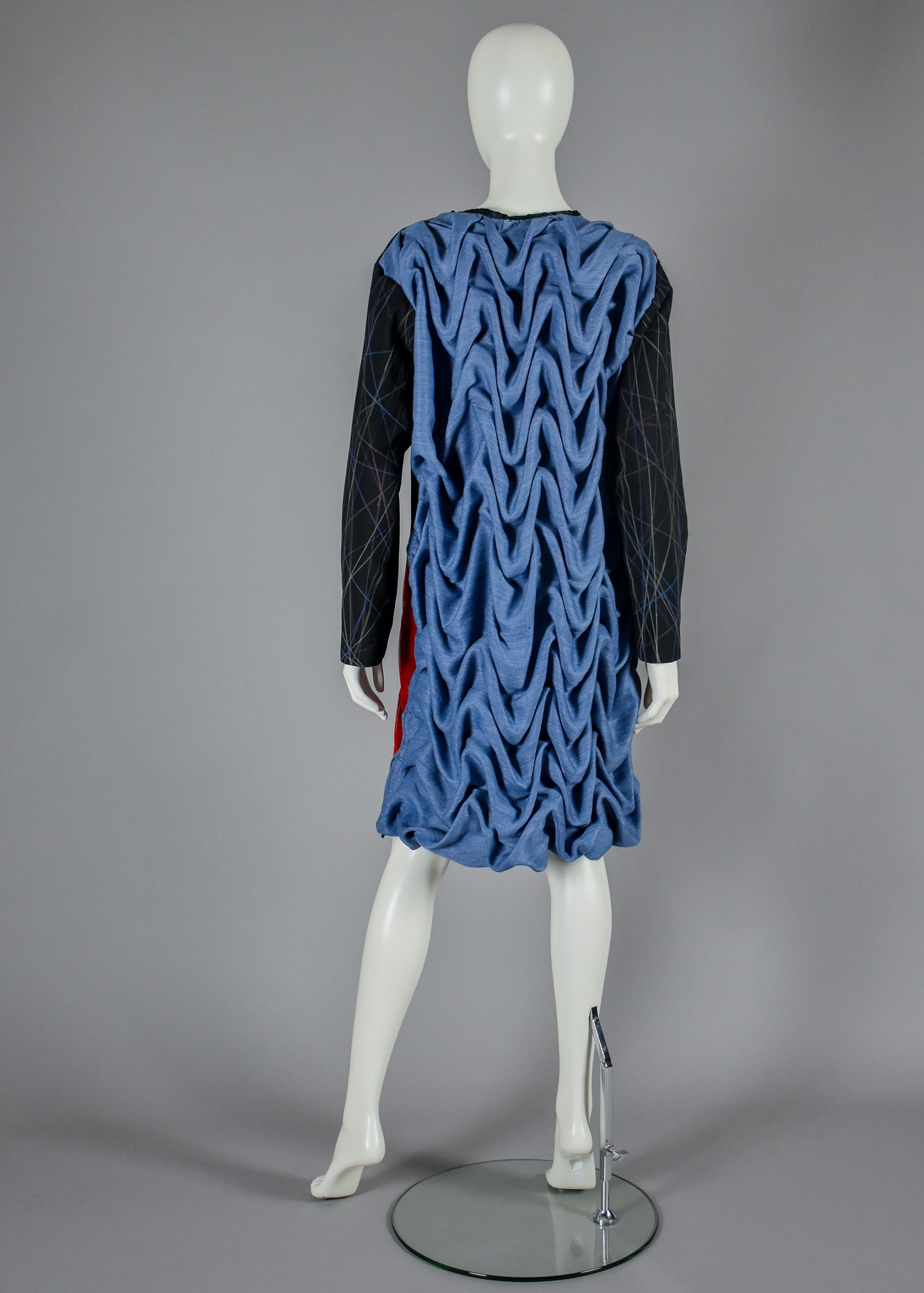
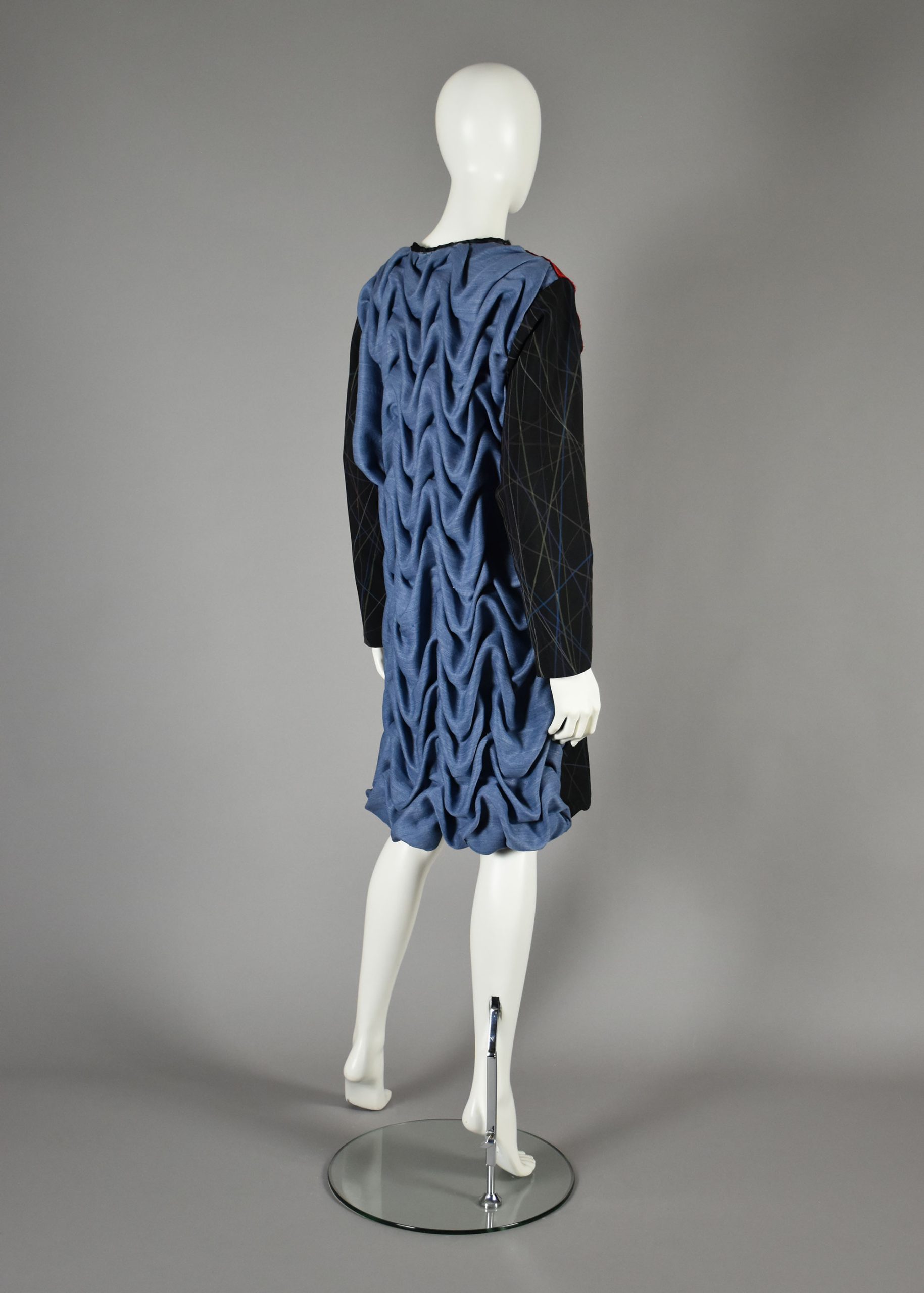
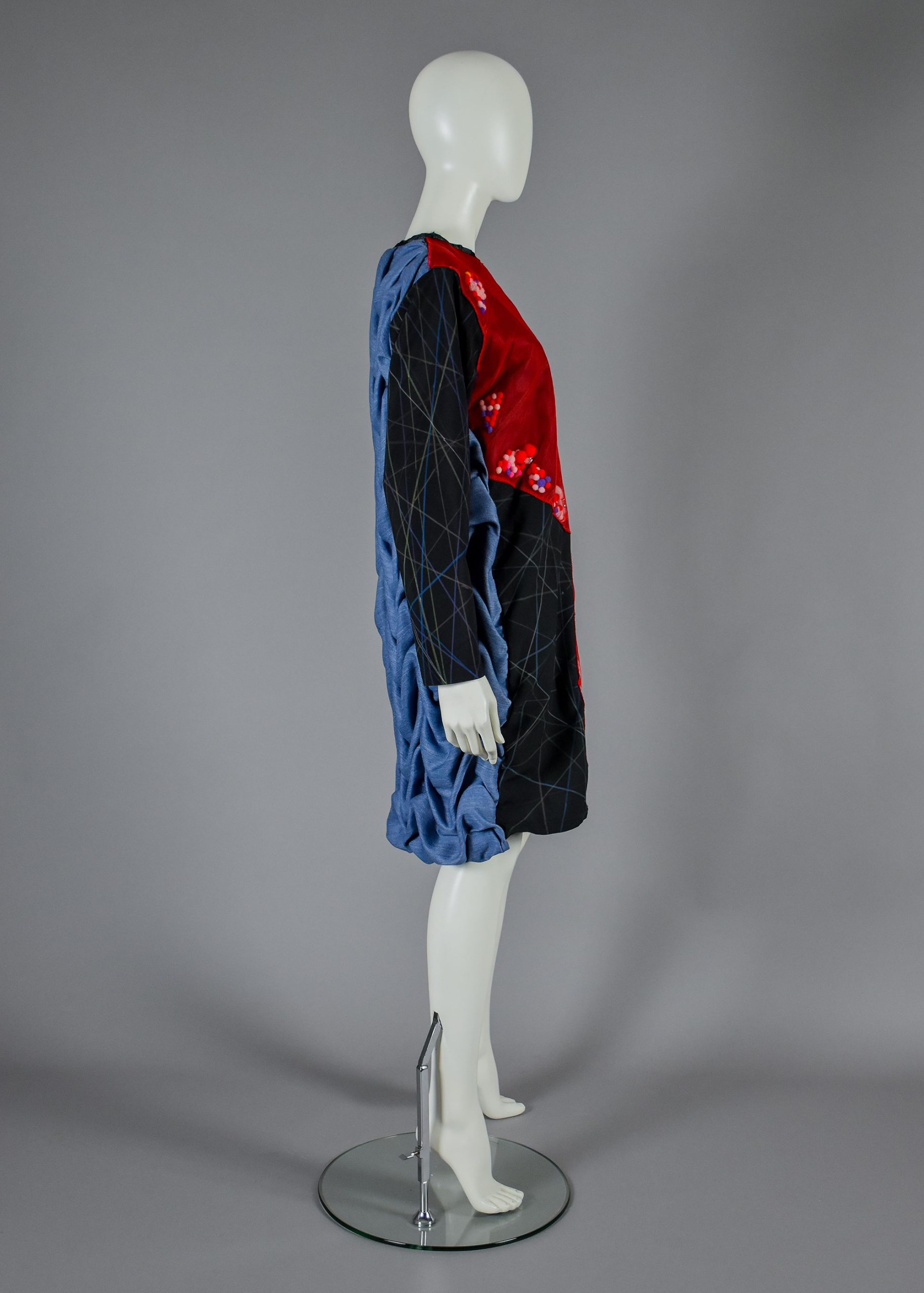
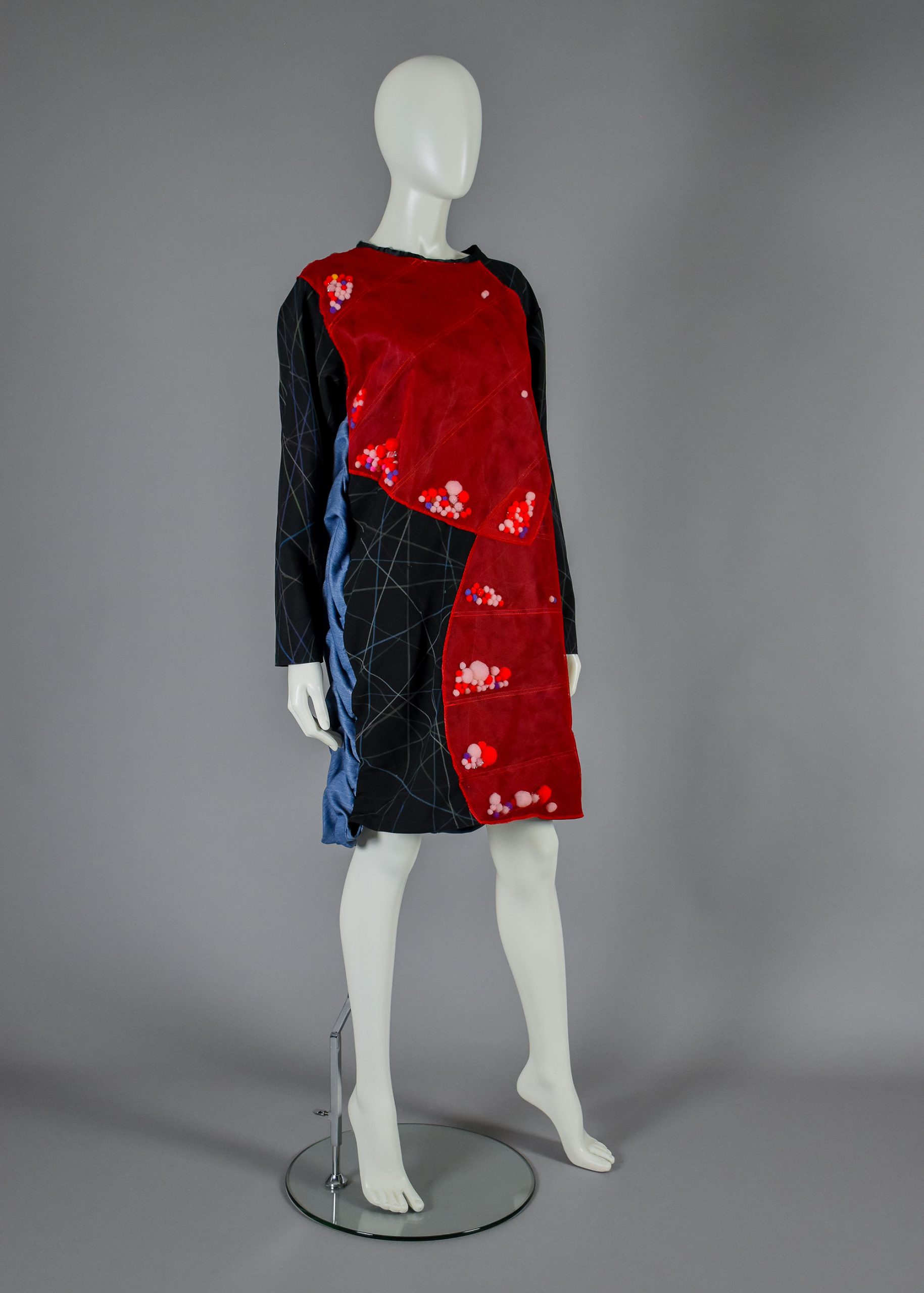
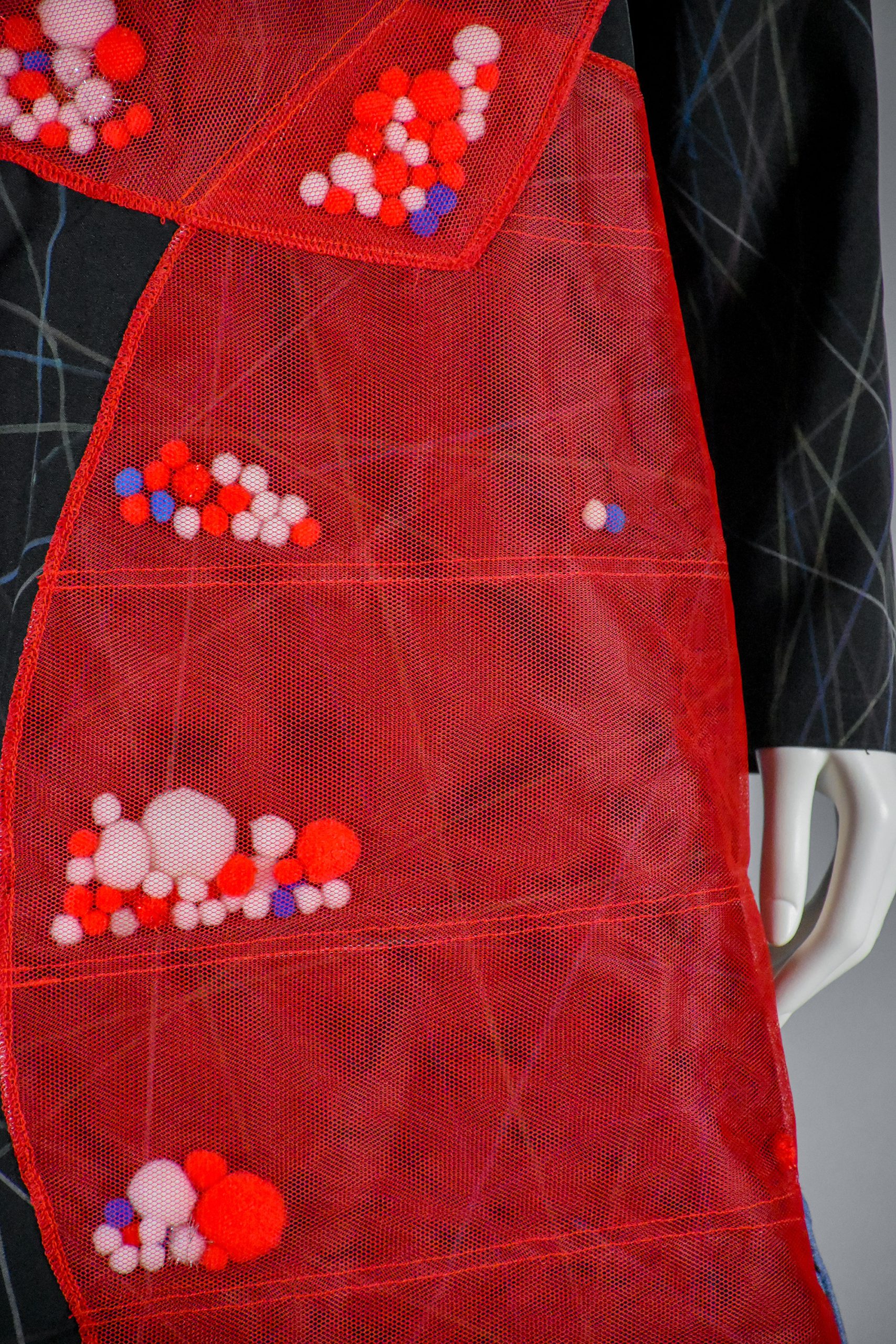
Our design is inspired by Janna’s research and her lab coat. On the front, we created a DNA shape using netting embedded with small balls to visually represent a virus. On the black fabric, we drew irregular lines with acrylic markers to depict neurons, reflecting the inspiration images and Janna’s research on whether DNA in the brain can produce the HIV RNA needed for new viruses. Additionally, we used smocking technology on the back, which transforms flat fabrics into a three-dimensional texture resembling brain waves. The garment can be worn in a half-pullover style, and the overall effect aligns with our original design sketch, giving us a great sense of accomplishment.

Xu Jiaqi (Kira) + Ye Lulu + Liu Wenzhe + Joshua Xie

Xu Jiaqi (Kira)

Hi, I’m Kira, a Year 2 Fashion Design student from RMIT University. During my two years of study, I have gained a lot of knowledge of clothing construction and transforming materials. I like making my own fabric and am especially interested in techniques for embedding, foiling and bonding. These techniques feature in many of my designs.

Ye Lulu

My name is Lulu Ye, a second-year fashion design student at RMIT from China. As an international student, I want to combine traditional influences with contemporary design in my work. My passion is to create innovative, sustainable fashion and designs that tell a personal story and reflect my aesthetic concept. In my designs, I use smocking techniques to create visual interest.

Liu Wenzhe

Hi there! My name is Wenzhe Liu. I grow up in Beijing, China and I came to Melbourne in 2022. I like music, DJing, outdoor exploring and exercising. I am an RMIT Fashion Design student who is passionate about fashion, and I have rich experience in fashion design and understanding of textiles.

Joshua Xie

Establishing the Foundations for Future HIV Cure-Focussed Research (HI-ART Study).

Josh has an undergraduate of Biomedicine (2023) and currently doing their honours research in the Sharon Lewin lab with ambitions to get into Medicine in 2025.

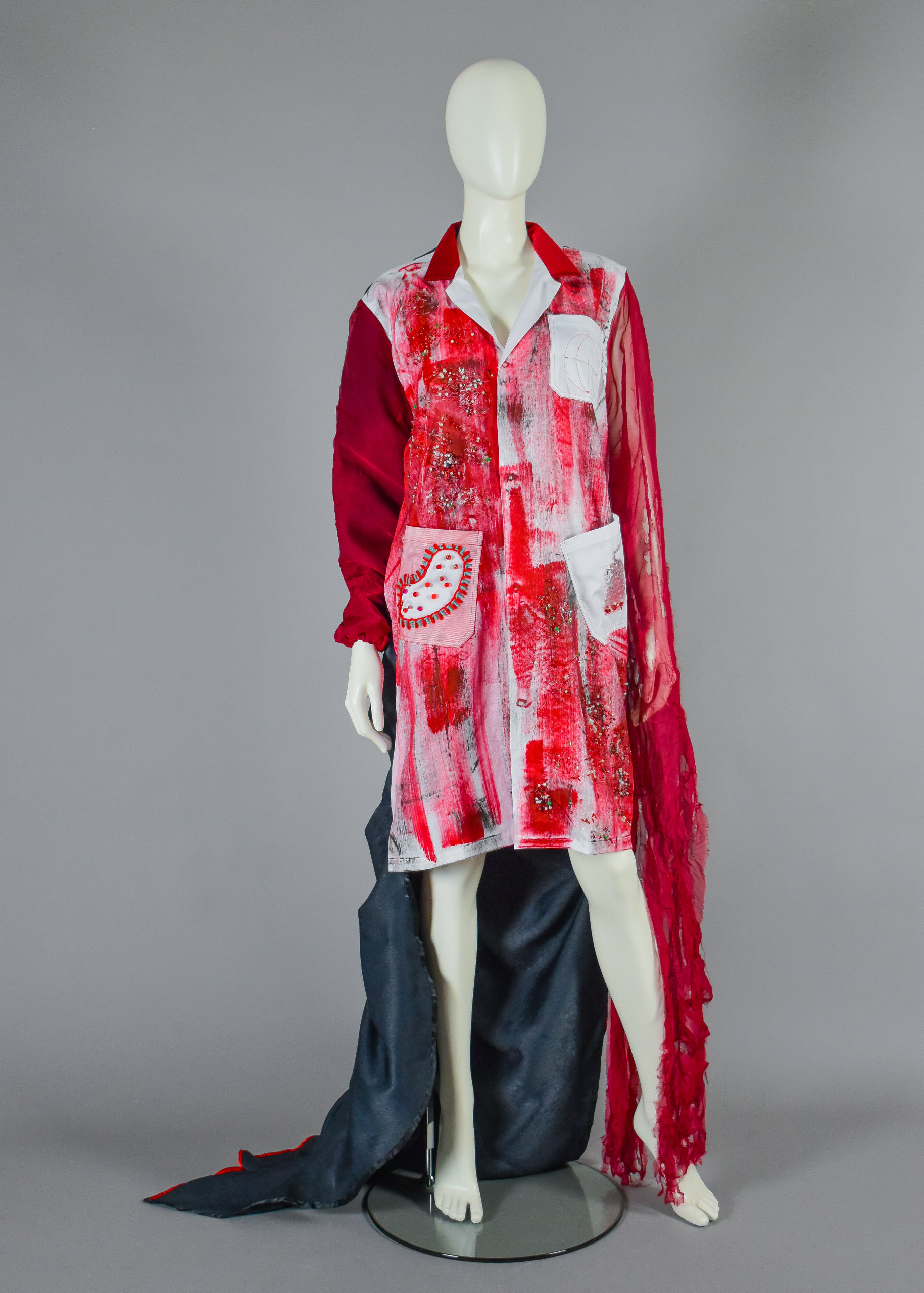
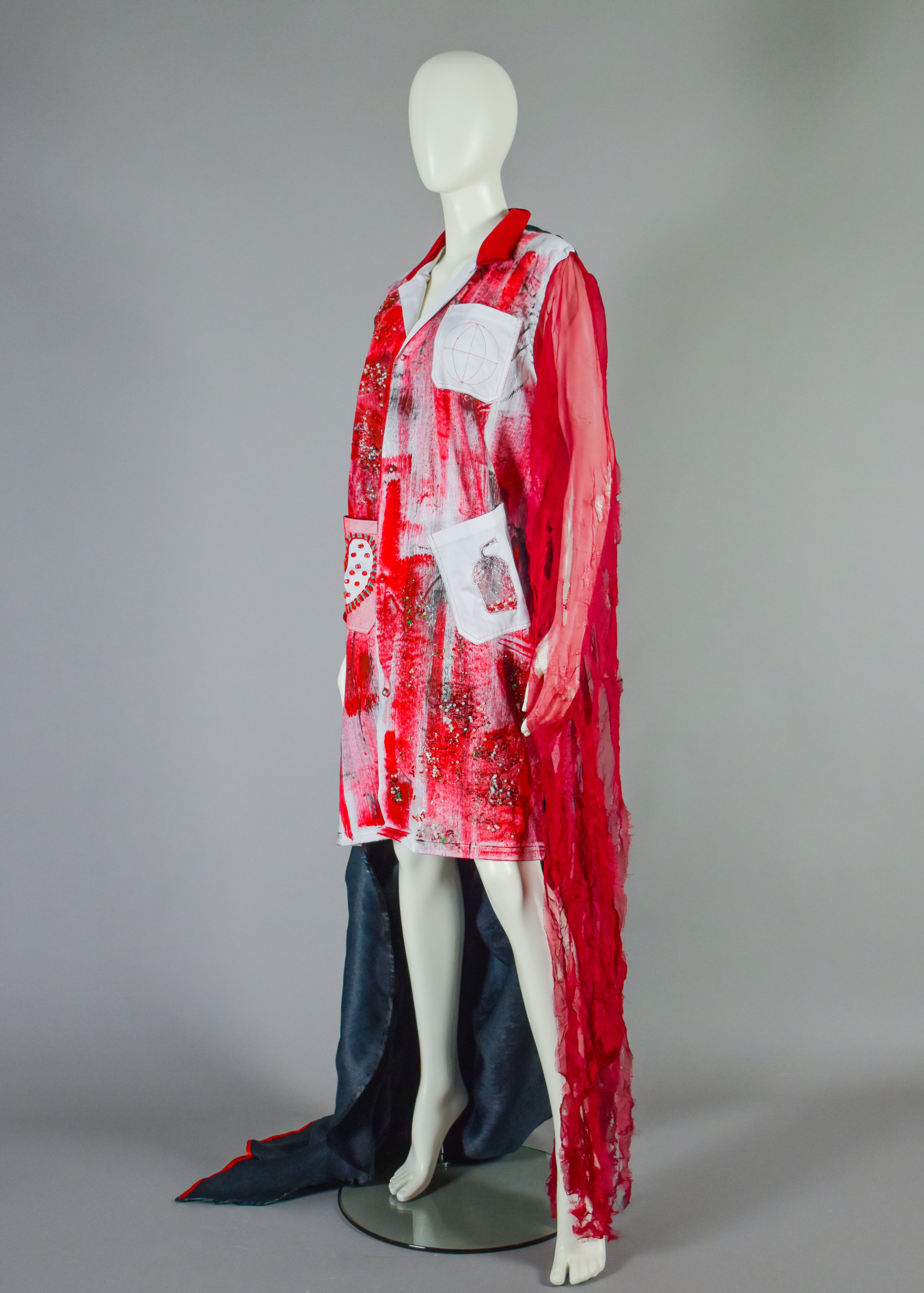
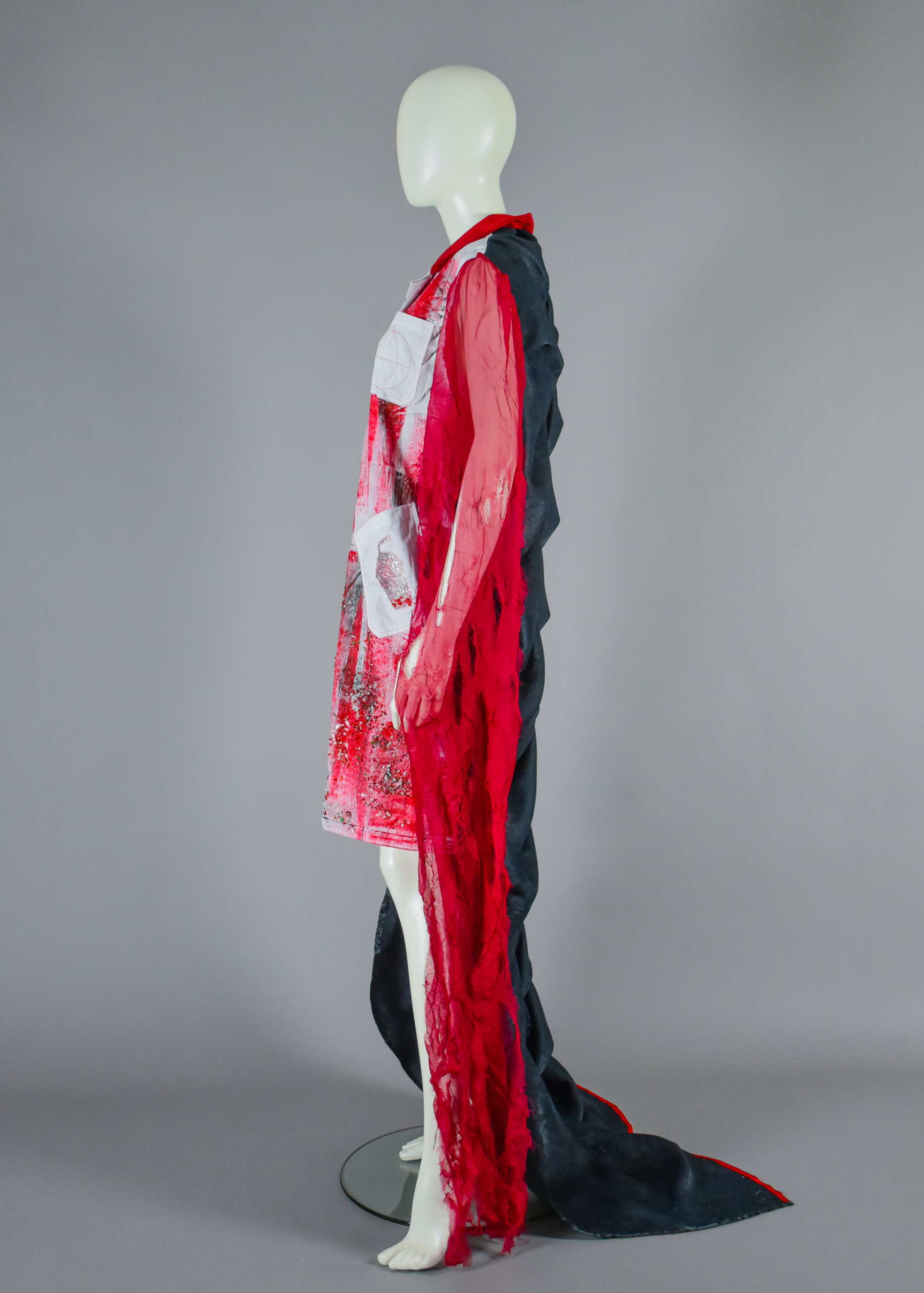
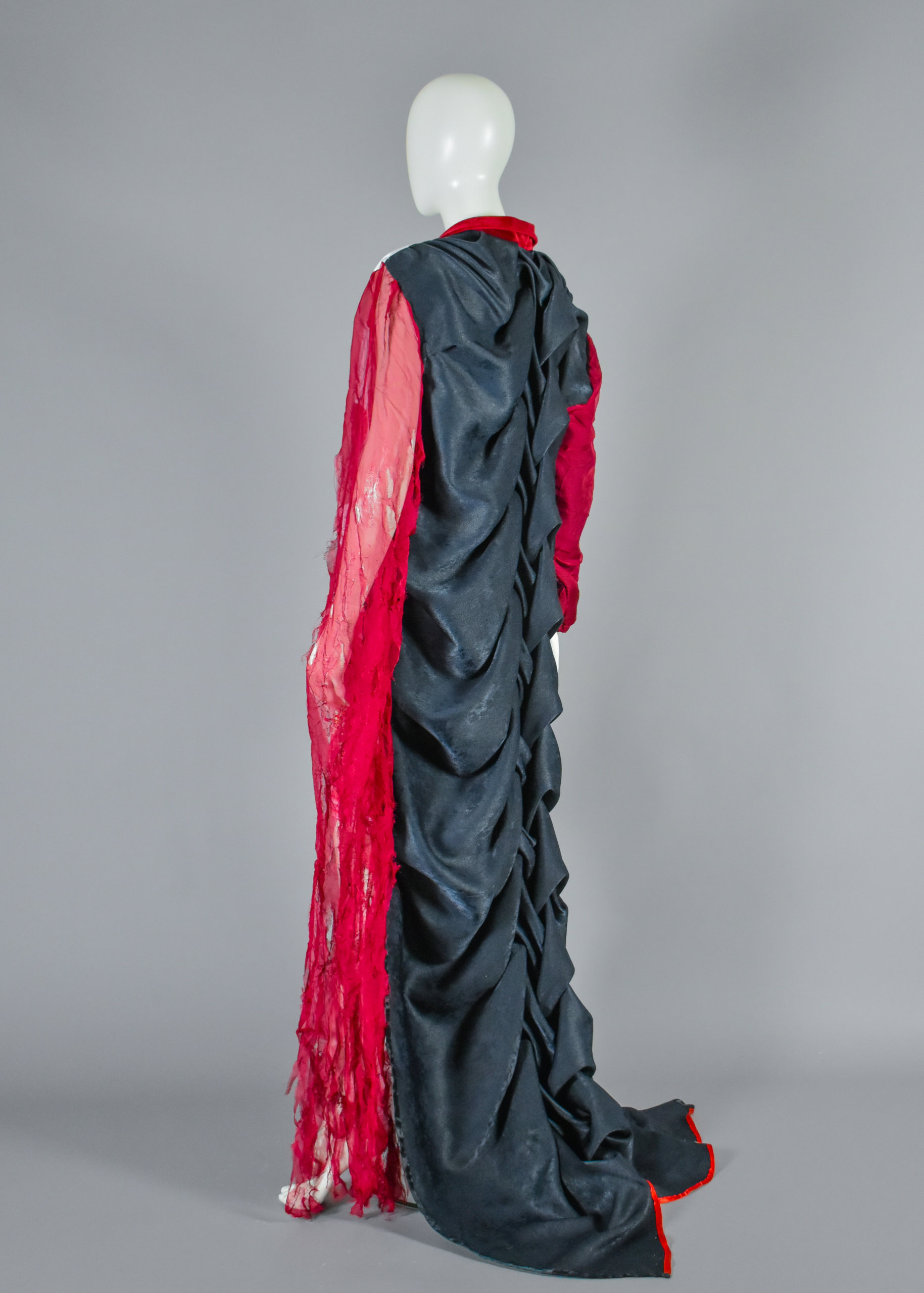
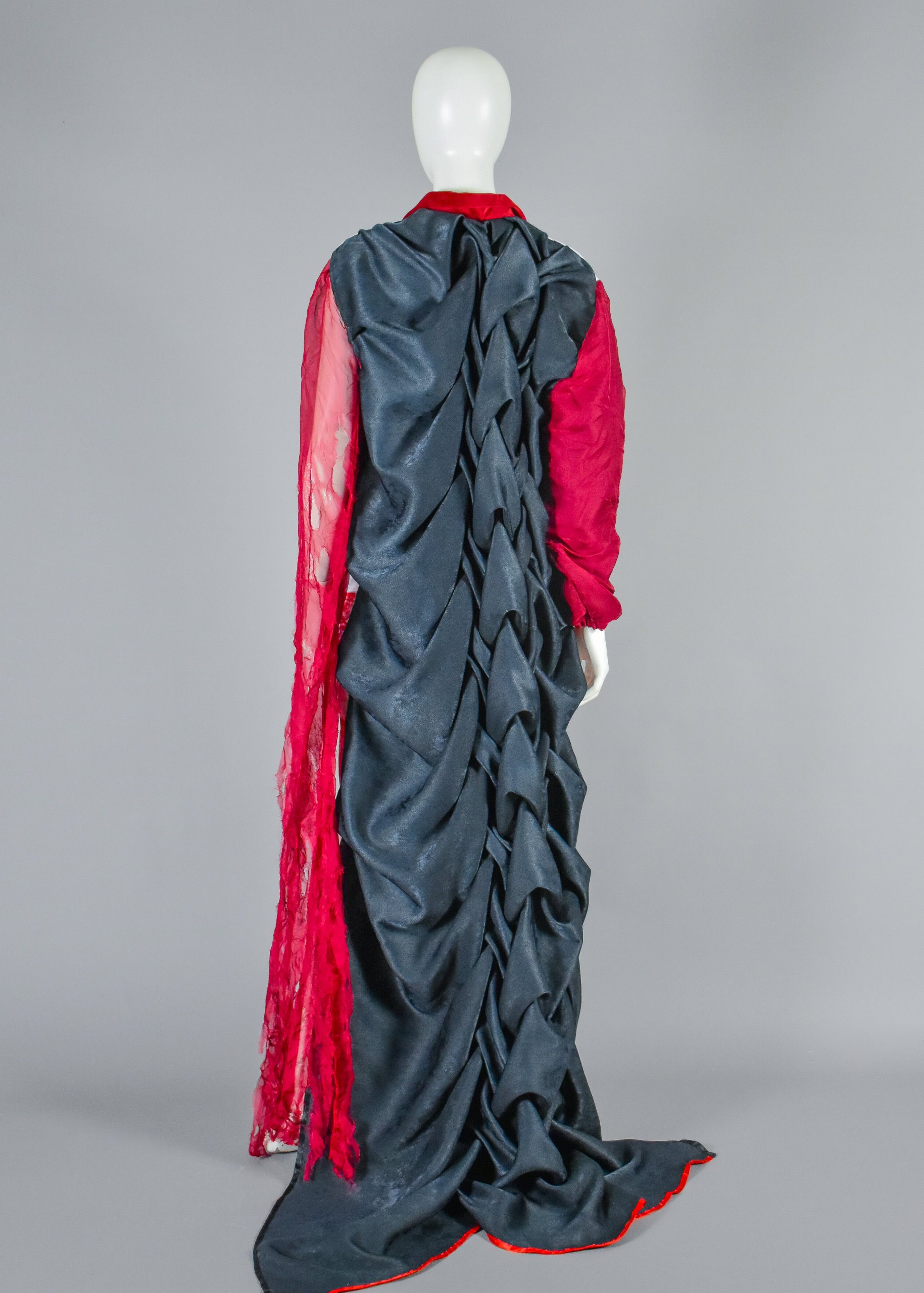
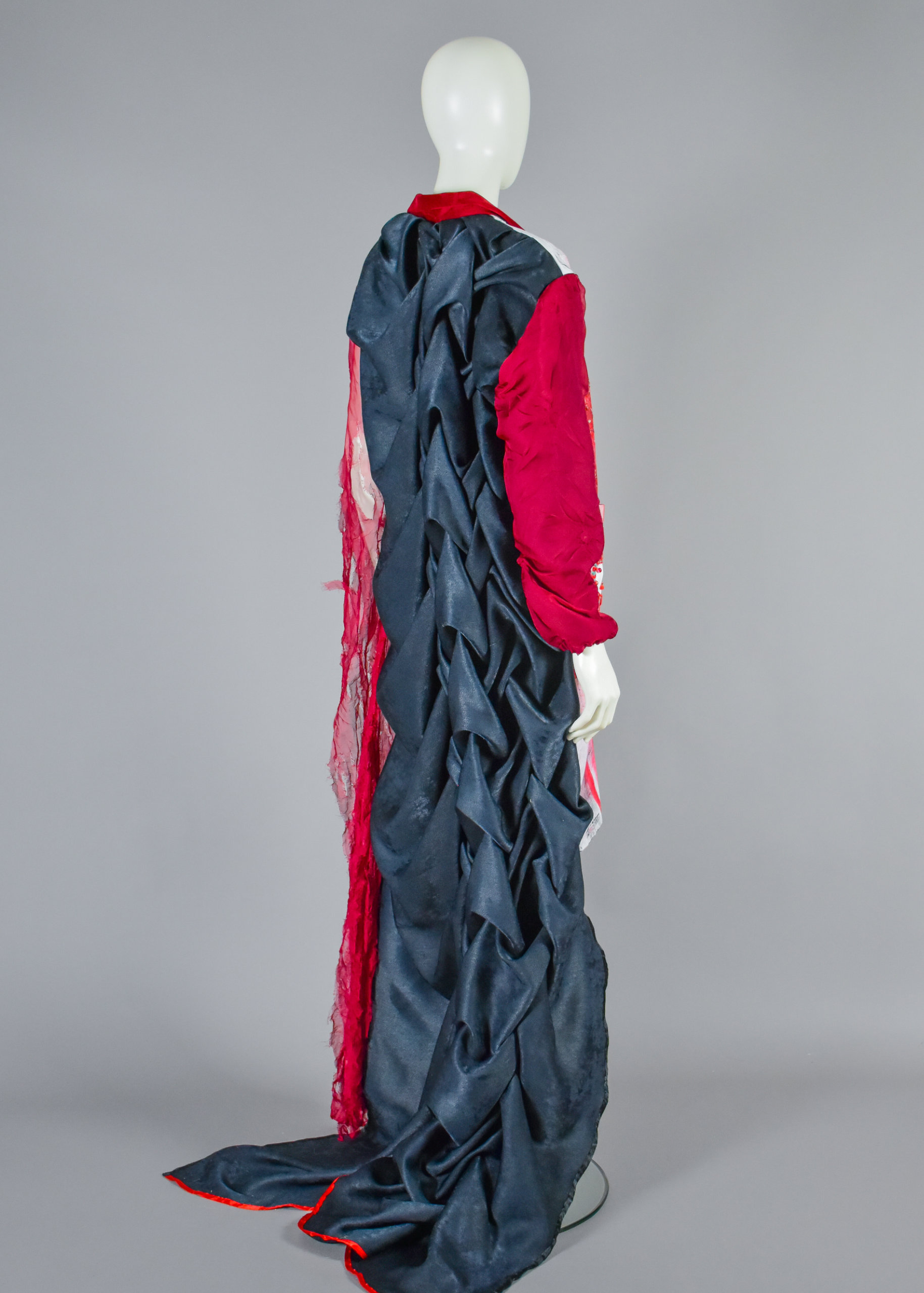
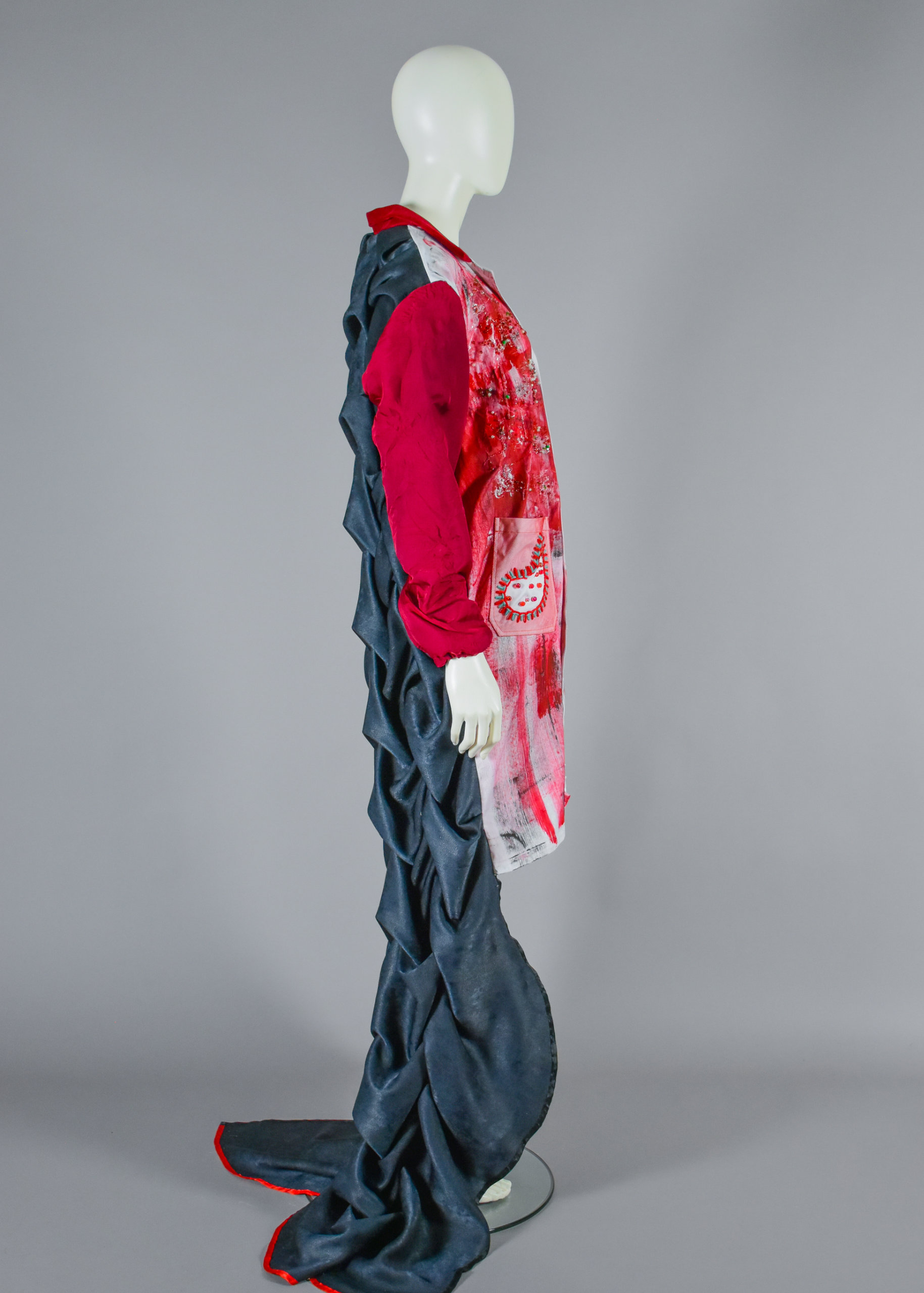
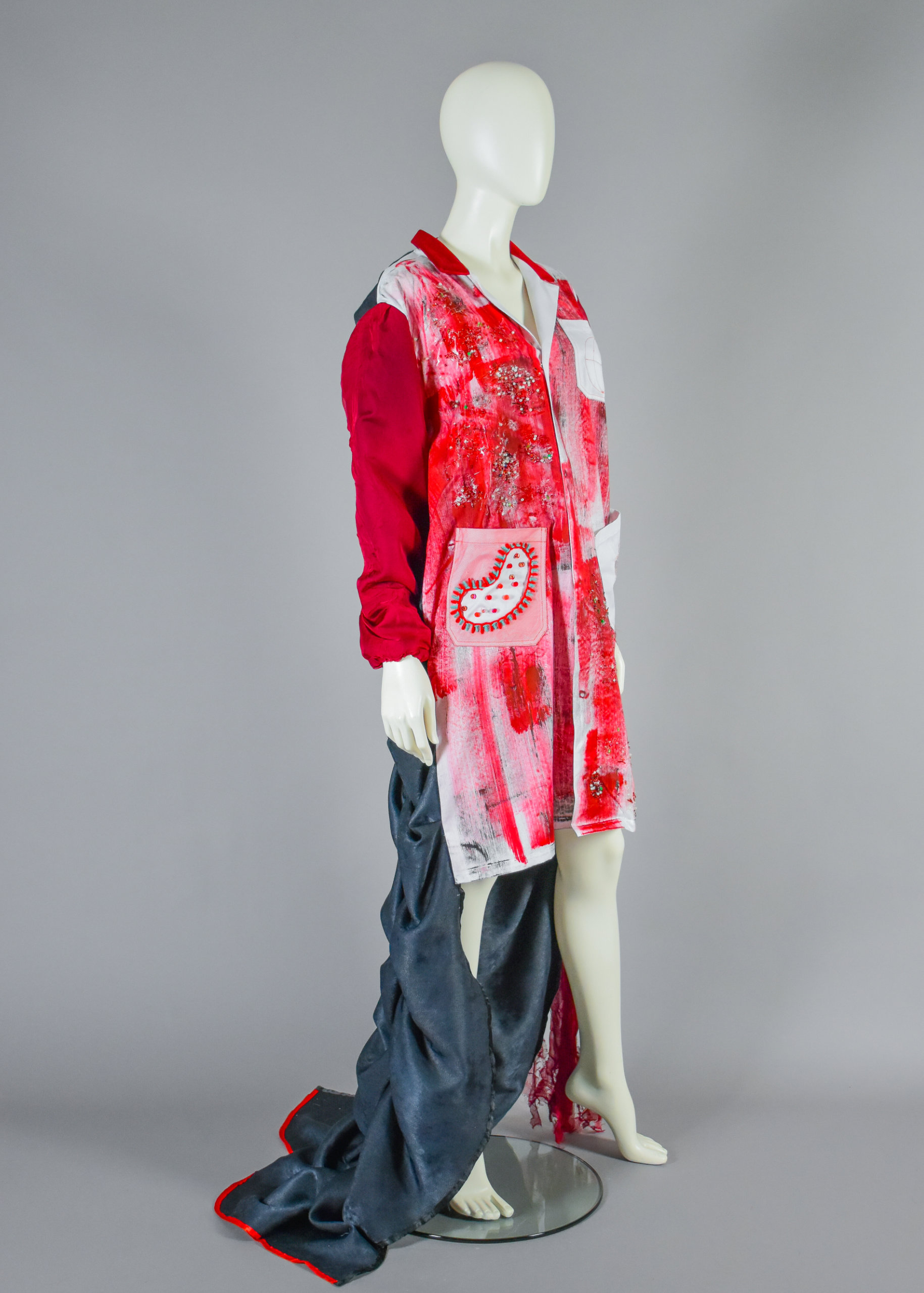
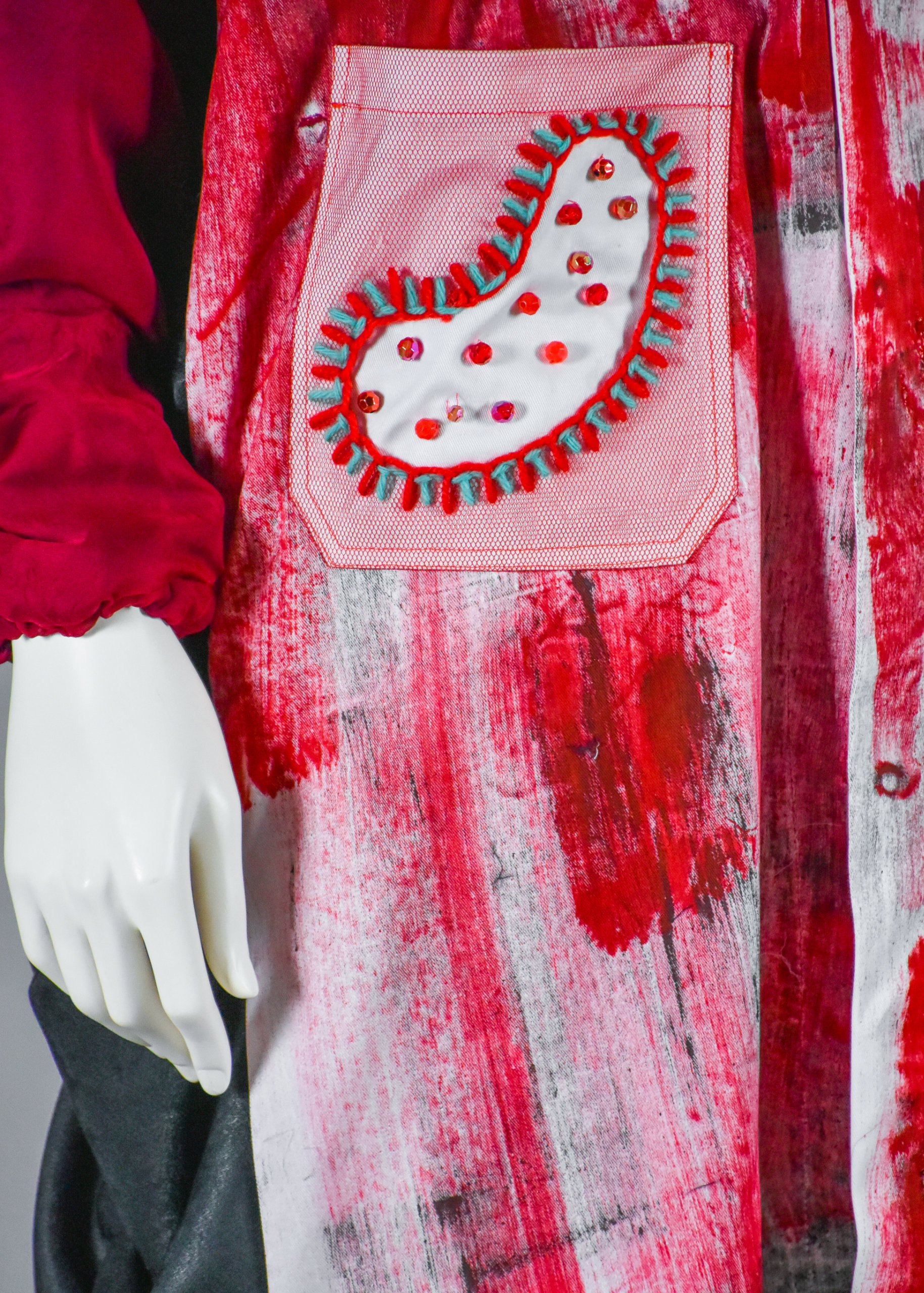
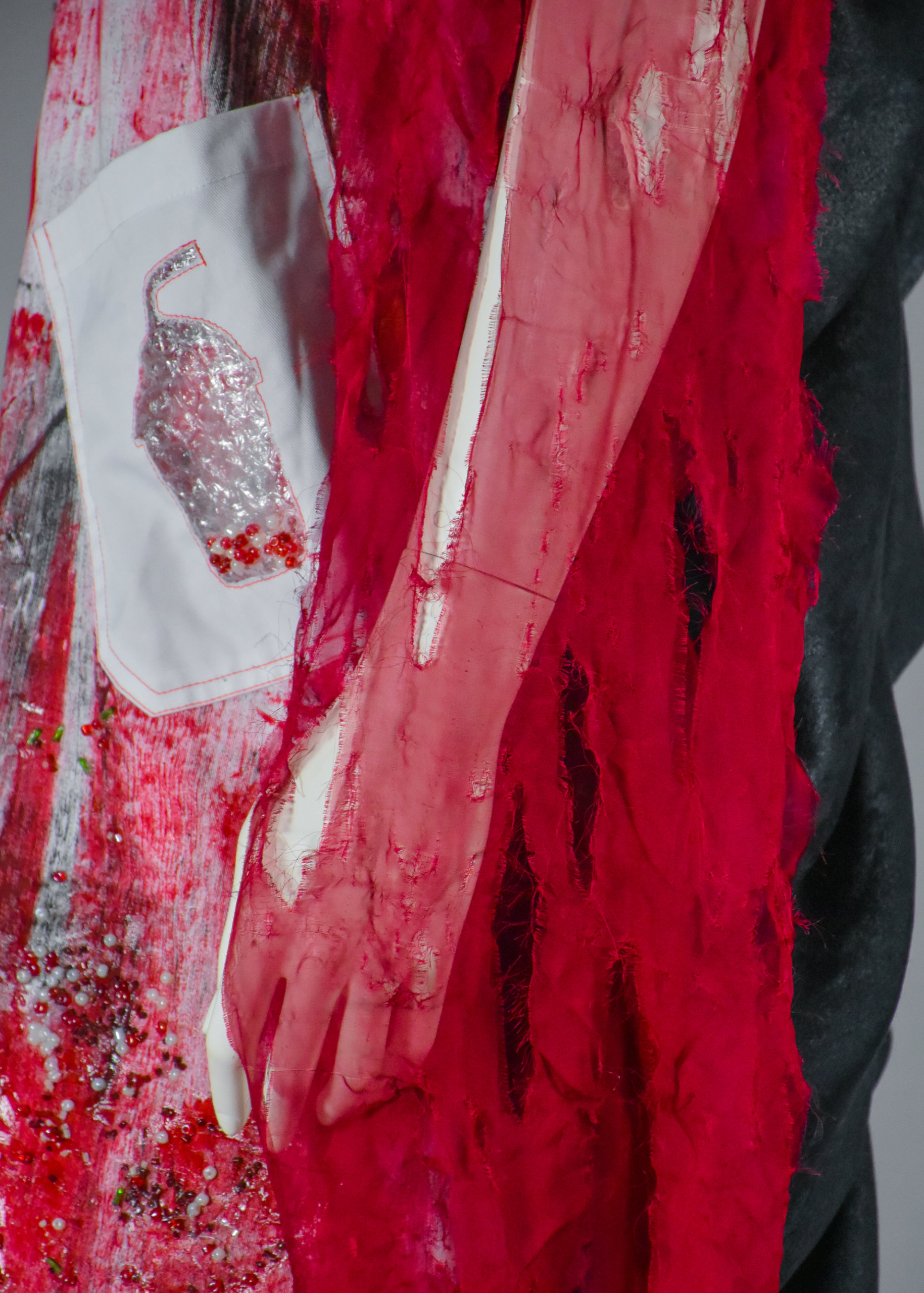
In our design, we used a smocking technique to achieve a three-dimensional effect and create a spine motif. The shape of the human spine echoes Josh’s work as an HIV researcher, serving as a spiritual pillar for HIV patients. By breaking the original spine shape and placing it on one side of the body, we symbolize the challenges and imbalances in HIV research and treatment, reflecting the uneven impact of HIV on different regions and populations, particularly those with limited resources and poor access to healthcare. Josh mentioned the importance of ensuring that people in remote and impoverished areas can also receive HIV treatment during the research process. The long tail of the design represents the extensive period required for HIV research and the significant time and effort needed on the path to an HIV cure. The sleeve design creates an asymmetric effect through a three-dimensional form, with one side extended and the arm exposed to signify blood drawn from patients, with the long tail simulating the state of dripping blood. The overall design is presented in red and black; red symbolises blood and HIV, while black represents the presence of the virus. The motifs on the front of the lab coat incorporate CT4 cells and bubble tea sleeper bank elements into the pockets to directly illustrate Josh’s research.

ASHM Australasian HIV&AIDS Conference 2024